No products in the cart.
Save 20% on orders over $100 with code CT20

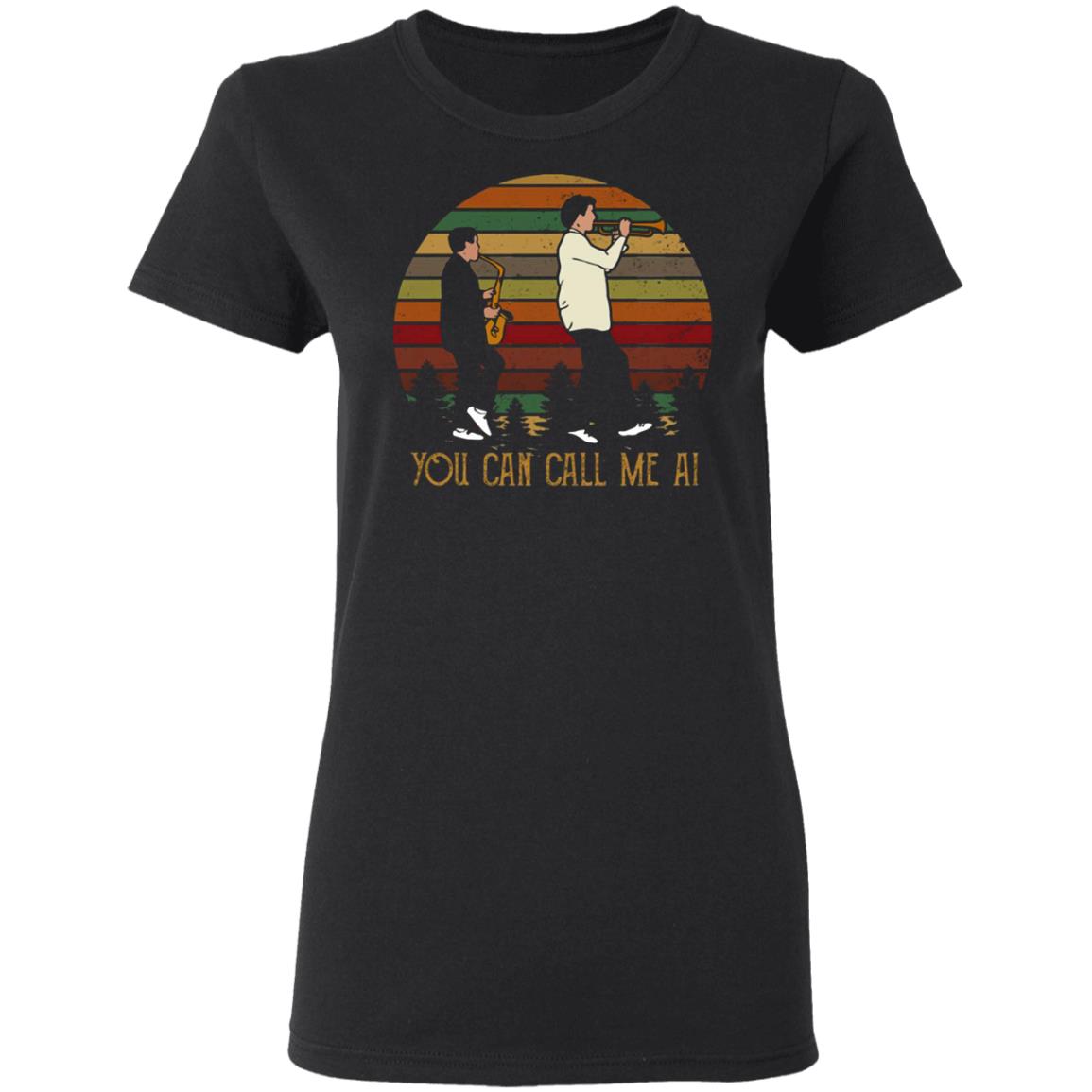
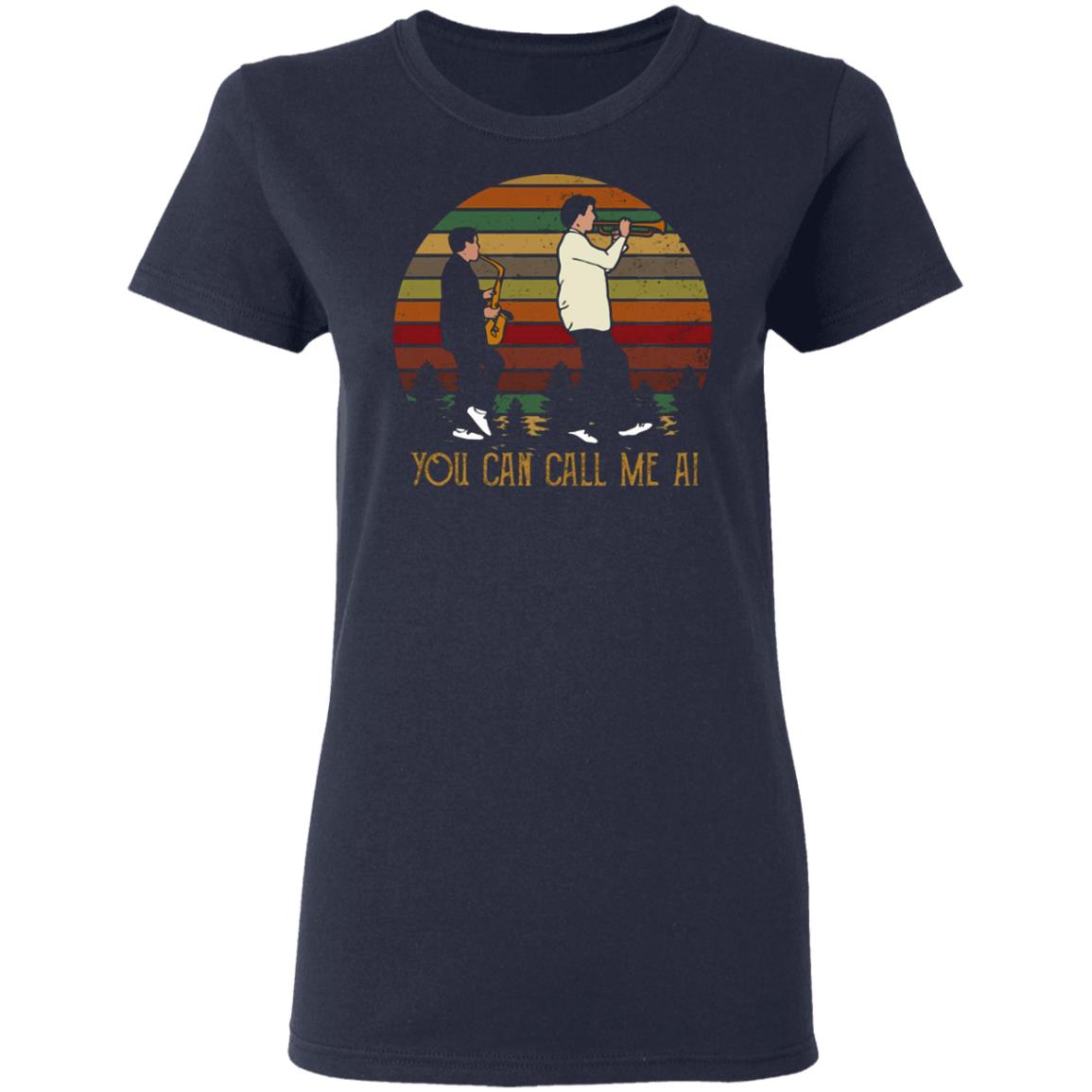
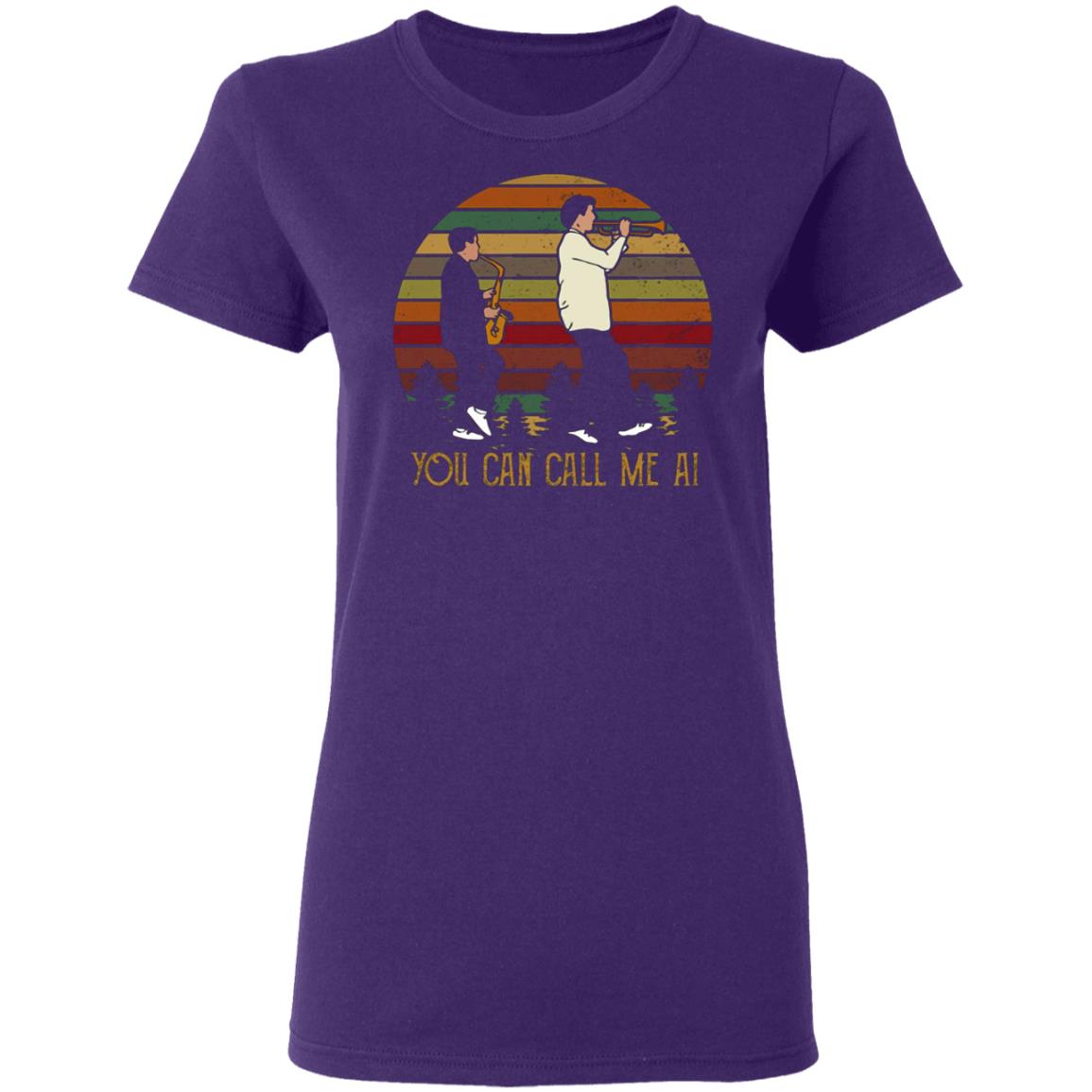
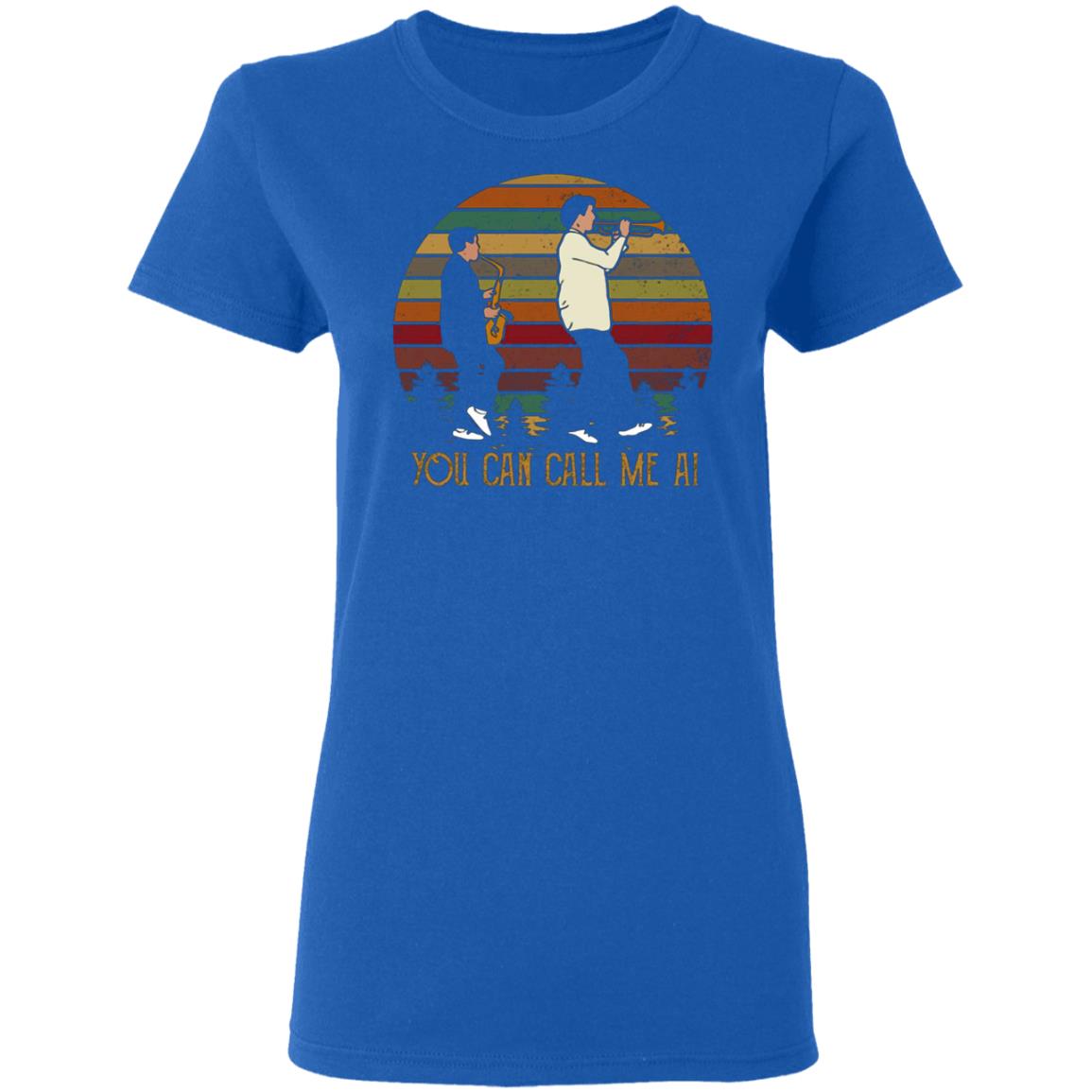
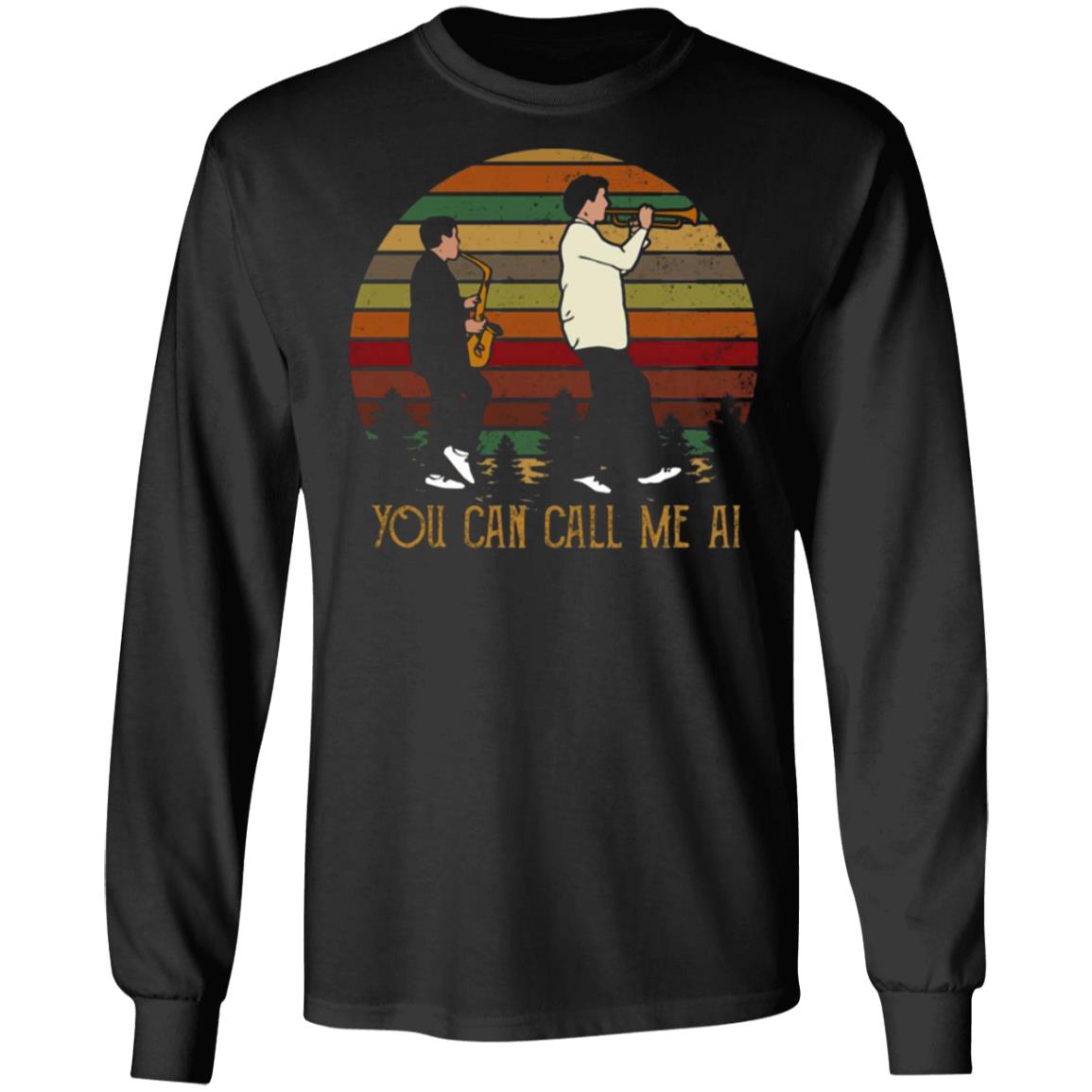
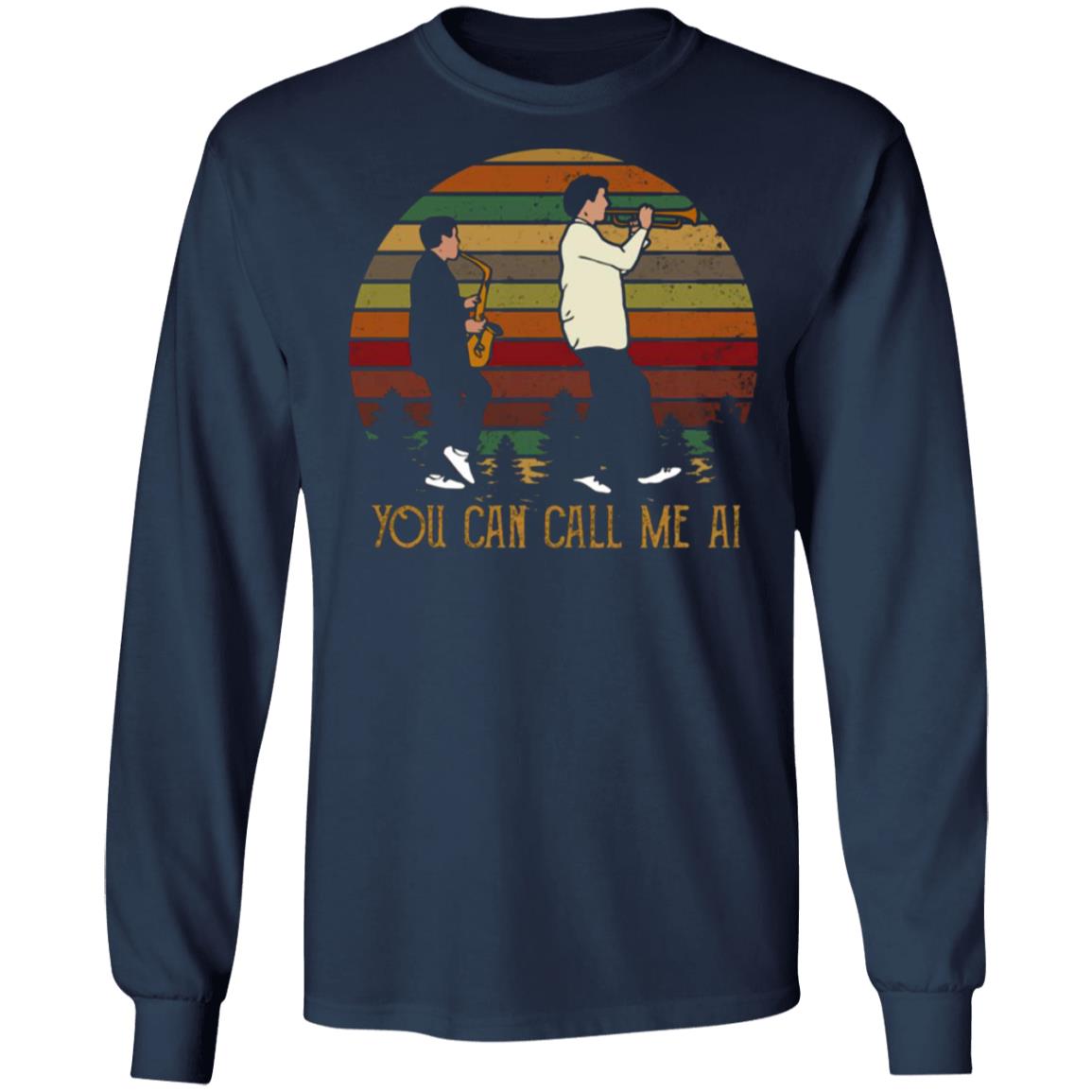
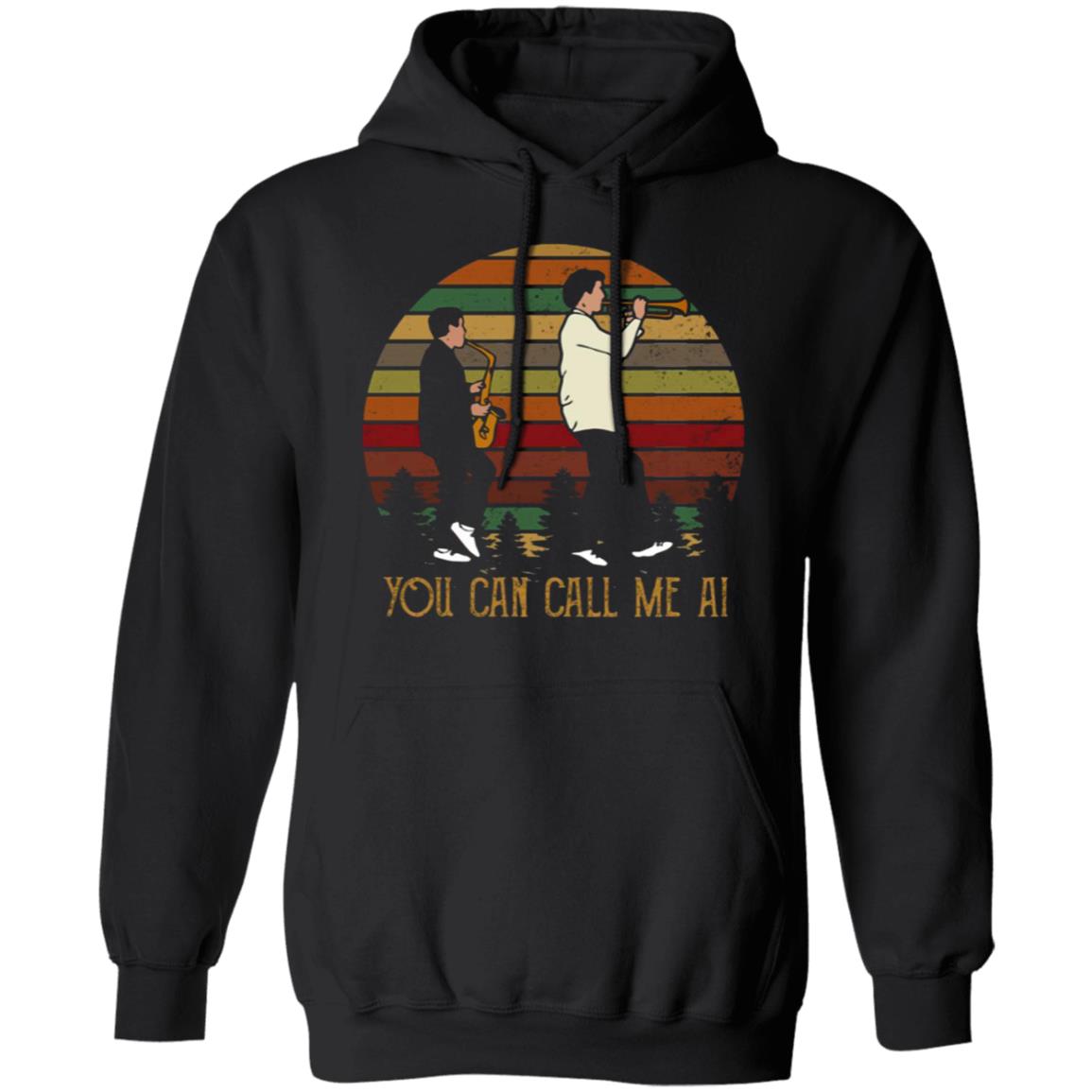
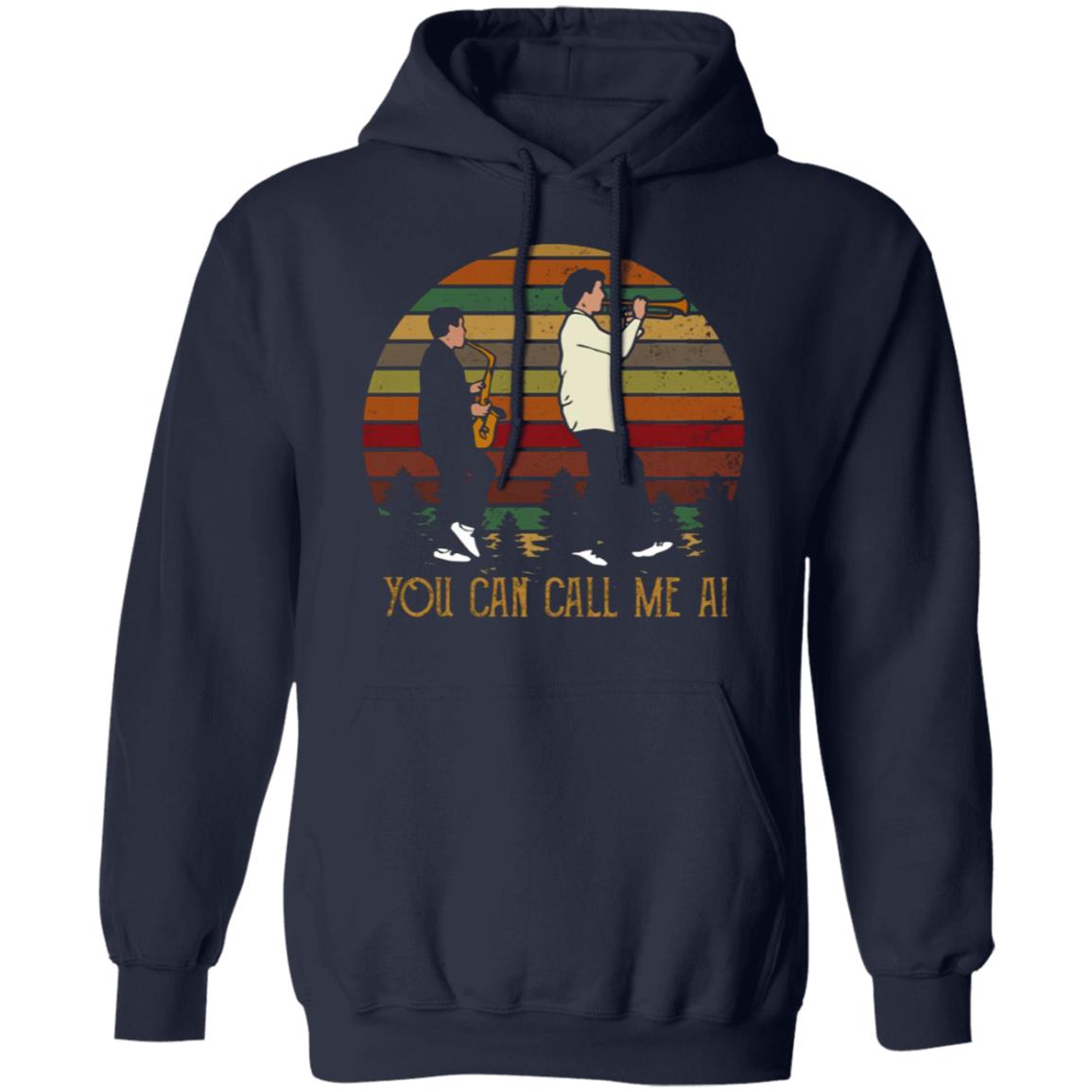

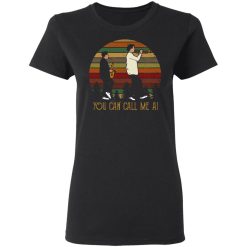
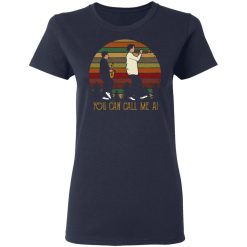
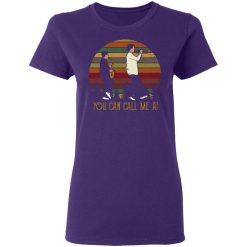
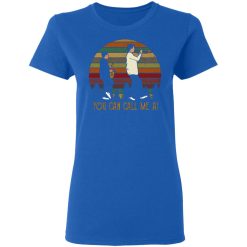
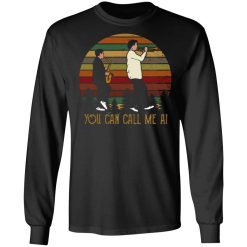
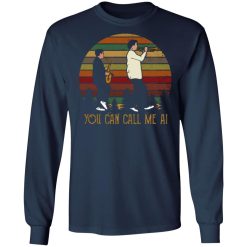
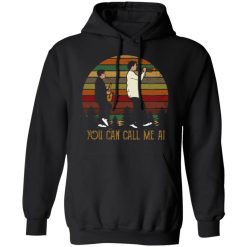
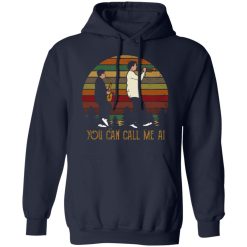
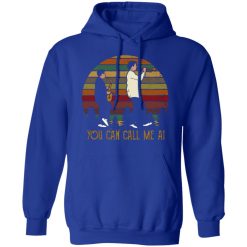
Price range: $22.99 through $44.99
Some songs never leave the cultural bloodstream. They slip out of the decade that created them and quietly embed themselves in the visual and emotional memory of pop culture. “You Can Call Me Al” is one of those rare tracks. Released during a vibrant mid-80s moment when pop music was absorbing global rhythms and experimental textures, the song became more than a radio hit—it became a snapshot of a creative turning point.
The energy of that era wasn’t only heard through speakers. It was seen in record sleeves, concert posters, MTV visuals, and the casual streetwear fans adopted to signal their taste in music. A vintage graphic inspired by that moment captures something deeper than nostalgia. It captures the playful confidence and sonic curiosity that defined a generation of music lovers discovering that pop could travel across cultures.
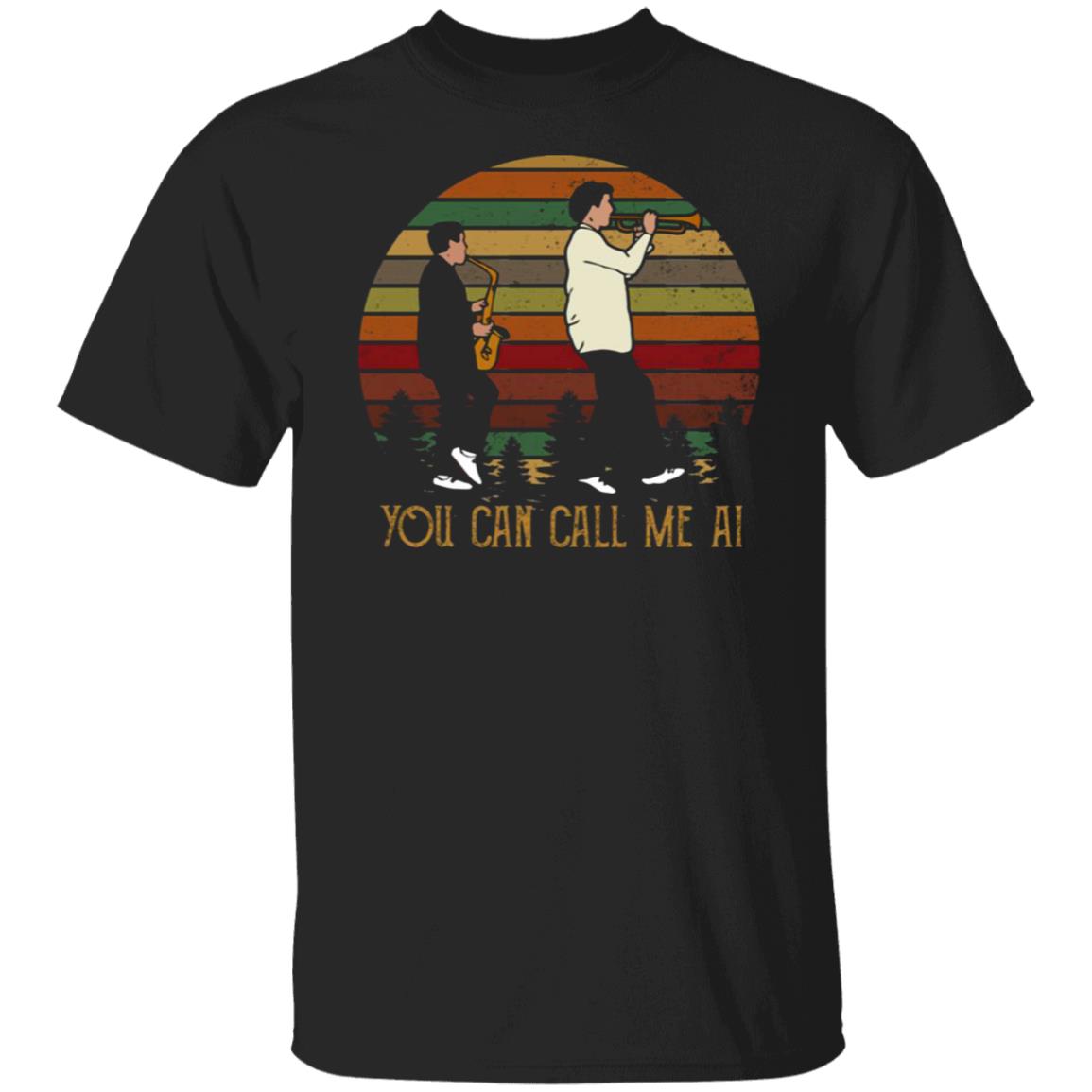
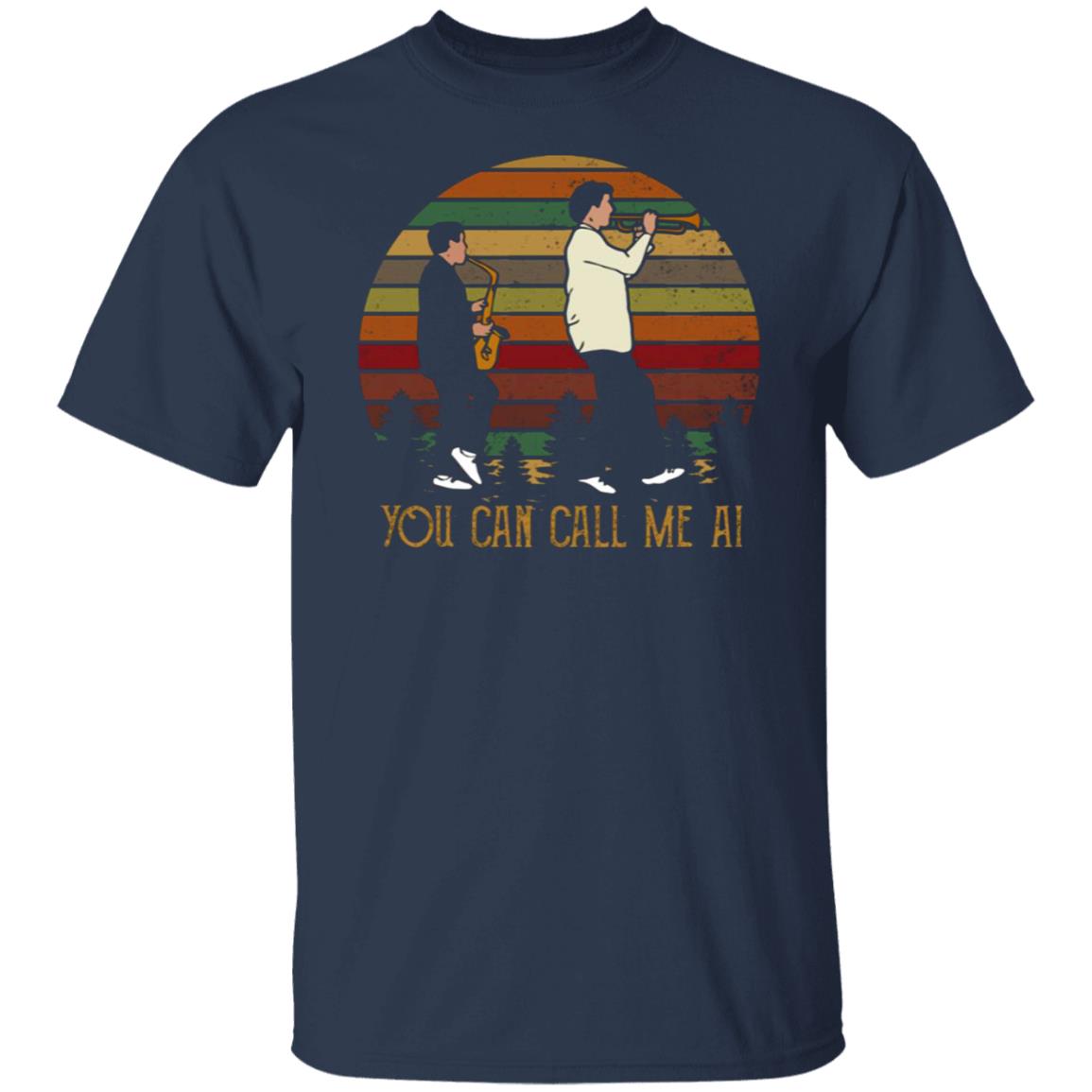
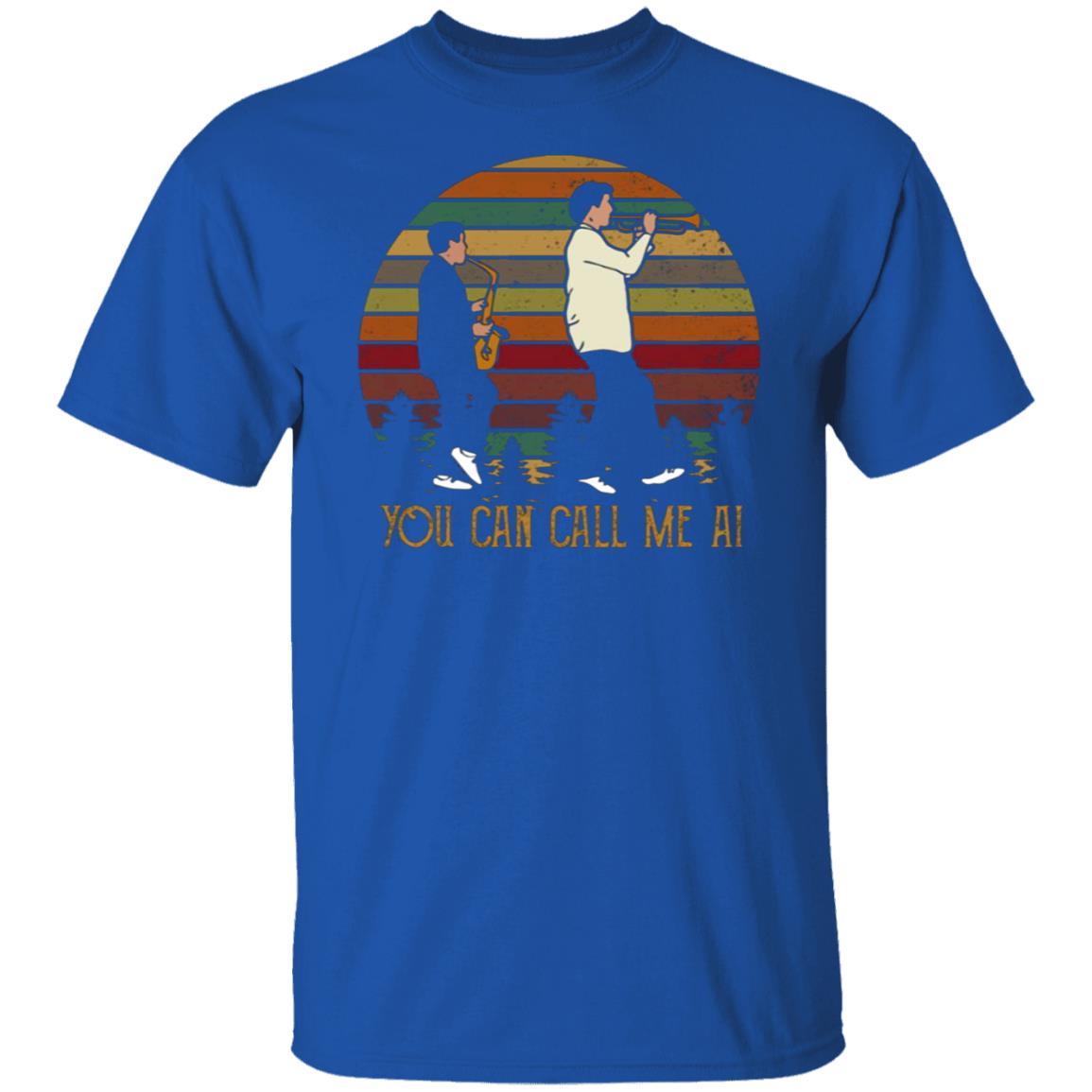
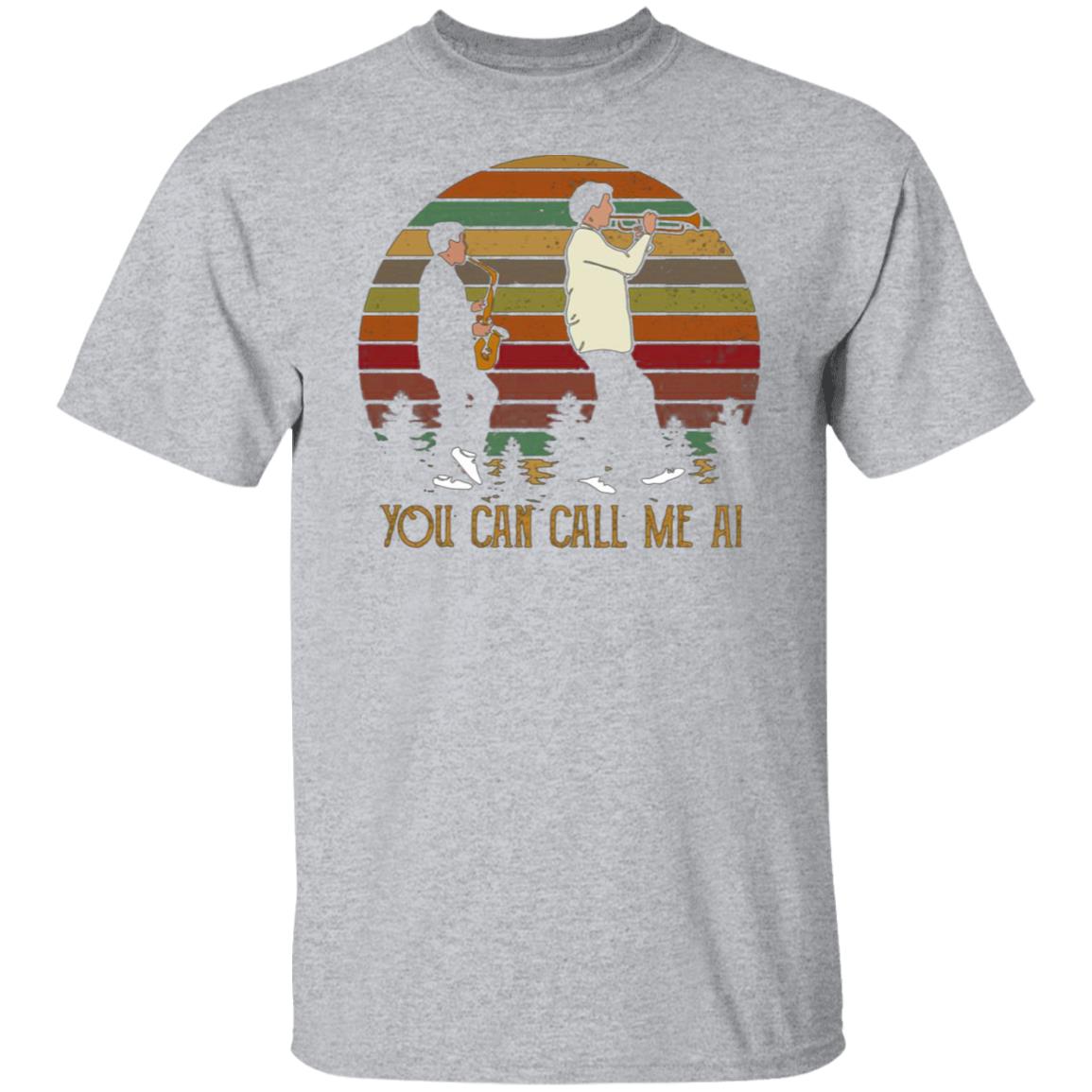
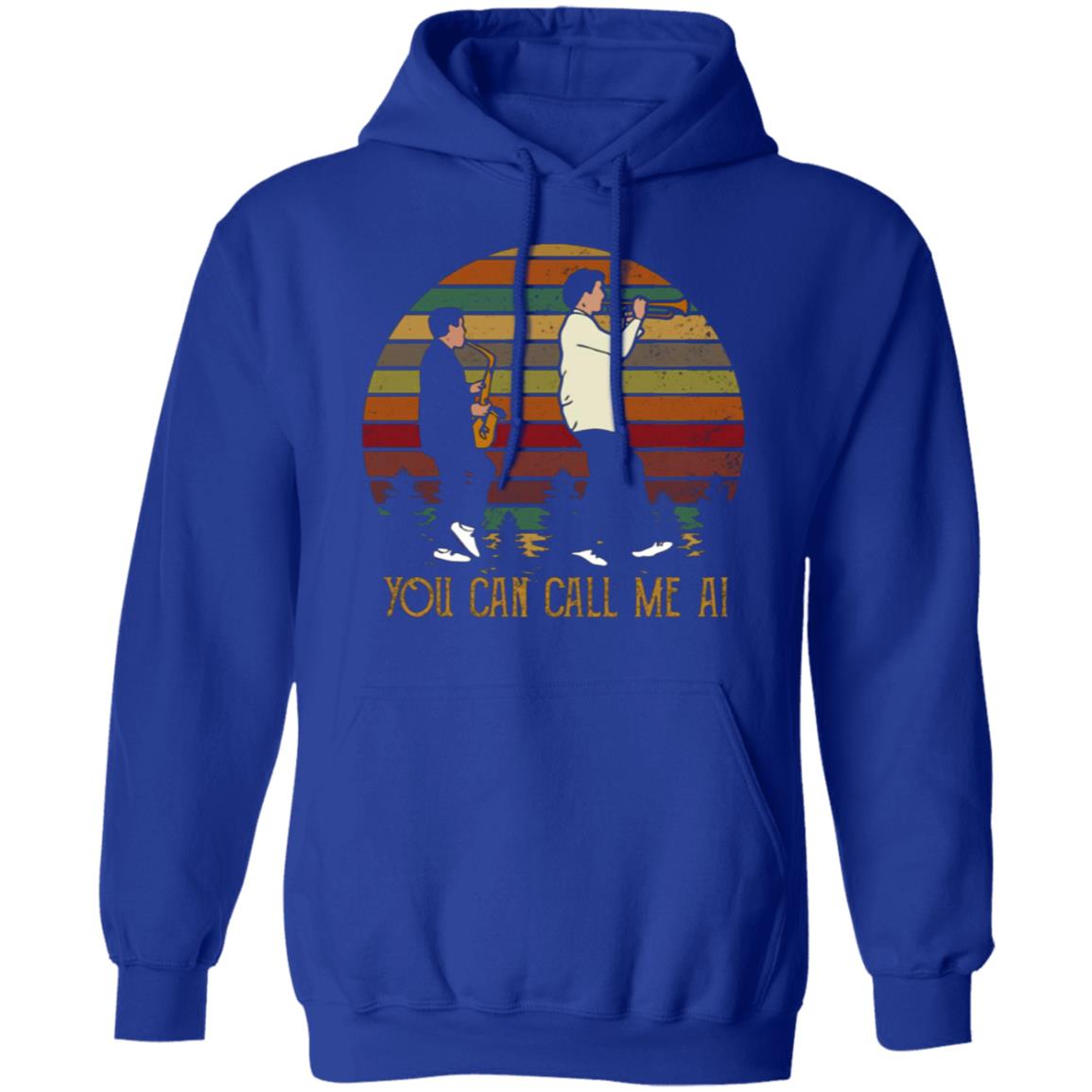
The You Can Call Me Al vintage design channels that spirit. Rather than functioning as simple band merchandise, it feels like a cultural artifact—something that reflects the colorful optimism of the mid-1980s music landscape.
By the mid-80s, pop music was undergoing a quiet transformation. Artists were beginning to experiment with sounds that stretched beyond traditional Western rock structures. Rhythms from Africa, South America, and the Caribbean were influencing production styles, songwriting, and instrumentation.
Few artists embraced that cultural openness more boldly than Paul Simon. Instead of chasing trends within mainstream pop, he explored musical traditions that broadened the sound palette of American radio. The result was a style that felt fresh, rhythmically rich, and deeply melodic at the same time.
“You Can Call Me Al” emerged from that creative environment. Its upbeat tempo, distinctive bass runs, and playful storytelling created a song that felt instantly recognizable yet impossible to categorize neatly. The track balanced pop accessibility with world-music inspiration—something that made it stand out on playlists then and now.
Fans didn’t just remember the music. They remembered the atmosphere around it: colorful album artwork, music videos that mixed humor with style, and a sense that pop culture was becoming more globally aware.
Some songs represent a mood of their era better than any historical description could. “You Can Call Me Al” carries the optimism, eccentric humor, and creative experimentation that defined mid-80s pop culture.
The track’s playful lyrics and rhythmic drive made it instantly memorable. But its cultural impact extended beyond the music itself. The era’s visual language—bright colors, bold typography, and relaxed silhouettes—became intertwined with how fans remembered the song.
That’s why vintage-inspired designs referencing the track resonate decades later. They act as a visual shorthand for a time when pop music felt adventurous without losing its fun.
Together, those elements create a design language that feels unmistakably tied to the golden age of MTV and global pop experimentation.
Music fans have always used clothing to signal their cultural identity. Long before streaming platforms and social media playlists existed, a graphic tee could communicate exactly what kind of music lived on someone’s record shelf.
When a song becomes iconic enough, it stops being just audio—it becomes imagery, typography, and visual symbolism. The transformation from song to wearable culture often happens through vintage designs that reinterpret album-era aesthetics.
The appeal lies in subtle recognition. Someone who sees the phrase or design immediately understands the reference, while others simply see an intriguing retro graphic. That layered recognition is part of what makes music shirts powerful cultural pieces.
Within collections of vintage paul simon shirt styles and other classic artist graphics, designs inspired by memorable tracks stand out because they capture a specific musical memory rather than just an artist’s name.
It’s the difference between generic band merchandise and something that feels tied to a moment—a song you remember hearing on the radio, a music video that played endlessly on television, or a melody that instantly transports listeners back to another decade.
A well-executed vintage music graphic isn’t about perfect digital sharpness. In fact, its charm comes from the opposite: textures that feel slightly weathered, inks that appear softened by time, and graphics that echo the print techniques used decades ago.
The You Can Call Me Al vintage design leans into that aesthetic language. The artwork carries the subtle imperfections associated with classic screen-printed band tees—the kind fans once picked up at record stores or concert merchandise tables.
When worn, the visual effect feels naturally relaxed. The graphic sits comfortably within the fabric rather than floating sharply on top of it. Light catches the ink in a way that gives the design depth, almost like a faded album cover rediscovered in a crate of vinyl records.
The silhouette also contributes to the retro atmosphere. Vintage-inspired music tees often drape with a laid-back ease that complements casual outfits. They pair naturally with denim, layered flannels, or minimalist streetwear, allowing the graphic itself to remain the focal point.
That combination of texture, drape, and imagery is what makes vintage band shirts feel authentic rather than costume-like. Instead of trying to recreate the past perfectly, they evoke its visual spirit.
Classic artists remain culturally relevant when their music continues to connect across generations. Paul Simon’s catalog has that rare ability to feel timeless. The songwriting is melodic enough for casual listeners yet sophisticated enough to attract musicians and collectors who appreciate craft.
Because of that lasting appeal, vintage designs referencing his work attract a surprisingly wide audience. Long-time fans see them as nostalgic tributes to a transformative musical era, while younger listeners discover them through streaming playlists and retro pop revivals.
The “You Can Call Me Al” theme in particular carries a universal quality. Its playful storytelling and infectious rhythm translate easily into visual culture. A shirt referencing the track doesn’t feel tied to a single moment in time—it feels like a celebration of pop music’s ability to blend joy, humor, and artistry.
In the broader landscape of music apparel, that combination is rare. Many band shirts focus on tour dates or logos. Vintage designs inspired by iconic songs instead capture a feeling.
And that feeling—bright, curious, rhythm-driven, and slightly eccentric—is exactly what made the mid-1980s such a memorable era in music history.
Clothing connected to music often becomes part of how fans carry their cultural influences into everyday life. A vintage tee referencing a beloved track works almost like a conversation starter. Someone notices the design, recognizes the reference, and suddenly two strangers are talking about the music that shaped their playlists.
The You Can Call Me Al vintage shirt captures that social dimension of music culture. It’s not just about honoring an artist—it’s about remembering the joyful unpredictability of the era that produced the song.
From its rhythmic inspiration to its retro visual language, the design reflects a moment when pop music expanded its boundaries and listeners discovered new sonic landscapes. Wearing it today feels less like revisiting the past and more like celebrating a creative spirit that continues to influence modern music.
That’s the enduring magic of vintage music apparel. When the design is rooted in a genuine cultural moment, it never truly goes out of style.
| Product | You Can Call Me Al Paul Simon Vintage Version T-Shirts, Long Sleeve, Hoodies |
|---|---|
| SKU | cc-1049-9953-94720103-1626610177140 |
| Fabric Weight | Midweight (5.3 oz) – Heavyweight (6.0 oz Long Sleeve) |
| Material Composition | Solid Colors: 100% Cotton Ash Grey: 99% Cotton / 1% Polyester Sport Grey: 90% Cotton / 10% Polyester Dark Heather: 50% Cotton / 50% Polyester |
| Fit | Classic Unisex Fit (Ladies: Slightly Tapered Missy Fit) |
| Construction | Double-needle stitching Taped neck & shoulders Preshrunk jersey knit Tearaway label |
| Hoodie Material (G185) | 8.0 oz – 50% Cotton / 50% Polyester |
| Available Sizes | S – 5XL (6XL select colors only) |
| Origin | Made with sustainably and fairly grown USA cotton; Printed in USA |
| Print Method | DIGISOFT® Direct-to-Garment (DTG) |
| Brand | Capital T Shirt |
| Fast & Reliable Shipping | All orders are professionally printed and shipped from the USA. |
|---|---|
| Processing Time | Printed on demand within 1–3 business days. |
| Shipping Time | USA: 4–7 business days International: 7–15 business days |
| Shipping Costs | USA Standard: $5.99 International Standard: $9.99 |
| Secure Checkout | Safe & encrypted payment processing. Your information is protected at all times. |
| Returns & Exchanges | We offer a 30-day return policy. View Refunds & Returns Policy |
| Customer Guarantee | We stand behind the quality of every item we print. |





Reviews
There are no reviews yet.