
No products in the cart.
Rock Band Shirts
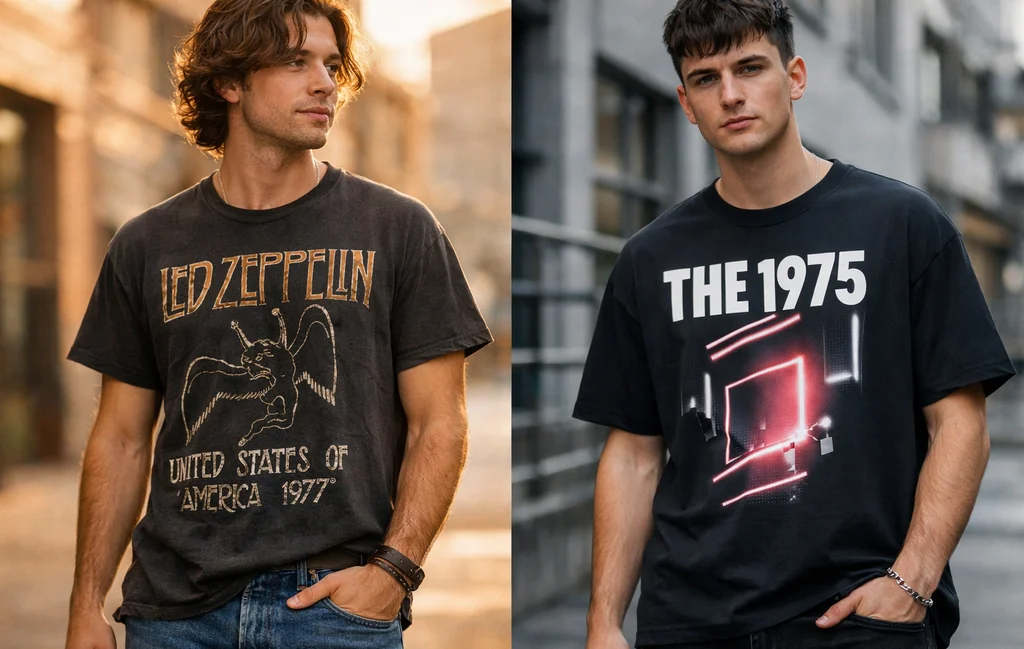
Classic Rock vs Modern Rock Shirts: Style, Fit & Cultural Impact Compared
04
Mar
Mar
What Defines a Classic Rock Shirt? (And Why It Still Dominates)
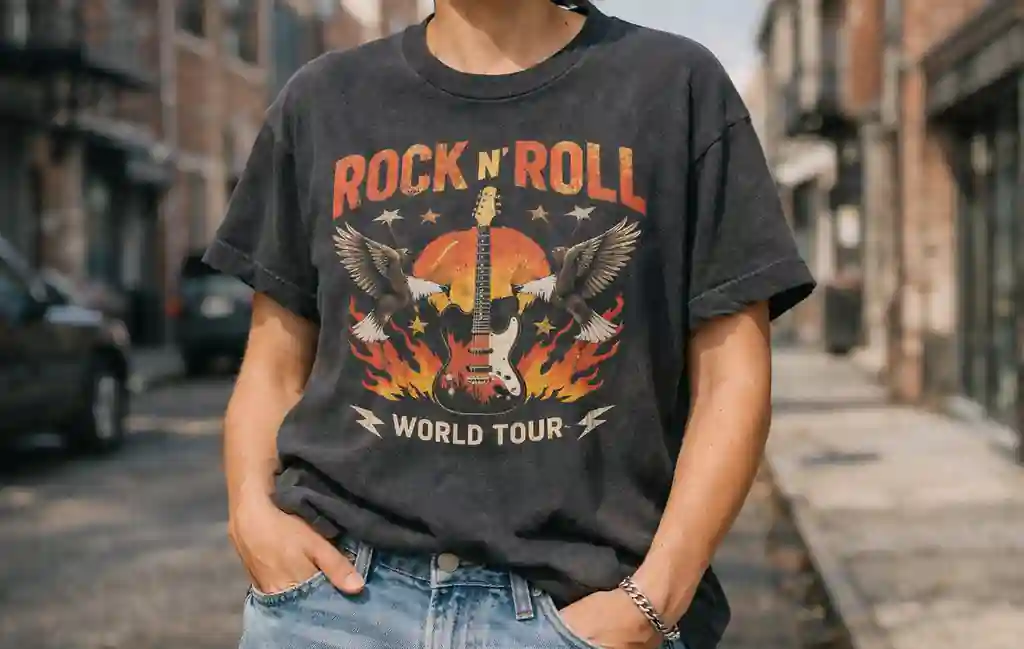
A classic rock shirt is rooted in the golden era of arena tours, analog recording, and iconic album art that shaped music history. Think bold logos, hand-drawn illustrations, tour dates, and powerful symbolism tied to legendary bands like Led Zeppelin, Pink Floyd, The Rolling Stones, or Queen.
But here’s the contrarian insight: classic rock shirts aren’t popular just because of nostalgia. They dominate because their visual language was designed for permanence. Album covers from the ’60s–’80s were built as art objects — not digital thumbnails. That depth translates to wearable graphics that feel substantial.
Core Traits of Classic Rock Tees
- Distressed or retro-style artwork
- Iconic logos with immediate recognition
- Tour date back prints
- Relaxed, straight-cut silhouette
- Heavyweight cotton feel
From a production standpoint, heavyweight 5.3 oz cotton in a classic unisex cut gives these shirts structure. Taped neck and shoulders reinforce durability. And when paired with high-definition DIGISOFT® printing, you get vintage-inspired graphics with a softer hand feel and better long-term color retention than traditional plastisol.
That’s why vintage-inspired pieces often age better in your closet than trend-driven graphics.
Psychologically, wearing a classic rock shirt signals musical literacy. It suggests you value legacy. It feels intentional — even when styled casually.
What Defines a Modern Rock Shirt? (Not Just “New Band Merch”)
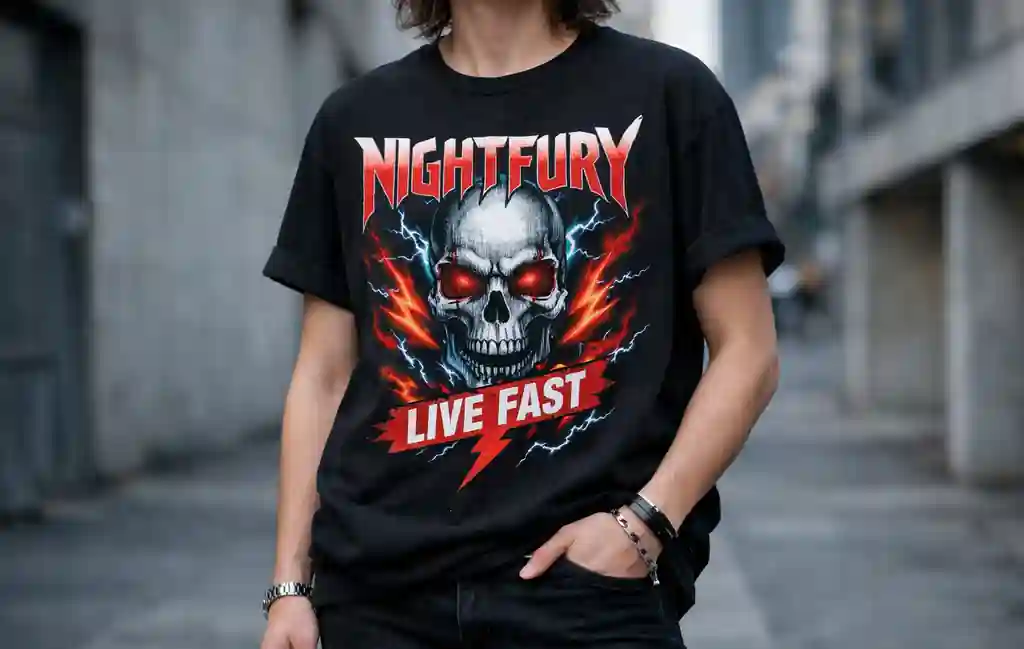
A modern rock shirt pulls from contemporary bands and updated graphic aesthetics. Artists like Foo Fighters, Green Day, Arctic Monkeys, and Imagine Dragons reflect a different visual era — cleaner lines, digital graphics, and bolder contrast.
Here’s the misconception: modern rock tees aren’t just tour merch replicas. The best ones translate current music culture into fashion-forward pieces.
Modern Rock Shirt Characteristics
- Crisp, high-contrast prints
- Minimalist or typographic layouts
- Streetwear-inspired oversized fits
- Experimental color blocking
- Forward-looking aesthetic
Fit is where modern rock separates itself. Slightly oversized silhouettes, longer sleeves, and relaxed drape create a contemporary street feel. When executed in preshrunk cotton with a smooth, low-pill surface, the shirt feels intentional — not sloppy.
Buyer psychology here is different. A modern rock shirt says you’re tuned into what’s happening now. It aligns more with festival culture and urban styling than record-collector nostalgia.
The design language is less about mythology and more about immediacy.
Design Language: Analog Artwork vs Digital Precision
This is where the classic rock vs modern rock shirts conversation becomes technical.
Classic rock graphics were born in a pre-digital world. Hand-drawn illustrations, airbrushed effects, psychedelic typography — everything was built for album covers, vinyl sleeves, and physical posters. That analog DNA creates layered detail and symbolic storytelling.
Modern rock design evolved in a digital ecosystem. It’s optimized for streaming platforms, social media banners, and scalable visuals. Cleaner lines. Sharper edges. Less texture, more clarity.
Neither is better. But they perform differently in a wardrobe.
Classic rock designs:
- Look stronger when slightly faded
- Pair naturally with denim and leather
- Feel authentic with worn-in texture
Modern rock designs:
- Benefit from high-definition print clarity
- Work with monochrome streetwear fits
- Stand out in layered outfits
Print quality matters in both cases. DIGISOFT® decoration enhances detail while maintaining a soft-hand feel, reducing cracking over time. That’s critical whether you prefer a retro vibe or a clean graphic.
Fit & Silhouette Differences (The Part Most People Ignore)
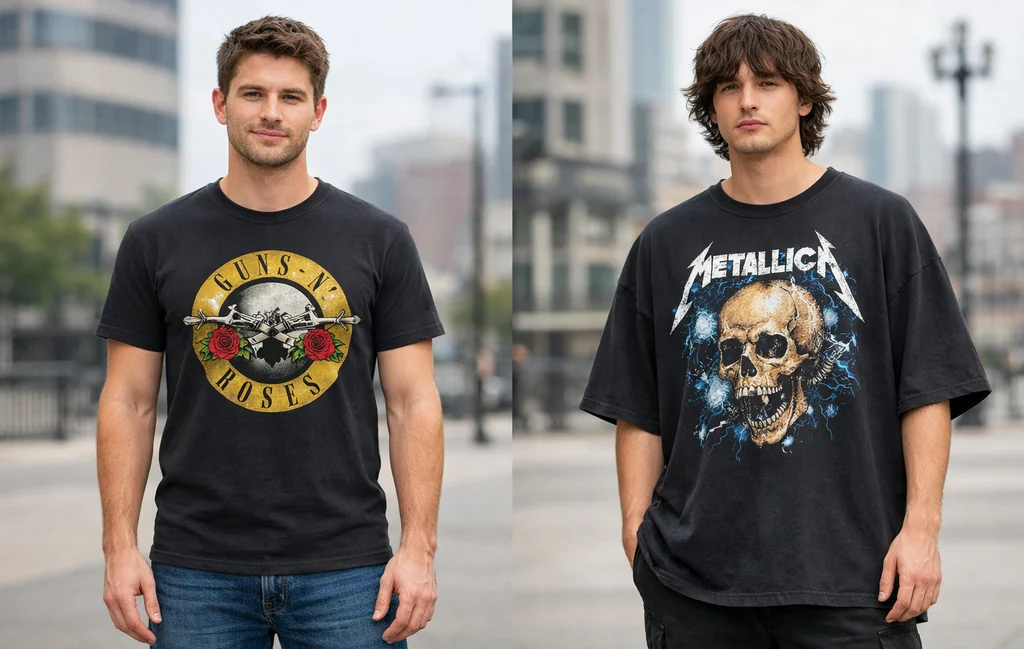
Most buyers focus on the graphic. Experienced buyers focus on the cut.Classic rock shirts traditionally use a structured unisex fit — straight through the body, clean shoulder line, slightly heavier drape. This gives the shirt backbone. It works tucked, untucked, layered, or solo.
Modern rock shirts often lean into relaxed or oversized silhouettes. More drop at the shoulder. Slightly wider sleeve opening. The energy shifts from heritage to street.
Here’s the clarity logic:
- If you want versatility across age ranges and settings → classic cut wins.
- If your style leans urban, sneaker-driven, or oversized → modern cut hits harder.
- If you’re building a foundational wardrobe → start classic.
- If you’re adding personality pieces → modern makes impact.
For shoppers exploring high-quality rock band shirts, understanding fit prevents regret. A great graphic can’t fix a silhouette that doesn’t align with your body type or style direction.
This is also why sizing consistency and construction details — like taped neck and double-needle stitching — matter. They protect shape over repeated washes.
Collector Energy vs Everyday Wearability
Are classic rock shirts more valuable? Sometimes — especially when referencing historic tours or culturally defining albums. They carry story weight.
But modern rock tees often win in daily wear rotation. Cleaner graphics integrate easier with contemporary outfits. They’re less costume-like.
So the better question isn’t “Which is better?”
It’s: What role does this shirt play in your wardrobe?
Statement piece? Go classic.
Everyday flex? Modern might be smarter.
And if you want a curated breakdown of timeless options, our editorial guide to best rock band t-shirts explores foundational picks that balance culture and quality.
We’re just getting started. Next, we’ll break down styling strategy, long-term value, objections buyers have, and how to choose with zero second-guessing.
How to Style Classic and Modern Rock Shirts Without Looking Try-Hard
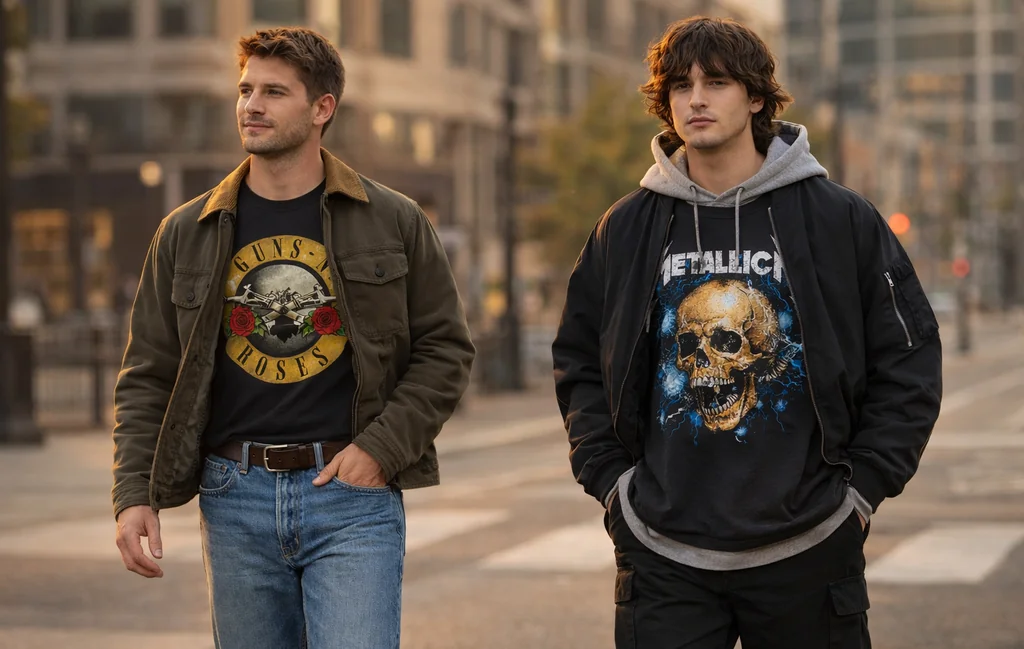
Styling is where the classic rock vs modern rock shirts debate becomes visible in the real world. A shirt might look great on a hanger — but how it integrates into your daily rotation determines whether it earns repeat wear.
Styling Classic Rock Shirts
Classic rock pieces thrive in layered, textural outfits:
- Light-wash or raw denim
- Leather or canvas jackets
- Vintage sneakers or boots
- Slight tuck or natural drape
The key is restraint. Let the artwork speak. Because the graphics often carry symbolic depth, over-accessorizing can dilute the impact.
Contrarian insight: classic rock shirts don’t require distressed jeans to “match the vibe.” In fact, pairing a heritage graphic with clean modern denim creates stronger contrast and keeps the look current.
Styling Modern Rock Shirts
Modern rock tees lean naturally into contemporary silhouettes:
- Relaxed black jeans or cargos
- Minimal sneakers
- Overshirts or lightweight outerwear
- Layered chains or subtle accessories
Because modern graphics tend to be cleaner, they integrate smoothly into streetwear ecosystems. Oversized cuts especially benefit from intentional balance — slimmer bottoms or structured layers prevent visual overload.
If you’re building a rotation from scratch, starting inside the broader Music collection helps you identify which aesthetic aligns with your wardrobe goals before committing to one direction.
Print Quality & Fabric Feel: The Detail That Separates Fast Fashion from Real Apparel
This is where many comparisons online fall apart. They talk culture — but ignore production.
Fabric weight and print method dramatically influence how a shirt ages.
Classic rock-inspired pieces in 5.3 oz heavyweight cotton hold structure better over time. The straight unisex fit maintains shape, especially with taped neck and shoulder construction. That structure enhances the “heritage” feel — it doesn’t collapse after a few washes.
Modern rock shirts often benefit from preshrunk cotton construction, maintaining consistent fit and reducing post-wash surprises.
Now let’s address the real differentiator: print durability.
DIGISOFT® decoration delivers:
- High-definition print clarity
- Soft-hand feel (not thick plastic texture)
- Reduced cracking compared to traditional plastisol
- Long-term color retention
This matters for both eras. Vintage-style graphics need subtle depth without stiffness. Modern bold prints require sharp detail without heavy ink buildup.
When buyers complain that band tees feel stiff or peel after washing, it’s usually a print method issue — not the era of the design.
Are Vintage Band Tees Better Than Modern Ones?
This question shows up constantly in People Also Ask results — and it deserves a nuanced answer.
No, vintage-style tees aren’t automatically better. They simply serve a different identity.
Vintage band tees often feel more collectible. They signal music history appreciation. They also pair easily across age groups, which expands their styling lifespan.
Modern rock shirts, however, can feel more aligned with today’s silhouettes and cultural tempo. They’re less tied to nostalgia and more integrated into current streetwear movements.
If you gravitate toward archival aesthetics, exploring curated vintage band tees may feel natural. If your wardrobe leans contemporary, modern graphics might integrate more seamlessly.
The smarter move? Own both — but assign them roles.
Decision Framework: How to Choose Without Regret
Instead of debating endlessly, use this structured decision model:
- Identify your wardrobe base. Mostly denim and boots? Classic leans stronger. Mostly streetwear? Modern integrates easier.
- Assess fit preference. Structured unisex cut or oversized silhouette?
- Consider long-term rotation. Will this still feel relevant in three years?
- Evaluate graphic intensity. Do you want statement art or minimalist punch?
- Clarify identity message. Are you signaling legacy or current awareness?
This logic removes emotion from impulse purchases and replaces it with intentional wardrobe building.
Common Buyer Objections (And Real Answers)
“Will a classic rock shirt make me look dated?”
Not if styled with modern proportions. Clean denim, updated footwear, and confident layering keep it contemporary.
“Are modern rock shirts too trendy?”
Only if the graphic relies on short-term hype. Choose designs rooted in musical identity rather than temporary aesthetics.
“Do heavier shirts feel uncomfortable?”
Quality heavyweight cotton provides structure without stiffness, especially when paired with soft-hand printing.
“Are oversized fits harder to pull off?”
They require proportion awareness — but when balanced correctly, they elevate the look.
FAQ: Classic Rock vs Modern Rock Shirts
1. What is the main difference between classic and modern rock shirts?
Classic rock shirts emphasize heritage graphics, distressed art, and structured fits rooted in legacy bands. Modern rock shirts focus on cleaner digital designs, updated silhouettes, and streetwear integration. The difference is cultural language and fit — not just age of the band.
2. Are classic rock shirts more valuable or collectible?
They can feel more collectible because they reference historic tours and iconic eras. However, long-term value depends on construction quality, print durability, and timeless design rather than era alone.
3. Can you wear modern rock shirts casually every day?
Absolutely. Modern graphics often integrate seamlessly into everyday streetwear outfits. Their cleaner design makes them easy to rotate without feeling costume-like.
4. Do classic rock shirts fit differently than modern ones?
Often, yes. Classic styles typically use structured unisex fits. Modern designs may lean slightly oversized or relaxed, aligning with current fashion proportions.
5. Which style lasts longer in a wardrobe?
Timeless graphics with durable print methods last longest — regardless of era. Structured cotton construction and high-quality decoration significantly extend lifespan.
Final Verdict: It’s Not Era vs Era — It’s Role vs Role
The smartest conclusion in the classic rock vs modern rock shirts debate isn’t choosing a winner.
It’s recognizing function.
Classic rock shirts deliver timeless cultural weight. Modern rock shirts inject contemporary edge. One builds foundation. The other adds evolution.
If you’re ready to build a rotation that balances both, start by exploring the full Music T-Shirts collection and refine from there.
When your wardrobe reflects both legacy and momentum, you don’t pick sides — you control the narrative.

Related Posts: