No products in the cart.
Save 20% on orders over $100 with code CT20

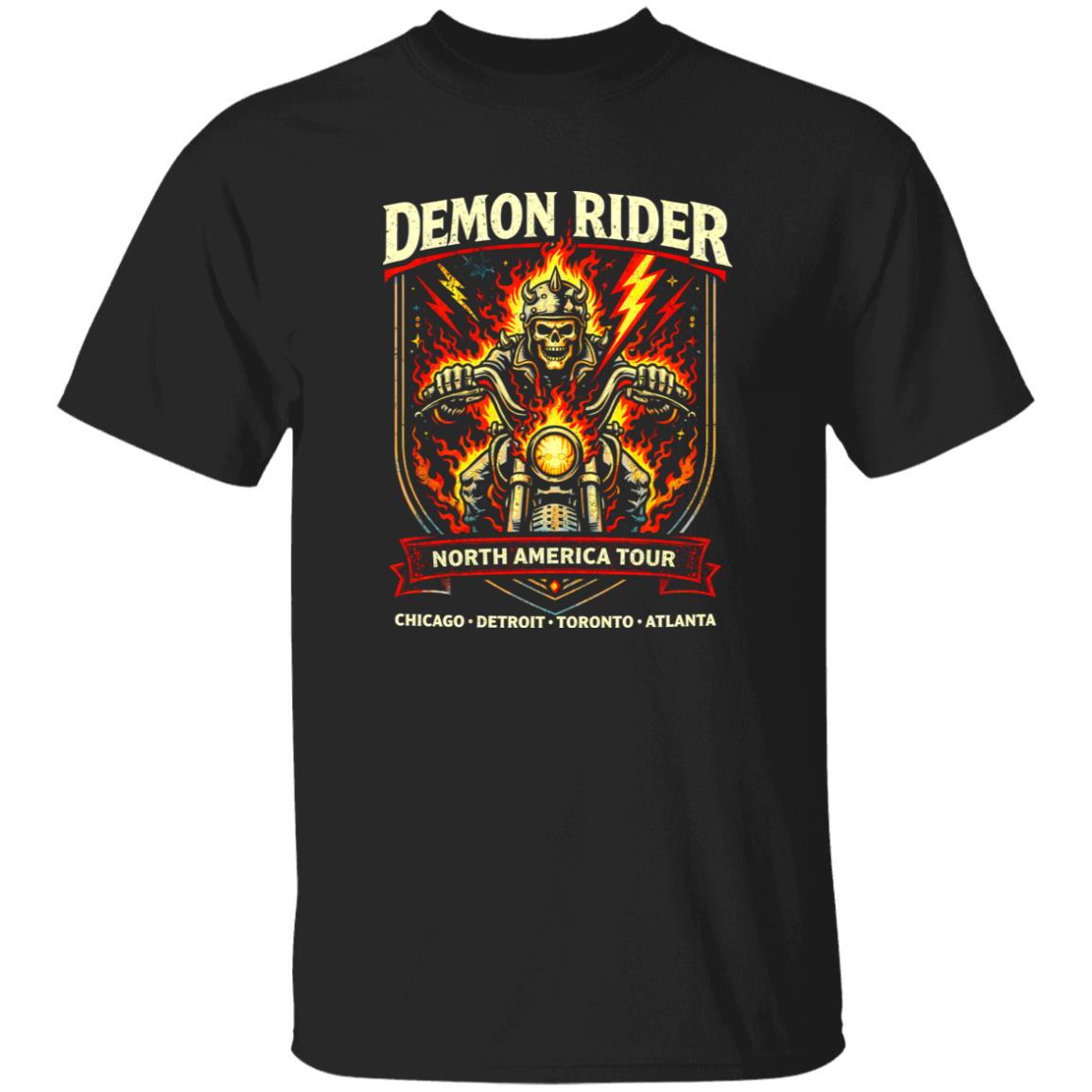
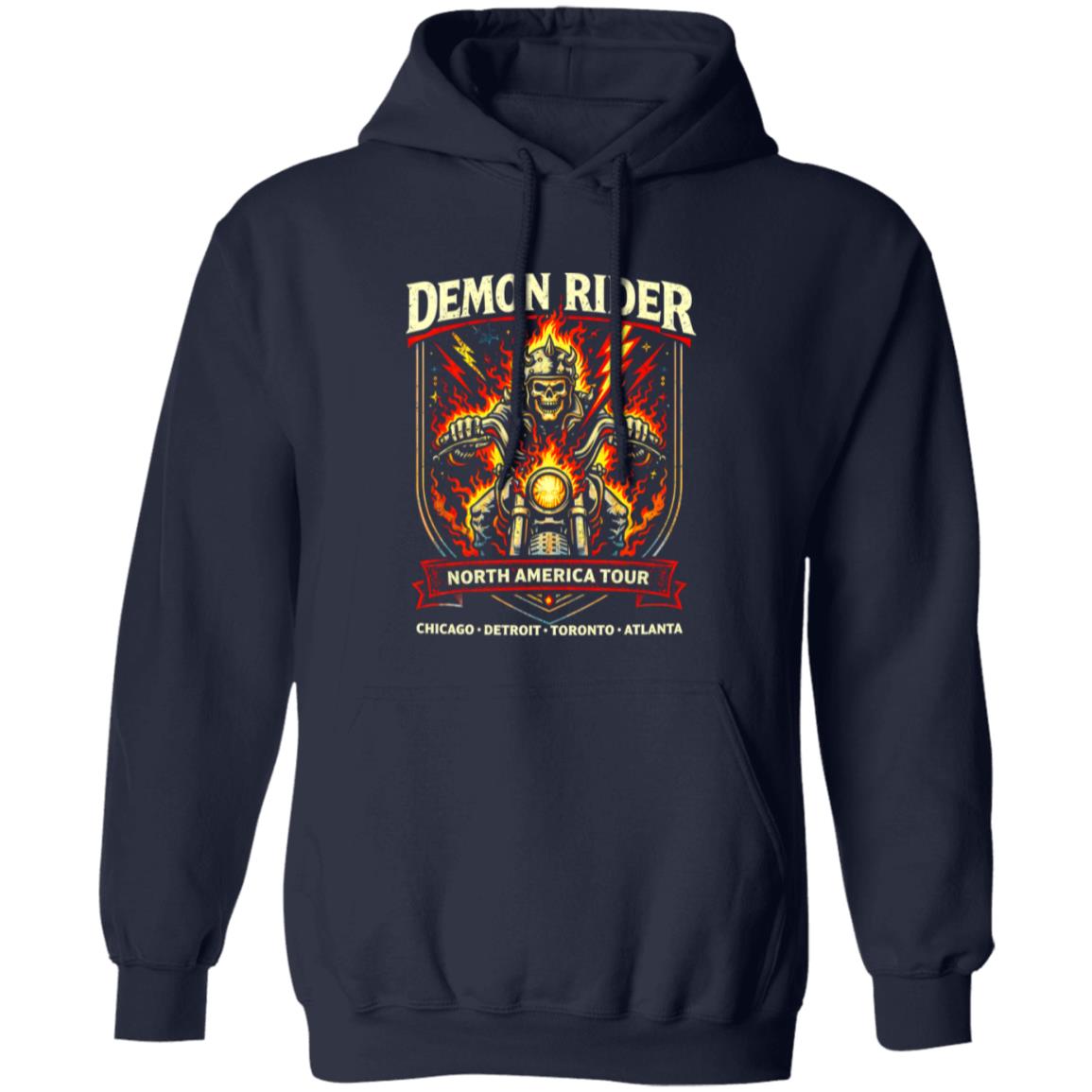
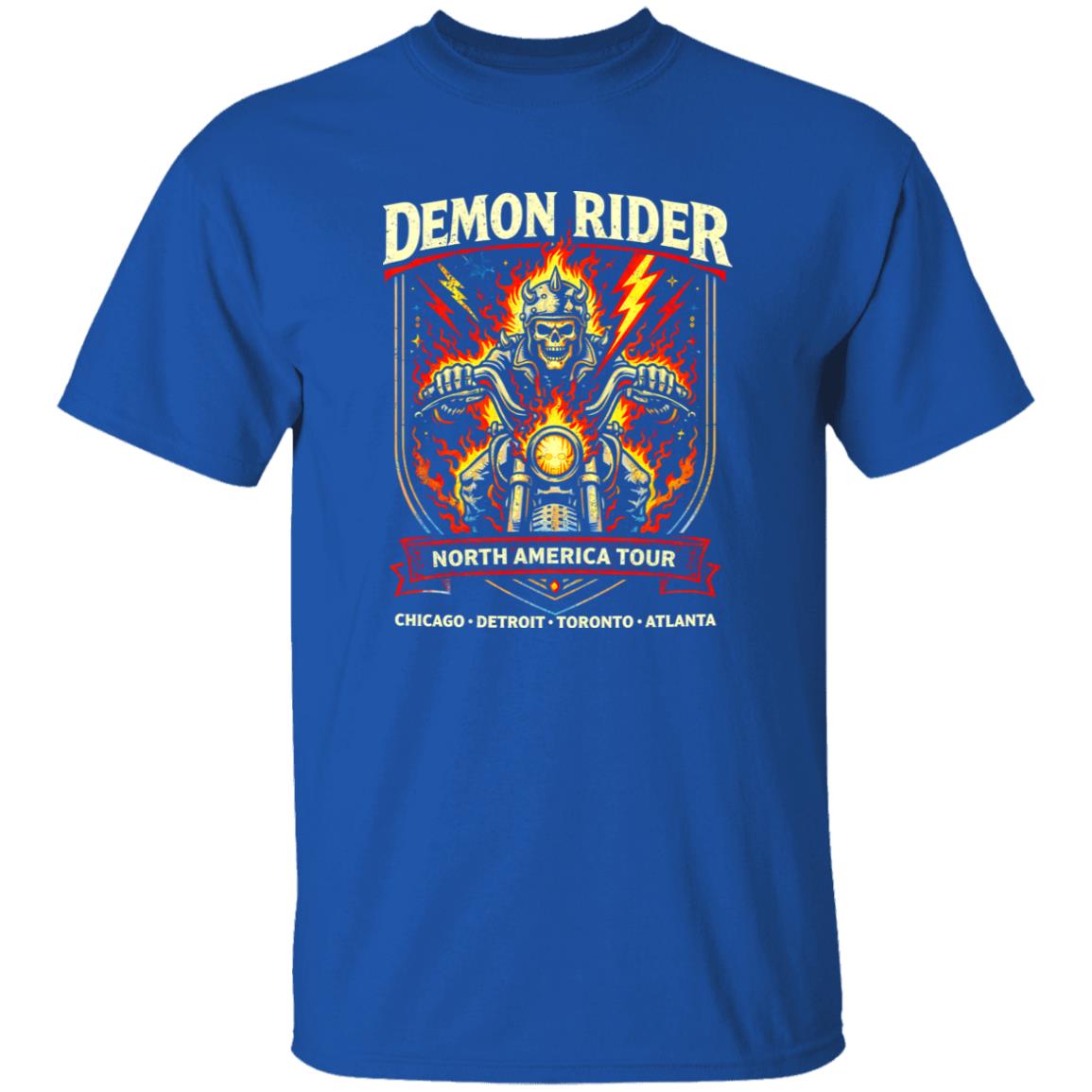
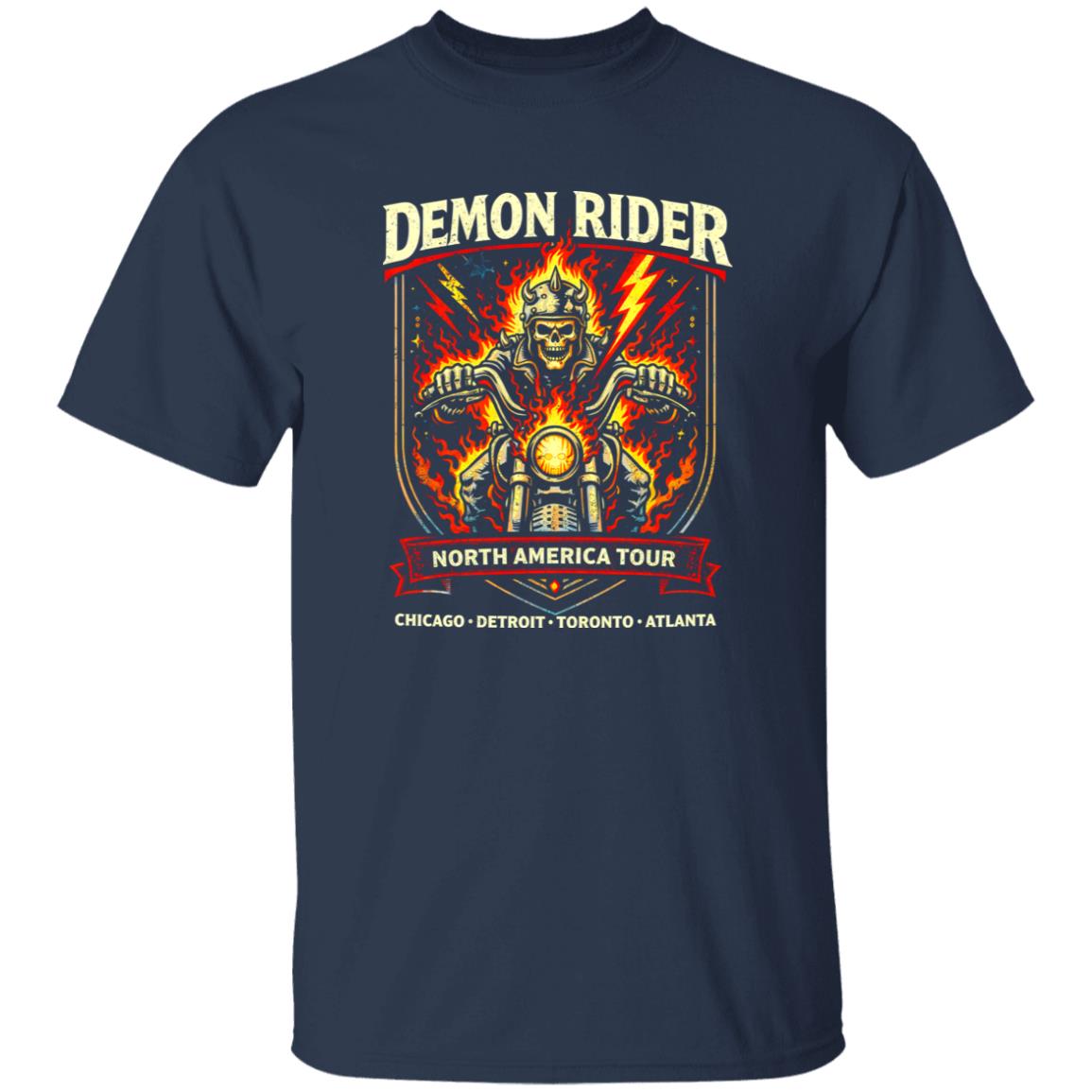
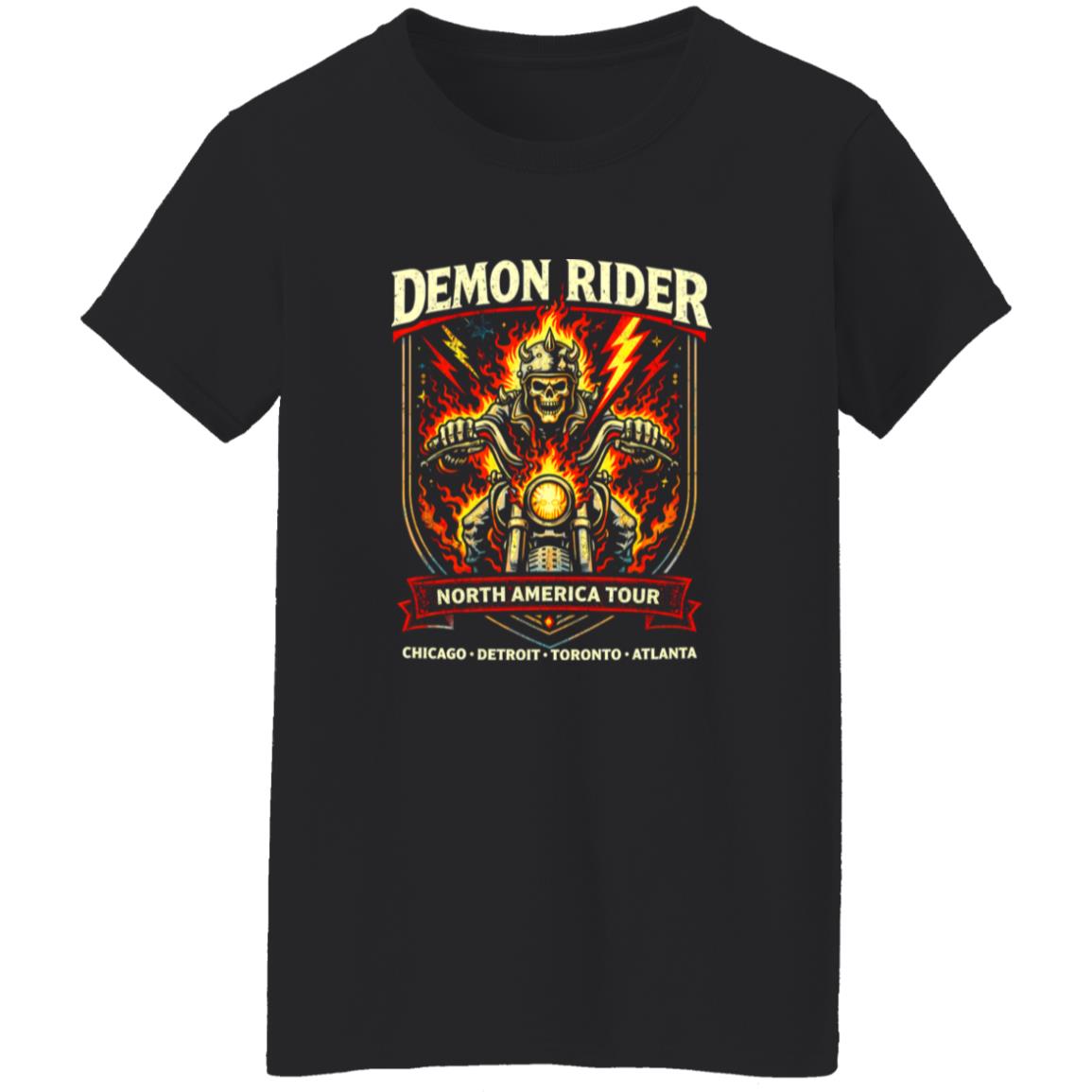
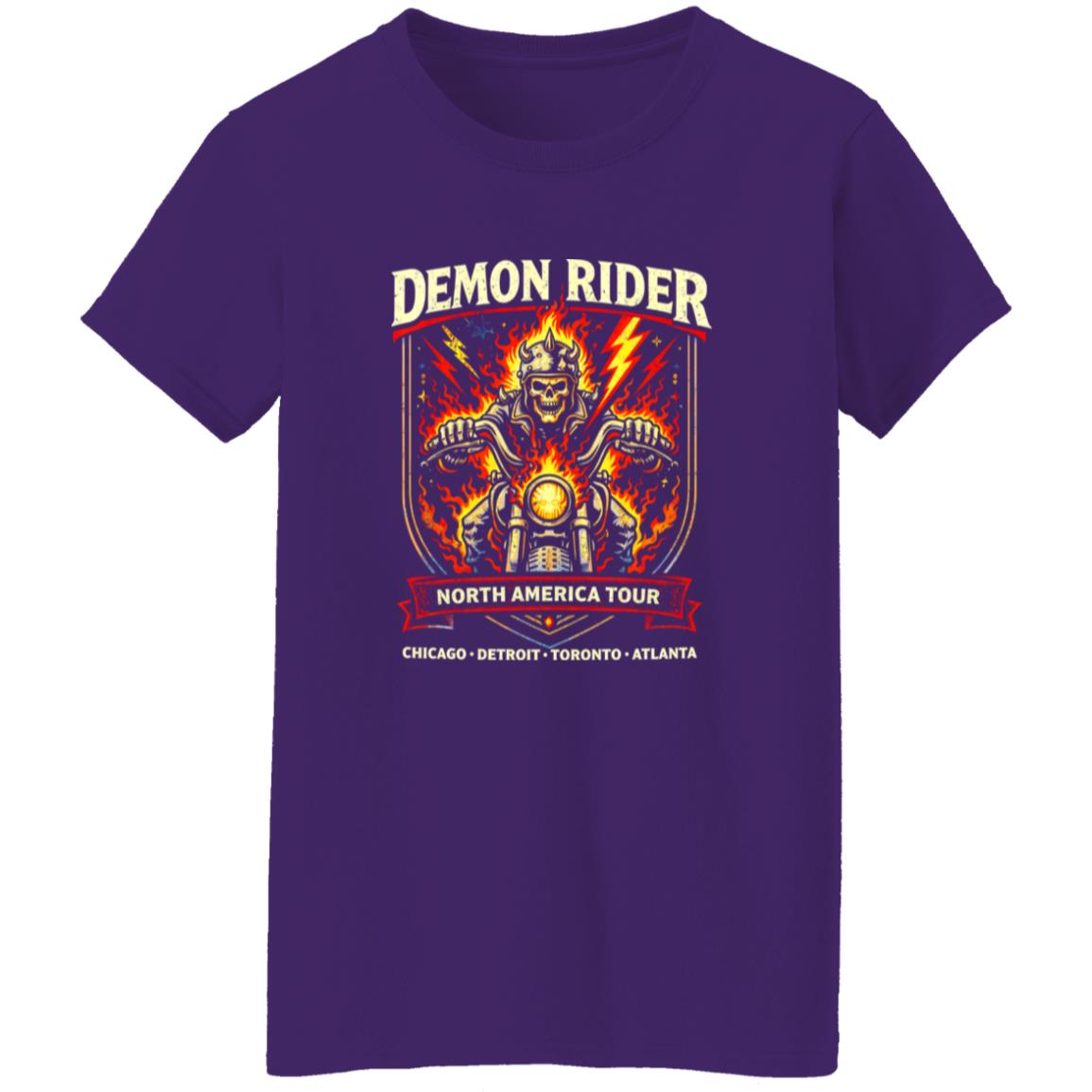
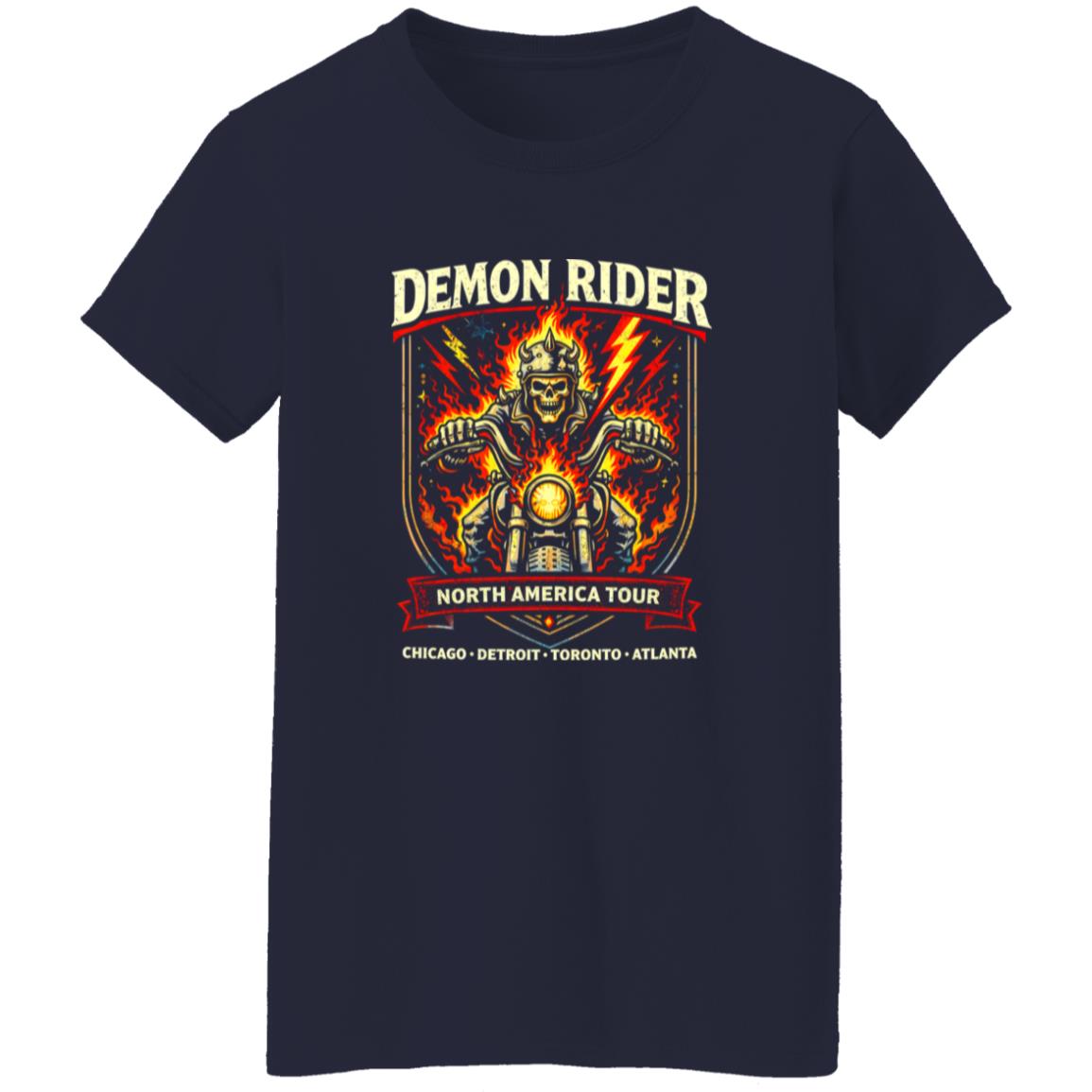
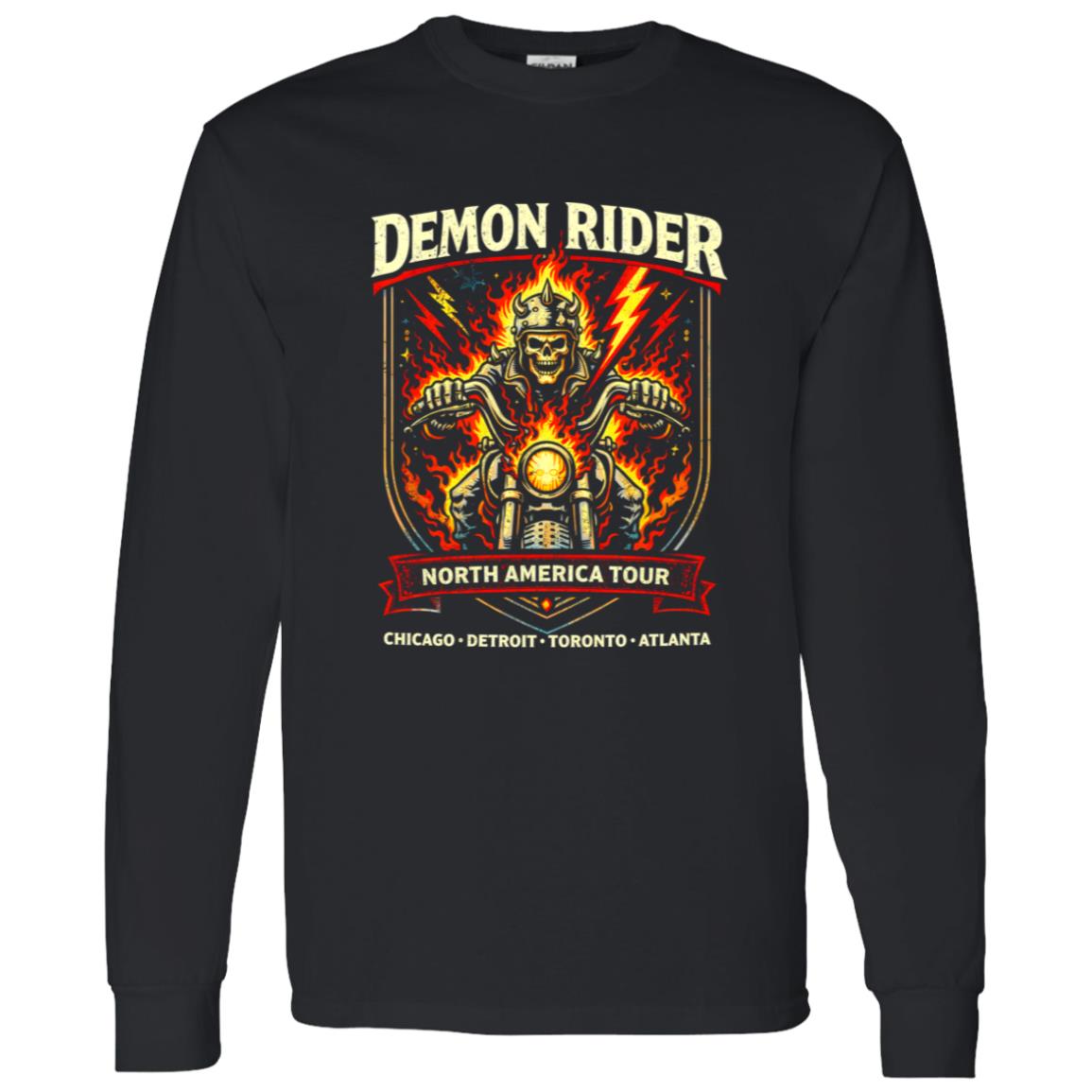
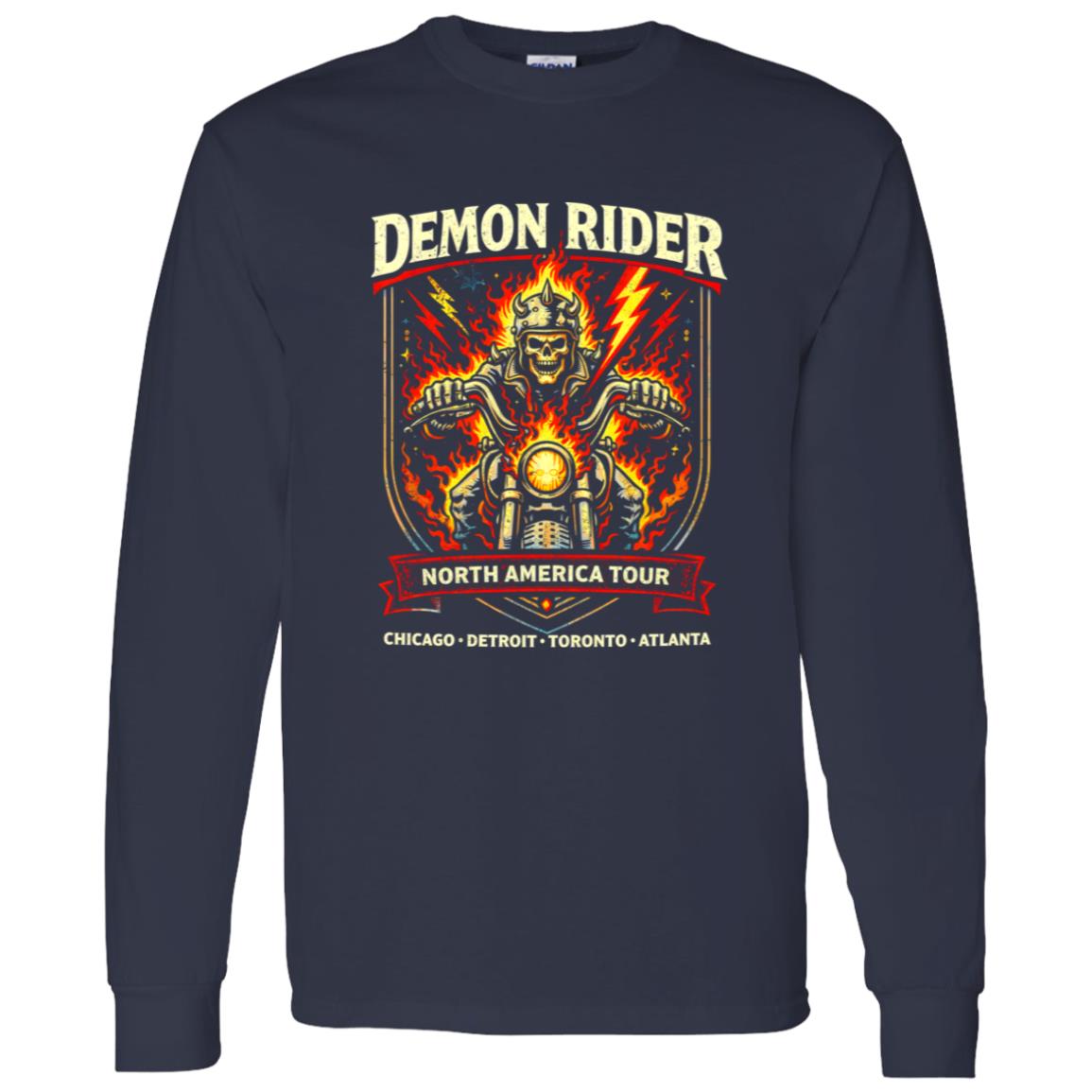
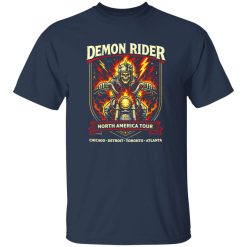
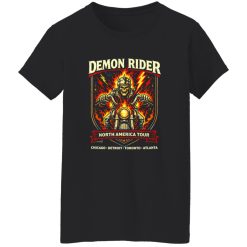
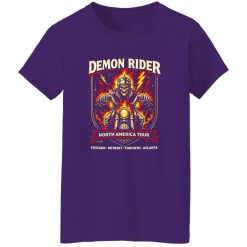
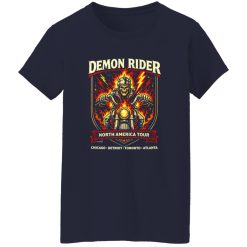
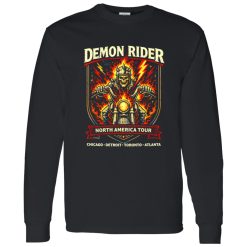
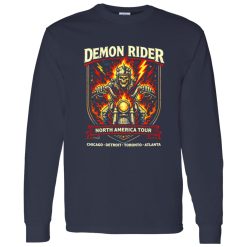
Price range: $21.90 through $44.99
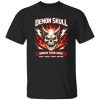
The street hums differently when your outfit carries weight beyond fabric. The Demon Rider Heavy Metal Tour Shirt doesn’t sit quietly in a wardrobe—it enters a scene already charged, already in motion. You notice it in reflections before you notice it on yourself. It doesn’t try to belong. It assumes it does.
Wearing something like this isn’t about matching pieces. It’s about controlling presence—how the graphic anchors the look, how everything else supports without diluting it. That balance is where styling stops being casual and starts becoming intentional.
This shirt isn’t background. It’s the center of gravity. The graphic—dark, aggressive, high-contrast—demands space. That means your outfit has to respect it.
Start with restraint. Black denim, slightly tapered but not tight, keeps the silhouette grounded. Avoid heavy distressing—too much texture competes with the print. The shirt already carries visual intensity.
Layering should be deliberate. A worn leather jacket works because it echoes the attitude without overpowering it. A washed flannel tied loosely at the waist shifts the look into something more transitional—less stage, more street.
Footwear matters more than people think. Chunky boots reinforce the weight of the graphic. Clean sneakers soften it. Neither is wrong—it depends on whether you want the look to lean aggressive or controlled.
There’s a moment—standing outside before doors open, people gathering slowly, low conversations blending into anticipation—where outfits like this make sense. Not loud. Just certain.
One mistake with heavy metal graphics is overbuilding the outfit. Too many layers, too many statements, and suddenly nothing stands out. The key is silhouette control.
Let the shirt breathe. Slightly relaxed fit through the torso gives the print room to sit naturally. Tucking it fully often breaks the flow unless the rest of the outfit is sharply structured.
Instead:
Pants should anchor the look, not compete. Straight-leg or slightly tapered cuts create balance. Avoid extremes—skinny cuts can feel restrictive against the boldness of the shirt, while oversized fits risk losing structure entirely.
Outerwear should follow the same logic. Cropped jackets tighten the silhouette and push focus upward. Longer layers create flow but need to stay minimal in detail.
What makes the Demon Rider Heavy Metal Tour Shirt versatile isn’t subtlety—it’s adaptability. The same piece can move across contexts if you shift the supporting elements.
During the day, keep things lighter. Faded denim, neutral sneakers, maybe a cap—nothing that competes with the shirt. Let it carry the identity while everything else supports function.
As the light changes, so should the structure. Swap sneakers for boots. Add a darker outer layer. Accessories become sharper—metal accents, a chain, maybe a ring or two. Not excessive. Just enough to echo the tone of the graphic.
This transition isn’t about dressing up. It’s about tightening the visual language of the outfit. Same shirt, different energy.
Somewhere between a late afternoon walk and a night that hasn’t decided what it is yet, the outfit shifts without needing to be rebuilt. That’s where this piece works best.
Heavy metal graphics already bring strong contrast. Overloading color on top of that usually breaks the cohesion. The smarter move is controlled contrast.
Base colors should stay grounded:
If you introduce color, keep it intentional. A muted red flannel, a dark green jacket—tones that sit within the same visual intensity range as the graphic. Bright colors rarely work unless they’re desaturated or used in very small amounts.
Accessories should follow the same rule. Metal tones—silver, gunmetal—fit naturally. Glossy finishes feel out of place unless the rest of the outfit supports that direction.
The goal isn’t to add color. It’s to control how much the eye moves. The shirt should always be the first and last thing people notice.
A strong piece only works long-term if it integrates easily. The Demon Rider Heavy Metal Tour Shirt isn’t just for one look—it’s a repeat player if styled right.
Rotate it through different contexts:
With denim for everyday wear. With layered outerwear for colder seasons. With minimal accessories when you want the graphic to carry everything. The more you strip back, the stronger it reads.
There’s also a shift in how it feels over time. The fabric softens, the print settles into the material, the overall look becomes less “new” and more lived-in. That evolution actually improves the styling options—it becomes easier to pair, easier to wear without thinking.
If you’re building around rock-inspired pieces, this is where it fits naturally. It doesn’t need to be forced into rotation. It finds its place.
And if you’re exploring more pieces in the same space, you’ll see how it connects across the category without feeling repetitive—explore band fan shirts and the patterns start to emerge on their own.
Because at a certain point, it’s not about one outfit. It’s about building a system where pieces like this don’t just stand out—they belong.
| Product | Demon Rider Heavy Metal Tour Shirt Styling Guide for Bold Rock Looks |
|---|---|
| SKU | cc-1049-9953-108609265-1774174178364 |
| Fabric Weight | Midweight (5.3 oz) – Heavyweight (6.0 oz Long Sleeve) |
| Material Composition | Solid Colors: 100% Cotton Ash Grey: 99% Cotton / 1% Polyester Sport Grey: 90% Cotton / 10% Polyester Dark Heather: 50% Cotton / 50% Polyester |
| Fit | Classic Unisex Fit (Ladies: Slightly Tapered Missy Fit) |
| Construction | Double-needle stitching Taped neck & shoulders Preshrunk jersey knit Tearaway label |
| Hoodie Material (G185) | 8.0 oz – 50% Cotton / 50% Polyester |
| Available Sizes | S – 5XL (6XL select colors only) |
| Origin | Made with sustainably and fairly grown USA cotton; Printed in USA |
| Print Method | DIGISOFT® Direct-to-Garment (DTG) |
| Brand | Capital T Shirt |
| Fast & Reliable Shipping | All orders are professionally printed and shipped from the USA. |
|---|---|
| Processing Time | Printed on demand within 1–3 business days. |
| Shipping Time | USA: 4–7 business days International: 7–15 business days |
| Shipping Costs | USA Standard: $5.99 International Standard: $9.99 |
| Secure Checkout | Safe & encrypted payment processing. Your information is protected at all times. |
| Returns & Exchanges | We offer a 30-day return policy. View Refunds & Returns Policy |
| Customer Guarantee | We stand behind the quality of every item we print. |

Reviews
There are no reviews yet.