
No products in the cart.
Vintage Band Tees
Retro vs Vintage Band Tees: What’s the Real Difference?
04
Apr
Apr
Band t-shirts have become more than just concert souvenirs. They now sit at the intersection of music culture, fashion, and collectible streetwear. Among the most debated styles are retro and vintage band tees. At first glance, they can look nearly identical, yet collectors, fashion enthusiasts, and casual fans often treat them very differently.
Understanding the difference matters. Some people want the authenticity of a shirt printed during a band’s original tour decades ago. Others prefer the comfort and clean graphics of a modern shirt designed to capture that nostalgic aesthetic. Knowing what separates these two categories helps you make better decisions when building a wardrobe or searching for music-inspired apparel.
In this guide, we break down the real differences between retro and vintage band tees, explain why collectors value original shirts so highly, and show when a retro design might actually be the smarter choice.
Retro vs Vintage Band Tees: The Key Difference Explained
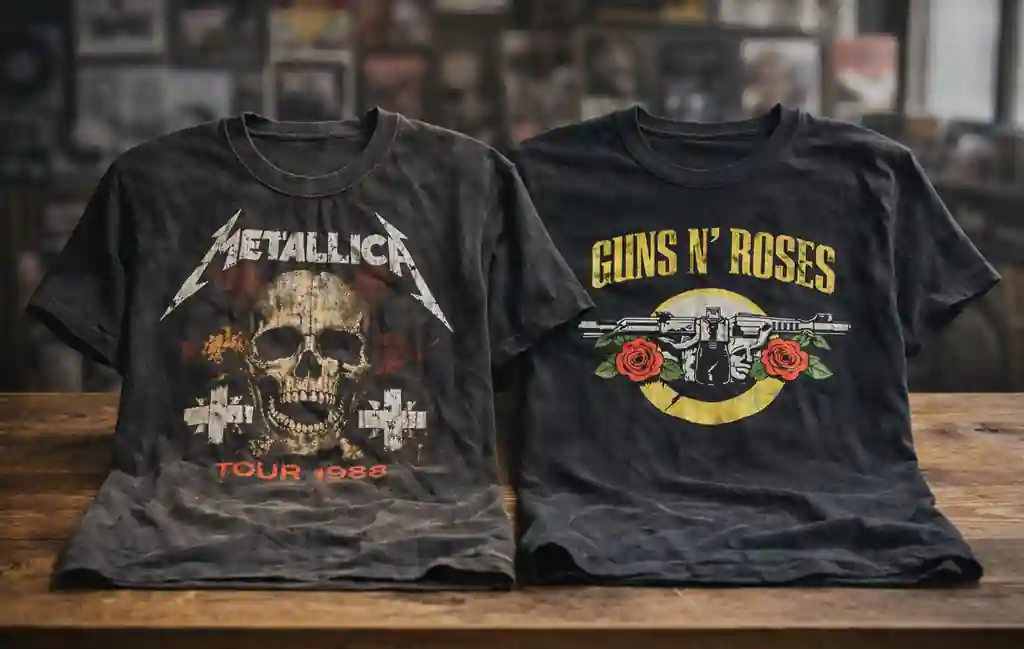
Retro band tees are newly produced shirts designed to recreate the look of older band merchandise, while vintage band tees are authentic garments produced during the original era of the band or concert tour they represent. In other words, retro is about style and nostalgia, while vintage is about historical authenticity.
This distinction might sound simple, but in the fashion and music merchandise world it carries major implications. Vintage shirts often function as collectible artifacts tied to a specific moment in music history. Retro shirts, on the other hand, are reinterpretations—modern products inspired by those earlier designs.
The difference becomes clearer when you examine production timelines, printing techniques, and wear patterns. A shirt printed during a 1993 concert tour is vintage. A shirt printed today using the same artwork is retro. Both may look similar, but their origins—and often their value—are completely different.
Understanding this difference helps shoppers avoid common mistakes, such as paying collector prices for a reproduction or overlooking a well-made retro design that actually offers better comfort and durability.
What Are Retro Band Tees?
Retro band tees are modern garments designed to capture the visual language of past music eras. Designers study vintage tour graphics, old album artwork, and classic concert posters, then reinterpret those visuals for contemporary production.
The goal is nostalgia. Retro shirts evoke the spirit of past decades without actually being decades old. You might see designs inspired by classic rock tours from the 1970s, alternative bands from the 1990s, or early punk aesthetics from the late 1980s.
Because these shirts are newly produced, they benefit from modern printing methods and fabric construction. Many use high-definition printing techniques that create a soft-hand feel while maintaining durable color retention. Modern cotton fabrics also tend to feel more consistent and comfortable compared with heavily worn vintage garments.
Retro shirts also allow brands to revisit iconic imagery that would otherwise be impossible to find. Original tour shirts from the 80s and 90s are increasingly rare, so retro designs give fans a way to wear that style without hunting through vintage markets or paying collector-level prices.
From a fashion perspective, retro band tees often work better for everyday wear. They maintain the nostalgic graphic style but offer the reliability of modern garment construction, making them popular with streetwear enthusiasts and casual fans alike.
What Are Vintage Band Tees?
Vintage band tees are authentic shirts produced during the time period associated with the band, album, or tour printed on the garment. In most collector communities, a shirt typically becomes vintage when it is at least 20 years old and tied to a specific cultural era.
These shirts were often sold as official concert merchandise or promotional apparel. For example, a shirt printed for a 1994 tour or a 1987 album release would be considered a genuine vintage piece today.
Unlike retro shirts, vintage band tees carry historical context. They were part of real events: concerts, album launches, or music scenes that shaped an entire generation. Because of this connection, collectors often view them as cultural artifacts rather than just clothing.
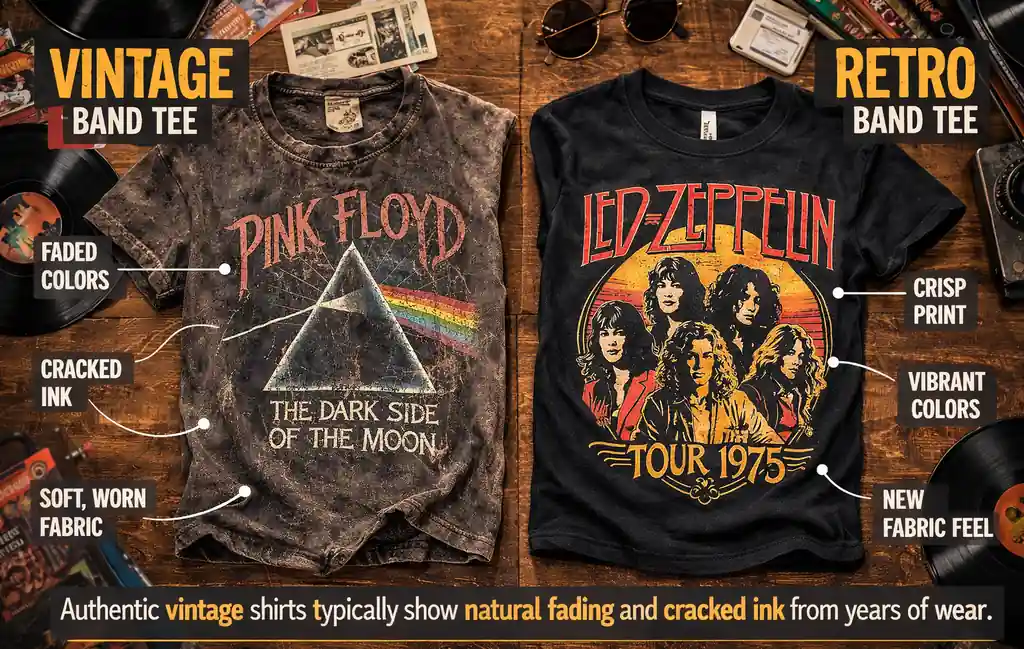
Physical characteristics also distinguish vintage pieces. Over decades of wear and washing, cotton fibers soften, graphics fade, and prints develop subtle cracking. These aging patterns are difficult to replicate authentically, which is why experienced collectors examine garments carefully before purchasing.
Another factor is rarity. Many vintage tour shirts were printed in limited quantities for specific concerts or regions. Once those shirts disappear into personal wardrobes or collector archives, supply becomes extremely limited.
That scarcity is one of the main reasons vintage band tees can command high prices in resale markets.
Why Vintage Band Tees Are So Valuable
The value of vintage band tees goes far beyond simple nostalgia. Several factors combine to make these garments highly sought after among collectors and fashion enthusiasts.
1. Historical authenticity
Vintage shirts were produced during the original cultural moment they represent. Wearing one is like wearing a small piece of music history.
2. Limited production runs
Many tour shirts were printed in relatively small batches compared with modern merchandise. Once those prints sold out during the tour, they were rarely reproduced.
3. Natural aging
Over time, cotton fibers soften and graphics fade in ways that cannot be perfectly replicated. That authentic wear gives each shirt a unique character.
4. Cultural influence
Vintage band tees have been embraced by musicians, stylists, and streetwear designers. Their popularity in fashion culture increases demand in resale markets.
These factors together explain why a genuine vintage concert tee from the 1990s can sometimes sell for hundreds of dollars.
When Retro Band Tees Are Actually the Better Choice
Despite the prestige of vintage garments, retro shirts often make more sense for everyday wear. Many fans prefer them because they combine nostalgic visuals with modern durability.
Retro shirts are usually easier to care for, less fragile, and far more affordable than collector pieces. If you plan to wear your shirt frequently rather than preserve it as memorabilia, a modern retro design can be the more practical option.
Another advantage is sizing consistency. Vintage garments often vary dramatically in fit because manufacturing standards were different decades ago. Modern retro shirts are produced with contemporary sizing systems, which makes them easier to shop for online.
Finally, retro designs offer broader availability. While a genuine vintage shirt might exist in only a handful of surviving pieces, retro versions can be produced in a full range of sizes and colors.
This accessibility allows fans to enjoy the visual heritage of music culture without dealing with the uncertainty of vintage resale markets.
Many music fans start exploring band apparel through modern designs before eventually becoming interested in collectible pieces. If you want to explore a wide selection of music-inspired shirts and graphics, you can browse the broader music t-shirt collection to see how modern designs reinterpret classic band imagery.
How to Identify Real Vintage Band Tees
Because vintage band shirts have become so valuable, the market now includes many reproductions and misleading listings. Knowing how to evaluate a garment can help you avoid paying vintage prices for a modern reprint.
Here are some of the most reliable indicators collectors use.
- Check the tag brand. Older shirts often feature tag brands common in the era they were produced.
- Look for tour dates. Authentic tour merchandise frequently includes specific concert years or cities.
- Examine the print. Genuine vintage prints usually show subtle cracking or fading after decades of wear.
- Inspect fabric weight. Many older shirts used heavier cotton fabrics that feel different from modern lightweight garments.
- Review seller history. Reputable vintage sellers often provide detailed photos and provenance.
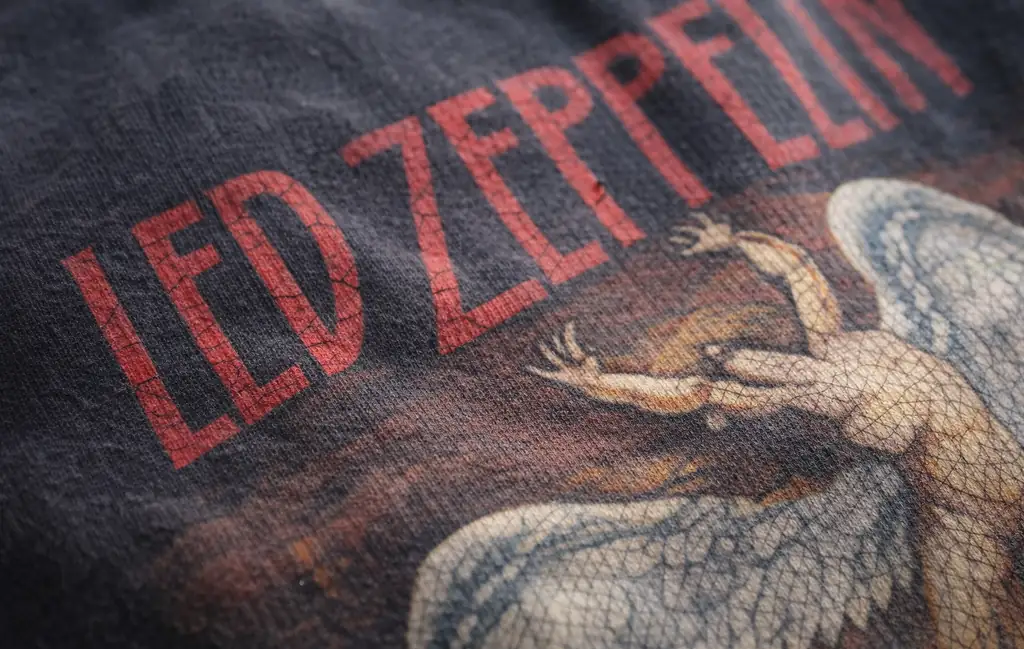
None of these indicators alone guarantees authenticity, but together they provide a strong starting point for evaluating a shirt.
For a deeper explanation of what qualifies as a genuine vintage garment, you can explore this detailed guide on what makes a band tee vintage.
Understanding these signals not only protects buyers but also helps fans appreciate the craftsmanship and cultural significance behind original band merchandise.
Styling Retro vs Vintage Band Shirts
Beyond collectibility and authenticity, band tees have become a core part of modern streetwear. Both retro and vintage shirts offer strong visual identity, but they tend to be styled in slightly different ways depending on the aesthetic someone wants to achieve.
Vintage shirts often act as statement pieces. Because they are rare and carry authentic aging, stylists typically build outfits around them. A faded concert tee from the early 90s paired with simple denim and classic sneakers creates a look that feels effortless but culturally rich. The shirt itself tells the story.
Retro band tees work differently. Since they are modern garments inspired by historical designs, they integrate easily into contemporary fashion. Many people treat them as versatile graphic tees that can be layered under jackets, paired with cargo pants, or styled with streetwear staples.
This difference is subtle but important. Vintage shirts often highlight authenticity, while retro shirts emphasize everyday wearability.
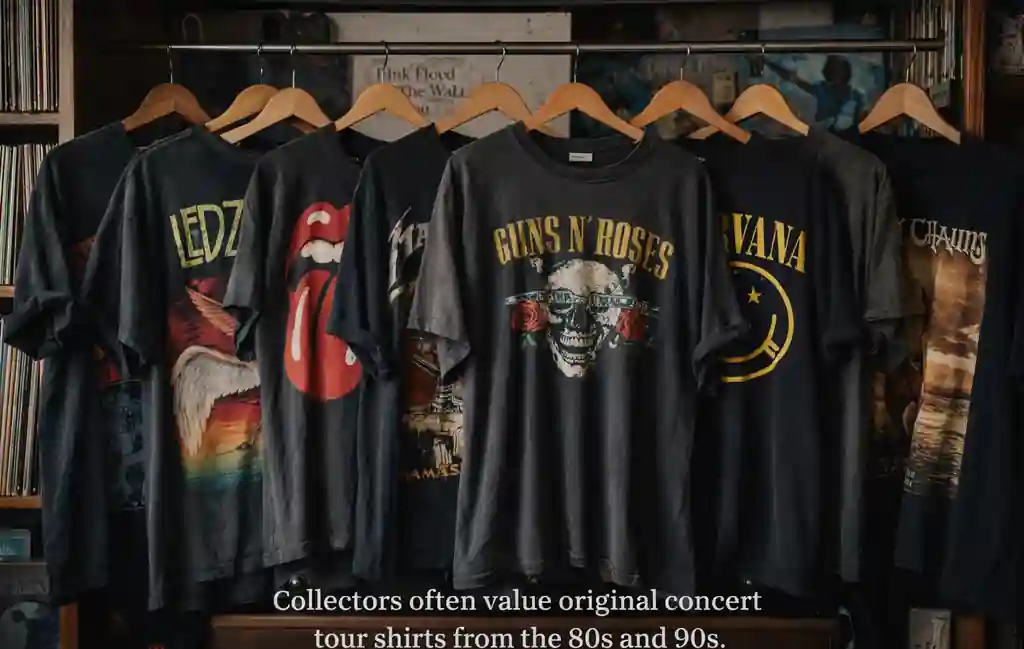
Collectors sometimes treat vintage shirts almost like artwork. They may own several pieces from different tours or decades and rotate them carefully to prevent excessive wear. Retro designs, by contrast, are meant to be worn regularly without worrying about damaging a collectible item.
For fans who love the look of classic rock or alternative band merchandise but want clothing that fits modern wardrobes, retro shirts often strike the perfect balance between nostalgia and practicality.
Retro vs Vintage Band Tees in Modern Fashion Culture
The debate between retro and vintage band tees also reflects broader shifts in fashion culture. Over the last decade, music merchandise has evolved from concert souvenirs into major style statements embraced by designers, stylists, and celebrities.
Vintage pieces gained popularity first. As collectors began showcasing original tour shirts from the 1980s and 1990s, fashion editors and stylists started incorporating them into editorial shoots and streetwear outfits. Their rarity and authenticity created a sense of exclusivity that appealed to fashion enthusiasts.
However, the limited supply of genuine vintage shirts created an obvious problem: there simply are not enough originals for everyone who wants them.
This scarcity opened the door for retro-inspired designs. Brands began producing modern shirts that captured the visual style of iconic concert merchandise without pretending to be decades old. The result was a new category of apparel that blended music culture with contemporary production methods.
Today, both categories exist side by side. Vintage shirts represent authenticity and history, while retro designs allow broader audiences to participate in that aesthetic.
Many modern music apparel collections now mix both influences. A store may offer original-looking graphics inspired by classic tours alongside newer artwork celebrating contemporary artists.
Exploring a curated range of vintage-inspired band tees can help fans see how modern apparel channels the visual language of past music eras while maintaining modern garment quality.
Common Misconceptions About Retro and Vintage Band Tees
Because the two terms are often used interchangeably, several misconceptions circulate among shoppers and casual collectors. Clearing up these myths helps buyers make more informed decisions.
Retro does not mean fake
One common belief is that retro shirts are somehow inferior or deceptive. In reality, retro simply refers to newly produced garments inspired by older designs. When brands are transparent about this distinction, retro shirts provide a legitimate way for fans to enjoy classic imagery.
Vintage does not always mean better
Authentic vintage garments are culturally valuable, but they are not always practical for everyday wear. Older fabrics can be fragile, and sizing inconsistencies may make them difficult to fit comfortably.
Price does not always equal authenticity
The resale market for vintage clothing is full of price variations. Some sellers may charge high prices for reproduction shirts, while genuine vintage items occasionally appear at reasonable prices. Careful research remains the best protection.
Retro shirts can offer better durability
Modern garments benefit from improved printing technology and fabric construction. High-definition print methods can produce graphics with soft texture and strong color retention, making retro shirts ideal for frequent wear.
Retro vs Vintage Band Tees: Which One Should You Buy?
Choosing between retro and vintage band tees ultimately depends on your priorities. Each option offers unique advantages depending on how you plan to wear or collect the shirt.
If your goal is to own a piece of music history, vintage shirts provide unmatched authenticity. Wearing one connects you directly to the era in which the band performed or released a specific album.
However, if you want something comfortable, affordable, and easy to style, retro shirts often make more sense. They capture the aesthetic of vintage merchandise without the risks associated with fragile collector items.
Many fans eventually own both. A collector might keep a rare vintage concert tee as part of a personal archive while relying on retro designs for everyday outfits.
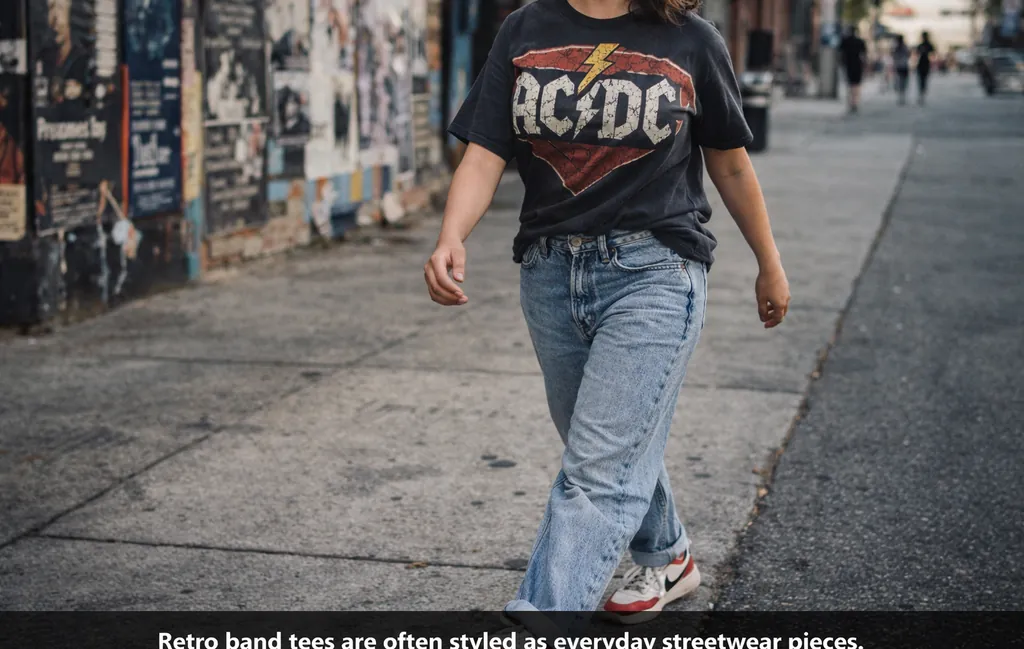
From a wardrobe perspective, this hybrid approach offers the best of both worlds: authentic cultural pieces and wearable modern interpretations.
If you’re starting to build a music-inspired wardrobe, browsing a wide variety of graphic shirts can help you discover which styles resonate most with your personal taste.
Frequently Asked Questions
Are retro band tees considered vintage?
No. Retro band tees are modern garments designed to look like older band merchandise. Vintage shirts are authentic items produced during the original era of the band or tour they represent. Retro designs capture the aesthetic of the past, while vintage garments are actual products from that time period.
Why are vintage band tees so expensive?
Vintage band tees can be expensive because of rarity, cultural significance, and collector demand. Many original concert shirts were printed in small batches during specific tours. As decades pass and fewer pieces survive in good condition, their scarcity drives higher resale prices.
How can you tell if a band tee is truly vintage?
Authentic vintage band tees often show natural signs of aging such as softened cotton fibers, faded graphics, and cracked ink. Tags from older apparel brands and tour dates printed on the design can also help identify shirts produced during the original era.
Are retro band tees good quality?
Yes. Because they are produced using modern manufacturing methods, retro shirts can offer excellent print clarity and fabric consistency. Many modern prints provide a soft feel and durable color retention, making them ideal for everyday wear.
Do collectors wear vintage band shirts?
Some collectors wear them occasionally, but many preserve rare pieces to prevent further wear. Vintage shirts with historical value or high resale prices are often treated carefully to maintain their condition.
Final Thoughts on Retro and Vintage Band Tees
The conversation around retro vs vintage band tees ultimately reflects how deeply music culture influences fashion. Vintage shirts preserve authentic moments in music history, while retro designs allow new generations to participate in that aesthetic without needing rare collector pieces.
Neither option is inherently better. Instead, each serves a different role within a music-inspired wardrobe. Vintage pieces represent history and authenticity. Retro shirts offer accessibility and modern wearability.
If you enjoy music culture and graphic apparel, exploring a wide range of designs is the best way to discover what resonates with your personal style. You can explore more options across the full music apparel collection to find designs inspired by both classic and contemporary artists.

Related Posts: