No products in the cart.
Save 20% on orders over $100 with code CT20

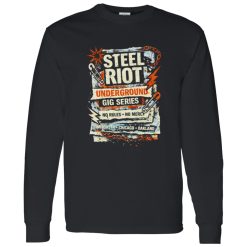
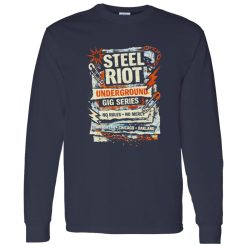
Price range: $21.90 through $44.99
Before punk ever became a recognizable aesthetic, it lived in cramped venues, sweat-heavy basements, and loud, chaotic rooms where nothing felt polished—and that was the point. That raw, imperfect energy still defines how underground punk culture shows up today, especially in what people wear. The rock band tee remains one of the clearest signals of that identity, not as a trend, but as a continuation of something deliberately unrefined.
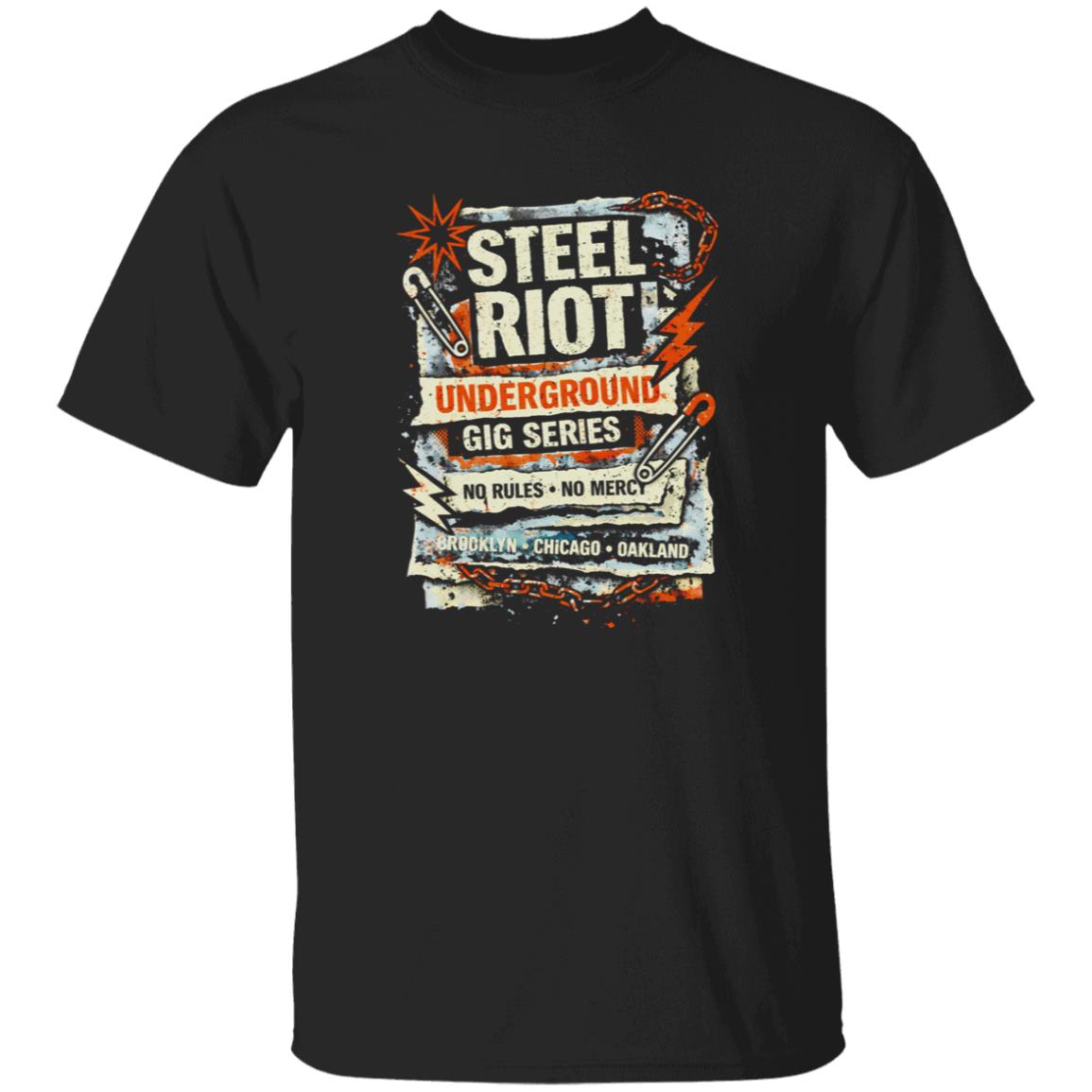
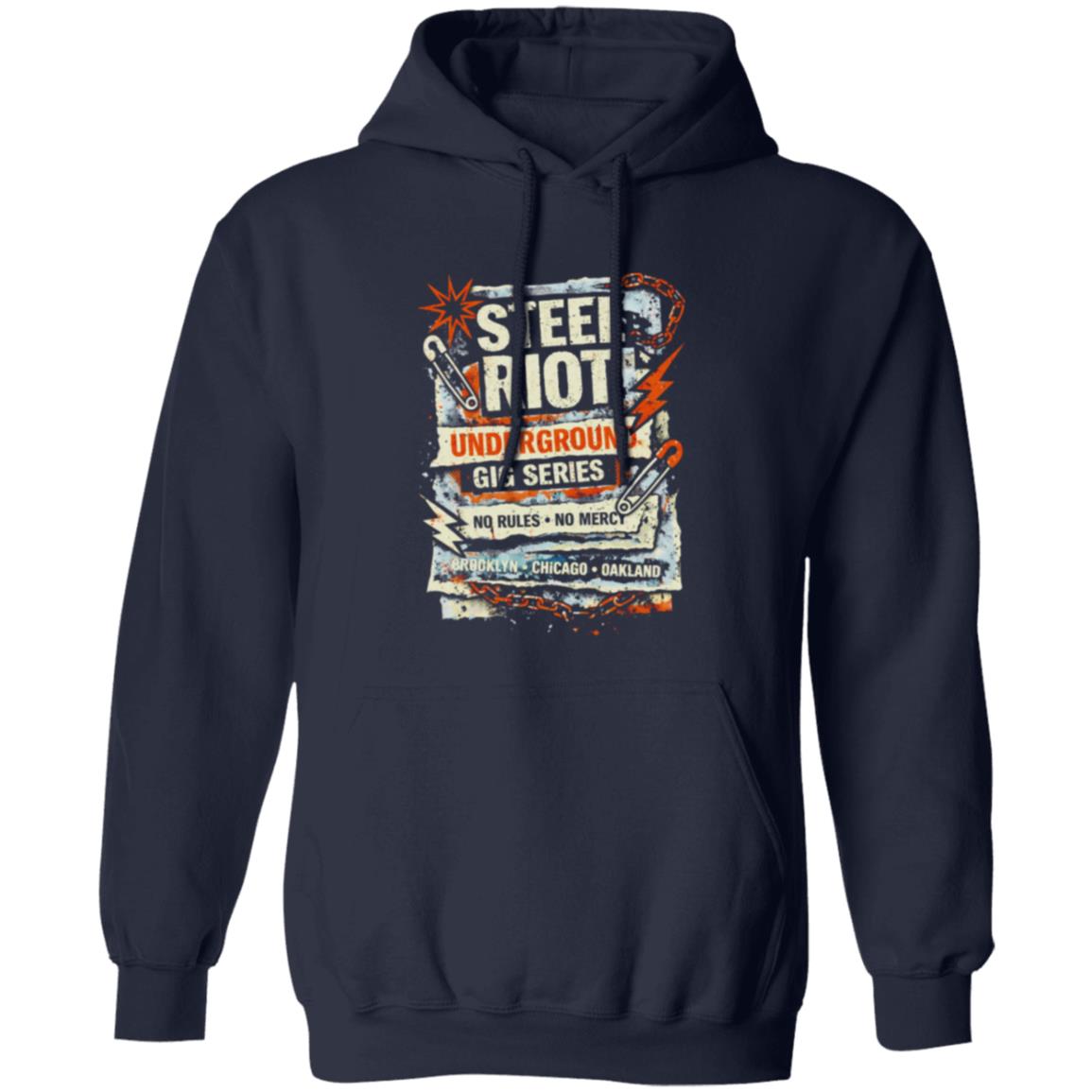
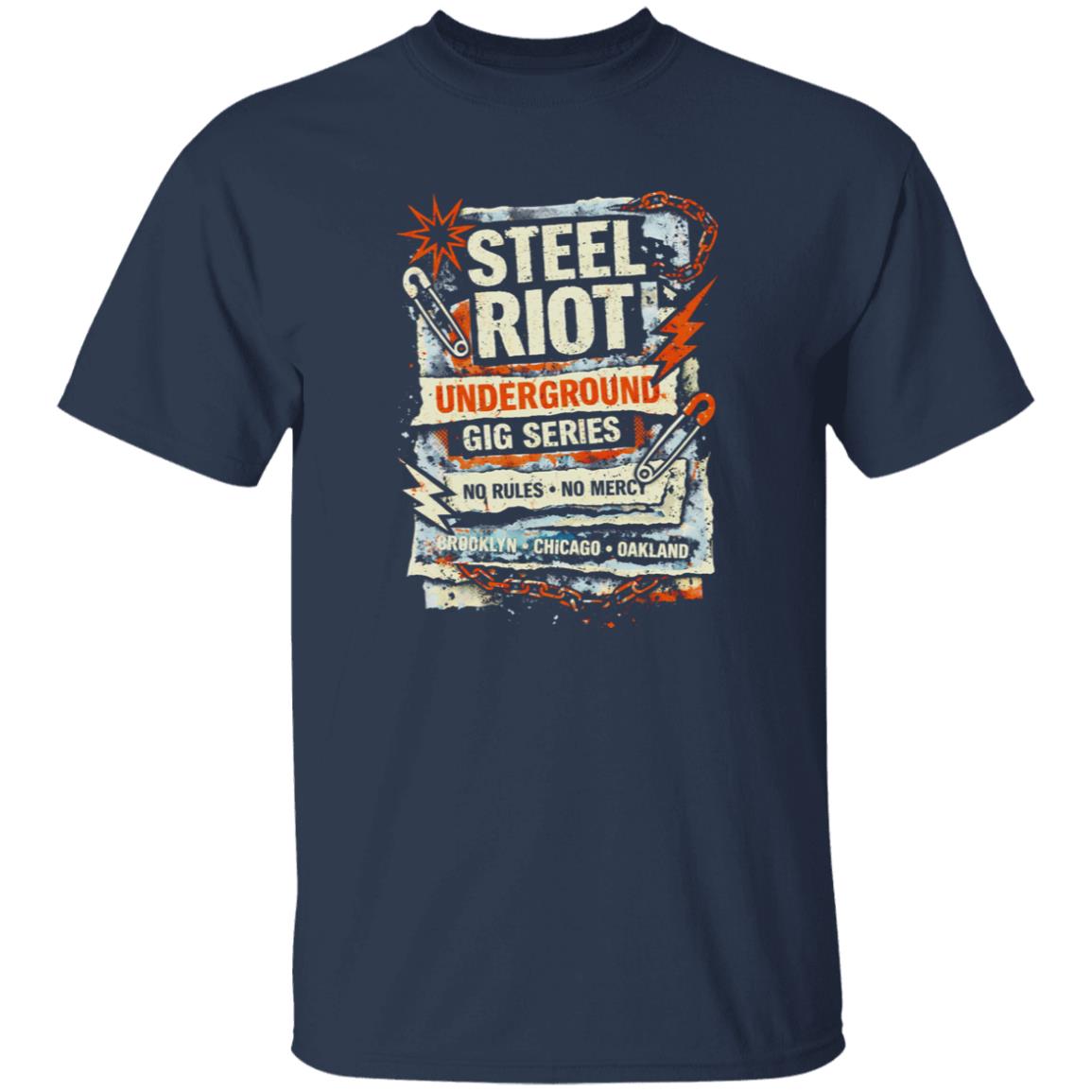
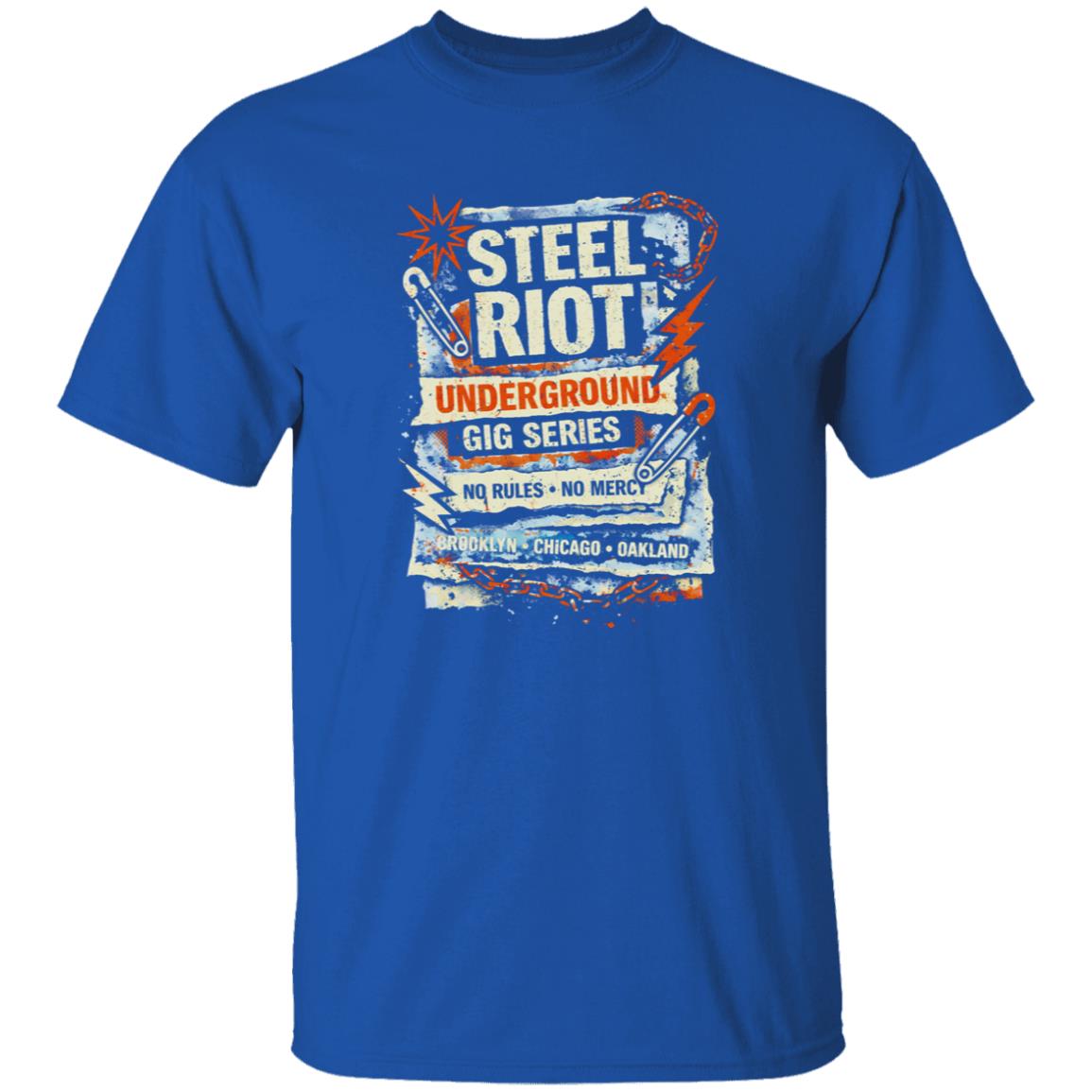
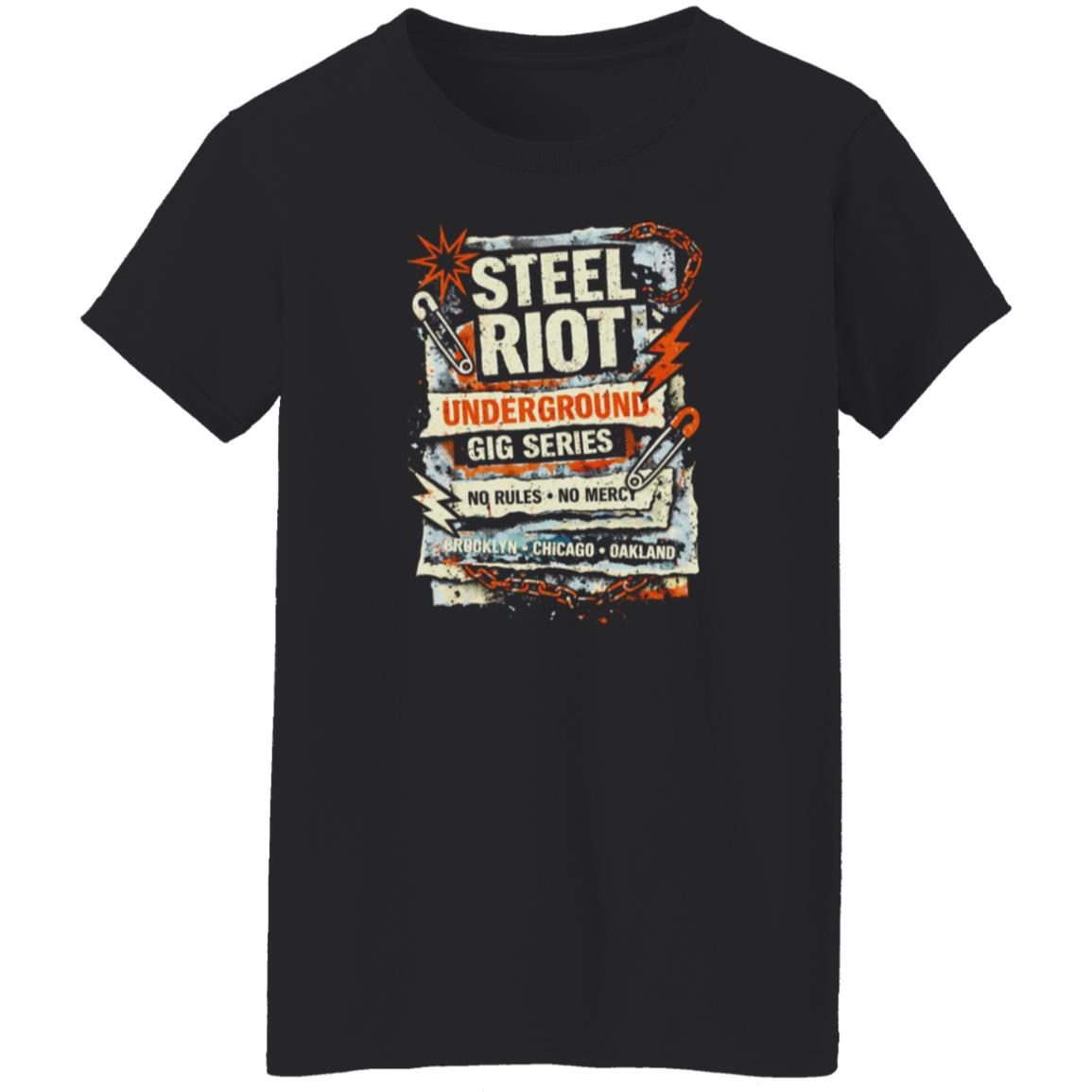
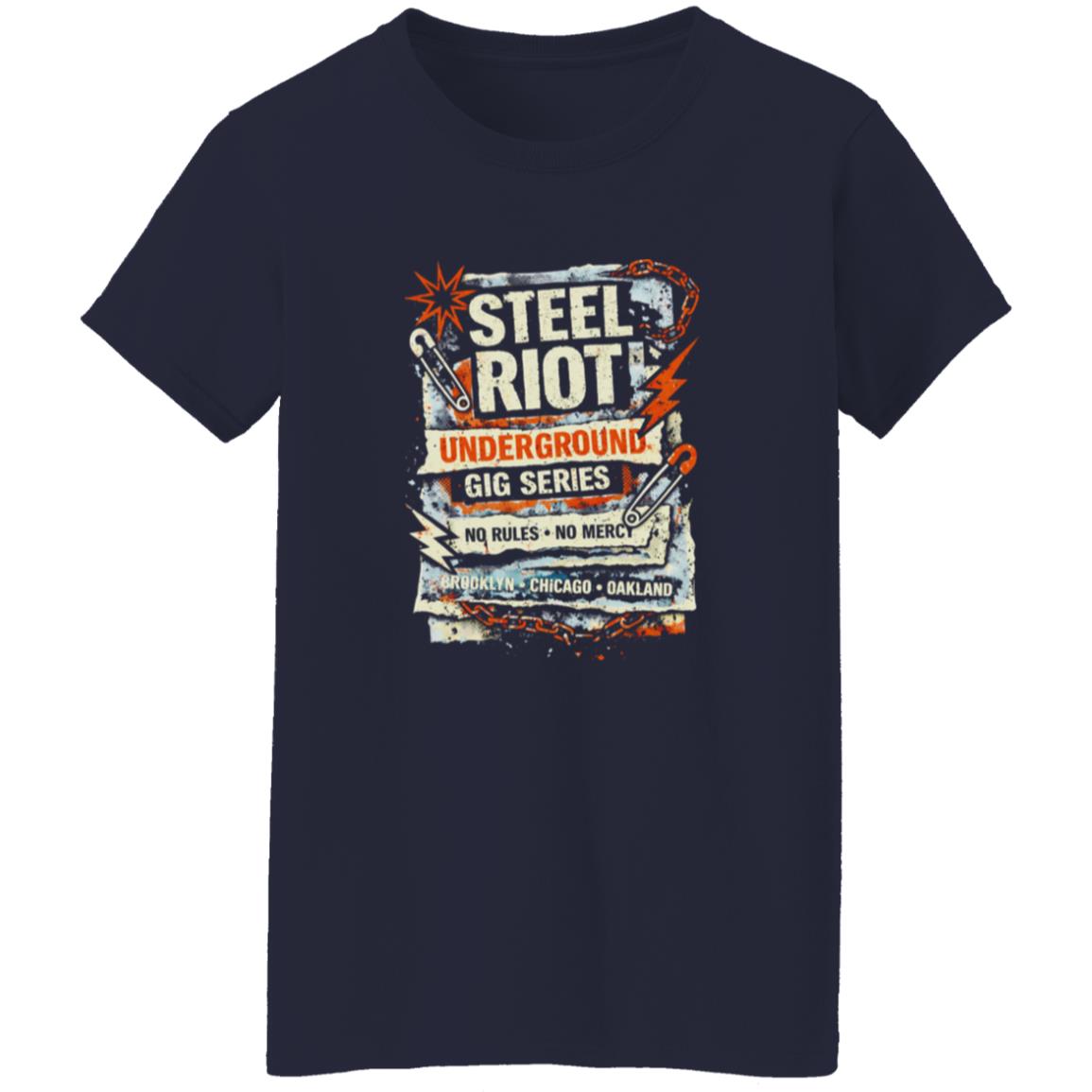
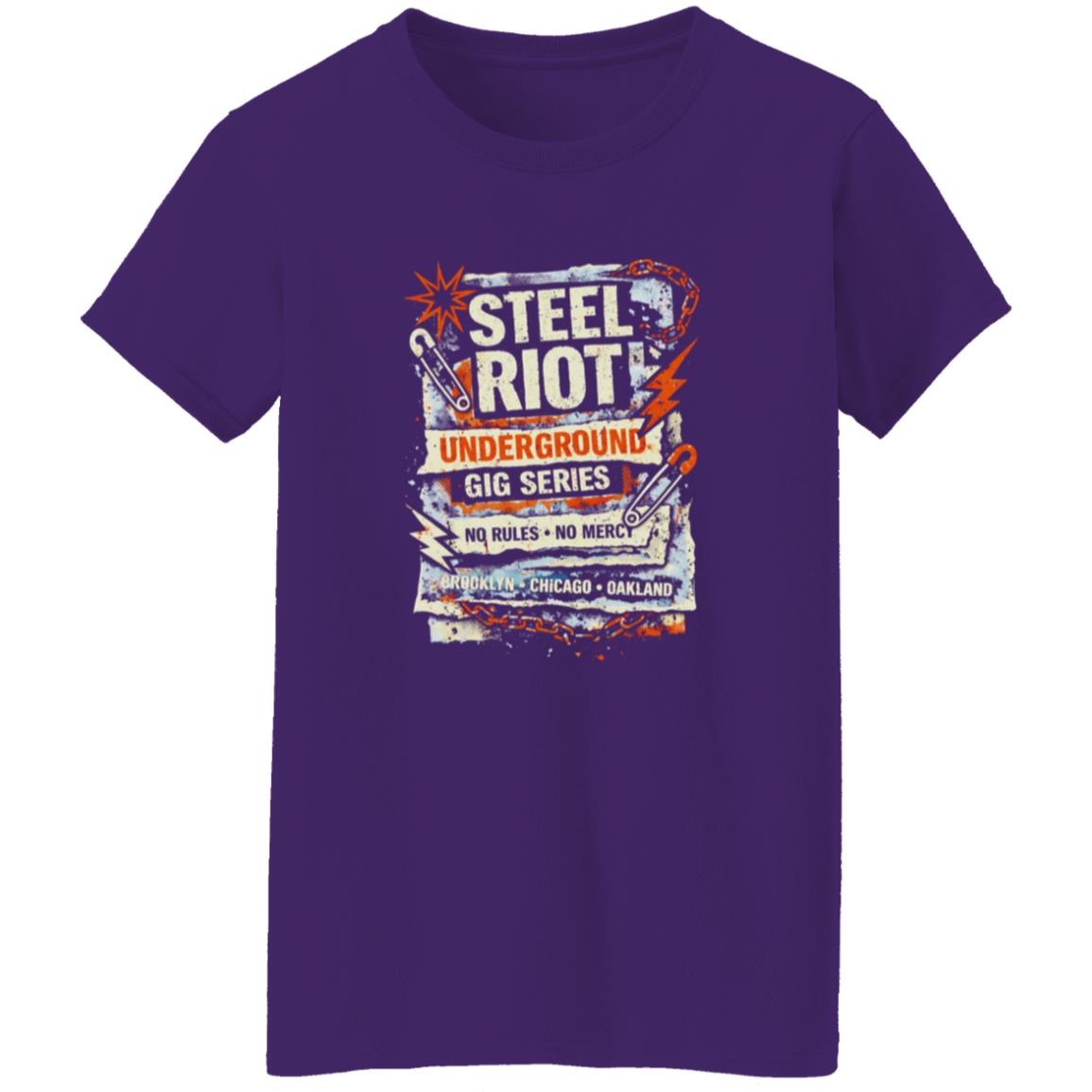
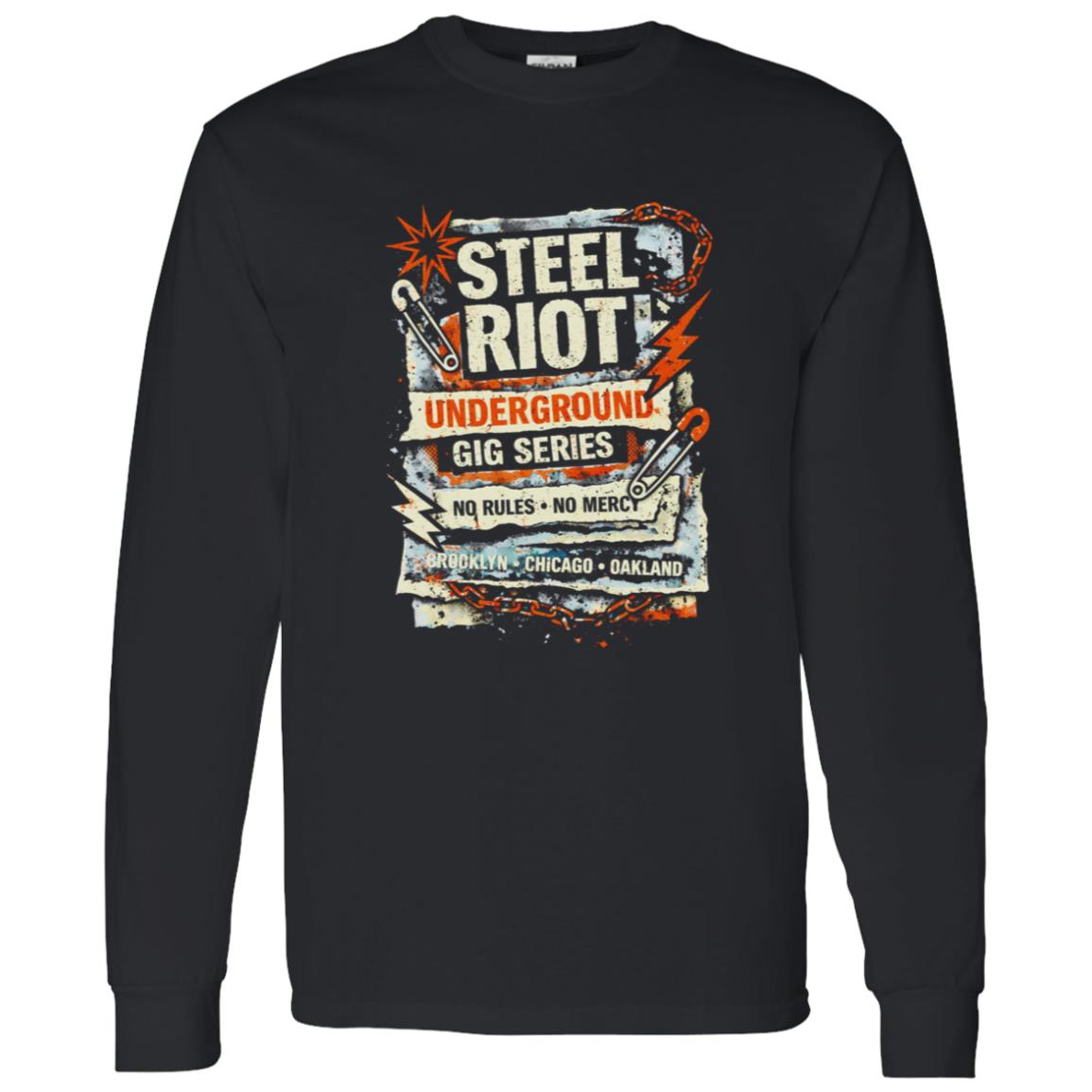
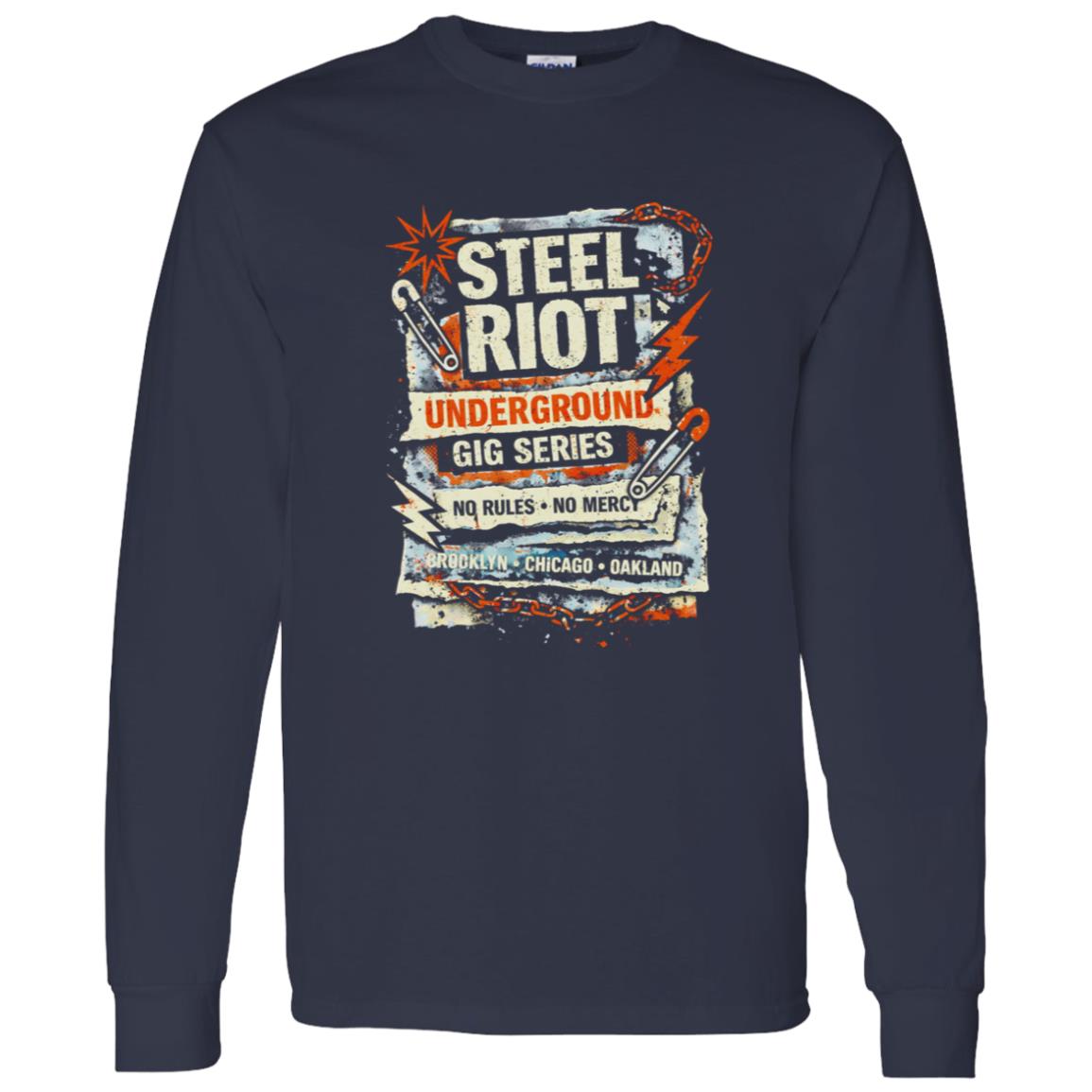
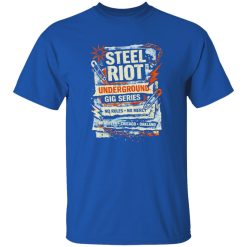
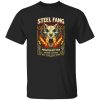
Punk has always been more than distortion pedals and fast tempos—it’s a visual language built on rejection. Torn posters, photocopied flyers, and uneven lettering weren’t just aesthetic choices; they were reflections of access, urgency, and intent. The Steel Riot Underground Punk Gig Shirt channels that same energy, translating it into something wearable without losing its edge.
This isn’t about nostalgia in the traditional sense. It’s about preserving the coded visuals of underground gigs—the kind you find out about through word of mouth, where the crowd is part of the noise. The graphics feel intentionally unpolished, with layered textures and aggressive typography that echo the DIY ethos of early punk movements.
What makes a punk gig shirt different from other music apparel is how it carries context. It’s not just tied to a band or tour—it reflects a scene. The Steel Riot design pulls directly from that lineage, capturing the chaotic balance between sound and visual identity.
In practical terms, the shirt translates that rawness into everyday wear without diluting it. The silhouette stays grounded and easy, but the print does the heavy lifting—bold enough to stand alone, yet textured enough to feel like it came from something real. You’re not just wearing a design; you’re carrying a fragment of a culture that never aimed for mass appeal.
That’s why it fits seamlessly across different moments—whether layered under a worn jacket or paired with simple denim. It doesn’t need styling tricks. The presence comes from what it represents, not how it’s arranged.
Underground punk visuals were never about precision—they were about immediacy. Flyers printed hours before a show. Hand-drawn logos. Collaged imagery pulled from whatever was available. The Steel Riot Underground Punk Gig Shirt leans into that same visual unpredictability.
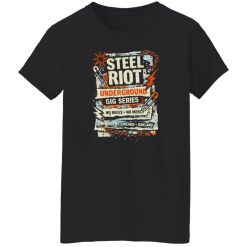
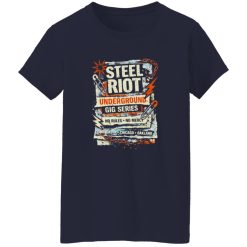
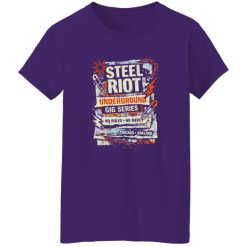
The design avoids symmetry in favor of controlled chaos. Text elements feel slightly off-grid, graphics overlap in a way that mimics photocopy degradation, and the overall composition carries that sense of movement—like it was assembled quickly but with intent. This kind of visual texture matters because it reinforces authenticity without needing explanation.
Even the way the print sits on the shirt plays into that identity. It doesn’t feel overly centered or overly refined. Instead, it mirrors how real gig merchandise often looks—functional, expressive, and slightly rough around the edges.
There’s a reason underground punk never fully disappears. It adapts, shifts, and resurfaces in new forms, but the core idea—resistance to polish—remains intact. Wearing something like the Steel Riot shirt taps into that continuity.
It’s not about aligning with a mainstream version of punk. It’s about recognizing the layers behind it—the scenes, the spaces, the people who kept it alive outside of visibility. That’s what gives this shirt its weight. It doesn’t rely on recognition; it relies on understanding.
And for those who do recognize it, the signal is immediate. It reads as intentional, not performative. That distinction is what separates real cultural alignment from surface-level styling.
The Steel Riot Underground Punk Gig Shirt doesn’t try to reinterpret punk—it stays close to its roots. The design feels like it could have existed decades ago or been printed yesterday for a last-minute show. That timeless instability is exactly what makes it relevant.
In a space where many designs lean toward clean, predictable visuals, this one resists that pull. It keeps the imperfections, the noise, the layered tension that defines underground culture. And in doing so, it offers something that feels less like fashion and more like participation.
That’s ultimately what sets it apart. Not how it looks in isolation, but how it connects back to something bigger—something that never needed approval to exist in the first place.
| Product | Steel Riot Underground Punk Gig Shirt – Raw Punk Energy in Every Detail |
|---|---|
| SKU | cc-1049-9953-108621521-1774607486196 |
| Fabric Weight | Midweight (5.3 oz) – Heavyweight (6.0 oz Long Sleeve) |
| Material Composition | Solid Colors: 100% Cotton Ash Grey: 99% Cotton / 1% Polyester Sport Grey: 90% Cotton / 10% Polyester Dark Heather: 50% Cotton / 50% Polyester |
| Fit | Classic Unisex Fit (Ladies: Slightly Tapered Missy Fit) |
| Construction | Double-needle stitching Taped neck & shoulders Preshrunk jersey knit Tearaway label |
| Hoodie Material (G185) | 8.0 oz – 50% Cotton / 50% Polyester |
| Available Sizes | S – 5XL (6XL select colors only) |
| Origin | Made with sustainably and fairly grown USA cotton; Printed in USA |
| Print Method | DIGISOFT® Direct-to-Garment (DTG) |
| Brand | Capital T Shirt |
| Fast & Reliable Shipping | All orders are professionally printed and shipped from the USA. |
|---|---|
| Processing Time | Printed on demand within 1–3 business days. |
| Shipping Time | USA: 4–7 business days International: 7–15 business days |
| Shipping Costs | USA Standard: $5.99 International Standard: $9.99 |
| Secure Checkout | Safe & encrypted payment processing. Your information is protected at all times. |
| Returns & Exchanges | We offer a 30-day return policy. View Refunds & Returns Policy |
| Customer Guarantee | We stand behind the quality of every item we print. |

Reviews
There are no reviews yet.