No products in the cart.
Save 20% on orders over $100 with code CT20

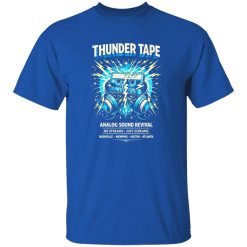
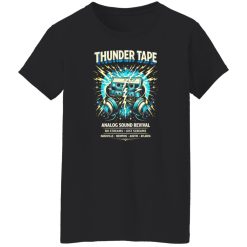
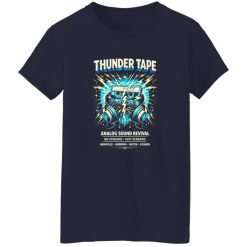
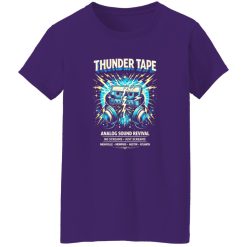
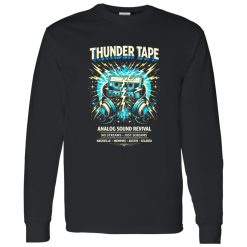
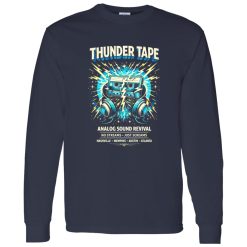
Price range: $21.90 through $44.99
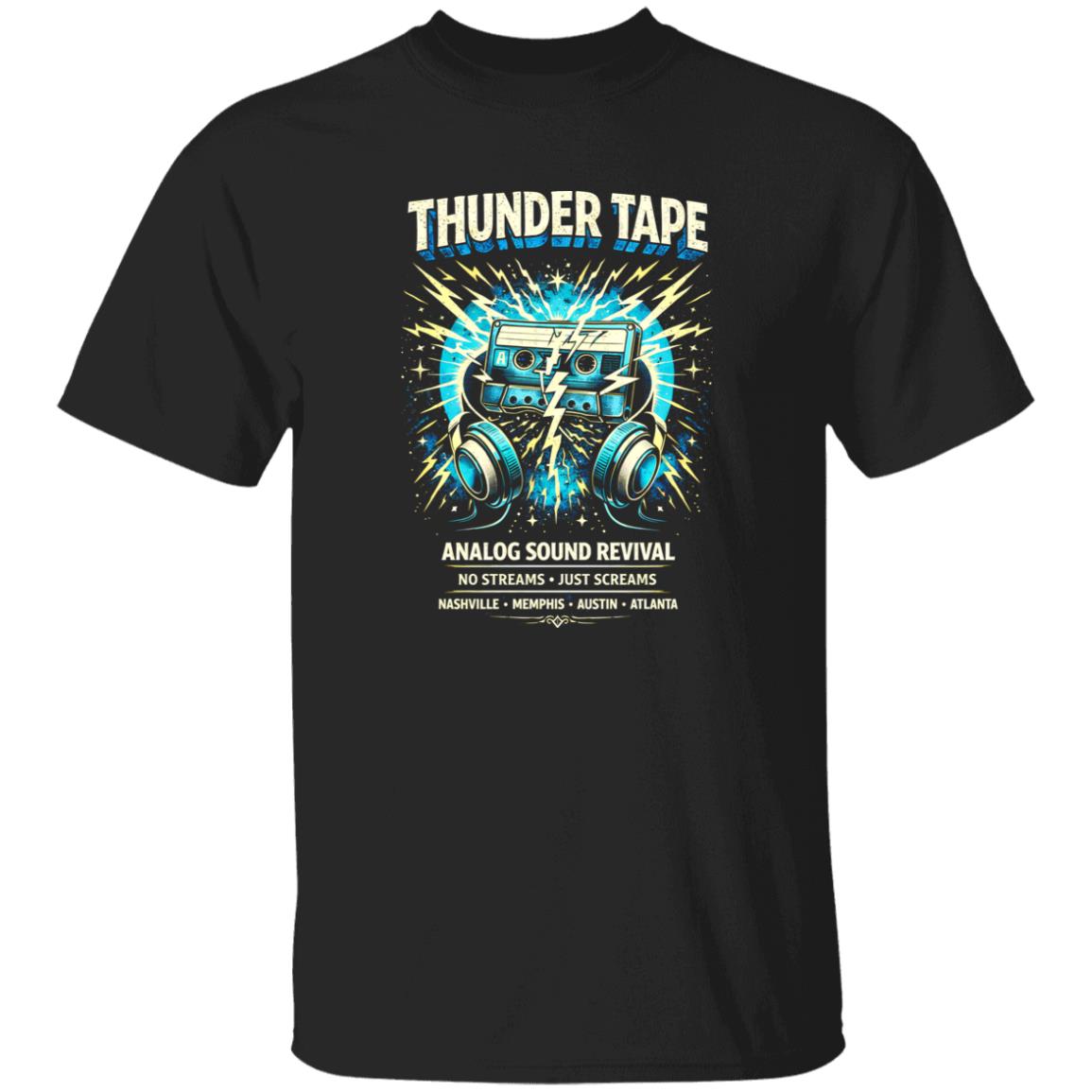
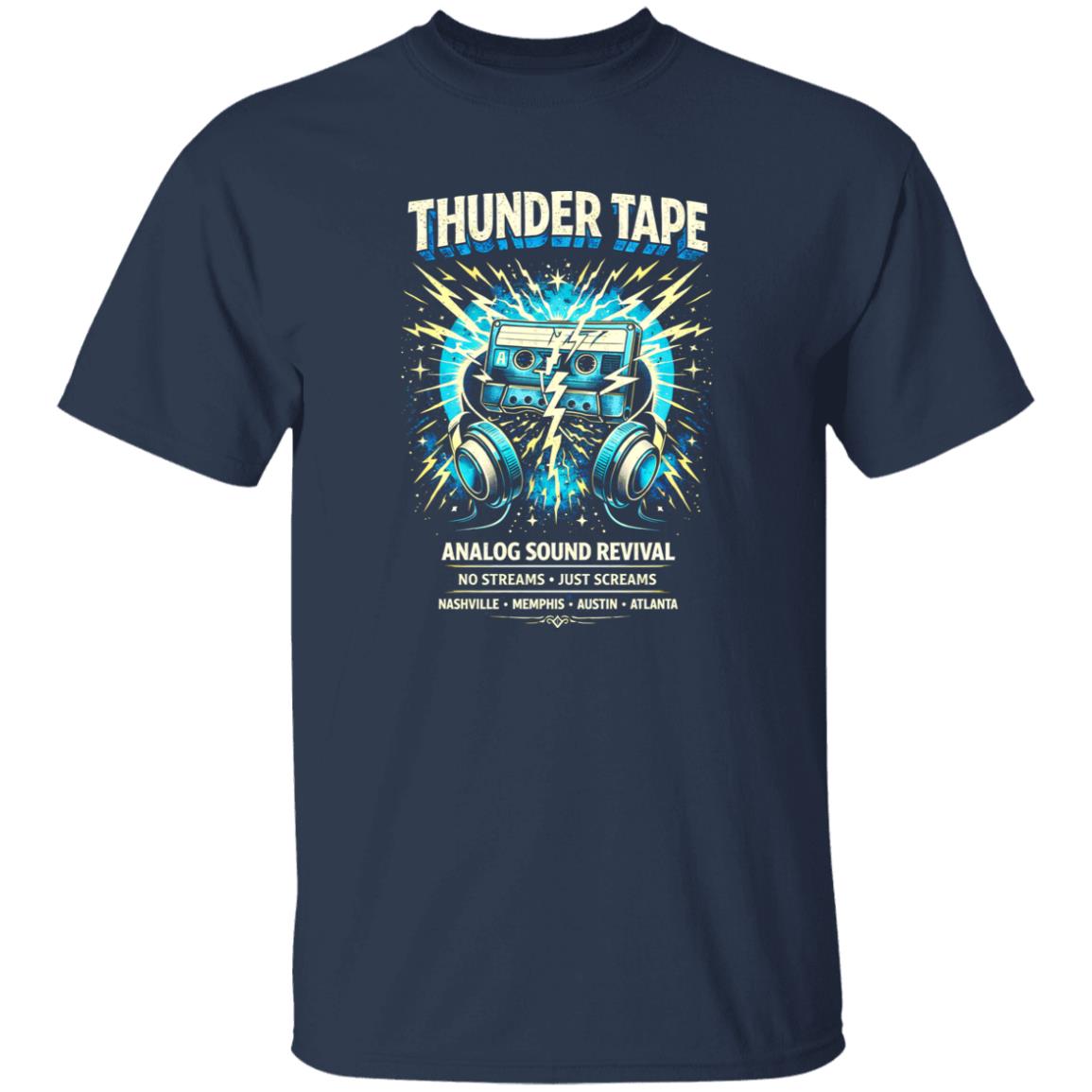
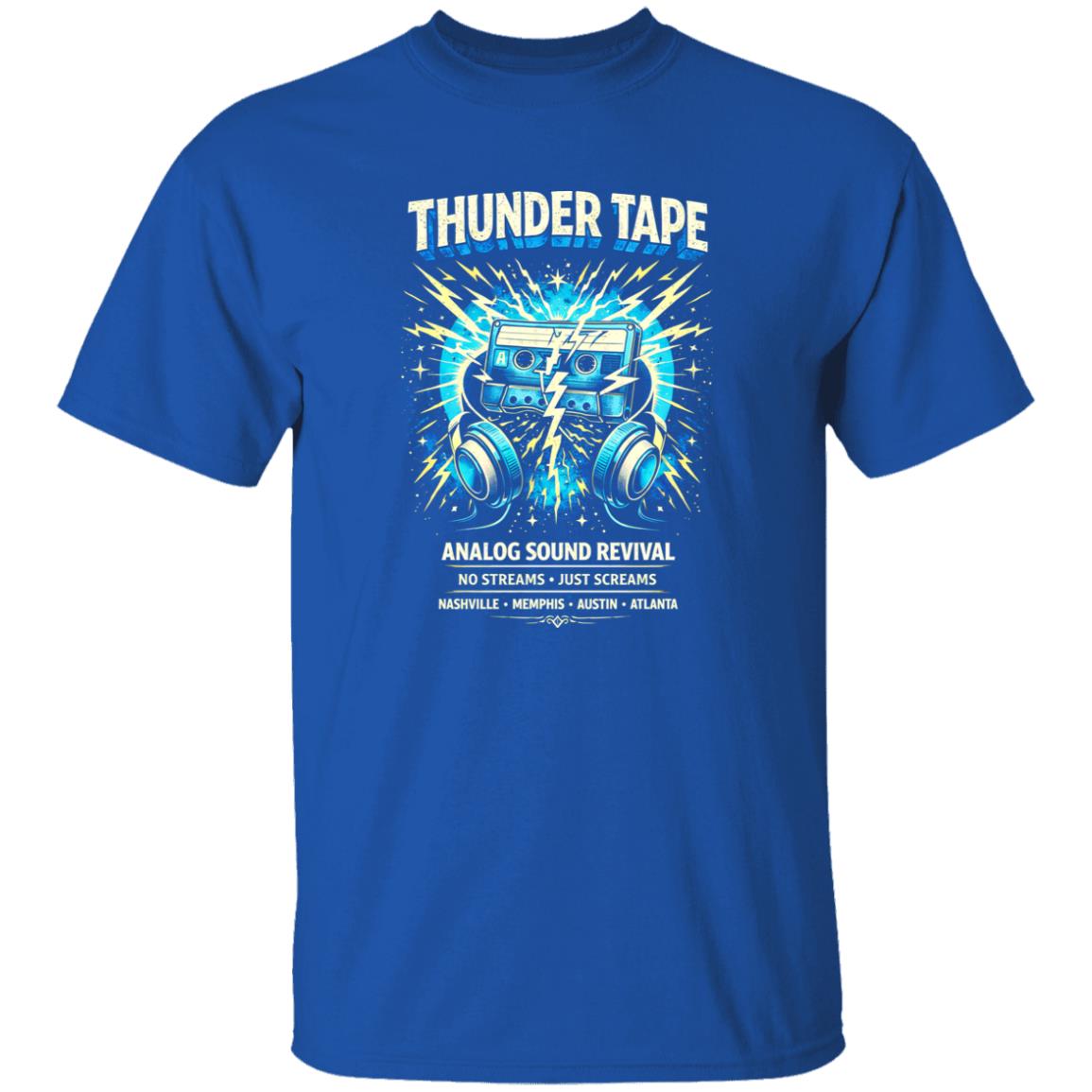
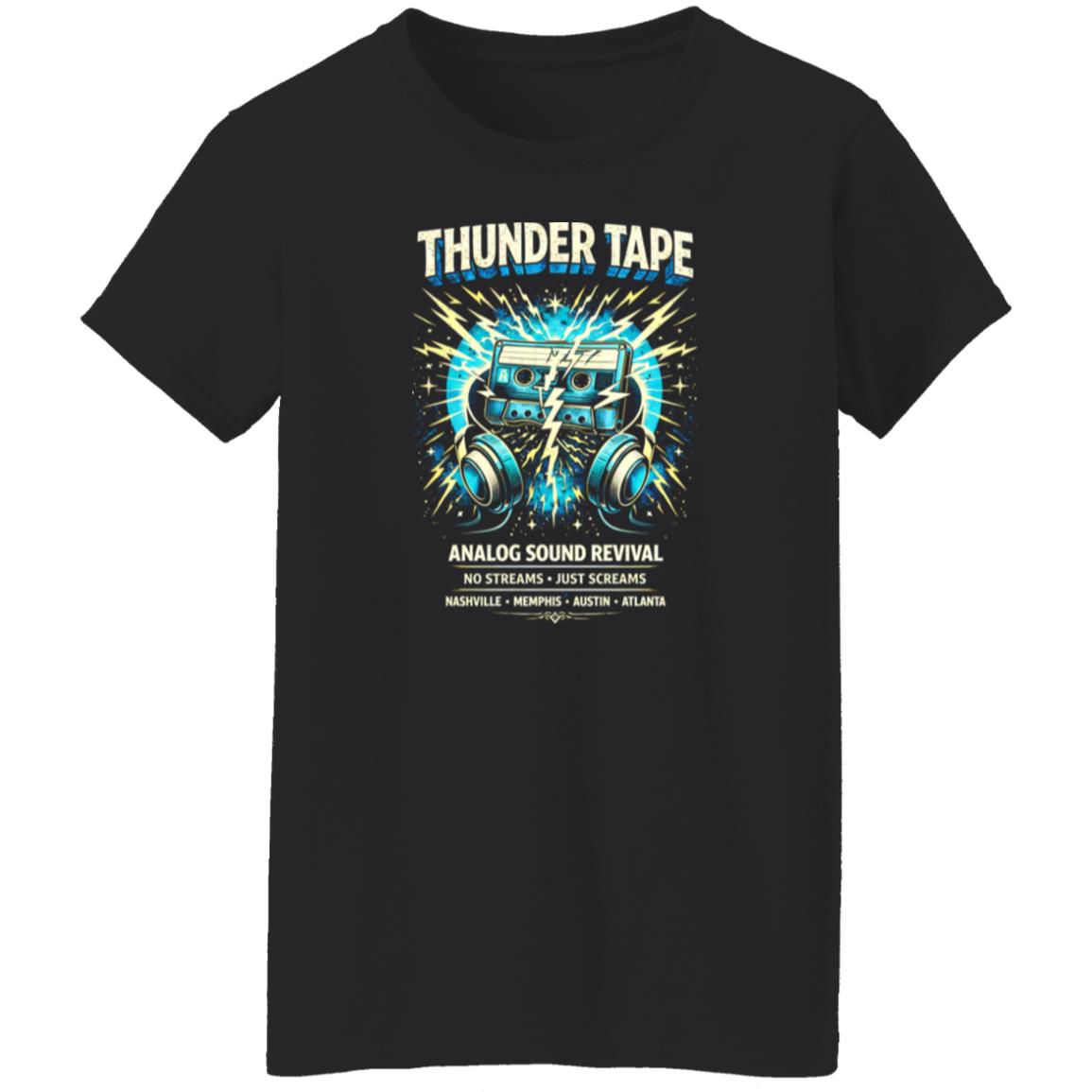
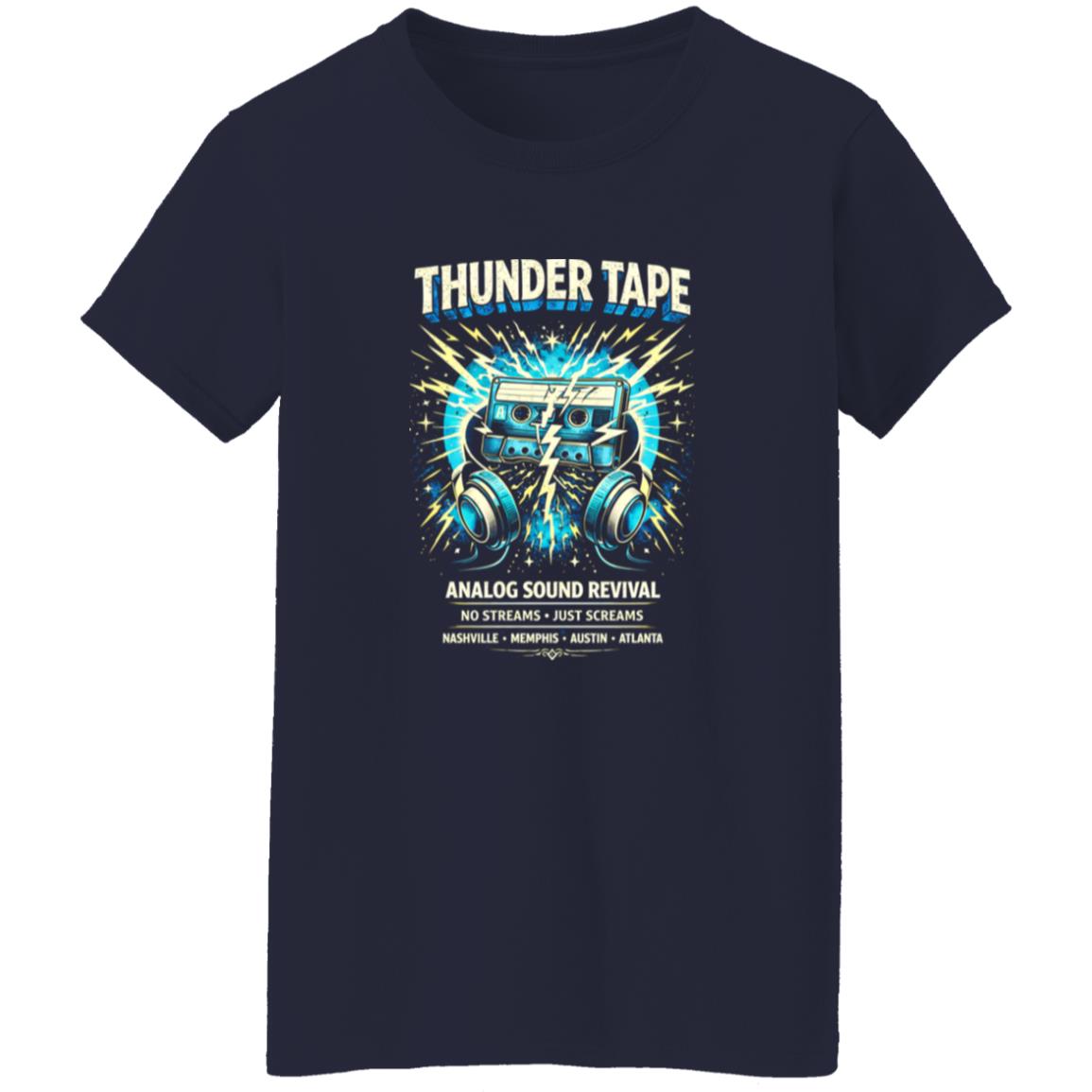
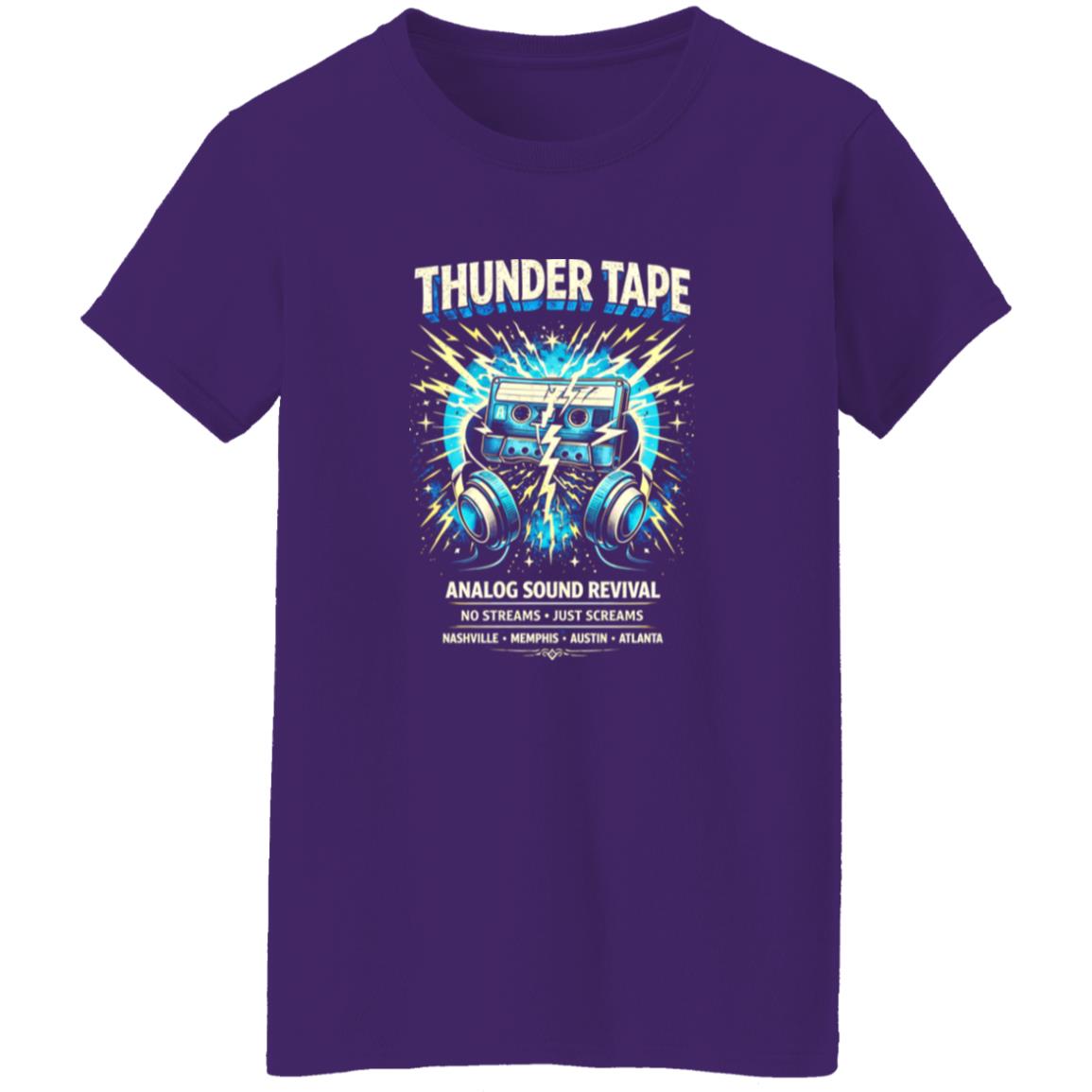
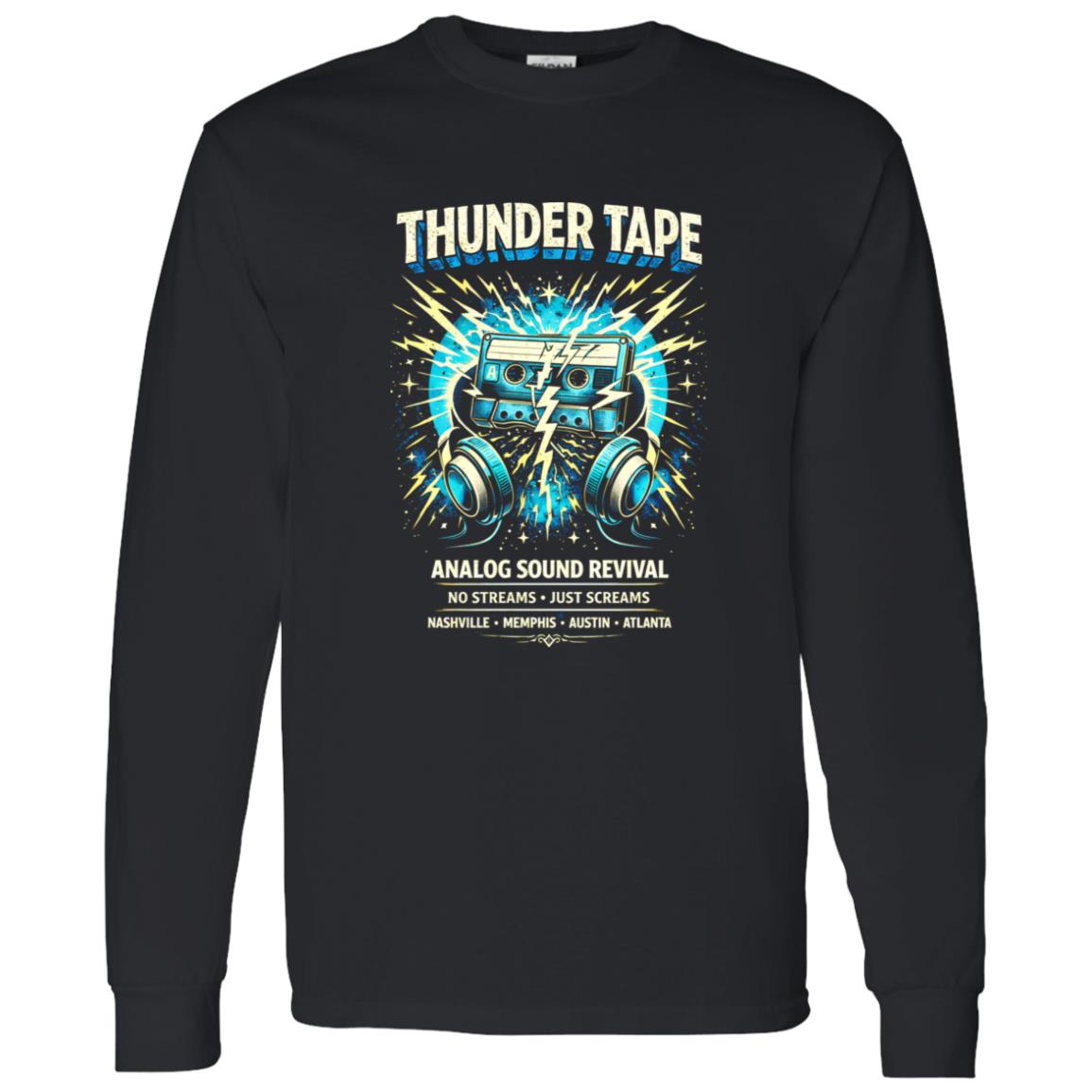
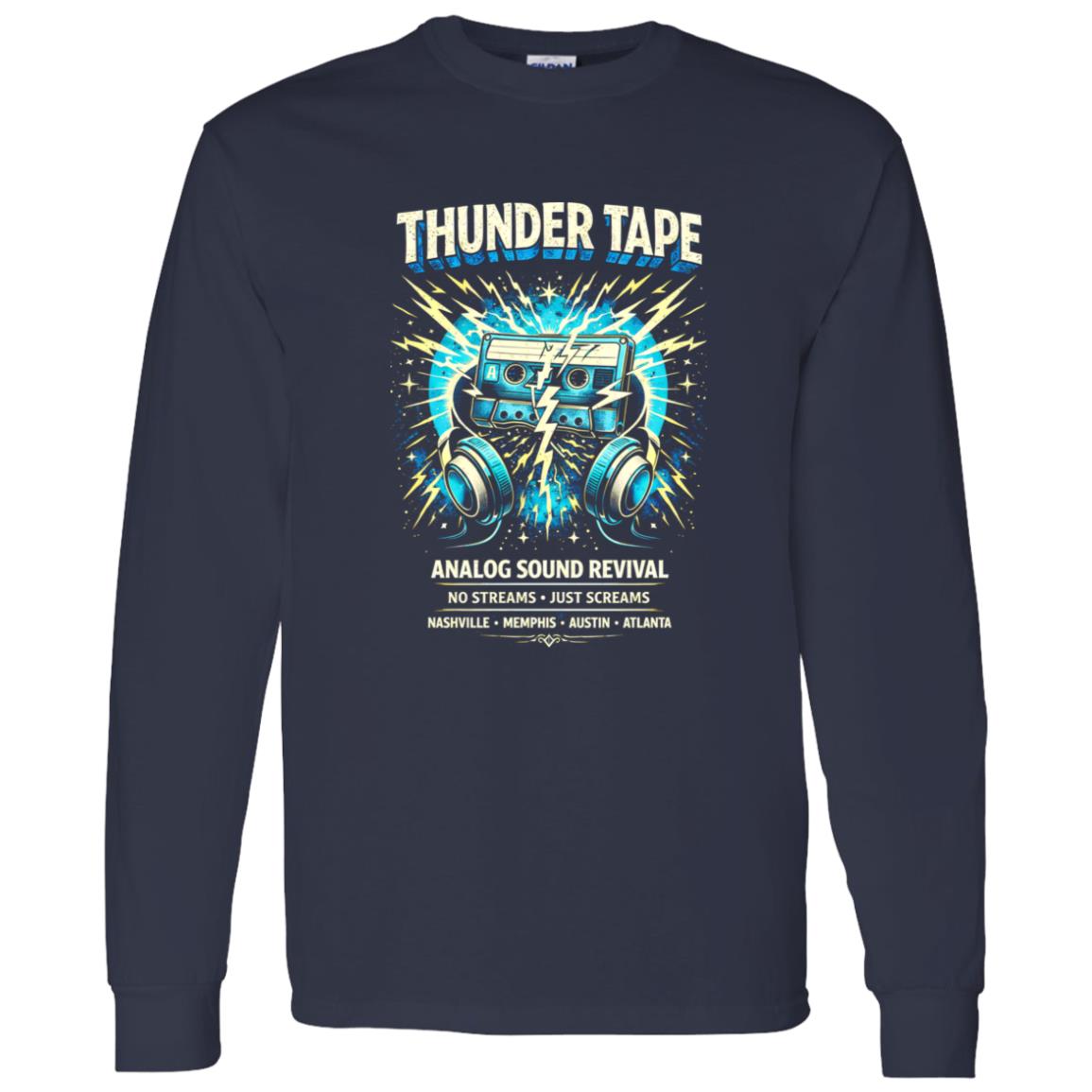
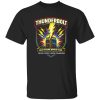
The street feels different when sound becomes visible. A faded cassette graphic, slightly worn like it’s been played a hundred times too many, instantly shifts the tone of an otherwise quiet outfit. The Thunder Tape Analog Rock Revival Shirt doesn’t just sit in your wardrobe—it activates a visual memory of music culture that still feels raw and real.
In today’s styling landscape, where minimal basics dominate, a piece like this creates contrast without trying too hard. If you’re exploring more looks like this, it naturally fits into a broader range of check out rock band apparel that builds identity through sound-driven aesthetics.
There’s something specific about analog references. Unlike clean digital visuals, cassette-era imagery carries imperfection—grain, distortion, texture. That imperfection translates directly into how the shirt behaves visually in an outfit.
This piece doesn’t compete for attention. It anchors it.
Pair it with dark denim and worn sneakers, and the look leans into underground rehearsal energy. Swap in tailored trousers and cleaner footwear, and suddenly the same graphic feels curated, almost archival. That duality is what makes analog-inspired rock band shirts powerful—they operate across both casual and intentional styling spaces.
The easiest way to approach this shirt is to treat it as the centerpiece. Everything else should support, not compete.
This is not about building complexity. It’s about maintaining coherence. The cassette visual already carries enough narrative weight.
That’s the key shift: you’re not adding style—you’re aligning with it.
During the day, the shirt reads relaxed. Slightly oversized, it drapes naturally, creating a laid-back silhouette that feels unforced. Layer it lightly if needed, but avoid over-structuring the look. The softness of the visual should translate into how the outfit moves.
At night, everything tightens. The same shirt, paired with darker layers and sharper footwear, starts to feel more deliberate. It becomes less about comfort and more about presence.
This shift doesn’t require changing the piece—just the surrounding context.
That’s where transitional styling becomes powerful. One shirt, two distinct identities, depending on how you frame it.
You’re standing outside a small venue, not even checking your phone. Someone nearby is playing something through cheap speakers—low-quality, slightly distorted, but recognizable. That same distortion is printed on your shirt. It matches the moment without explanation.
That’s when the styling works—not when it looks perfect, but when it feels connected.
In a market full of clean graphics and predictable layouts, analog-inspired designs stand out because they don’t try to be modern. They reference something older, more tactile, and more imperfect.
This shirt taps directly into that space. The visual isn’t just decorative—it carries memory, texture, and cultural weight.
And in styling terms, that means one thing:
It does more with less.
You don’t need heavy layering. You don’t need complex coordination. The identity is already embedded in the piece. All you need to do is build around it without disrupting that core energy.
That’s what separates a graphic tee from a rock band shirt with real presence.
| Product | Thunder Tape Analog Rock Revival Shirt – Vintage Style That Feels Alive |
|---|---|
| SKU | cc-1049-9953-108622732-1774660710016 |
| Fabric Weight | Midweight (5.3 oz) – Heavyweight (6.0 oz Long Sleeve) |
| Material Composition | Solid Colors: 100% Cotton Ash Grey: 99% Cotton / 1% Polyester Sport Grey: 90% Cotton / 10% Polyester Dark Heather: 50% Cotton / 50% Polyester |
| Fit | Classic Unisex Fit (Ladies: Slightly Tapered Missy Fit) |
| Construction | Double-needle stitching Taped neck & shoulders Preshrunk jersey knit Tearaway label |
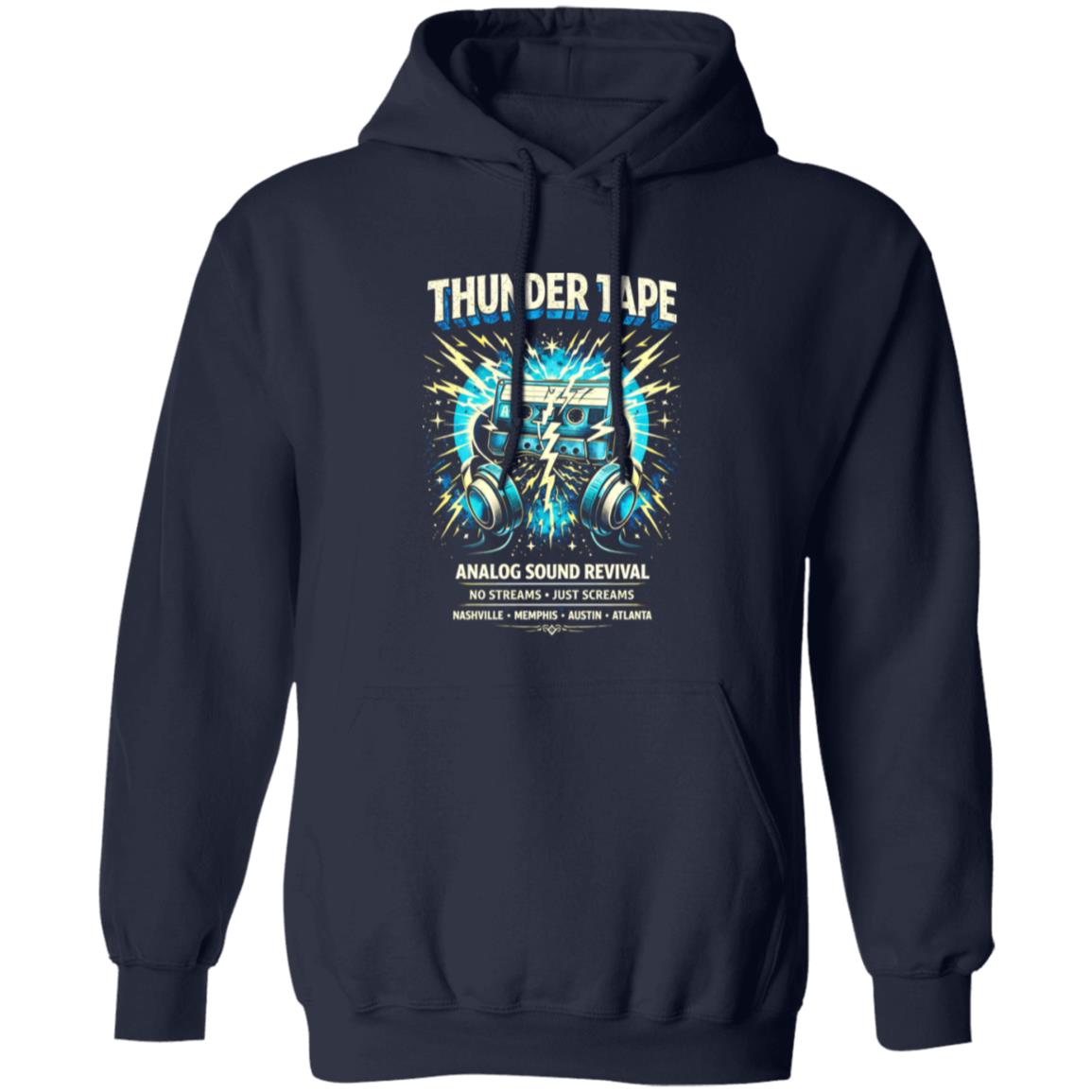
| Hoodie Material (G185) | 8.0 oz – 50% Cotton / 50% Polyester |
| Available Sizes | S – 5XL (6XL select colors only) |
| Origin | Made with sustainably and fairly grown USA cotton; Printed in USA |
| Print Method | DIGISOFT® Direct-to-Garment (DTG) |
| Brand | Capital T Shirt |
| Fast & Reliable Shipping | All orders are professionally printed and shipped from the USA. |
|---|---|
| Processing Time | Printed on demand within 1–3 business days. |
| Shipping Time | USA: 4–7 business days International: 7–15 business days |
| Shipping Costs | USA Standard: $5.99 International Standard: $9.99 |
| Secure Checkout | Safe & encrypted payment processing. Your information is protected at all times. |
| Returns & Exchanges | We offer a 30-day return policy. View Refunds & Returns Policy |
| Customer Guarantee | We stand behind the quality of every item we print. |


Reviews
There are no reviews yet.