No products in the cart.
Save 20% on orders over $100 with code CT20

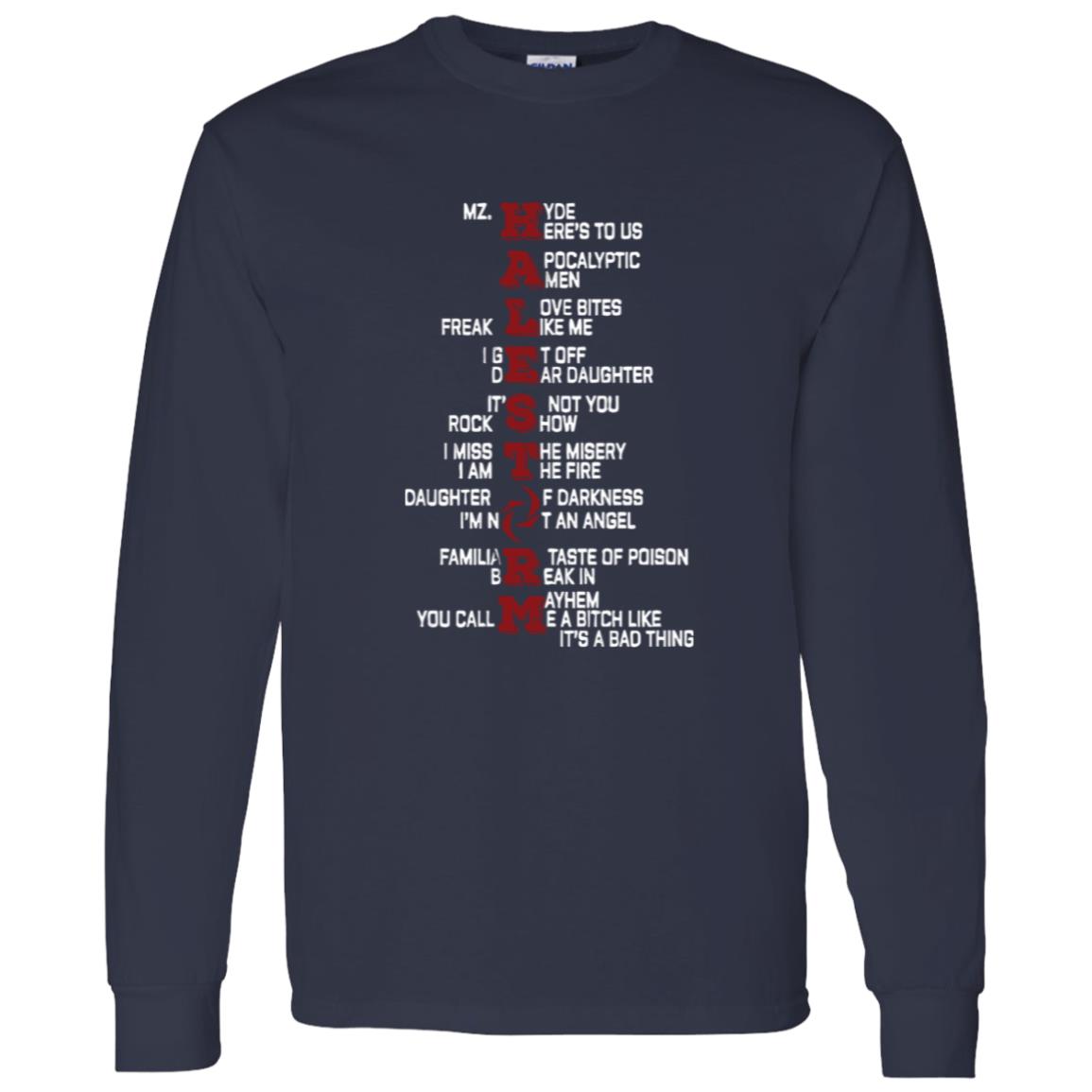
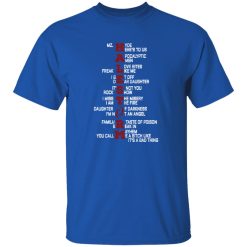
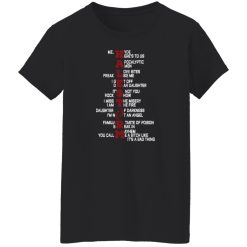
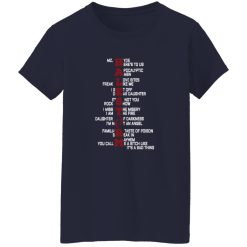
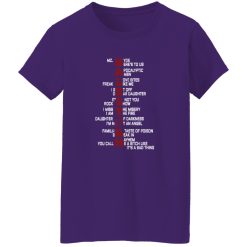
Price range: $21.90 through $44.99
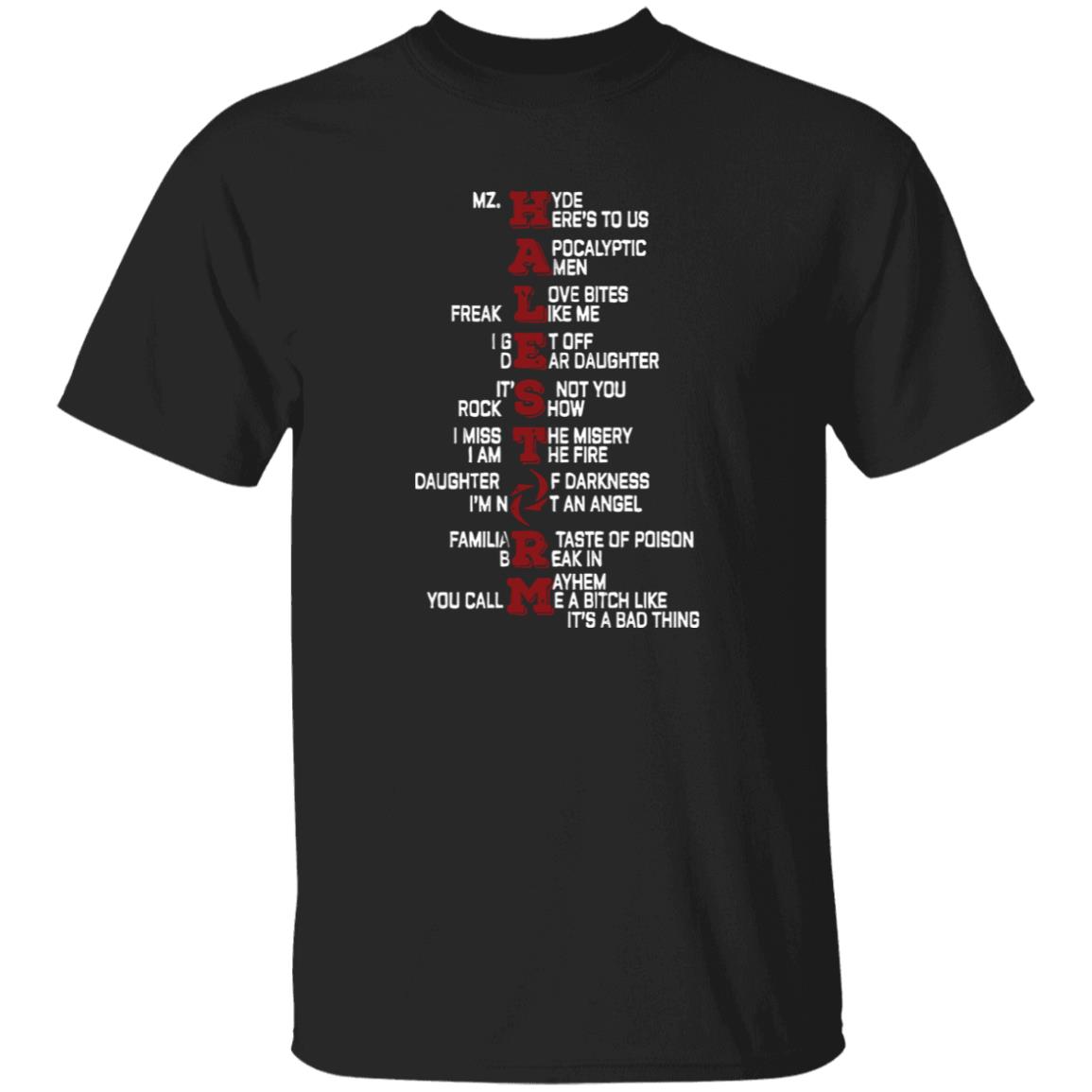
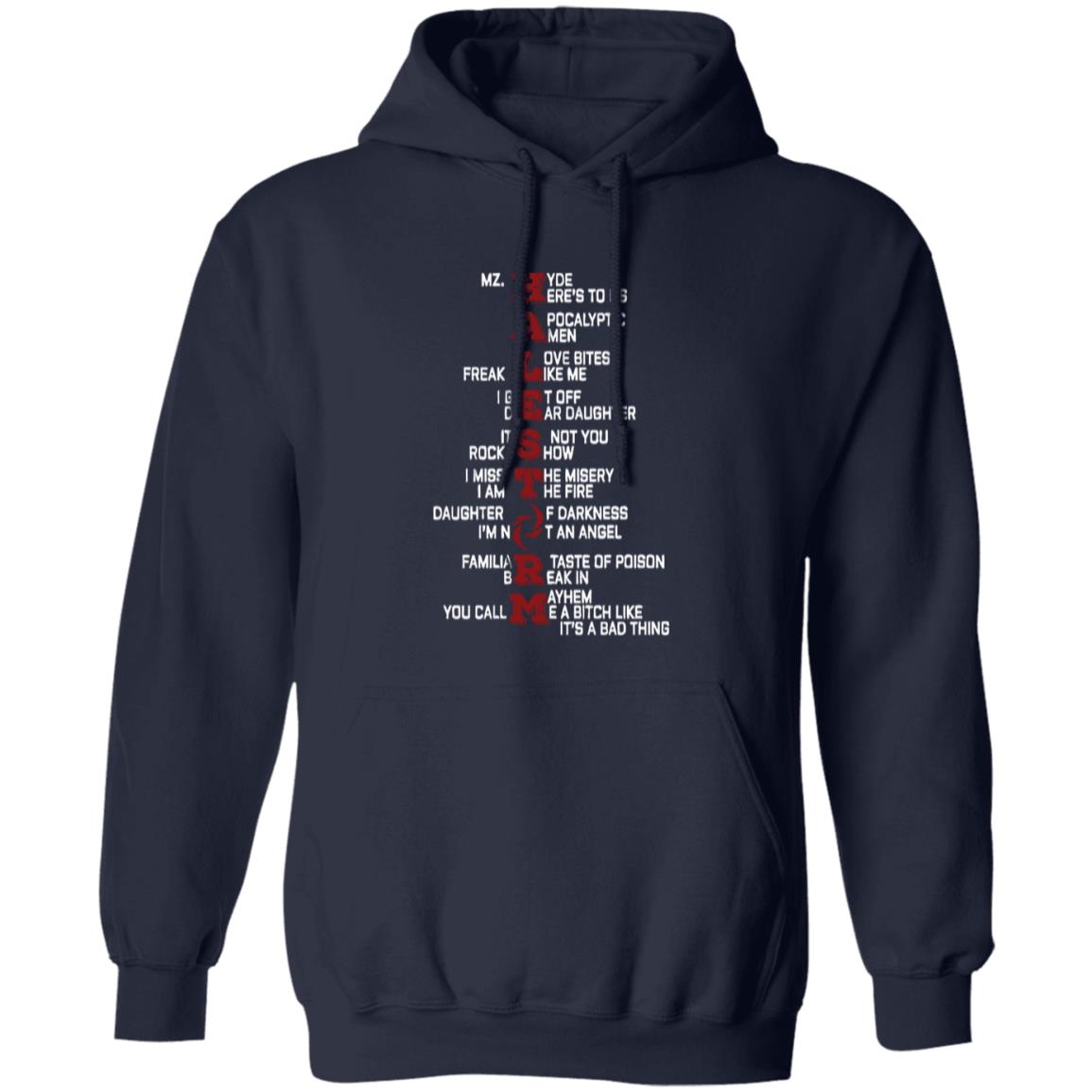
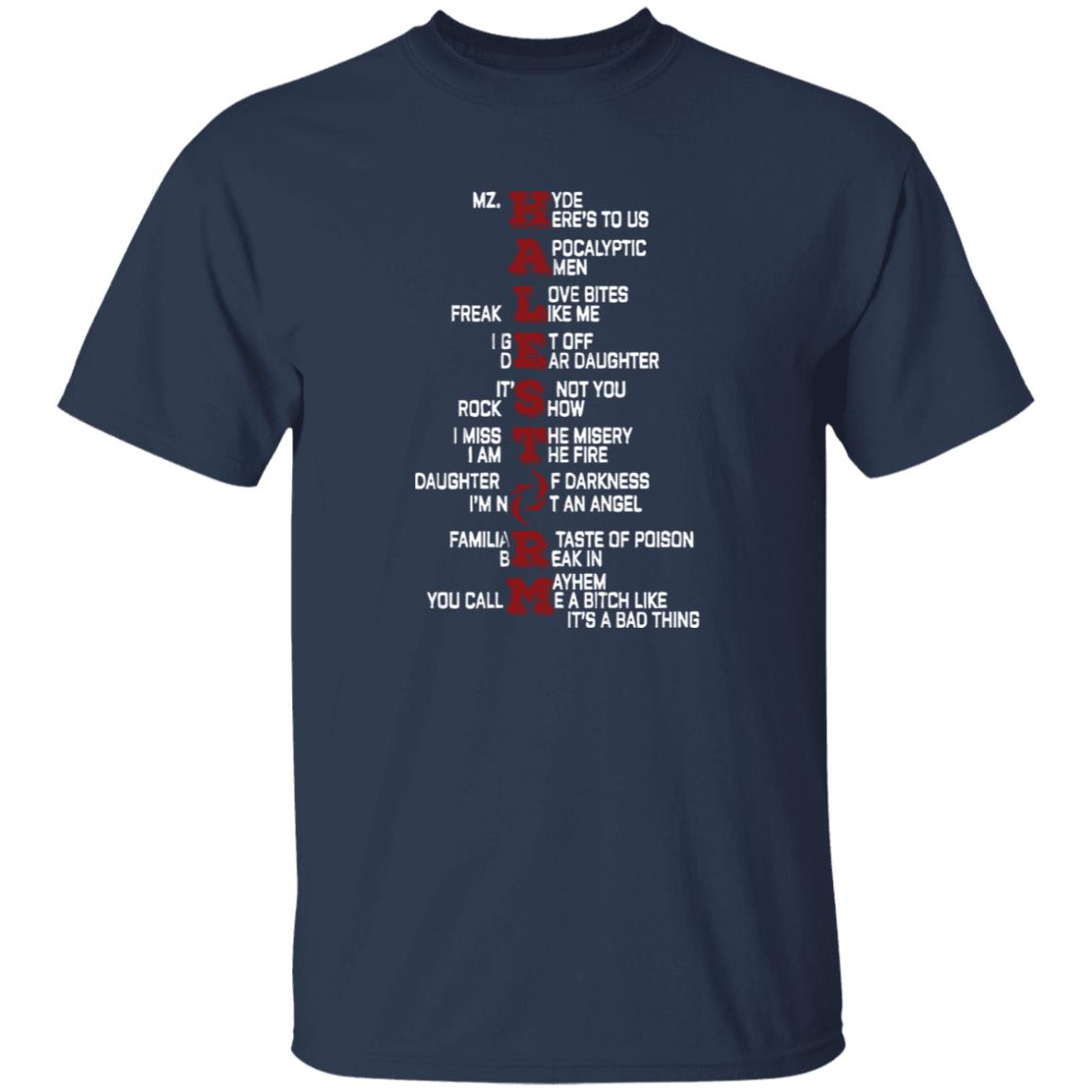
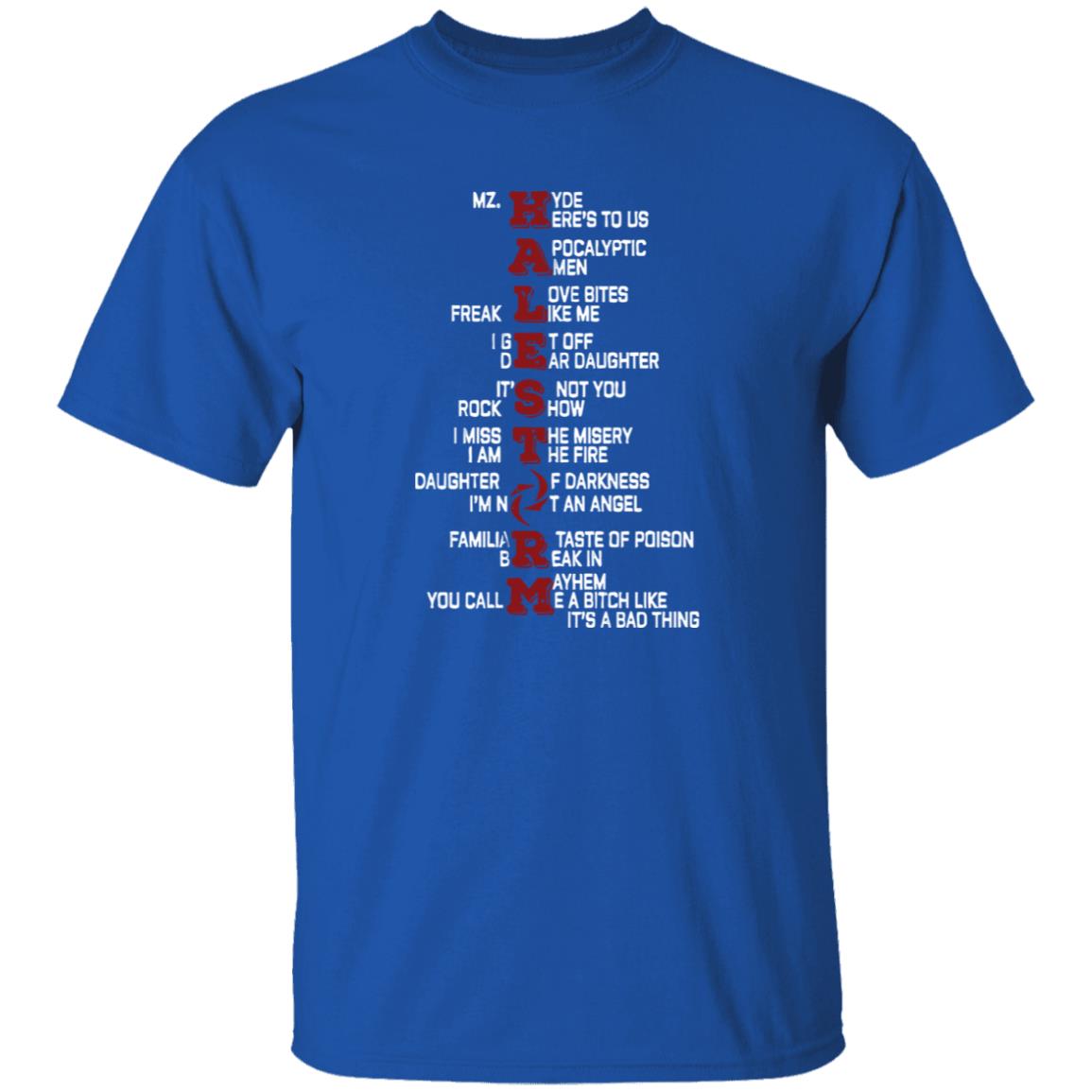
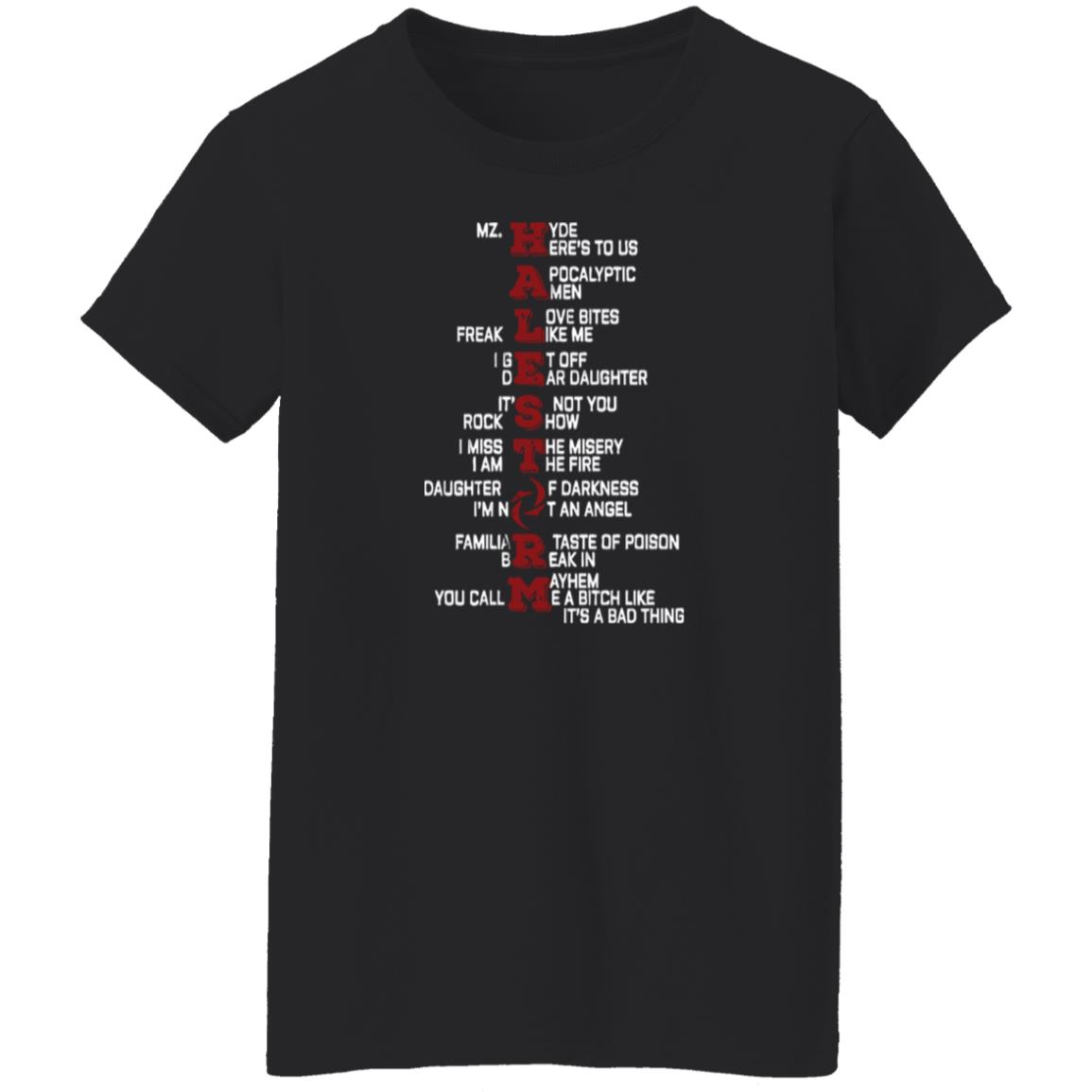
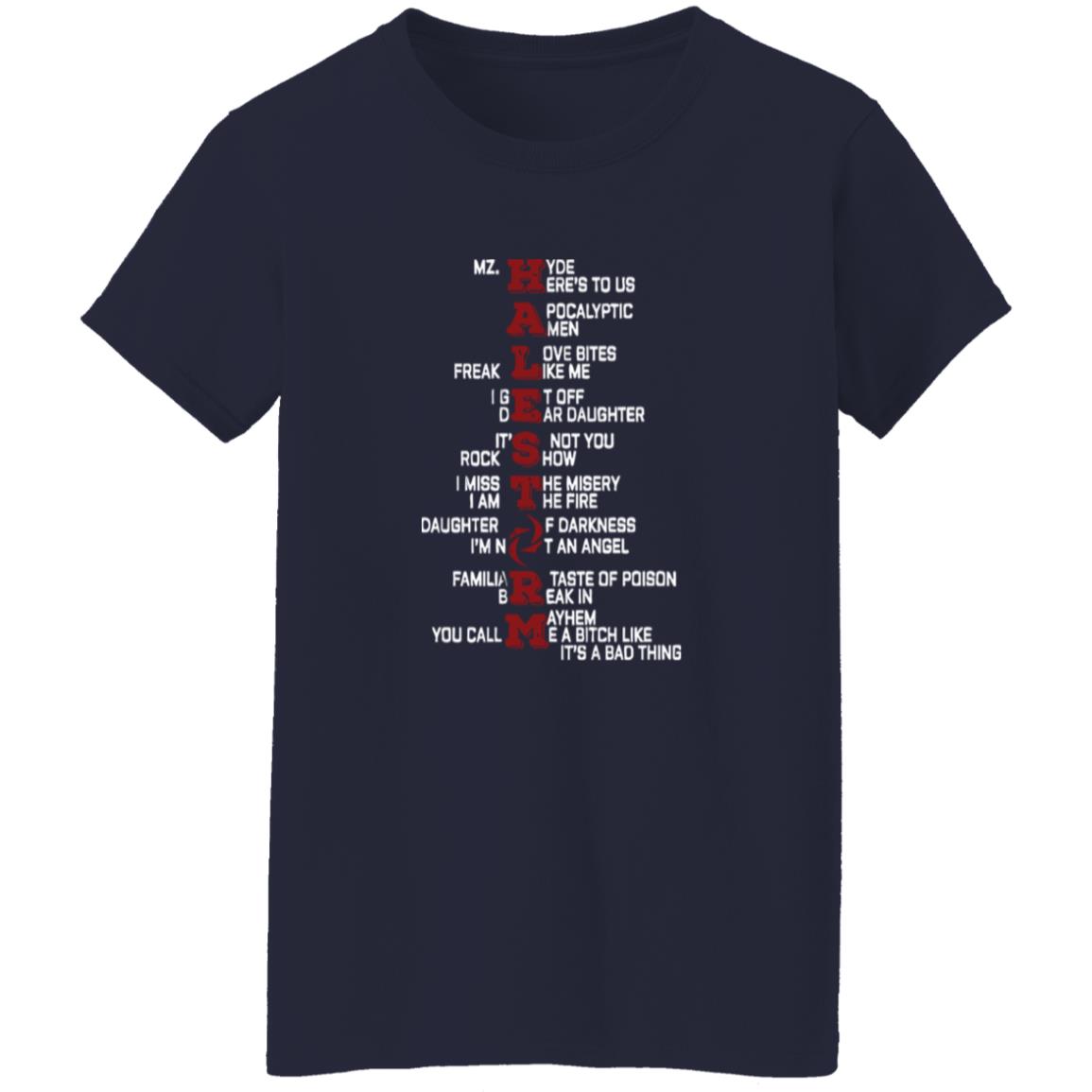
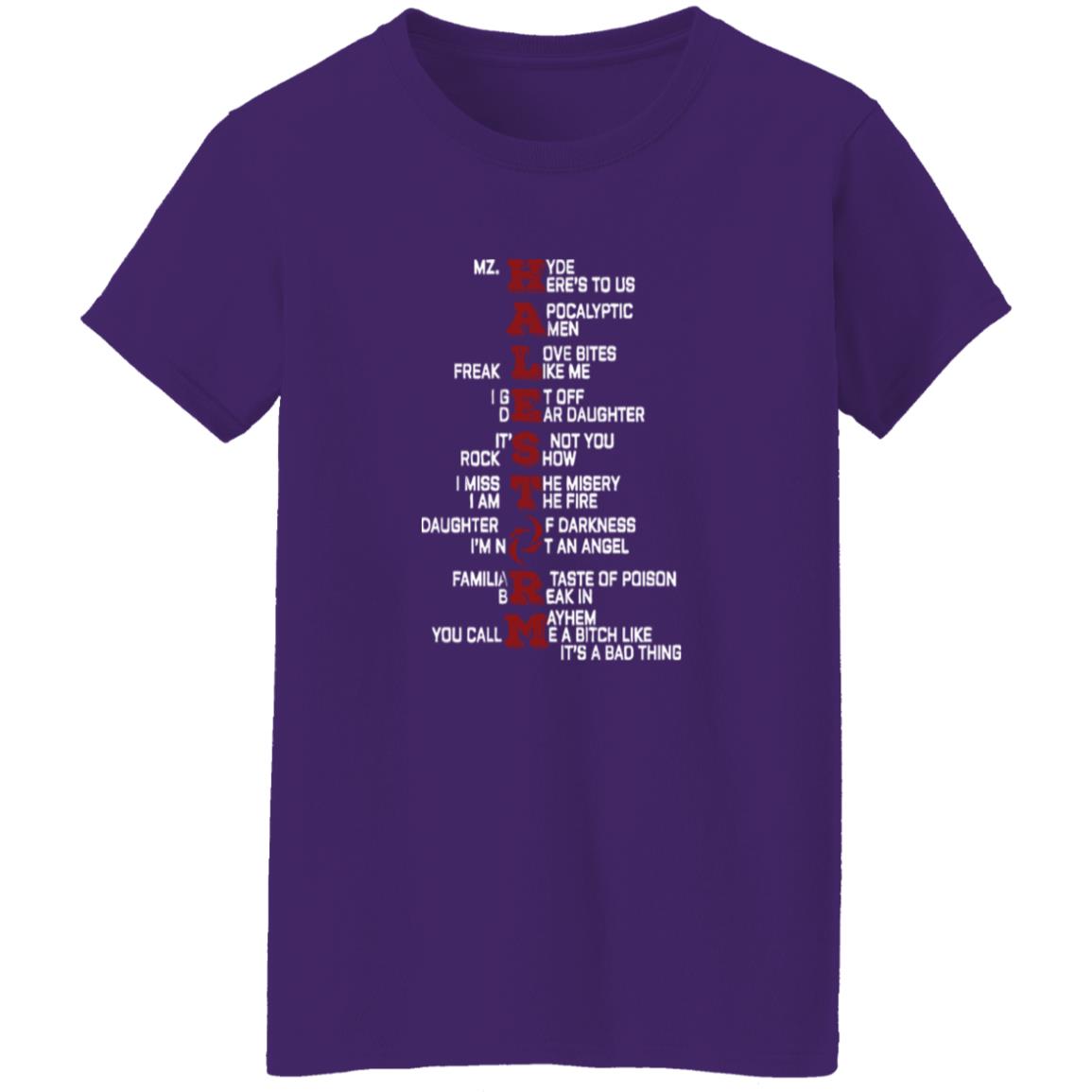
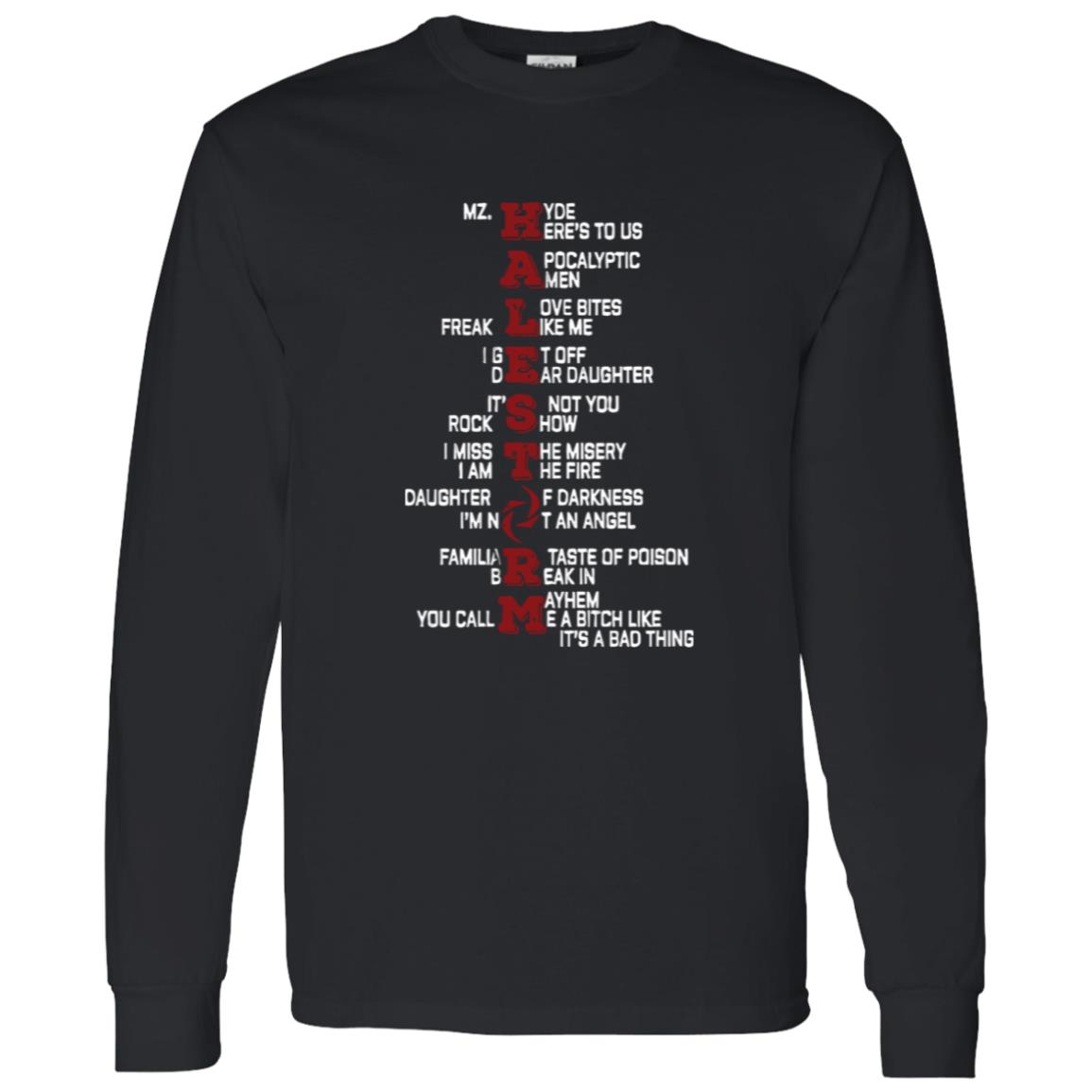
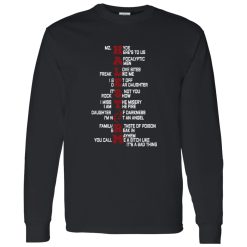
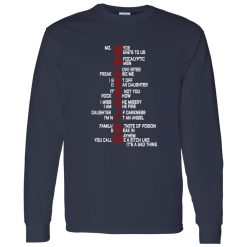
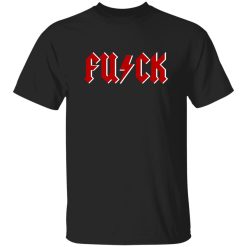
Some shirts work as background clothing. Others signal exactly where you stand before you say a word. The Mz Hyde Here-s To Us Apocalyptic Amen Halest Rm Shirt belongs to the second category, which is why it lands so naturally inside the world of modern rock apparel instead of feeling like just another graphic tee. For people who want music merch to carry edge, attitude, and real scene energy, this kind of piece does more than fill space in a closet.
That matters in a category where fans are not simply buying print on cotton. They are buying recognition, mood, and visual alignment with a sound that already means something to them. In the broader landscape of Capital T Shirt rock band shirts, the strongest designs usually succeed because they hold onto a sense of identity. They do not dilute the message. They make it wearable.
There is also a difference between a shirt that references rock culture and one that feels like it belongs inside it. This design leans into that distinction. It speaks to listeners who are drawn to darker theatrical energy, sharp contrast, and a look that carries emotional voltage without becoming costume-like. That is what gives it staying power.
Transactional searches move fast. People want to know whether a shirt looks good, feels relevant, and deserves the spot it is asking for in their rotation. The direct answer is yes: this shirt works because it combines recognizable music identity with a visual tone that feels intense without becoming visually chaotic.
Plenty of rock shirts rely on volume alone. Bigger print, louder layout, harsher contrast. But that approach can flatten the emotional effect if the design starts feeling generic. What gives this piece more pull is the way it taps into a darker, more dramatic rock aesthetic while still reading clearly as everyday wearable apparel. That balance is difficult to get right. When it works, the shirt feels intentional rather than overdesigned.
The strongest identity-driven rock pieces always do two things at once. First, they signal affiliation. Second, they preserve enough visual discipline to remain useful outside of a single occasion. This shirt does exactly that. It communicates a harder emotional register and a more intense music taste, but it still fits naturally into the daily wardrobe of someone who likes their graphic clothing to do some of the talking.
That is why this product is not just about fandom. It is about self-presentation. A shirt like this becomes the visible layer of a personal code: darker taste, stronger preferences, less interest in polished mainstream styling, more interest in music culture that feels emotionally charged and unapologetic.
Rock band shirts have always done more than promote artists. They help people wear allegiance in public. Sometimes that allegiance is nostalgic. Sometimes it is tribal. Sometimes it is emotional. In this case, the shirt reads most strongly as an identity marker for fans who respond to intensity, dramatic mood, and a sharper edge in both sound and style.
That identity matters because modern music apparel is crowded with pieces that borrow the language of alternative culture without carrying its emotional weight. A shirt tied to a harder rock mood has to feel convincing. It should not look softened for mass appeal. It should not feel disconnected from the energy fans associate with the music. This design holds onto that tension in a way that gives it credibility.
At the same time, credibility does not require visual excess. The most effective graphic rock apparel often lets one central impression lead: menace, energy, darkness, rebellion, drama, or emotional release. Once that dominant note is clear, the rest of the styling becomes easier. The wearer is not forcing personality into the outfit. The shirt already brings one.
That is why pieces like this remain relevant in the rock category year after year. They do not depend on trend timing alone. Instead, they connect with a recurring instinct among music fans: the need to wear something that feels closer to who they actually are than what general fashion tends to offer.
There is a small but important difference between dressing for attention and dressing with conviction. Rock fans usually recognize it immediately. One feels performative. The other feels lived in. This shirt leans toward conviction. It looks like it belongs to someone with specific taste, not someone trying on an aesthetic for a weekend.
Picture the kind of moment where that distinction becomes obvious: standing outside a venue before the doors open, low light hitting the print, a line of people around you in black denim, boots, layered jackets, and old tour tees that have clearly been worn for years. In that setting, a design has to hold its own. This one does.
A good rock shirt should not require complicated styling to succeed. If it only works under one exact formula, it loses value quickly. The strength of this piece is that it can lead an outfit without demanding theatrical layering or exaggerated accessories. It already has enough mood to carry a look on its own.
With black jeans, it creates a clean and direct silhouette that keeps the emphasis on the graphic and overall attitude. With faded denim, it becomes a little more worn-in and less severe, which can be useful for people who want the same identity signal without making the outfit feel too sharp. Under a dark overshirt or leather jacket, it starts to feel heavier and more scene-specific. On its own with simple bottoms, it keeps the message clear and uncluttered.
That flexibility matters for a transactional buyer. When someone searches for a specific shirt, they are often not just asking whether the print looks good in isolation. They are asking whether it will actually work once it arrives. Will it sit naturally inside the rest of the wardrobe? Will it feel easy to wear more than once? Will it still look convincing outside of a concert setting? A strong rock shirt has to answer yes to all three.
This is where identity and practicality intersect. The shirt carries enough visual presence to feel intentional, but it does not lock the wearer into one narrow styling lane. That makes it useful across multiple scenarios: casual day wear, live show nights, travel outfits, layered cold-weather looks, and weekend rotation pieces that need to feel effortless instead of precious.
Fit also affects how the message lands. A rock graphic with this kind of attitude usually performs best when the silhouette feels relaxed enough to look natural but not so oversized that the print loses shape and focus. The goal is confidence, not costume. A clean fit lets the shirt read as part of the wearer’s real identity rather than a borrowed visual language.
That kind of styling intelligence is why rock apparel remains one of the most enduring corners of graphic fashion. When the right shirt enters the rotation, it simplifies decisions. It gives the outfit direction immediately. Instead of adding more pieces to create impact, the wearer can let the graphic do its work and keep everything else controlled.
When competition is high, the difference between a passable product page and a convincing one comes down to clarity. Buyers do not need inflated claims. They need reasons. The reason to choose this shirt is straightforward: it offers a combination of recognizable rock identity, dark visual presence, and repeat-wear potential that many graphic tees fail to deliver at the same time.
Some products are too plain to feel memorable. Others are so overloaded that they become harder to wear after the first impression fades. This one sits in the more valuable middle ground. It has enough force to feel expressive, but enough control to stay wearable. For the buyer, that means stronger long-term use instead of a short burst of novelty.
It also carries the kind of symbolic weight that matters in music merchandise. Fans are often selective about what they wear because band apparel is public. It signals taste, mood, and belonging. A shirt that misses the emotional register can feel off immediately. A shirt that gets it right becomes one of the reliable pieces people reach for without overthinking it.
That reliability is easy to underestimate. In practice, it is what separates shirts that live in a drawer from shirts that become part of someone’s regular identity. The visual message has to remain strong after the first wear. The styling has to stay easy. The cultural signal has to feel real. This product checks those boxes in a way that supports purchase confidence without needing aggressive sales language.
For rock fans who want their wardrobe to show more than surface-level interest, this shirt makes sense. It is not trying to be universal. That is exactly why it works. It is aimed at people who prefer edge over neutrality, emotional tone over blandness, and music-driven design over generic graphic filler.
In the end, the best reason to choose it is simple. It feels like a shirt for someone who already knows what they like. That kind of certainty always wears better than compromise.
| Product | Mz Hyde Here-s To Us Apocalyptic Amen Halest Rm Shirt |
|---|---|
| SKU | cc-1049-9953-108623004-1774664803484 |
| Fabric Weight | Midweight (5.3 oz) – Heavyweight (6.0 oz Long Sleeve) |
| Material Composition | Solid Colors: 100% Cotton Ash Grey: 99% Cotton / 1% Polyester Sport Grey: 90% Cotton / 10% Polyester Dark Heather: 50% Cotton / 50% Polyester |
| Fit | Classic Unisex Fit (Ladies: Slightly Tapered Missy Fit) |
| Construction | Double-needle stitching Taped neck & shoulders Preshrunk jersey knit Tearaway label |
| Hoodie Material (G185) | 8.0 oz – 50% Cotton / 50% Polyester |
| Available Sizes | S – 5XL (6XL select colors only) |
| Origin | Made with sustainably and fairly grown USA cotton; Printed in USA |
| Print Method | DIGISOFT® Direct-to-Garment (DTG) |
| Brand | Capital T Shirt |
| Fast & Reliable Shipping | All orders are professionally printed and shipped from the USA. |
|---|---|
| Processing Time | Printed on demand within 1–3 business days. |
| Shipping Time | USA: 4–7 business days International: 7–15 business days |
| Shipping Costs | USA Standard: $5.99 International Standard: $9.99 |
| Secure Checkout | Safe & encrypted payment processing. Your information is protected at all times. |
| Returns & Exchanges | We offer a 30-day return policy. View Refunds & Returns Policy |
| Customer Guarantee | We stand behind the quality of every item we print. |
Reviews
There are no reviews yet.