No products in the cart.
Save 20% on orders over $100 with code CT20

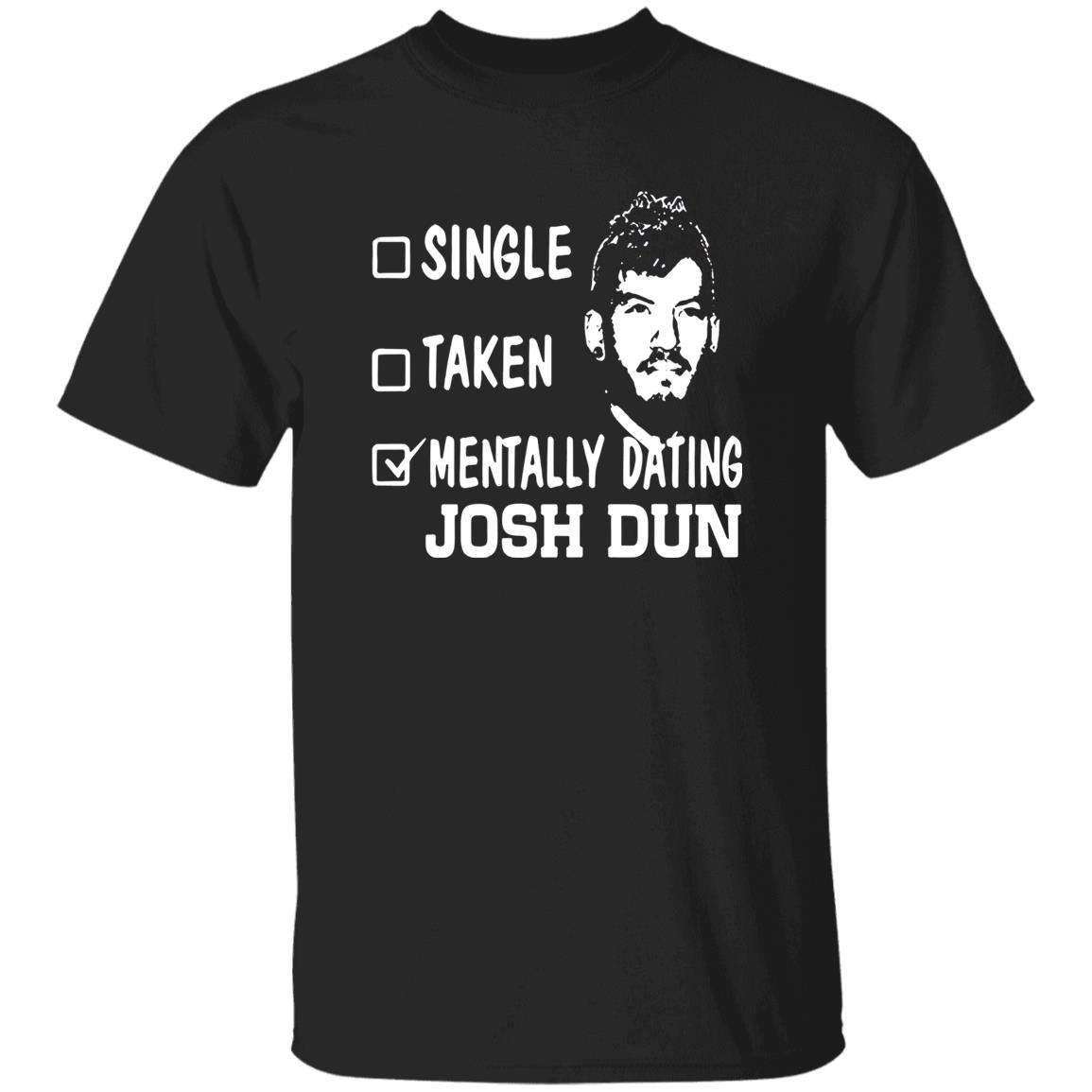
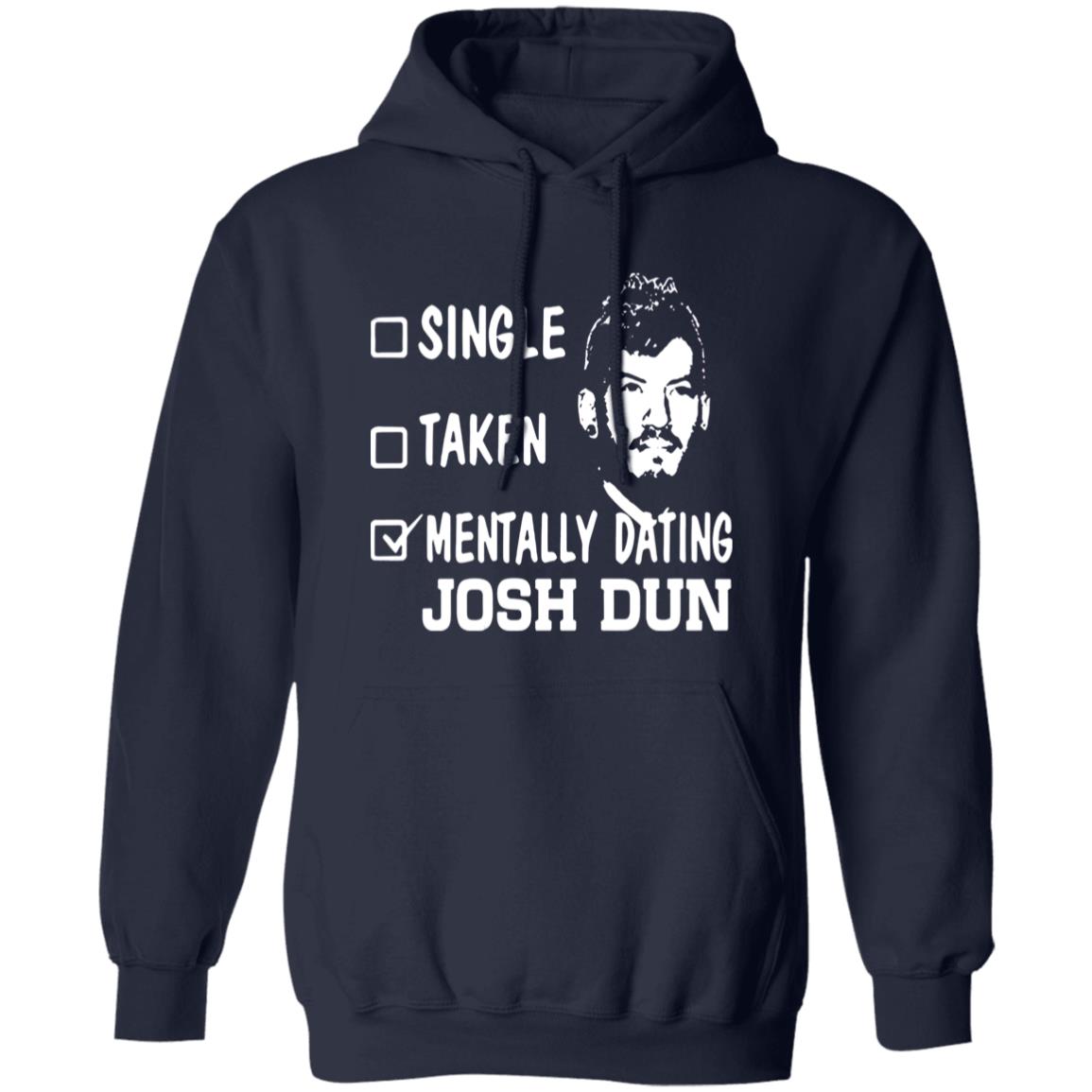
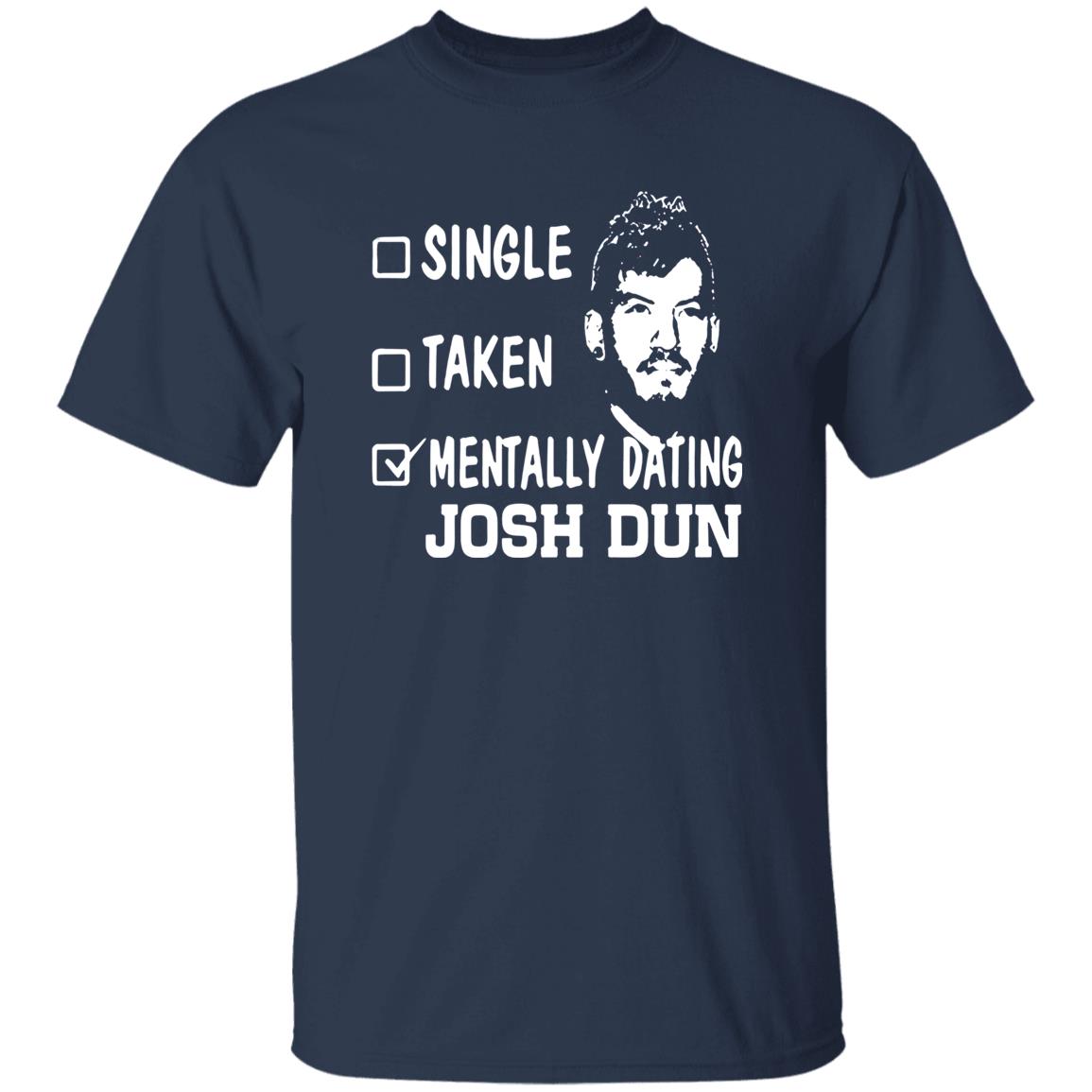
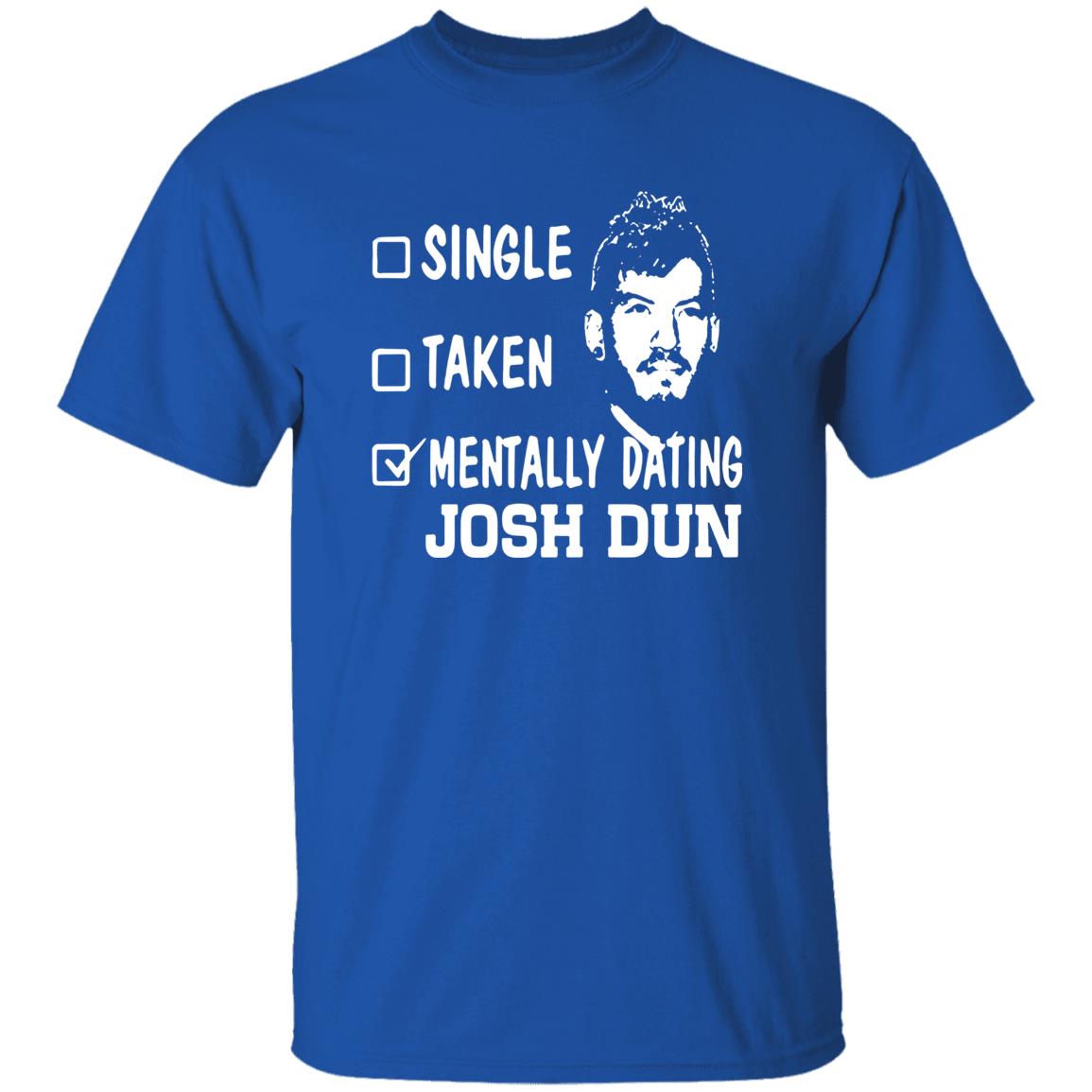

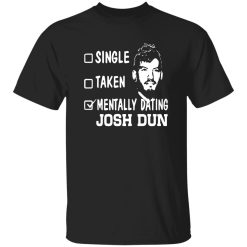
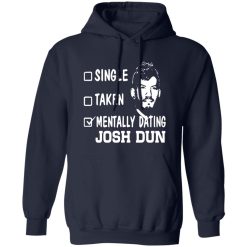
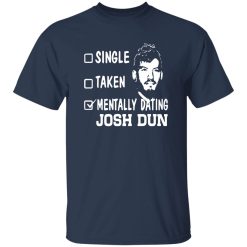
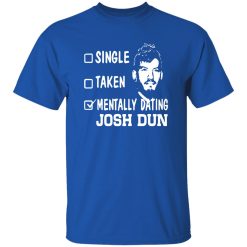





Price range: $21.90 through $44.99
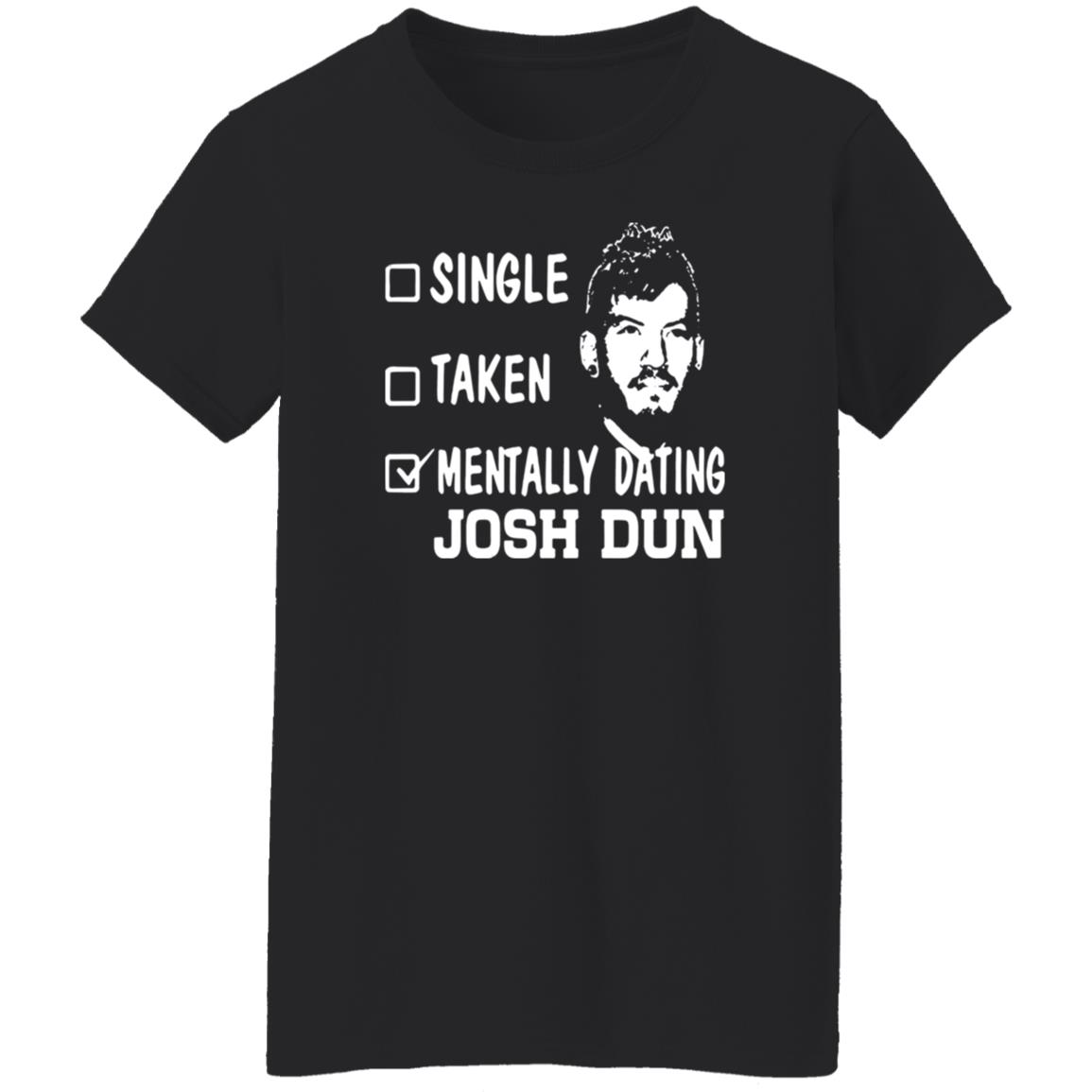
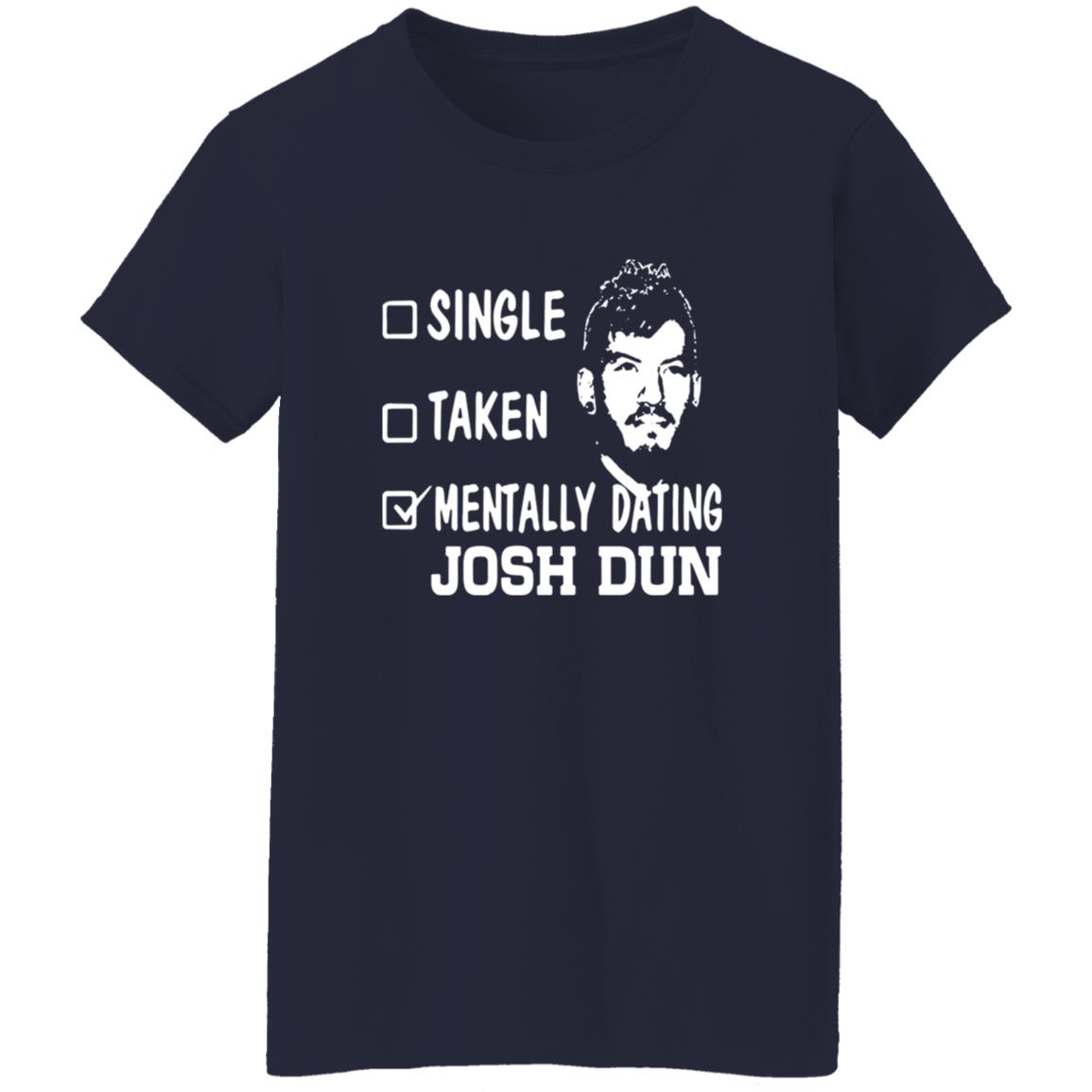
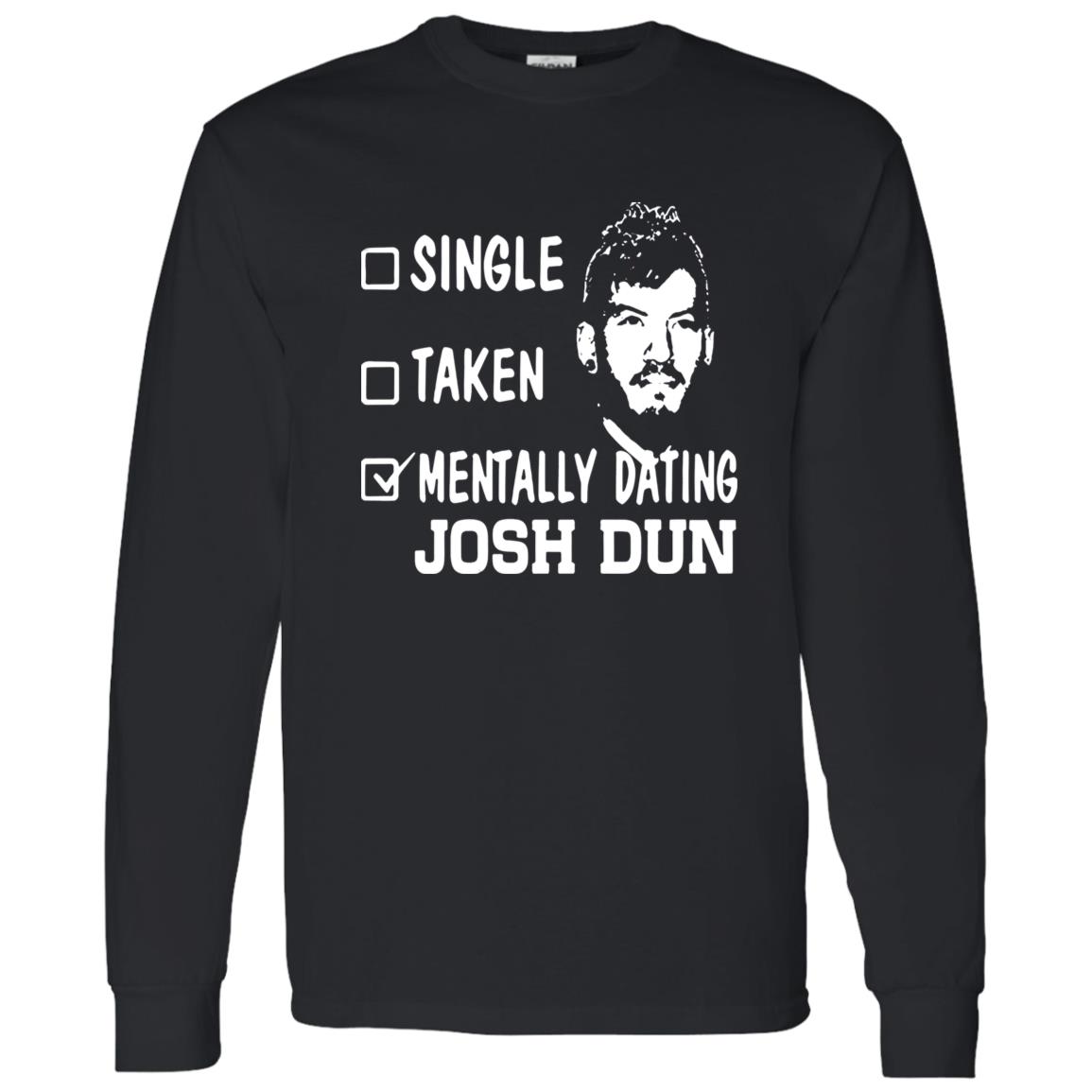
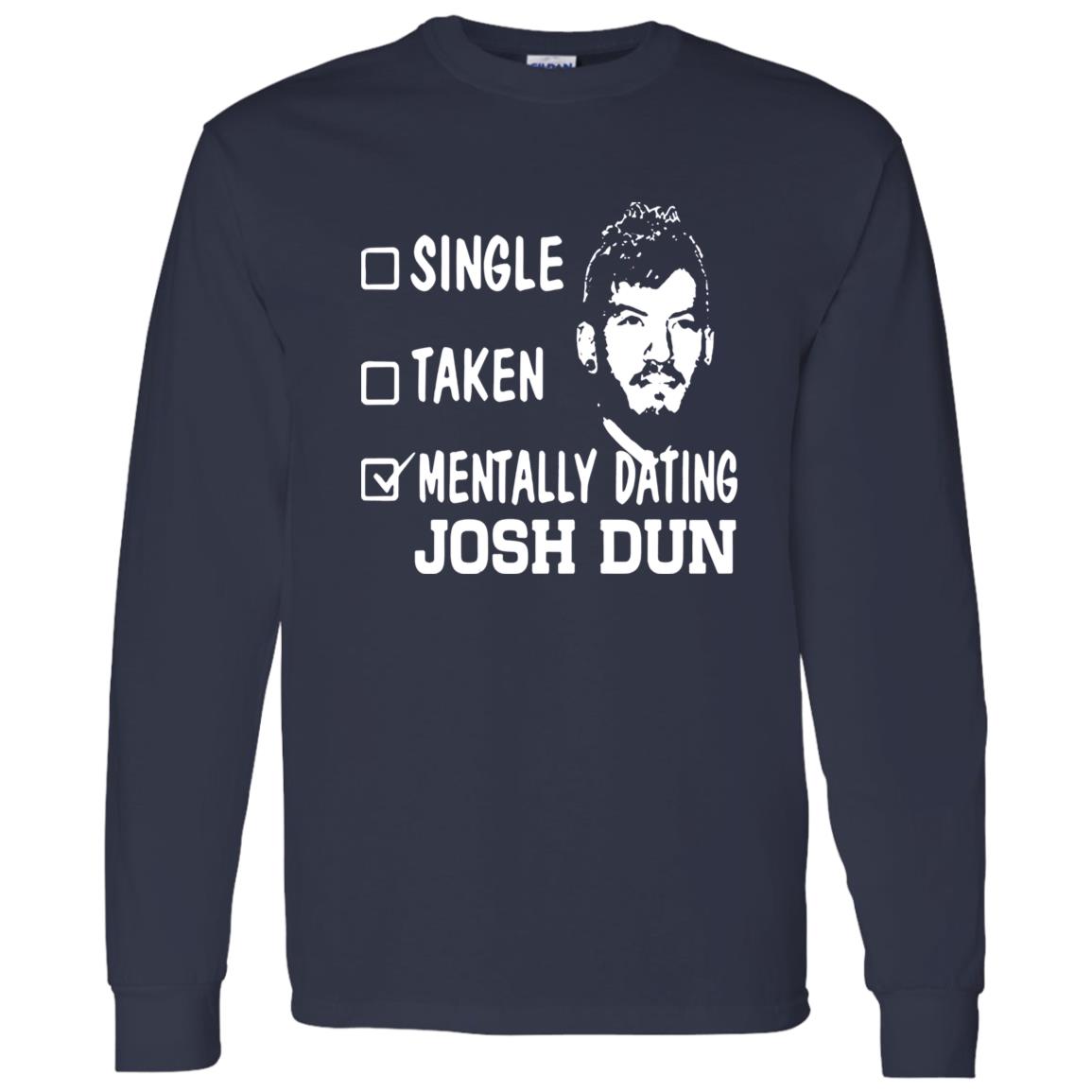
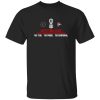
Some shirts work because they look good. Others work because they say exactly what a certain kind of fan is already thinking. The Single Taken Mentally Dating Josh Dun Shirt lands in that second category first, then becomes a strong style piece on top of it. It takes admiration, irony, and music culture fluency and compresses them into a graphic that feels playful without feeling disposable.
That is why this kind of design stands out inside rock band merch. It is not trying to imitate a generic concert tee or force a tough image that does not fit the message. Instead, it leans into fan identity with confidence. The humor is obvious, but the appeal goes deeper than a joke. Wearing a shirt like this signals familiarity with the scene, a willingness to be expressive, and a comfort with fandom as part of personal style. Within the broader world of Capital T Shirt rock band merch, that gives it a very different kind of energy.
The phrase “Single Taken Mentally Dating Josh Dun” is funny because it exaggerates a fan feeling people already understand. It is self-aware, slightly chaotic, and intentionally dramatic in a way that matches modern music fan culture. Instead of presenting fandom as something serious or formal, it treats it like a living part of everyday personality. That makes the shirt feel immediate.
In rock and alternative music spaces, identity has always mattered as much as sound. People do not just listen passively. They align with bands, specific members, eras, aesthetics, and emotional moods. A design like this taps into that instinct without becoming overly niche or visually inaccessible. Even someone seeing it for the first time can read the joke fast. Someone deeper in the culture reads even more into it: loyalty, admiration, internet-era humor, and a kind of affectionate exaggeration that has become a familiar part of band-centered communities.
That matters because the best graphic shirts do more than decorate an outfit. They carry a social cue. This one says the wearer is not detached from music culture. It says they know how fandom works online and offline, how memes and devotion often overlap, and how band-inspired style can be playful instead of overly polished. The identity angle is strong, but it never feels heavy-handed.
There is also a confidence to the phrase itself. It is not vague. It does not hide behind generic wording. It commits to a very specific emotional joke, and that directness makes the shirt more memorable than a lot of safer designs. In a category full of predictable graphics, that kind of clarity becomes a differentiator.
A lot of music shirts fall into one of two predictable lanes: either they mimic official tour merchandise aesthetics, or they use broad references that could apply to almost any artist. This design avoids both. It has a recognizable point of view. That gives it stronger personality from the first glance.
The appeal is not based on looking historically archival or aggressively edgy. It is based on emotional recognition. Fans respond to it because it feels like an inside thought turned outward. That makes the shirt more conversational than traditional band merchandise. Someone can wear it casually and it still creates an instant reaction, whether that reaction is laughter, recognition, or a quick comment from another fan who understands the reference.
That conversation value is important. In a crowded product category, memorable language often matters as much as visual layout. The strongest text-driven shirts do not merely display words; they create a tone. Here, the tone is flirtatious, unserious, and committed enough to feel authentic. It is humorous fan language, but it still reads like a deliberate style choice instead of novelty filler.
The best part is that the shirt does not need a complicated explanation to work. That helps with transactional intent. A shopper can understand the concept quickly, decide whether it matches their taste, and imagine wearing it almost immediately. Clear products convert better when the design does not require too much decoding, and this one benefits from that simplicity.
There is another layer too. Shirts like this often perform well because they bridge multiple motivations at once:
That combination gives the design a broader commercial reach without making it generic. It still feels rooted in one fandom mindset, but the presentation is accessible enough for a wider music-apparel audience.
One reason text-based band shirts can work so well is that they balance graphic presence with outfit flexibility. This design has enough attitude to act as the center of a look, but it does not demand a fully themed outfit around it. That matters for people who want their music apparel to feel wearable beyond concerts or fan-heavy environments.
It pairs naturally with black denim, washed jeans, relaxed cargos, or a casual overshirt. The message is already doing the expressive work, so the rest of the outfit can stay relatively simple. That creates a clean proportion between statement and ease. The shirt speaks first; everything else just supports the mood.
On a late-night record store run, this kind of design feels especially right. It does not look forced or overly styled. It reads like something chosen because it reflects a real attachment rather than a calculated attempt at trend-chasing. That subtle distinction matters in music culture. People can usually tell when a shirt feels lived-in versus merely aestheticized.
From a silhouette perspective, graphic shirts with strong wording benefit from straightforward styling. Let the chest print stay visible. Avoid cluttering the upper half of the outfit with too many competing details. A casual open layer can work, but the design is strongest when the phrase remains readable at a glance. Because the wording is the anchor, the piece behaves less like background apparel and more like a statement layer in itself.
That is also why the shirt has good repeat-wear potential. Some novelty tees feel amusing once and then disappear into the back of a drawer. This kind of fan-driven graphic has a better chance of staying relevant because it is tied to identity, not just a one-time joke. The humor remains readable, but the emotional core is what keeps it wearable.
Some buyers hesitate around humorous graphic shirts because they assume the joke will make the piece feel cheap. That usually happens when the wording is lazy, generic, or disconnected from any real culture. Here, the opposite is true. The humor strengthens the product because it reflects a recognizable fan behavior in a way that feels specific.
That specificity matters in high-intent shopping. When people browse music apparel, they are not only comparing print placement or shirt color. They are deciding whether a piece feels true to their taste. A design with this kind of direct emotional language can trigger a faster yes because it feels less interchangeable than standard merch.
The shirt also benefits from being emotionally light. It is committed, but not solemn. It is fan-centered, but not exclusionary. That balance makes it appealing for shoppers who want something expressive without feeling too serious or too aggressive. In commercial terms, it lowers friction. The concept is vivid, but the tone stays approachable.
It also opens up different buying pathways. Someone may want it because they genuinely love the reference. Someone else may buy it as a gift for a friend whose music taste is easy to read. Another shopper may simply respond to the energy of the phrase and the confidence of wearing something that is a little less safe than a standard band name print. That range expands its usefulness without diluting the core identity.
For transactional search intent, this is where the product becomes especially strong. The buyer is not looking for abstract cultural theory. They want to know whether the shirt feels distinctive, wearable, and worth choosing over the endless stream of forgettable graphic tees online. The answer is yes, because it combines a clear message, fan-specific humor, and casual styling value in one piece.
This shirt is for the fan who wants their taste to be visible, but not in the most obvious way possible. It suits someone who likes music merch with a little personality built in, someone who appreciates a design that feels more conversational than archival.
It is also for shoppers who understand that rock band shirts are no longer limited to concert settings. They are part of everyday rotation now. The best ones carry enough attitude to feel intentional while staying easy enough to wear on repeat. This design fits that balance well.
Most of all, it is for people who enjoy fandom as part of personal identity. Not performatively. Not because it is trendy. Because music actually shapes how they joke, what they wear, and how they connect with other people. That is the real reason a shirt like this works. It is expressive without trying too hard, specific without becoming inaccessible, and playful without losing style value.
In a market full of safe graphics and recycled merch formulas, the Single Taken Mentally Dating Josh Dun Shirt feels sharper because it has a point of view. That makes it easier to choose, easier to style, and easier to remember. For the right buyer, it does not feel like filler in a product grid. It feels like the one that already sounds like them.
| Product | Single Taken Mentally Dating Josh Dun Shirt |
|---|---|
| SKU | cc-1049-9953-108624905-1774751148929 |
| Fabric Weight | Midweight (5.3 oz) – Heavyweight (6.0 oz Long Sleeve) |
| Material Composition | Solid Colors: 100% Cotton Ash Grey: 99% Cotton / 1% Polyester Sport Grey: 90% Cotton / 10% Polyester Dark Heather: 50% Cotton / 50% Polyester |
| Fit | Classic Unisex Fit (Ladies: Slightly Tapered Missy Fit) |
| Construction | Double-needle stitching Taped neck & shoulders Preshrunk jersey knit Tearaway label |
| Hoodie Material (G185) | 8.0 oz – 50% Cotton / 50% Polyester |
| Available Sizes | S – 5XL (6XL select colors only) |
| Origin | Made with sustainably and fairly grown USA cotton; Printed in USA |
| Print Method | DIGISOFT® Direct-to-Garment (DTG) |
| Brand | Capital T Shirt |
| Fast & Reliable Shipping | All orders are professionally printed and shipped from the USA. |
|---|---|
| Processing Time | Printed on demand within 1–3 business days. |
| Shipping Time | USA: 4–7 business days International: 7–15 business days |
| Shipping Costs | USA Standard: $5.99 International Standard: $9.99 |
| Secure Checkout | Safe & encrypted payment processing. Your information is protected at all times. |
| Returns & Exchanges | We offer a 30-day return policy. View Refunds & Returns Policy |
| Customer Guarantee | We stand behind the quality of every item we print. |
Reviews
There are no reviews yet.