
No products in the cart.
Vintage Band Tees
Why 90s Band Tees Are So Valuable
06
Apr
Apr
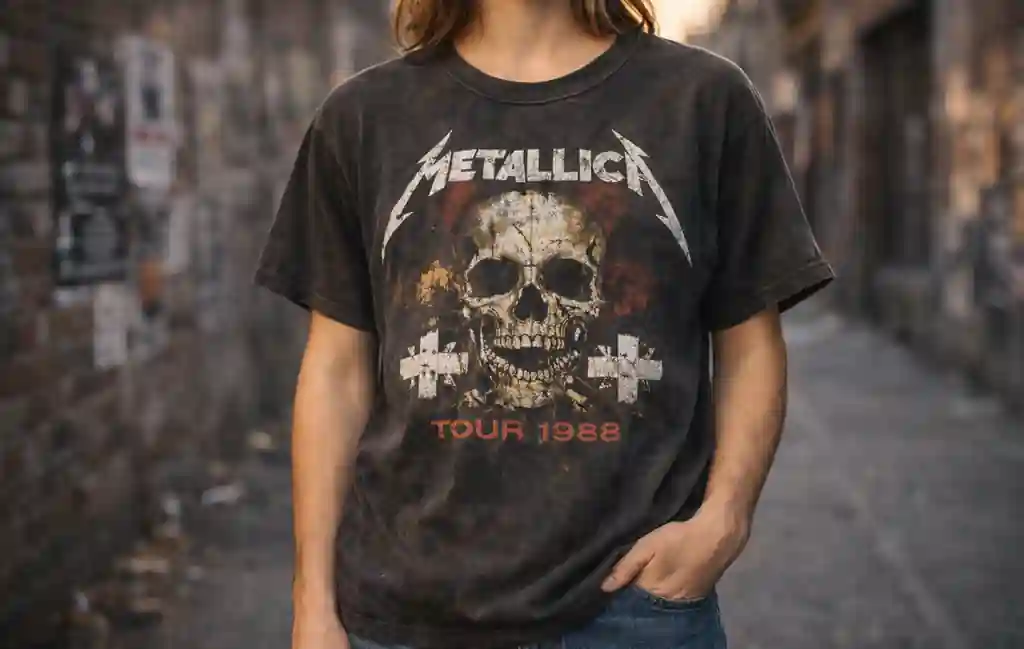
Vintage band merchandise has become one of the most sought-after segments of music culture and streetwear fashion. From thrift stores to collector marketplaces, original concert shirts from the 1990s regularly sell for prices that surprise casual fans. Understanding why 90s band tees are so valuable requires looking beyond simple nostalgia. Their worth is tied to music history, cultural identity, limited production runs, and a growing collector market that treats certain shirts like wearable memorabilia.
For fans who grew up during the rise of alternative rock, grunge, and metal, these shirts represent more than clothing. They capture a moment in music culture when band merchandise became a powerful symbol of fandom and identity. Today, that cultural meaning—combined with genuine scarcity—has turned many original shirts into collectible pieces.
Quick Answer: Why Are 90s Band Tees So Valuable?
90s band tees are valuable because they combine limited tour production, cultural nostalgia from the peak of alternative rock and grunge, authentic vintage materials, and increasing collector demand. Many were sold only at concerts and were never reproduced, making surviving originals rare pieces of music history that fans and fashion collectors both want.
This mix of scarcity, nostalgia, and fashion relevance explains why some shirts from the decade sell for hundreds—or even thousands—of dollars today.
The Rise of Band Merchandise in the 1990s
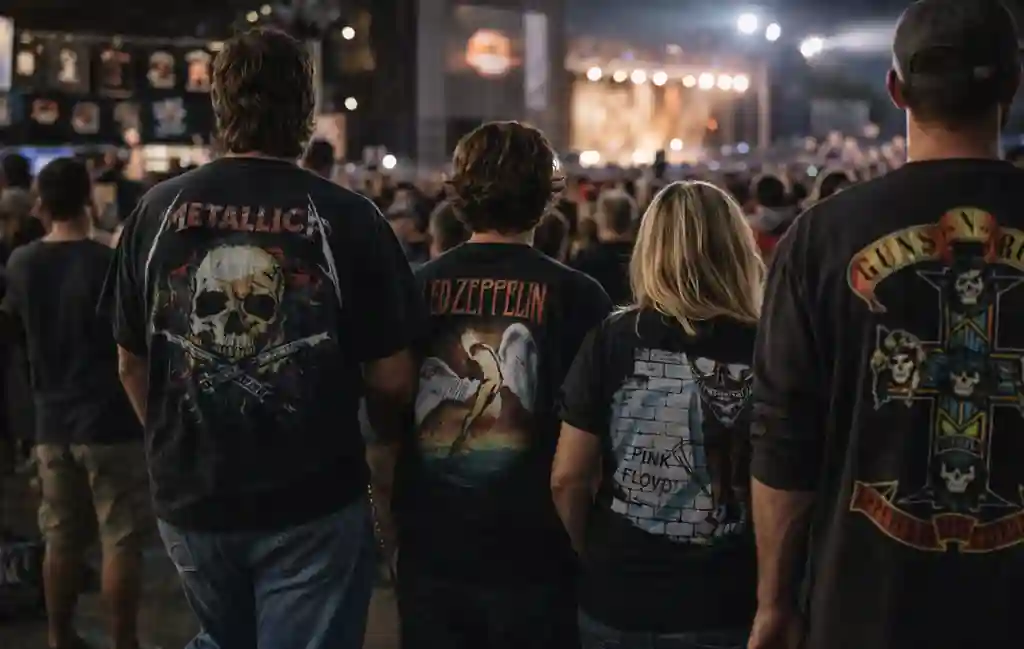
The 1990s marked a turning point in music merchandising. While bands had sold shirts for decades, the explosion of rock, grunge, and alternative music transformed concert merchandise into a massive industry.
Major tours during the decade often traveled internationally and produced unique merchandise designs for specific legs of the tour. Many fans bought shirts directly at the venue, creating a limited production window tied to the tour itself.
This distribution model created natural scarcity. Once a tour ended, the design was rarely printed again. Unlike modern merchandise that can be restocked online, these shirts often existed only for a few weeks or months during a tour cycle.
That limited availability is a major reason collectors value them today. Each surviving shirt represents a specific moment in music history, whether it was an arena tour, festival appearance, or iconic album release.
Collectors often study tour artwork and back prints listing tour dates to identify specific editions. These details help establish authenticity and historical significance—two key drivers of vintage value.
Limited Tour Production and Scarcity
One of the biggest reasons vintage shirts from this era command high prices is simple supply and demand. Many 90s tour shirts were printed in relatively small quantities compared with today’s global merchandise operations.
Several factors contributed to this limited production:
- Concert-only merchandise distribution
- Short production runs tied to specific tours
- No long-term online storefronts
- Higher production costs for small batches
- Limited reprints after the tour ended
Because of this, many designs disappeared completely once the tour ended. Over the decades, many shirts were lost, damaged, or thrown away, shrinking the surviving supply even further.
This natural attrition is one reason collectors carefully preserve vintage band merchandise today. The older a shirt becomes, the fewer authentic examples remain.
That scarcity creates strong demand among both music fans and fashion collectors who appreciate authentic vintage clothing.
Cultural Impact of 90s Rock Fashion
The cultural context of the decade also plays a major role in explaining the value of vintage band shirts.
The 1990s produced several influential music movements that shaped fashion at the same time they reshaped popular music. Grunge, alternative rock, and heavy metal all contributed to a relaxed, rebellious aesthetic that centered around casual clothing—especially graphic T-shirts.
Band shirts became everyday fashion rather than just concert souvenirs. Fans wore them to school, skate parks, clubs, and music festivals, turning them into cultural symbols.
This era also blurred the lines between music merchandise and streetwear. The visual design of album artwork, tour posters, and band logos often appeared directly on shirts, creating bold graphic pieces that felt authentic to the music scene.
Decades later, fashion designers and stylists still draw inspiration from that era. Vintage band tees regularly appear in streetwear collections and editorial fashion shoots, reinforcing their cultural relevance.
Because of this continued influence, collectors see original shirts as artifacts from a defining era of music culture.
Why Collectors Pay So Much for Vintage Band Tees
Collectors value vintage clothing for many reasons, but band shirts occupy a unique category within the world of collectibles.
Unlike most fashion items, they combine two powerful collector markets: music memorabilia and vintage clothing.
This crossover appeal increases demand significantly. A shirt might attract buyers from several groups:
- Music fans seeking authentic merchandise
- Vintage clothing collectors
- Streetwear enthusiasts
- Resellers specializing in rare apparel
- Fashion stylists sourcing authentic pieces
When multiple collector communities compete for the same item, prices often rise quickly.
Another factor is emotional value. Many fans want to reconnect with the music they grew up listening to. Wearing an original shirt from a favorite band can feel like owning a piece of personal history.
This emotional connection makes vintage band shirts more meaningful than typical clothing, which increases their perceived value.
Print Methods and Fabric Quality of 90s Shirts
Another reason vintage shirts stand out is the materials and printing techniques used during the era.
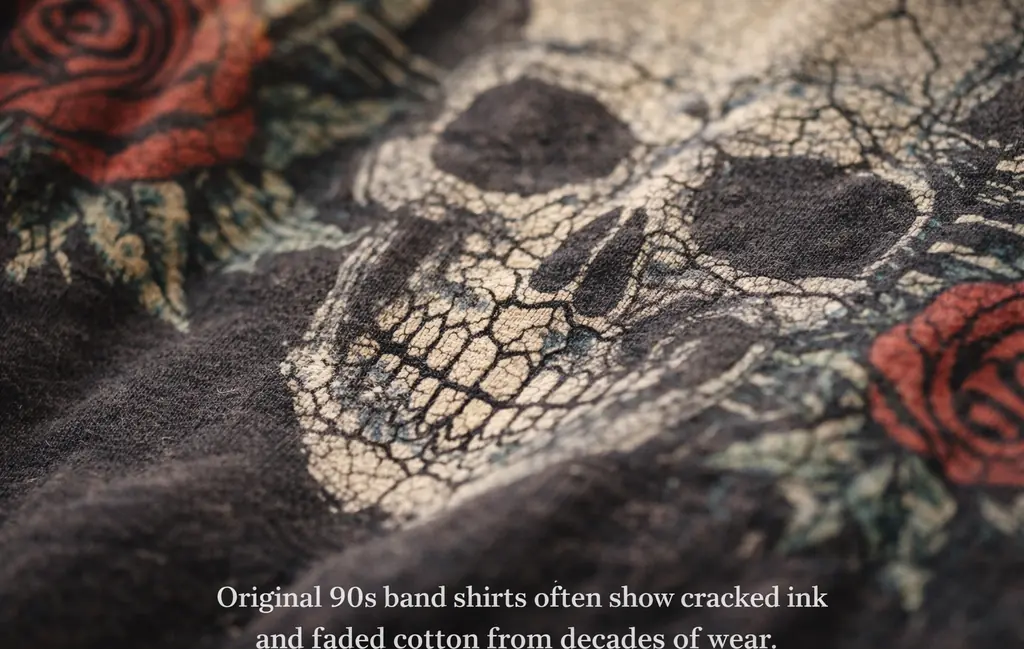
Most band merchandise in the 1990s was produced using traditional screen printing on heavyweight cotton shirts. Over time, this combination created the distinctive aging patterns collectors recognize today.
Common characteristics of authentic vintage shirts include:
- Softened cotton fabric from years of washing
- Natural fading from sunlight and wear
- Cracked ink patterns on graphic prints
- Slight color variation across the design
- Visible stitching and construction typical of older garments
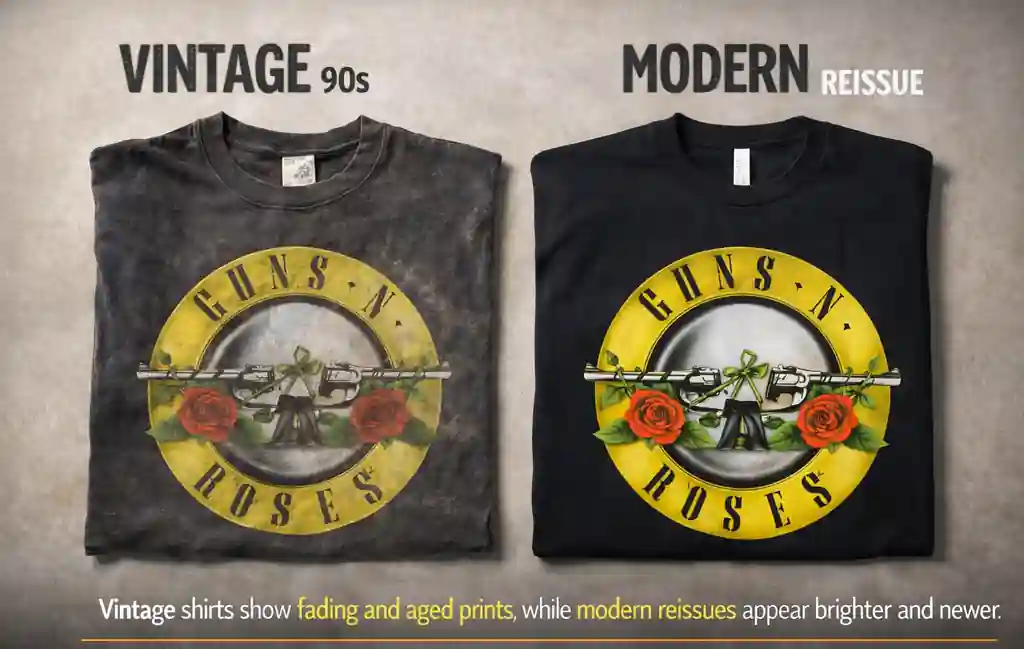
These aging details cannot be perfectly replicated by modern reprints. Even when brands attempt “distressed” graphics, the results rarely match the natural wear patterns of a shirt that has existed for decades.
This authenticity is part of what makes collectors willing to pay premium prices for original shirts.
Modern reproductions can still deliver excellent print quality using technologies like DIGISOFT®, which provides high-definition graphics and a soft-hand feel while improving durability. However, collectors still distinguish between new merchandise and authentic vintage pieces.
If you want to learn the signs experts use to verify authenticity, this guide explains how to identify a real vintage band shirt and avoid common reproductions.
Understanding these differences helps collectors make smarter purchasing decisions and explains why original shirts remain highly valued.
Vintage band tees exist at the intersection of music history, fashion culture, and collectible memorabilia. That unique combination ensures their appeal continues to grow as new generations discover the music and style of the 1990s.
In the next section, we’ll explore how celebrity fashion, streetwear trends, and nostalgia culture have pushed demand for vintage band tees even higher.
Celebrity Influence and the Modern Fashion Revival
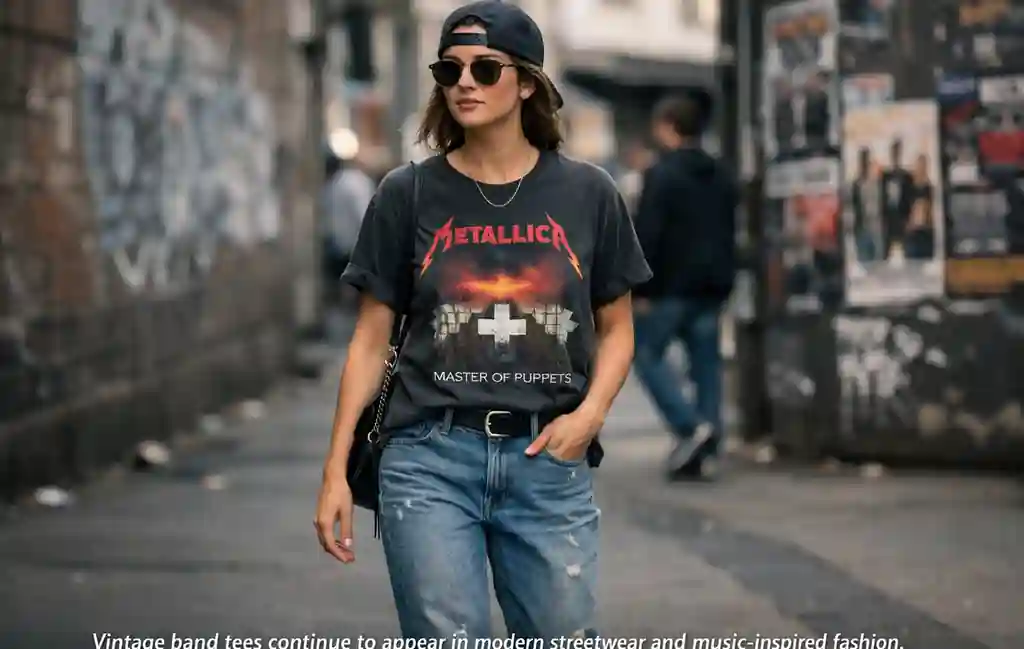
Another major factor explaining why vintage shirts from the decade command high prices today is the powerful influence of modern fashion culture. Over the last fifteen years, stylists, celebrities, and streetwear designers have helped revive interest in vintage band merchandise.
What began as a niche collector hobby gradually became a mainstream fashion trend. Musicians, actors, and influencers frequently appeared wearing authentic vintage band tees in street photography and magazine editorials. This exposure introduced younger audiences to the aesthetic of worn graphics, faded cotton, and oversized silhouettes.
Unlike fast-fashion graphic shirts, genuine vintage pieces carry visual authenticity that stylists value. The slight fading of ink, softened cotton fabric, and naturally aged graphics cannot easily be replicated by modern manufacturing.
Fashion editors often describe vintage band tees as “effortless statement pieces.” They combine cultural meaning with visual impact, making them easy to style with modern clothing such as denim, leather jackets, or minimalist sneakers.
As this trend spread across social media and streetwear communities, demand for original shirts increased dramatically. Vintage stores and online marketplaces began seeing rising prices for rare tour merchandise, especially designs tied to iconic albums or historic tours.
This fashion revival created a new wave of collectors who value vintage shirts not only as music memorabilia but also as key pieces within contemporary style.
How to Tell if a 90s Band Tee Is Authentic
As prices increased, so did the number of reproductions entering the market. Because of this, learning to recognize authentic vintage shirts has become an important skill for collectors and fans.
Several indicators can help determine whether a shirt truly comes from the 1990s.
- Original manufacturer tags typical of the era
- Natural fading rather than artificial distressing
- Screen-printed graphics that show subtle ink cracking
- Tour dates printed on the back of many concert shirts
- Softened cotton fabric from decades of wear
Authentic shirts rarely look brand new. Instead, they show gentle aging patterns that develop naturally over time.
Collectors also examine stitching styles, label designs, and print alignment to identify genuine merchandise. These details can reveal whether a shirt was produced during the original tour or created later as a reproduction.
Because vintage and retro designs are sometimes confused, it helps to understand the difference between reproduction styles and genuine collector pieces. This comparison of retro vs vintage band tees explains how to tell them apart.
Learning these distinctions allows fans to enjoy vintage aesthetics while avoiding overpriced replicas.
The Psychology Behind Vintage Shirt Collecting
Beyond fashion trends and historical significance, psychology also plays a role in explaining the value of vintage band merchandise.
Collectors often seek objects that represent meaningful cultural moments. Music is especially powerful in this regard because it is tied closely to personal memories. Albums, concerts, and bands often define specific stages of a person’s life.
Owning a vintage shirt from that era can feel like reconnecting with those memories.
For example, someone who attended a concert decades ago may search for the exact tour shirt they remember wearing. Another collector might pursue shirts connected to influential albums that shaped their musical taste.
This emotional attachment makes vintage band tees different from ordinary clothing. They function almost like artifacts from a shared cultural history.
When collectors compete to obtain items that carry this emotional value, the market price often rises accordingly.
The Future Value of Vintage Band Shirts
Many collectors believe that original band shirts from the 1990s will continue to increase in value. Several trends support this prediction.
First, the number of surviving authentic shirts continues to shrink. Clothing naturally wears out over time, and many pieces from the era have already been discarded.
Second, younger music fans continue to discover bands from the decade through streaming platforms and documentaries. As new audiences develop interest in these artists, demand for original merchandise grows.
Third, vintage fashion shows no signs of disappearing. Designers consistently reference past decades for inspiration, and the 1990s remain one of the most influential periods for modern streetwear.
Because of these factors, collectors often view authentic vintage band tees as long-term cultural artifacts rather than temporary fashion items.
Where Fans Can Find Authentic Band-Inspired Shirts Today
While original vintage shirts can be difficult to find, fans can still celebrate music culture through modern band-inspired apparel.
Many brands now create high-quality music graphic shirts designed with the spirit of classic tour merchandise. These modern designs allow fans to express their love of music while enjoying reliable materials and contemporary printing methods.
For example, many shirts today use high-definition printing technologies such as DIGISOFT®, which produces sharp graphics with a soft-hand feel while maintaining strong color durability over time.
Although these shirts are not vintage collectibles, they continue the tradition of music-inspired fashion that began decades ago.
If you enjoy exploring band-inspired clothing, you can browse the full range of music t-shirts that celebrate rock culture, graphic design, and iconic music aesthetics.
Frequently Asked Questions About 90s Band Tees
Why are vintage band tees so expensive?
Vintage band tees are expensive because many were produced in limited quantities for specific tours and were never reprinted. As the years passed, surviving examples became rare. The combination of scarcity, nostalgia, and collector demand has pushed prices higher.
What makes a band tee considered vintage?
In most collector markets, a band tee is considered vintage if it was produced at least twenty years ago and reflects the manufacturing styles of that era. Authentic examples usually show natural fading, older tag designs, and traditional screen-printed graphics.
Are modern band shirts worth collecting?
Modern band shirts can still hold value for fans, especially if they commemorate significant tours or limited releases. However, they typically do not reach the same collector prices as authentic vintage shirts from earlier decades.
Why do vintage shirts have cracked prints?
Cracked prints usually appear because traditional screen printing ink gradually ages and separates slightly from the cotton fibers after many years of washing and wearing. Collectors often view this aging pattern as a sign of authenticity.
Are 90s band tees still fashionable today?
Yes. Vintage band tees remain popular in modern streetwear and fashion styling. Designers, stylists, and music fans continue to incorporate them into casual outfits, which keeps demand strong for authentic vintage pieces.
Final Thoughts: Why 90s Band Tees Continue to Matter
Understanding why 90s band tees are so valuable means recognizing that they represent more than clothing. They capture a powerful intersection of music history, fan culture, fashion evolution, and nostalgia.
Each original shirt tells a story—about a concert, a musical movement, or a moment when a band connected with its audience. Over time, those stories turn simple merchandise into collectible cultural artifacts.
Whether you are a longtime music fan, a vintage clothing enthusiast, or someone discovering band-inspired fashion for the first time, the appeal of these shirts remains strong. They remind us that music is not only something we listen to—it is something we wear, share, and carry with us through the years.

Related Posts: