
No products in the cart.
Vintage Band Tees
How to Wash and Care for Vintage Graphic Shirts Without Ruining the Print
12
Apr
Apr
Vintage graphic shirts carry more than just style—they represent music history, cultural identity, and collectible fashion. From faded tour merch to iconic rock band graphics, these shirts often become treasured pieces in a wardrobe. But owning them comes with a responsibility: proper care. Washing them incorrectly can fade the artwork, crack the print, or weaken the fabric.
If you want your vintage pieces to last for years, learning how to wash and care for vintage graphic shirts properly is essential. Unlike modern fast-fashion tees, older shirts often use heavier cotton fabric and aging screen prints that require gentler treatment. With the right approach, you can preserve both the artwork and the character that makes vintage shirts special.
Quick Answer: How to Wash Vintage Graphic Shirts Safely
The safest way to wash vintage graphic shirts is to turn them inside out, wash them in cold water using mild detergent, and air dry them instead of using high heat. This method reduces friction on the printed design and prevents the cotton fibers from shrinking or fading.
This simple routine protects aging screen prints while maintaining the softness and durability of vintage cotton fabric.
Why Vintage Graphic Shirts Require Special Care
Many vintage shirts were produced decades ago using printing methods and fabrics different from modern apparel. Over time, cotton fibers soften, graphics develop natural cracking, and the overall garment becomes more delicate.
Collectors often value these imperfections because they show authenticity. However, that same aging means the shirt cannot handle aggressive washing cycles or hot dryers the way new clothing can.
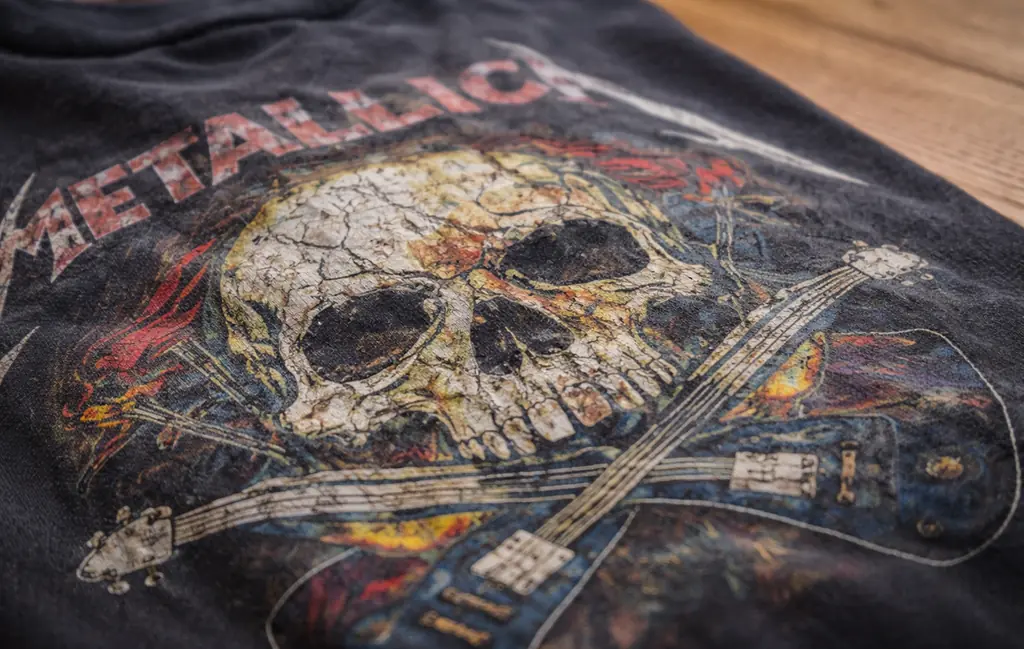
Older prints can become fragile because repeated wear and washing slowly breaks down ink layers. Heat and friction accelerate this process. That is why proper washing techniques focus on minimizing agitation and avoiding high temperatures.
Another reason for careful maintenance involves fabric structure. Many classic graphic tees use heavyweight cotton, which softens over time but still needs gentle care to maintain its shape. When washed correctly, these materials remain comfortable and durable even after years of wear.
What Makes Vintage Band Tees Different From Modern Graphic Shirts
Understanding the difference between vintage and modern shirts helps explain why care routines matter. Modern graphic tees are often produced with improved printing technologies that resist cracking and fading. For example, many newer shirts use high-definition print processes designed to provide a soft feel and strong color retention.
Older shirts, however, were frequently printed using thicker ink layers that age naturally over time. This aging is part of the appeal—but it also means the artwork can degrade faster if exposed to harsh washing conditions.
Vintage shirts also tend to feature heavier cotton construction compared with many lightweight modern tees. This gives them durability but also means they absorb more water during washing, increasing stress on the fabric if spun too aggressively.
These differences explain why collectors treat vintage shirts more like delicate garments rather than everyday laundry items.
The Correct Way to Wash Vintage Shirts
Proper washing is the most important step in preserving vintage clothing. While it may seem complicated, the process actually involves a few straightforward habits that dramatically reduce damage to prints and fabric.
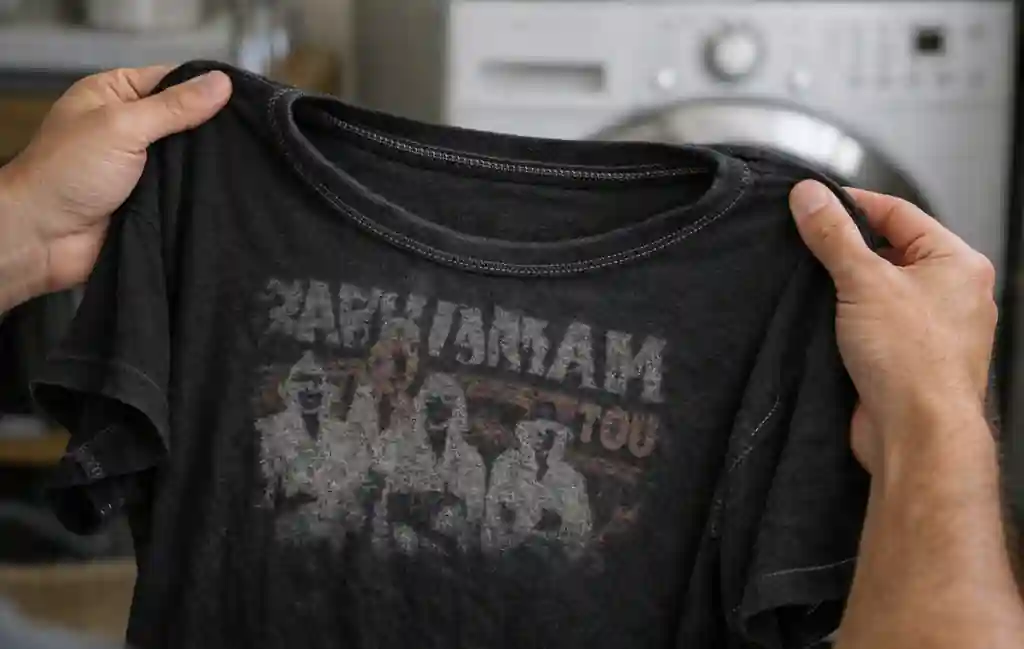
Before placing the shirt in a washing machine, always inspect the fabric. If the print already shows cracking or fading, extra care will help slow additional wear.
Step-by-Step Washing Method
- Turn the shirt inside out before washing.
- Use cold water instead of warm or hot temperatures.
- Select a gentle or delicate wash cycle.
- Add mild detergent with no bleach or harsh chemicals.
- Wash with similar soft fabrics to reduce friction.
- Avoid overloading the machine to prevent stretching.
- Remove the shirt immediately after the wash cycle.
This routine minimizes contact between the graphic print and other garments while keeping the cotton fibers stable.
Best Detergents for Vintage Clothing
Detergent choice can influence how long a vintage shirt lasts. Strong chemical detergents often contain brighteners and enzymes designed to remove stains aggressively. While these products work well for modern fabrics, they may accelerate fading in older prints.
A better approach is to use a gentle detergent formulated for delicate fabrics. These options clean effectively without stripping color from the ink or weakening cotton fibers.
Another tip is to use smaller amounts of detergent than recommended for normal laundry loads. Excess soap can build up in the fabric, leaving residue that dulls the appearance of printed artwork.
Should You Hand Wash Vintage Graphic Shirts?
Hand washing is often the safest method for extremely rare or fragile vintage shirts. When collectors find older tour merch from the 80s or 90s, they sometimes avoid washing machines entirely to prevent mechanical agitation.
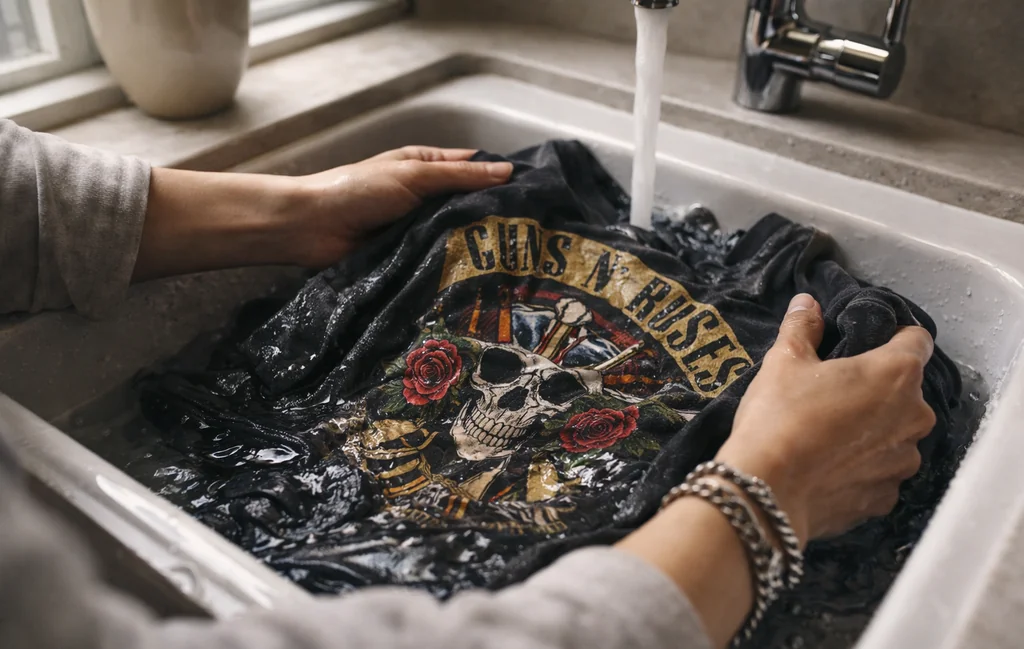
To hand wash a shirt, fill a sink with cold water and mix in a small amount of mild detergent. Gently swirl the shirt in the water rather than scrubbing the graphic area. After a few minutes, rinse thoroughly with cool water until all soap is removed.
This approach significantly reduces friction, making it ideal for delicate prints or collectible items.
Many vintage enthusiasts also explore styling ideas for older band shirts, especially oversized fits that work well with modern streetwear. If you enjoy incorporating retro music fashion into daily outfits, you might find inspiration in the oversized vintage band tees trend that continues to shape contemporary style.
Learning how to care for vintage clothing properly ensures these pieces remain wearable long after their original release. Whether you are preserving rare tour merchandise or simply protecting a favorite retro shirt, a careful washing routine is the foundation of long-term durability.
Next, we will explore the most important drying methods, storage techniques, and common mistakes that destroy vintage shirts—even when they are washed correctly.
Understanding these details can make the difference between a shirt that lasts decades and one that fades within a year.
Drying Vintage Graphic Tees Without Damaging the Print
Drying is where many vintage shirts suffer the most damage. While washing mistakes can slowly wear down a graphic, excessive heat from dryers can destroy prints in just a few cycles. High temperatures weaken ink layers, shrink cotton fibers, and cause the artwork to crack or peel faster.
The safest method is simple: avoid heat whenever possible. Air drying preserves both the print and the shape of the garment. It may take longer than using a dryer, but it dramatically extends the lifespan of vintage clothing.
If you must use a dryer due to time constraints, always choose the lowest heat setting and remove the shirt while it is still slightly damp. Letting it finish drying naturally on a hanger reduces heat exposure.
Collectors who own rare tour shirts often avoid dryers completely. The reasoning is straightforward—heat is the fastest way to damage vintage prints.
How to Prevent Graphic Cracking and Fading
Cracking graphics are one of the most recognizable features of vintage band tees. While a little cracking adds character, excessive damage can ruin the artwork entirely. Preventing additional cracking requires understanding the factors that weaken printed ink.
The main causes include:
- High dryer heat
- Aggressive washing cycles
- Strong chemical detergents
- Frequent washing
- Rough contact with zippers or heavy fabrics
Turning shirts inside out before washing significantly reduces friction on the printed design. Pairing vintage shirts with other soft garments during laundry also prevents abrasion.
Another overlooked factor is ironing. Direct heat from an iron can melt or distort graphic prints. If ironing is necessary, always turn the shirt inside out and use the lowest heat setting.
These simple precautions protect the artwork while allowing the shirt to maintain its authentic worn aesthetic.
How Often You Should Wash Vintage Tees
One of the biggest misconceptions about vintage clothing is that it must be washed after every wear. In reality, frequent washing accelerates wear on both fabric and prints.
Vintage shirts benefit from a more selective cleaning approach. If the shirt is not visibly dirty or sweaty, airing it out after wearing can be enough to keep it fresh. Hanging it in a ventilated space overnight often removes minor odors without exposing it to unnecessary washing.

This approach mirrors how many collectors treat rare clothing items. Instead of treating the shirt like everyday laundry, they view it as a collectible garment that deserves thoughtful care.
If the shirt is worn casually for daily activities, washing every three to five wears is usually sufficient. This balance keeps the fabric clean while minimizing stress on the graphic.
Vintage band tees also remain popular because they fit seamlessly into modern fashion culture. Many people incorporate them into layered outfits or relaxed streetwear looks. If you are interested in outfit inspiration, the guide on how to style rock band tees explores several ways to combine music merch with contemporary fashion.
Common Washing Mistakes That Destroy Vintage Shirts
Even people who understand basic garment care sometimes make mistakes that shorten the life of vintage shirts. Most of these errors happen because vintage clothing is treated like regular laundry.
The most common mistakes include:
- Washing with hot water
- Using heavy-duty detergents
- Drying on high heat
- Scrubbing directly on the graphic
- Overloading the washing machine
- Ironing directly on the printed artwork
These habits gradually weaken both the fabric and the print. Over time, the shirt may shrink, fade, or lose structural integrity.
Another mistake involves mixing vintage shirts with rough fabrics such as denim or garments with metal hardware. Zippers and buttons can scrape against the print during washing cycles, leading to premature damage.
Separating vintage shirts from heavier clothing reduces this risk significantly.
How to Store Vintage Band Shirts Properly
Proper storage is just as important as careful washing. A shirt that is stored incorrectly may stretch, fade, or develop fabric stress over time.
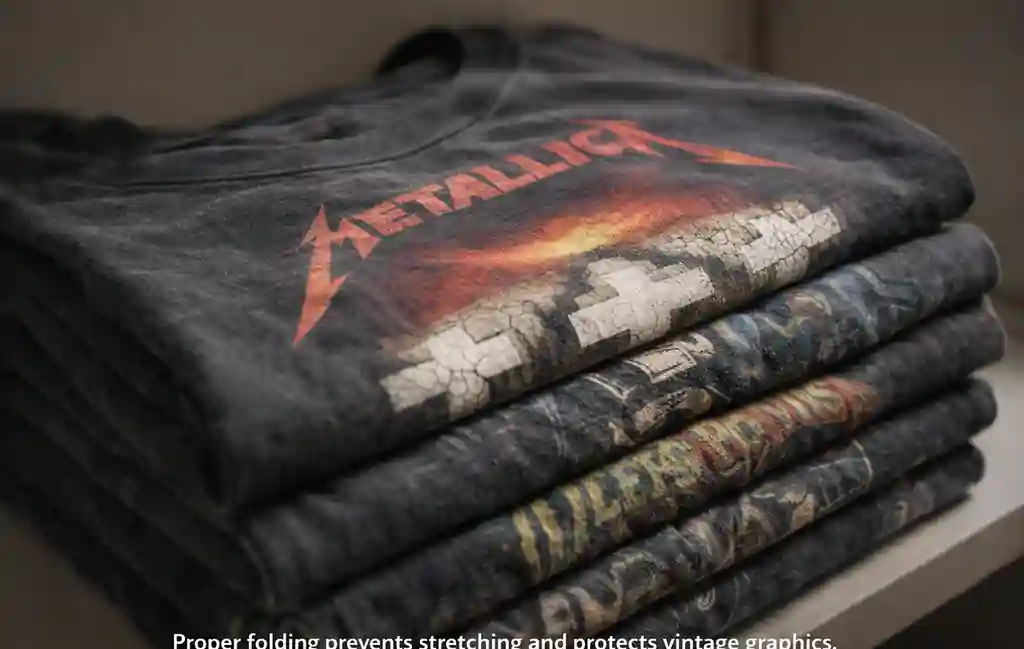
The safest storage method is folding rather than hanging. While hanging works well for many garments, older cotton shirts can stretch at the shoulders if they remain on hangers for long periods.
Folding the shirt keeps the fabric relaxed and prevents unnecessary tension on seams.
Other storage tips include:
- Keep shirts in a cool, dry environment
- Avoid direct sunlight to prevent fading
- Use breathable storage containers instead of plastic bags
- Store valuable shirts separately from everyday clothing
Sunlight is particularly damaging because ultraviolet exposure fades ink pigments over time. Even indirect sunlight can gradually alter the appearance of vintage prints.
Vintage vs Modern Graphic Shirt Care
Modern graphic shirts are typically easier to maintain because they use improved printing technologies designed for durability. High-definition printing methods create flexible ink layers that resist cracking and fading more effectively.
Vintage prints, however, were often thicker and less flexible. While this contributed to the bold graphics associated with classic rock merch, it also made the prints more sensitive to stress.
This difference explains why collectors treat vintage shirts with extra care. The goal is not to keep the shirt looking brand new—it is to preserve the character that makes vintage clothing special.
Understanding the distinction between retro reproductions and genuine vintage garments can also influence how they are maintained. If you want to learn more about this topic, the comparison of retro vs vintage band tees explains how collectors identify authentic pieces.
FAQ: Caring for Vintage Graphic Shirts
Can you machine wash vintage band tees?
Yes, but only using cold water and a gentle wash cycle. Turning the shirt inside out and washing it with soft fabrics helps protect the graphic from friction during the wash cycle.
Should you dry vintage graphic shirts in a dryer?
Air drying is the safest option. If a dryer is necessary, use the lowest heat setting and remove the shirt while it is still slightly damp to prevent excessive heat exposure.
Why do vintage shirt graphics crack?
Cracking occurs naturally as ink ages and becomes less flexible. Heat, friction, and frequent washing accelerate this process, which is why gentle cleaning methods are recommended.
Is hand washing better for vintage shirts?
For rare or fragile shirts, hand washing is often the safest option because it eliminates mechanical agitation from washing machines.
How can you keep vintage prints from fading?
Wash with cold water, avoid strong detergents, and keep the shirt away from direct sunlight. Air drying also helps maintain the color and texture of printed artwork.
Final Thoughts on Preserving Vintage Graphic Shirts
Vintage graphic shirts represent music history, fashion culture, and personal identity. With proper care, these garments can remain wearable for decades while retaining the faded charm that makes them unique.
The key principles are simple: gentle washing, minimal heat, and thoughtful storage. By following these habits, you protect both the cotton fabric and the artwork that defines vintage band tees.
For fans who appreciate music-inspired apparel, vintage styles remain one of the most iconic forms of self-expression. You can explore a wide range of music-inspired designs by browsing the music t-shirts collection, where classic band aesthetics continue to influence modern graphic apparel.

Related Posts: