
No products in the cart.


Music T Shirts
Are Band T Shirts Still in Style in 2026?
27
Feb
Feb
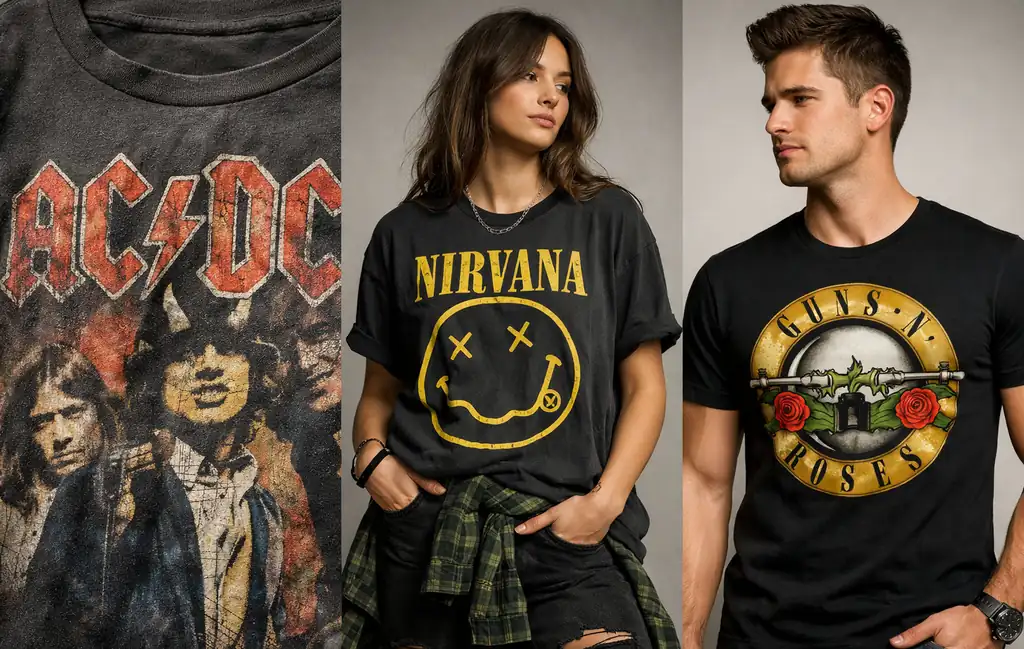
Every few years, fashion declares something “back.” Then a year later, it’s “over.” But band tees don’t follow that cycle. They operate differently. They sit somewhere between merch, memory, and identity. Which raises the real question people are typing into search right now: are band T shirts still in style in 2026 — or are they quietly outdated?
Are Band T Shirts Still in Style in 2026?
Yes — band T shirts are still in style in 2026. Not as a passing trend, but as a cultural staple. What’s changed isn’t their relevance — it’s the fit, fabric quality, print execution, and how they’re styled. Modern band tees feel intentional, structured, and premium rather than oversized leftovers from a 2009 concert tour.
The difference between “timeless” and “dated” is execution. And that’s where most surface-level fashion blogs stop short. They’ll say band shirts are trending again. What they don’t explain is why they never actually disappeared.
To understand their staying power, you have to zoom out beyond trend cycles and look at cultural permanence.
Why Band Tees Never Actually Go Out of Style
Band T shirts don’t operate like seasonal fashion pieces. They function more like cultural artifacts. Rock, hip-hop, alternative, indie — music genres evolve, but they don’t vanish. As long as music shapes identity, music apparel remains relevant.
This is where many competitors oversimplify the narrative. They frame band tees as a “90s revival.” In reality, they’ve had uninterrupted presence across decades — shifting silhouettes, improving print quality, adapting to streetwear and minimalism — but never disappearing.
Here’s why they endure:
- They signal identity instantly. A band shirt communicates taste without explanation.
- They bridge generations. Classic rock tees and modern tour graphics coexist naturally.
- They adapt to fit trends. Slim in the 2000s, oversized in the 2010s, structured-relaxed in 2026.
- They sit between fashion and nostalgia. Emotional value protects them from trend death.
- They translate across aesthetics. Streetwear, minimalism, vintage, layered tailoring — all compatible.
In other words, band tees aren’t “back.” They’re continuously reinterpreted.
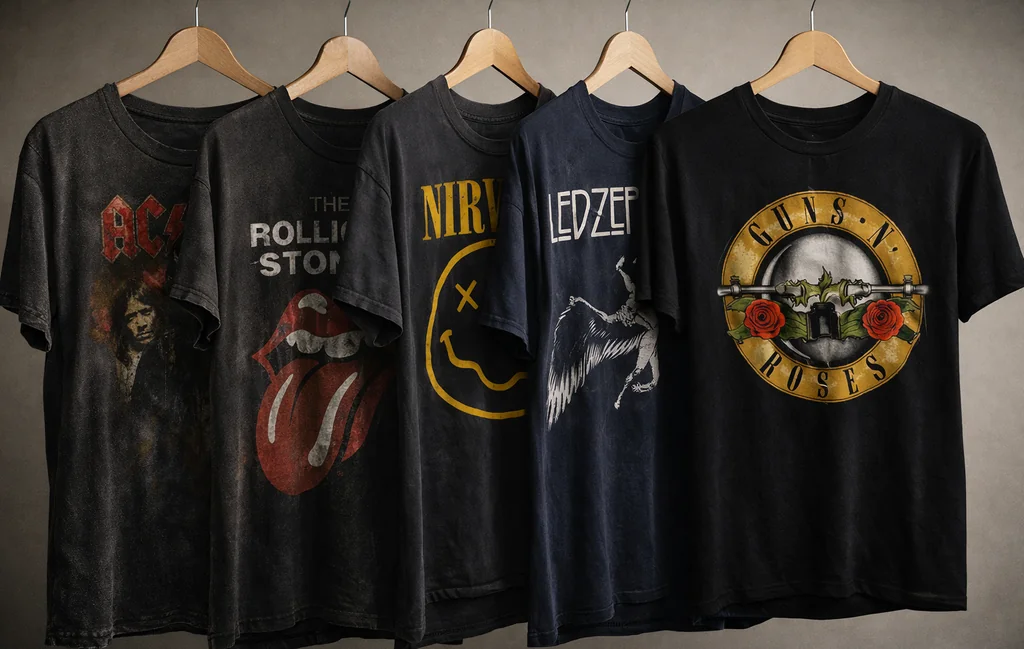
The modern shift isn’t about louder graphics. It’s about refinement. Heavier cotton. Softer hand feel. Better ink saturation. Cleaner silhouettes. The brands that understand this are thriving. The ones still printing thin, boxy blanks feel dated.
If you study the broader history of band T-shirts, you’ll notice something consistent: quality upgrades parallel cultural moments. The current moment is no different.
What Changed Between 2016 and 2026
People aren’t asking if band tees exist. They’re asking if wearing one makes them look current.
Between 2016 and 2026, three major shifts happened:
1. Fit Became Intentional
The extreme oversized wave peaked. Now, the dominant silhouette is relaxed but structured — slightly dropped shoulder, cleaner sleeve length, better drape. A modern band tee doesn’t swallow the wearer. It frames them.
2. Fabric Weight Increased
Consumers became more educated. Lightweight, flimsy blanks signal fast fashion. Heavier cotton (5.3 oz and above) signals quality. Mid-tier premium brands leaned into durable cotton that holds shape after multiple washes.
3. Graphics Became Cleaner
Distress is still relevant — but controlled distress. Not random cracking. Not muddy prints. Clear linework and high-contrast ink perform better in 2026’s minimalist-leaning streetwear landscape.
This shift explains why some people feel band shirts are “outdated.” What they’re reacting to isn’t the concept — it’s outdated execution.
Are Band T Shirts Outdated — Or Are Cheap Ones the Problem?
This is the uncomfortable industry truth: most people who think band tees look outdated are reacting to low-quality versions.
Thin cotton. Off-center prints. Poor scaling. Boxy cut. Cheap ink that cracks after two washes.
High-quality music apparel today prioritizes:
- Balanced graphic placement
- Durable screen print with depth
- Structured cotton that maintains shape
- Modern neckline construction
- Intentional color palettes
That distinction is critical if you’re evaluating whether to invest in one. A premium-level execution feels contemporary. A rushed merch blank feels disposable.
For buyers exploring curated options rather than random fast-fashion drops, browsing a focused Music T-Shirts collection helps separate cultural staples from trend-chasing inventory.
Do Gen Z Actually Wear Band Shirts in 2026?
Yes — but not the way millennials did in 2010.
Gen Z approaches band tees less as “I saw them live” proof and more as aesthetic layering pieces. The band can be iconic, underground, ironic, or purely graphic-driven. Authenticity still matters — but styling matters more.
This creates two parallel tracks:
- Cultural authenticity track: Wearing artists you genuinely connect with.
- Aesthetic track: Wearing visually strong graphics within a cohesive outfit.
The anxiety around “Is it okay to wear a band shirt if you don’t listen to them?” still surfaces — but it’s softer than it was a decade ago. In 2026, visual culture moves fast. What matters more is confidence and execution.
The real mistake isn’t wearing a band tee. It’s wearing one without intention.
The Real Reason Band Tees Feel Safe to Wear
In unstable fashion cycles, consumers gravitate toward cultural constants. Sneakers, denim, leather jackets — and band T shirts.
They provide:
- Built-in story
- Visual depth
- Layering flexibility
- Cross-season wearability
Unlike trend-specific graphics, music imagery ages with dignity. A tour date back print doesn’t expire. A classic album cover doesn’t lose meaning. That emotional durability protects them from trend fatigue.
And that’s why the question “are band T shirts still in style in 2026?” keeps surfacing — not because they’re disappearing, but because buyers want reassurance they’re choosing the right version.
In the next section, we’ll break down exactly what separates a modern, current band tee from one that feels stuck in 2014 — down to fabric weight, print method, and silhouette structure.
What Makes a Band T Shirt Look Modern Instead of Dated
If band tees never truly disappear, why do some look instantly outdated?
The answer isn’t the band name. It’s construction.
In 2026, consumers are far more visually literate. They recognize quality subconsciously — even if they can’t articulate why. A modern band tee feels current because its fabric, print, and cut align with today’s broader apparel standards.
Let’s break this down at production level.
1. Fabric Weight & Structure
Lightweight 4–4.5 oz cotton was common in mass-produced concert merch through the 2000s. It draped thin, stretched at the collar, and lost shape quickly. That silhouette now reads disposable.
Modern mid-tier premium shirts lean into 5.3 oz to 6 oz cotton — structured but breathable. The fabric holds shape at the shoulder seam. The neckline retains tension after repeated washes. The shirt feels intentional rather than flimsy.
That structural integrity alone determines whether a band tee looks elevated or cheap.
2. Print Execution & Ink Quality
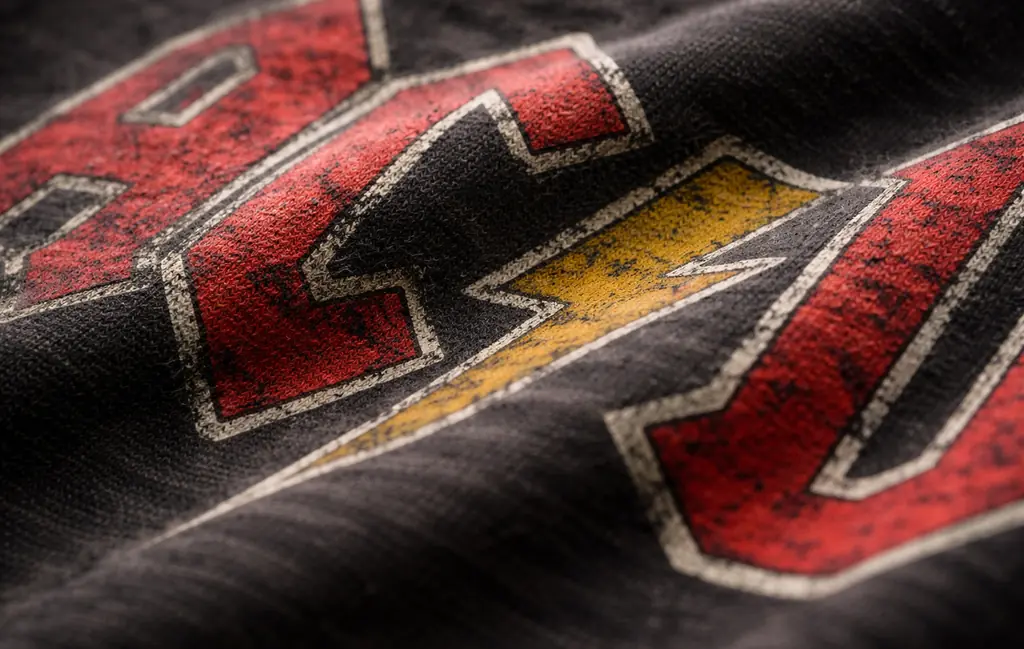
Screen printing has evolved. In 2026, the expectation is:
- High-resolution line clarity
- Balanced ink saturation
- Soft-hand feel (not thick plastic layering)
- Controlled distressing, not random cracking
Low-tier prints feel shiny, stiff, and overly thick. Premium prints sit into the cotton fibers naturally. The difference becomes obvious after two washes.
This is also why some vintage-inspired designs perform better when done correctly. If you’re exploring elevated throwback styles, curated vintage band tees reflect how distress can look intentional rather than worn out.
3. Graphic Scaling & Placement
Oversized chest graphics that stretch edge-to-edge used to dominate. Now, balance wins.
A modern band T shirt often features:
- Centered, proportionate front art
- Subtle back tour detail
- Improved color restraint
- Breathing room around artwork
It’s the difference between nostalgia and noise.
The Rise of Premium and Vintage Band Tees
One major shift between 2018 and 2026 is pricing tolerance. Consumers are more willing to invest in fewer, better pieces. That includes music apparel.
So why are band T shirts more expensive now?
Three factors drive it:
- Higher quality blanks. Heavier cotton costs more.
- Improved print standards. Multi-layer screen processes increase production cost.
- Licensing legitimacy. Official rights elevate price but protect authenticity.
This explains the surge in demand for well-made rock band shirts that feel collectible rather than disposable.
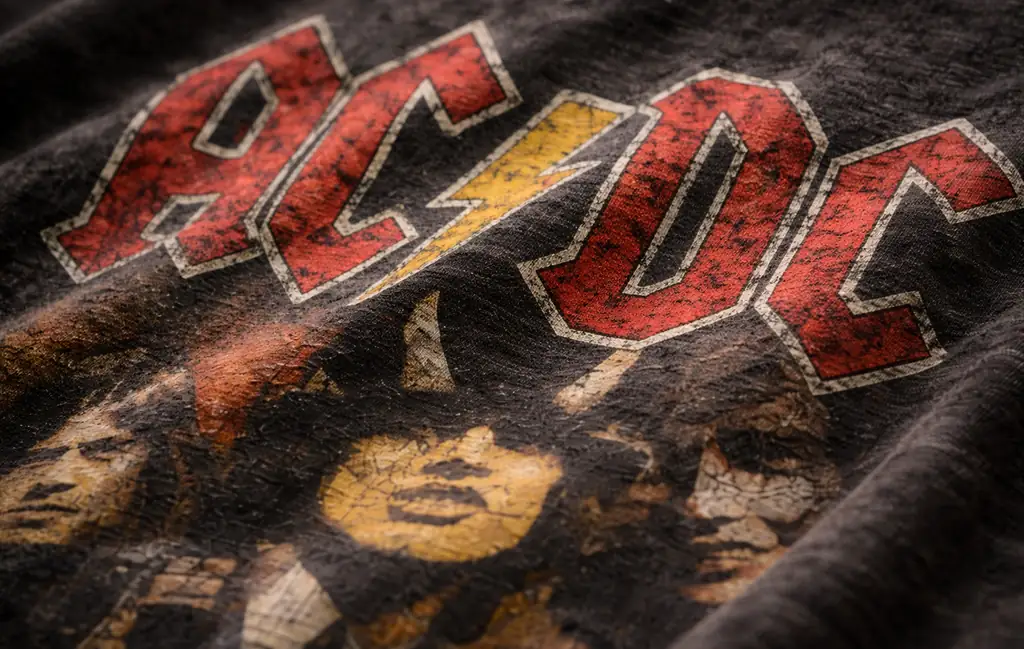
True vintage pieces also command resale value because they capture era-specific cotton and ink techniques. The fading isn’t manufactured — it’s lived-in.
That said, modern premium production can replicate the aesthetic while maintaining durability. And for most buyers, that hybrid approach offers better longevity.
Are Vintage Band Tees Worth Money in 2026?
Yes — but selectively.
Vintage value depends on:
- Artist cultural relevance
- Era of print
- Condition
- Graphic rarity
- Tag authenticity
However, many buyers confuse “vintage-inspired” with true vintage. The former offers accessibility and better fit. The latter offers collectibility.
If your goal is daily wear, modern production often wins. If your goal is archival ownership, vintage wins. Understanding that distinction prevents overpaying.
How Gen Z and Millennials Wear Band Shirts Differently
Styling has evolved as much as production.
Millennials (late 20s–30s):
- Lean into authenticity
- Prefer artists they genuinely follow
- Pair with slim or straight denim
- Often layer with jackets
Gen Z (18–25):
- Mix irony and iconography
- Experiment with oversized or cropped fits
- Layer over long sleeves or under tailored outerwear
- Blend with streetwear or minimalist footwear
Both demographics are buying band tees. They’re simply styling them through different lenses.
And that’s important from a brand positioning standpoint: the product must feel adaptable across both mindsets.
Is It Okay to Wear a Band Shirt If You Don’t Listen to the Band?
This question persists — and it’s rooted in authenticity anxiety.
In 2008, wearing a band shirt without knowing the discography risked social gatekeeping. In 2026, that pressure is softer. Cultural consumption is fragmented. Streaming platforms expose people to music visually as much as sonically.
The modern standard isn’t encyclopedic knowledge. It’s confidence and styling coherence.
That said, genuine connection always adds depth. If you resonate with the music, it shows in how you wear it.
Are Band T Shirts Still in Style in 2026 — From a Market Perspective?
From a retail standpoint, music apparel remains one of the most stable graphic segments.
Why?
- Low seasonal dependency
- Emotional purchase triggers
- Repeat buying potential
- Cross-gender appeal
Fashion trends spike and fade. Music culture compounds.
This is why high-quality music graphic collections continue expanding rather than shrinking. Buyers aren’t just shopping for shirts. They’re curating identity.
How to Style a Band Tee Without Looking Try-Hard
Most anxiety around band T shirts in 2026 isn’t about relevance. It’s about execution.
People don’t want to look like they’re reliving high school. They don’t want to look like they grabbed random merch from a clearance rack. They want it to feel intentional.
Here’s the reality: a band tee becomes outdated only when it’s styled without context.
1. Balance the Graphic With Structure
If the shirt has a bold front print, keep the rest of the outfit controlled. Straight or relaxed denim. Clean sneakers. Minimal layering.
Modern styling in 2026 favors proportion over excess. A slightly relaxed tee paired with structured bottoms feels current. A baggy tee with baggy everything feels costume-like.
2. Elevate With Texture
Band tees pair well with:
- Structured denim
- Tailored trousers
- Leather jackets
- Minimal overshirts
The contrast between graphic cotton and refined textures creates depth. That tension makes the look feel deliberate rather than nostalgic.
3. Pay Attention to Sleeve & Length
A modern band tee should end around mid-zipper area, not below it. Sleeves should hit mid-bicep or slightly above the elbow — not flap loosely to the forearm.
These small tailoring cues separate 2026 styling from 2012 mall-core.
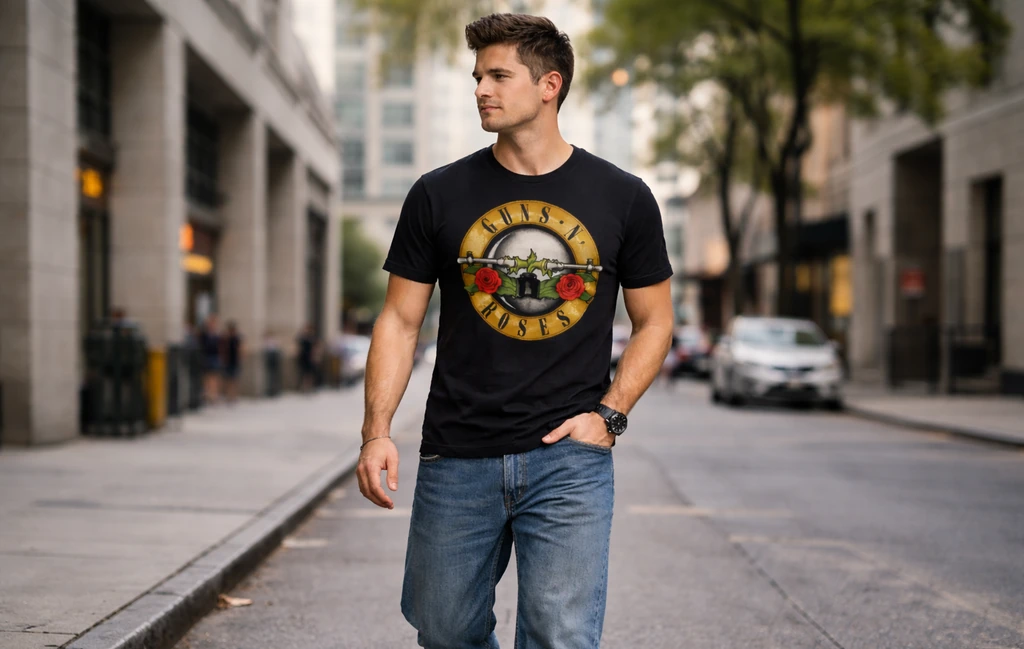
4. Keep the Palette Intentional
If the shirt is black with high-contrast art, anchor it with neutral tones. If it’s vintage-washed with muted ink, lean into earth tones or soft denim.
Color coordination alone determines whether the outfit reads curated or chaotic.
Common Mistakes That Make Band Shirts Look Outdated
If you’ve ever wondered, “Are band T shirts still cool?” — the honest answer depends on avoiding these mistakes:
- Ultra-thin fabric that loses structure
- Oversized graphics that overwhelm proportions
- Ill-fitting necklines
- Over-layering competing graphics
- Ignoring fabric weight and drape
In other words: quality and fit are non-negotiable.
If you’re unsure how to evaluate these factors, our Music T-Shirts Guide breaks down fabric weight, print types, and silhouette details more deeply.
Are Band T Shirts Worth the Price in 2026?
This is where commercial intent starts creeping in.
Consumers aren’t just asking if band tees are stylish. They’re asking if they’re worth investing in.
Here’s the rational breakdown:
- Cost per wear: A well-made band tee can be worn year-round.
- Emotional durability: Music rarely becomes irrelevant in your life.
- Styling versatility: Works layered or standalone.
- Cultural permanence: Less likely to feel trend-expired.
Compare that to fast-fashion graphics tied to micro-trends. Those expire quickly. Music imagery holds narrative weight.
So yes — a premium band T shirt is worth it if:
- The cotton holds shape
- The print doesn’t crack immediately
- The fit aligns with current silhouettes
- The design feels intentional
Cheap versions are expensive in disguise. They fade, warp, and get replaced quickly.
Who Should (and Shouldn’t) Wear Band T Shirts?
This isn’t about age. It’s about alignment.
You should wear a band tee if:
- You connect with music culture
- You appreciate graphic storytelling
- You understand proportion and styling
- You prefer versatile staples over trend spikes
You might avoid them if:
- You prefer ultra-minimal, logo-free wardrobes
- You dislike graphic focal points
- You want completely trend-neutral clothing
Band shirts aren’t mandatory fashion. They’re expressive fashion.
Risk Reduction: How to Buy One That Won’t Feel Dated Next Year
If your hesitation is future-proofing, use this filter:
- Choose timeless artists or iconic visuals
- Avoid hyper-trendy color blocking
- Prioritize heavier cotton (5.3 oz+)
- Stick to balanced graphic placement
- Test the neckline structure
This approach minimizes regret.
For buyers looking to explore without overcommitting, browsing a focused Music T-Shirts category allows comparison across rock, vintage, and modern graphic executions without sacrificing quality standards.
The Decision Bridge: Trend or Cultural Staple?
Let’s return to the core question: are band T shirts still in style in 2026?
They aren’t trending because of nostalgia alone. They remain relevant because they sit at the intersection of identity, art, and wearable storytelling.
Trends rotate. Culture compounds.
Band tees fall into the second category.
Where to Buy Band T Shirts That Feel Current in 2026
By now, the answer to “are band T shirts still in style in 2026?” is clear. The smarter question is: where do you find ones that actually feel current?
Not all band tees are created equal. In today’s market, you’ll typically encounter four categories:
- Fast-fashion graphics: Low cost, trend-driven, often thin cotton and short lifespan.
- Official tour merch: Authentic, but fit and fabric vary widely.
- True vintage resale: High character, limited sizing, premium pricing.
- Curated premium collections: Modern fit, quality-controlled production, culturally intentional designs.
If your goal is daily wear that feels elevated rather than nostalgic, curated collections usually offer the strongest balance between authenticity and longevity.
Exploring a focused Music T-Shirts collection allows you to filter by aesthetic — whether you lean classic rock, vintage-washed, or modern graphic-driven — without sacrificing construction quality.
The key is consistency: fabric weight, neckline tension, print clarity, and proportion control.
Final Verdict: Trend Cycle or Cultural Constant?
Let’s close this clearly.
Band T shirts are still in style in 2026 — not because they’re trending, but because they function as cultural staples.
They evolve in silhouette. They refine in fabric. They adapt in styling. But they don’t disappear.
If someone feels they’re outdated, they’re usually reacting to:
- Thin, fast-fashion blanks
- Overly distressed graphics
- Poor fit proportions
- Unbalanced styling
When executed well, a band tee feels grounded, confident, and timeless.
And in a fashion environment flooded with micro-trends, that stability matters.
If your wardrobe values pieces that carry story, identity, and versatility, music apparel remains one of the safest long-term graphic investments you can make.
Frequently Asked Questions
Are band T shirts outdated in 2026?
No. Band T shirts remain culturally relevant in 2026. What feels outdated is low-quality execution — thin fabric, poor print clarity, or dated fits. Modern band tees use heavier cotton, refined graphics, and balanced silhouettes that align with current styling standards.
Do Gen Z still wear band shirts?
Yes. Gen Z wears band shirts both for music authenticity and visual aesthetics. Styling often includes relaxed fits, layering, and streetwear influence. The focus is less on proving fandom and more on cohesive outfit construction.
How do you style a band tee in 2026?
Keep proportions balanced. Pair a structured band tee with relaxed denim or tailored trousers. Avoid overwhelming graphics and coordinate colors intentionally. Modern styling emphasizes texture contrast and clean silhouettes over loud layering.
Are vintage band tees worth the money?
Authentic vintage band tees can hold resale value, especially if tied to culturally significant artists or eras. However, for daily wear, premium modern reproductions often offer better fit consistency and durability while maintaining a vintage aesthetic.
Is it okay to wear a band shirt if you don’t listen to the band?
In 2026, this concern is less rigid than in the past. While genuine connection adds depth, styling confidence and outfit cohesion matter more. Cultural appreciation and intentional wear are generally accepted over strict gatekeeping.
Where to Explore Modern Music Apparel
If you’re ready to explore options that feel current rather than dated, start with collections built around music culture rather than trend-chasing graphics.
Browse structured fits, elevated cotton weights, and thoughtfully scaled artwork inside the Music T-Shirts category to find pieces that align with both modern styling and long-term wearability.
Because in 2026, the question isn’t whether band tees are in style.
It’s whether you’re choosing the right one.

Related Posts: