
No products in the cart.


Vintage Band Tees
How to Identify a Real Vintage Band Shirt
14
Mar
Mar
This guide breaks down the inspection process with production logic, cultural context, and buyer psychology. Not hype. Not myths. Just what actually matters.
What Makes a Band Shirt Truly Vintage?
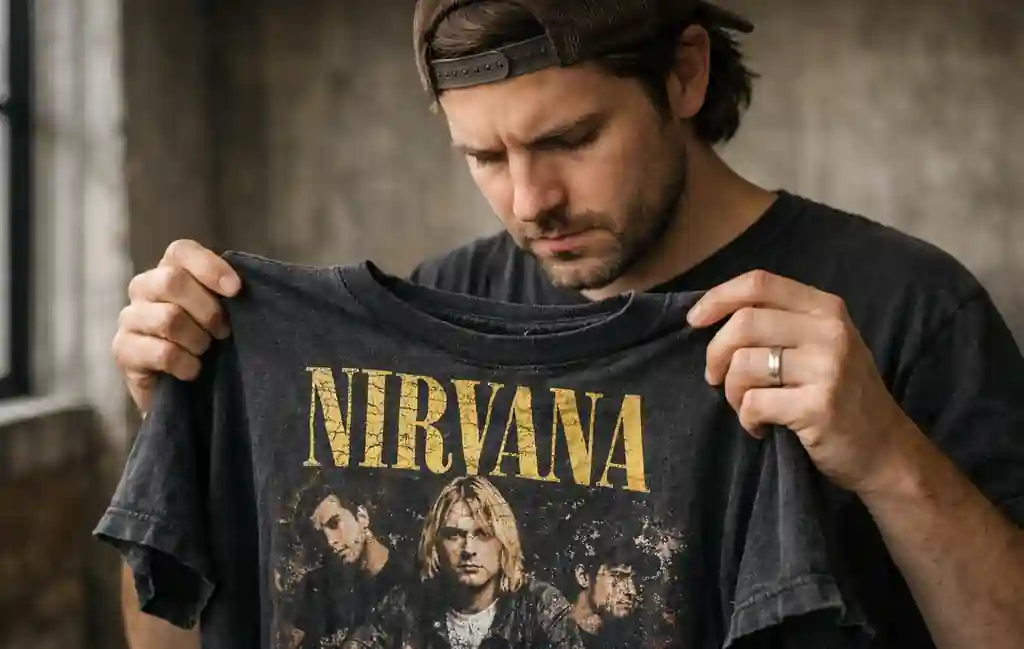
“Vintage” is not just about age. In apparel terms, it typically refers to garments at least 20 years old, produced during the original cultural era of the band’s popularity. A 1992 tour shirt for Nirvana holds different cultural weight than a 2024 reprint inspired by the same design.
True vintage pieces were manufactured under different textile standards, print technologies, and distribution models. Understanding that evolution is critical. If you need a deeper breakdown of the definition itself, read our guide on what makes a band tee vintage.
Authenticity is rarely about one signal. It is about consistency across multiple signals. When cotton age, stitching style, and print behavior align with a specific era, the probability of authenticity rises dramatically.
The 6-Layer Vintage Authentication Framework™
Instead of relying on myths like “single stitch equals vintage,” use a layered inspection method:
- Tag and label era identification
- Stitch construction analysis
- Fabric weight and aging behavior
- Print method and cracking patterns
- Copyright and licensing marks
- Natural wear and distress consistency
Each layer either confirms or contradicts the others. Real pieces tell one coherent production story. Fakes often mix signals from different decades.
1. Tag & Label Era Identification
Tag dating is often your fastest starting point. Brands like Hanes, Fruit of the Loom, Screen Stars, and Anvil used distinct logo variations across decades. Font shifts, color blocks, and country-of-origin lines changed over time.
For example, many early 90s tees feature bold block logos with “Made in USA” prominently displayed. By the early 2000s, manufacturing moved overseas more frequently. A supposed 1991 tour shirt with a mid-2000s tag variation is an immediate red flag.
However, contrarian insight: tags can be swapped. Experienced counterfeiters know buyers check labels first. That is why tag verification must support — not replace — construction and fabric analysis.
2. Stitch Construction: Single vs Double Stitch
Single-stitch hems were common in late 80s and early-to-mid 90s production. Double stitching became dominant in the late 90s and early 2000s due to durability standardization and mass manufacturing efficiency.
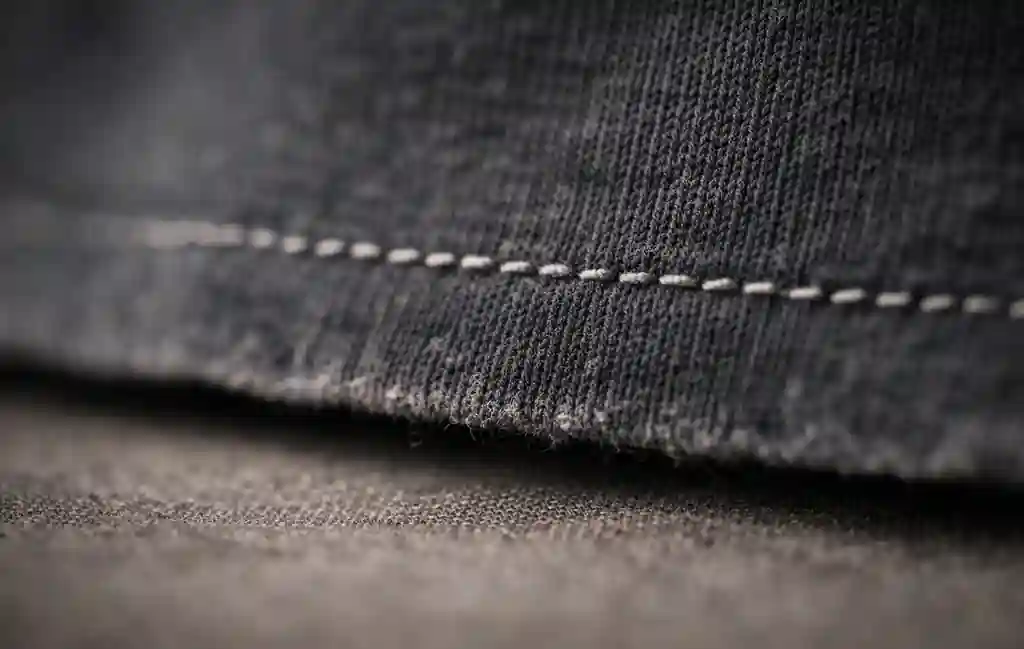
Single stitch is often misunderstood. It increases probability — not certainty. Some late 90s pieces still used single stitch, and some modern boutique reproductions intentionally replicate it.
Production insight: older single-stitch hems often show subtle thread fading and tension irregularities consistent with natural washing cycles. Modern reproductions tend to look too clean, too evenly tensioned, or artificially distressed.
If someone asks, “Are all single stitch shirts vintage?” the answer is no. Construction is a clue — never a standalone verdict.
3. Fabric Weight & Aging Behavior
Authentic 80s and 90s tees often used mid-weight cotton that softens dramatically over time. Years of wear break down fiber stiffness, producing a lived-in drape that is difficult to replicate artificially.
Real aging shows:
- Subtle thinning at high-friction areas
- Collar relaxation without collapse
- Micro-pilling consistent with wash cycles
- Color fade that is uneven but logical
Buyer psychology tip: if the cotton looks aggressively sandblasted or evenly faded across the entire garment, question it. Natural aging is rarely symmetrical.
4. Print Method & Crack Patterns
Most vintage band graphics were screen printed using plastisol ink. Over decades, plastisol hardens and forms micro-cracks following stress lines created by body movement and washing.
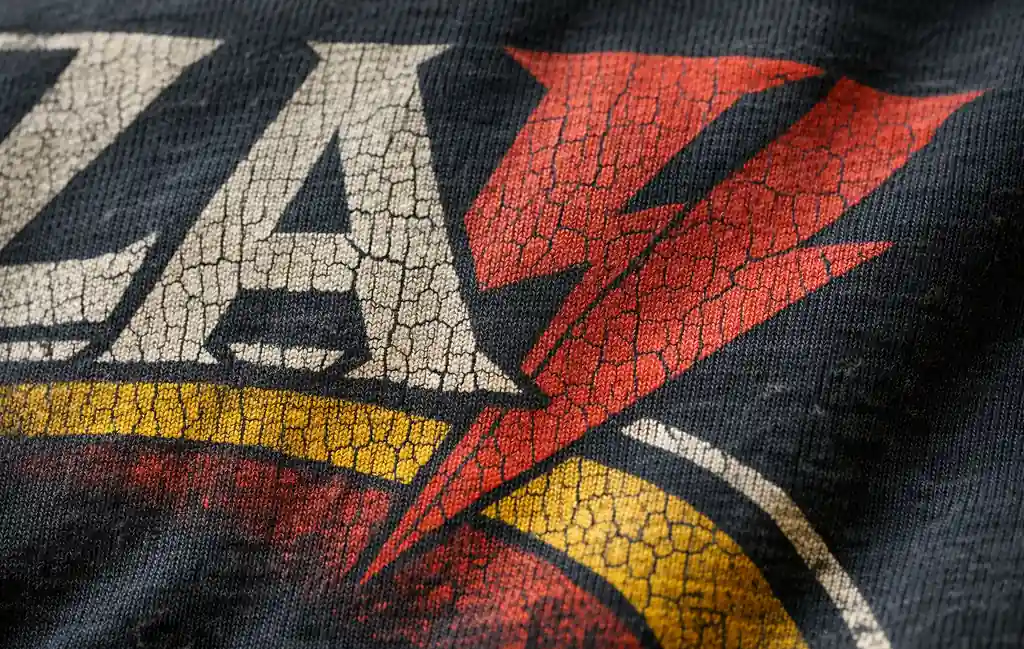
Authentic cracking:
- Follows stretch zones (chest and shoulders)
- Appears fine and layered
- Shows gradual fading around ink edges
Artificial cracking often looks random, overly dramatic, or surface-level only. If cracking looks printed on top rather than embedded within ink layers, that is a warning sign.
Collectors frequently ask, “How can you spot a fake band tee?” Start with the print. Ink rarely lies.
5. Copyright & Licensing Marks
Many authentic tour shirts include a copyright line beneath the graphic, often listing the year and licensing entity. For bands like Metallica or Guns N’ Roses, official merchandising was tightly controlled.
Absence of a copyright line does not automatically mean fake — especially for smaller runs — but a mismatch between print date and tag era should raise suspicion.
6. Wear Pattern & Natural Distressing
Real vintage wear accumulates gradually. Sleeves soften first. Collar edges fray subtly. Underarm fade follows body heat and friction. Counterfeits often exaggerate distress at random points to create visual drama.
Decision clarity logic: if distress feels theatrical rather than incidental, reassess the entire garment.
Single Stitch: The Most Misunderstood Vintage Signal
Let’s address the myth directly. Single stitch became shorthand for authenticity because many 90s band tees used it. But markets evolve. Modern reproduction brands now intentionally copy that detail.
The real question is not “Is it single stitch?” but “Does the stitching align with tag era, fabric behavior, and print aging?” Authenticity is convergence, not coincidence.
In today’s resale ecosystem, buyers overpay for single-stitch pieces without checking other layers. That is how mistakes happen.
How to Spot Fake Vintage Band Shirts
Counterfeit vintage band tees have become more sophisticated. Early fakes were obvious — thin fabric, blurry prints, incorrect tags. Modern reproductions are more strategic. They copy single stitch, replicate old tag designs, and artificially distress fabric. That is why layered verification matters.
The most common red flags include:
- Tag era mismatch with graphic date
- Overly dramatic cracking that looks printed on
- Uniform fading across the entire garment
- Incorrect font in copyright lines
- Pristine stitching paired with heavy artificial distress
Buyer psychology insight: when a piece looks “too perfectly vintage,” it often is. Real shirts from the 80s and 90s were worn, washed, and lived in. They rarely age in symmetrical patterns.
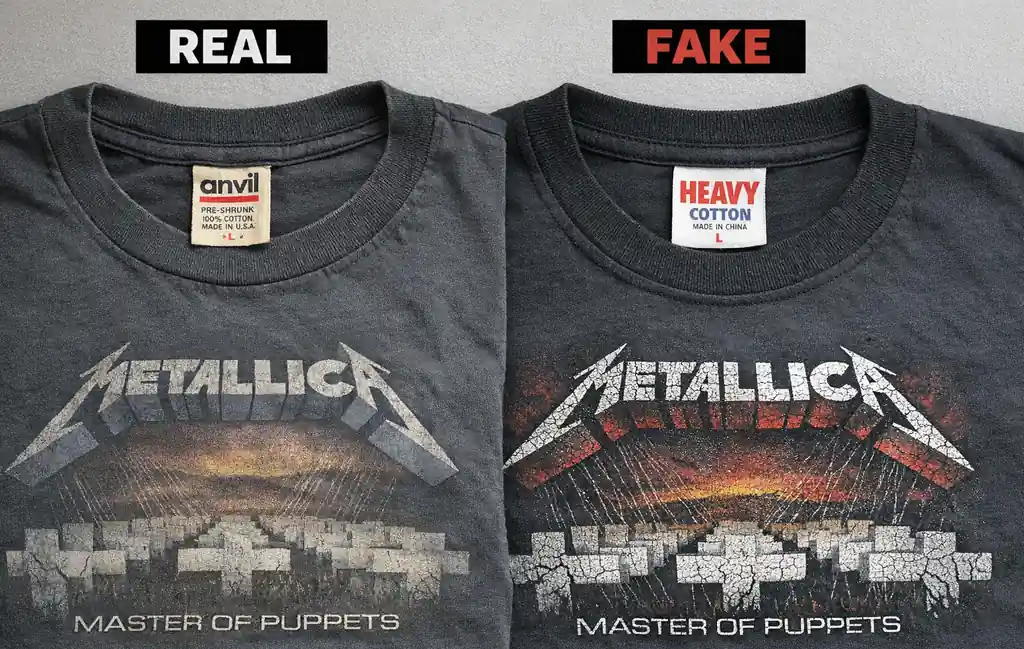
Notice in real examples how fading occurs gradually around high-friction areas. The fake version may exaggerate cracking but ignore subtle collar wear. Authenticity is about consistency, not visual drama.
People often ask: “How can you tell if a band shirt is vintage without experience?” The answer is repetition. The more authentic pieces you study, the faster inconsistencies stand out.
Era Breakdown: 80s vs 90s vs Early 2000s
Understanding production shifts by decade dramatically improves your ability to identify a real vintage band shirt.
1980s
- Lighter to mid-weight cotton
- Softer hand feel after years of wear
- Tour graphics often bold and high-contrast
- Made in USA tags common
Shirts from this era often feel thin today due to decades of washing. Collar bands may appear relaxed but not structurally collapsed.
1990s
- Single stitch prevalent until mid-decade
- Heavier cotton compared to early 80s
- Grunge and alternative graphics dominate
- More aggressive print coverage
Think of cultural peaks around bands like Pearl Jam and The Rolling Stones continuing strong merchandise cycles. 90s shirts often display natural fading with distinct crack lines in plastisol ink.
Early 2000s
- Double stitch becomes standard
- Manufacturing globalization increases
- Print technology improves durability
This era is transitional. Many early 2000s pieces are now technically vintage by age definition, but they feel closer to modern construction.
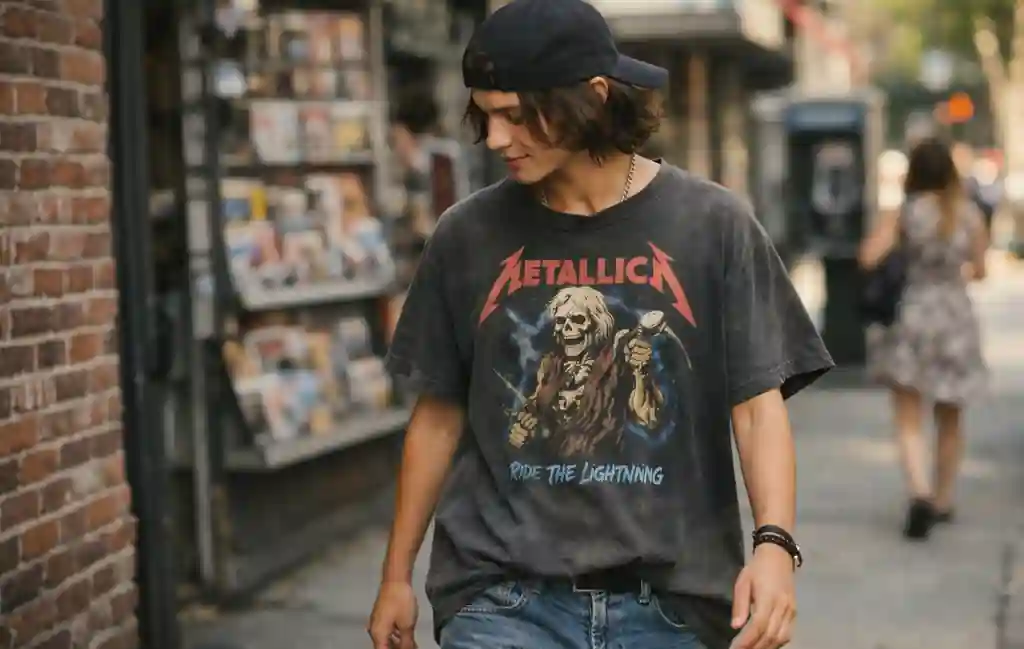
Cultural analysis matters here. A 1992 tee tied to the height of alternative rock carries different collector value than a 2003 festival reprint. Age alone does not equal demand.
Is Every Old Band Shirt Valuable?
Short answer: no.
Value depends on:
- Band cultural relevance
- Tour significance
- Graphic desirability
- Condition balance (aged but wearable)
- Size demand
A heavily damaged shirt with extreme thinning may lose wearable value even if authentic. Conversely, an iconic tour piece in balanced worn condition can command premium pricing.
Collectors gravitate toward culturally significant acts like Nirvana or Metallica, but even within those bands, not all designs are equal. Scarcity and graphic appeal drive demand.
Real Vintage vs Modern Vintage-Inspired Tees
Here is where clarity matters. Not everyone wants fragile 30-year-old cotton. Some buyers love the aesthetic but prefer modern durability and fit consistency.
Authentic vintage pieces use aging plastisol inks that eventually crack. Modern production methods, like DIGISOFT® high-definition printing, are engineered for softer hand feel and reduced cracking while maintaining durable color retention.
This is not about better or worse — it is about intention. If you want collectible history, you accept fragility. If you want daily wear with vintage-inspired visuals, modern construction may serve you better.
Our Vintage Band Tees collection focuses on culturally inspired graphics with reliable contemporary construction, giving you the aesthetic without unpredictable aging.
Objection handling: some buyers worry modern prints lack character. In reality, consistent print quality and structured cotton weight can enhance long-term wearability while still honoring classic design language.
Final Authentication Checklist
Before purchasing, walk through this quick validation list:
- Does the tag align with the claimed year?
- Is stitching consistent with the era?
- Does fabric aging look natural and uneven?
- Does cracking follow stress lines?
- Is the copyright line logically placed and dated?
- Do all signals tell the same production story?
If multiple layers contradict each other, pause. Authentic pieces feel coherent.
Frequently Asked Questions
How can you tell if a band shirt is vintage?
Check tag era, stitch style, print cracking, fabric softness, and copyright marks together. Single stitch alone is not enough. Authentic pieces show consistent aging across cotton, ink, and seams.
Are all single stitch shirts vintage?
No. While common in the late 80s and early 90s, modern reproductions sometimes replicate single stitching. Always confirm with tag dating and print analysis.
Why do vintage band tees crack?
Older plastisol ink stiffens over time and forms micro-cracks along stress zones from washing and wear. Natural cracking follows movement patterns, not random distress.
What makes some vintage band shirts expensive?
Cultural impact, tour rarity, graphic demand, and condition drive price. Iconic bands and limited tour runs command higher resale value.
Is it better to buy authentic vintage or modern reproductions?
It depends on your goal. Authentic vintage offers historical value. Modern pieces offer durability, fit consistency, and improved print longevity.
If you appreciate music culture but want dependable quality, explore our curated selection of Music T-Shirts designed with durable construction and high-definition printing.
Authenticity is knowledge. Once you understand production history, print behavior, and textile aging, you no longer guess — you evaluate.

Related Posts: