No products in the cart.
Save 20% on orders over $100 with code CT20

Price range: $21.90 through $44.99
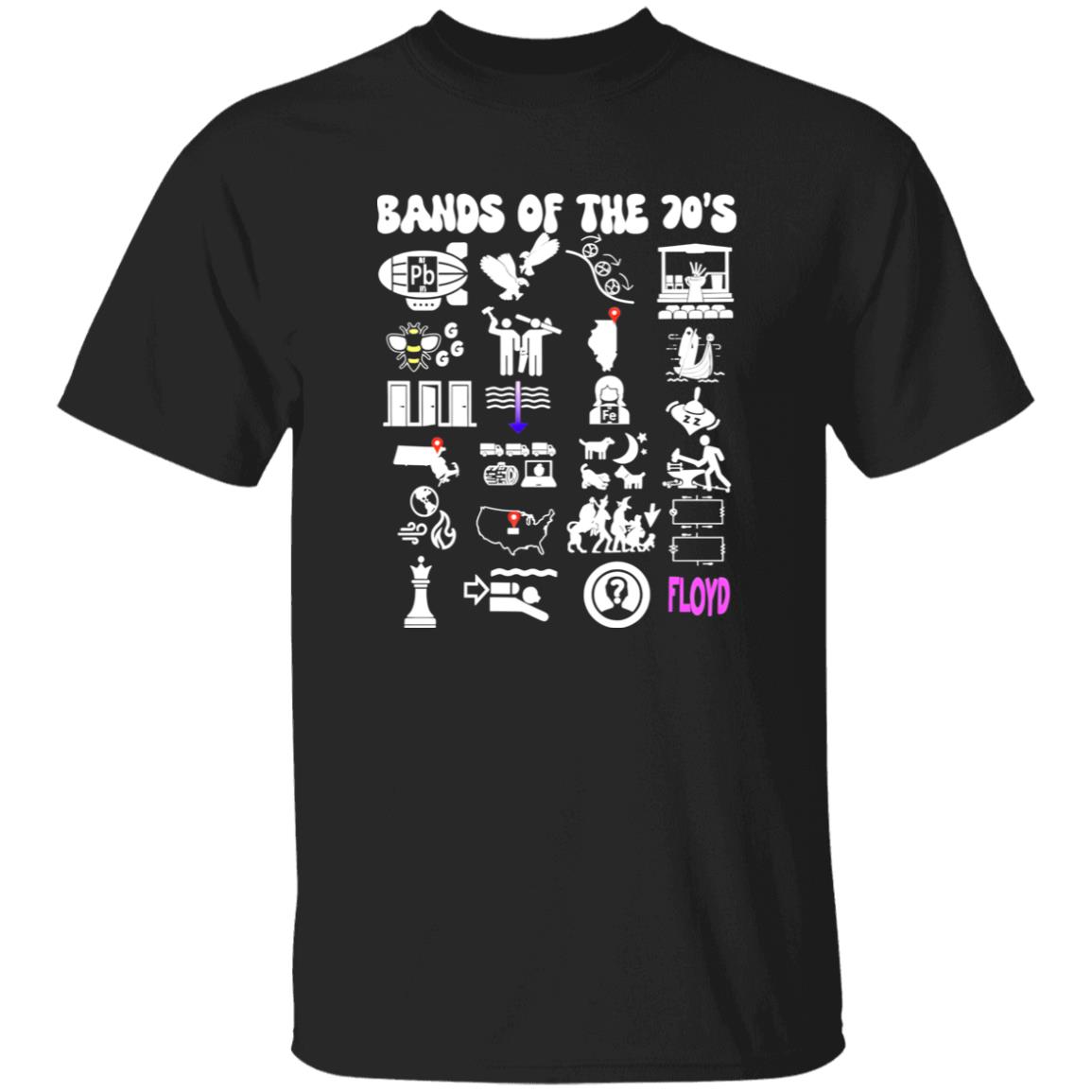
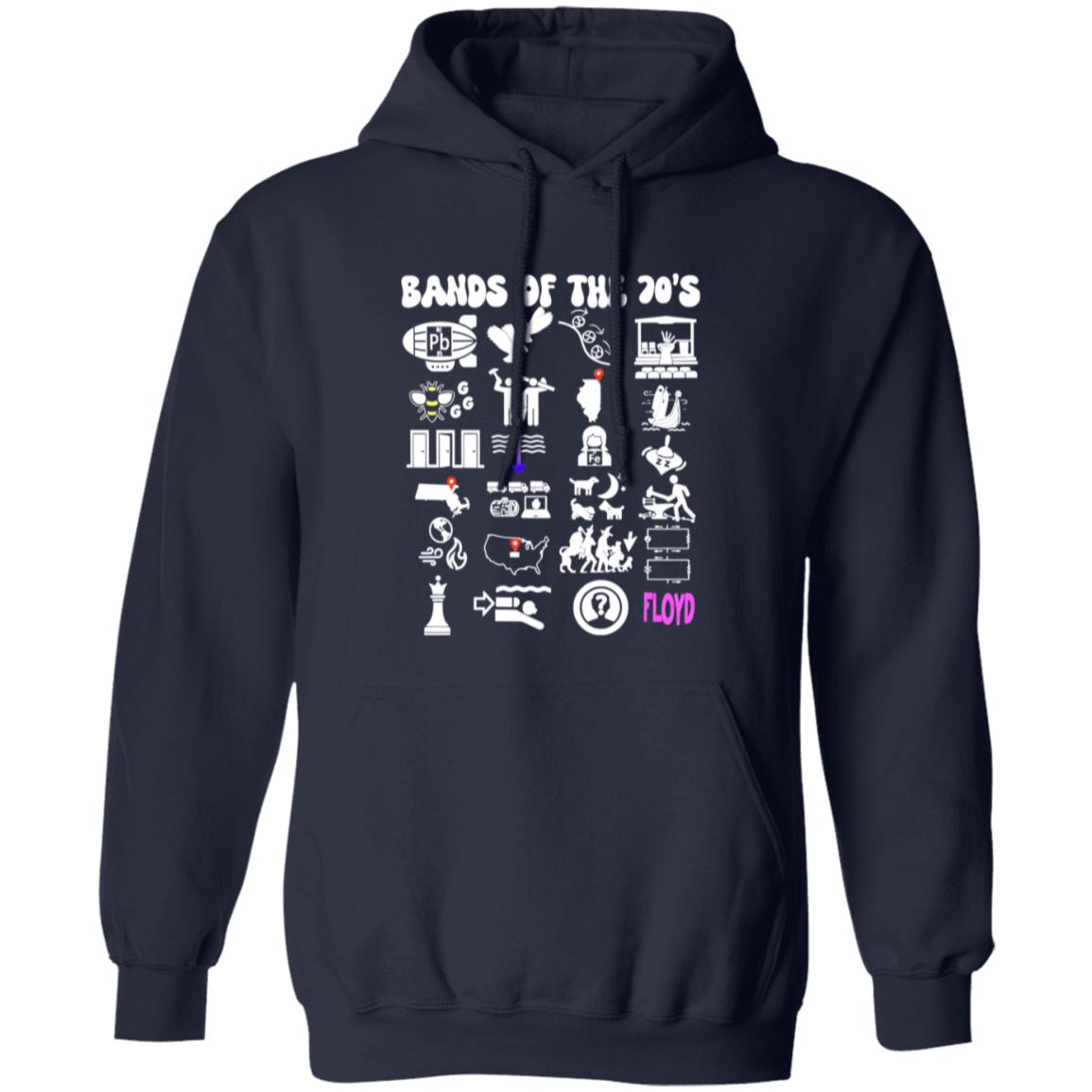
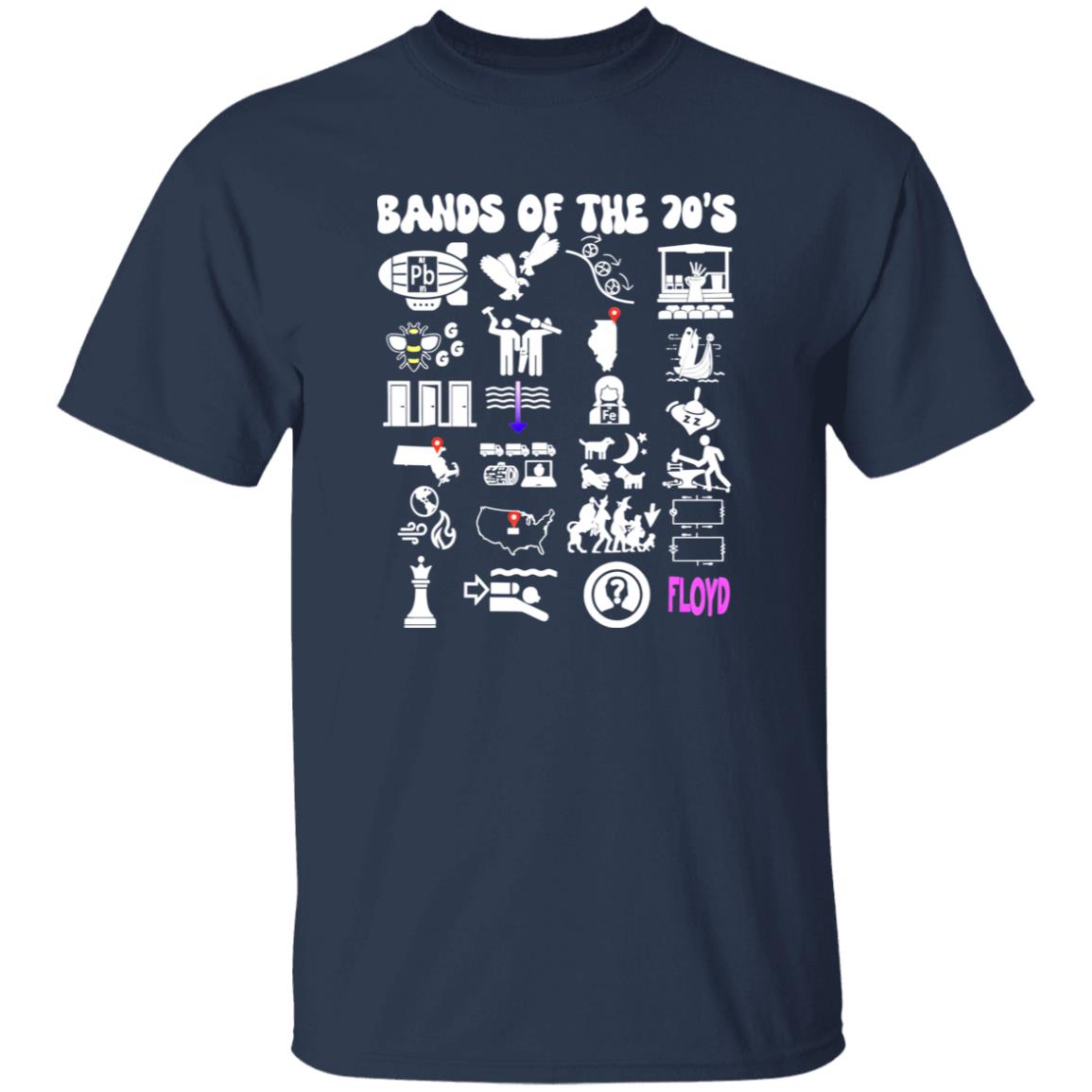
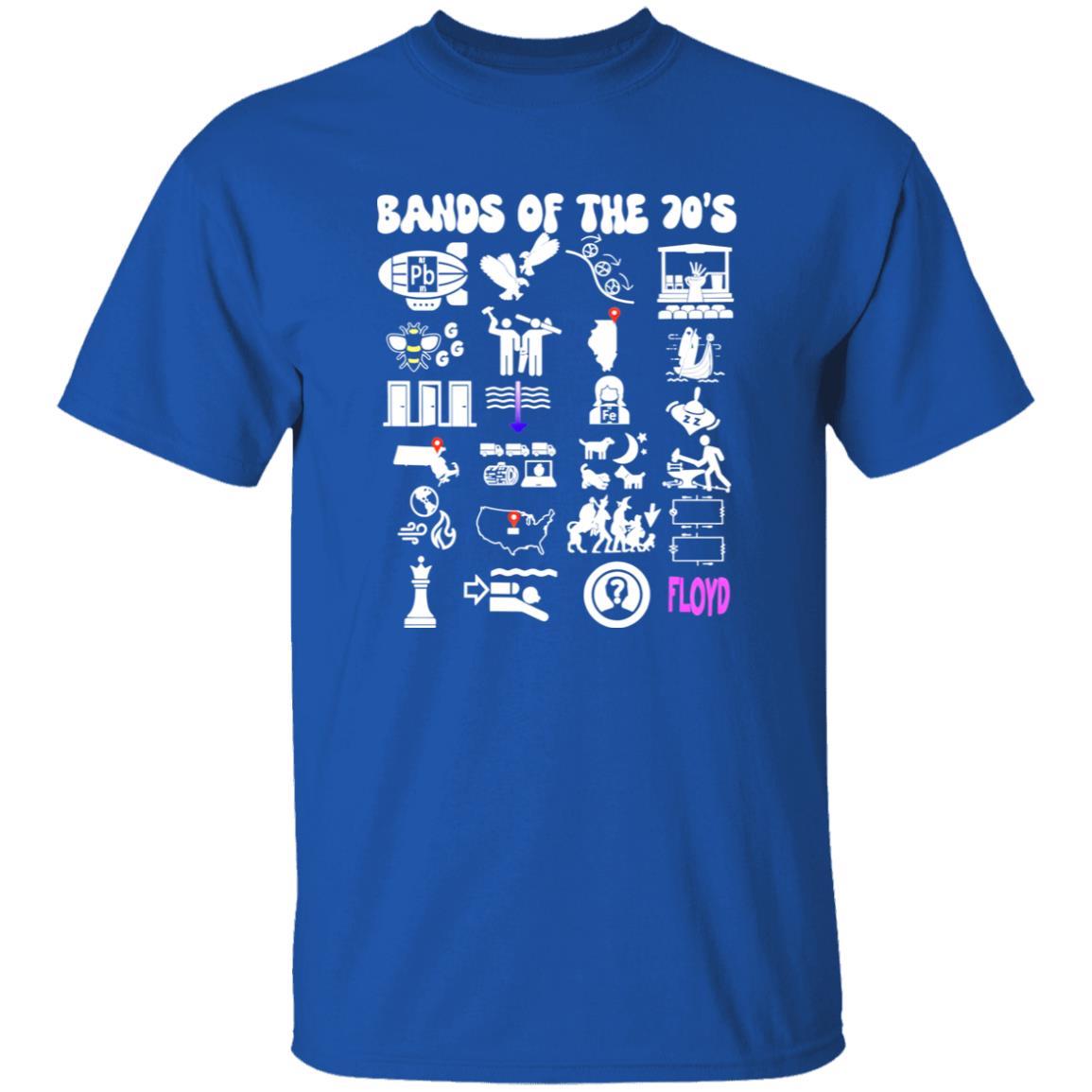
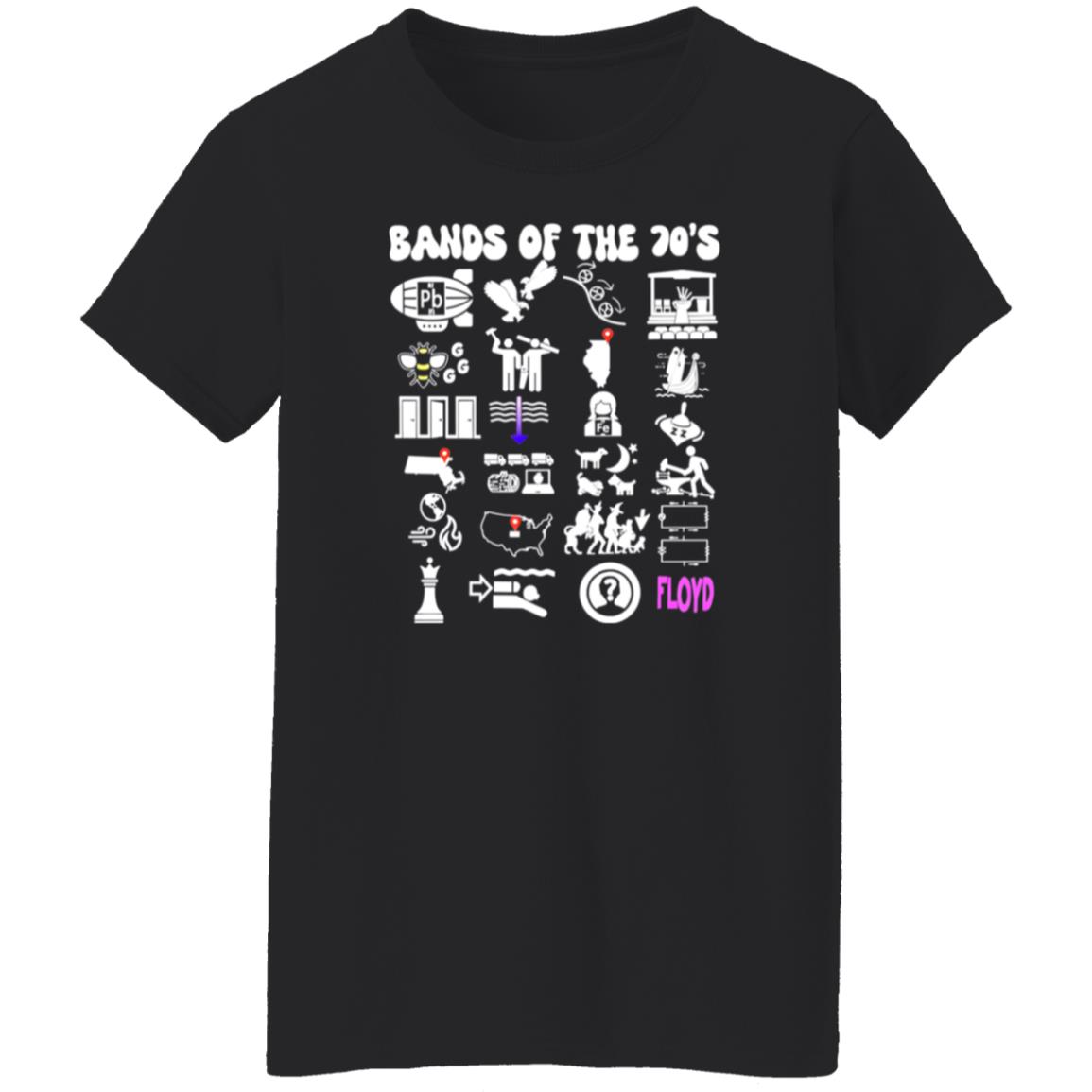
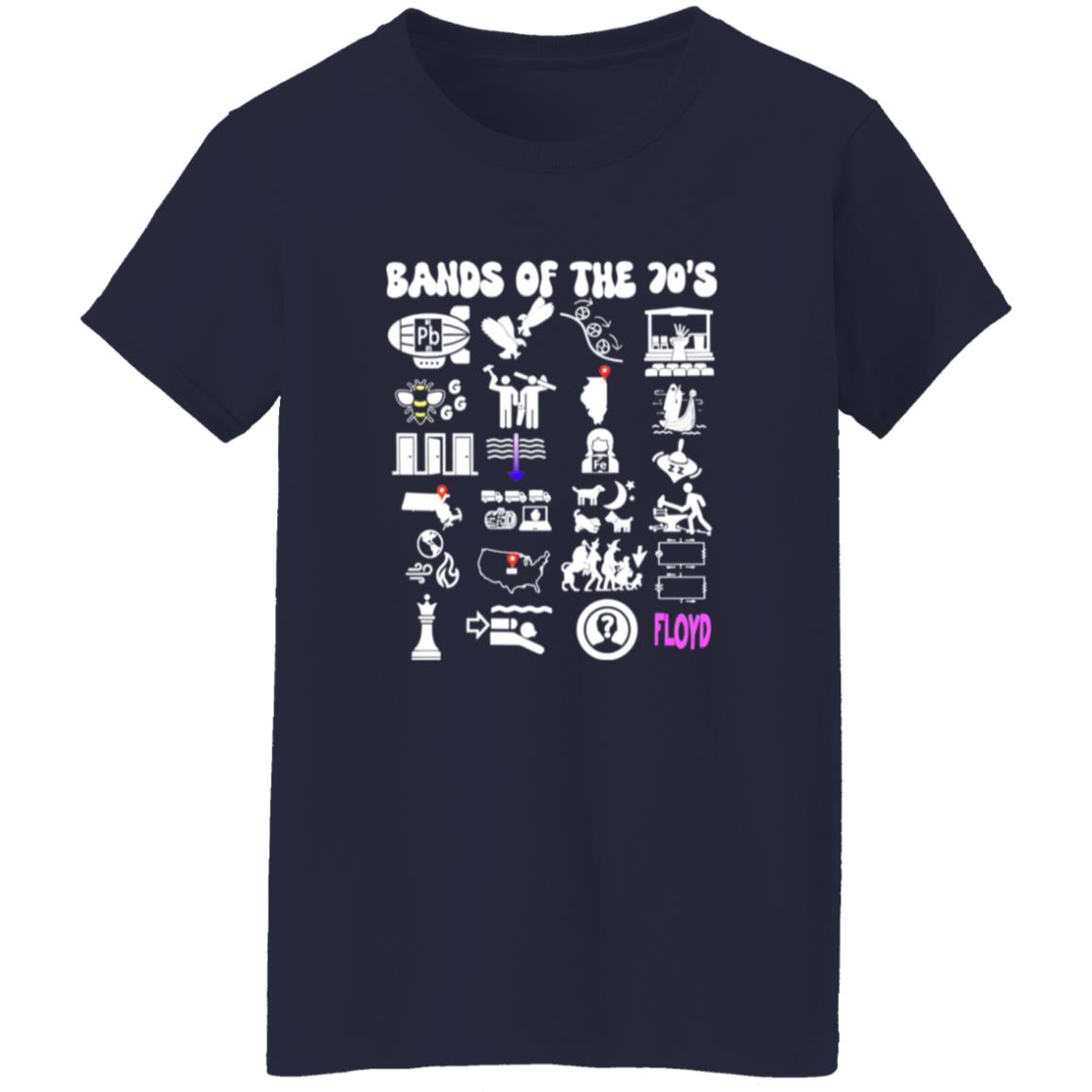
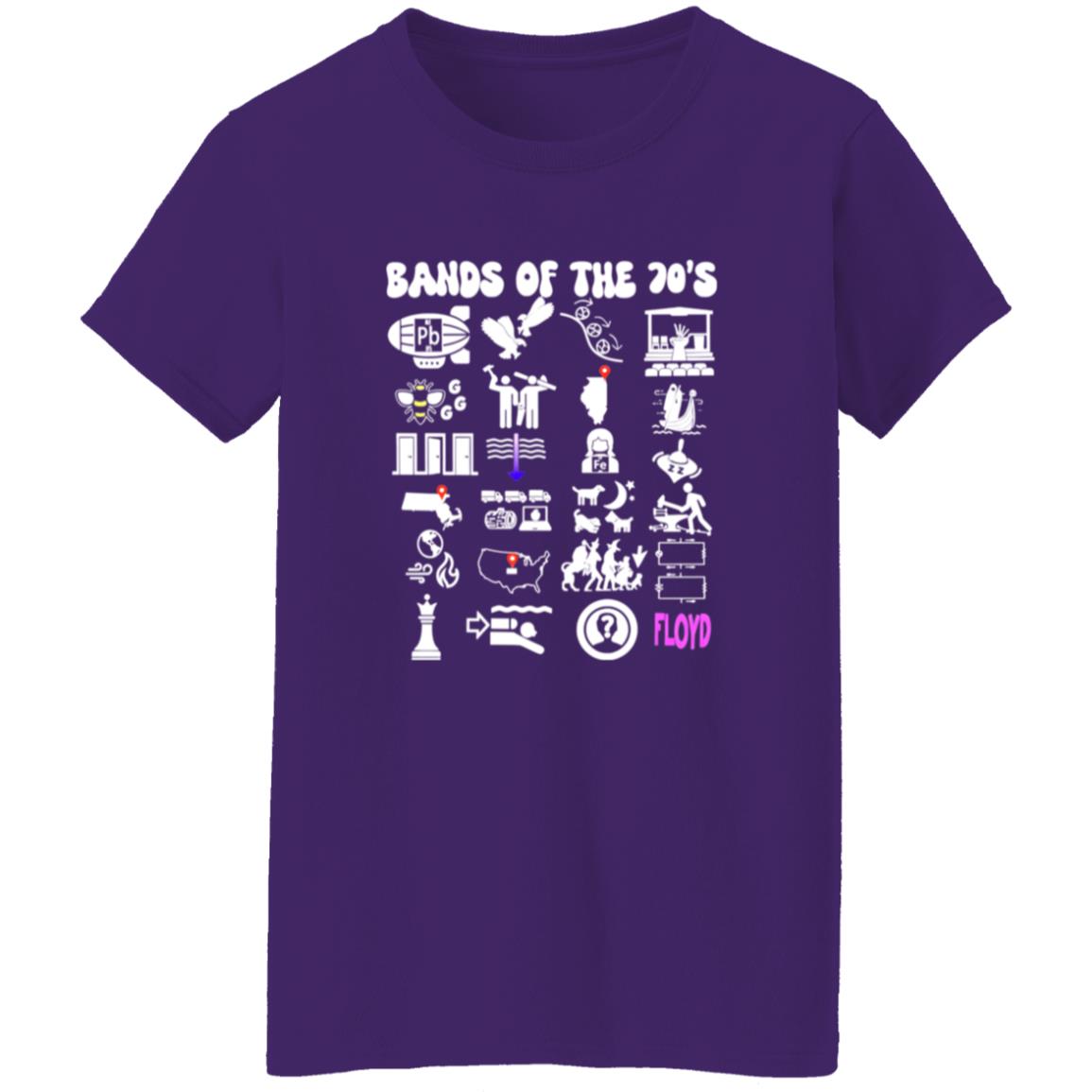
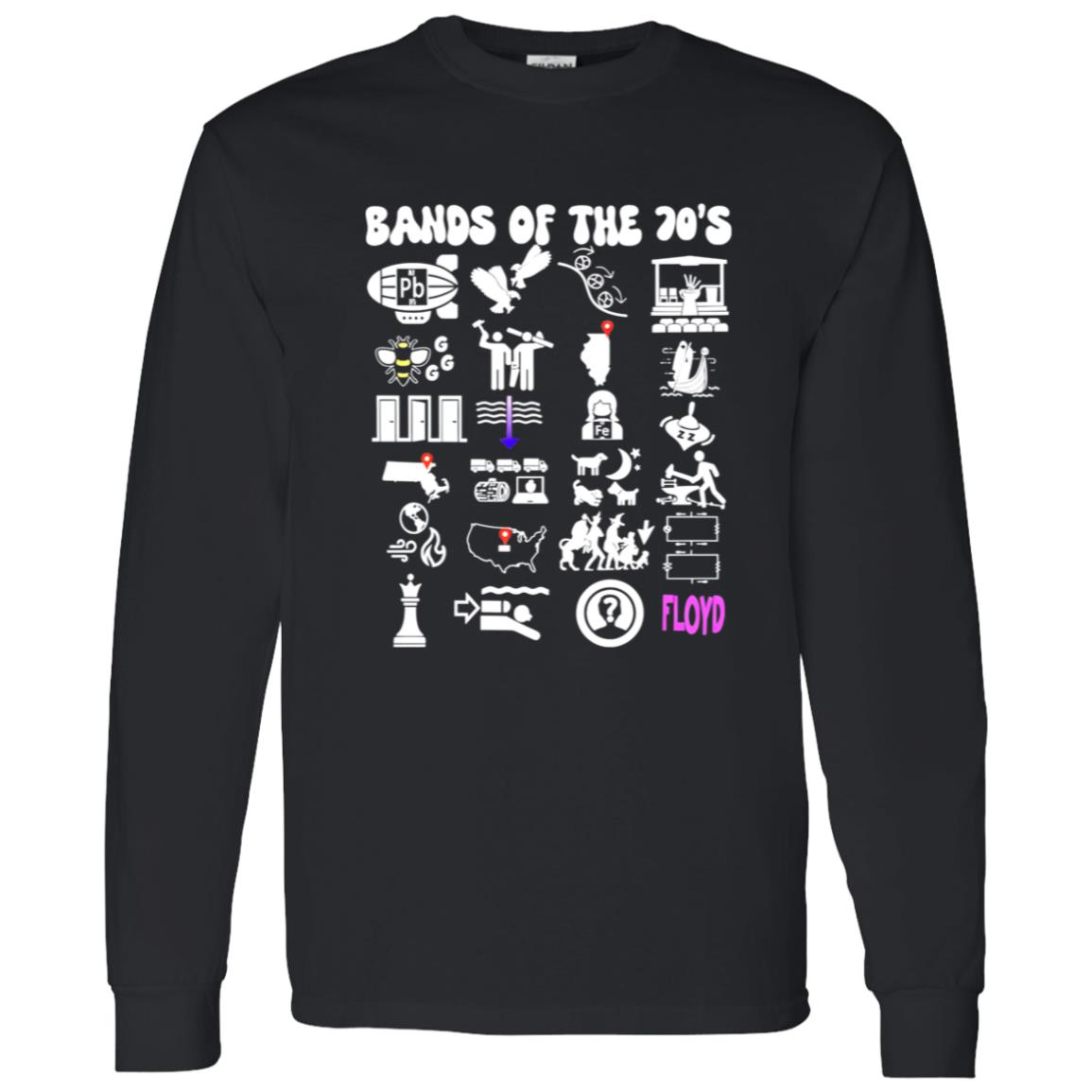
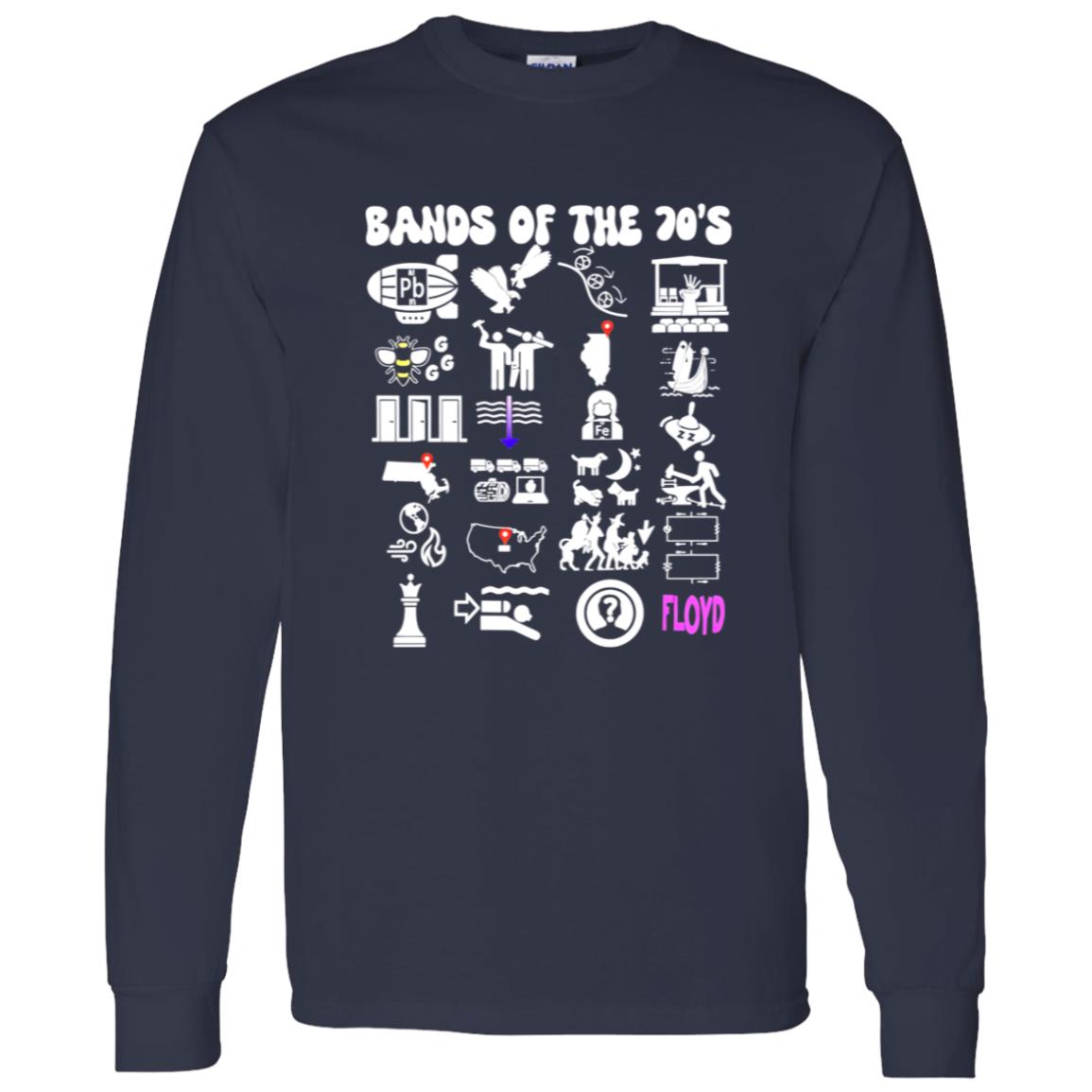
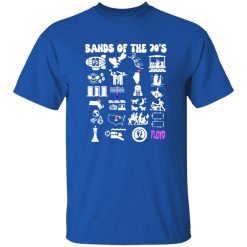
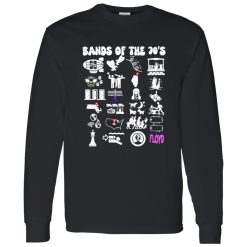
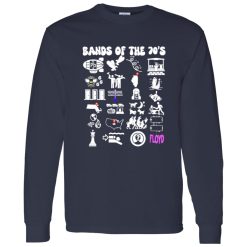
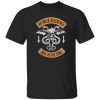
The crate flips slowly, cardboard sleeves brushing against your fingers as each album reveals another era. Somewhere between faded cover art and analog distortion, the visual language of 70s rock becomes more than sound—it becomes identity. The Bands of the 70s Rock Puzzle Icons Vintage Classic Rock Artwork Shirt feels like that exact moment translated into wearable form.
In the landscape of find rock band fan shirts, this piece doesn’t lean on one band or one voice. It compresses an entire era into a single visual composition—fragmented, layered, and instantly recognizable if you know what you’re looking at.
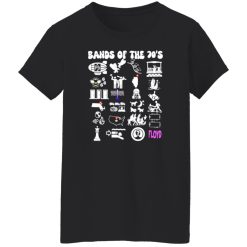
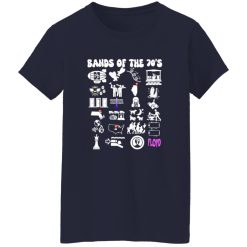
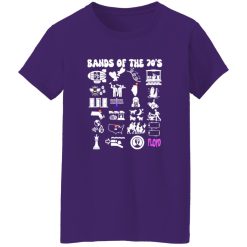
This design doesn’t behave like a standard band tee. Instead of one focal logo, it builds energy through multiple references—icons, shapes, fragments of visual memory stitched together into a cohesive grid. That changes how you style it.
You’re not dressing around a single statement—you’re balancing a complex visual surface. The smartest move is restraint elsewhere.
Start with neutral foundations: washed black denim, straight-leg vintage cuts, or slightly faded charcoal pants. Avoid heavy distressing or competing graphics. The shirt already carries layered visual weight, so the rest of the outfit should stabilize it rather than amplify it.
This is where Vintage Pairing Strategy becomes critical. You’re not just matching era—you’re matching visual density.
The 70s weren’t about tight minimal fits—they leaned into relaxed structure, movement, and slightly imperfect drape. Translating that into modern styling means adjusting proportions without going costume-level.
Go for a slightly boxy fit on top, letting the shirt fall naturally rather than cling. Pair it with jeans that have a subtle break at the ankle or trousers that hold shape without stiffness. This creates a silhouette that feels grounded in vintage influence but still wearable today.
Layering should stay intentional. A suede jacket, a worn-in denim piece, or even a lightweight overshirt adds depth without disrupting the visual balance. Keep textures tactile but not overwhelming—soft grain, faded surfaces, matte finishes.
Footwear anchors the look. Classic sneakers keep it casual and adaptable, while boots introduce a heavier, more grounded energy that aligns with the era’s raw aesthetic.
With multi-icon artwork, color control becomes less about matching and more about managing contrast.
Pull one or two tones from the design—maybe a muted yellow, a faded red, or an off-white—and let those guide subtle choices elsewhere. Avoid stacking too many colors across the outfit. The shirt already handles complexity.
This is where most outfits fail—they try to “match everything.” Instead, aim for cohesion, not duplication.
Keep the palette anchored in darker or neutral tones, allowing the graphic to stay the visual centerpiece. The result feels intentional, not forced.
The flexibility of this shirt comes from its layered visual identity. During the day, it works as a relaxed statement—paired with simple denim, open layers, and lighter footwear.
As the environment shifts, so does the outfit. Swap in darker outerwear, tighten the silhouette slightly, and let the shirt sit under more structured layers. The same piece now feels sharper, more defined.
There’s a moment—standing under dim light, music bleeding through the walls before you even step inside—where the artwork starts to catch attention differently. Not louder, just more deliberate.
That’s the shift from casual styling to intentional presence.
When dealing with vintage-inspired graphics, the risk isn’t under-styling—it’s overcommitting. Too many era-specific elements can push the look into something performative instead of natural.
The goal isn’t to recreate the 70s—it’s to reinterpret its visual language in a way that fits now.
The Bands of the 70s Rock Puzzle Icons Vintage Classic Rock Artwork Shirt works because it doesn’t lock itself into one narrative. It’s layered, referential, and open-ended. That gives you space to shape the outfit around it—without losing clarity.
And when everything aligns, the result isn’t just styled. It feels lived in.
| Product | Bands of the 70s Rock Puzzle Icons Vintage Classic Rock Artwork Shirt – Styling Guide |
|---|---|
| SKU | cc-1049-9953-108650483-1775611219638 |
| Fabric Weight | Midweight (5.3 oz) – Heavyweight (6.0 oz Long Sleeve) |
| Material Composition | Solid Colors: 100% Cotton Ash Grey: 99% Cotton / 1% Polyester Sport Grey: 90% Cotton / 10% Polyester Dark Heather: 50% Cotton / 50% Polyester |
| Fit | Classic Unisex Fit (Ladies: Slightly Tapered Missy Fit) |
| Construction | Double-needle stitching Taped neck & shoulders Preshrunk jersey knit Tearaway label |
| Hoodie Material (G185) | 8.0 oz – 50% Cotton / 50% Polyester |
| Available Sizes | S – 5XL (6XL select colors only) |
| Origin | Made with sustainably and fairly grown USA cotton; Printed in USA |
| Print Method | DIGISOFT® Direct-to-Garment (DTG) |
| Brand | Capital T Shirt |
| Fast & Reliable Shipping | All orders are professionally printed and shipped from the USA. |
|---|---|
| Processing Time | Printed on demand within 1–3 business days. |
| Shipping Time | USA: 4–7 business days International: 7–15 business days |
| Shipping Costs | USA Standard: $5.99 International Standard: $9.99 |
| Secure Checkout | Safe & encrypted payment processing. Your information is protected at all times. |
| Returns & Exchanges | We offer a 30-day return policy. View Refunds & Returns Policy |
| Customer Guarantee | We stand behind the quality of every item we print. |



Reviews
There are no reviews yet.