No products in the cart.
Save 20% on orders over $100 with code CT20

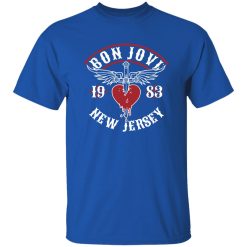
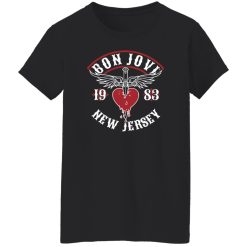
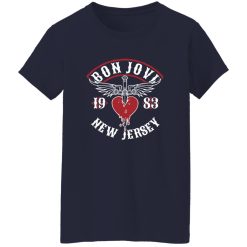
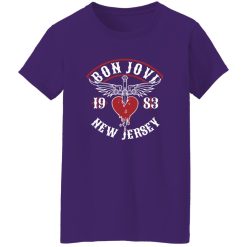
Price range: $21.90 through $44.99
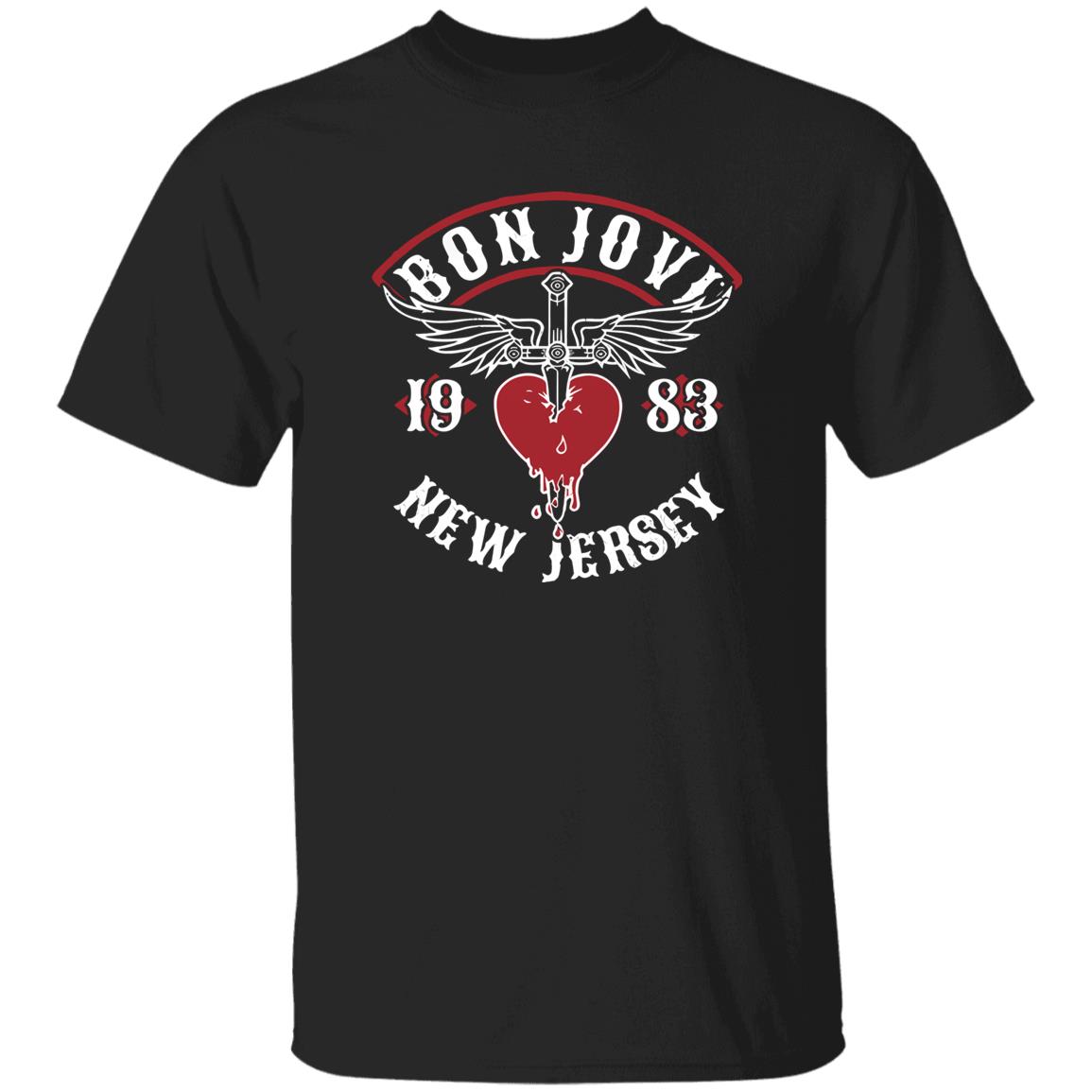
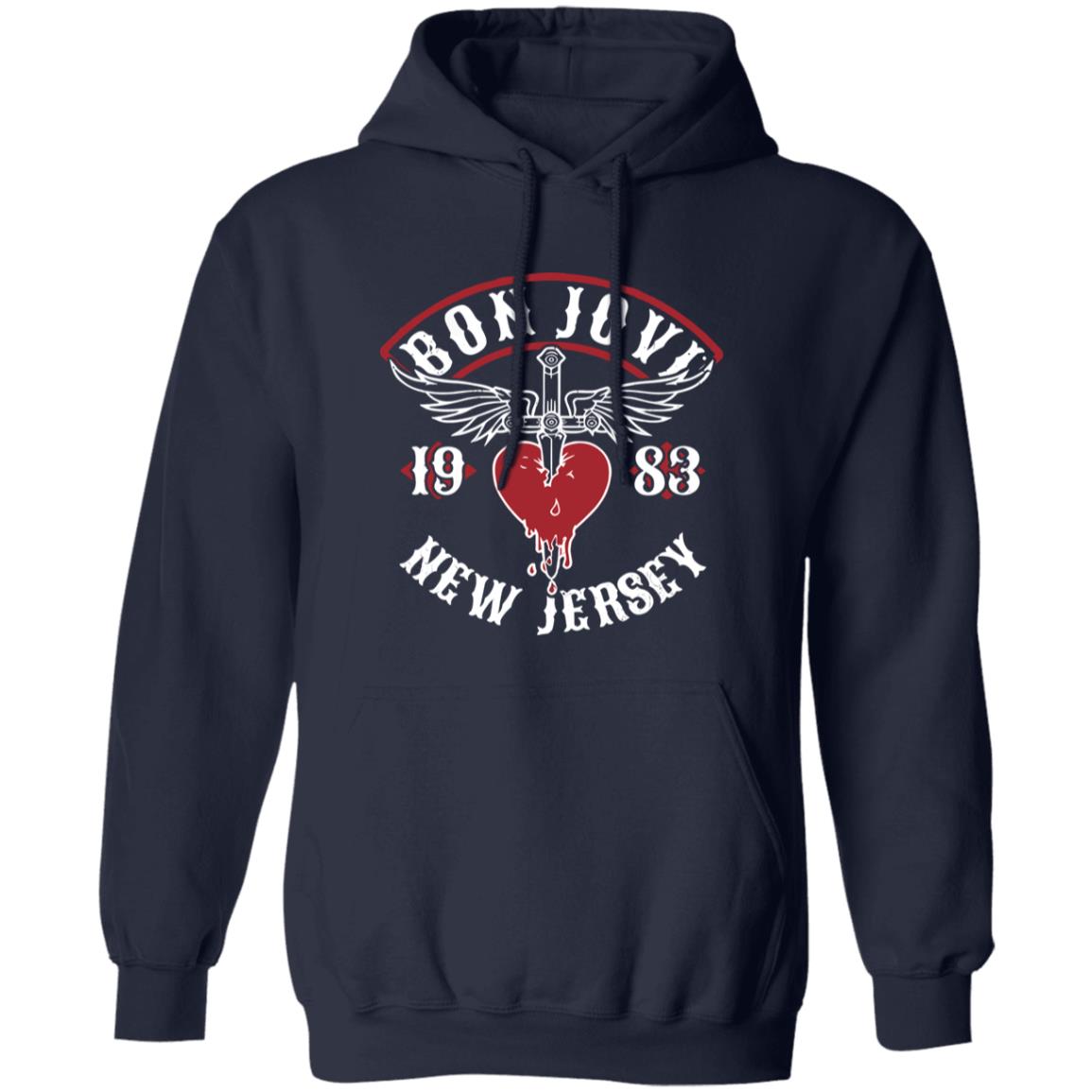
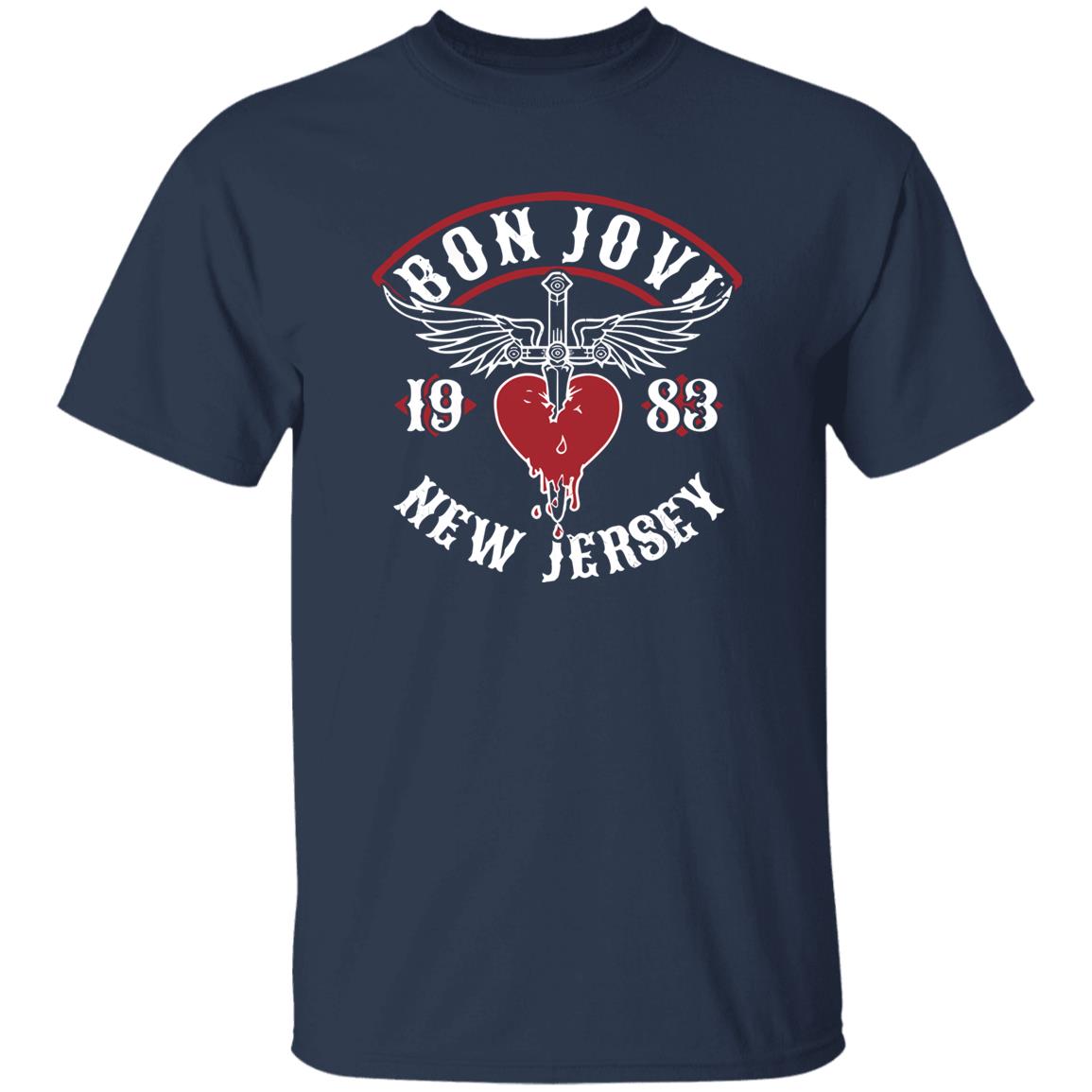
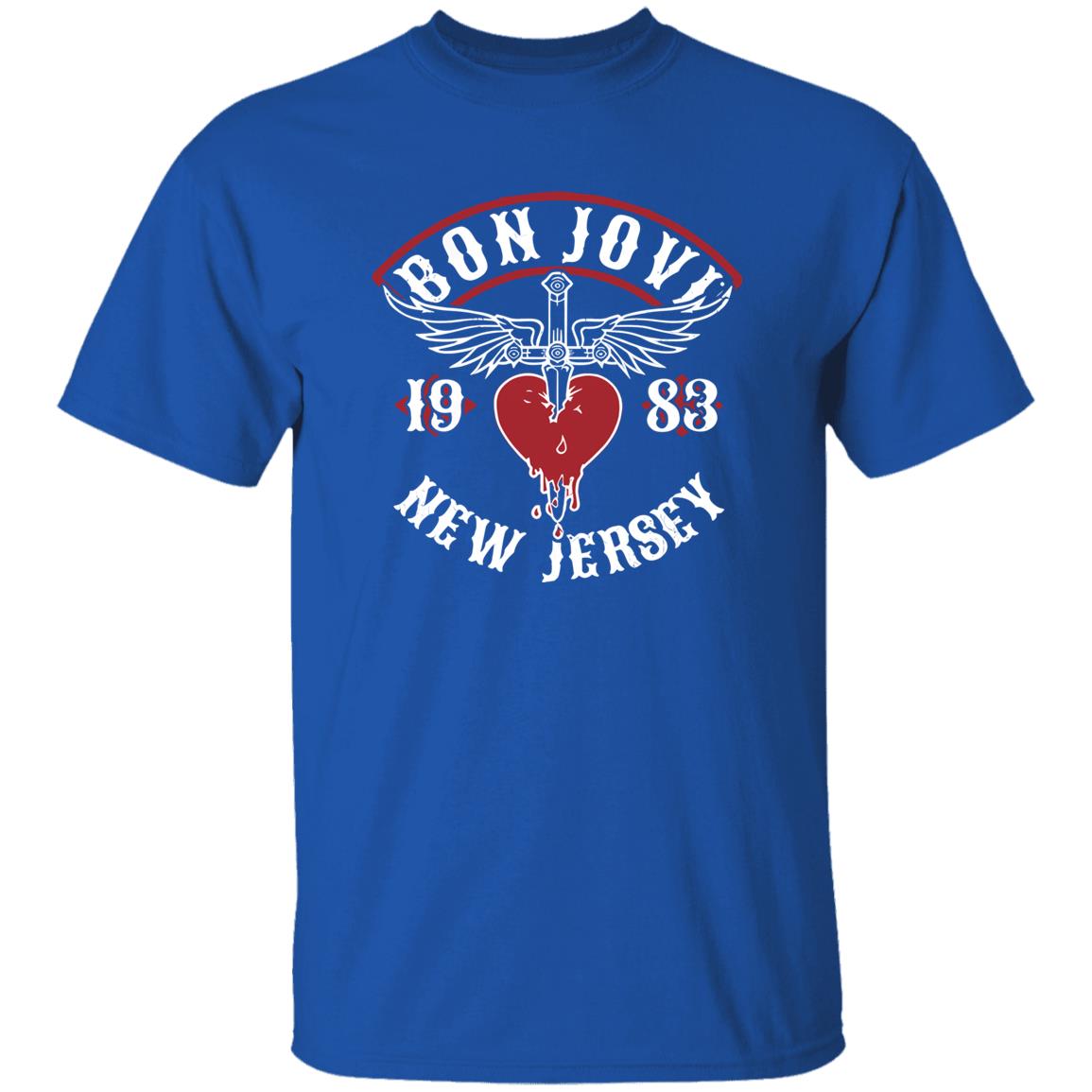
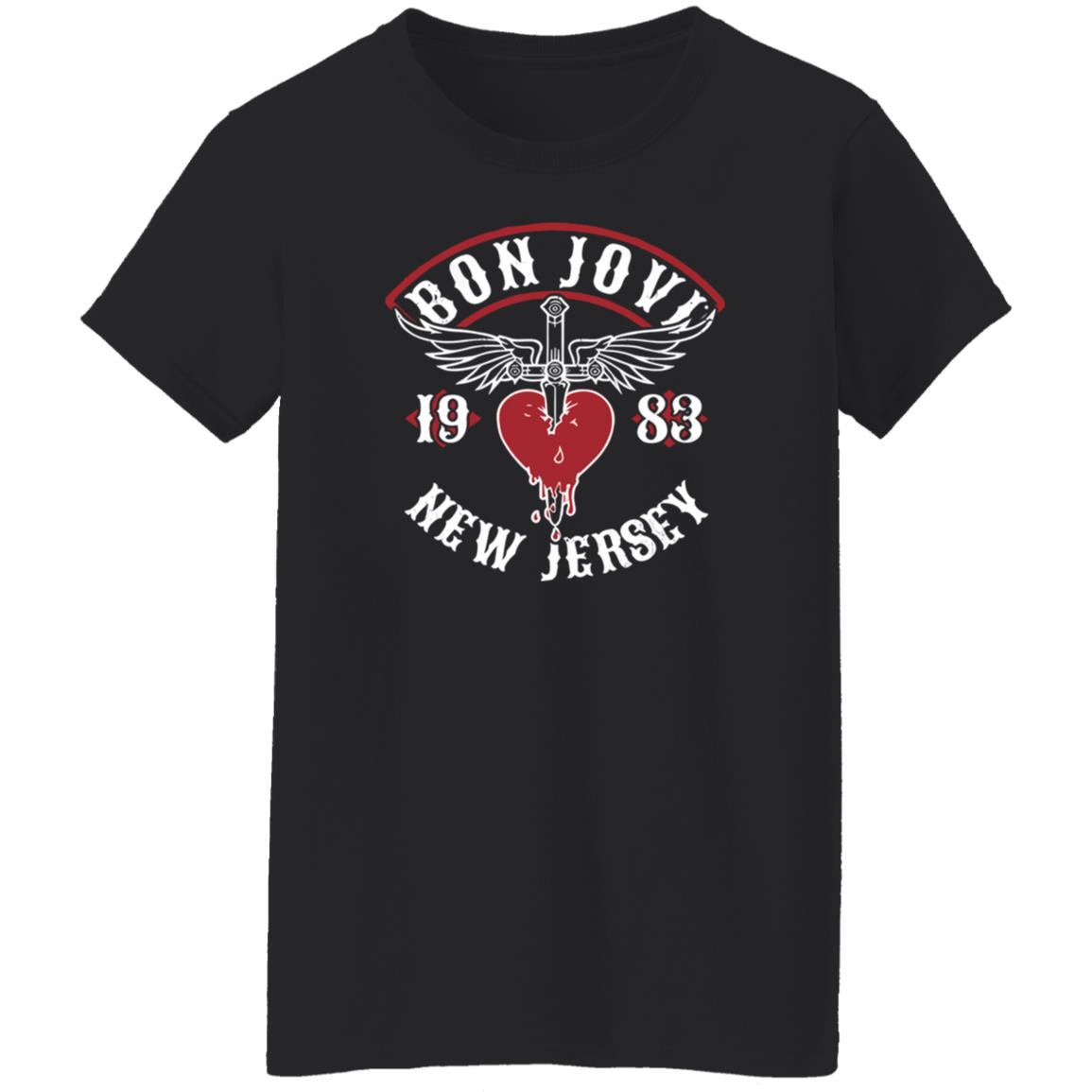
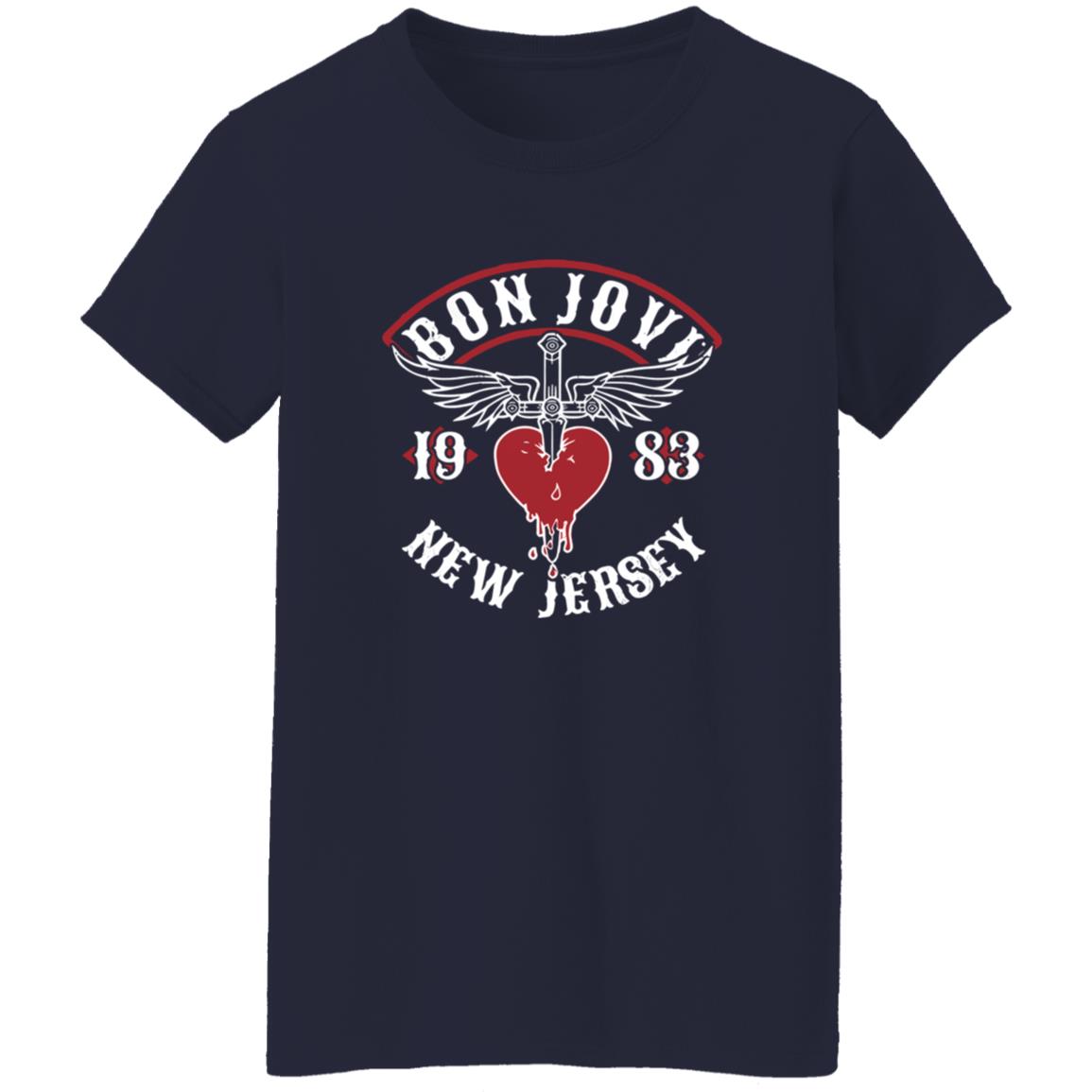
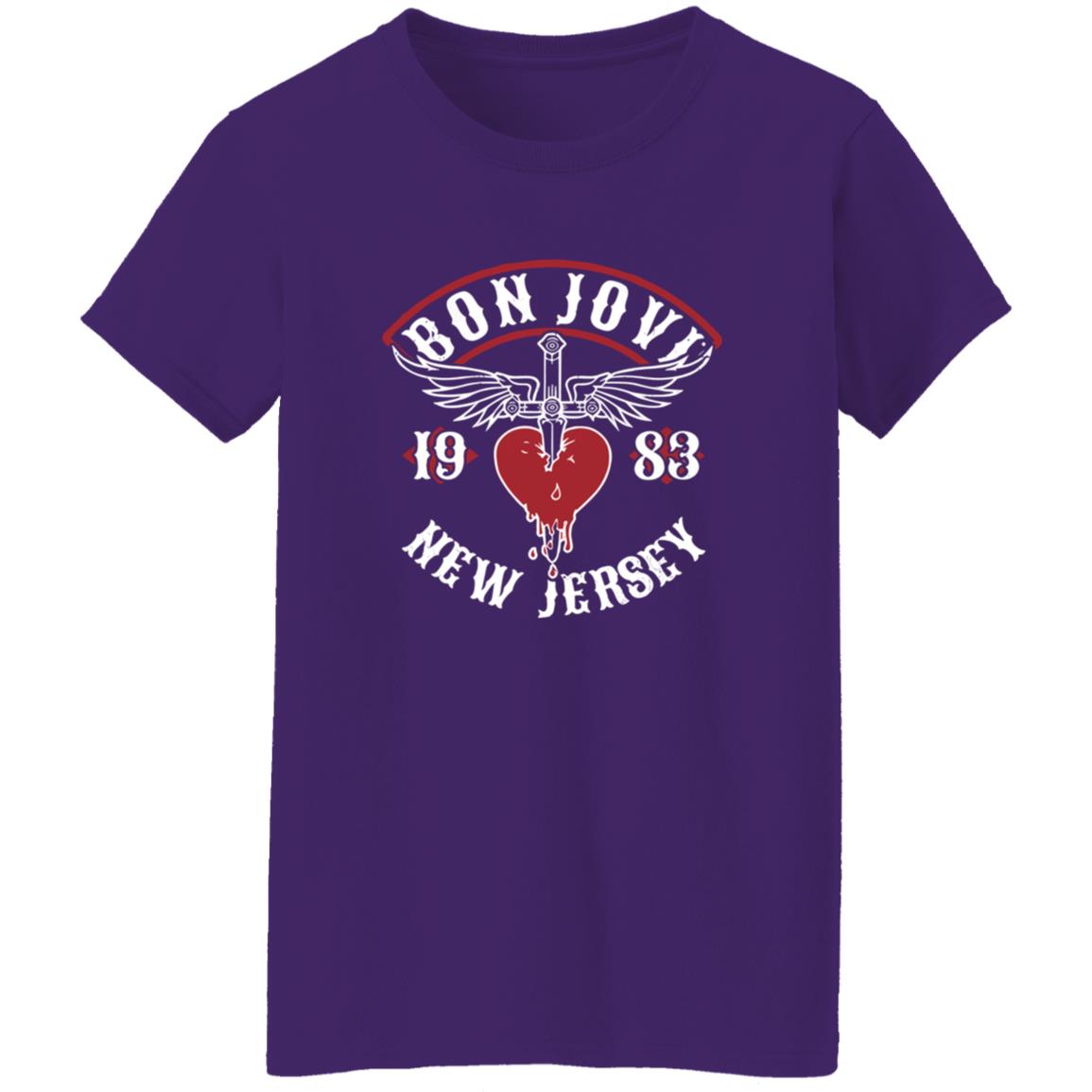
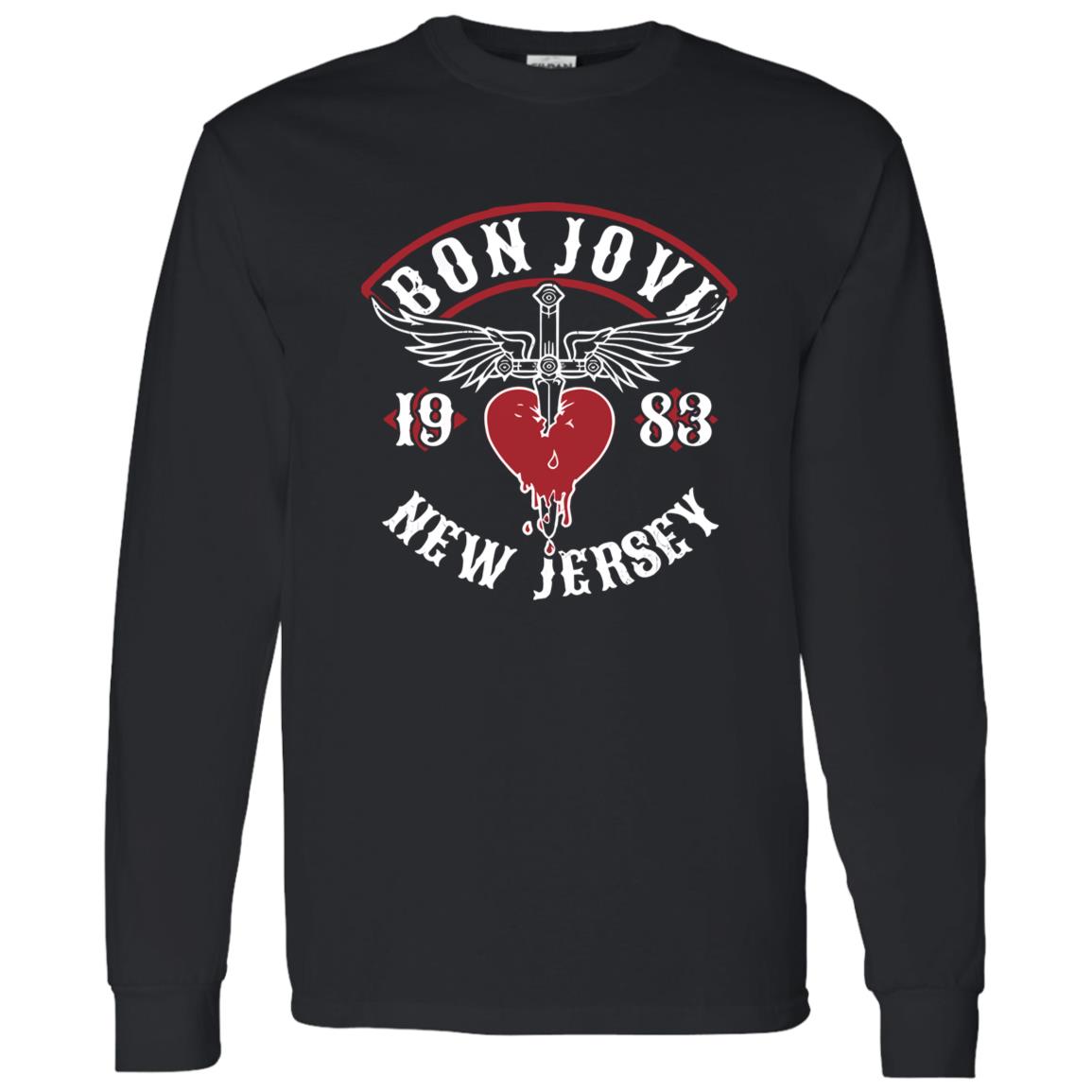
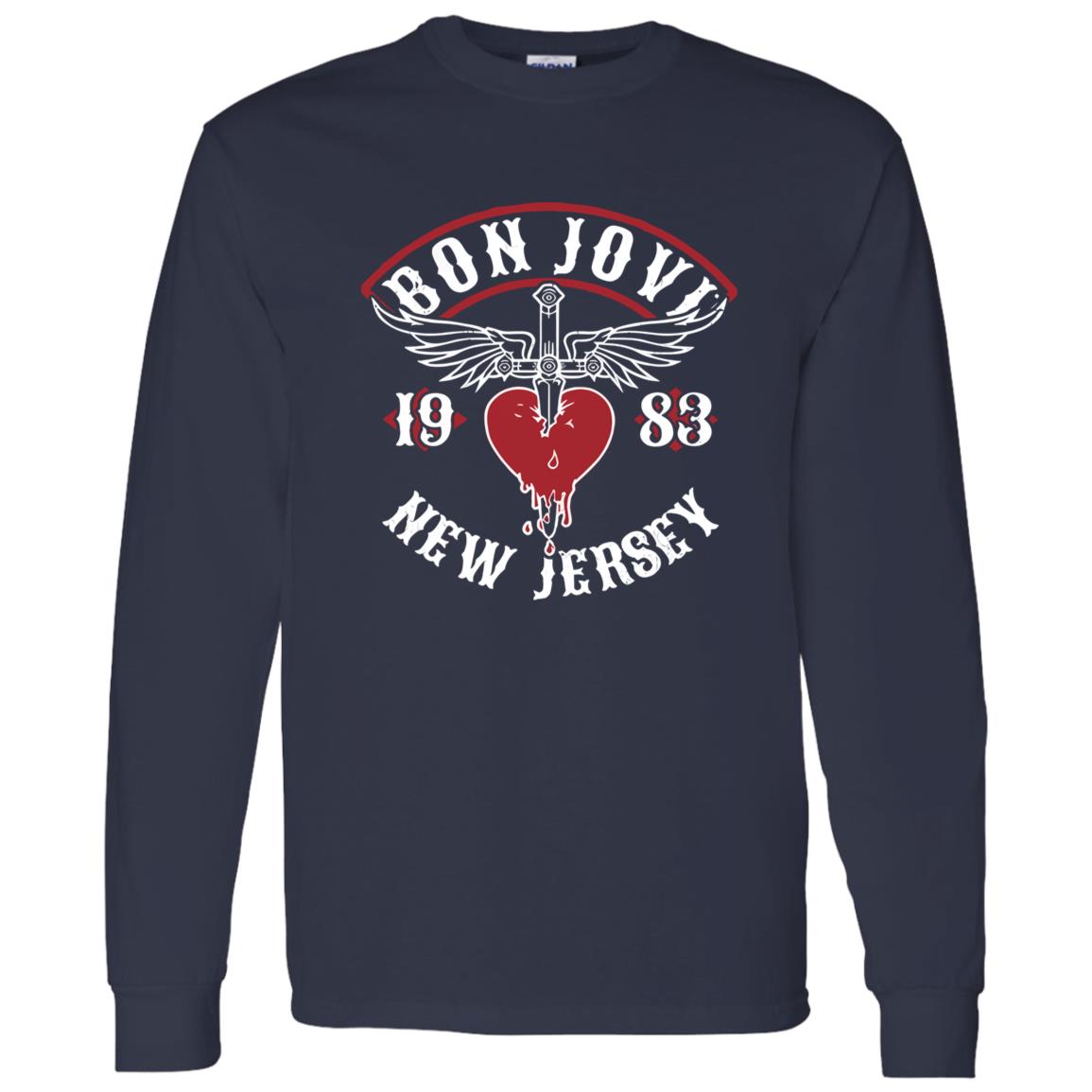
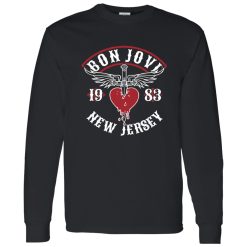
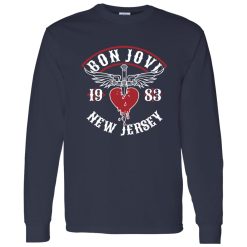
Before it became a global anthem machine, there was a rawer version of Bon Jovi—New Jersey roots, club circuits, and a sound still sharpening its edge. The Bon Jovi New Jersey 1983 Heart Dagger Vintage Graphic Shirt doesn’t just recall that moment. It translates it into a visual code that still carries weight decades later.
Within the landscape of rock band tees, designs like this don’t rely on polished nostalgia. They pull from a time when identity wasn’t manufactured—it was carved out through sound, attitude, and visual symbolism that stuck.
At first glance, the heart-and-dagger motif feels direct. But its meaning runs deeper than surface aesthetics. In early 80s rock culture, symbols weren’t decorative—they were declarations.
The heart represents vulnerability, something rarely exposed openly in a scene built on loudness and bravado. The dagger cuts through it—not as destruction, but as intensity. Passion pushed to its edge. That duality is exactly what defined Bon Jovi’s early era: melodic hooks layered over raw emotional charge.
This shirt captures that tension visually. It’s not clean or minimal. It carries a certain grit—like something printed for a crowd that didn’t care about perfection, only presence.
There’s a reason the year matters. 1983 wasn’t peak fame—it was pre-breakthrough, when the sound was still forming and the identity wasn’t fully polished.
That’s what gives this piece its weight. It references a version of Bon Jovi that feels closer, less distant from the listener. Not yet a stadium act, but already carrying the DNA that would define one.
Wearing something tied to that moment isn’t about nostalgia in the usual sense. It’s about recognizing where the energy started—before it was scaled, before it was refined. That early-phase authenticity is what many modern designs try to imitate, but rarely match.
There’s a reason certain visuals don’t fade. They aren’t tied to trends—they’re tied to meaning. The heart dagger graphic doesn’t need explanation once you understand its roots.
It mirrors the sound structure itself: melody layered with tension, emotion delivered with force. That translation—from audio to visual—is what separates meaningful band graphics from generic prints.
And over time, that meaning evolves. What once represented a specific era becomes a broader signal. It tells people you’re tuned into a certain lineage of rock—not just the hits, but the origin points.
This is where vintage graphic pieces stand apart. They don’t just show what you like. They suggest what you understand.
The appeal isn’t just in the design—it’s in how it feels visually. Slight distressing, imperfect edges, a worn-in presence that looks like it’s lived through something. Not artificially aged, but intentionally grounded.
This kind of aesthetic creates a different interaction with the viewer. It doesn’t feel new, even when it is. It feels carried—like it already has a story attached.
That’s what makes it work across different contexts. It doesn’t need to be explained or styled heavily. The visual language does the work.
Rock culture has shifted, fragmented, evolved—but certain anchors remain. Pieces like this continue to hold relevance because they’re built on foundational elements, not temporary trends.
It doesn’t try to reinterpret the past. It holds onto it in a way that still feels usable today. That balance—between legacy and present—is what gives it longevity.
The Bon Jovi New Jersey 1983 Heart Dagger Vintage Graphic Shirt isn’t about revisiting an era. It’s about carrying a piece of it forward, in a form that still feels immediate.
And that’s why it works. Not because it’s old—but because it never really stopped being relevant.
| Product | Bon Jovi New Jersey 1983 Heart Dagger Vintage Graphic Shirt – A Symbol of Arena Rock Identity |
|---|---|
| SKU | cc-1049-9953-108647026-1775486291077 |
| Fabric Weight | Midweight (5.3 oz) – Heavyweight (6.0 oz Long Sleeve) |
| Material Composition | Solid Colors: 100% Cotton Ash Grey: 99% Cotton / 1% Polyester Sport Grey: 90% Cotton / 10% Polyester Dark Heather: 50% Cotton / 50% Polyester |
| Fit | Classic Unisex Fit (Ladies: Slightly Tapered Missy Fit) |
| Construction | Double-needle stitching Taped neck & shoulders Preshrunk jersey knit Tearaway label |
| Hoodie Material (G185) | 8.0 oz – 50% Cotton / 50% Polyester |
| Available Sizes | S – 5XL (6XL select colors only) |
| Origin | Made with sustainably and fairly grown USA cotton; Printed in USA |
| Print Method | DIGISOFT® Direct-to-Garment (DTG) |
| Brand | Capital T Shirt |
| Fast & Reliable Shipping | All orders are professionally printed and shipped from the USA. |
|---|---|
| Processing Time | Printed on demand within 1–3 business days. |
| Shipping Time | USA: 4–7 business days International: 7–15 business days |
| Shipping Costs | USA Standard: $5.99 International Standard: $9.99 |
| Secure Checkout | Safe & encrypted payment processing. Your information is protected at all times. |
| Returns & Exchanges | We offer a 30-day return policy. View Refunds & Returns Policy |
| Customer Guarantee | We stand behind the quality of every item we print. |
Reviews
There are no reviews yet.