No products in the cart.
Save 20% on orders over $100 with code CT20

New Customer Discount 10% OFF. Enter Coupon Code: CP10




Price range: $21.90 through $44.99
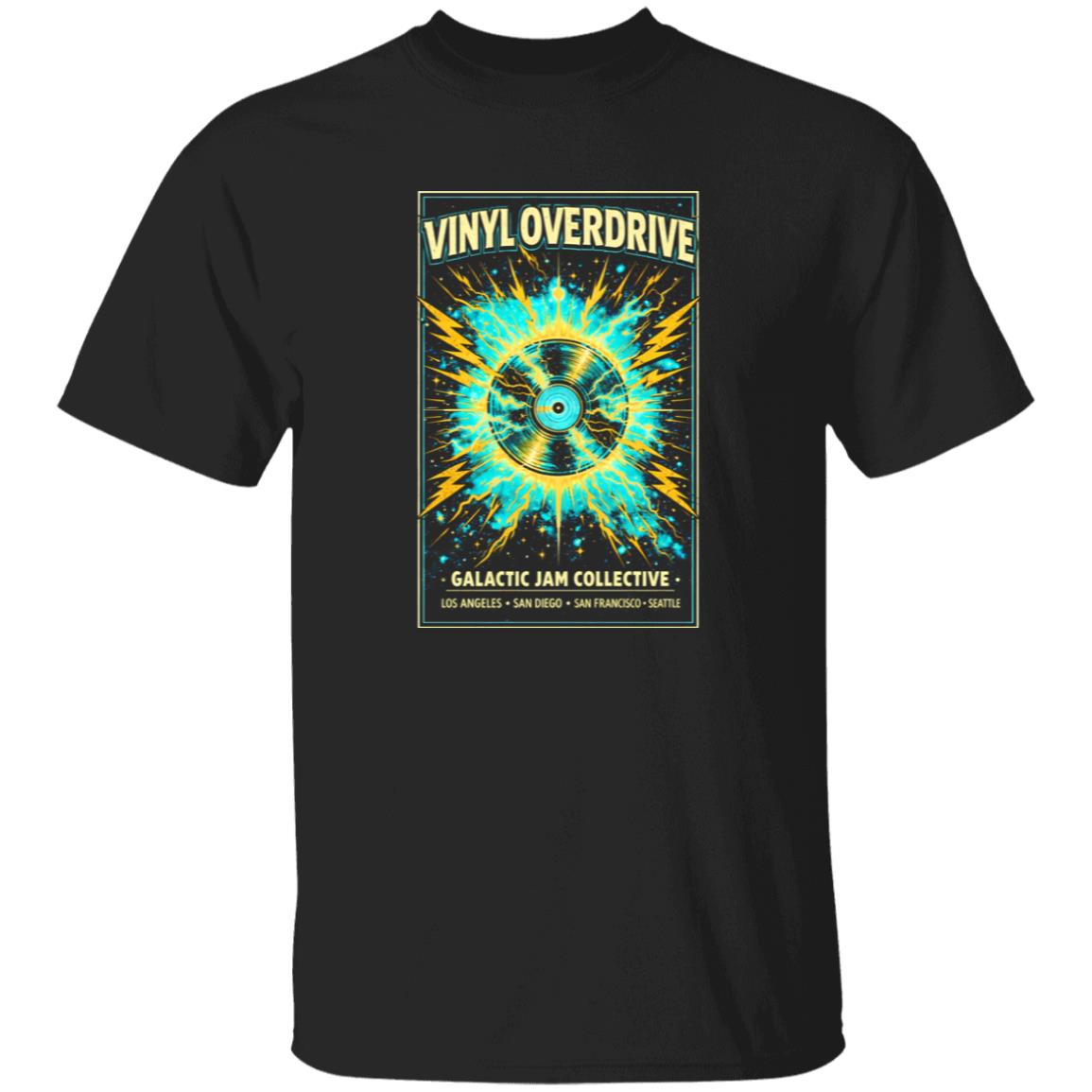
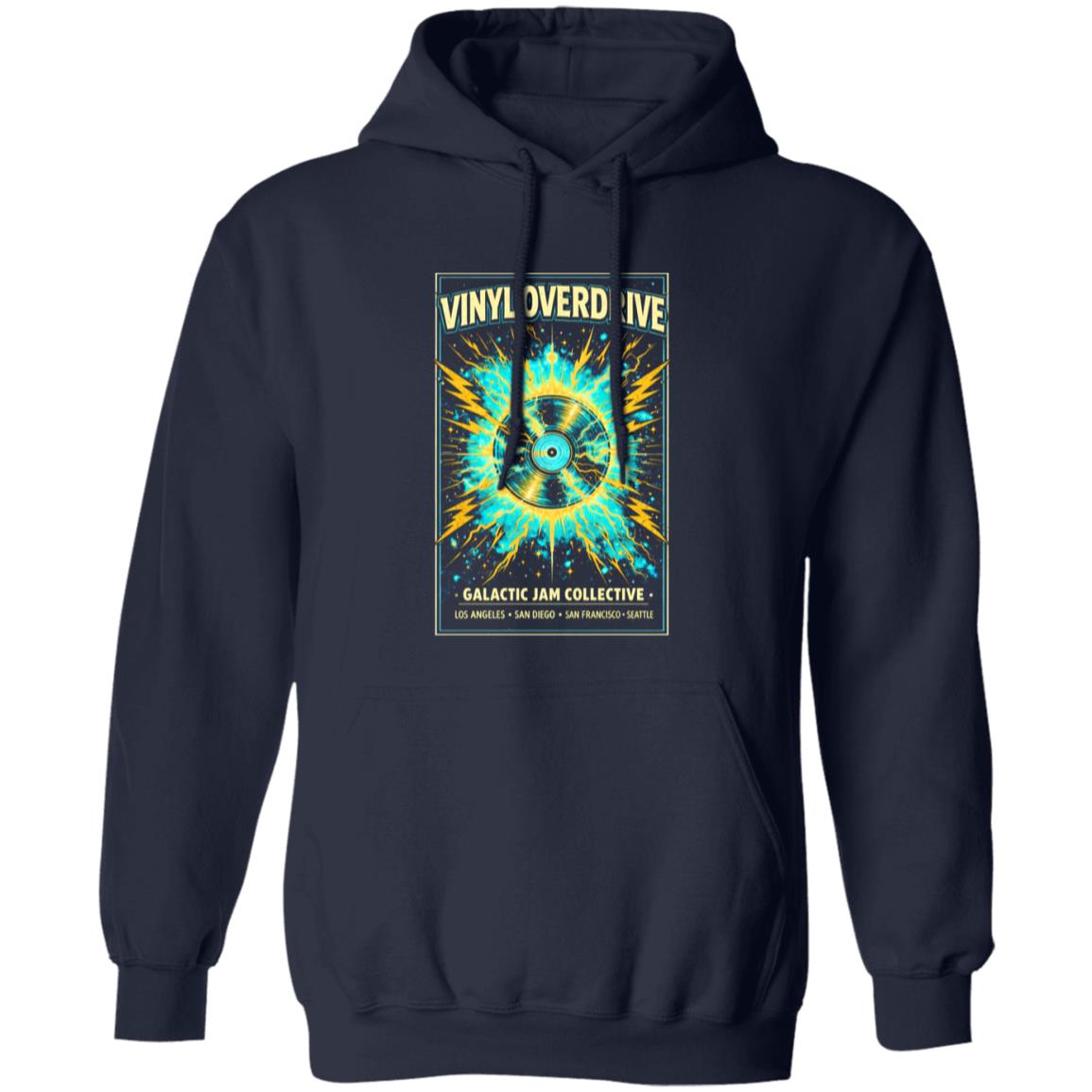
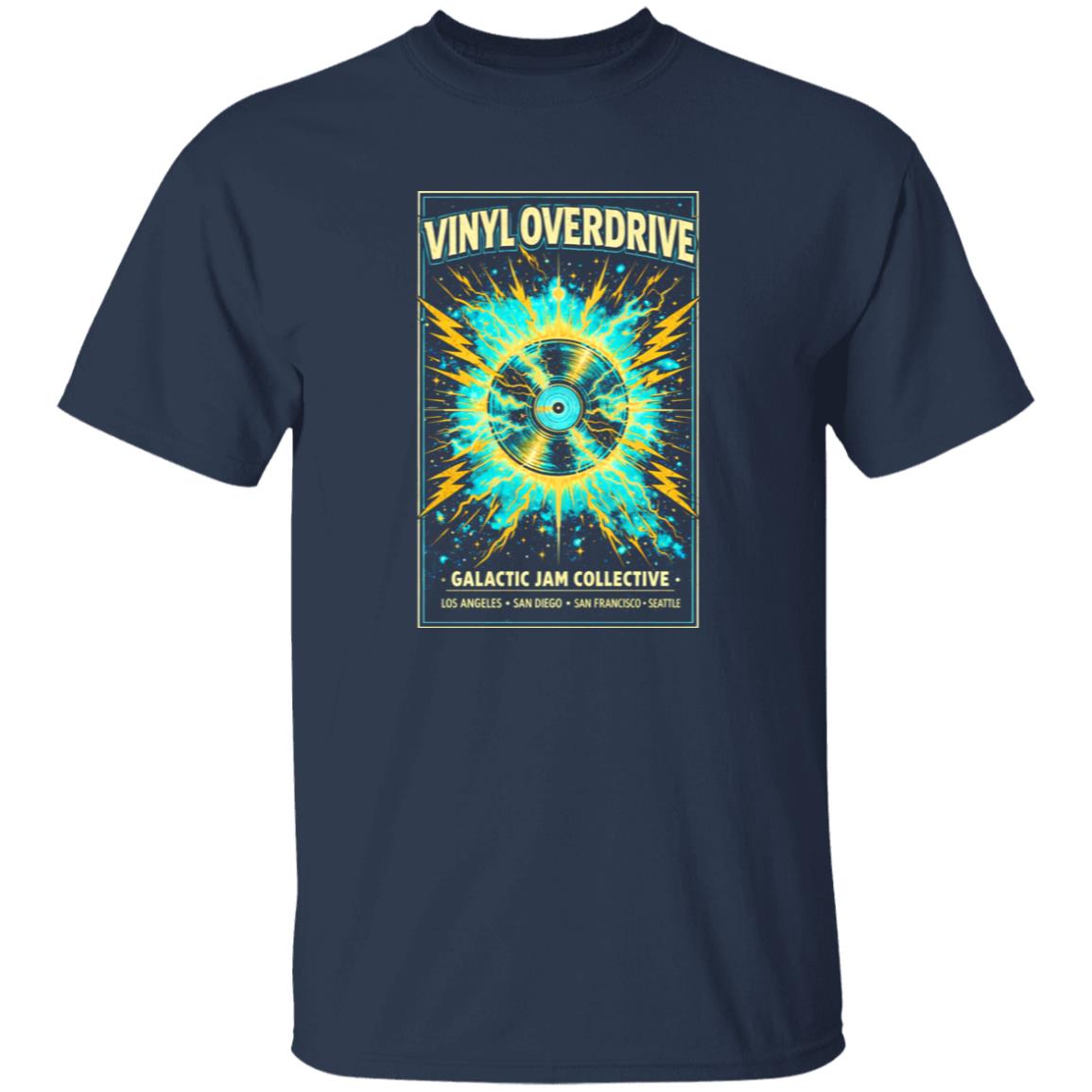
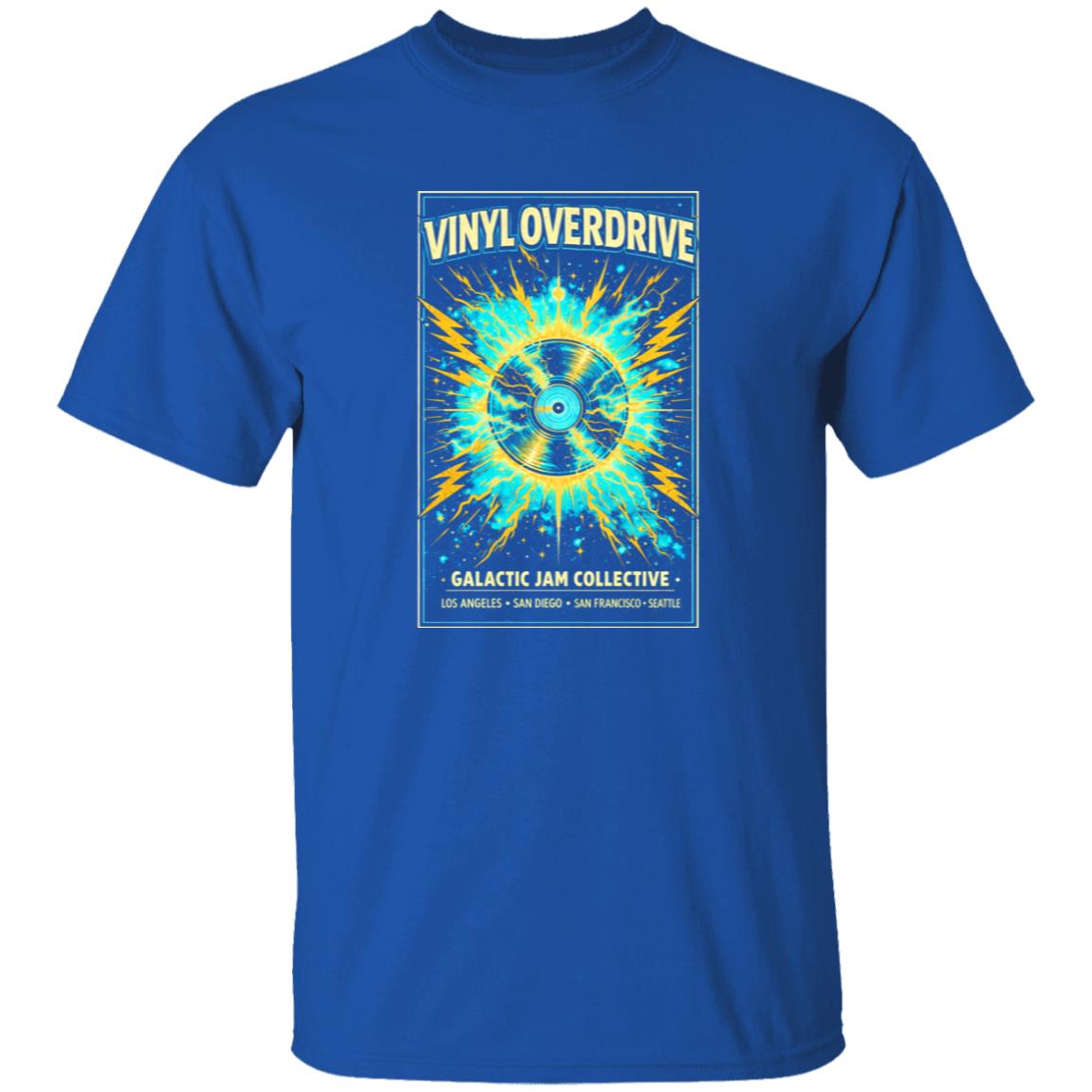
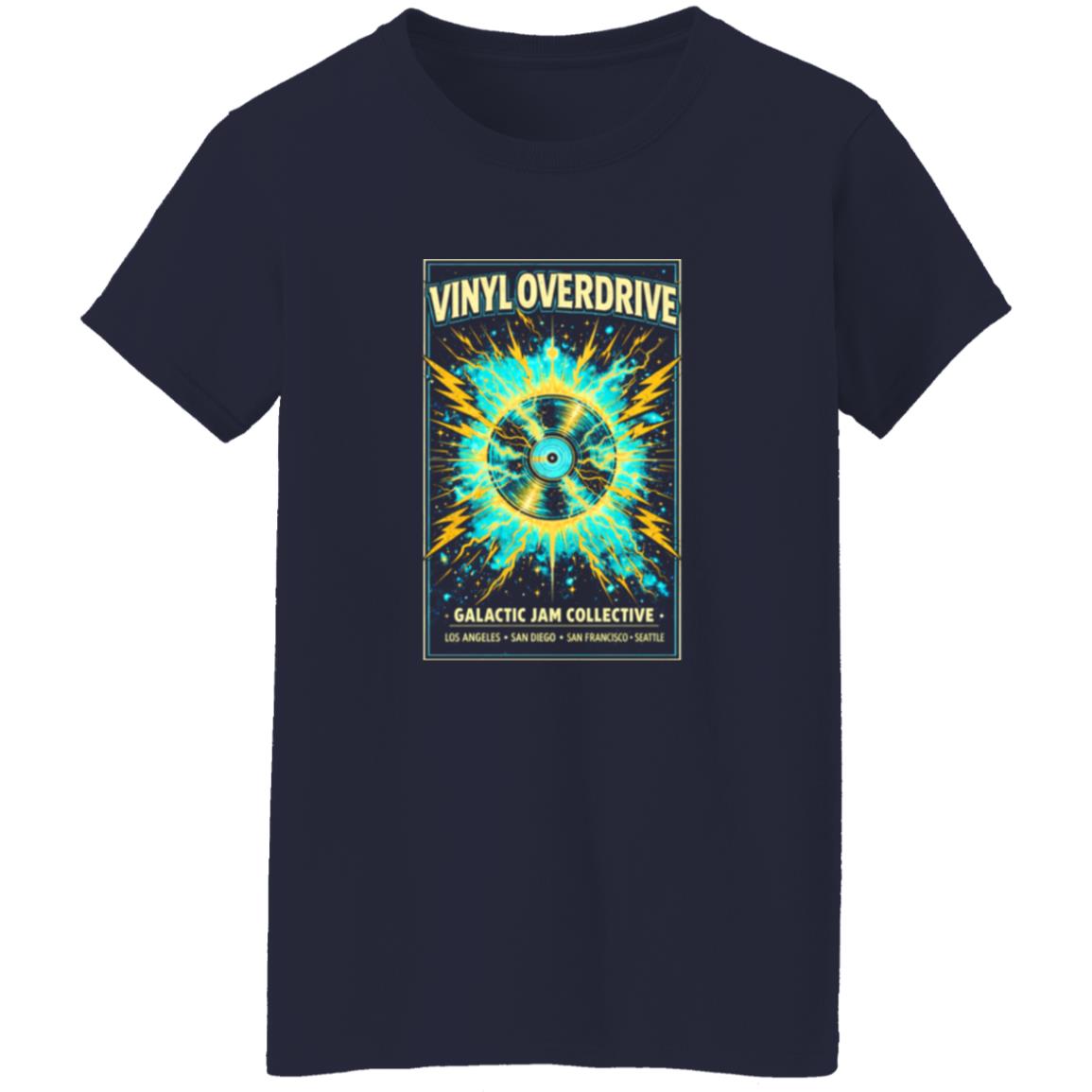
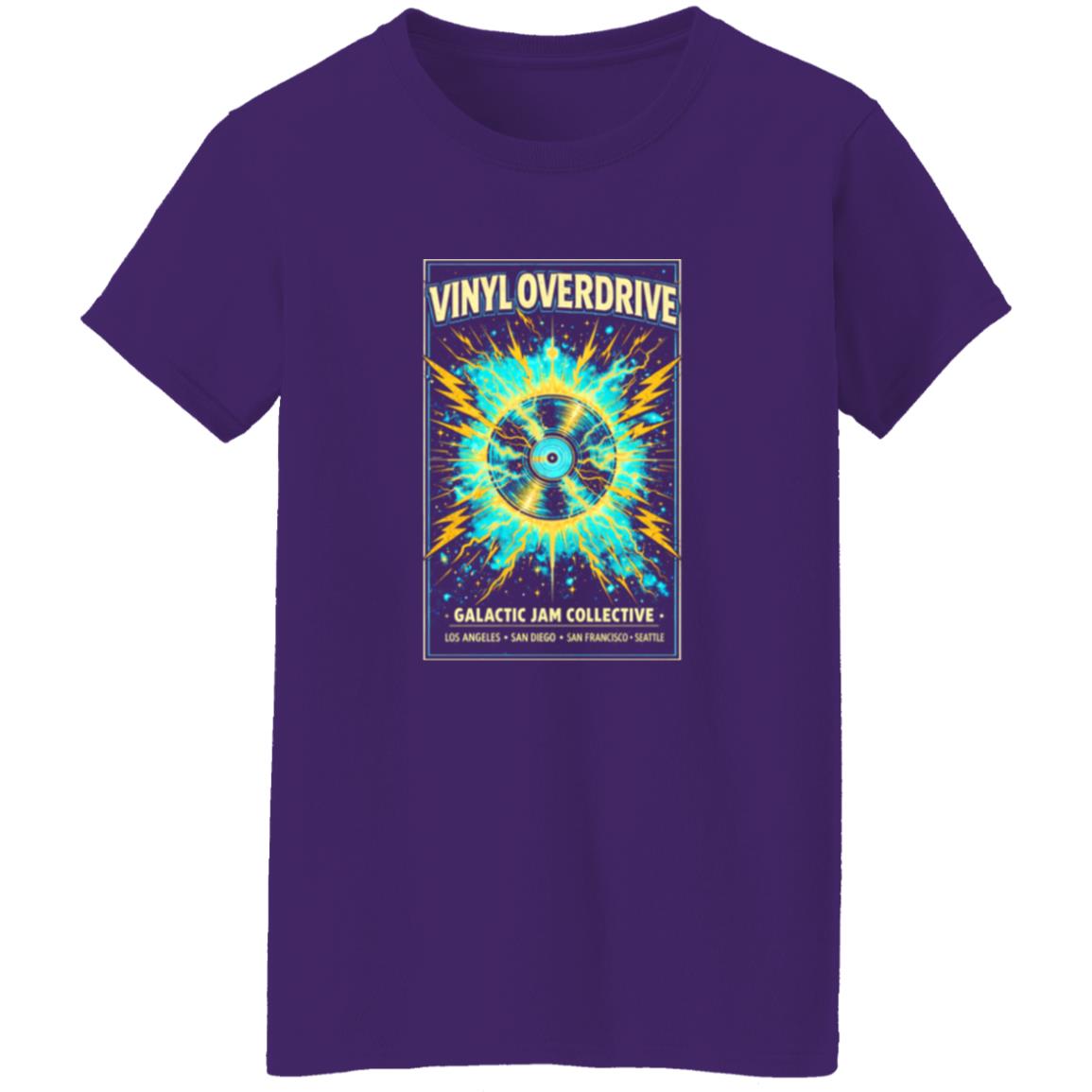
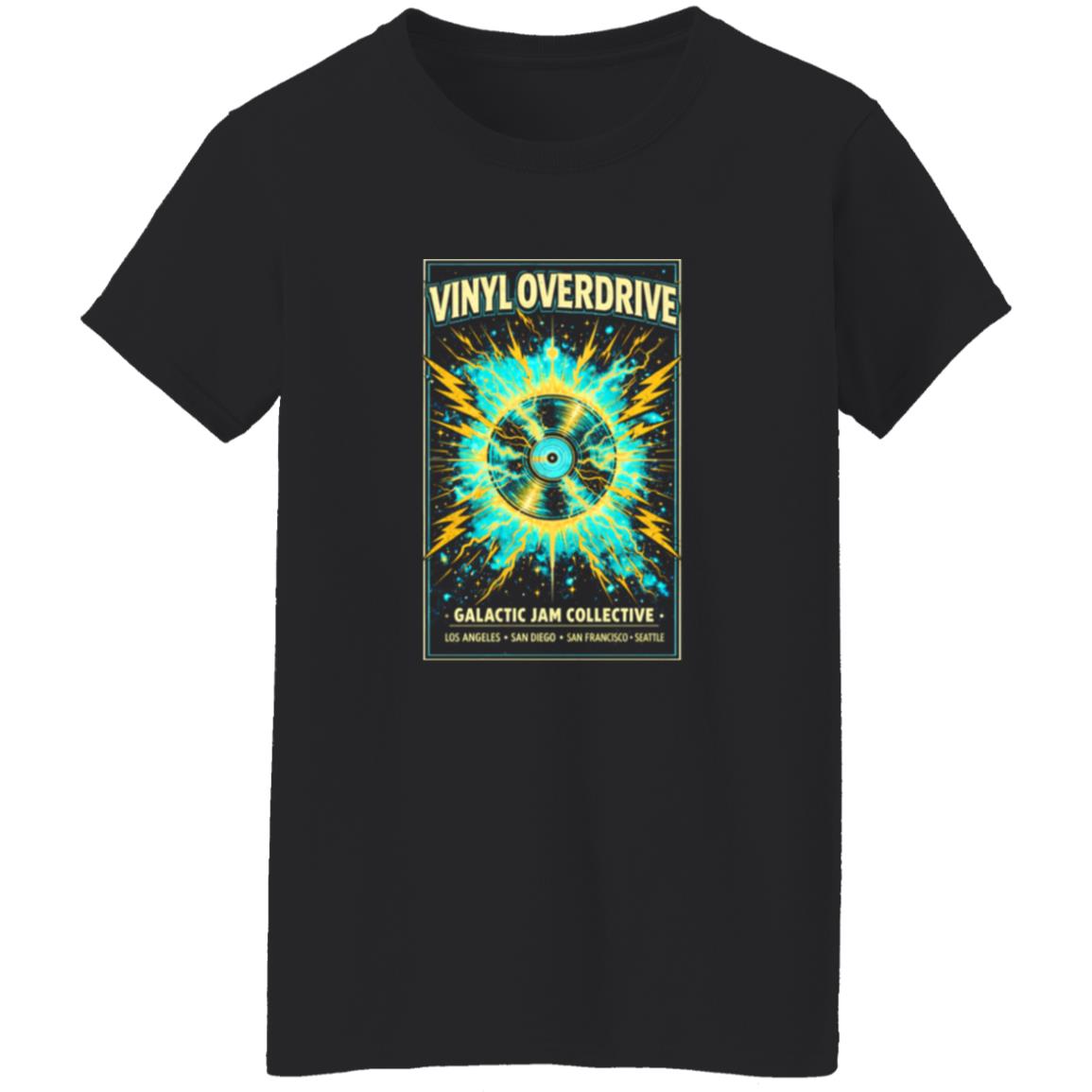
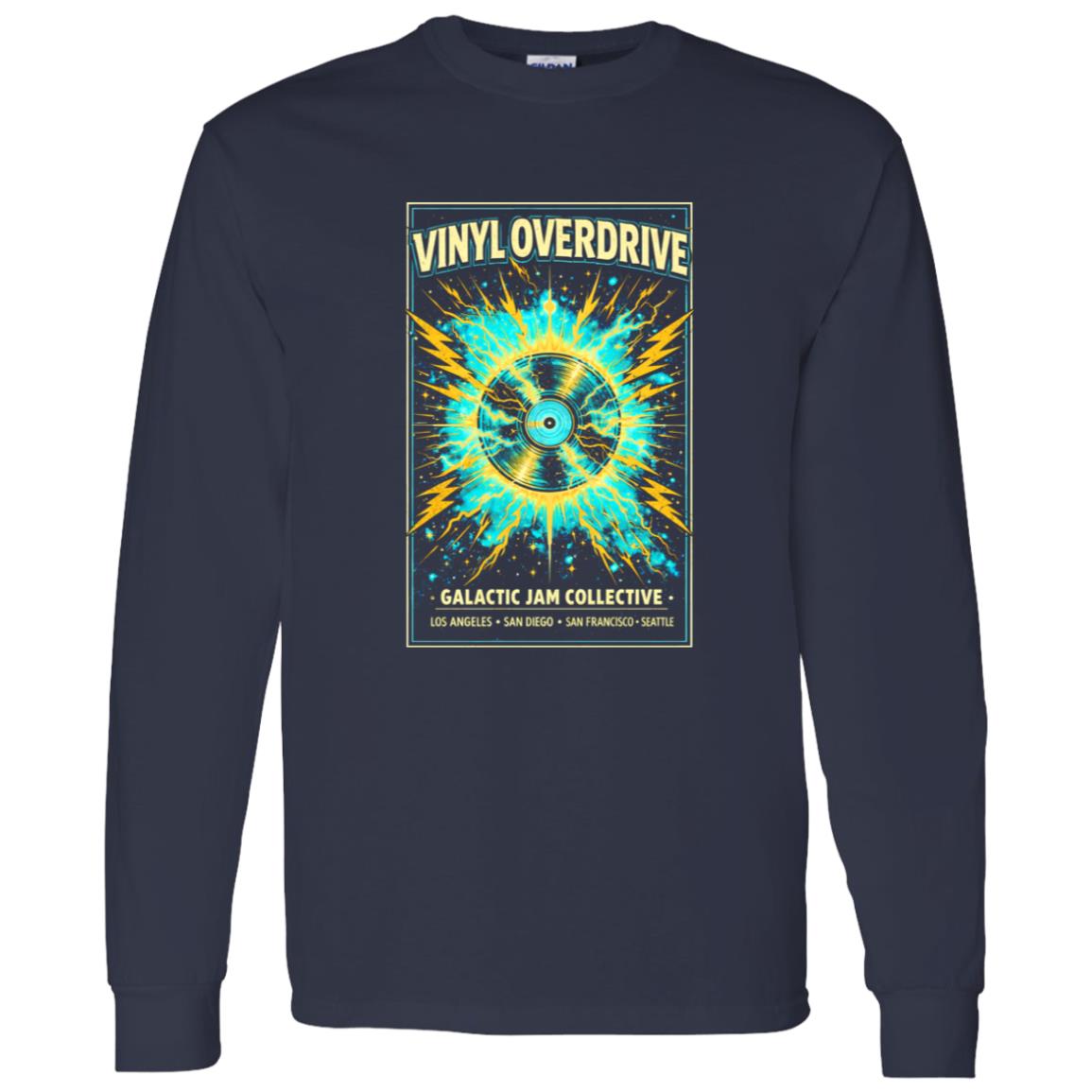
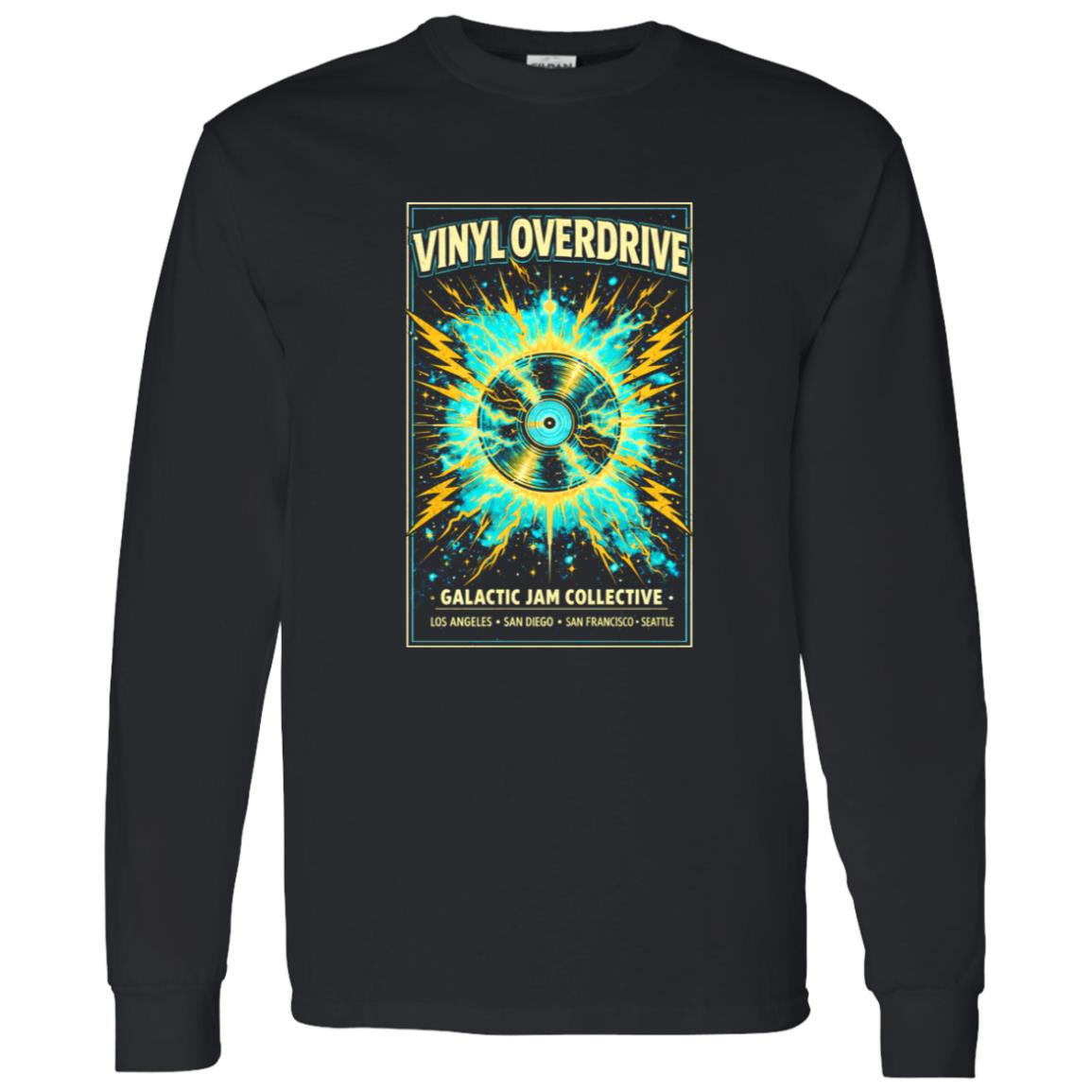
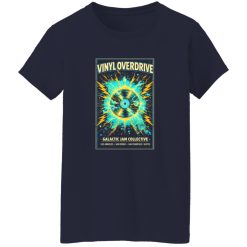
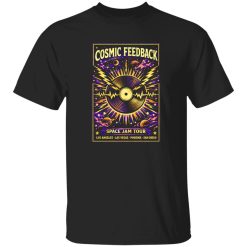
Before streaming flattened sound into convenience, there was a tactile relationship between listener and music—vinyl spinning under a needle, distortion building with intention, and album art acting as a visual gateway into sonic identity. The Cosmic Vinyl Overdrive Rock Shirt draws directly from that analog lineage, translating the raw, immersive energy of vinyl-era rock into a wearable form that feels both grounded in history and alive in the present.
Within the broader space of rock band tour shirts, designs rooted in analog symbolism carry a distinct weight. They don’t just reference music—they reference how music was experienced: physical, imperfect, and deeply personal. This shirt taps into that sensibility with a visual language shaped by distortion, motion, and layered sound imagery.
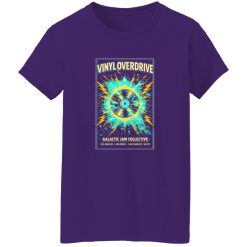
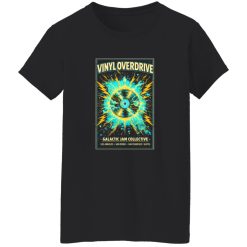
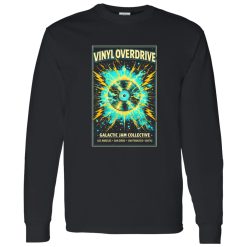
The design language of the Cosmic Vinyl Overdrive Rock Shirt is built around movement—spinning forms, wave-like distortions, and layered textures that echo the mechanics of a turntable in motion. Rather than static imagery, the graphic suggests continuous playback, as if the shirt itself is caught in an endless loop of sound and energy.
This approach aligns with a broader visual tradition in rock culture where motion becomes a symbol of intensity. The “overdrive” element isn’t just a reference to sound distortion—it’s a visual cue that pushes the design beyond clean lines into something more chaotic, more expressive, and ultimately more authentic.
Print textures appear intentionally dynamic, with a slightly worn-in aesthetic that mimics the tactile feel of album sleeves handled over years. The result is not overly polished but deliberately alive, carrying subtle imperfections that reinforce its analog roots.
What makes this piece resonate is how effectively it translates sonic experience into visual form. The shirt doesn’t rely on band-specific iconography; instead, it captures a universal moment in rock culture—the physicality of listening, the ritual of dropping a needle, and the anticipation of that first surge of sound.
This abstraction gives the design flexibility while maintaining cultural credibility. It speaks to collectors who understand vinyl culture, but it also appeals to a broader audience drawn to the aesthetic of classic rock without needing direct affiliation to a single artist.
In styling terms, the shirt naturally anchors outfits that lean into texture and contrast. The graphic provides enough visual density to act as a focal point, allowing the rest of the outfit to stay relatively minimal while still feeling complete.
Analog culture has moved beyond being a niche interest—it now functions as a counterbalance to digital saturation. In that context, the Cosmic Vinyl Overdrive Rock Shirt becomes more than a stylistic choice; it becomes a subtle signal of preference. It reflects an appreciation for depth, texture, and intentional imperfection.
This nostalgia is not about recreating the past exactly as it was. Instead, it reframes analog elements through a contemporary lens, allowing wearers to connect with the essence of that era while remaining fully present in modern style contexts.
There’s also a communal aspect embedded in this aesthetic. Vinyl culture, much like rock itself, thrives on shared experiences—record stores, listening sessions, and conversations around sound. Wearing a design that references this world creates an unspoken connection between those who recognize its meaning.
In a market filled with direct band references and overt branding, pieces like this stand out by operating on a more conceptual level. They reward recognition rather than demand attention, which often results in stronger long-term appeal.
Despite its layered visual identity, the shirt remains highly wearable. The graphic’s balance between complexity and clarity ensures that it doesn’t overwhelm the overall look, making it adaptable across different settings and personal styles.
It holds its own in relaxed daytime environments but doesn’t feel out of place in more expressive nighttime settings. That adaptability is key for modern wardrobes, where versatility often determines how frequently a piece is worn.
The silhouette supports this flexibility as well. It sits comfortably within the expected proportions of contemporary graphic tees, allowing it to integrate seamlessly with existing pieces rather than requiring a complete style shift.
Over time, the shirt develops a lived-in character that enhances its original concept. As the fabric softens and the print settles, the overall look becomes more aligned with the analog inspiration behind it—slightly worn, but more authentic because of it.
There’s a difference between referencing rock culture and embodying it. The Cosmic Vinyl Overdrive Rock Shirt leans into embodiment by focusing on experience rather than surface-level imagery. It doesn’t tell you what to listen to—it reminds you how listening used to feel.
That distinction is what gives the design staying power. It avoids being tied to a specific moment or trend, instead anchoring itself in a broader cultural foundation that continues to influence music, fashion, and visual art.
For those building a collection of rock-inspired apparel, pieces like this serve as connective tissue between different eras and styles. They bridge the gap between classic and contemporary, offering something that feels both familiar and fresh.
In a landscape where authenticity often gets diluted by repetition, this shirt stands out by returning to the source—sound, texture, and the visual language that has always surrounded them.
| Product | Cosmic Vinyl Overdrive Rock Shirt – Analog Energy Meets Modern Rock Style |
|---|---|
| SKU | cc-1049-9966-108602925-1773910727881 |
| Fabric Weight | Midweight (5.3 oz) – Heavyweight (6.0 oz Long Sleeve) |
| Material Composition | Solid Colors: 100% Cotton Ash Grey: 99% Cotton / 1% Polyester Sport Grey: 90% Cotton / 10% Polyester Dark Heather: 50% Cotton / 50% Polyester |
| Fit | Classic Unisex Fit (Ladies: Slightly Tapered Missy Fit) |
| Construction | Double-needle stitching Taped neck & shoulders Preshrunk jersey knit Tearaway label |
| Hoodie Material (G185) | 8.0 oz – 50% Cotton / 50% Polyester |
| Available Sizes | S – 5XL (6XL select colors only) |
| Origin | Made with sustainably and fairly grown USA cotton; Printed in USA |
| Print Method | DIGISOFT® Direct-to-Garment (DTG) |
| Brand | Capital T-Shirts |
| Fast & Reliable Shipping | All orders are professionally printed and shipped from the USA. |
|---|---|
| Processing Time | Printed on demand within 1–3 business days. |
| Shipping Time | USA: 4–7 business days International: 7–15 business days |
| Shipping Costs | USA Standard: $5.99 International Standard: $9.99 |
| Secure Checkout | Safe & encrypted payment processing. Your information is protected at all times. |
| Returns & Exchanges | We offer a 30-day return policy. View Refunds & Returns Policy |
| Customer Guarantee | We stand behind the quality of every item we print. |







Reviews
There are no reviews yet.