No products in the cart.
Save 20% on orders over $100 with code CT20

Price range: $21.90 through $44.99
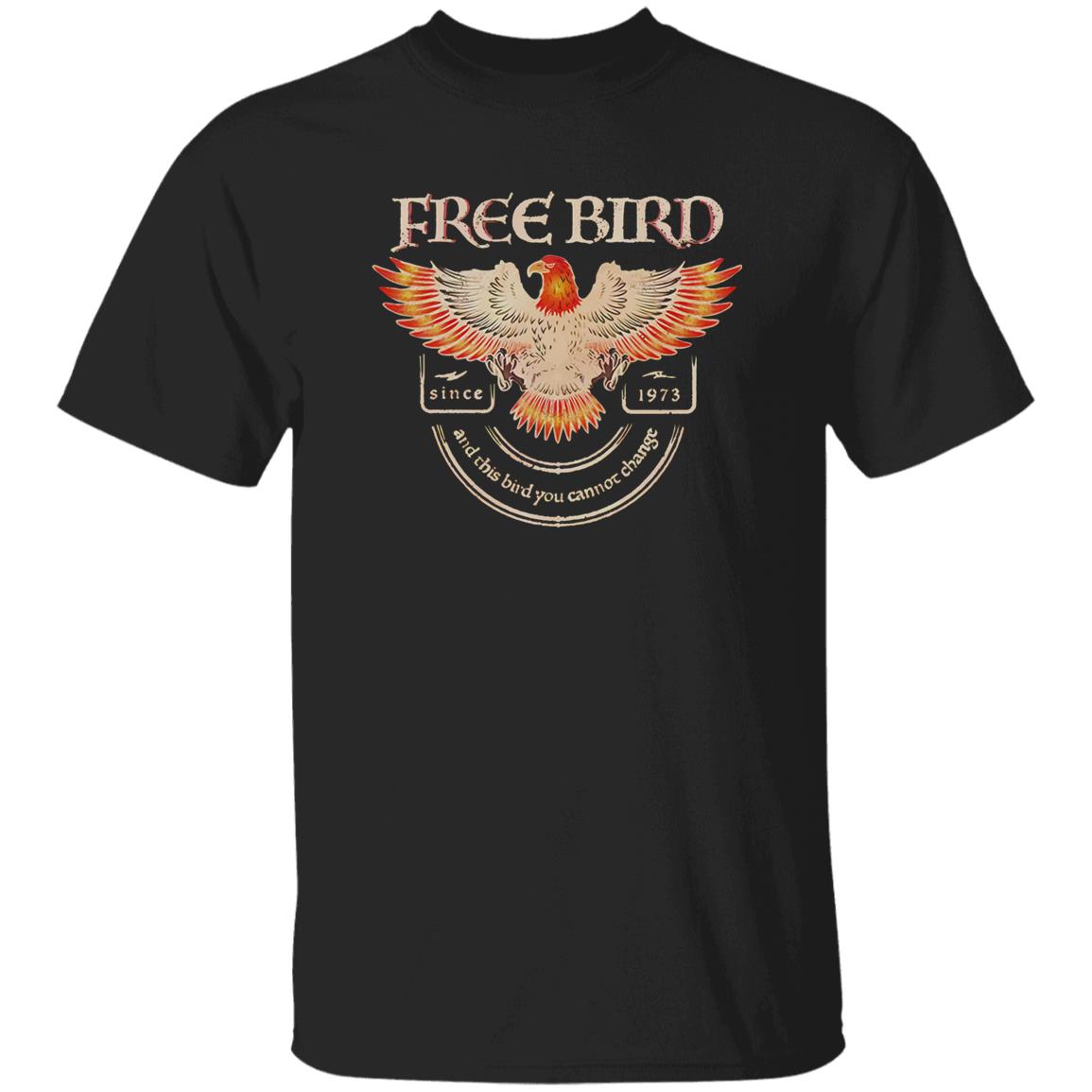
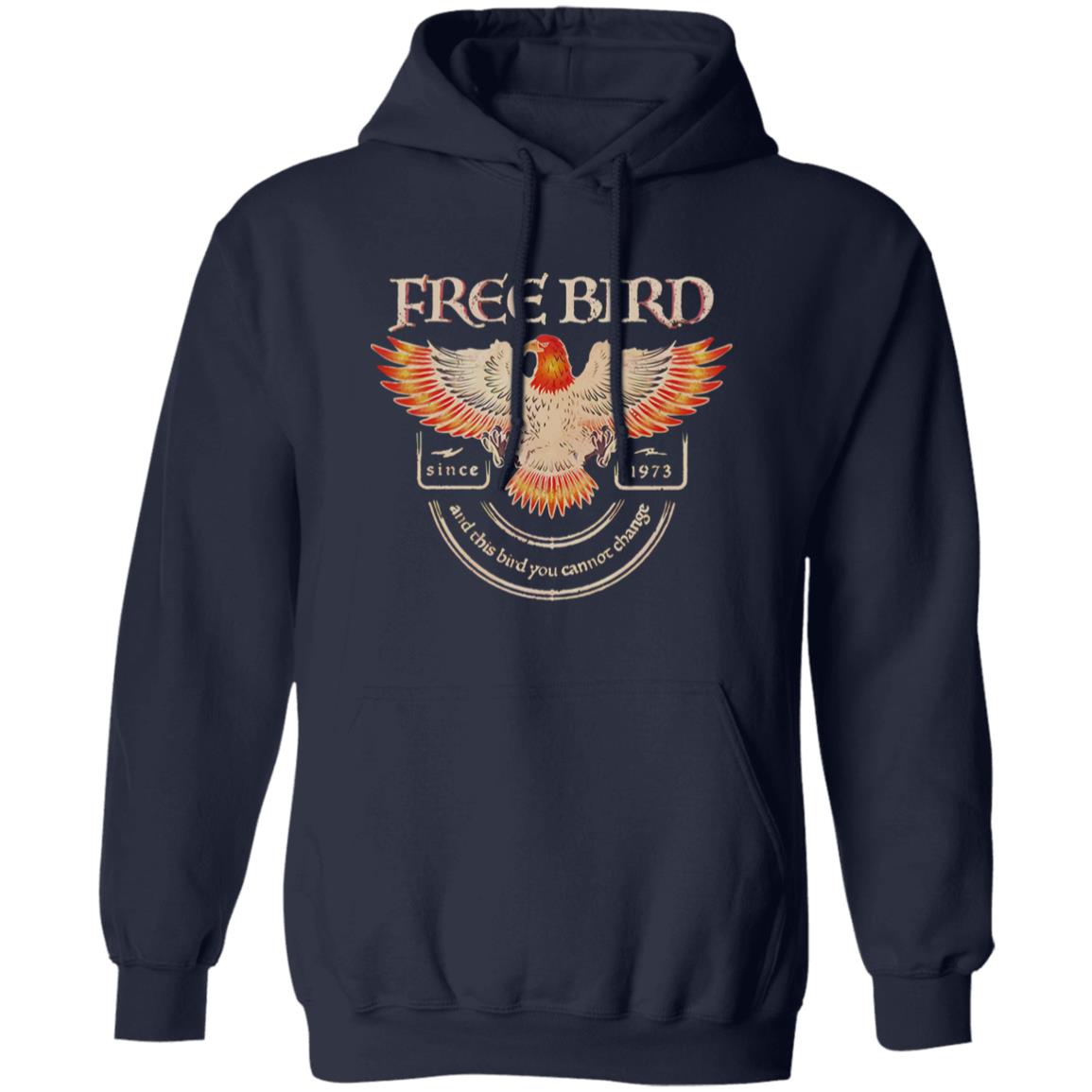
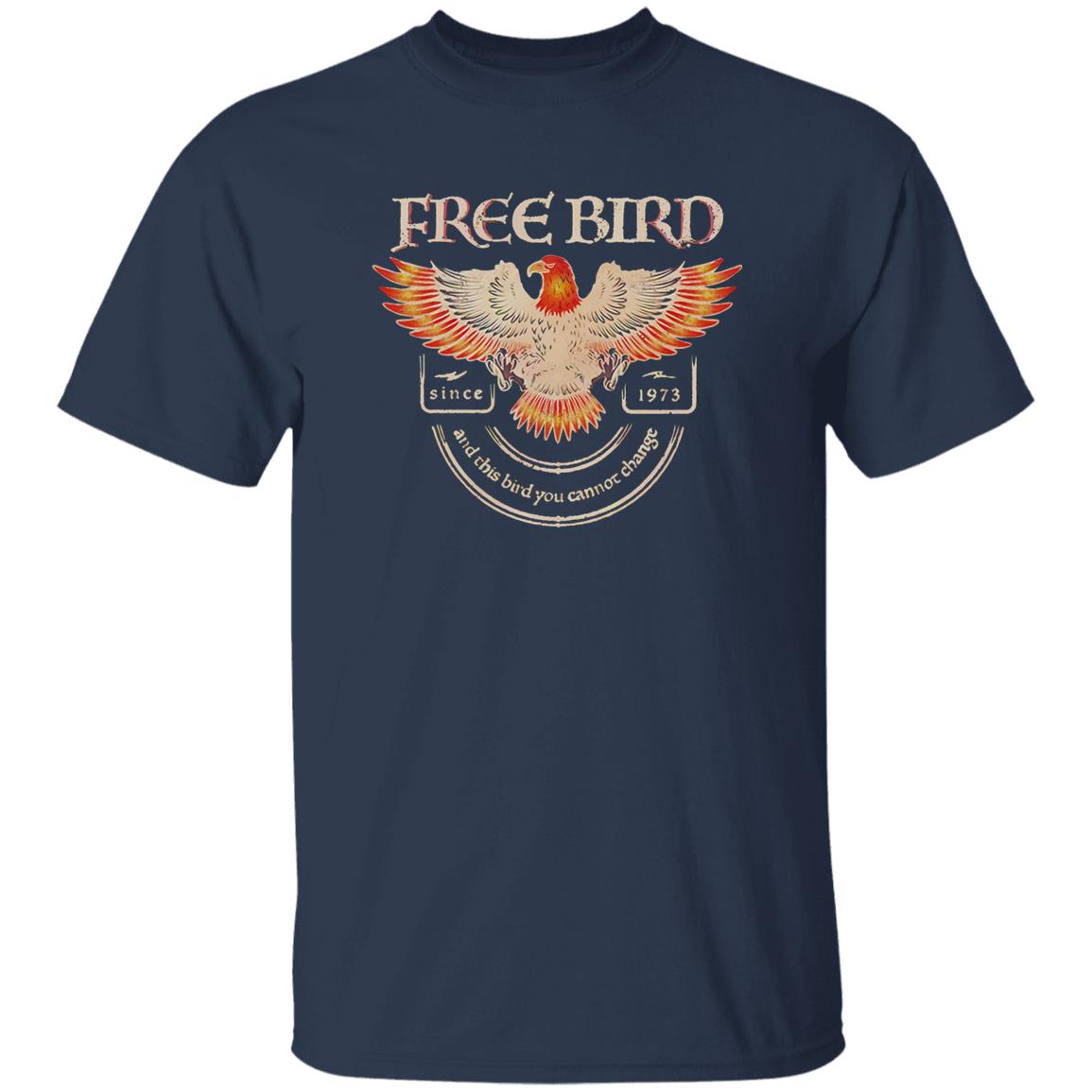
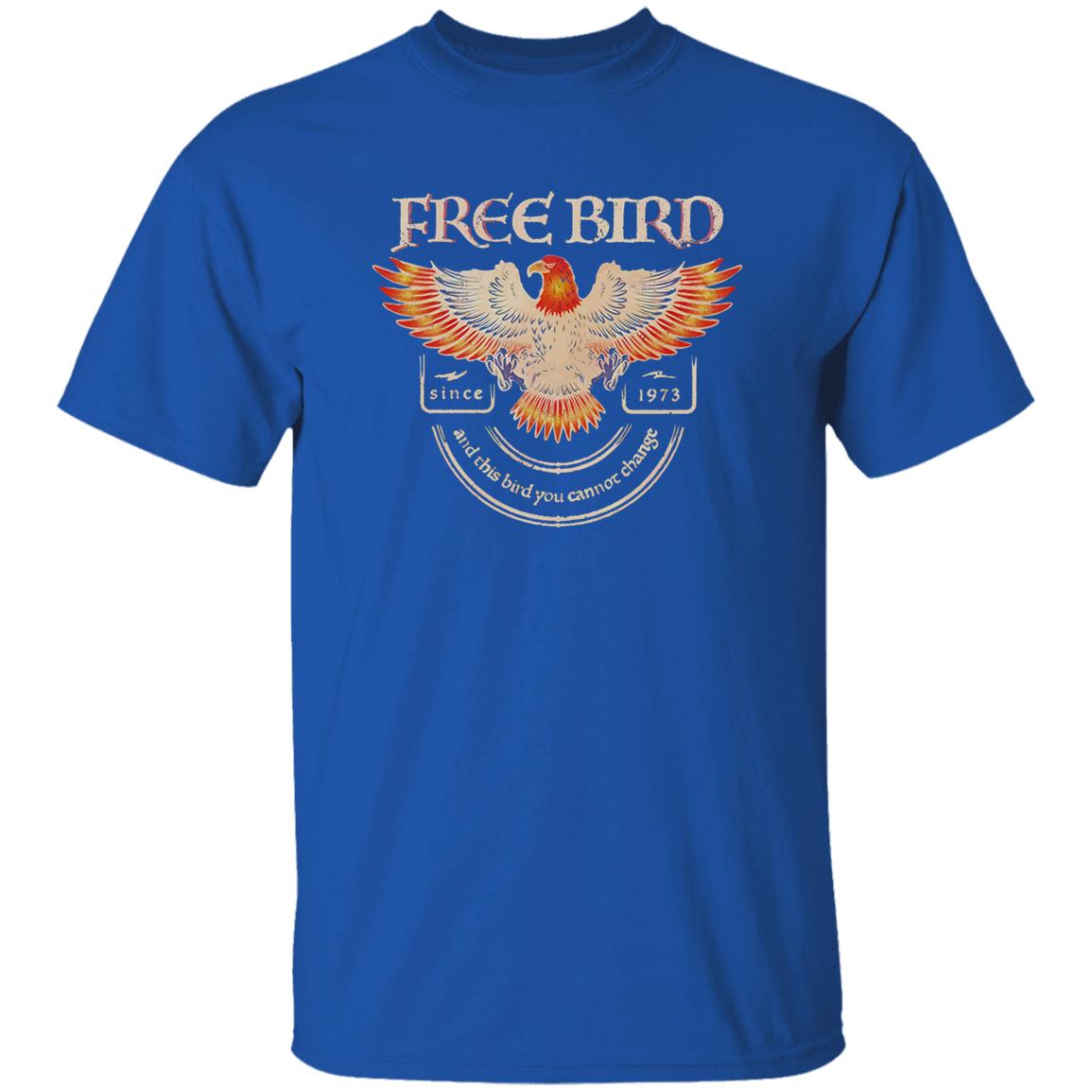
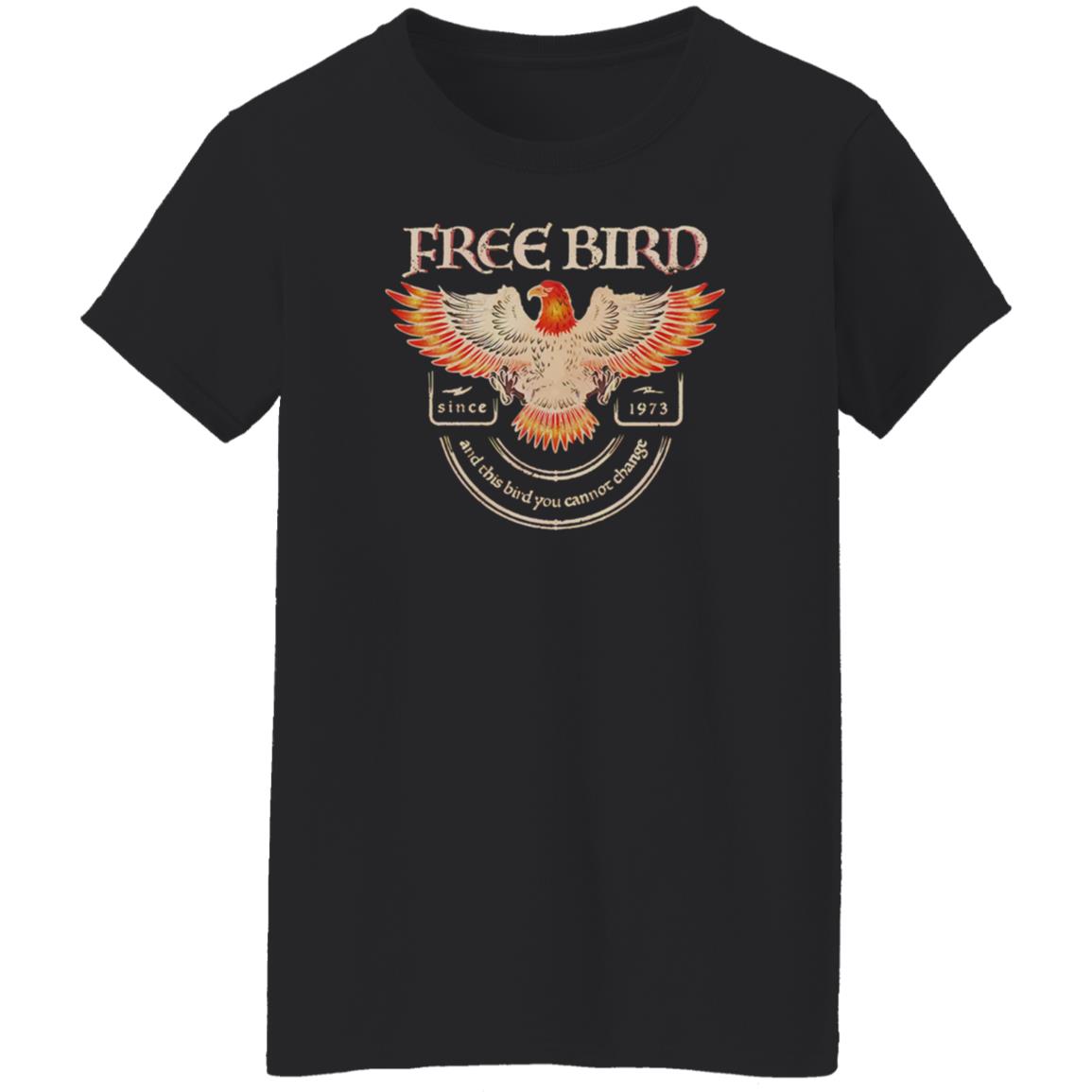
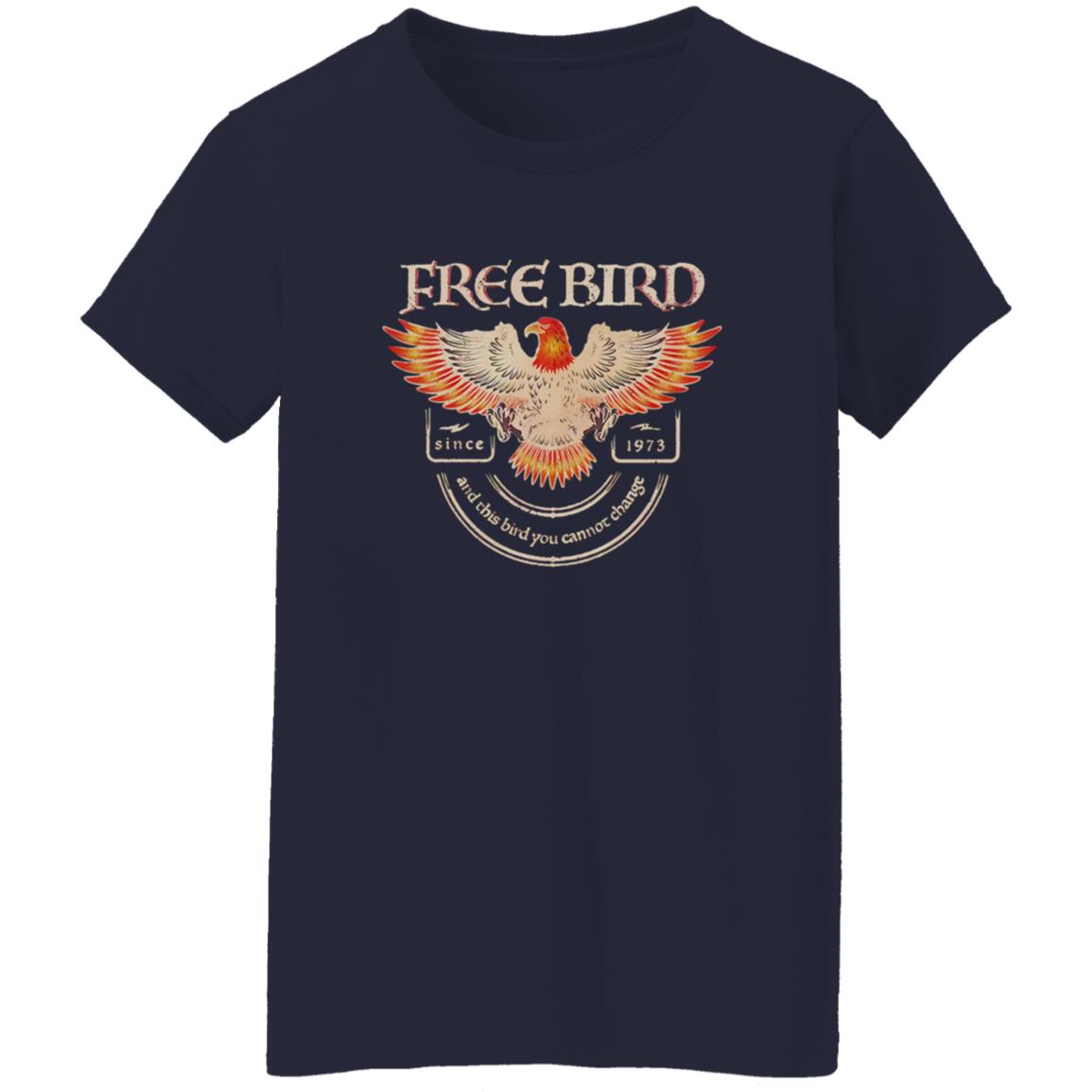
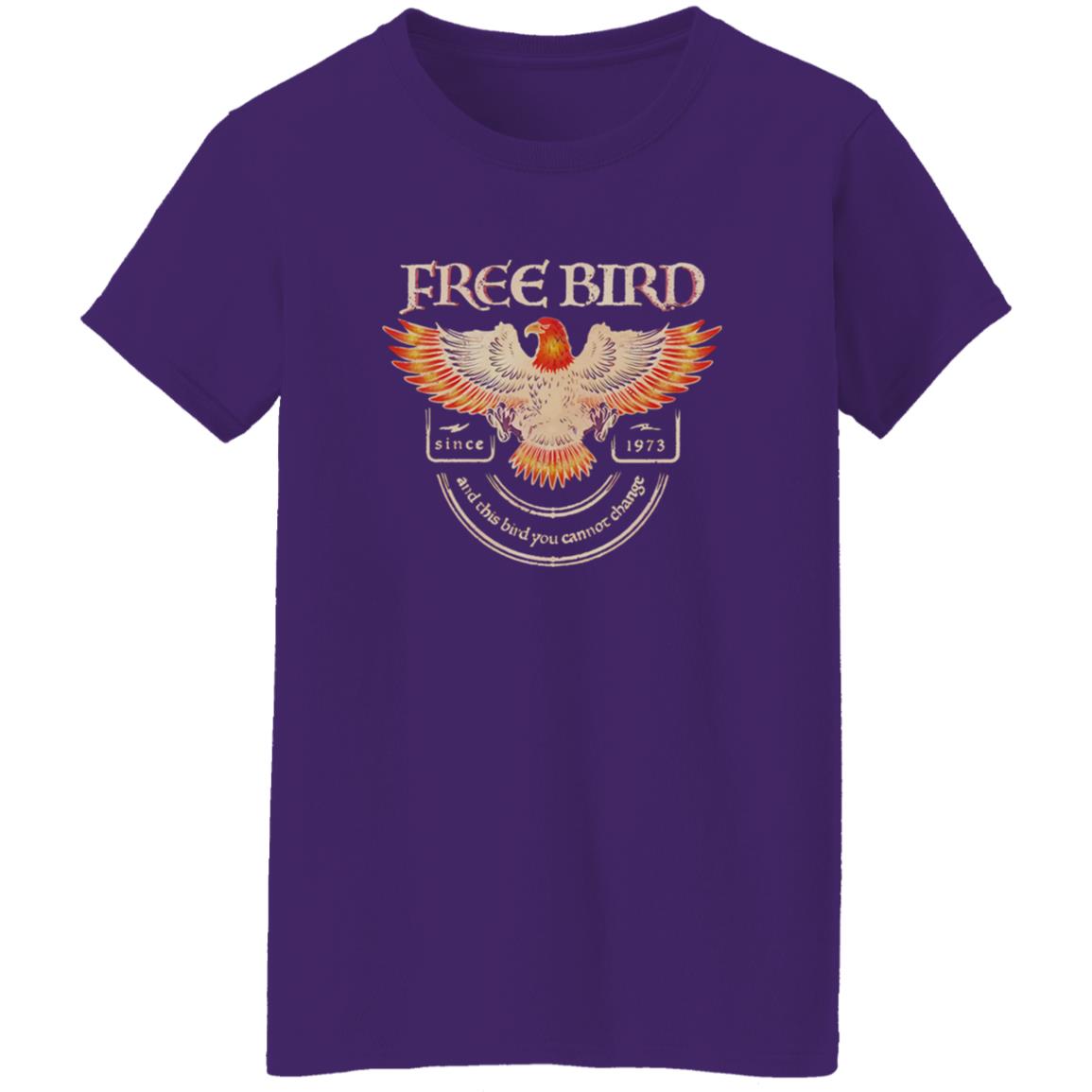
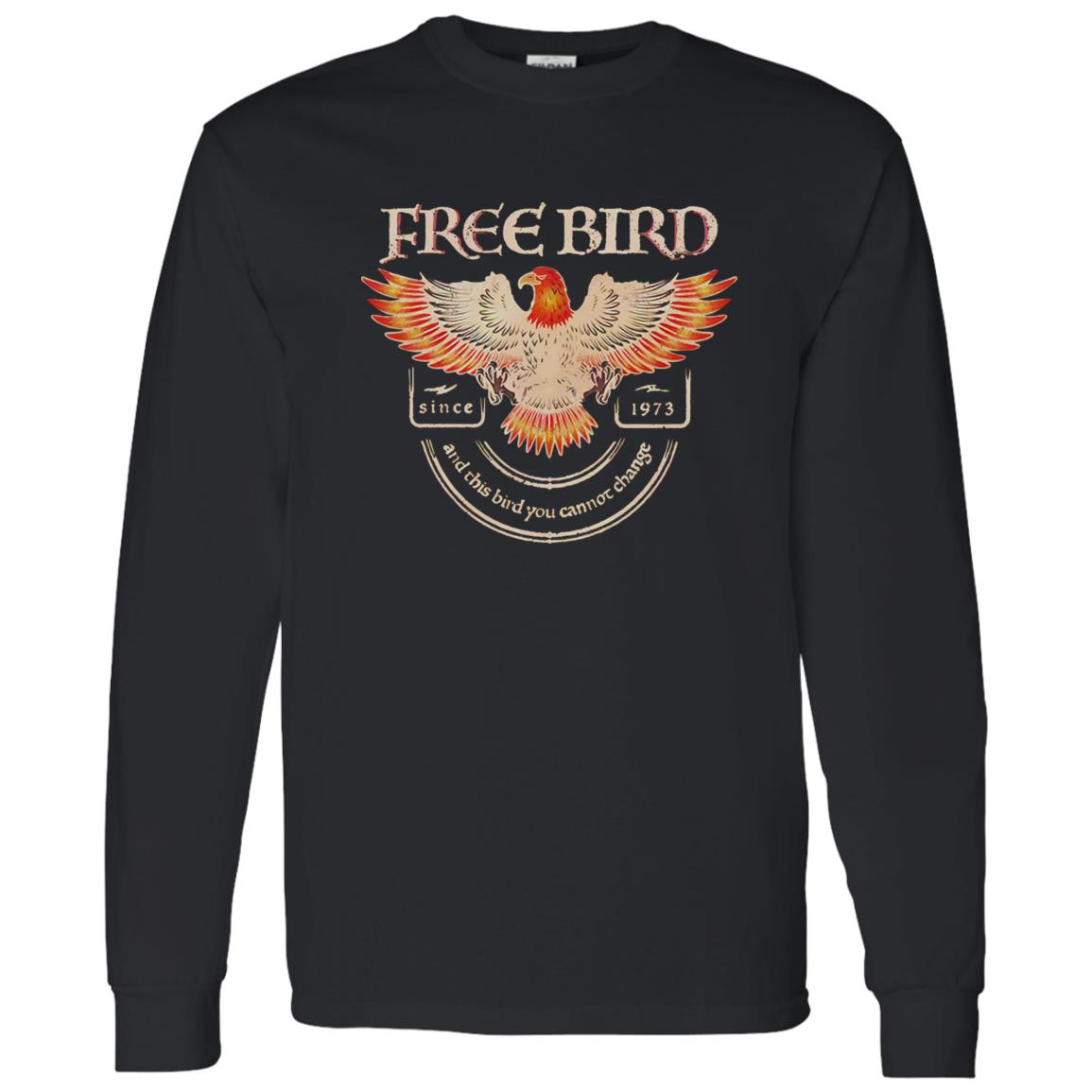
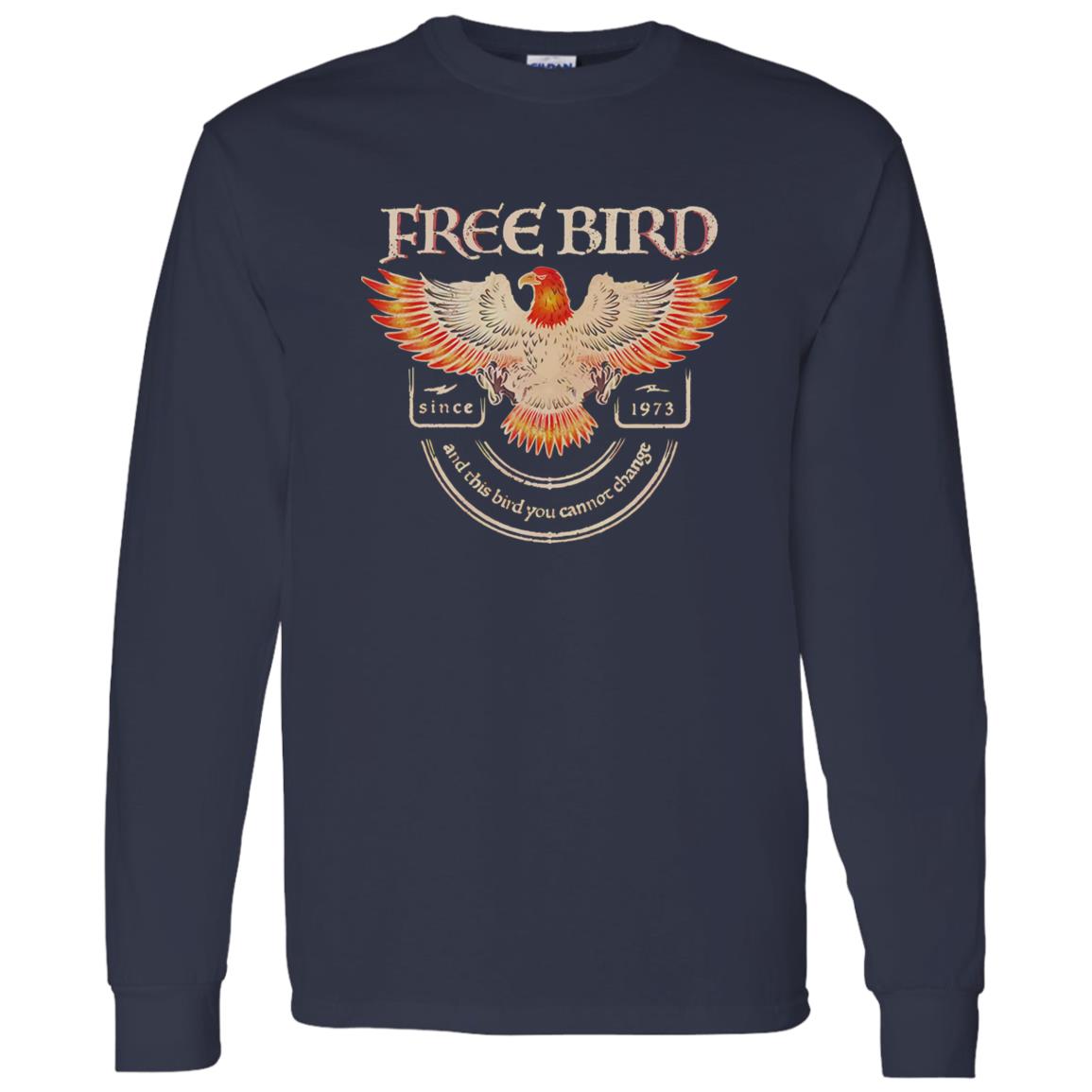
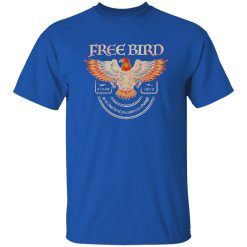
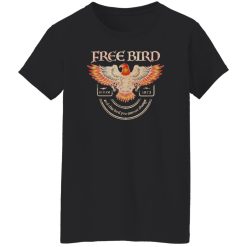
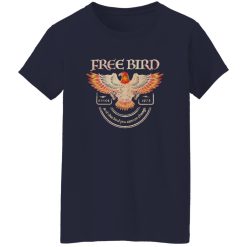
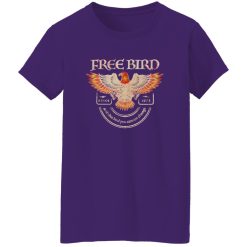
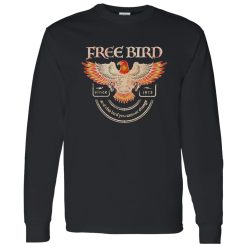
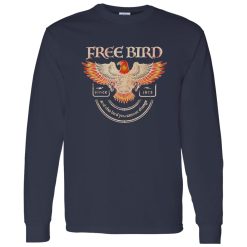
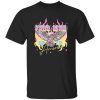
The image hits before the name does—wings stretched wide, an eagle caught mid-flight, frozen in a moment that feels both free and defiant. The FREE BIRD 1973 Spread Wings Eagle Patch Shirt doesn’t just reference a song. It channels a specific era of rock where movement, rebellion, and identity weren’t separate ideas—they were the same thing.
That’s what makes this type of graphic more than just decoration. It carries a visual language built from Southern rock energy, road culture, and the mythology of freedom that defined early 70s music scenes.
“Free Bird” wasn’t just a track—it became a cultural shorthand. It stood for escape, movement, and a refusal to stay grounded. The eagle, especially in spread-wing form, mirrors that idea perfectly. It’s not passive imagery. It’s motion, dominance, and independence captured in a single frame.
1973 matters too. It anchors the design in a specific historical moment—when live performances were raw, extended, and often unpredictable. That timestamp adds weight. It turns the shirt from generic rock graphic into something that feels archival.
Visually, the patch-style execution reinforces that authenticity. It echoes biker culture, tour jackets, and stitched memorabilia from that era—where every graphic meant something earned, not just printed.
What started as band-adjacent symbolism has evolved into a broader aesthetic language. Today, graphics like this sit comfortably inside modern band graphic tees, but they carry a deeper lineage than most contemporary prints.
The spread-wing eagle isn’t just nostalgic—it translates. In current styling, it works as a bold centerpiece without needing heavy context. Paired with faded denim, layered under a worn jacket, or even contrasted against cleaner silhouettes, the design adapts while keeping its original intensity intact.
That adaptability is key. It shows how certain rock visuals don’t age—they shift environments.
There’s a reason patch-style graphics continue to show up across music apparel. They feel physical, almost tactile—even when printed. That illusion of texture adds depth that flat designs often lack.
More importantly, they suggest history. A patch implies it was placed, collected, or carried over time. That narrative layer is what separates this kind of shirt from trend-driven graphics that feel temporary.
In the context of rock band shirts, it signals something specific: connection to a scene, not just appreciation of a sound.
Unlike louder, more chaotic band graphics, this design holds structure. The central eagle creates a clear visual anchor, making it easier to build around.
You don’t need complexity here. In fact, over-styling weakens it.
The goal isn’t to recreate the 70s. It’s to borrow its attitude and let it sit naturally in a modern context.
Late afternoon, standing outside a small venue, there’s a moment where nothing is happening yet—no music, no crowd movement—just anticipation. That’s the same energy this shirt holds. Not loud, not forced. Just waiting to become something bigger.
Some designs stay surface-level. This one doesn’t. The FREE BIRD 1973 Spread Wings Eagle Patch Shirt operates as a signal—of taste, of reference, of alignment with a specific kind of music culture that values freedom over polish.
It doesn’t try to modernize itself aggressively. It doesn’t need to. The strength is in its clarity—both visually and culturally.
And that’s why it continues to work. Not because it follows trends, but because it comes from something that never needed them in the first place.
| Product | FREE BIRD 1973 Spread Wings Eagle Patch Shirt – Meaning, Style & Cultural Impact |
|---|---|
| SKU | cc-1049-9953-108654496-1775707844704 |
| Fabric Weight | Midweight (5.3 oz) – Heavyweight (6.0 oz Long Sleeve) |
| Material Composition | Solid Colors: 100% Cotton Ash Grey: 99% Cotton / 1% Polyester Sport Grey: 90% Cotton / 10% Polyester Dark Heather: 50% Cotton / 50% Polyester |
| Fit | Classic Unisex Fit (Ladies: Slightly Tapered Missy Fit) |
| Construction | Double-needle stitching Taped neck & shoulders Preshrunk jersey knit Tearaway label |
| Hoodie Material (G185) | 8.0 oz – 50% Cotton / 50% Polyester |
| Available Sizes | S – 5XL (6XL select colors only) |
| Origin | Made with sustainably and fairly grown USA cotton; Printed in USA |
| Print Method | DIGISOFT® Direct-to-Garment (DTG) |
| Brand | Capital T Shirt |
| Fast & Reliable Shipping | All orders are professionally printed and shipped from the USA. |
|---|---|
| Processing Time | Printed on demand within 1–3 business days. |
| Shipping Time | USA: 4–7 business days International: 7–15 business days |
| Shipping Costs | USA Standard: $5.99 International Standard: $9.99 |
| Secure Checkout | Safe & encrypted payment processing. Your information is protected at all times. |
| Returns & Exchanges | We offer a 30-day return policy. View Refunds & Returns Policy |
| Customer Guarantee | We stand behind the quality of every item we print. |

Reviews
There are no reviews yet.