No products in the cart.
Save 20% on orders over $100 with code CT20

New Customer Discount 10% OFF. Enter Coupon Code: CP10


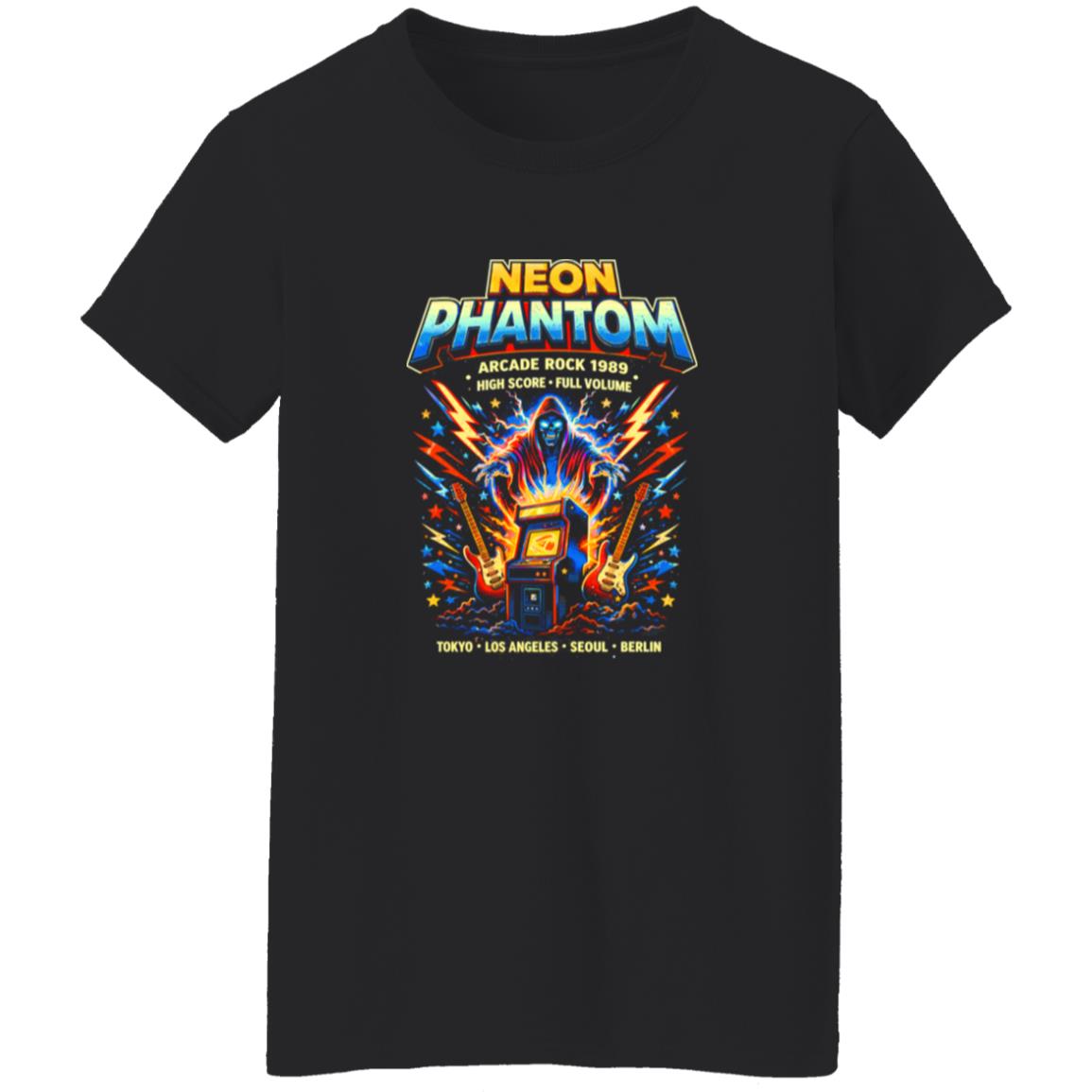
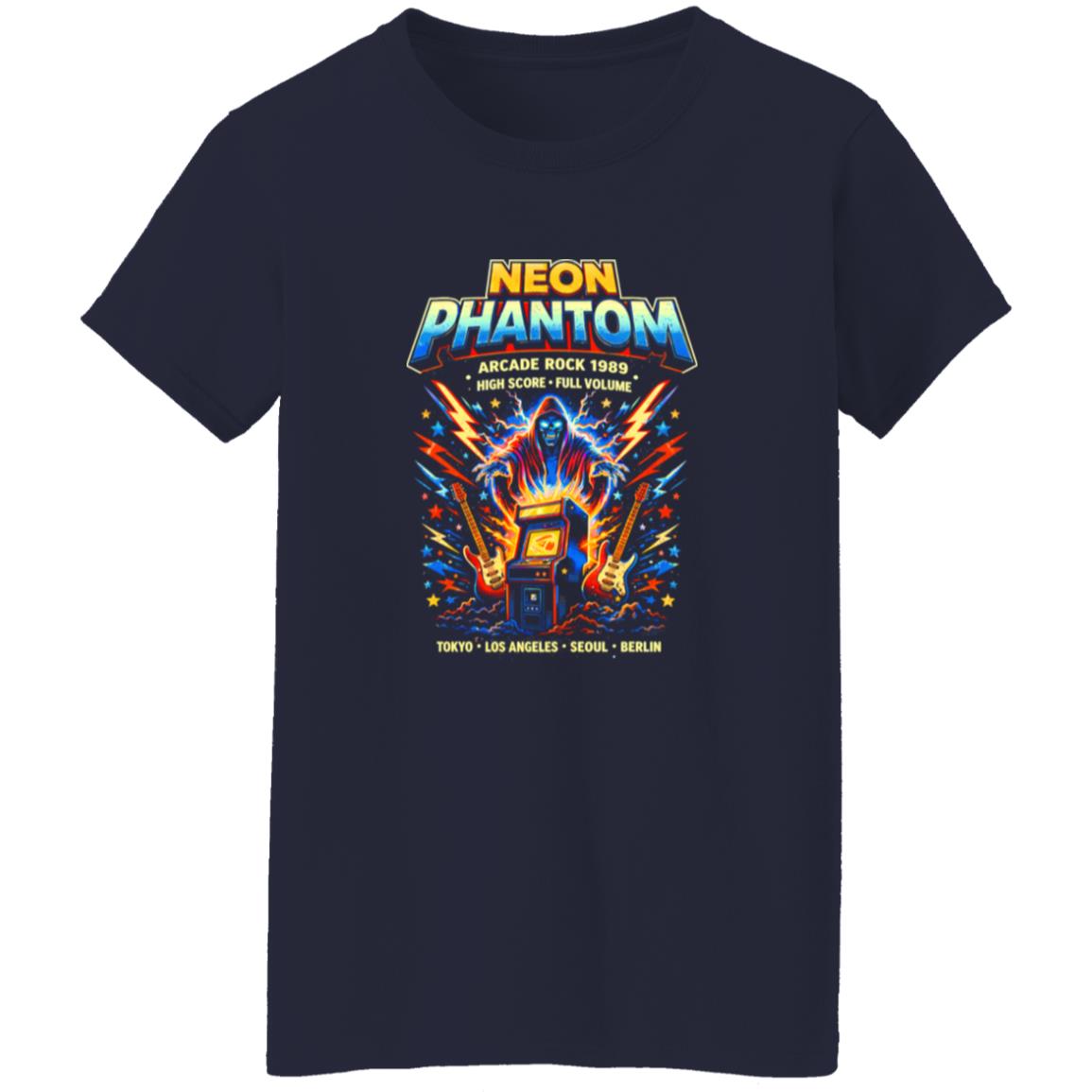
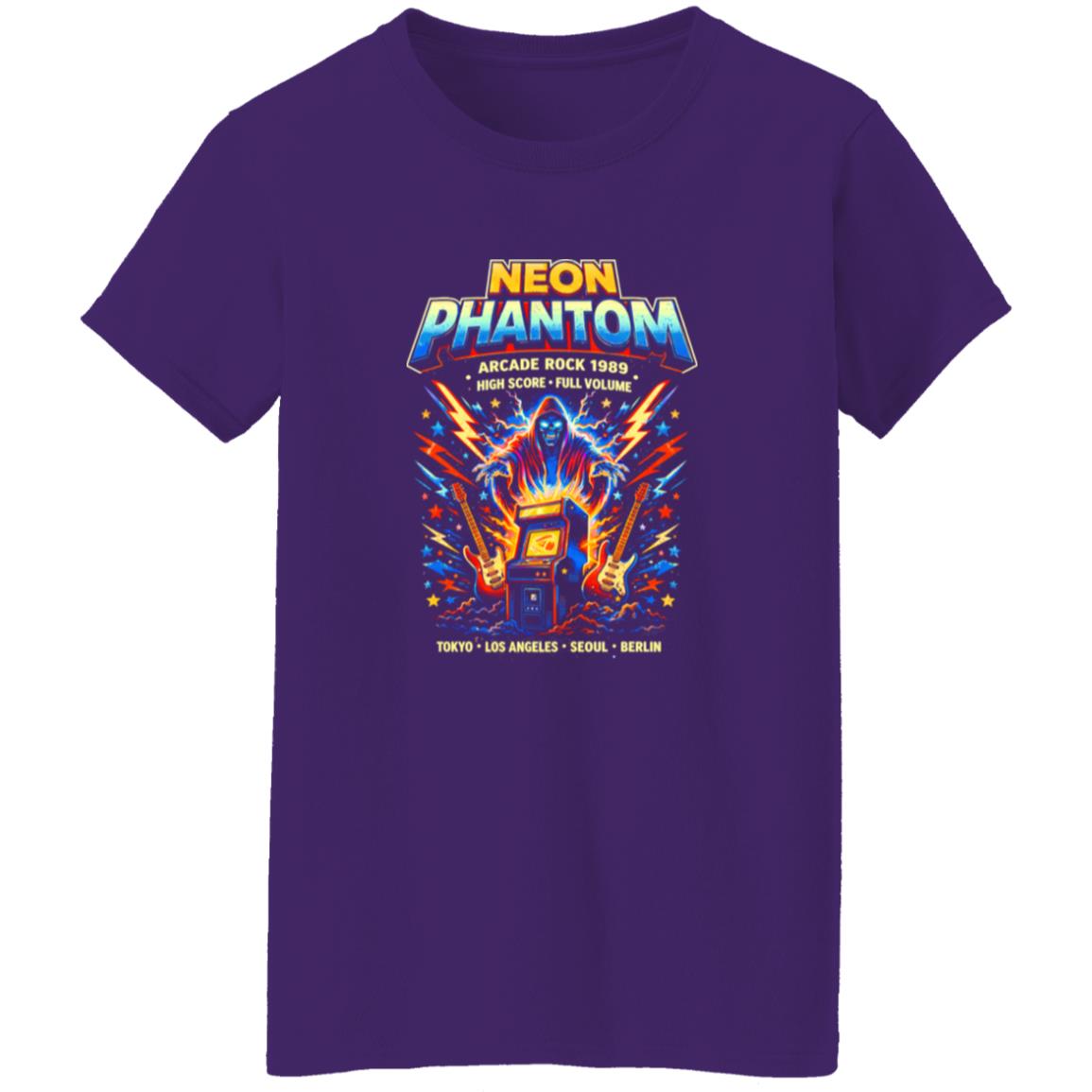
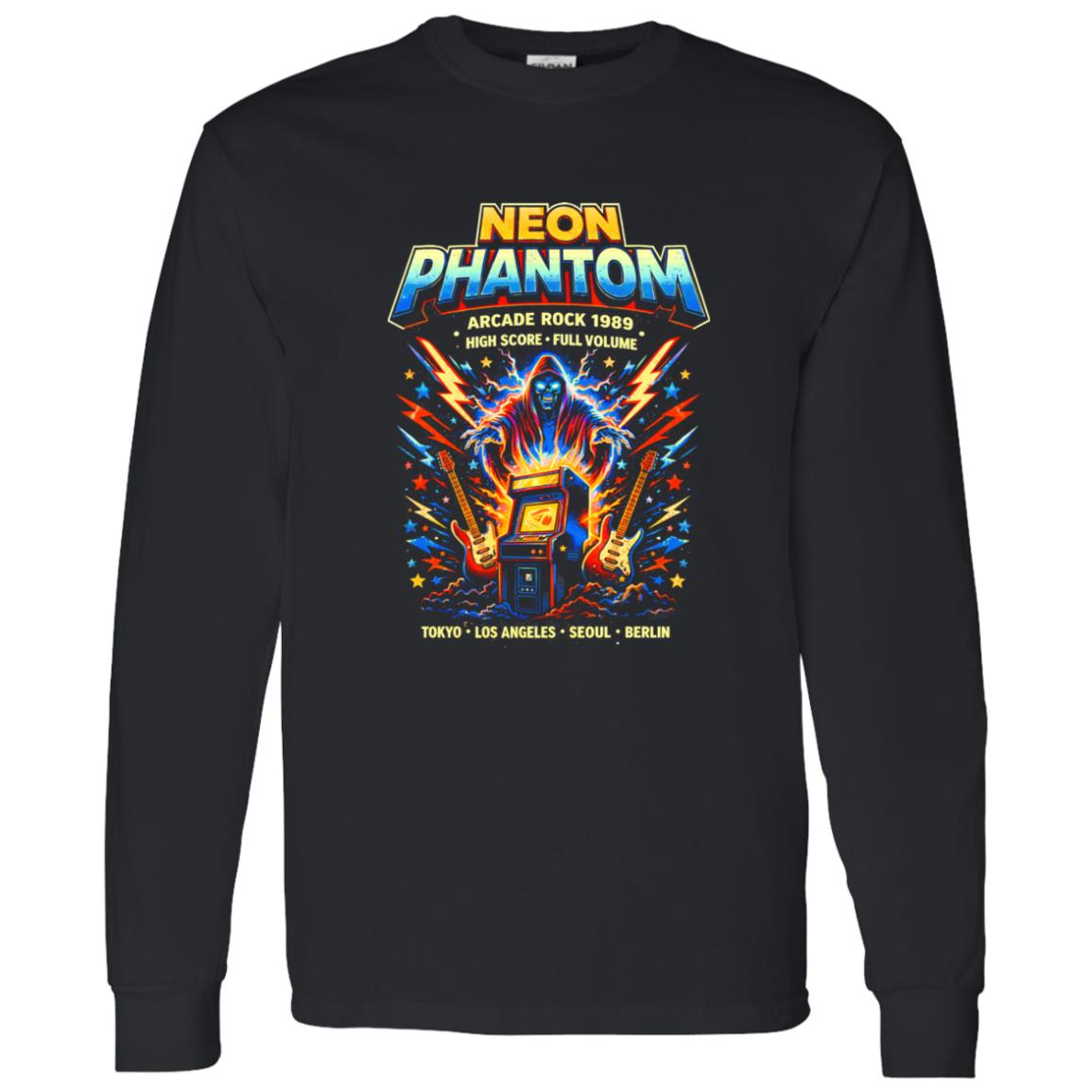
Price range: $21.90 through $44.99
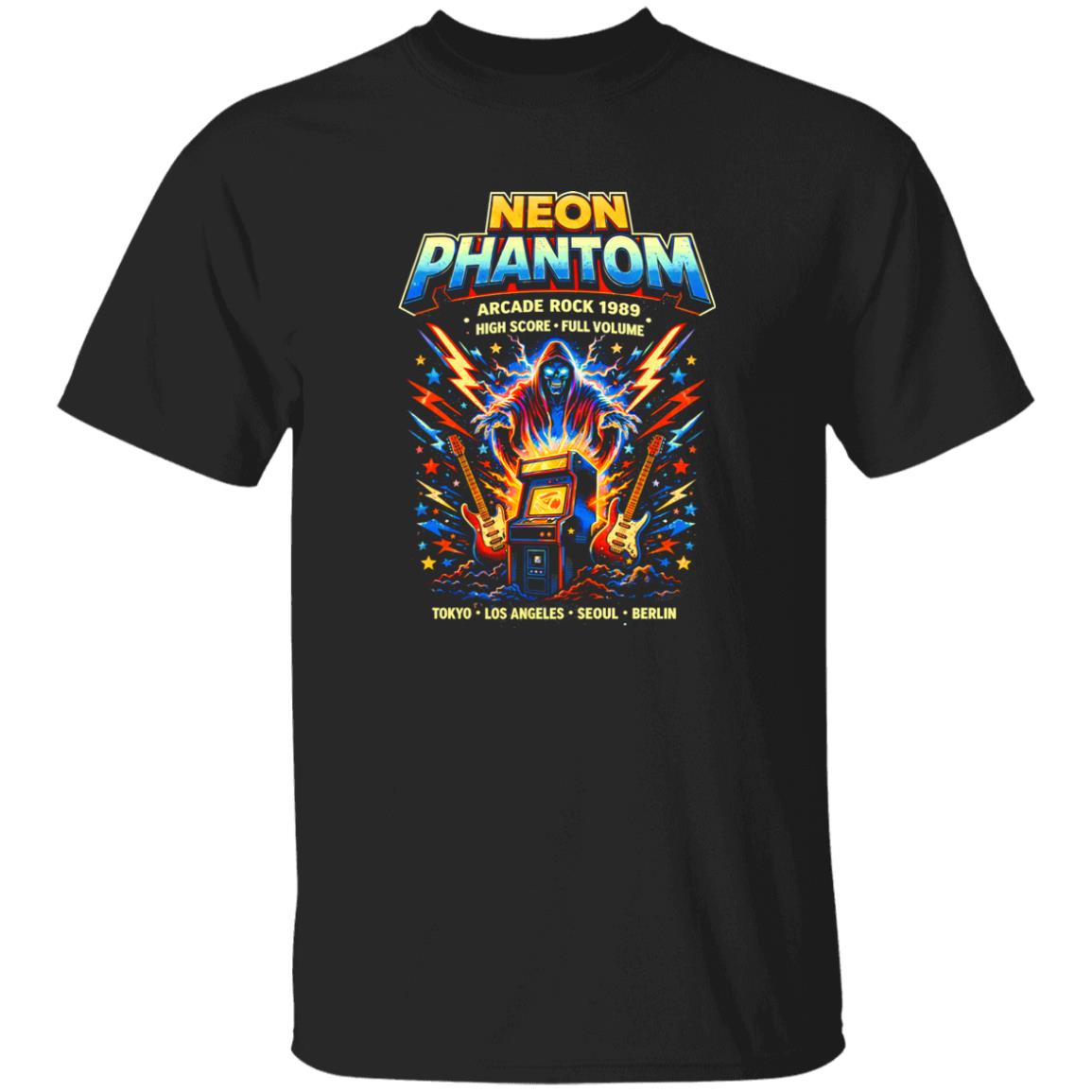
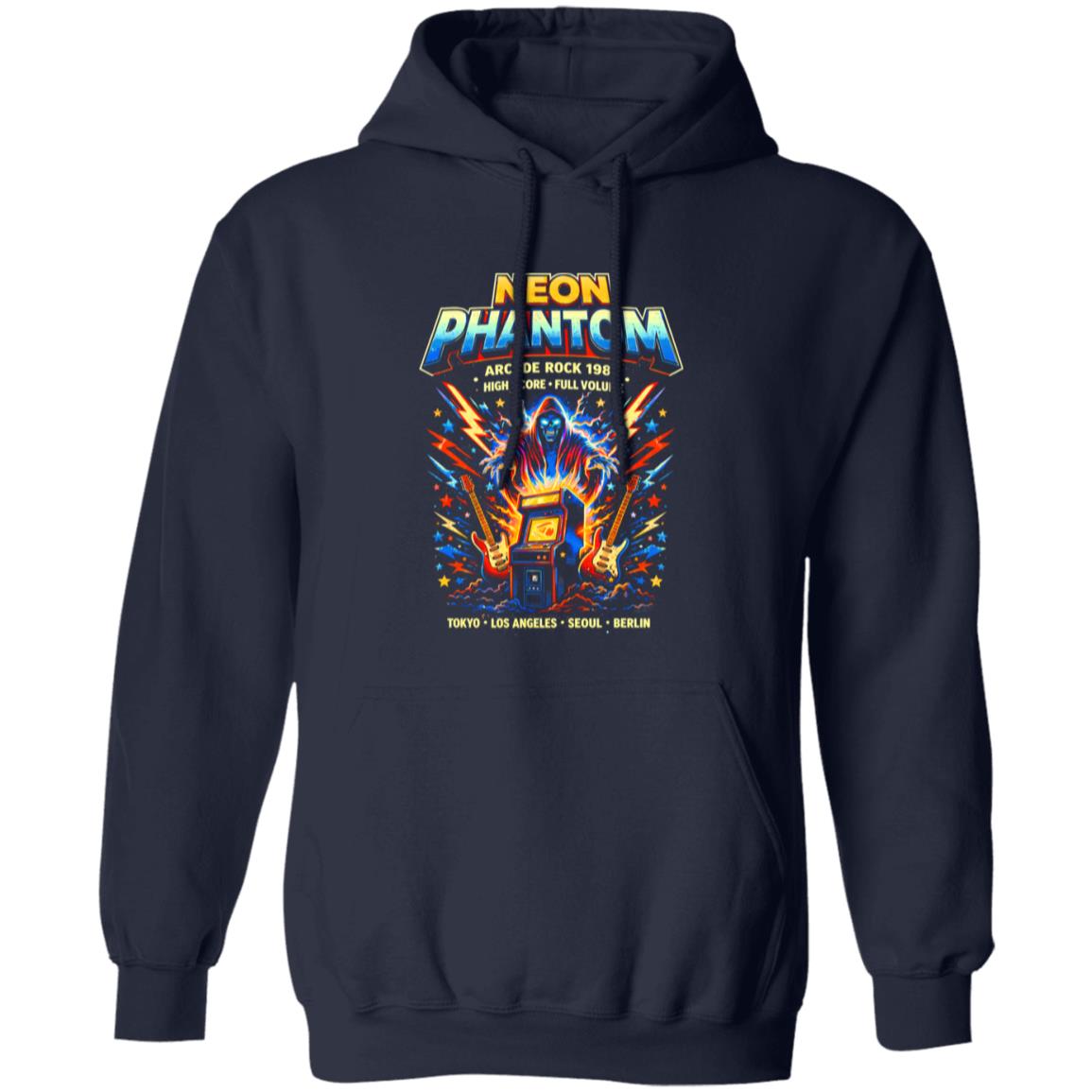
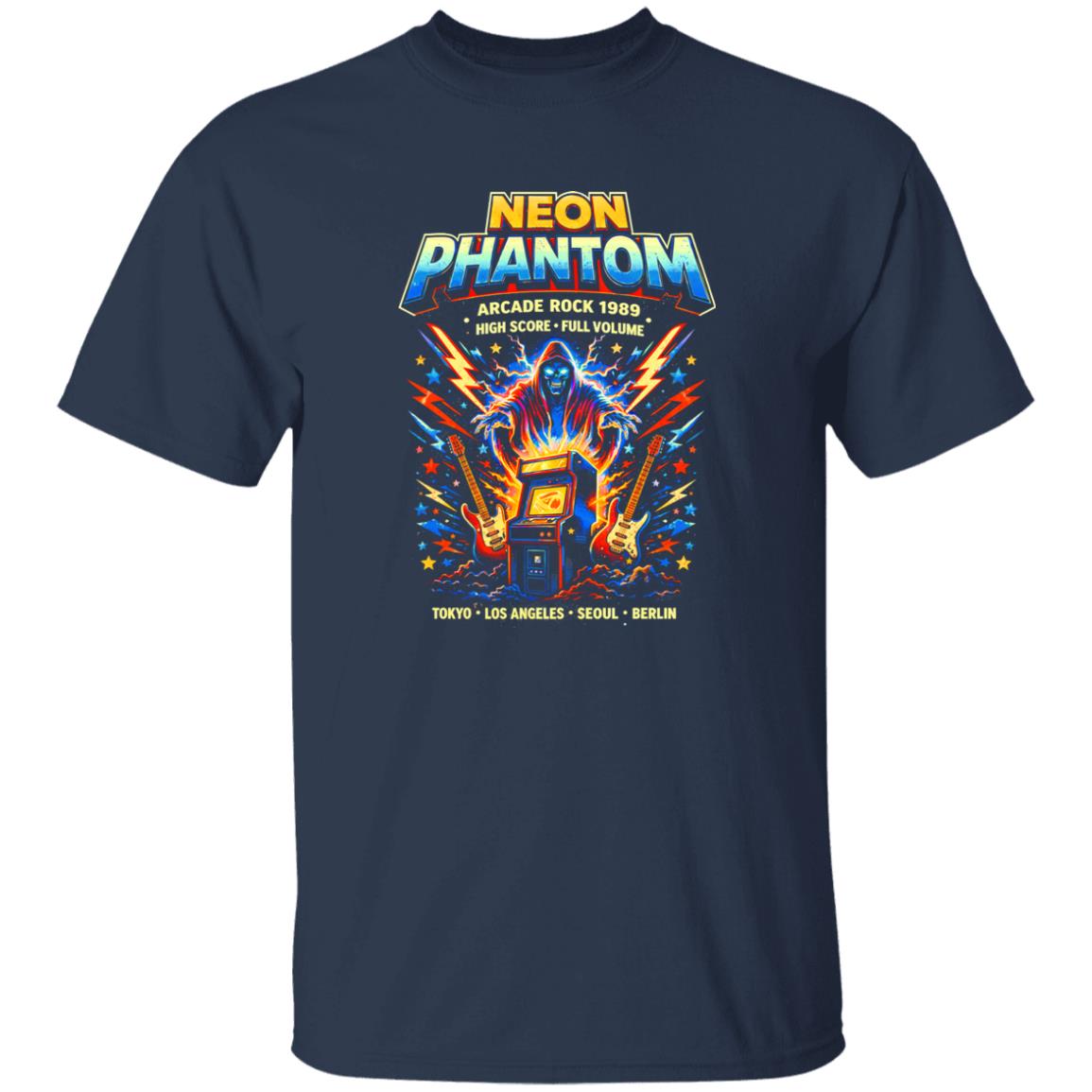
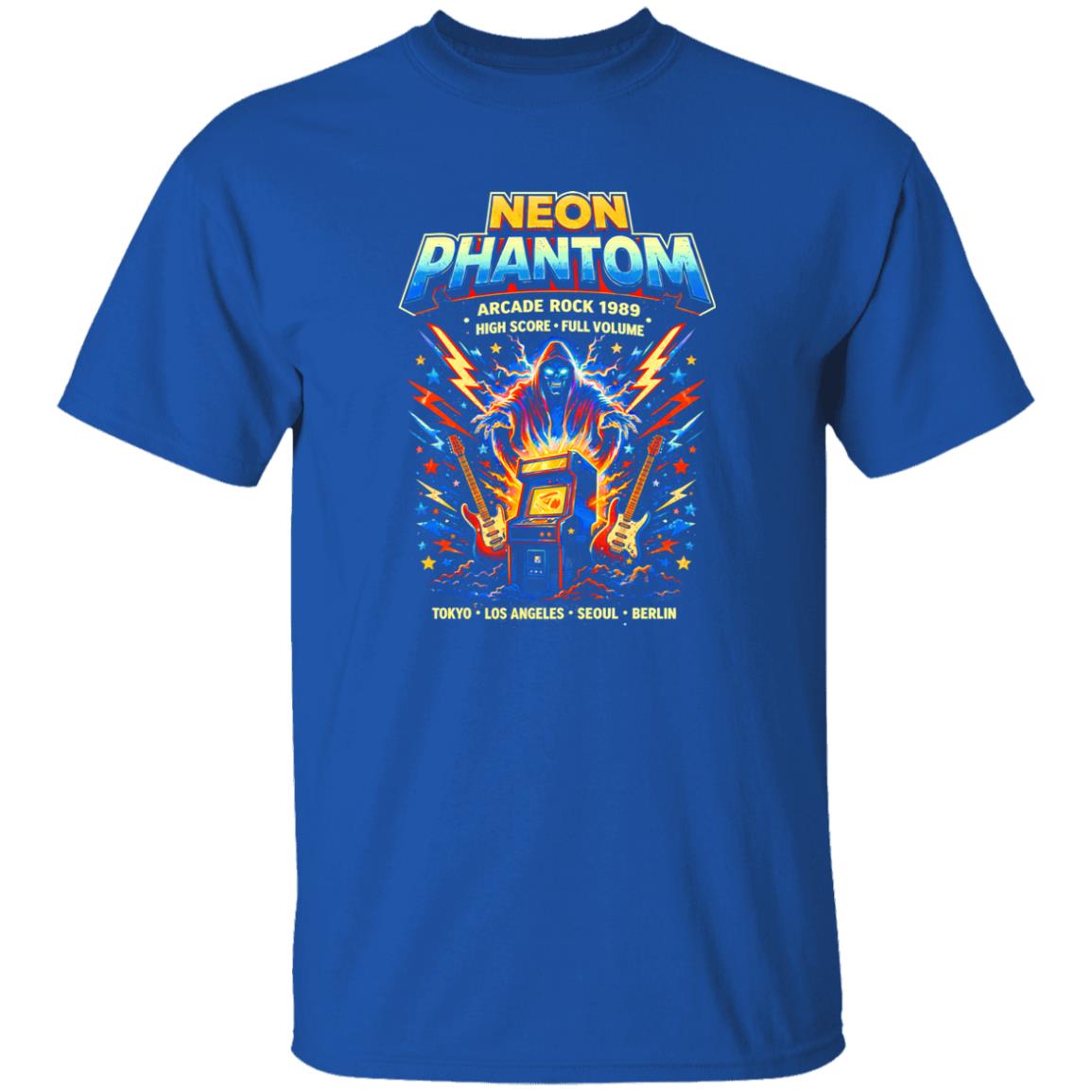
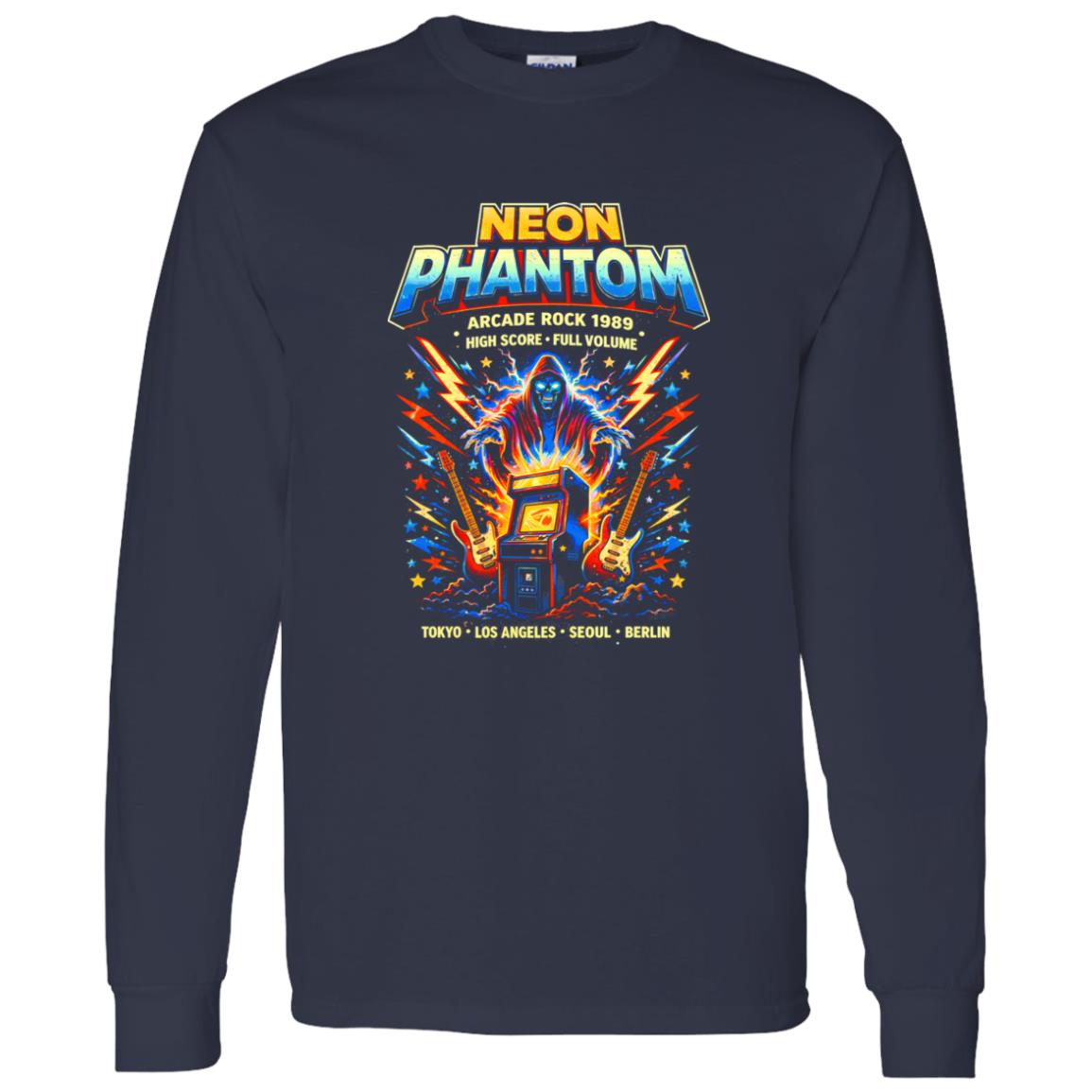
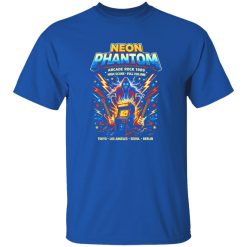
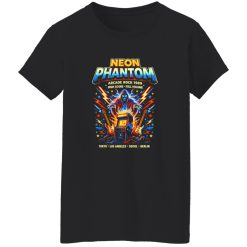
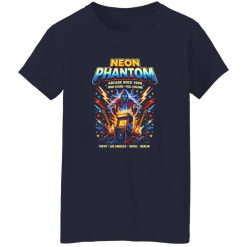
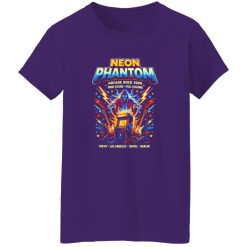
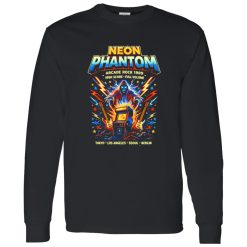
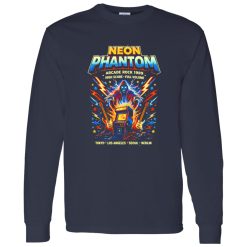
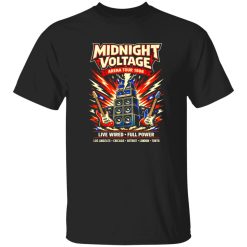
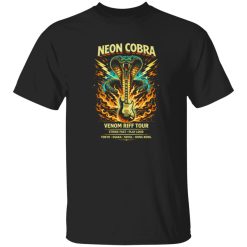
There’s a certain kind of energy that only exists at the intersection of sound and memory—where distorted guitar riffs meet flickering neon lights. The Neon Phantom Arcade Rock 1989 Shirt doesn’t just sit in that space; it defines it. It’s built for those who recognize that late-80s rock wasn’t just music—it was atmosphere, rebellion, and identity compressed into a visual language.
For anyone navigating the world of Capital T Shirt band fan shirts, this piece stands out not because it tries harder—but because it understands the era it represents. It captures the visual tension between analog grit and digital glow, something few modern designs manage to translate authentically.
The late 1980s marked a shift—not just in sound, but in how music looked. Album covers became louder, tour posters became brighter, and stage lighting leaned into saturated neon palettes. This shirt channels that moment precisely. The “Neon Phantom” concept evokes a figure that exists between visibility and distortion, much like the soundscapes of that era.
What makes this design effective isn’t nostalgia alone. It’s the way it reconstructs a visual code: glowing outlines, electric gradients, and shadowed forms that feel pulled from arcade cabinets and underground venues alike. It doesn’t mimic—it translates.
In practical terms, this shirt functions as a centerpiece. The graphic doesn’t sit quietly; it leads the outfit. Whether layered under a worn denim jacket or paired with dark minimal bottoms, it anchors the entire look.
The print itself carries a presence that holds up across environments. Under daylight, it reads as a bold retro composition. Under artificial light—especially in nightlife settings—it shifts, almost reacting to the environment, reinforcing the neon illusion embedded in the design.
This adaptability isn’t accidental. It reflects how late-night venues, arcades, and underground shows shaped the visual identity of rock culture during that period.
There’s a difference between a shirt that looks good on a hanger and one that holds its identity in motion. This piece belongs to the latter. The structure supports natural movement without collapsing the graphic, meaning the visual impact stays intact whether you’re in a crowd, walking city streets, or standing under stage lights.
It’s not about technical specifications—it’s about how it feels in real use. The fabric moves with you, the print doesn’t distort easily, and the overall silhouette keeps its shape without feeling rigid. That balance is what allows the design to remain expressive rather than decorative.
You’re standing just outside a small venue, the bass from inside bleeding through the walls. Streetlights hit the shirt’s graphic at an angle, and suddenly the neon elements feel alive—like they belong to the night rather than the fabric. Someone notices. Not because it’s loud, but because it feels right in that moment.
Modern fashion cycles constantly revisit the past, but not all revivals carry weight. What sets this shirt apart is its understanding of context. It doesn’t just pull from “retro” aesthetics—it locks into a very specific cultural frequency: the collision of analog music culture and early digital visual identity.
That’s why it resonates with a new generation. Not as a throwback, but as a reinterpretation of a moment when music visuals became as influential as the sound itself.
For collectors, it offers a design that avoids cliché. For casual wearers, it provides a piece that feels distinct without trying to be disruptive. And for those deeply embedded in music culture, it acts as a quiet signal—recognizable without needing explanation.
There’s a fine line between homage and repetition. The Neon Phantom Arcade Rock 1989 Shirt walks that line carefully. It doesn’t recreate a specific band or tour—it captures the atmosphere surrounding them.
This makes it easier to integrate into a modern wardrobe. You’re not locked into a costume-like look. Instead, you’re working with a visual element that adapts—pair it with contemporary cuts, minimal sneakers, or layered outerwear, and it still holds its identity.
It’s less about dressing like the past and more about carrying its energy forward.
Ultimately, this shirt isn’t just about style. It’s about alignment—between what you listen to, what you remember, and how you choose to express that externally. And in a space crowded with generic graphics, that kind of alignment is what actually stands out.
| Product | Neon Phantom Arcade Rock 1989 Shirt |
|---|---|
| SKU | cc-1049-9953-108599464-1773806047601 |
| Fabric Weight | Midweight (5.3 oz) – Heavyweight (6.0 oz Long Sleeve) |
| Material Composition | Solid Colors: 100% Cotton Ash Grey: 99% Cotton / 1% Polyester Sport Grey: 90% Cotton / 10% Polyester Dark Heather: 50% Cotton / 50% Polyester |
| Fit | Classic Unisex Fit (Ladies: Slightly Tapered Missy Fit) |
| Construction | Double-needle stitching Taped neck & shoulders Preshrunk jersey knit Tearaway label |
| Hoodie Material (G185) | 8.0 oz – 50% Cotton / 50% Polyester |
| Available Sizes | S – 5XL (6XL select colors only) |
| Origin | Made with sustainably and fairly grown USA cotton; Printed in USA |
| Print Method | DIGISOFT® Direct-to-Garment (DTG) |
| Brand | Capital T-Shirts |
| Fast & Reliable Shipping | All orders are professionally printed and shipped from the USA. |
|---|---|
| Processing Time | Printed on demand within 1–3 business days. |
| Shipping Time | USA: 4–7 business days International: 7–15 business days |
| Shipping Costs | USA Standard: $5.99 International Standard: $9.99 |
| Secure Checkout | Safe & encrypted payment processing. Your information is protected at all times. |
| Returns & Exchanges | We offer a 30-day return policy. View Refunds & Returns Policy |
| Customer Guarantee | We stand behind the quality of every item we print. |
Reviews
There are no reviews yet.