No products in the cart.
Save 20% on orders over $100 with code CT20

New Customer Discount 10% OFF. Enter Coupon Code: CP10


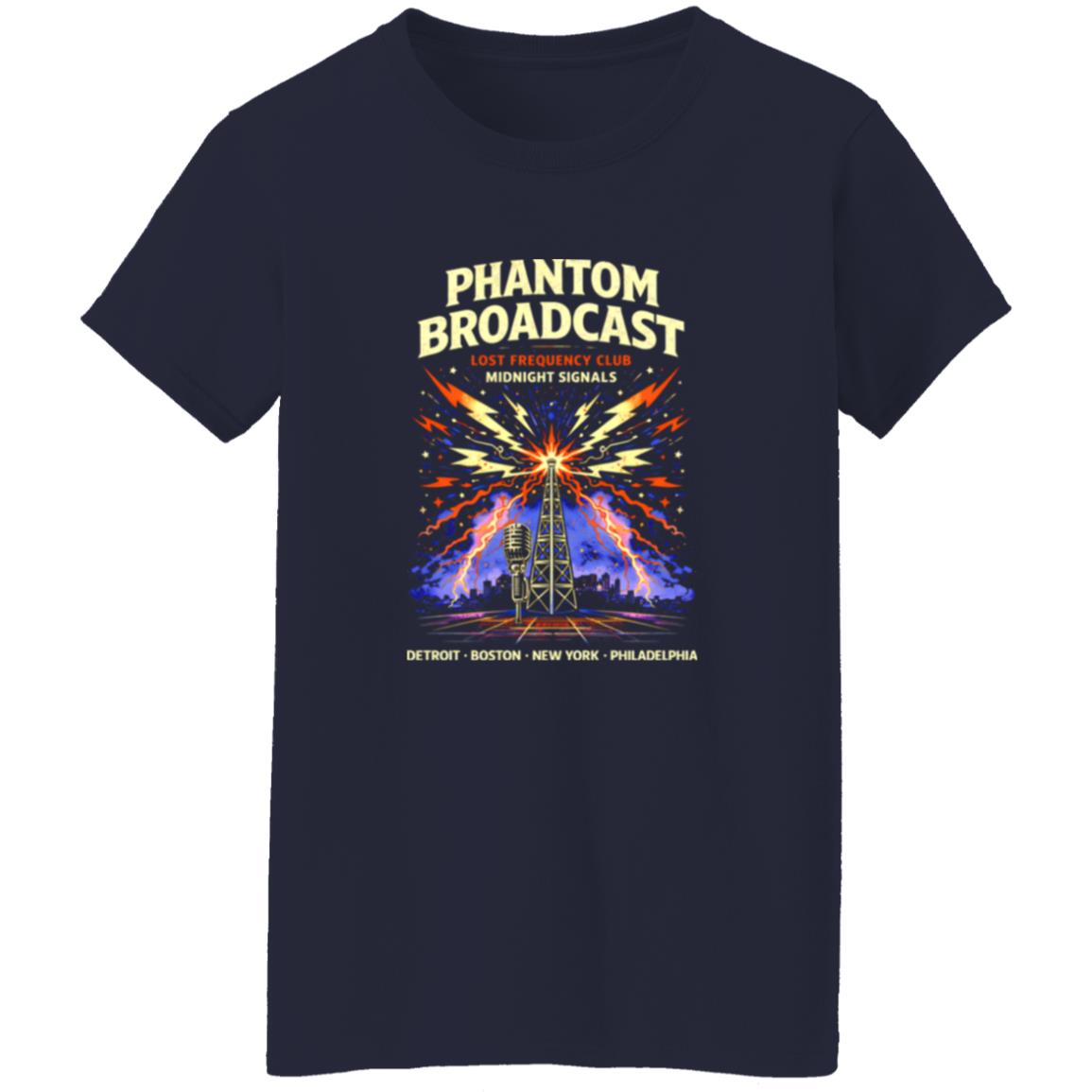
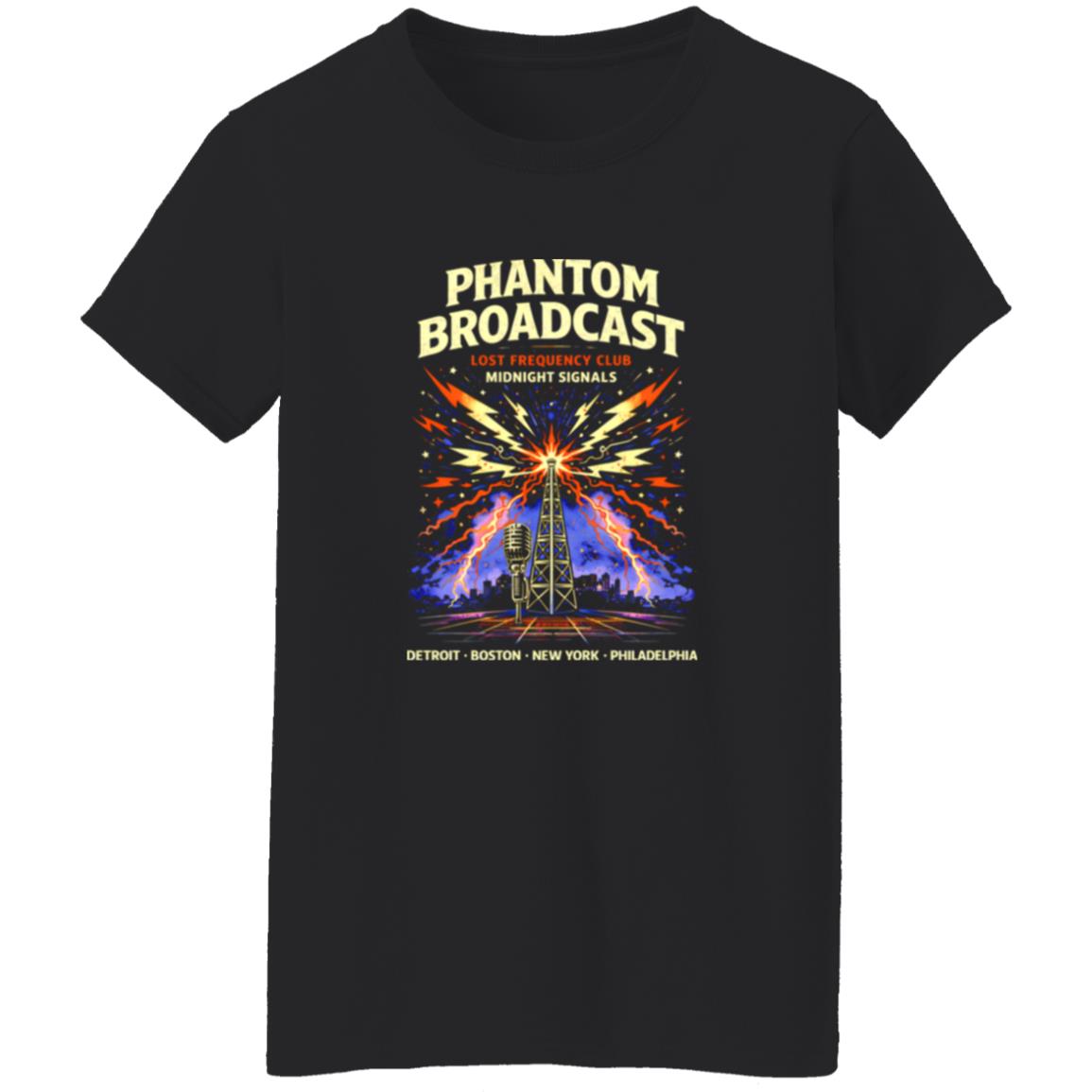
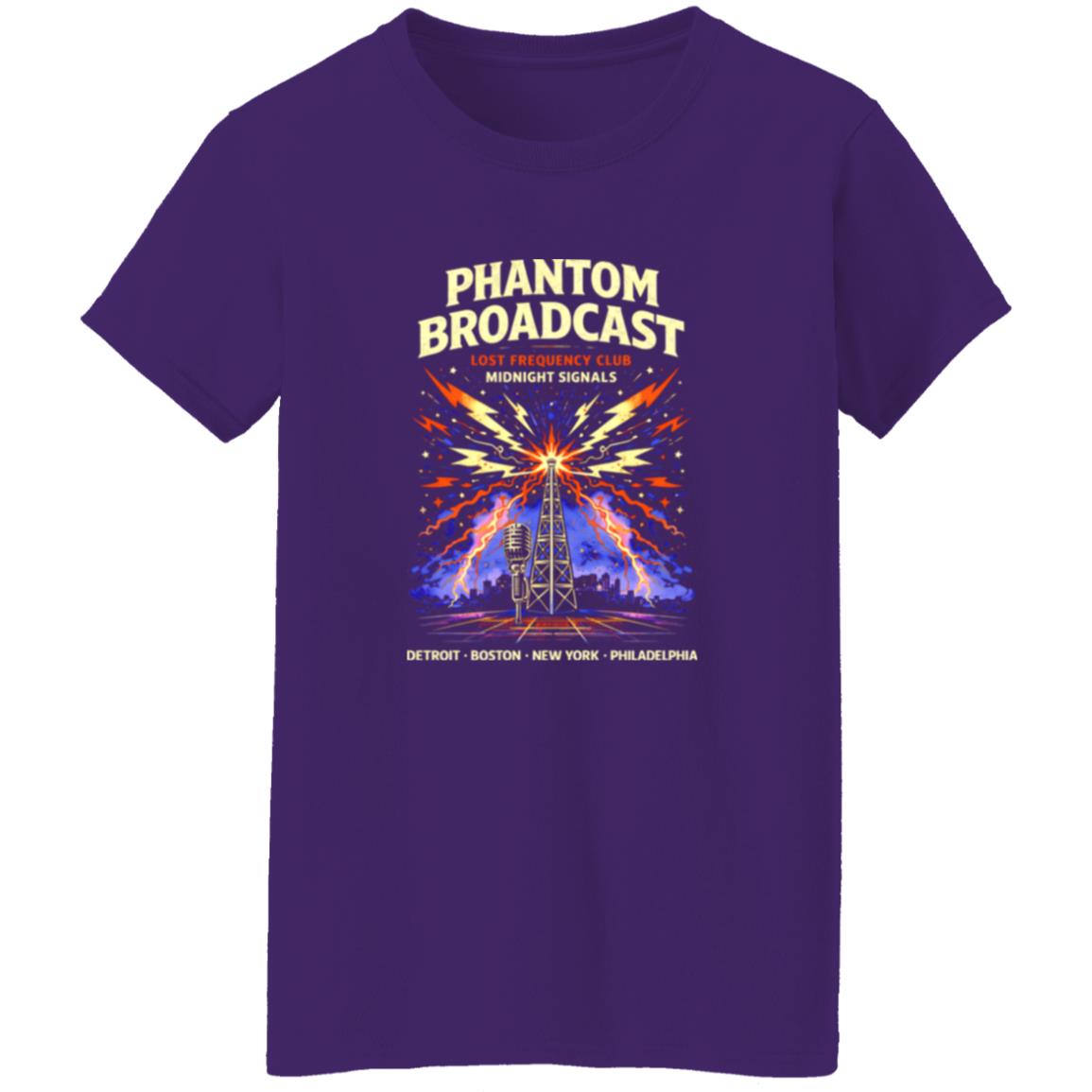
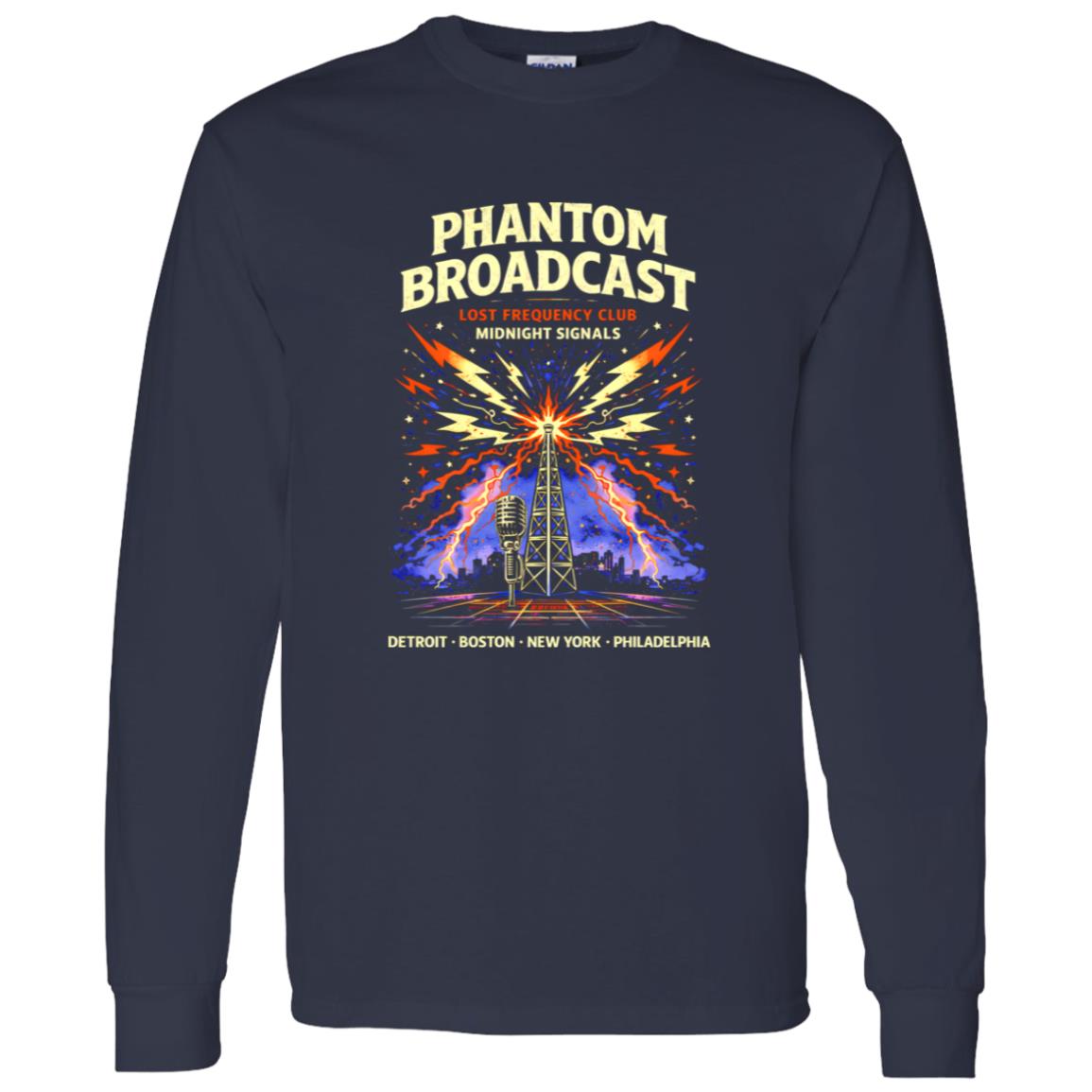
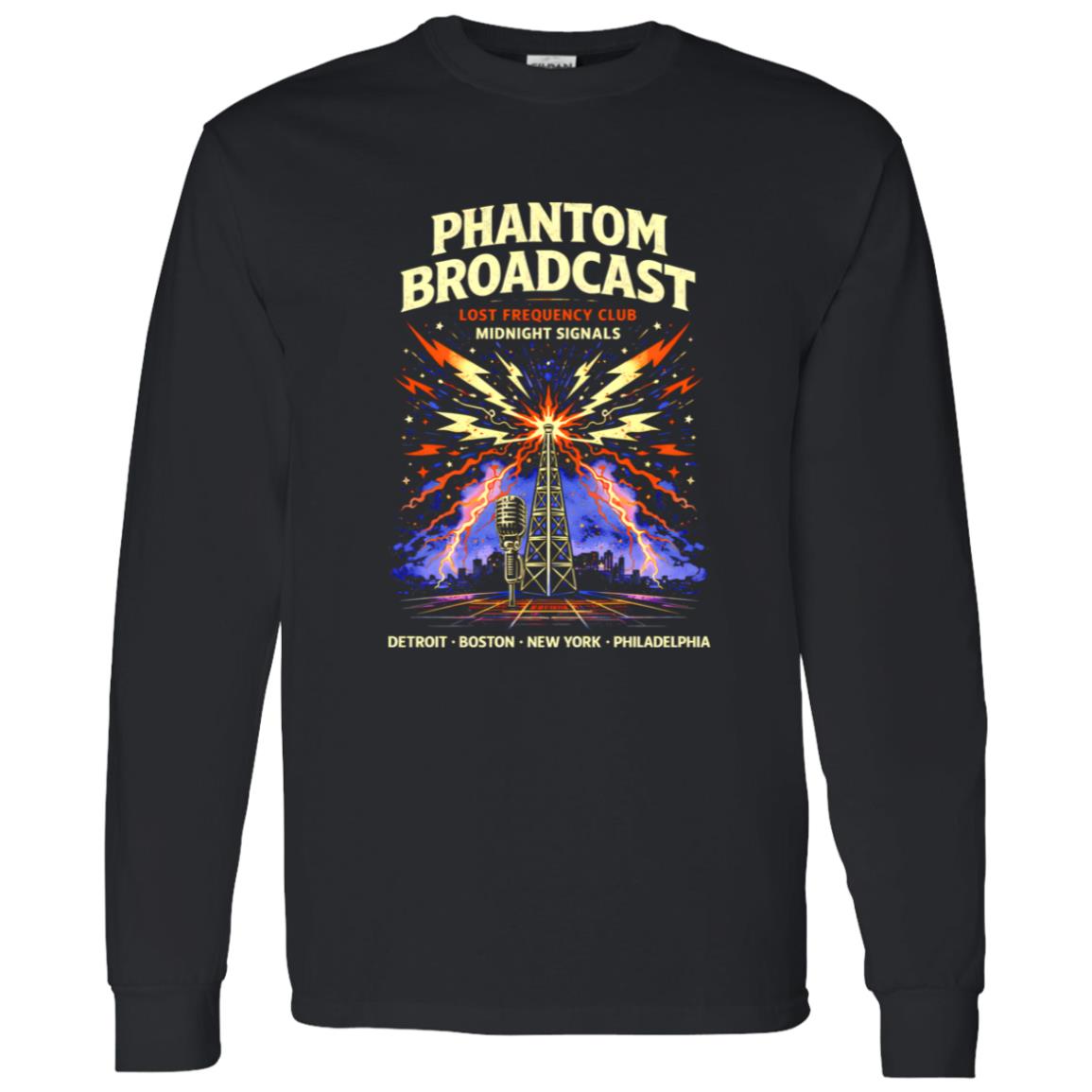

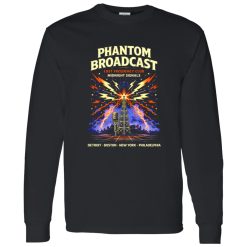
Price range: $21.90 through $44.99
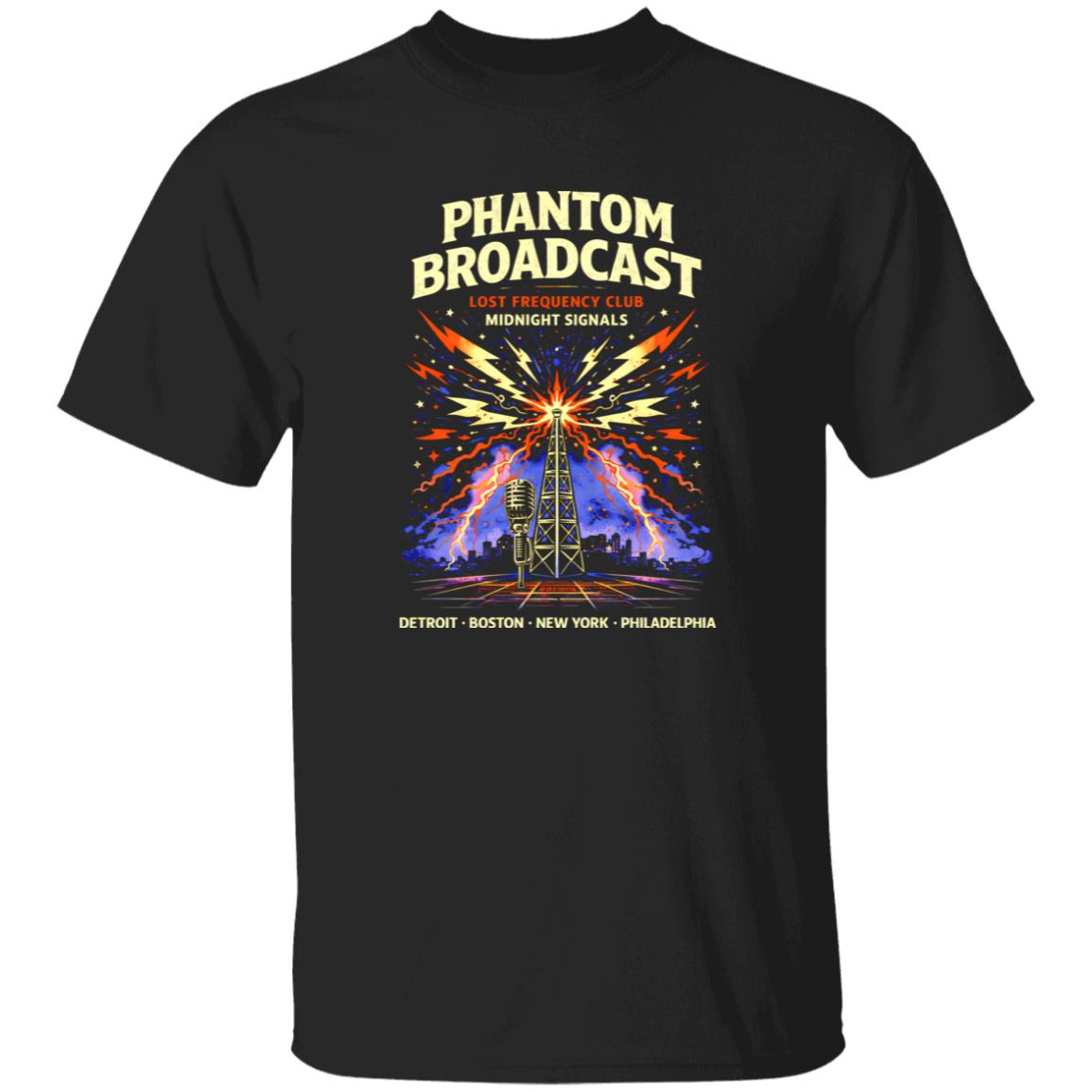
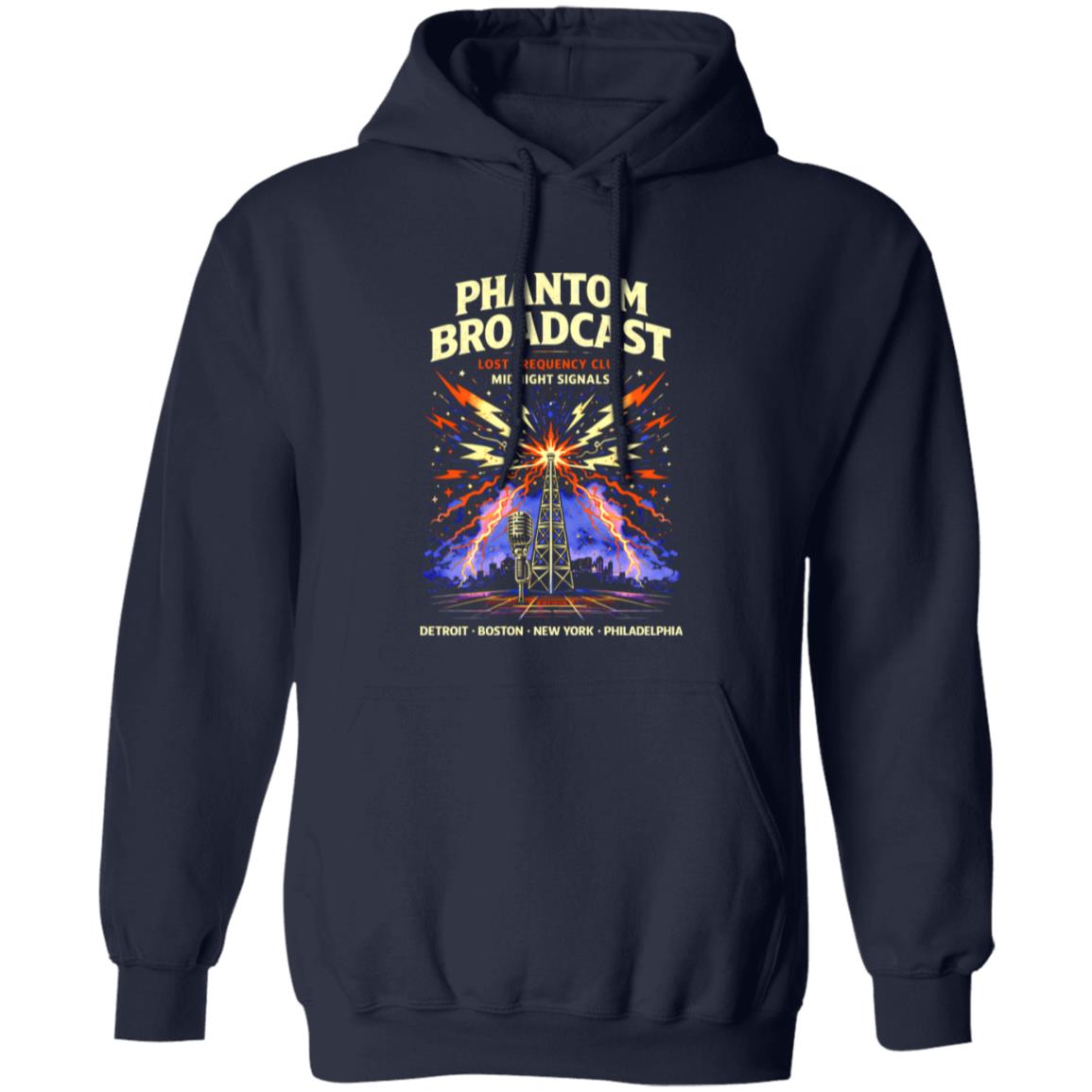
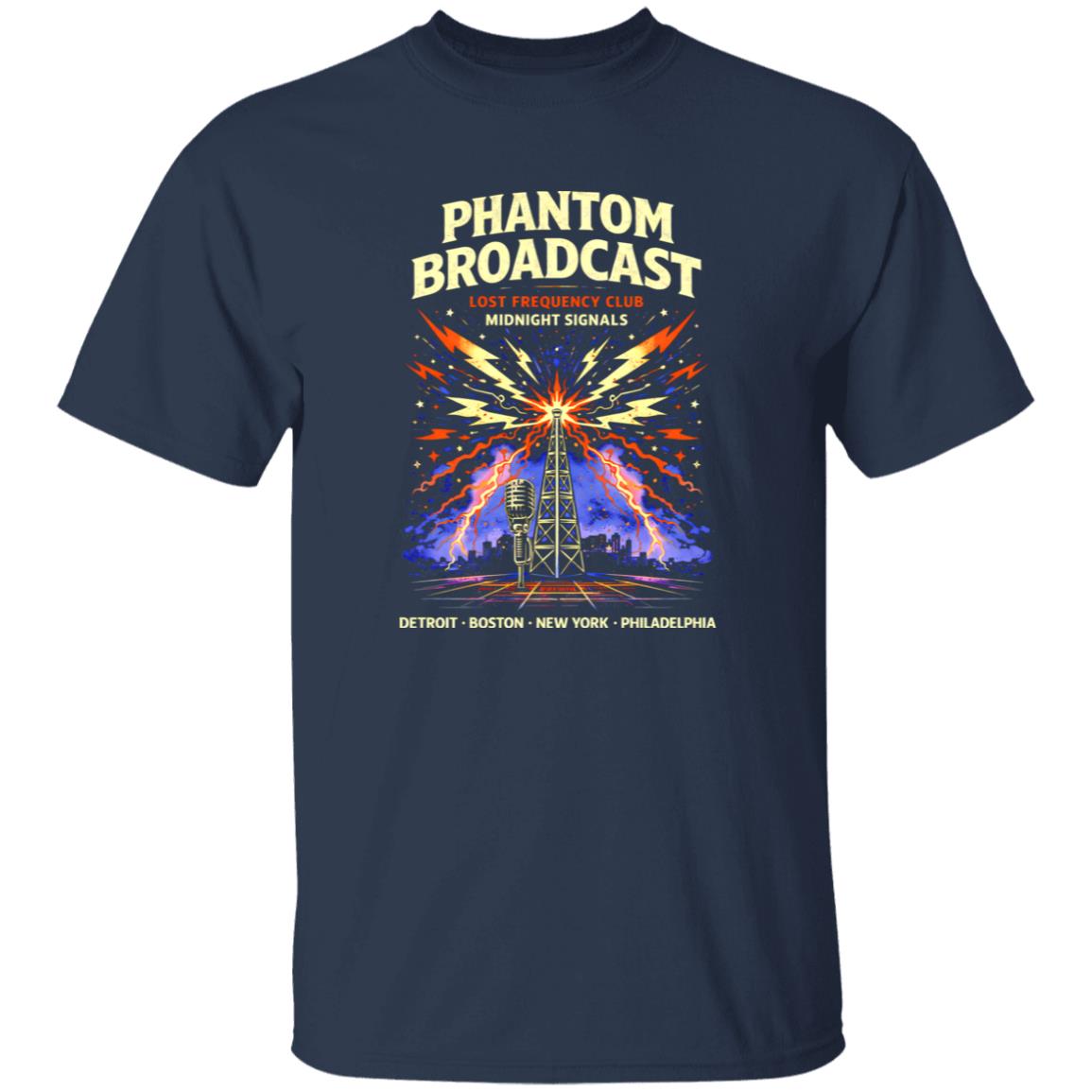
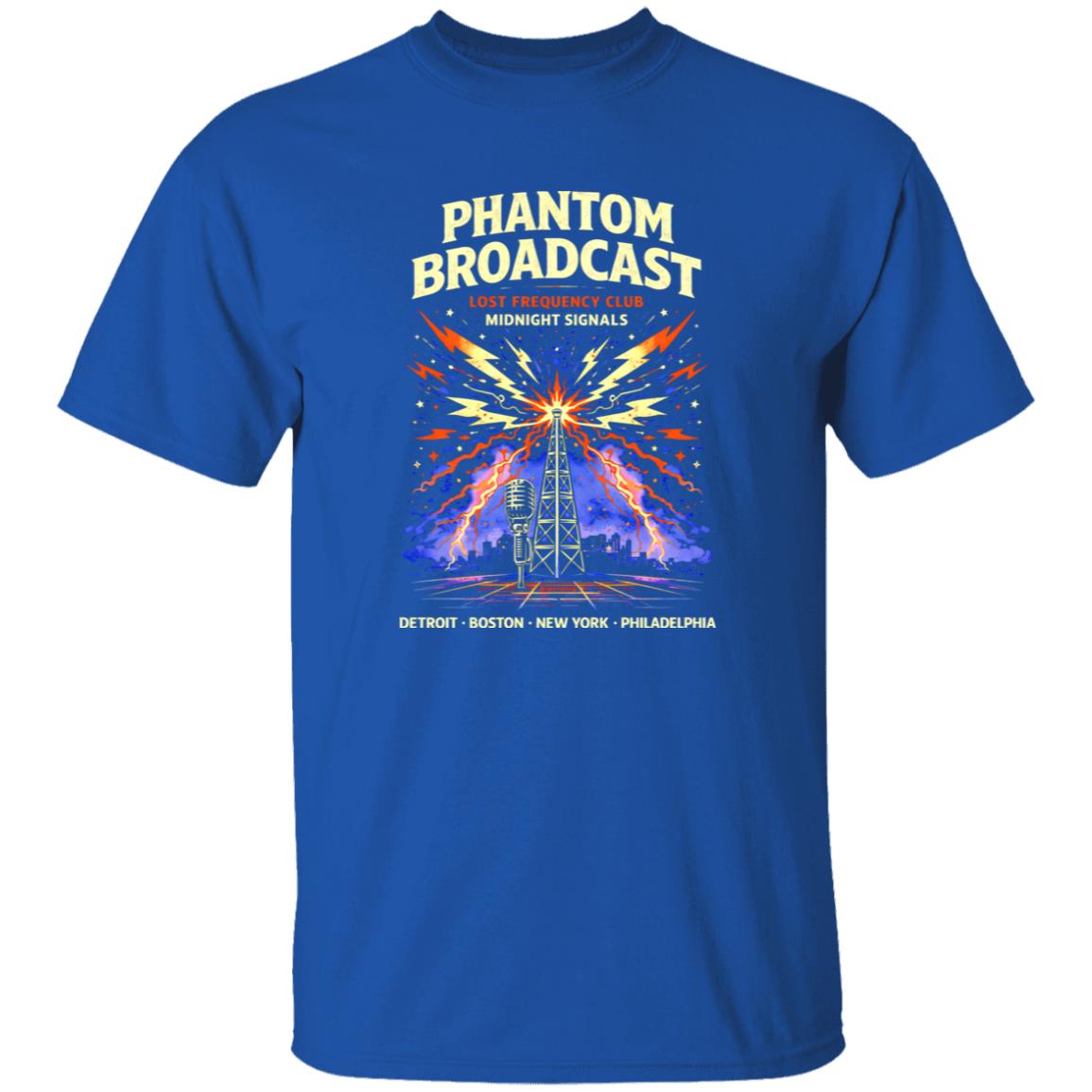
There’s a certain kind of listener who doesn’t just play music—they tune into it. Not casually, but deliberately, like scanning frequencies late at night, searching for something raw, unfiltered, and real. The Phantom Broadcast Analog Rock Shirt speaks directly to that instinct. It doesn’t follow trends or echo mainstream aesthetics. Instead, it reflects a deeper connection to analog sound culture—where distortion, signal noise, and imperfect transmission become part of the identity itself.
For those who understand that music isn’t just heard but received, this design feels less like apparel and more like a signal you carry with you. Within the broader world of Capital T Shirt band fan shirts, this piece leans into a more obscure, atmospheric edge—one rooted in underground transmission rather than stage spotlight.
Before playlists and algorithms shaped listening habits, music discovery often felt like interception. Late-night radio waves, static-filled frequencies, bootleg recordings—these were the gateways into underground scenes. That analog era didn’t just define how music was consumed; it shaped how it was experienced. Imperfection became authenticity. Noise became texture.
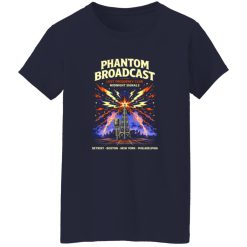
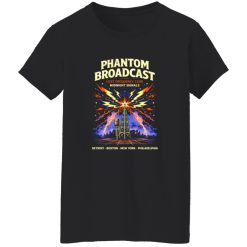
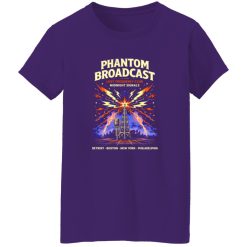
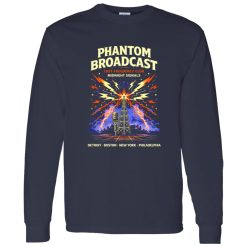
The Phantom Broadcast Analog Rock Shirt captures that exact energy. Its visual language reflects transmission motifs—distorted waves, fractured lines, and layered signal forms that echo the unpredictability of analog sound. It’s not polished or overly refined, and that’s precisely the point. It mirrors a time when music felt elusive, when finding a new band required curiosity rather than convenience.
This connection between sound and visual identity is what defines true rock culture. The shirt doesn’t just reference music—it embodies the process of discovering it.
Some designs are meant to be seen. Others are meant to be felt. This one sits somewhere in between. The Phantom Broadcast concept translates audio distortion into visual texture—creating a layered aesthetic that feels almost tactile.
From a distance, the design reads as a bold, centralized graphic. Up close, it reveals complexity: fragmented lines resembling signal interference, subtle gradients that mimic analog fade, and compositional imbalance that gives the print a sense of motion. It doesn’t sit flat—it vibrates visually.
This kind of aesthetic isn’t accidental. It reflects a deliberate shift away from clean, digital-perfect graphics toward something more organic and unpredictable. The shirt becomes a visual extension of lo-fi sound—raw, slightly chaotic, but deeply expressive.
There’s also a quiet confidence in that imperfection. It doesn’t try to impress instantly. Instead, it invites a second look, rewarding those who recognize its references.
Styling a piece like this isn’t about building an outfit around it—it’s about letting it anchor the entire look. The graphic carries enough presence to define the tone without overwhelming it.
Pair it with darker denim or worn-in black jeans, and the design leans into its underground roots. Layer it under a slightly oversized jacket, and the signal motif becomes something partially revealed—like a broadcast not meant for everyone. Even in a minimal setup, the shirt maintains its identity without needing additional elements to support it.
The fit and structure play a subtle but important role here. It drapes naturally, allowing the graphic to move with the body rather than sit rigidly on top of it. That fluidity reinforces the analog theme—nothing feels static or overly controlled.
What stands out is how adaptable it becomes without losing its core character. It doesn’t shift identity depending on what it’s paired with. Instead, it holds its ground, quietly shaping the entire aesthetic around it.
You’re sitting by the window, headphones on, scrolling past familiar tracks until something unfamiliar cuts through—slightly distorted, not perfectly mixed, but undeniably compelling. You pause. That moment, where curiosity overrides comfort, is exactly what this shirt represents.
It’s not about volume or visibility. It’s about resonance.
Most band shirts operate on recognition—logos, tour dates, iconic imagery. They signal affiliation quickly and clearly. The Phantom Broadcast Analog Rock Shirt takes a different route. It doesn’t rely on immediate recognition. Instead, it builds intrigue.
There’s no obvious band name dominating the design, no straightforward reference that makes it instantly legible. That ambiguity becomes its strength. It creates a sense of discovery, allowing the wearer to define what the design means rather than simply displaying it.
This approach aligns more closely with underground culture than mainstream merch. It’s less about showing what you listen to and more about expressing how you experience music. That distinction matters, especially for those who value individuality over visibility.
In a space where many designs feel interchangeable, this one maintains a distinct voice. It doesn’t compete for attention—it earns it through nuance.
Wearing the Phantom Broadcast Analog Rock Shirt isn’t just about liking rock music. It’s about aligning with a specific way of engaging with it—seeking out the imperfect, appreciating the obscure, and valuing depth over immediacy.
That alignment is what separates a generic graphic tee from something more meaningful. The shirt becomes part of a broader identity—one shaped by late discoveries, overlooked tracks, and the quiet satisfaction of finding something not everyone else has heard.
It doesn’t ask for attention, but it holds it. And for those tuned into the same frequency, that’s more than enough.
| Product | Phantom Broadcast Analog Rock Shirt |
|---|---|
| SKU | cc-1049-9966-108606806-1774060354152 |
| Fabric Weight | Midweight (5.3 oz) – Heavyweight (6.0 oz Long Sleeve) |
| Material Composition | Solid Colors: 100% Cotton Ash Grey: 99% Cotton / 1% Polyester Sport Grey: 90% Cotton / 10% Polyester Dark Heather: 50% Cotton / 50% Polyester |
| Fit | Classic Unisex Fit (Ladies: Slightly Tapered Missy Fit) |
| Construction | Double-needle stitching Taped neck & shoulders Preshrunk jersey knit Tearaway label |
| Hoodie Material (G185) | 8.0 oz – 50% Cotton / 50% Polyester |
| Available Sizes | S – 5XL (6XL select colors only) |
| Origin | Made with sustainably and fairly grown USA cotton; Printed in USA |
| Print Method | DIGISOFT® Direct-to-Garment (DTG) |
| Brand | Capital T Shirt |
| Fast & Reliable Shipping | All orders are professionally printed and shipped from the USA. |
|---|---|
| Processing Time | Printed on demand within 1–3 business days. |
| Shipping Time | USA: 4–7 business days International: 7–15 business days |
| Shipping Costs | USA Standard: $5.99 International Standard: $9.99 |
| Secure Checkout | Safe & encrypted payment processing. Your information is protected at all times. |
| Returns & Exchanges | We offer a 30-day return policy. View Refunds & Returns Policy |
| Customer Guarantee | We stand behind the quality of every item we print. |








Reviews
There are no reviews yet.