No products in the cart.
Save 20% on orders over $100 with code CT20

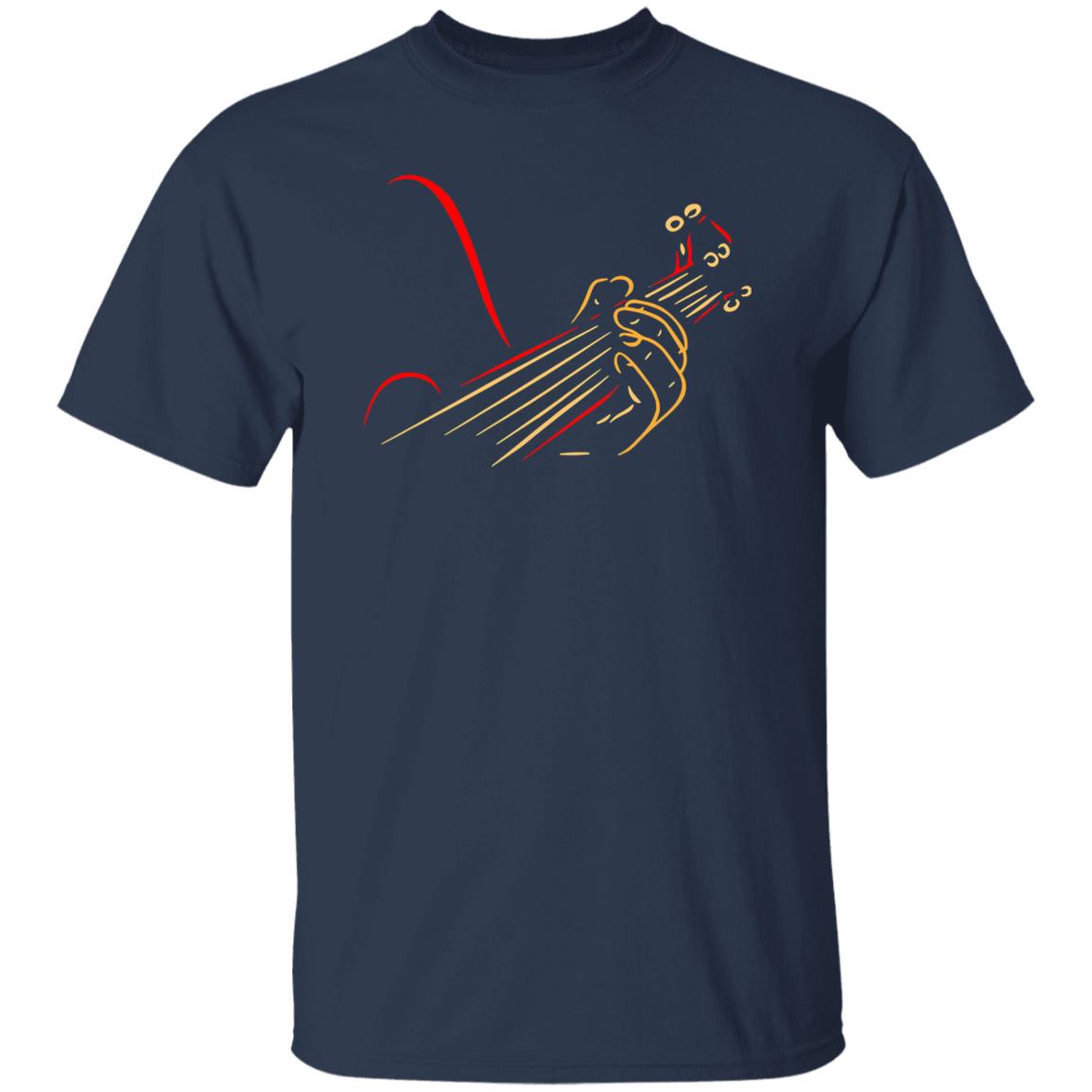
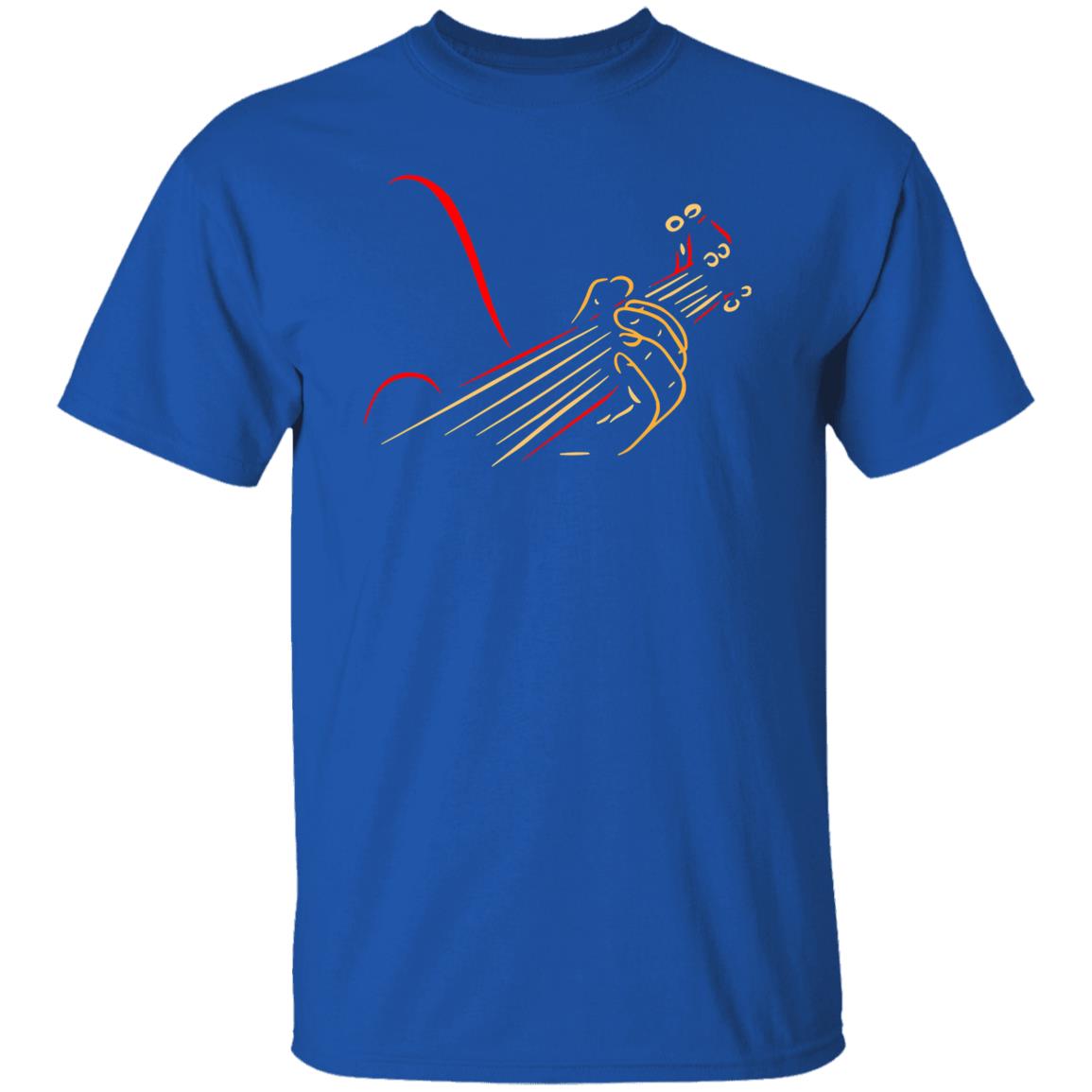
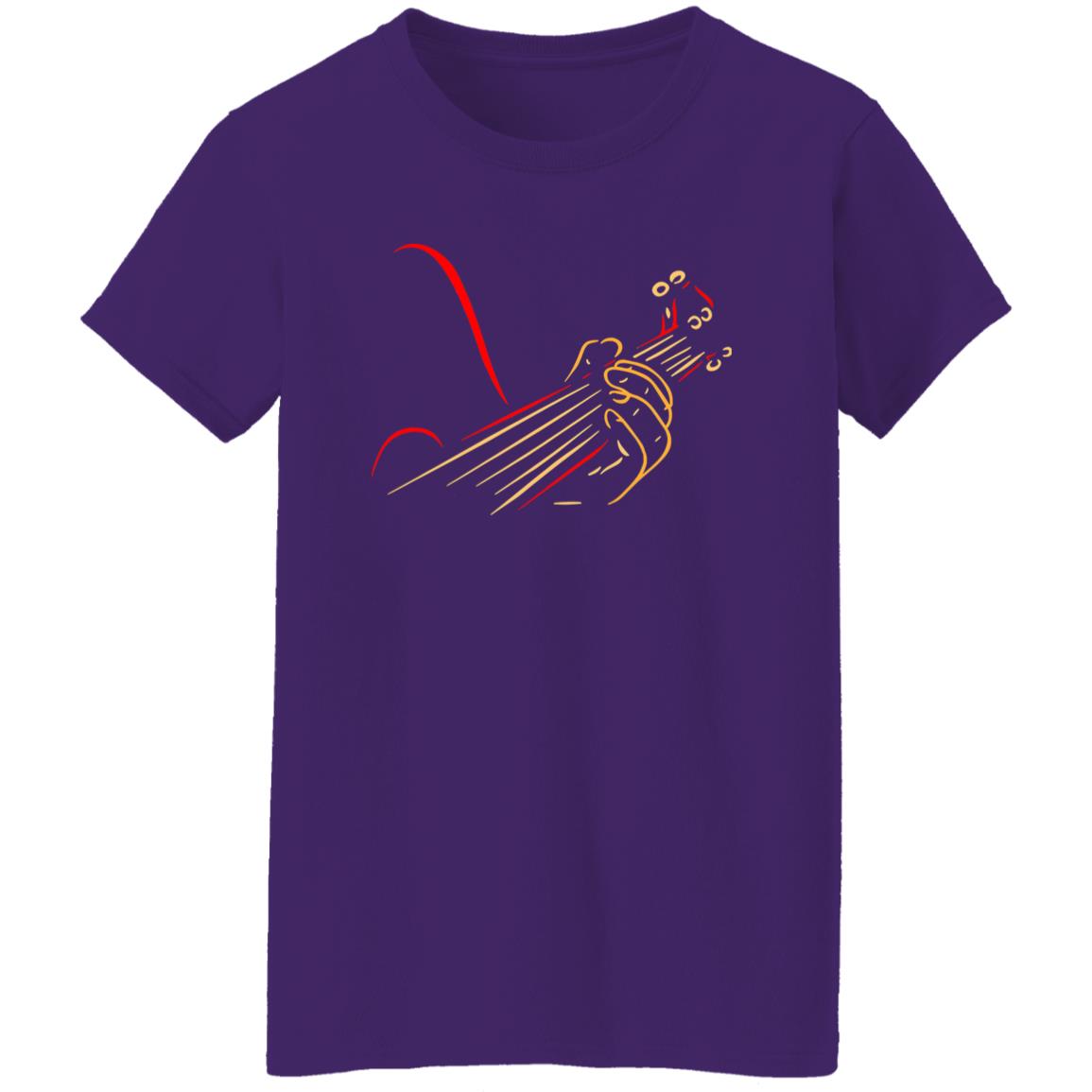
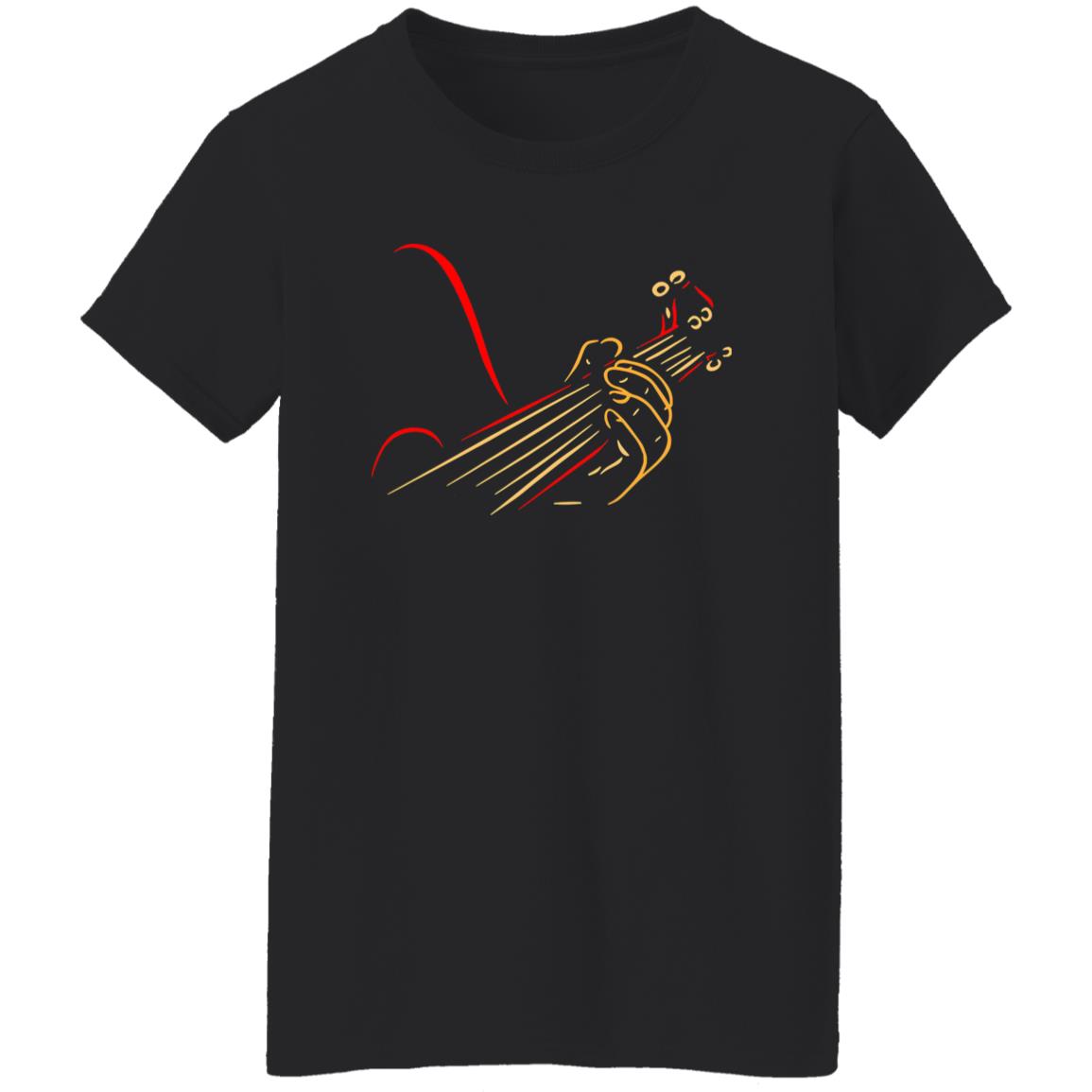
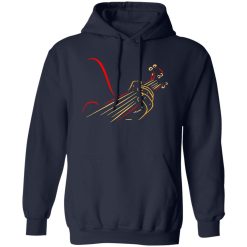
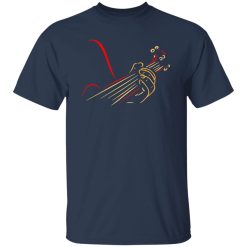
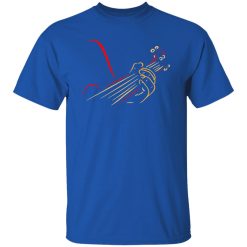
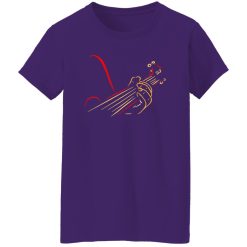
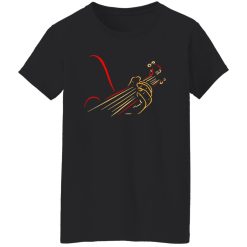
Price range: $21.90 through $44.99
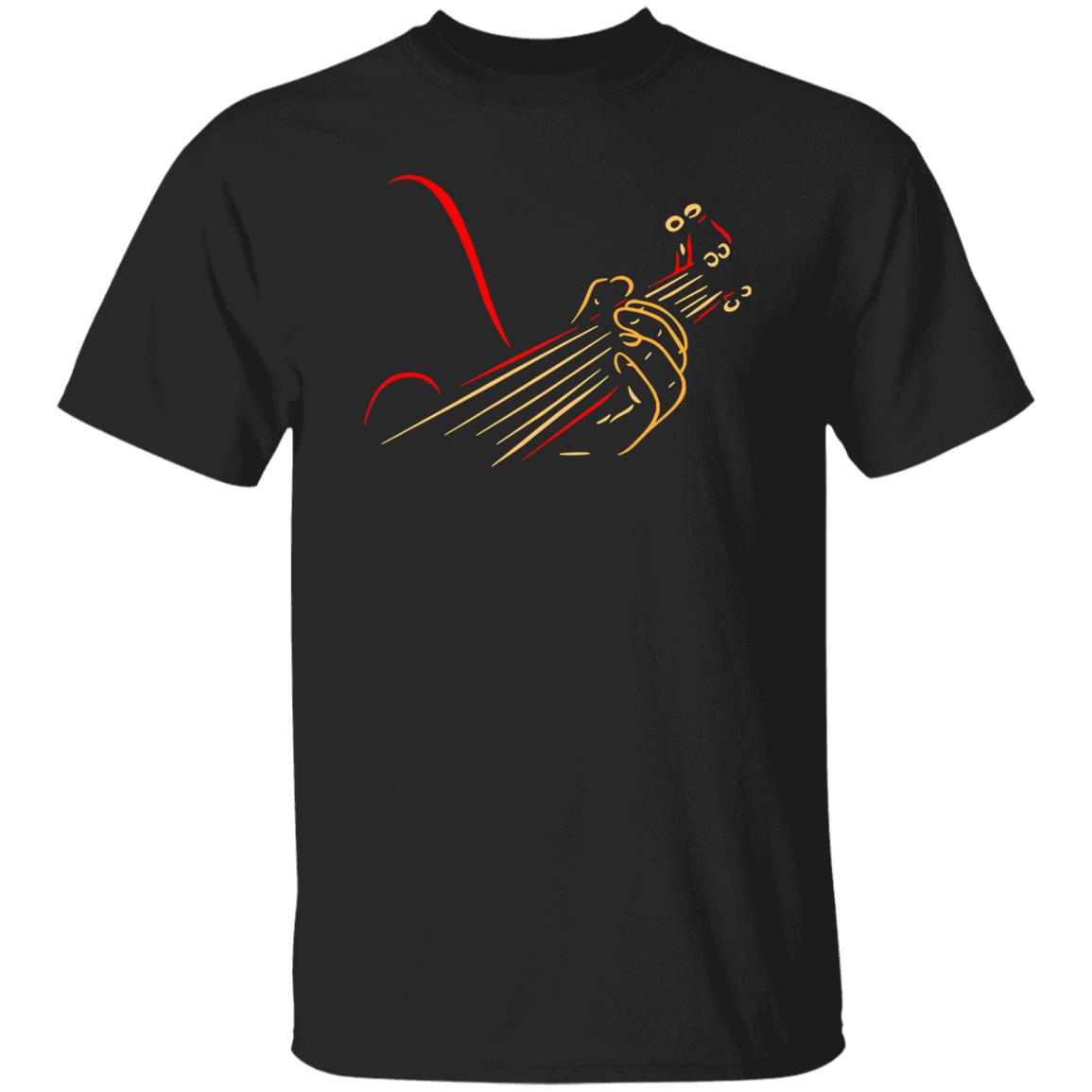
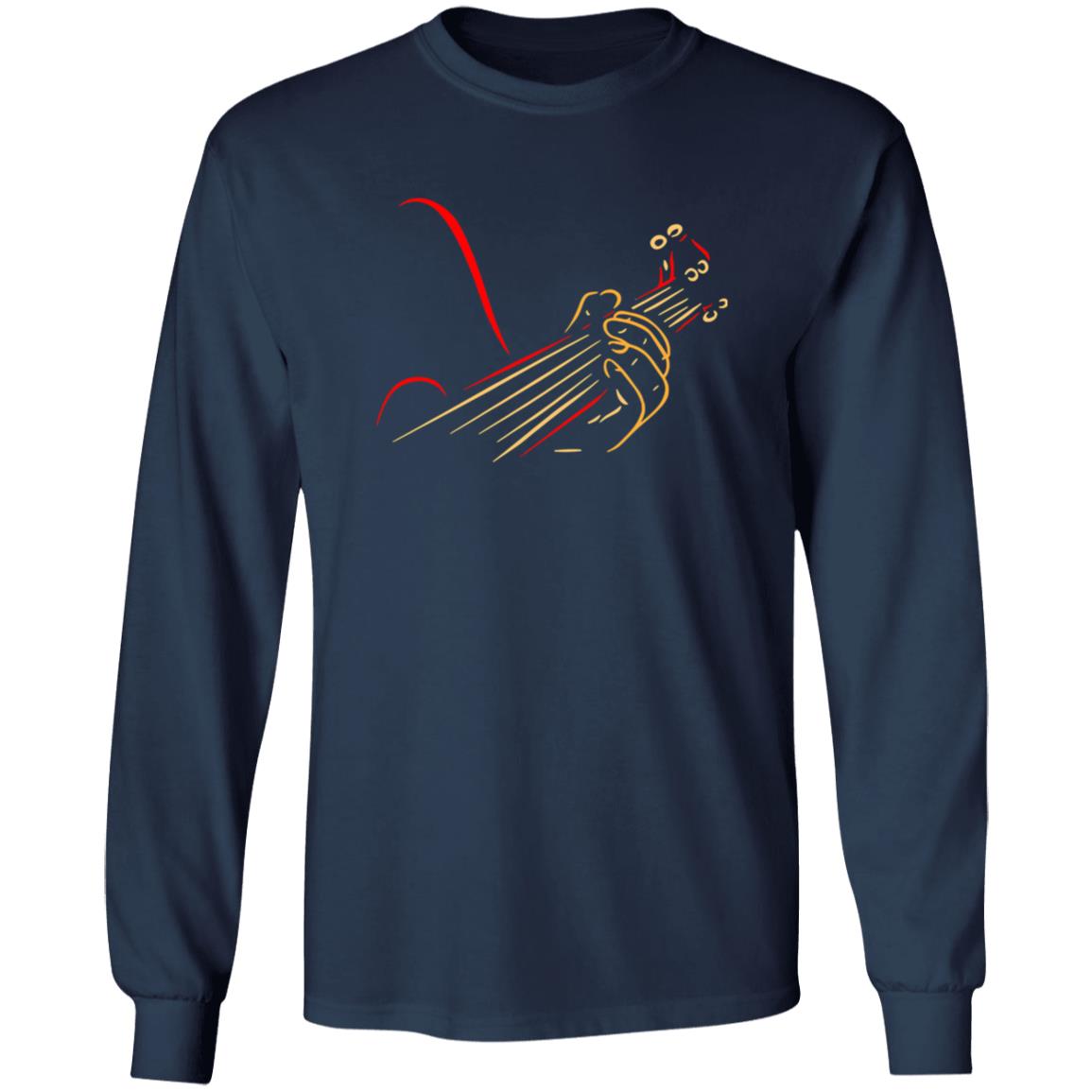
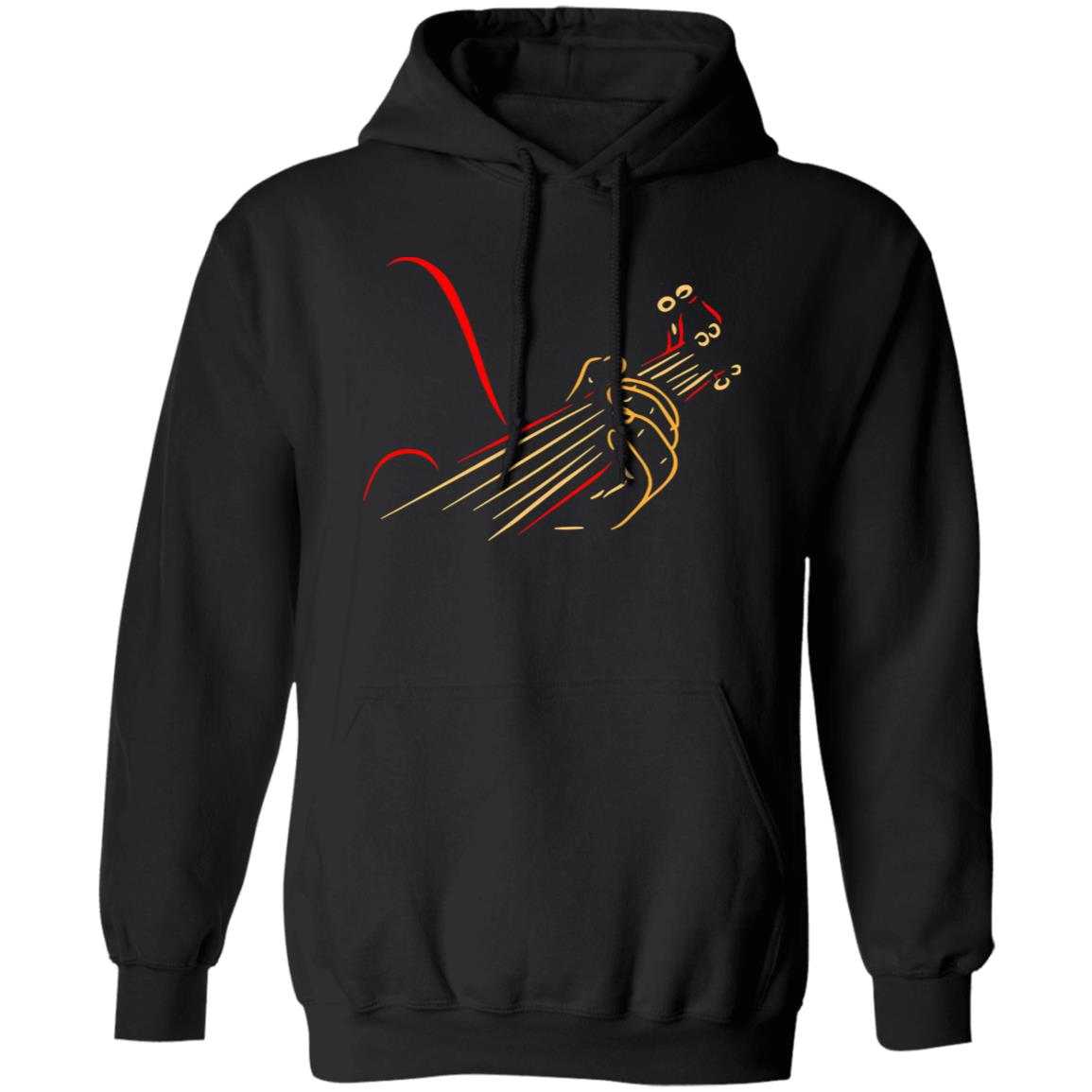
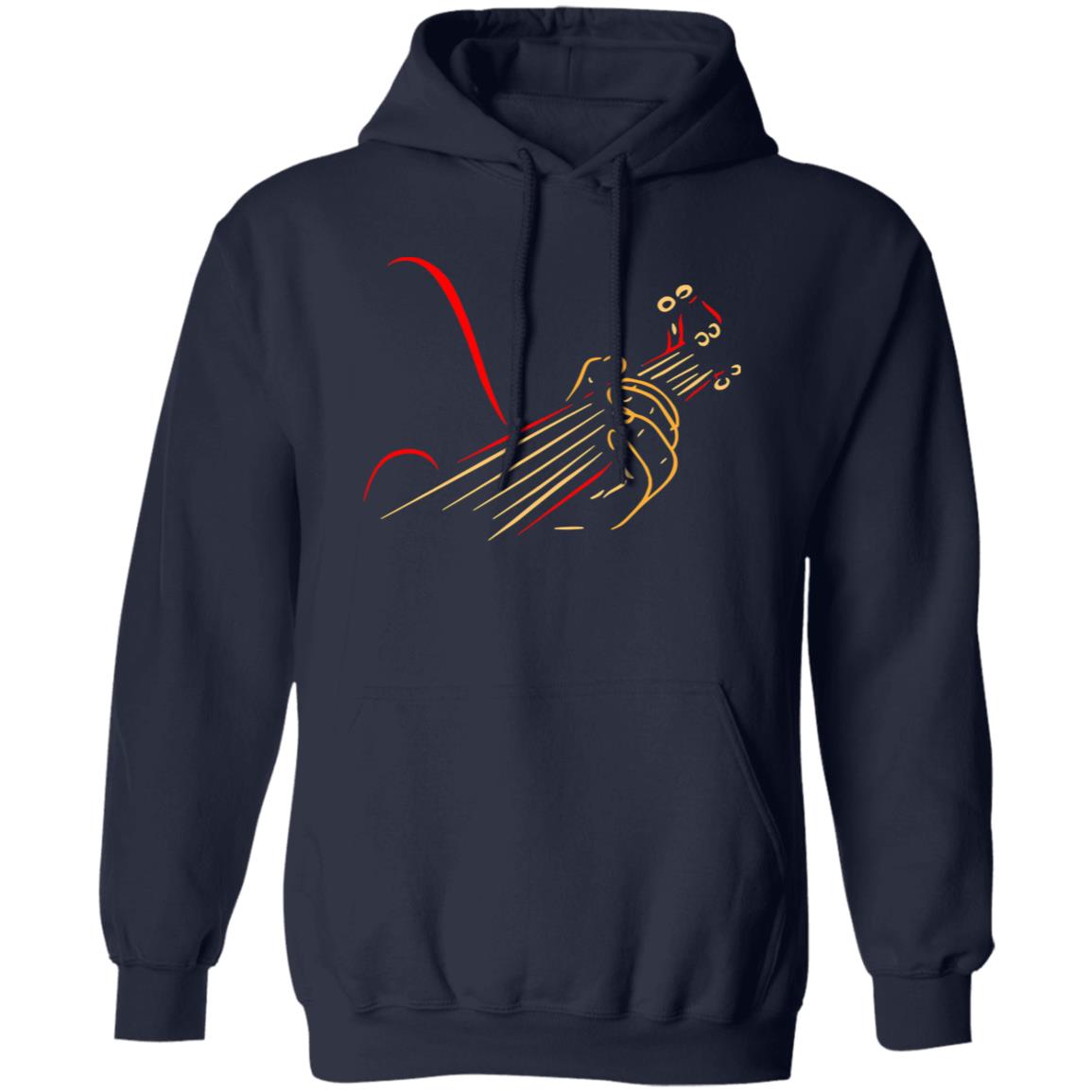
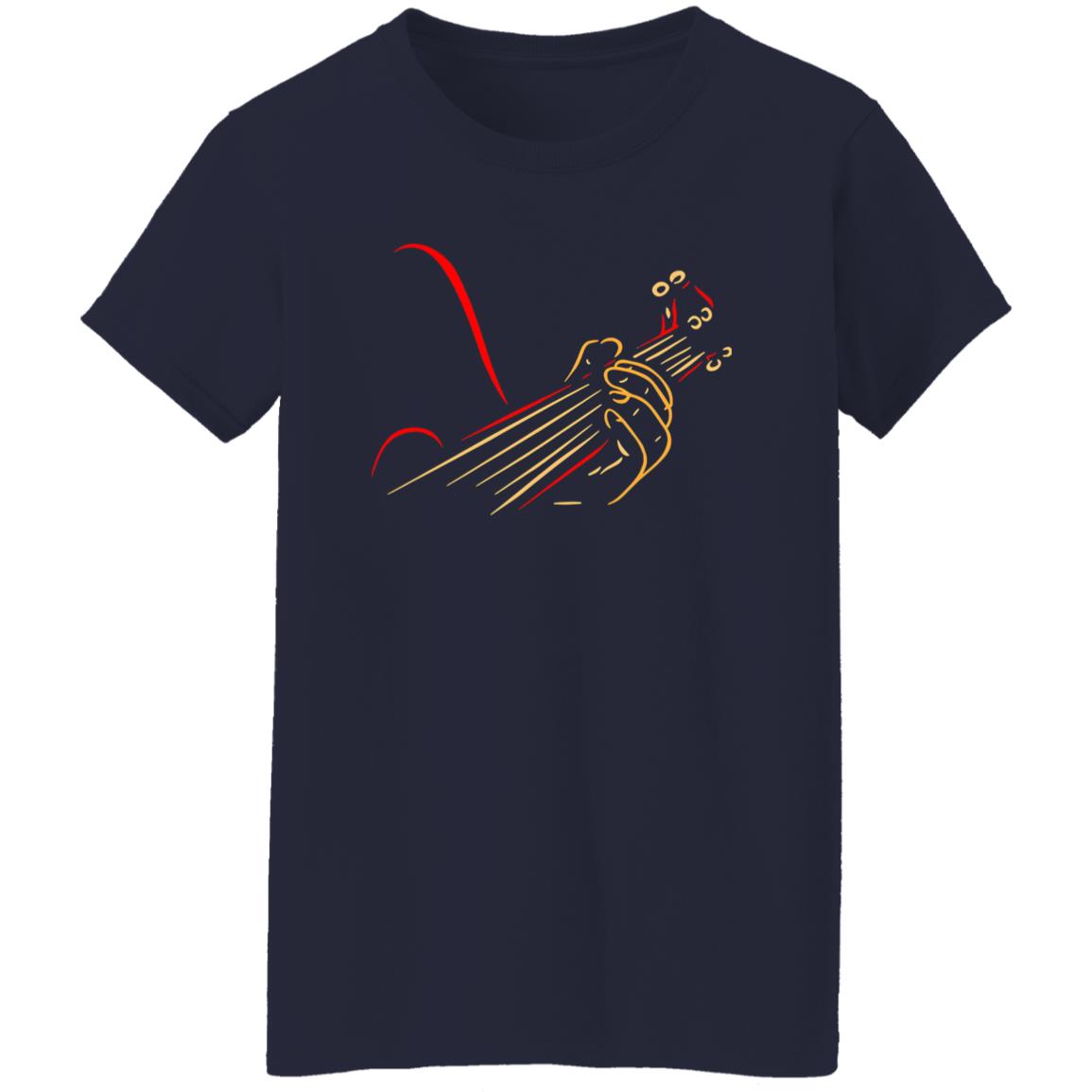
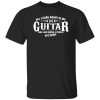
If you want a funny guitar shirt that does more than land a quick joke, this design earns attention through print clarity, easy wearability, and the kind of visual energy that still feels right long after the first outing. For music players, guitarists, and rock fans, the appeal is not only the phrase or the instrument reference. It is how the shirt carries that identity in a way that stays readable, feels comfortable through a full day, and keeps its presence when worn on repeat. That is why this piece works best as a shirt you actually reach for, not just one you buy for the idea.
The strongest music apparel does not rely on novelty alone. It needs to hold shape, keep the graphic looking intentional, and feel good in motion whether you are heading to a casual jam session, walking into a local venue, or just wearing it through an ordinary day that still revolves around playlists, instruments, and the culture around them. In a category crowded with throwaway prints, this shirt stands out because the performance side supports the personality side.
For a product like this, print execution is the first real quality signal. A funny guitar shirt succeeds when the graphic reads fast from a few steps away but still looks sharp up close. That balance matters because music-themed apparel lives in motion. It gets seen in passing at record shops, house rehearsals, coffee runs, and show nights. If the visual lands only under perfect conditions, it loses value quickly.
This design benefits from a print presence that feels clean rather than muddy. The graphic area should look deliberate, with enough contrast to stay legible against the fabric and enough visual structure to keep the joke or concept from dissolving into background noise. That is especially important in music apparel, where many designs compete for attention with oversized graphics, distressed effects, or crowded layouts. A better-performing shirt does not need to shout harder. It just needs the artwork to stay composed and readable.
That clarity also shapes how the shirt photographs. In product imagery, strong music graphics should show defined lines, confident spacing, and a finish that looks integrated into the garment rather than sitting on top of it like an afterthought. For Image Pack intent, the ideal visual is easy to picture: the print sits flat across the chest, the surface catches light without looking overly glossy, and the artwork remains crisp enough that the message still feels intentional even when the shirt is draped naturally instead of pulled taut.
Good print quality changes how a novelty concept ages. Instead of peaking on day one, it keeps looking wearable because the graphic retains its edge. That matters more for guitarists and music fans than it might for a random joke tee, because the shirt is doing double duty. It is both humor and affiliation. It says something about taste, habit, and identity, so the design has to keep enough integrity to remain worth wearing after the first laugh is gone.
A music shirt only becomes a favorite when the wear experience supports the graphic. That means the feel on body matters just as much as the artwork on chest. When someone shops for a guitarist or musician tee with transactional intent, they are usually not looking for a museum piece. They want something that fits daily life: easy to throw on, comfortable over long hours, and stable enough to wear across different settings without becoming stiff, clingy, or awkward.
This is where performance shows up in practical ways. A strong shirt in the music category should move without feeling restrictive, hold a clean line through the shoulders, and drape naturally instead of collapsing into a shapeless block. That behavior matters because guitar-themed shirts are often worn in active, real settings. A player may sit with an acoustic guitar for hours, shift posture constantly, layer the shirt under an open overshirt, or wear it through a long day that starts casual and ends at a rehearsal space or bar gig. If the garment twists easily, bunches oddly, or loses structure after a few wears, the design stops feeling premium no matter how clever the concept is.
The best-performing option feels broken in without looking worn out. It should have enough softness to be comfortable right away, but enough structure to stop the print area from sagging or warping across the torso. That balance gives the graphic a more confident look. Even a funny shirt reads better when the body of the garment still holds shape.
There is also the issue of repeated use. Music fans do not buy category-specific shirts just to store them in a drawer. The winners are the ones that survive regular rotation. That means the fabric experience needs to stay pleasant over time, especially around the neckline, sleeves, and chest where a shirt reveals very quickly whether it still feels solid or already feels tired.
A quick real-world moment says a lot here. Picture stepping into a small record store on a Saturday afternoon, flipping through used vinyl bins while a familiar acoustic track plays overhead. The shirt needs to feel easy in that setting. Not precious. Not stiff. Just reliable enough that the graphic stays sharp and the wear stays comfortable without demanding attention from you.
In a high-competition search space, a product cannot rely on theme match alone. Plenty of shirts mention guitars, music, or rock attitude. The better buy is the one that gives clearer value once you look past the headline.
That combination matters because shopping behavior around music apparel is often emotional but selective. Buyers know immediately whether something feels authentic to their taste. A forced joke or weak graphic gets filtered out fast. A shirt like this performs better when it lands in the middle ground: expressive enough to feel fun, grounded enough to avoid looking disposable, and comfortable enough to justify repeat wear.
It also benefits from versatility inside the broader music category. This is not limited to one narrow subculture or one single look. It fits acoustic players, casual musicians, songwriting enthusiasts, gig-goers, and gift buyers who want a design that makes sense instantly. That broader usefulness increases its value because the shirt can move between contexts without looking misplaced. Worn with jeans, layered under a casual jacket, or paired with shorts on a laid-back day, it still reads cleanly.
For buyers browsing the wider music fan graphic tees category, this shirt works as a strong option because it delivers a recognizably music-centered message without becoming visually overcomplicated. It stays accessible while still having enough niche relevance to feel chosen, not generic.
Long-term value in music apparel depends on whether the shirt still looks intentional after regular wear. That does not mean it should stay frozen in brand-new condition forever. Some of the best shirts in this space actually look better once they settle in. But there is a difference between natural character and early breakdown.
A strong funny guitar shirt should age with control. The print should retain enough density and definition that the graphic still reads cleanly after repeated washing and wear. Slight softening can be a good thing because it gives the design a more lived-in feel, especially in music culture where perfectly untouched garments can sometimes feel less authentic than ones with a bit of life in them. What you do not want is premature cracking, patchy fade, or loss of legibility that turns the design from expressive to careless.
Shape retention matters too. If the body keeps a stable outline and the collar continues to frame the neckline cleanly, the whole shirt looks better for longer. That matters for graphic tees more than people sometimes realize. Once the frame of the garment starts to lose discipline, even a good design appears cheaper. When the shirt keeps its structure, the print keeps its authority.
Visually, this design should continue to perform in the ways buyers notice most. The drape stays easy rather than limp. The print surface looks integrated instead of plasticky. The silhouette remains relaxed but controlled. In images, that translates to a shirt that still hangs well on the body, with the graphic centered and readable, the fabric surface looking smooth enough to support the artwork, and the overall impression staying sharp whether the piece is styled solo or under a layer.
That is why this product makes sense as more than a single-use novelty. It carries the kind of straightforward music identity that works again and again, and the performance side gives that identity staying power. For a guitarist, a music lover, or someone shopping for a gift that feels both funny and genuinely wearable, the value comes from that overlap. The design connects quickly. The shirt stays comfortable. The print keeps its presence. And in a crowded market full of forgettable music graphics, that combination is what makes this one worth choosing.
| Product | Acoustic Guitar Music Player Musician Guitarist Rock - Funny Guitar Shirt |
|---|---|
| SKU | cc-1049-9966-105151497-1718557455745 |
| Fabric Weight | Midweight (5.3 oz) – Heavyweight (6.0 oz Long Sleeve) |
| Material Composition | Solid Colors: 100% Cotton Ash Grey: 99% Cotton / 1% Polyester Sport Grey: 90% Cotton / 10% Polyester Dark Heather: 50% Cotton / 50% Polyester |
| Fit | Classic Unisex Fit (Ladies: Slightly Tapered Missy Fit) |
| Construction | Double-needle stitching Taped neck & shoulders Preshrunk jersey knit Tearaway label |
| Hoodie Material (G185) | 8.0 oz – 50% Cotton / 50% Polyester |
| Available Sizes | S – 5XL (6XL select colors only) |
| Origin | Made with sustainably and fairly grown USA cotton; Printed in USA |
| Print Method | DIGISOFT® Direct-to-Garment (DTG) |
| Brand | Capital T Shirt |
| Fast & Reliable Shipping | All orders are professionally printed and shipped from the USA. |
|---|---|
| Processing Time | Printed on demand within 1–3 business days. |
| Shipping Time | USA: 4–7 business days International: 7–15 business days |
| Shipping Costs | USA Standard: $5.99 International Standard: $9.99 |
| Secure Checkout | Safe & encrypted payment processing. Your information is protected at all times. |
| Returns & Exchanges | We offer a 30-day return policy. View Refunds & Returns Policy |
| Customer Guarantee | We stand behind the quality of every item we print. |




Reviews
There are no reviews yet.