No products in the cart.
Save 20% on orders over $100 with code CT20

New Customer Discount 10% OFF. Enter Coupon Code: CP10


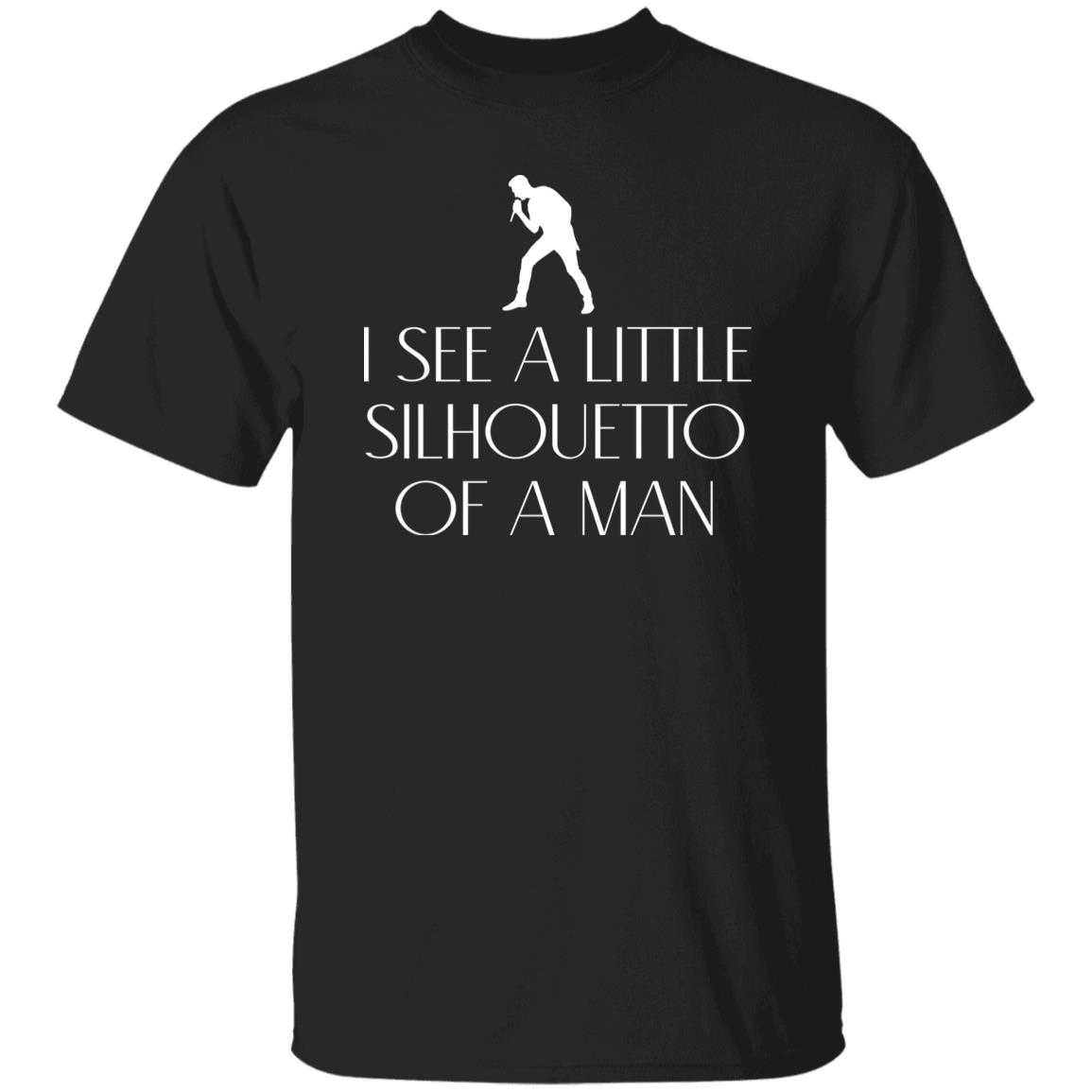
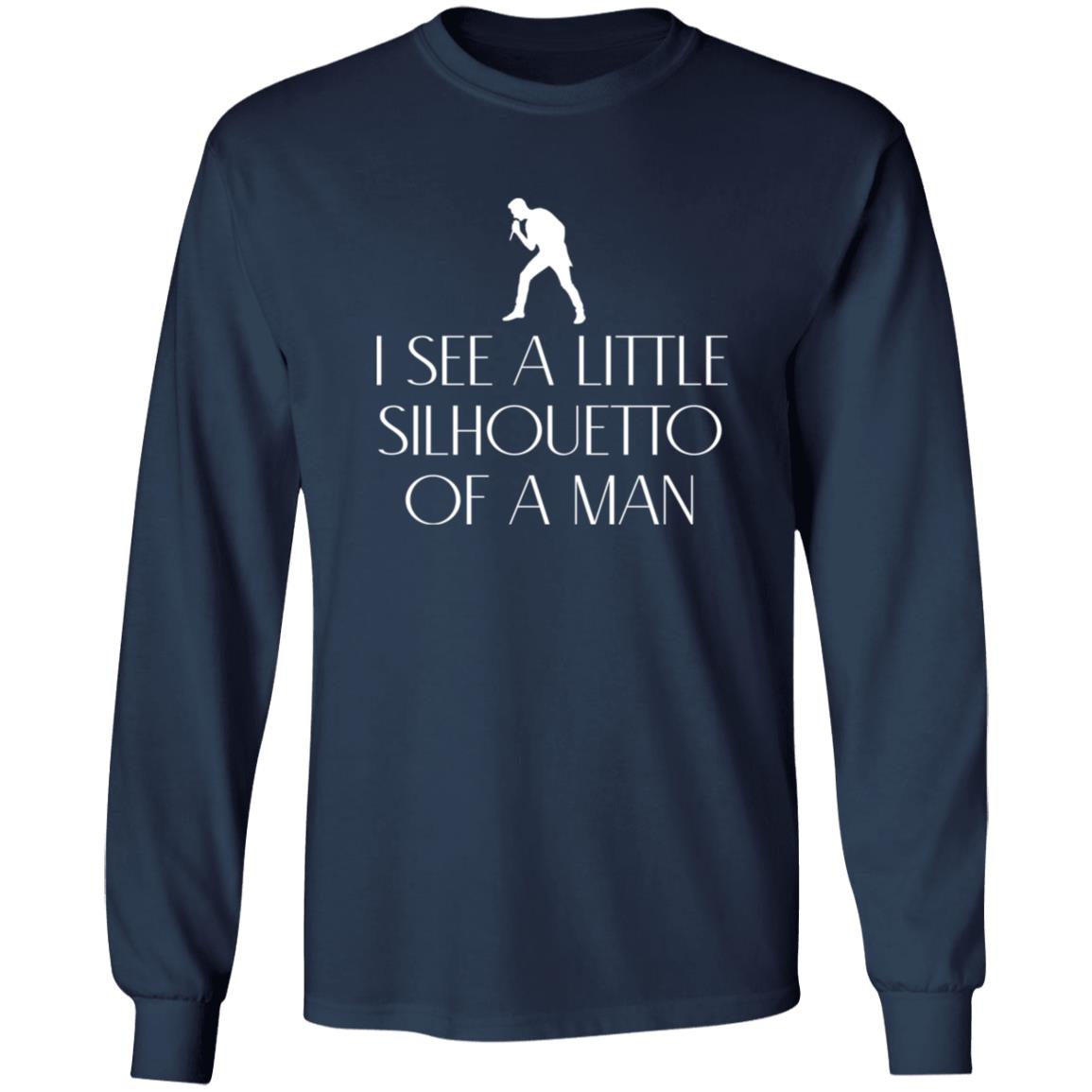
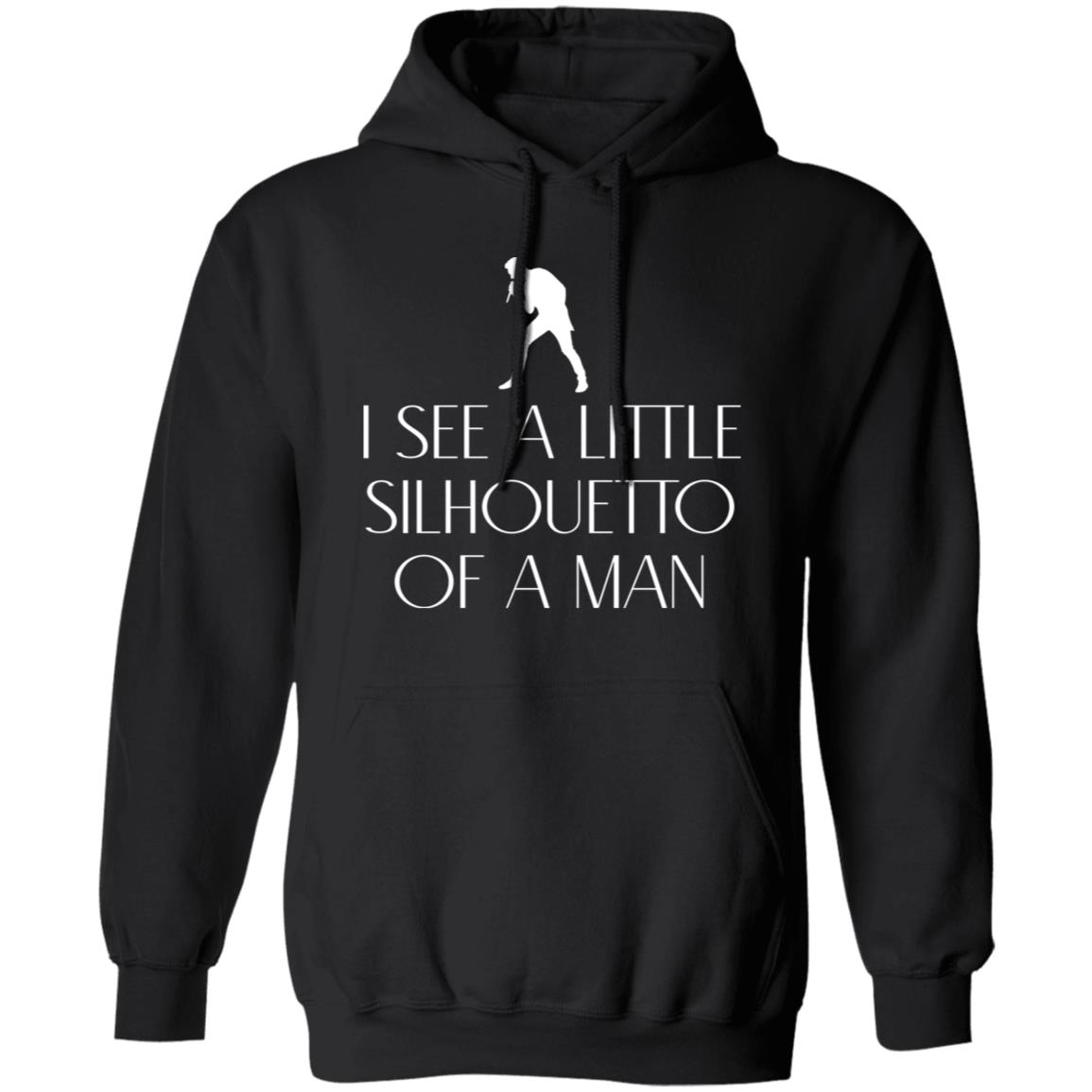
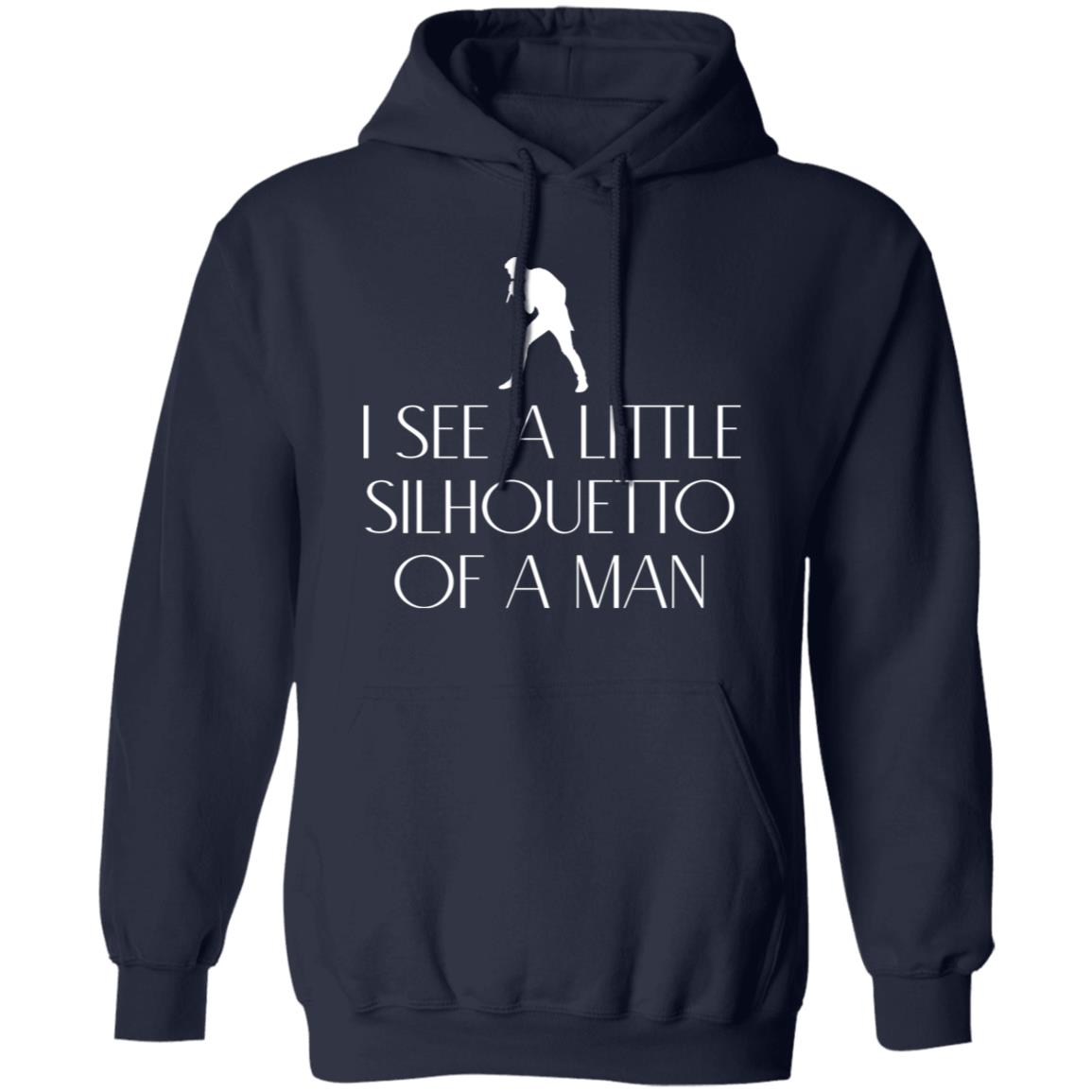
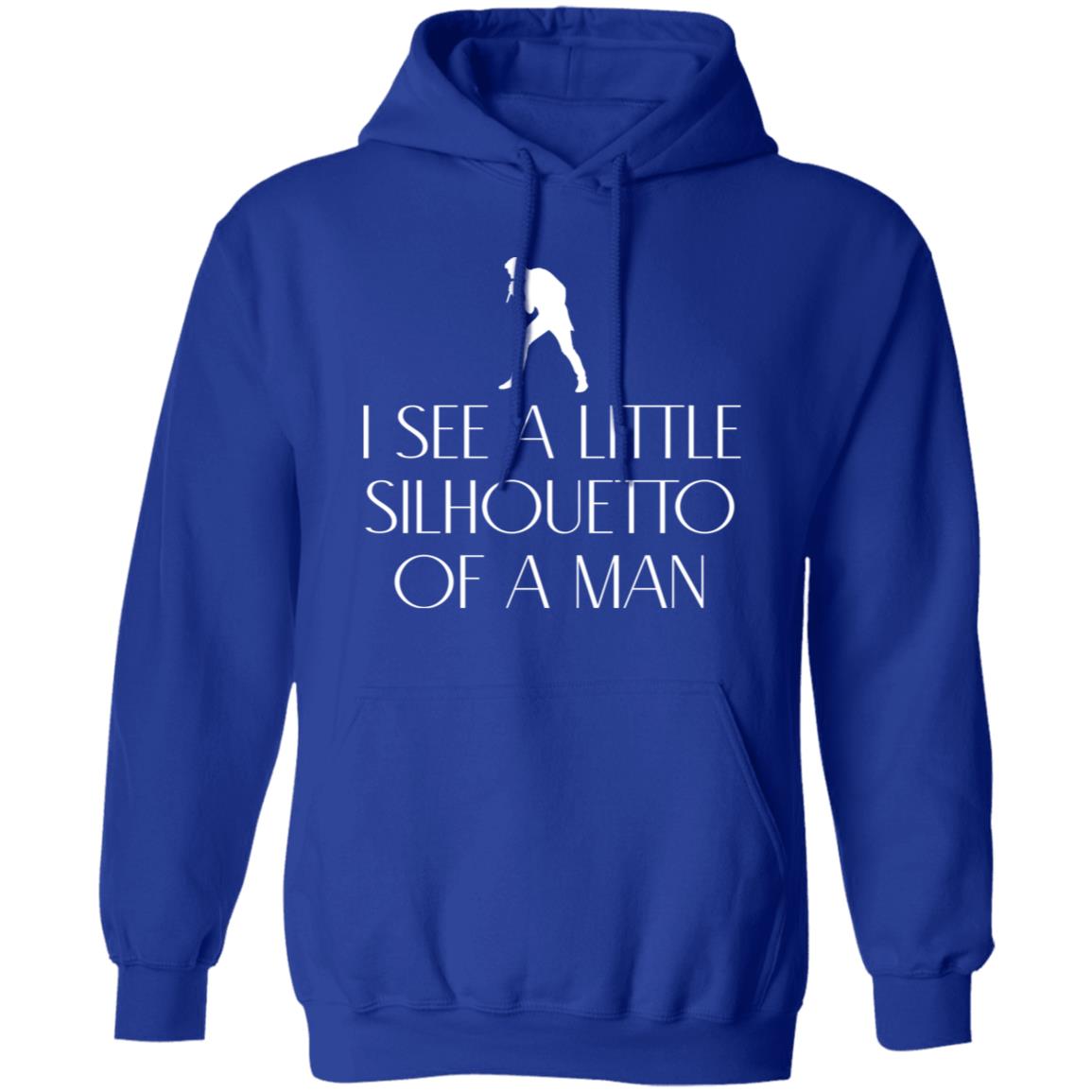
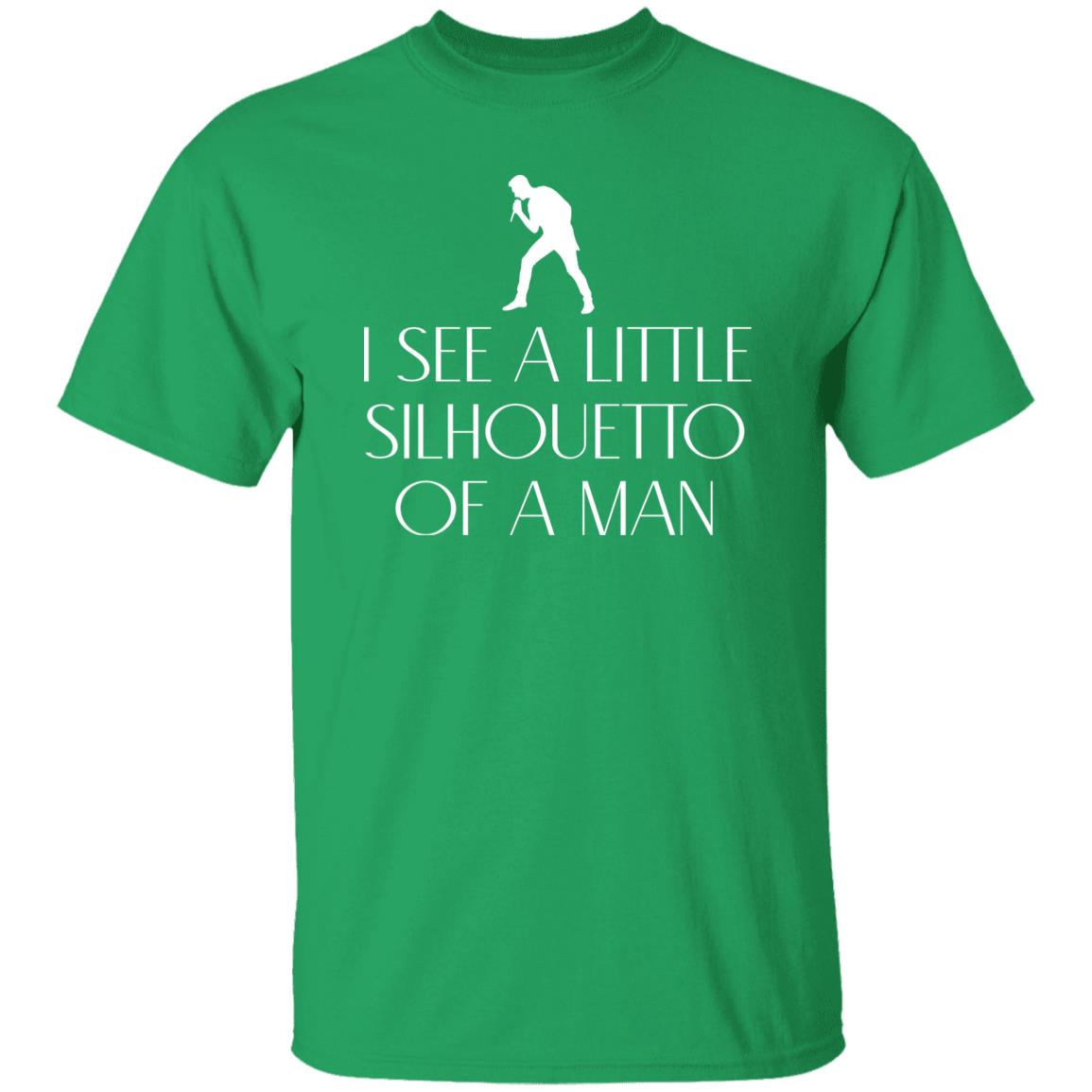
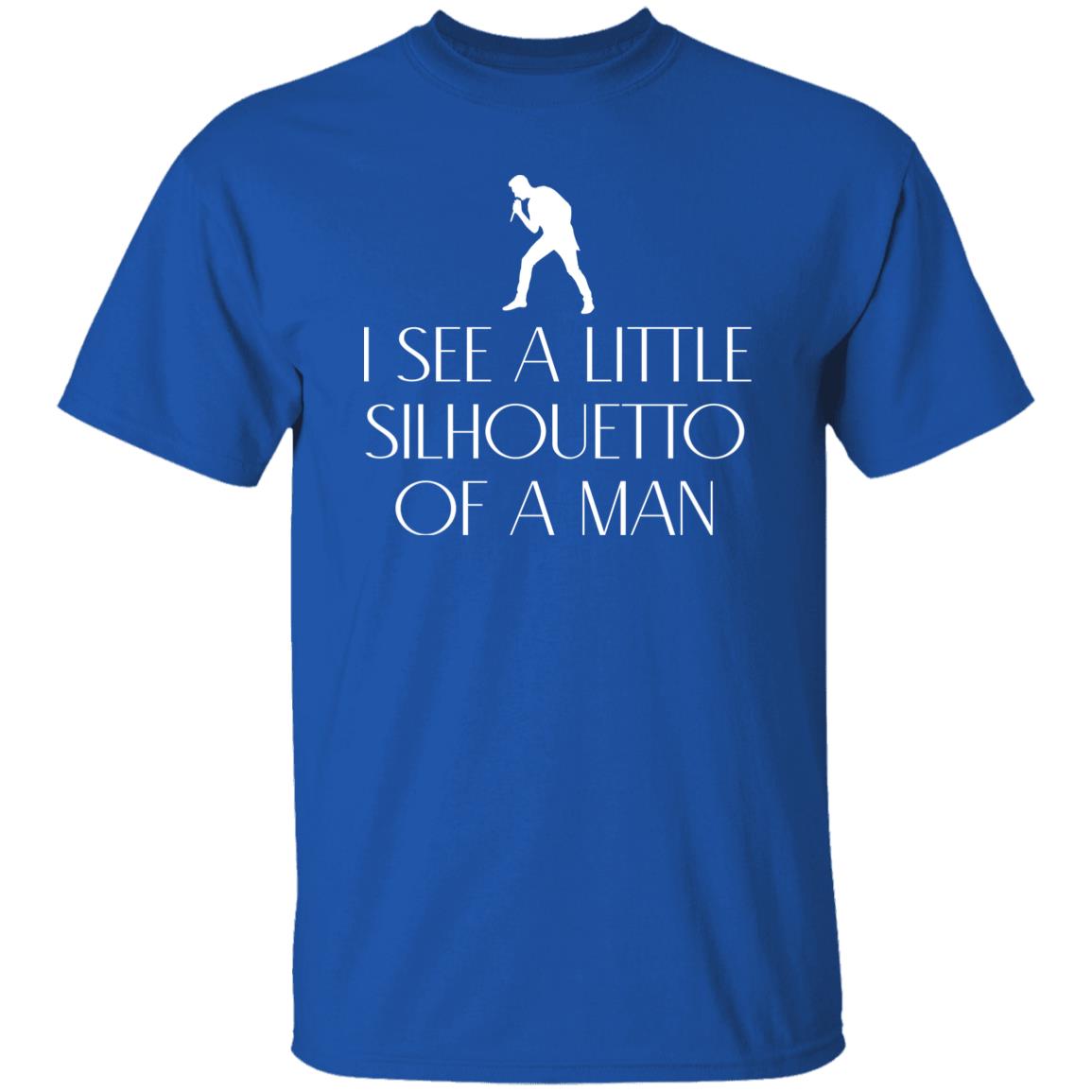
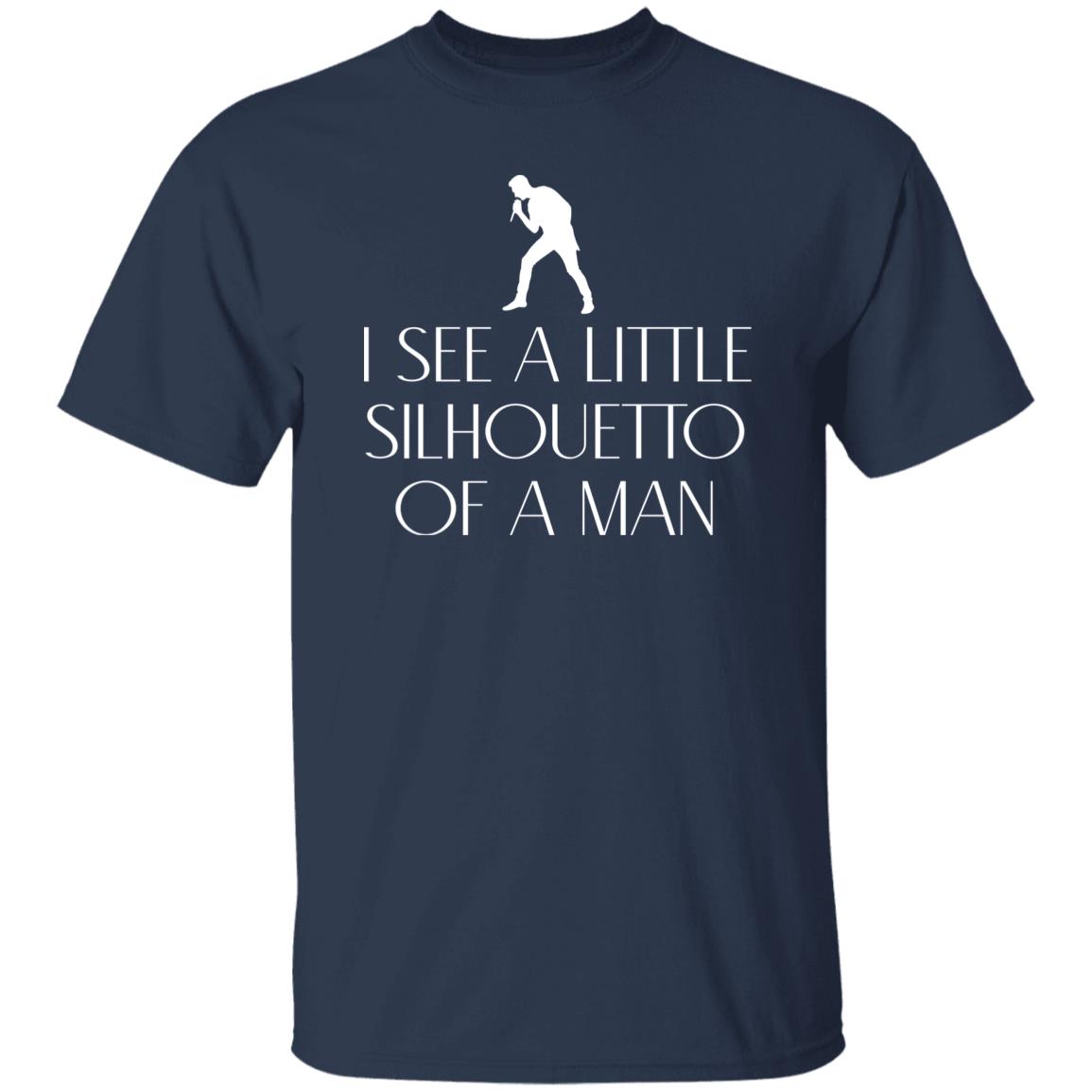
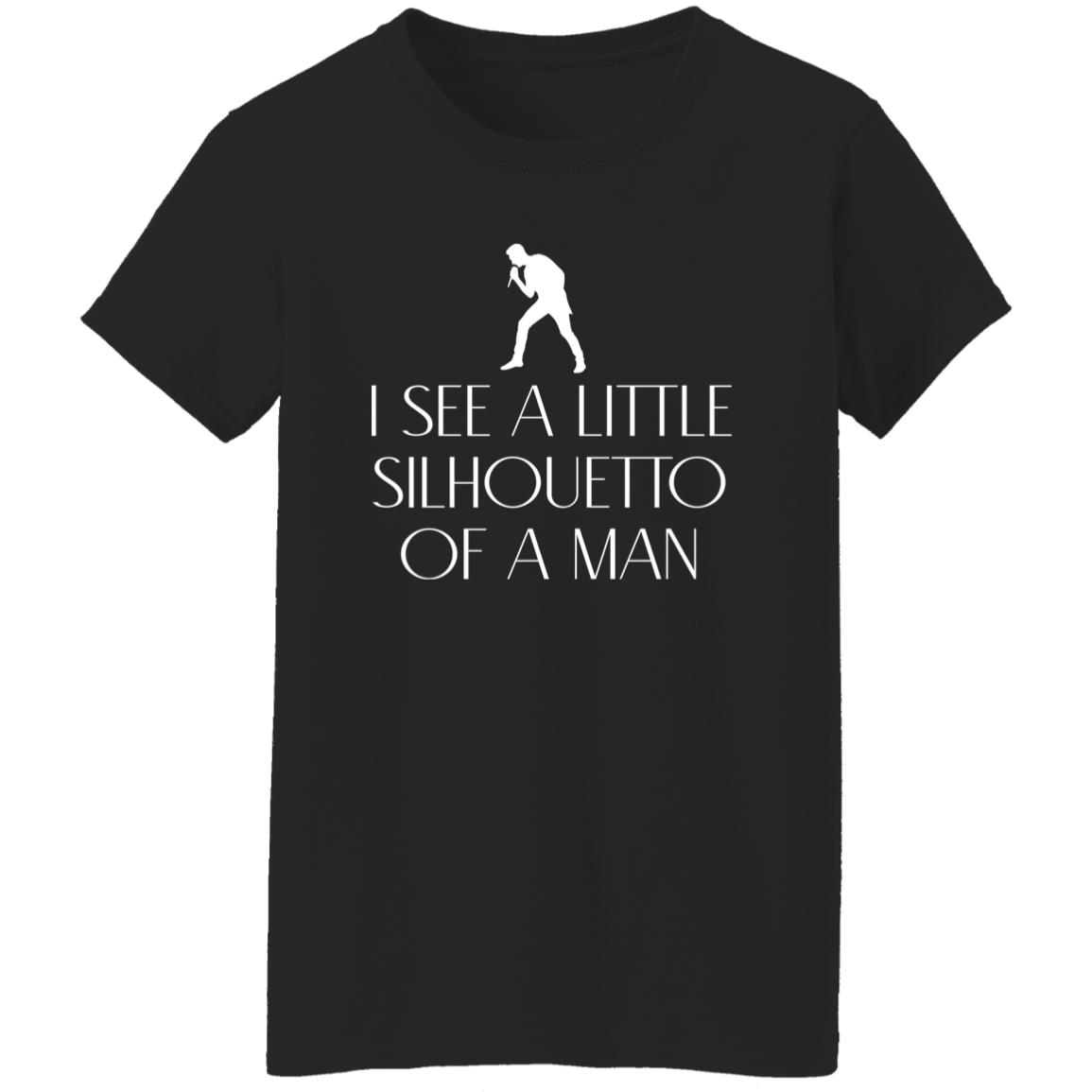
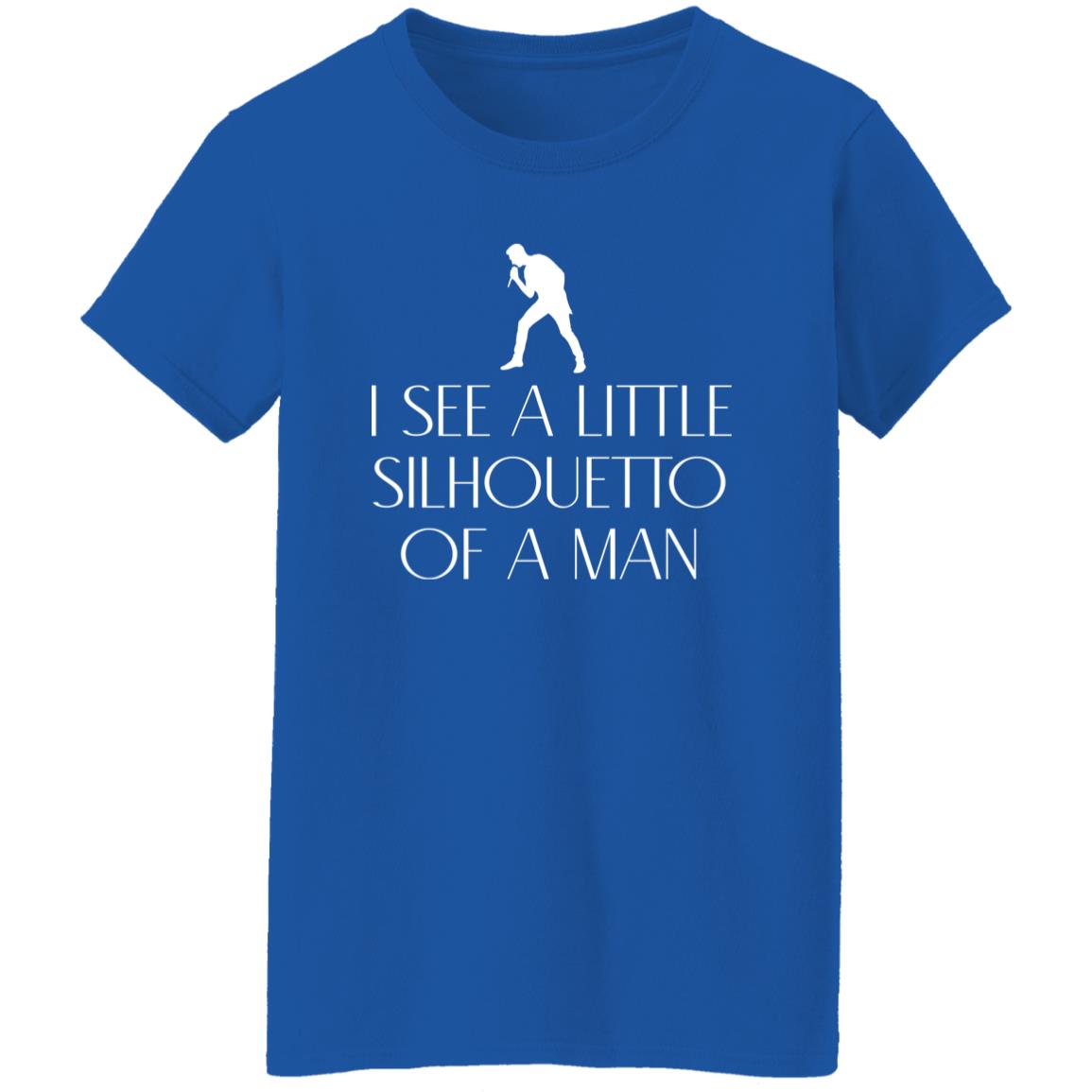
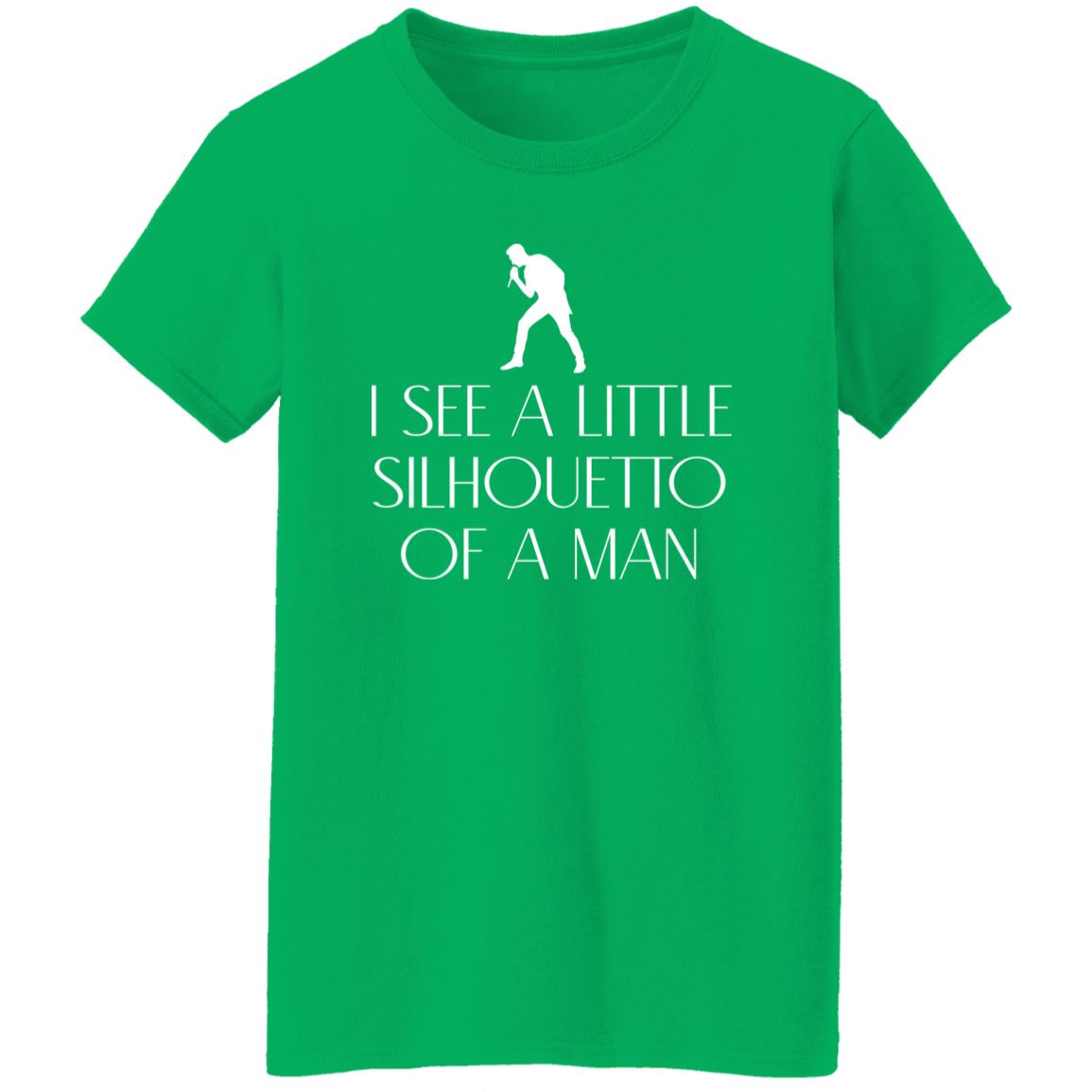
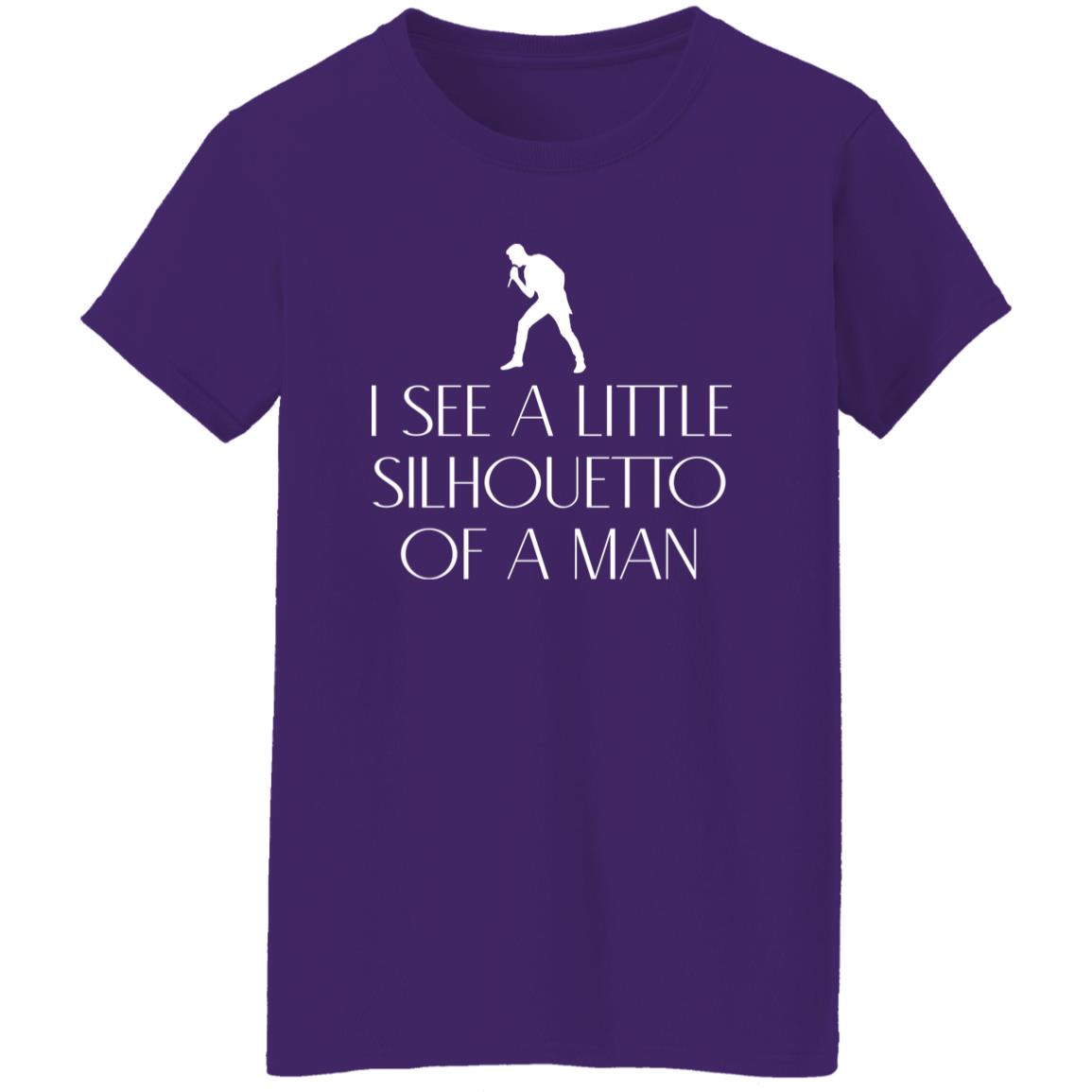
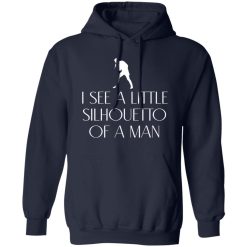
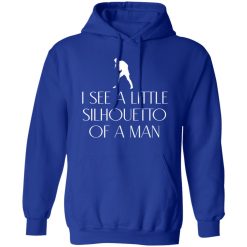
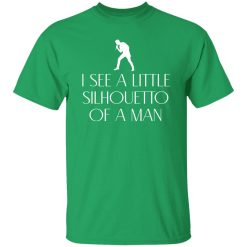
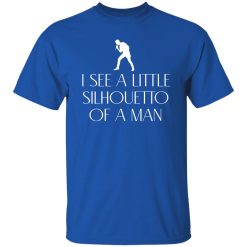
Price range: $21.90 through $44.99
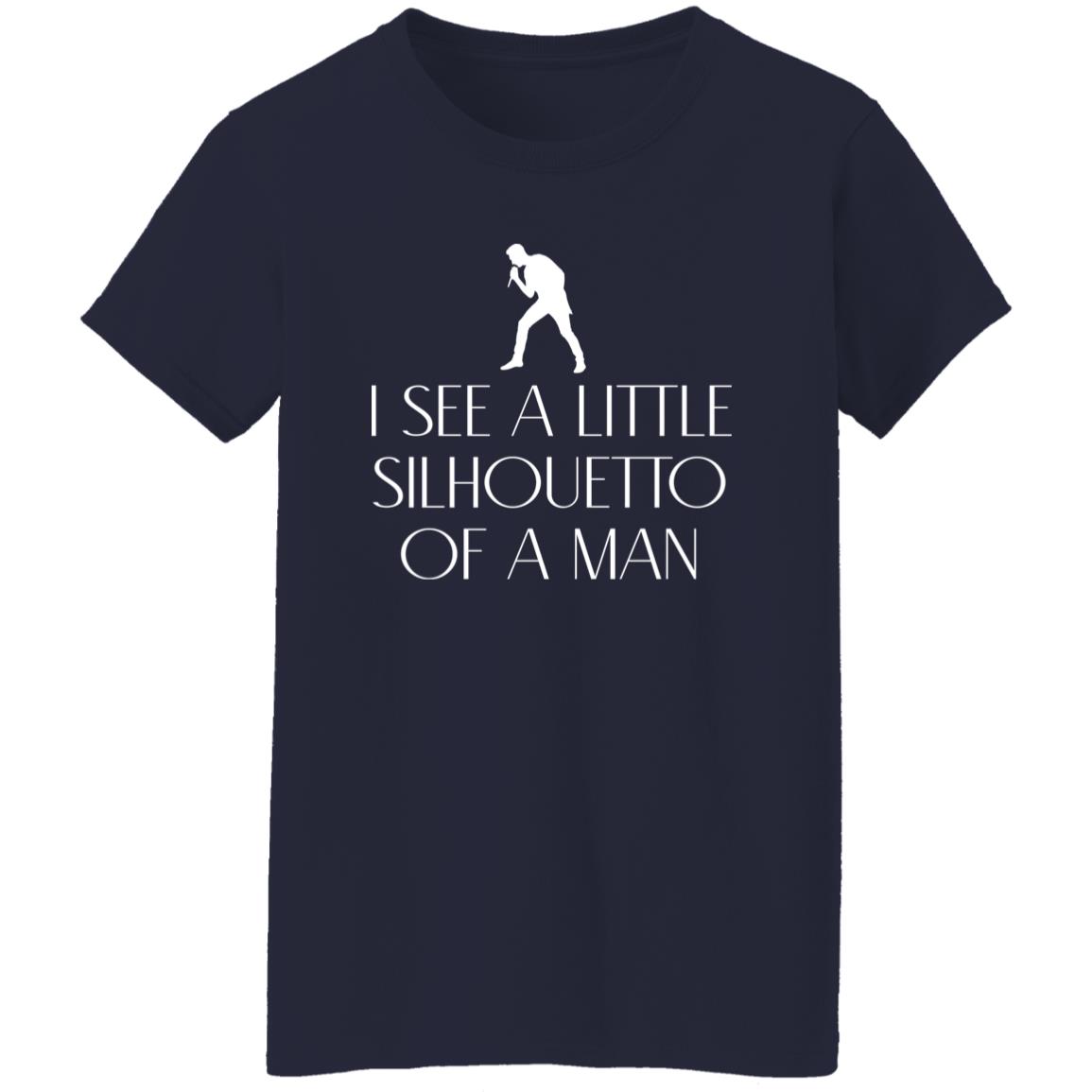
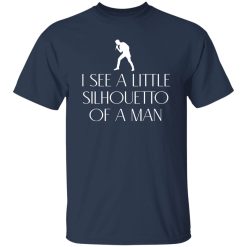
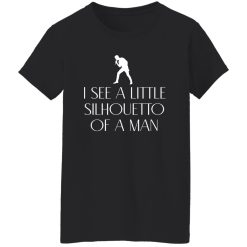
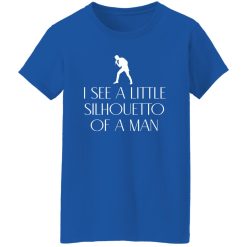
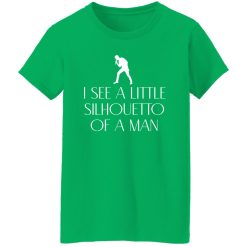
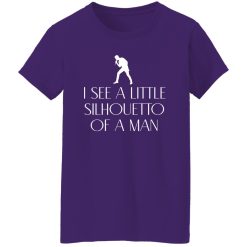
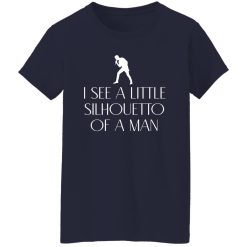
Few song lyrics in rock history trigger instant recognition the way “I see a little silhouetto of a man” does. The phrase is more than a line from a song—it’s a fragment of collective memory shared across generations of music listeners. When that lyric becomes visual language on a shirt, it turns into something wearable: a cultural reference that connects sound, image, and identity in one bold graphic expression.
Within the universe of rock-inspired apparel, lyric-driven artwork has always held a special place. It captures a precise emotional moment from music history and freezes it into a design that fans can carry into everyday life. The music graphic style tees category thrives on this exact principle—transforming iconic musical moments into visual symbols that resonate far beyond the stage.
The phrase “I see a little silhouetto of a man” belongs to one of rock music’s most theatrical compositions. Rather than describing a straightforward scene, the lyric conjures a dramatic image: a mysterious silhouette emerging in a moment of heightened musical tension. For listeners, it’s a moment that blends opera, rock, and storytelling into a single surreal snapshot.
Designers translating this lyric into graphic form often lean into its cinematic quality. The silhouette becomes the centerpiece—sometimes framed by lightning, stage lights, or abstract soundwaves that echo the song’s dramatic structure. The figure itself remains intentionally ambiguous. Is it a performer? A shadow of the narrator? A symbolic character within the song’s strange narrative?
That ambiguity is precisely what makes the design powerful. It invites interpretation rather than dictating meaning.
In the world of music apparel, silhouettes carry an interesting cultural role. They allow artists and designers to reference legendary performers without relying on direct portrait imagery. Instead of depicting a specific face, the shape alone becomes enough to signal the influence of rock theatre and operatic songwriting.
Long before streaming playlists and algorithmic music discovery, rock songs that blended theatrical storytelling with explosive instrumentation became cultural landmarks. These compositions didn’t simply play on the radio—they created moments. Entire audiences would wait for specific lines to arrive, ready to shout them in unison.
The lyric referenced in this shirt belongs to one of those moments.
Its sudden shift in tone within the song created an unforgettable musical pivot. Fans remember exactly where they were when they first heard it—whether blasting through headphones, echoing across a stadium, or blasting from a dusty cassette deck during a late-night drive.
Over time, the line took on a life beyond the music itself. It became shorthand for rock’s more theatrical side—the era when bands were unafraid to combine classical drama, progressive composition, and arena-level energy.
Graphic tees inspired by such lyrics do more than celebrate a band or song. They capture the spirit of that creative risk-taking era.
Among music fans, lyric-based designs often carry a deeper emotional pull than traditional band logos. A logo identifies a group, but a lyric identifies a moment—something more personal, more tied to memory.
For collectors of music apparel, this distinction matters. A shirt built around a memorable line taps directly into the experience of listening. It triggers recollection of melody, vocal delivery, and the emotional surge that comes when the line arrives in the song.
Several factors contribute to the appeal of lyric-centered designs:
Because of this, shirts like the I See A Little Silhouetto Of A Man design often feel less like merchandise and more like cultural artifacts—small wearable fragments of music history.
Over the past decade, music apparel has evolved from simple logo prints into a more sophisticated visual culture. Today’s graphic tees frequently draw inspiration from vintage concert posters, underground zines, and experimental album art.
The silhouette motif fits perfectly within that tradition.
Rather than relying on literal imagery, it uses contrast and shadow to suggest a story. The viewer fills in the rest mentally, guided by their familiarity with the lyric. In this sense, the design behaves almost like a minimalist poster—just enough information to spark recognition without overwhelming the composition.
The result is a graphic that feels both nostalgic and contemporary. It nods to classic rock heritage while fitting seamlessly into modern streetwear styling.
This balance explains why lyric-inspired designs continue thriving in the music apparel world. They speak to long-time fans while remaining visually appealing to younger listeners discovering the music for the first time.
At first glance, a lyric tee might appear to be simple fan apparel. But in practice, it works as a subtle signal of musical taste and cultural awareness.
Someone wearing the I See A Little Silhouetto Of A Man Shirt isn’t just referencing a song—they’re referencing an entire era of musical ambition, when bands experimented freely with genre boundaries and theatrical storytelling.
The graphic itself often carries dramatic contrast. Dark silhouettes against luminous highlights echo stage lighting, while layered typography reflects the rhythm of the lyric. The print behaves almost like a frozen moment from a rock opera performance.
Because the design leans heavily on visual symbolism, it pairs easily with everyday wardrobes. The shirt functions as a statement piece without demanding elaborate styling.
In casual settings—record store visits, concerts, or late-night city walks—the graphic becomes a conversation starter. Fellow music fans recognize the lyric instantly, and the shared reference creates an immediate connection.
That social dimension has always been part of music merchandise culture. Fans use shirts to signal belonging, taste, and memory all at once.
Some lines from music fade into obscurity, tied to a specific moment in pop culture. Others evolve into enduring cultural shorthand. “I see a little silhouetto of a man” clearly belongs to the latter category.
Its strange, theatrical phrasing remains instantly recognizable even decades after its debut. The line’s imagery—mysterious, slightly surreal, and full of dramatic tension—makes it perfectly suited for visual interpretation.
That’s why shirts built around such lyrics continue to resonate with music fans across generations. They don’t simply reference a band or era. They capture the feeling of discovery that comes from hearing a song that bends the rules of what rock music can be.
When transformed into a graphic tee, that feeling becomes tangible. A moment of musical imagination is converted into visual form, ready to be worn, shared, and recognized by anyone who understands the reference.
And in a culture where music often shapes personal identity as much as fashion does, that connection between sound and style remains as powerful as ever.
| Product | I See A Little Silhouetto Of A Man Shirt |
|---|---|
| SKU | cc-1049-9961-104998925-1716703818613 |
| Fabric Weight | Midweight (5.3 oz) – Heavyweight (6.0 oz Long Sleeve) |
| Material Composition | Solid Colors: 100% Cotton Ash Grey: 99% Cotton / 1% Polyester Sport Grey: 90% Cotton / 10% Polyester Dark Heather: 50% Cotton / 50% Polyester |
| Fit | Classic Unisex Fit (Ladies: Slightly Tapered Missy Fit) |
| Construction | Double-needle stitching Taped neck & shoulders Preshrunk jersey knit Tearaway label |
| Hoodie Material (G185) | 8.0 oz – 50% Cotton / 50% Polyester |
| Available Sizes | S – 5XL (6XL select colors only) |
| Origin | Made with sustainably and fairly grown USA cotton; Printed in USA |
| Print Method | DIGISOFT® Direct-to-Garment (DTG) |
| Brand | Capital T-Shirts |
| Fast & Reliable Shipping | All orders are professionally printed and shipped from the USA. |
|---|---|
| Processing Time | Printed on demand within 1–3 business days. |
| Shipping Time | USA: 4–7 business days International: 7–15 business days |
| Shipping Costs | USA Standard: $5.99 International Standard: $9.99 |
| Secure Checkout | Safe & encrypted payment processing. Your information is protected at all times. |
| Returns & Exchanges | We offer a 30-day return policy. View Refunds & Returns Policy |
| Customer Guarantee | We stand behind the quality of every item we print. |






Reviews
There are no reviews yet.