No products in the cart.
Save 20% on orders over $100 with code CT20

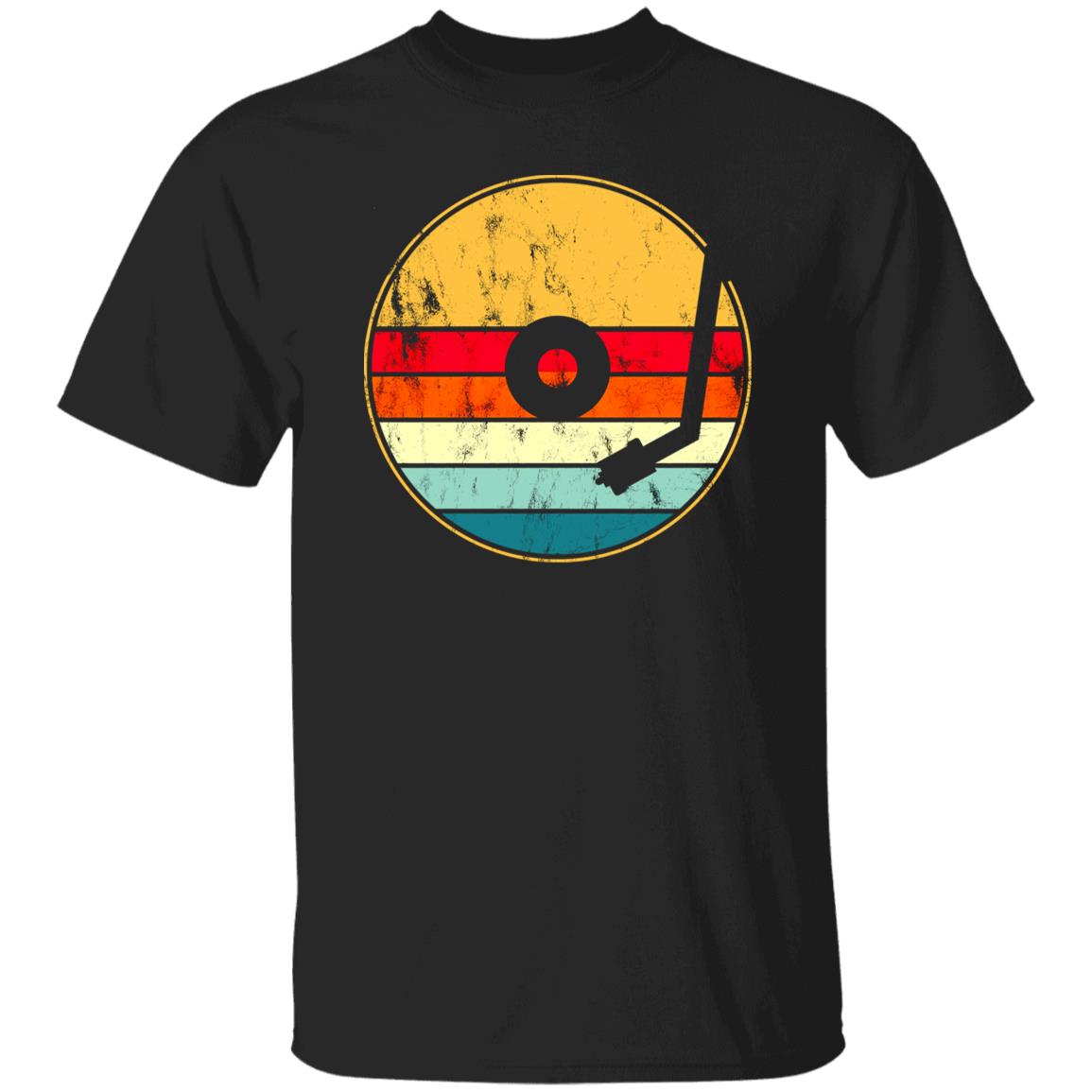
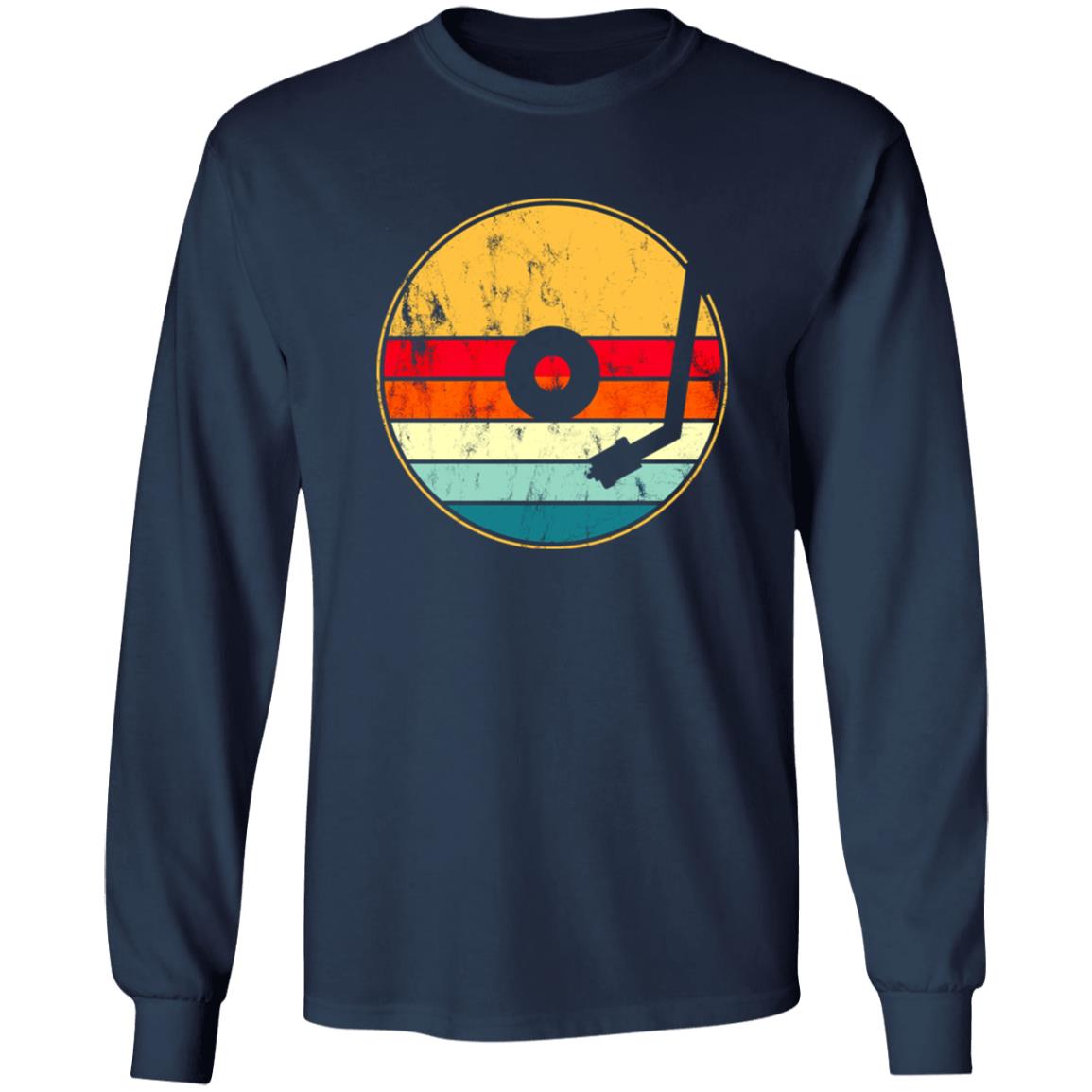
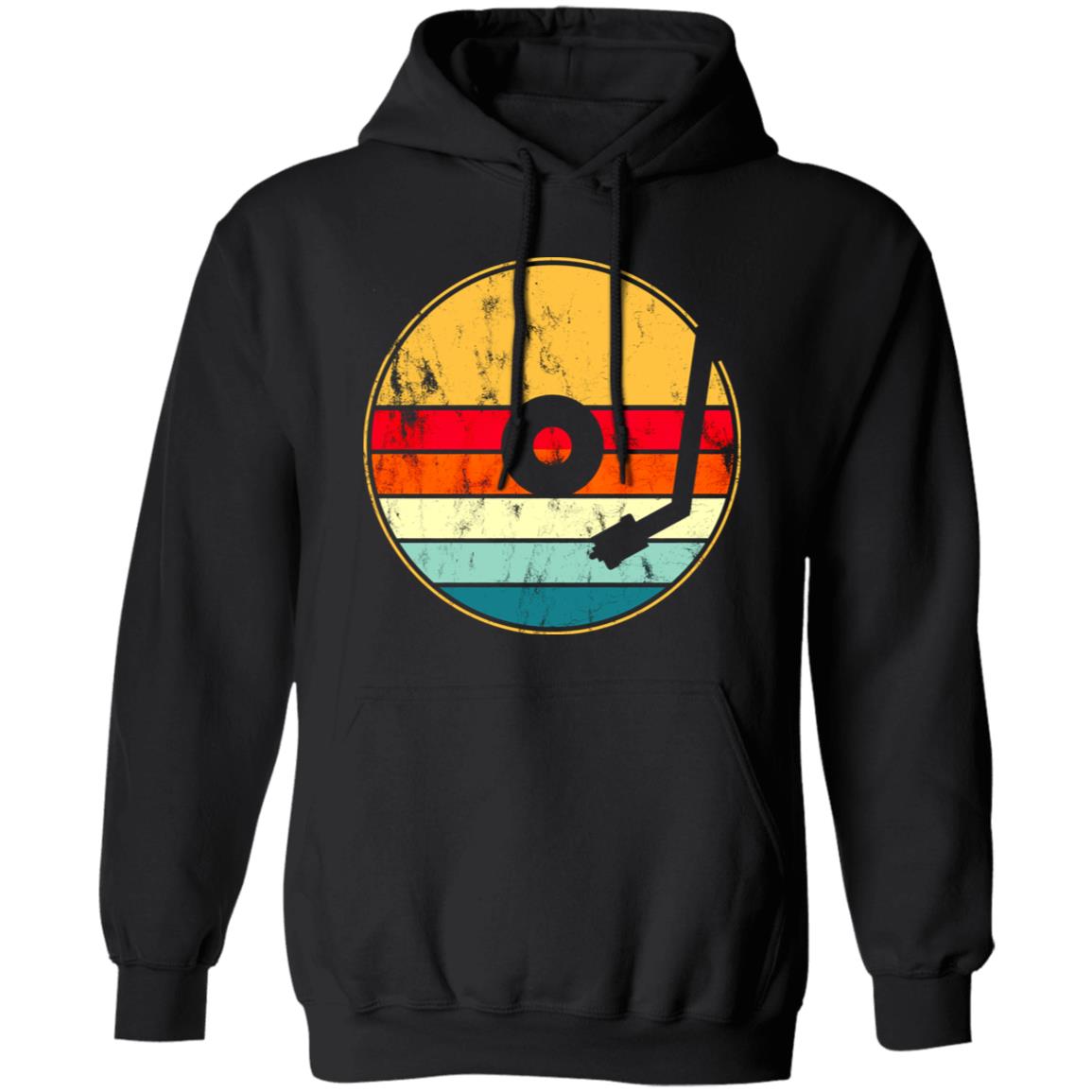
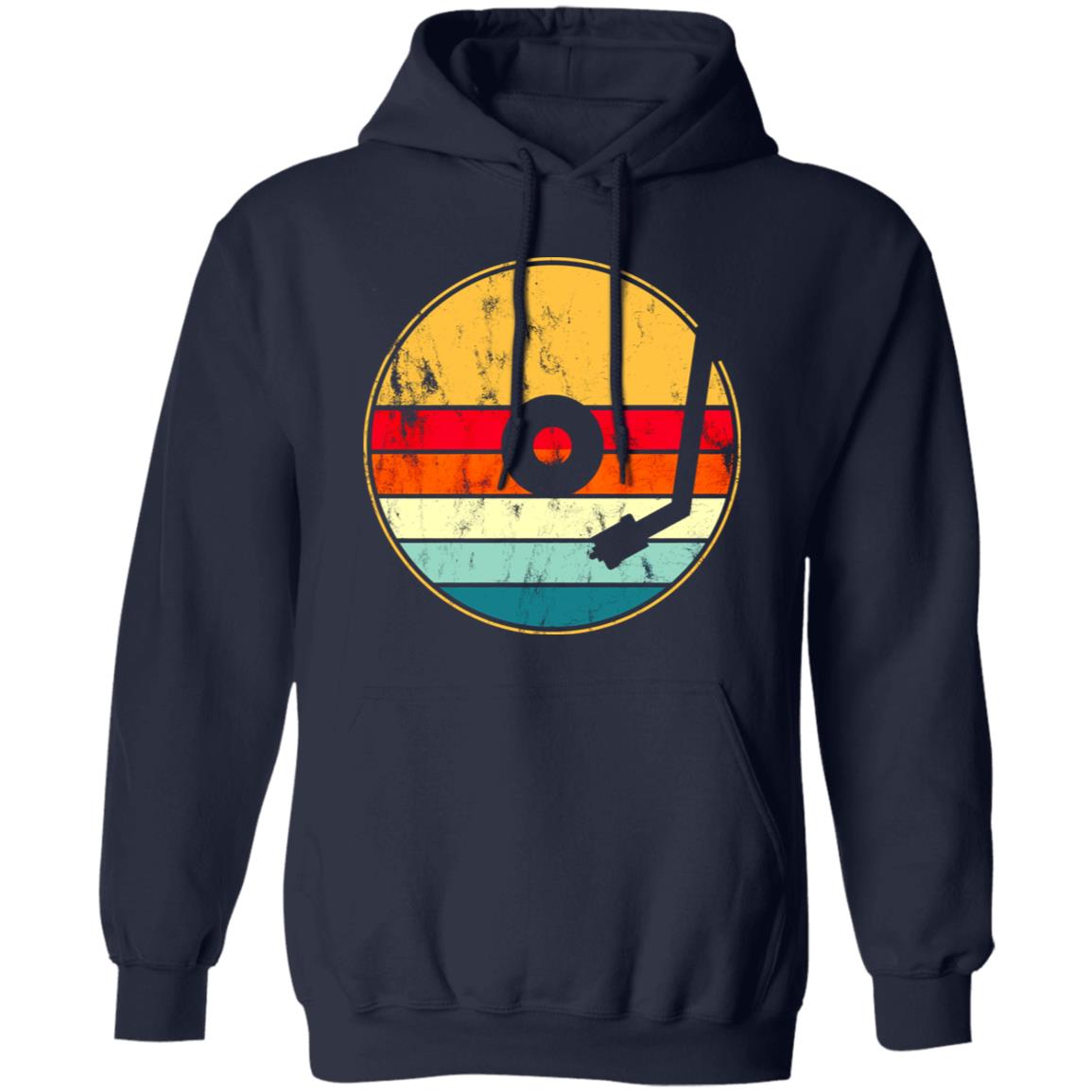
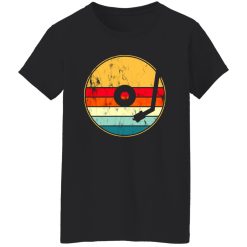
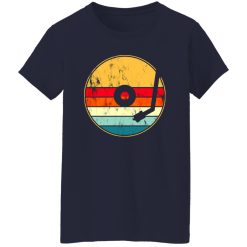
Price range: $21.90 through $44.99
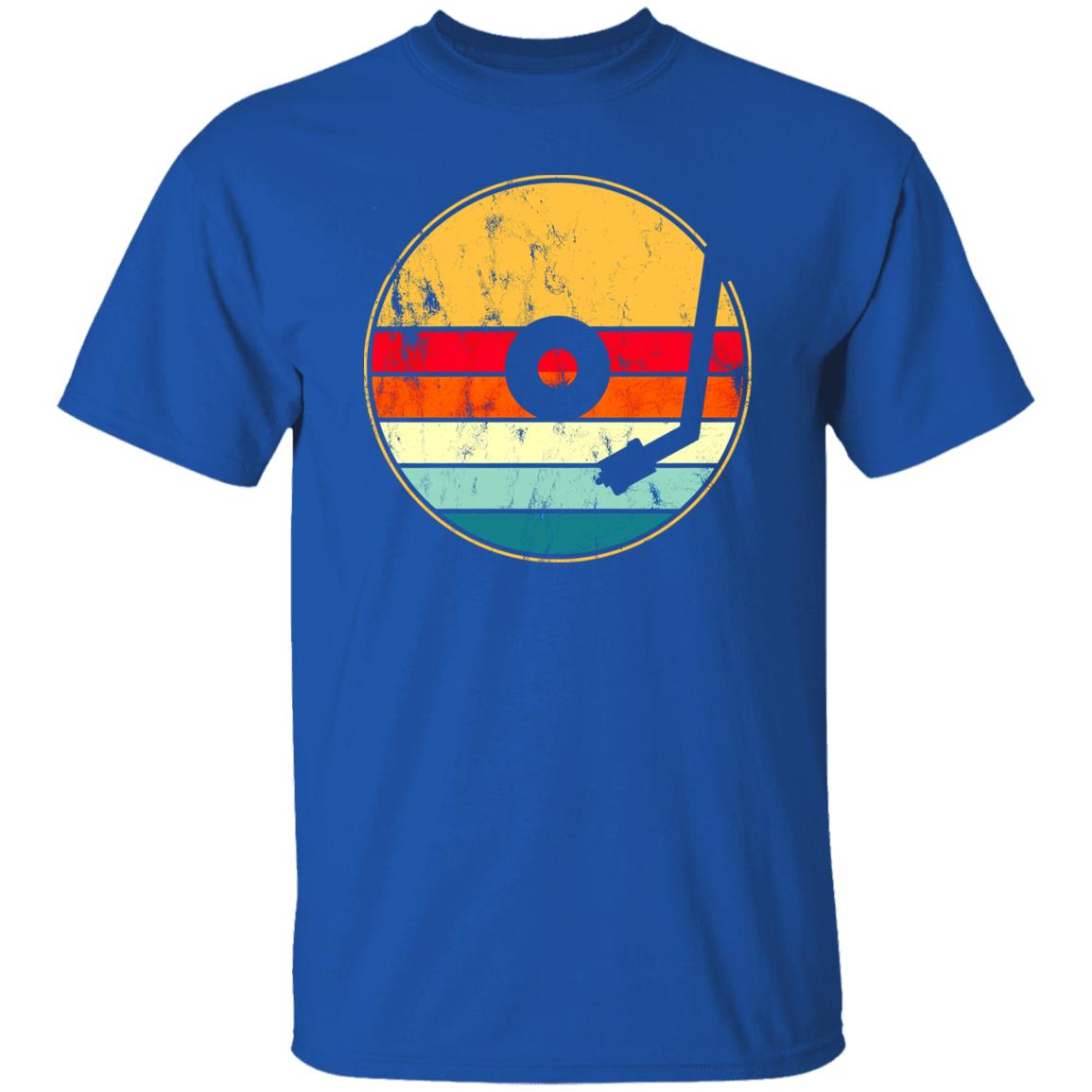
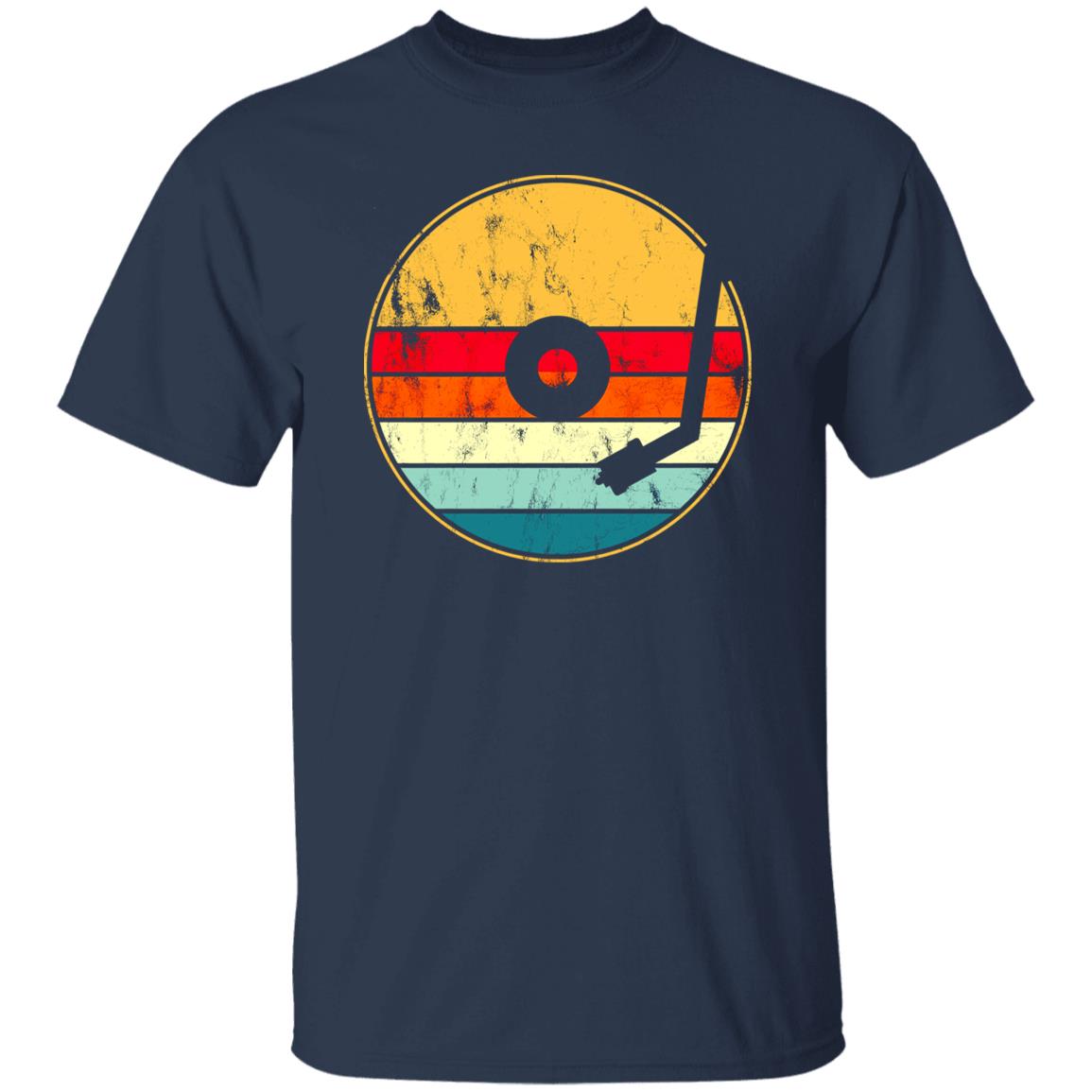
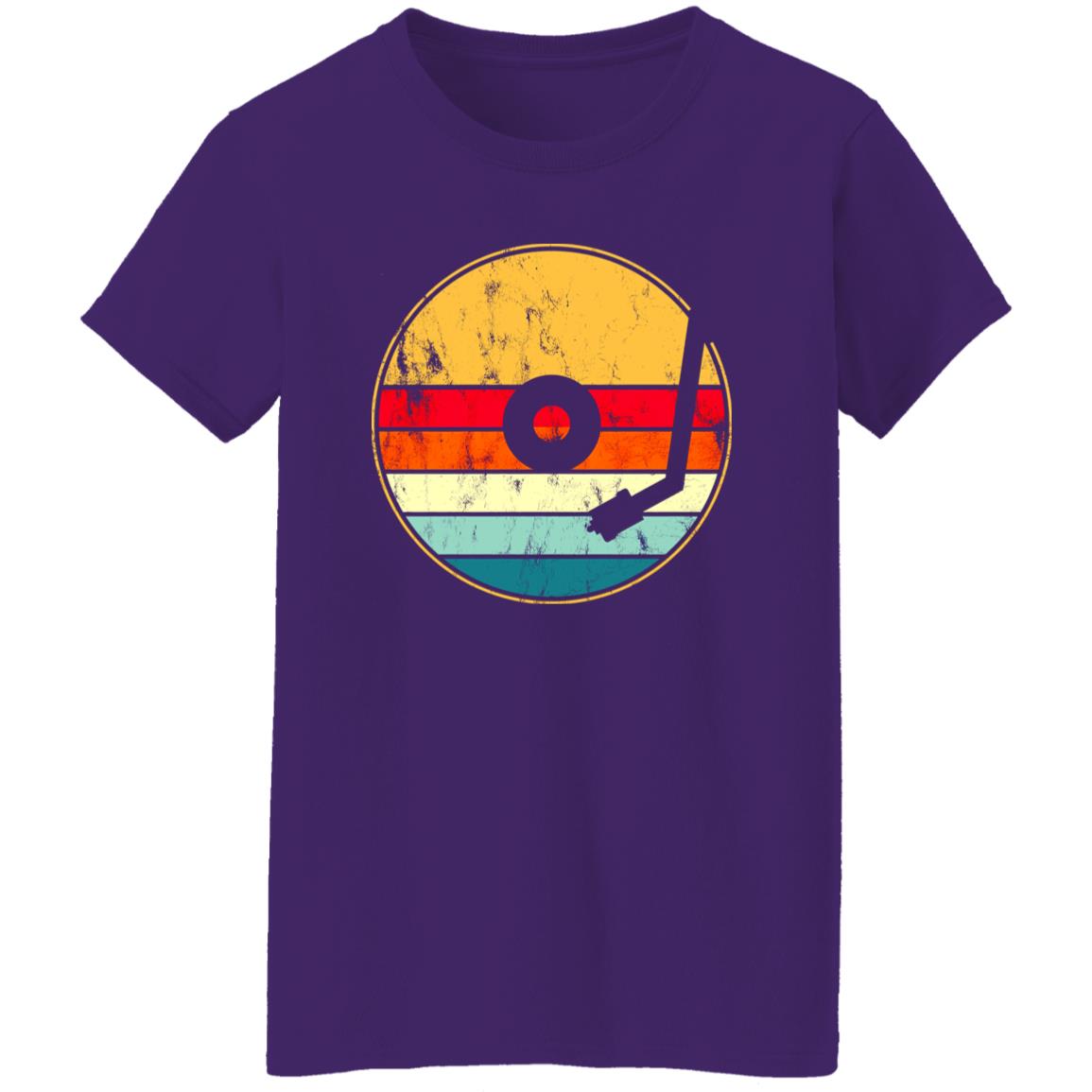
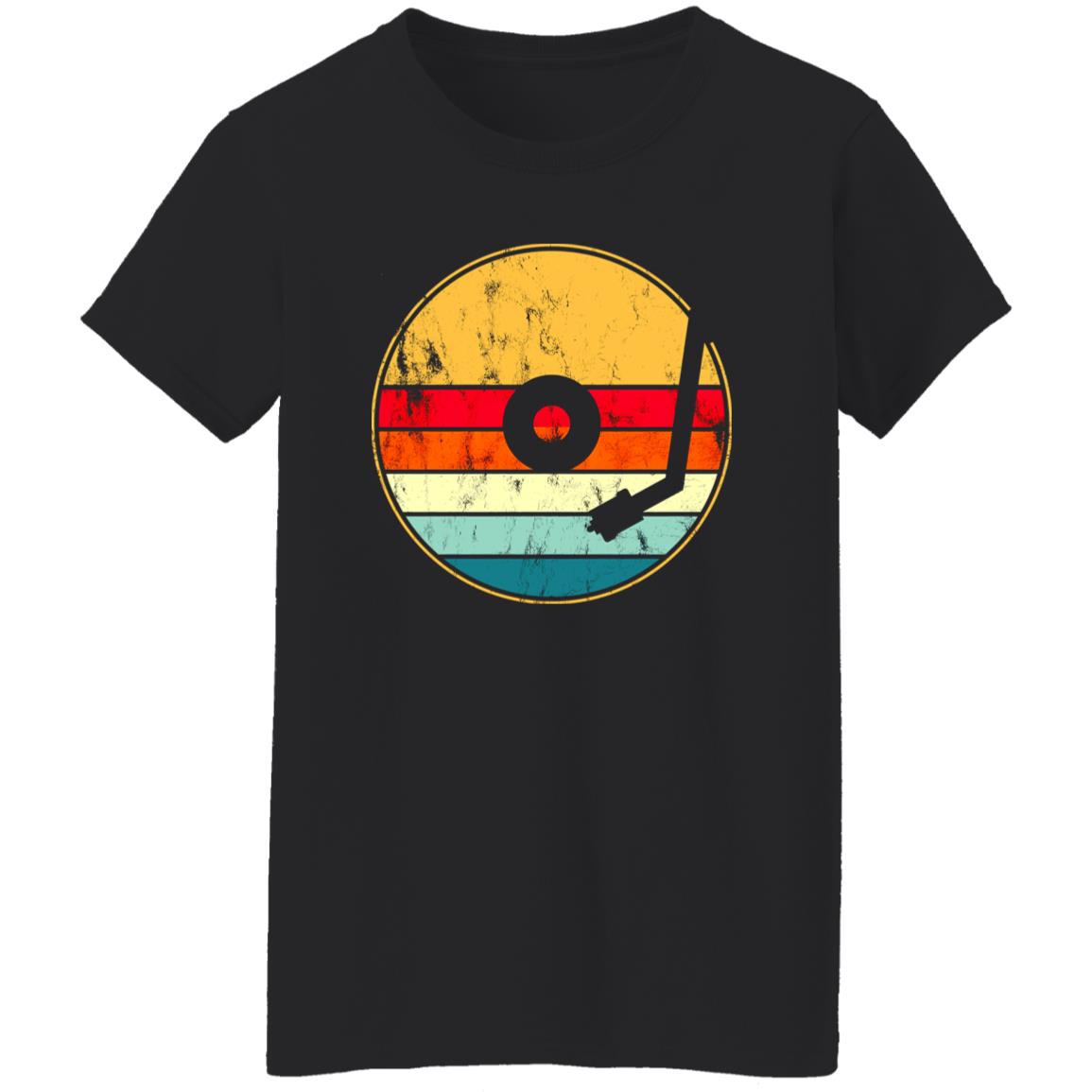
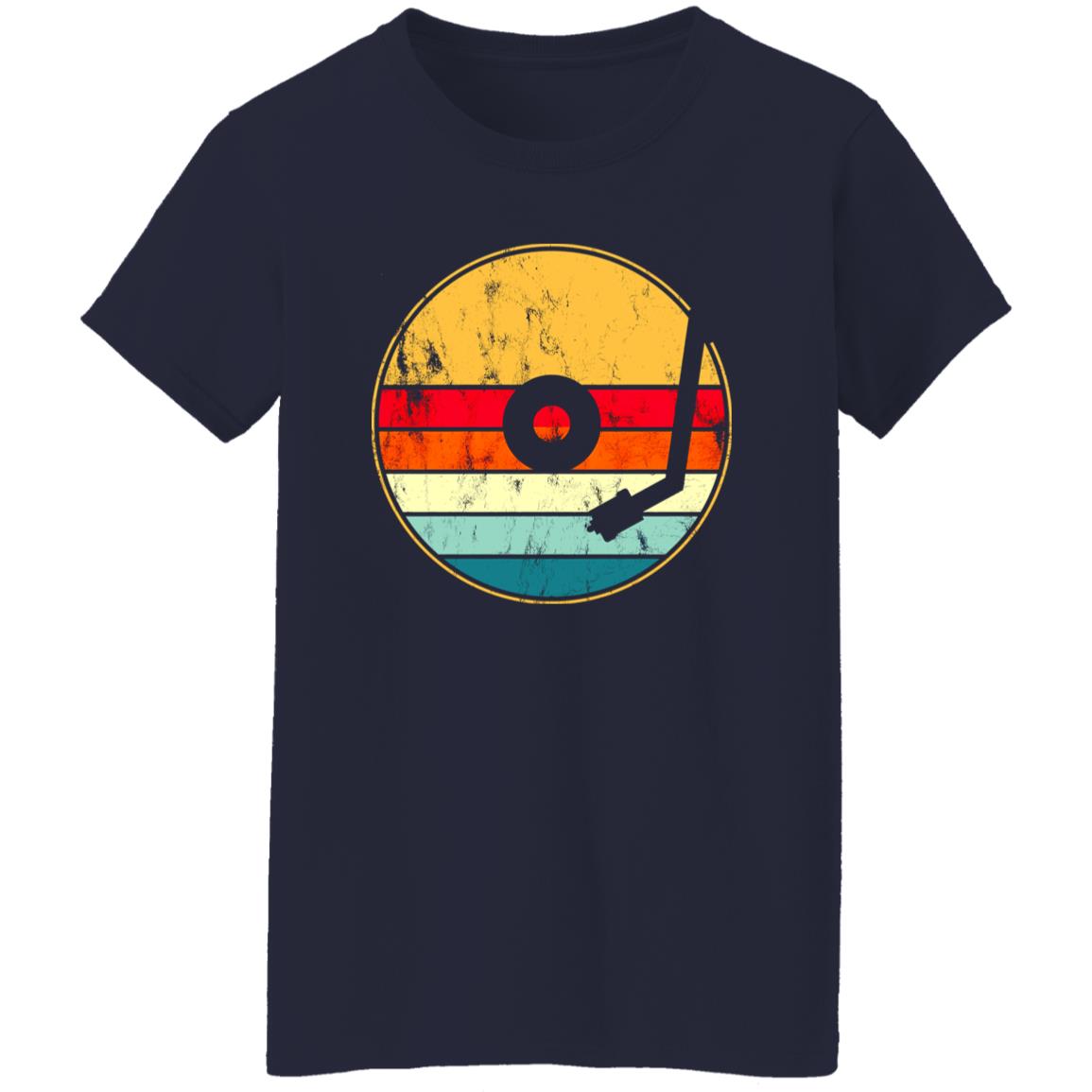
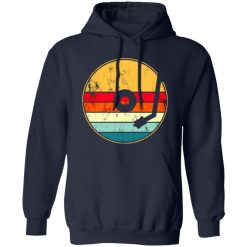
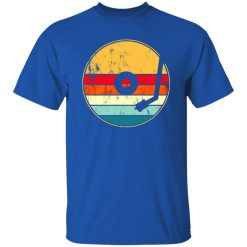
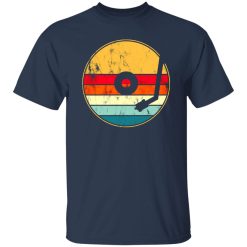
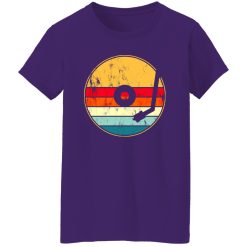
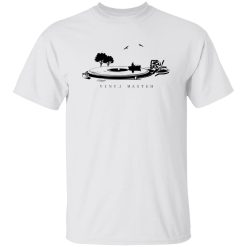
Some graphic tees work because they are loud. Others work because they instantly place you inside a mood. A nostalgic vinyl record player shirt lands in the second category. It carries the kind of visual memory that feels familiar before you even think about how to style it, which is exactly why it fits so naturally into music-driven wardrobes built around texture, personality, and a sense of history.
That makes the styling decision easier from the start. Instead of forcing the shirt into an outfit, you let it set the atmosphere. The graphic already suggests worn-in denim, relaxed outerwear, darker sneakers, and the kind of accessories that feel collected rather than overly planned. For anyone browsing view classic band shirts, this kind of piece makes sense because it connects vintage music imagery with a look that still feels current.
A nostalgic vinyl record player shirt has visual gravity. The subject matter is instantly recognizable, but it does more than reference music. It introduces warmth, analog character, and a slightly worn cultural texture that digital-era graphics rarely capture with the same ease. That is what makes it valuable as a styling centerpiece. You do not have to build an outfit with a lot of extra noise around it, because the shirt already carries its own story.
From a proportion standpoint, this kind of design usually performs best when the rest of the look gives it breathing room. Straight-leg jeans, relaxed black denim, washed work pants, or slightly slouchy cargos all create enough visual stability underneath the shirt. Slim pieces can still work, but the overall effect tends to feel stronger when the silhouette is easy and unforced. The retro reference wants room to read clearly.
The strongest outfits also understand contrast. A nostalgic music graphic has emotional softness, so pairing it with pieces that feel too polished can flatten the appeal. Instead, faded layers, textured overshirts, broken-in leather, brushed cotton, canvas, or vintage-wash denim create the right kind of tension. The result feels lived-in rather than costume-like.
That is the difference between wearing a nostalgic shirt and styling it well. One is just a product choice. The other turns the graphic into the anchor point of the entire look.
It adds memory, atmosphere, and a tactile retro signal. The moment you center a vinyl record player graphic on the chest, the outfit moves away from generic casualwear and toward something more specific: music-minded, visually aware, and quietly expressive.
The easiest mistake with a shirt like this is leaning too hard into obvious retro styling. Going full throwback with every piece can make the outfit feel themed instead of natural. A better approach is to let one or two vintage cues do the work while the rest of the outfit stays grounded in present-day fit and proportion.
Start with the shirt as the clear focal point. Then choose one layer that supports the graphic instead of competing with it. A washed denim jacket creates a familiar music-culture silhouette, but a faded olive overshirt or a soft black zip hoodie can be even more effective when you want the print to stay visible and central. The goal is not to bury the shirt. It is to frame it.
Bottoms matter just as much. Light-wash denim pushes the look into a more classic retro lane, especially if the shirt graphic has warm tones or distressed visual treatment. Black jeans give the shirt more edge and make it easier to wear at night, while brown or charcoal workwear pants add depth without making the outfit too precious. If the print feels especially nostalgic, a cleaner pant can keep the whole outfit from drifting into visual overload.
Footwear should follow the same logic. Canvas sneakers, retro runners, worn leather low-tops, or sturdy boots all make sense, but each creates a different mood. Sneakers keep the outfit casual and easy. Boots push it toward a more grounded, collector-style attitude. Loafers or fashion-forward shoes usually introduce the wrong kind of polish unless the rest of the outfit is deliberately stripped back.
Accessories should be selective. A simple cap, a chain with a bit of age to it, a canvas tote, or dark sunglasses can sharpen the look. Too many additions weaken the shirt’s emotional clarity. This graphic already has enough presence to carry the conversation.
There is also a simple styling truth here: retro music graphics look best when the outfit feels discovered, not assembled. That means slight looseness in the fit, visible texture differences, and pieces that look like they belong to a real wardrobe rather than a product grid.
This shirt works especially well because it can shift settings without changing identity. In daylight, it reads relaxed and music-rooted. At night, the same graphic feels sharper with darker pants, a heavier jacket, and footwear with more structure.
You can see that adaptability in a very ordinary moment. You are flipping through vinyl crates in a record shop, sleeves pushed back, headphones hanging around your neck, the shirt visible beneath a faded jacket. A few hours later, the same look still works for a casual show, a late dinner, or a downtown walk without needing a full reset.
Nostalgia only works in fashion when it feels attached to something real. In music apparel, that usually means the image carries more than decoration. A vinyl record player graphic suggests ritual: lowering the needle, scanning album shelves, paying attention to sequencing, sitting with a full record instead of skipping through fragments. Even for younger shoppers, that symbolism has weight. It represents slowness, intention, and taste.
That is why a nostalgic vinyl record player shirt fits so naturally into contemporary wardrobes. It does not rely on irony. It relies on recognition. The shirt signals a relationship to music that feels deeper than casual playlist culture, and that gives the styling more credibility from the start. You are not just wearing a cool image. You are wearing a visual shorthand for how you engage with music itself.
From a styling perspective, that changes what looks right around it. Clothing with too much trend pressure can feel disconnected from the graphic’s meaning. The better match is clothing that has some permanence to it: dependable denim, relaxed layers, washed textures, classic footwear shapes, and subtle accessories that support the atmosphere rather than hijack it. That balance between emotional reference and wearable realism is where the shirt becomes most effective.
It also helps explain why this kind of graphic sits comfortably in different corners of music style. It can lean indie, classic rock-adjacent, soft grunge, minimalist vintage, or record-store casual depending on what surrounds it. The graphic is specific, but the outfit paths are flexible. That flexibility is part of the commercial appeal. A strong shirt should not trap the wearer inside one rigid formula.
Visually, the image pack appeal is strong too. A shirt like this photographs well because it carries narrative detail without requiring aggressive color or oversized visual noise. The print can look rich against washed black or muted tones, the drape of the shirt feels natural with denim and soft outerwear, and the overall silhouette reads clearly in both flat styling shots and on-body looks. Even without relying on technical garment language, the styling effect comes through in the way the shirt falls cleanly at the torso, holds shape under a jacket, and gives the outfit a focal point that feels both expressive and easy to wear.
A nostalgic vinyl record player shirt is a strong choice for people who want music apparel with personality but do not want to default to the same band-logo formula every time. It suits shoppers who care about the culture around music, the visual language of old media, and the kind of outfit that says something without trying too hard.
That confidence comes from understanding what the shirt is doing for you. It is not just filling space in the closet. It is solving a familiar styling problem: how to make a casual outfit feel more distinct without becoming louder or more complicated. This shirt answers that by giving the look a point of view.
If your wardrobe already leans toward denim, neutral layers, dark sneakers, boots, overshirts, or relaxed jackets, this piece will fit in quickly. If your wardrobe is cleaner and more minimal, the shirt can still work as the one element that softens the outfit and makes it feel less anonymous. Either way, the key is to trust the print enough to avoid overstyling around it.
For commercial shoppers, that is where the decision becomes clear. You are choosing a shirt that carries retro music energy, works across multiple casual settings, and gives you an easier styling path than a more demanding graphic. It brings identity, but it stays wearable. It feels expressive, but still balanced. And in a category crowded with predictable music tees, that combination is what makes it stand out.
When a graphic can hold visual interest, connect to music culture, and still slide naturally into real outfits, it earns its place. This one does exactly that.
| Product | Nostalgic Vinyl Record Player Shirt |
|---|---|
| SKU | cc-1049-9953-105153743-1718596105348 |
| Fabric Weight | Midweight (5.3 oz) – Heavyweight (6.0 oz Long Sleeve) |
| Material Composition | Solid Colors: 100% Cotton Ash Grey: 99% Cotton / 1% Polyester Sport Grey: 90% Cotton / 10% Polyester Dark Heather: 50% Cotton / 50% Polyester |
| Fit | Classic Unisex Fit (Ladies: Slightly Tapered Missy Fit) |
| Construction | Double-needle stitching Taped neck & shoulders Preshrunk jersey knit Tearaway label |
| Hoodie Material (G185) | 8.0 oz – 50% Cotton / 50% Polyester |
| Available Sizes | S – 5XL (6XL select colors only) |
| Origin | Made with sustainably and fairly grown USA cotton; Printed in USA |
| Print Method | DIGISOFT® Direct-to-Garment (DTG) |
| Brand | Capital T Shirt |
| Fast & Reliable Shipping | All orders are professionally printed and shipped from the USA. |
|---|---|
| Processing Time | Printed on demand within 1–3 business days. |
| Shipping Time | USA: 4–7 business days International: 7–15 business days |
| Shipping Costs | USA Standard: $5.99 International Standard: $9.99 |
| Secure Checkout | Safe & encrypted payment processing. Your information is protected at all times. |
| Returns & Exchanges | We offer a 30-day return policy. View Refunds & Returns Policy |
| Customer Guarantee | We stand behind the quality of every item we print. |


Reviews
There are no reviews yet.