No products in the cart.
Save 20% on orders over $100 with code CT20

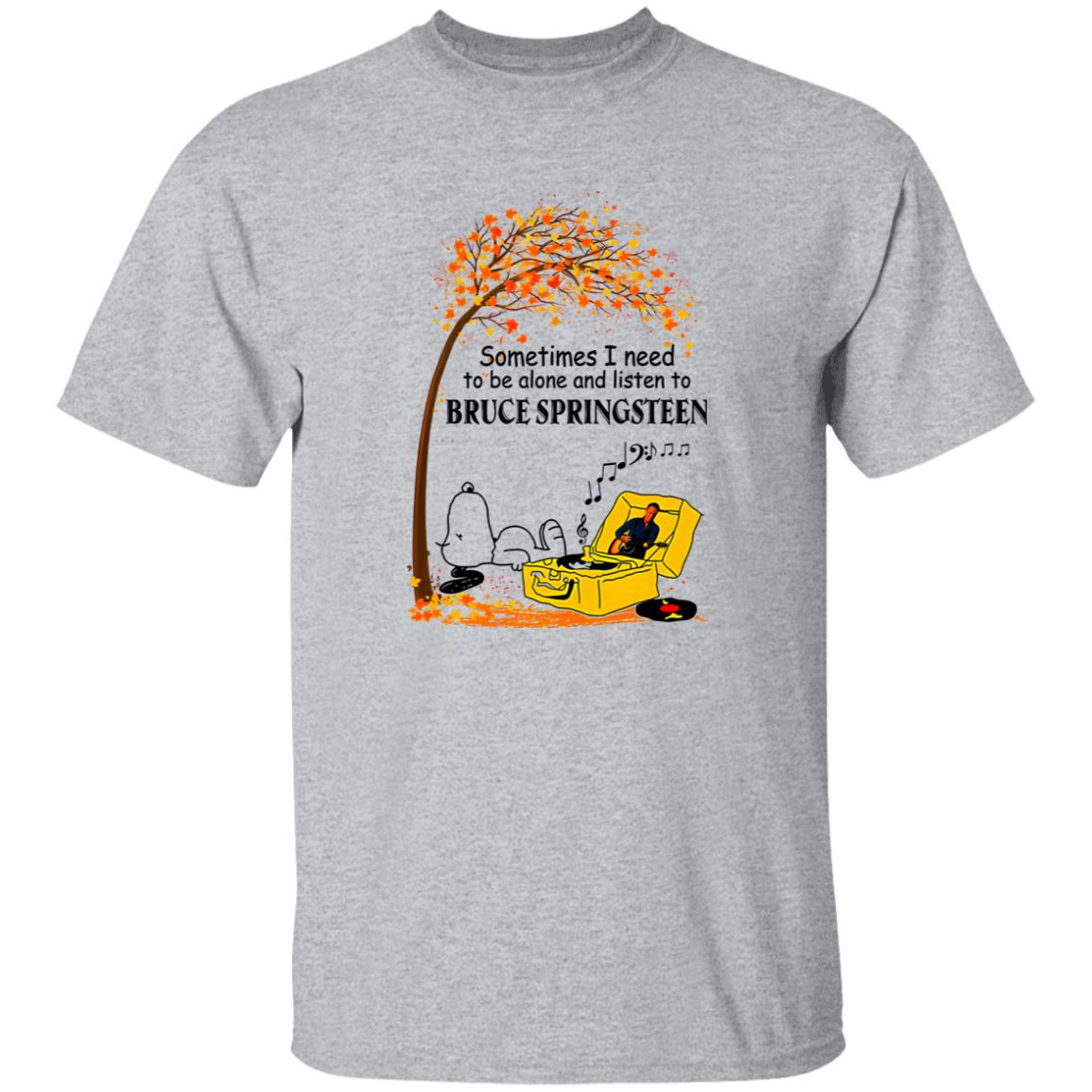
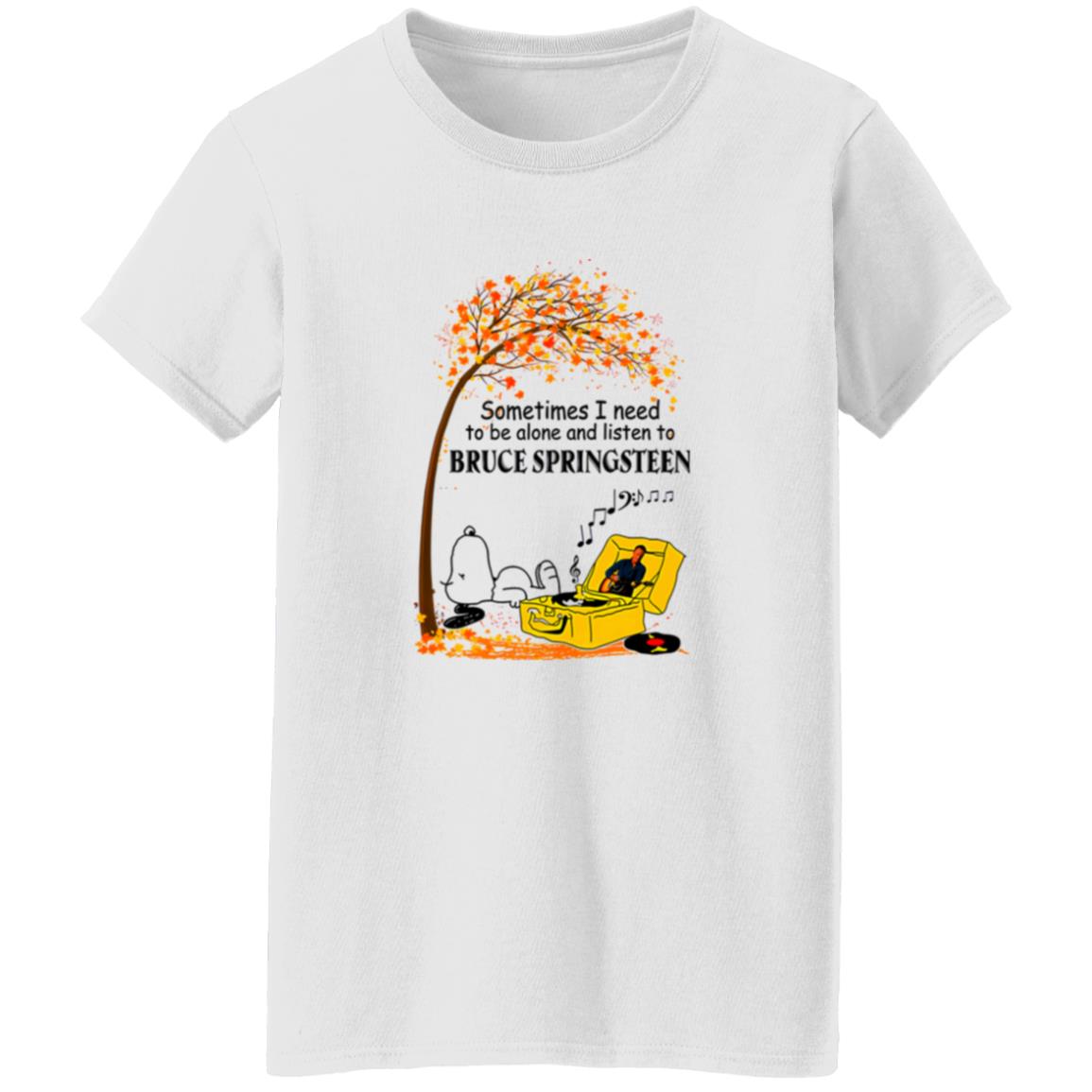
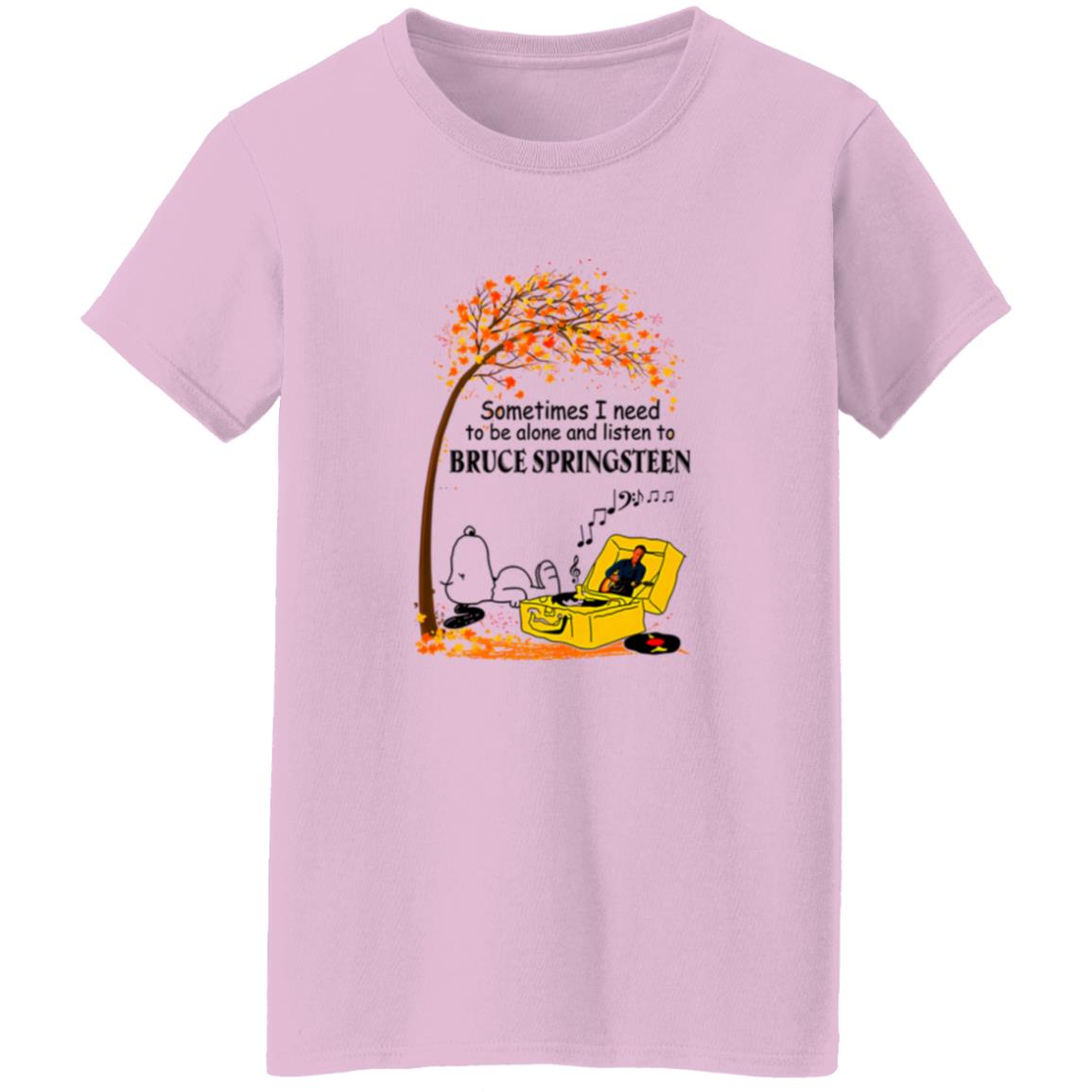
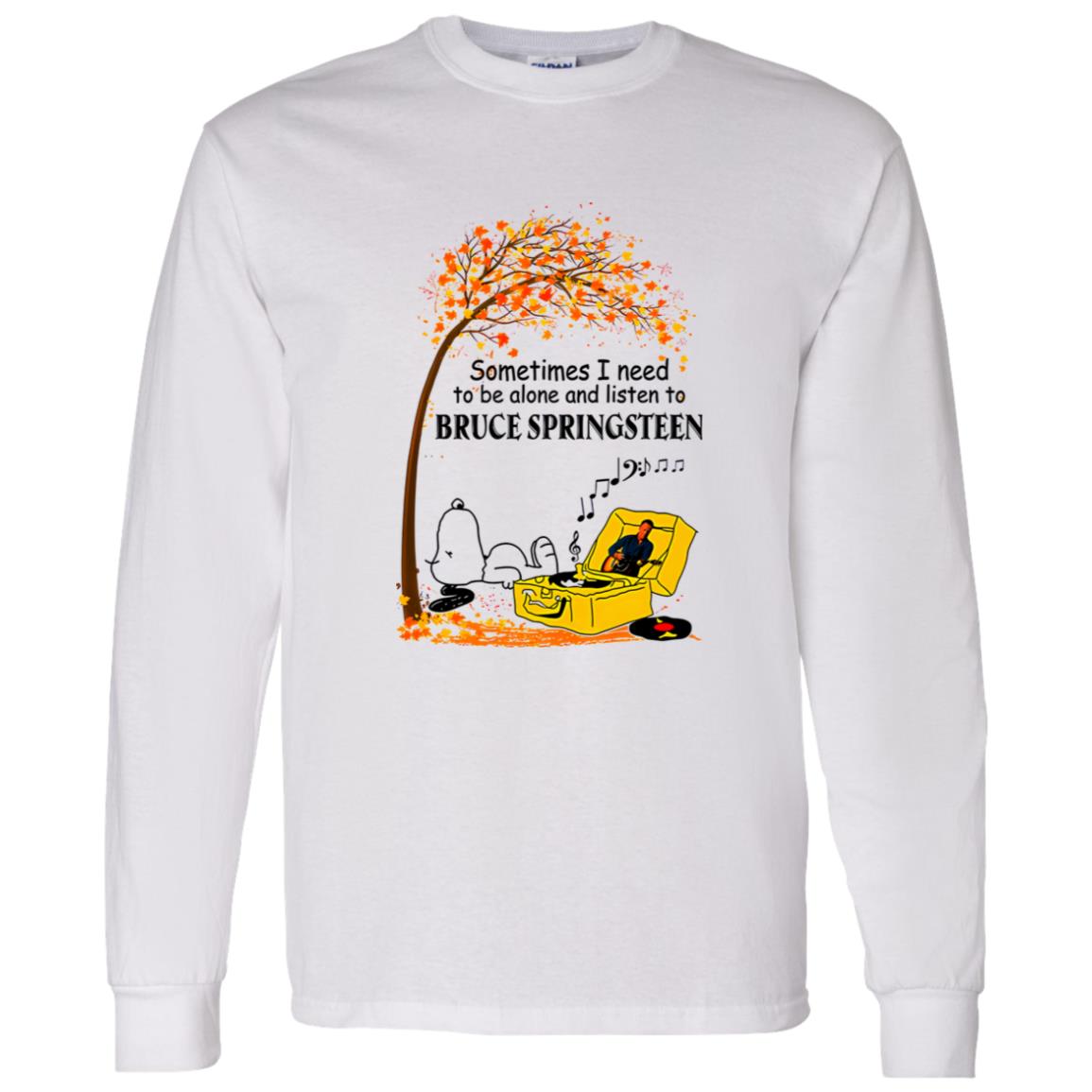
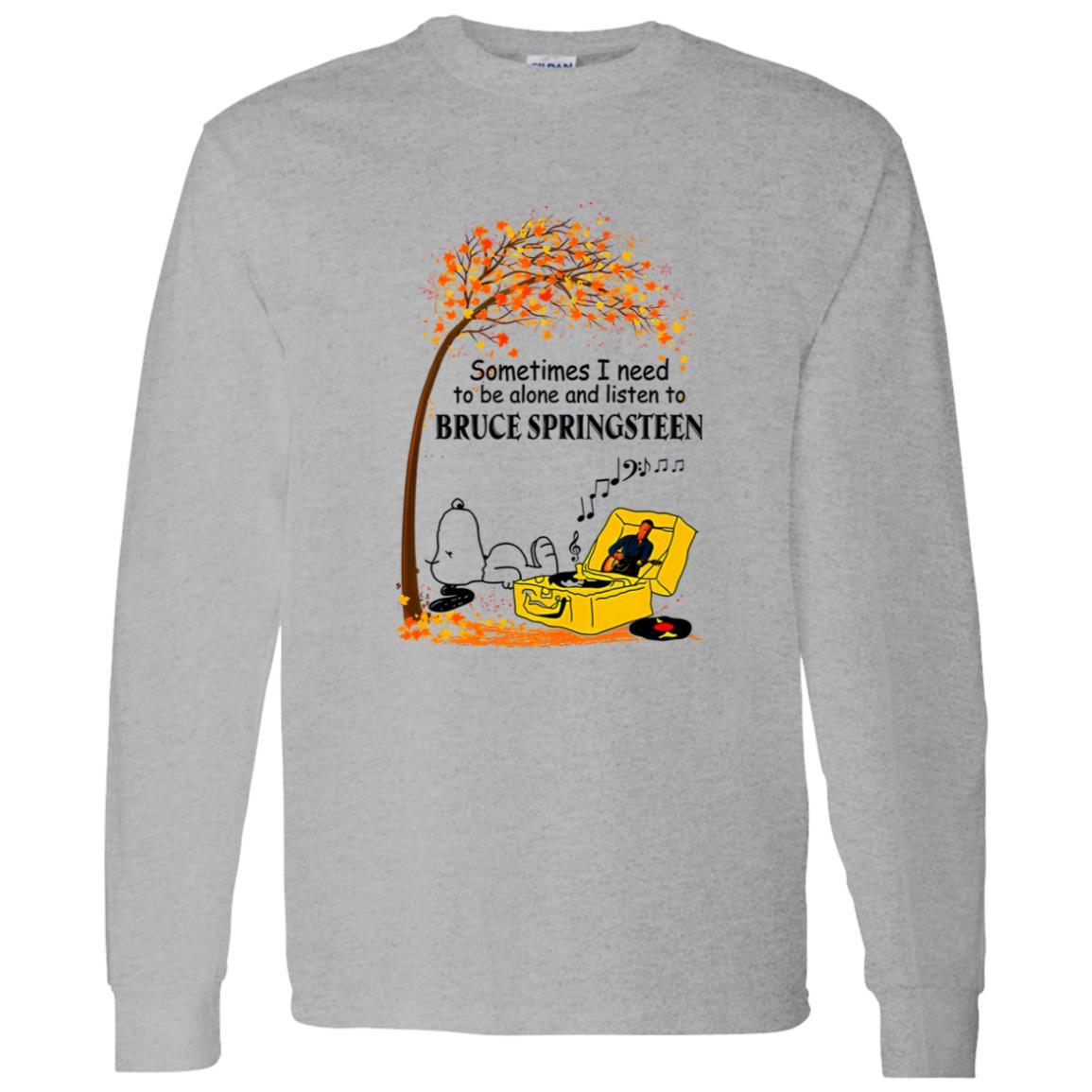

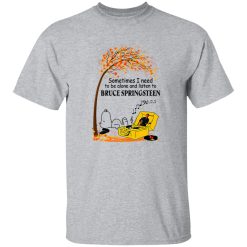
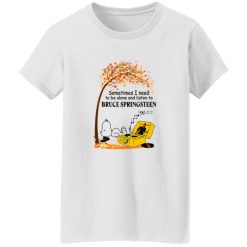

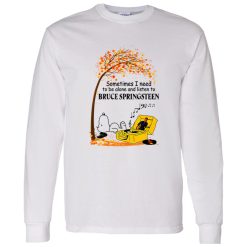
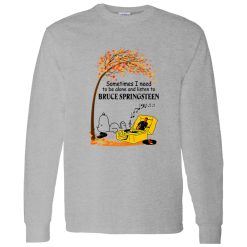
Price range: $21.90 through $44.99
There’s a specific kind of silence that only makes sense with music behind it. Not loud, not performative—just personal. The kind where headphones go on, the outside fades, and everything slows into something more honest. That’s the emotional space this shirt steps into. It doesn’t shout identity. It holds it quietly.
Within the landscape of rock band shirts, most pieces lean toward energy and presence. This one moves differently. It leans into withdrawal, reflection, and the understated bond between listener and sound. And that difference is exactly what makes it stand out.
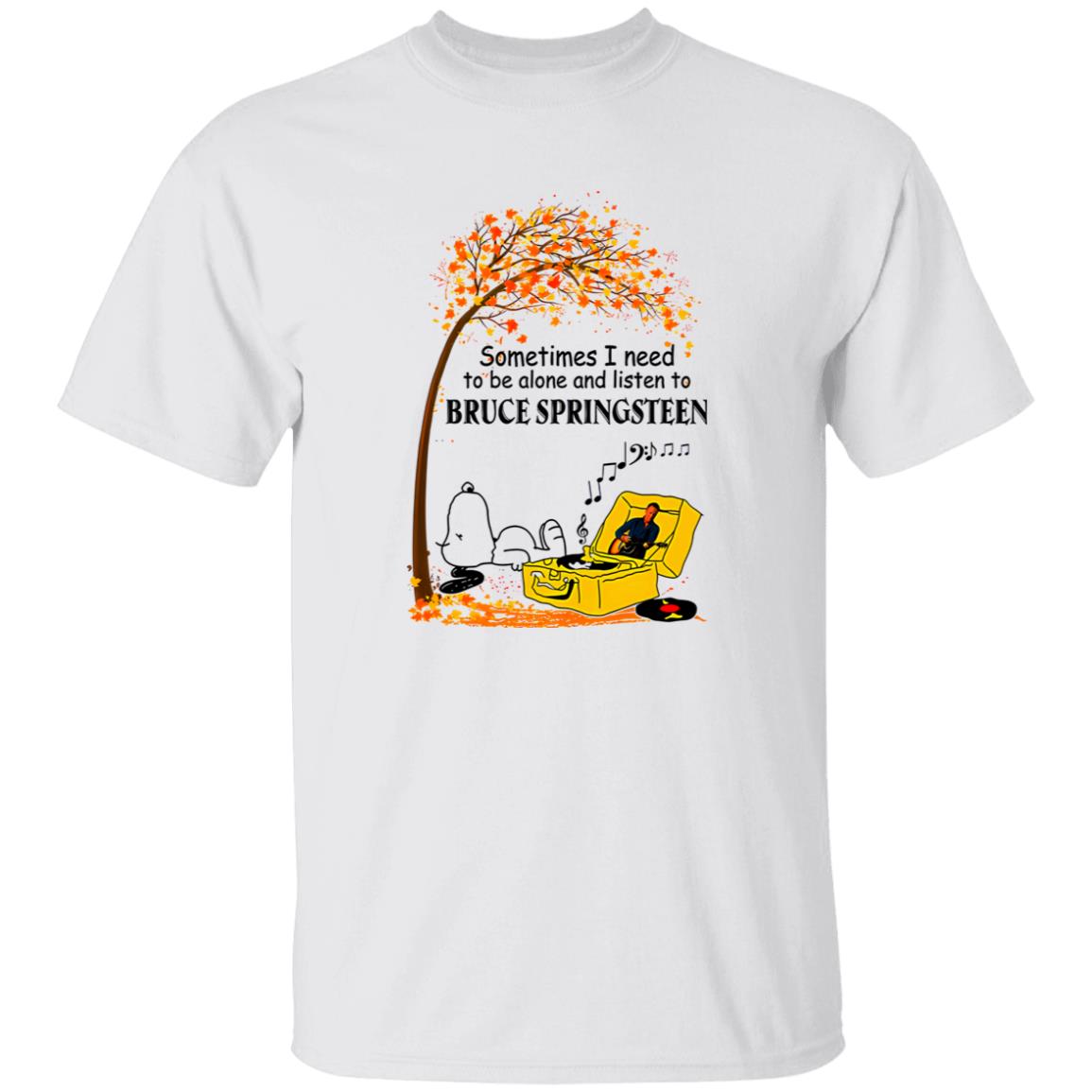
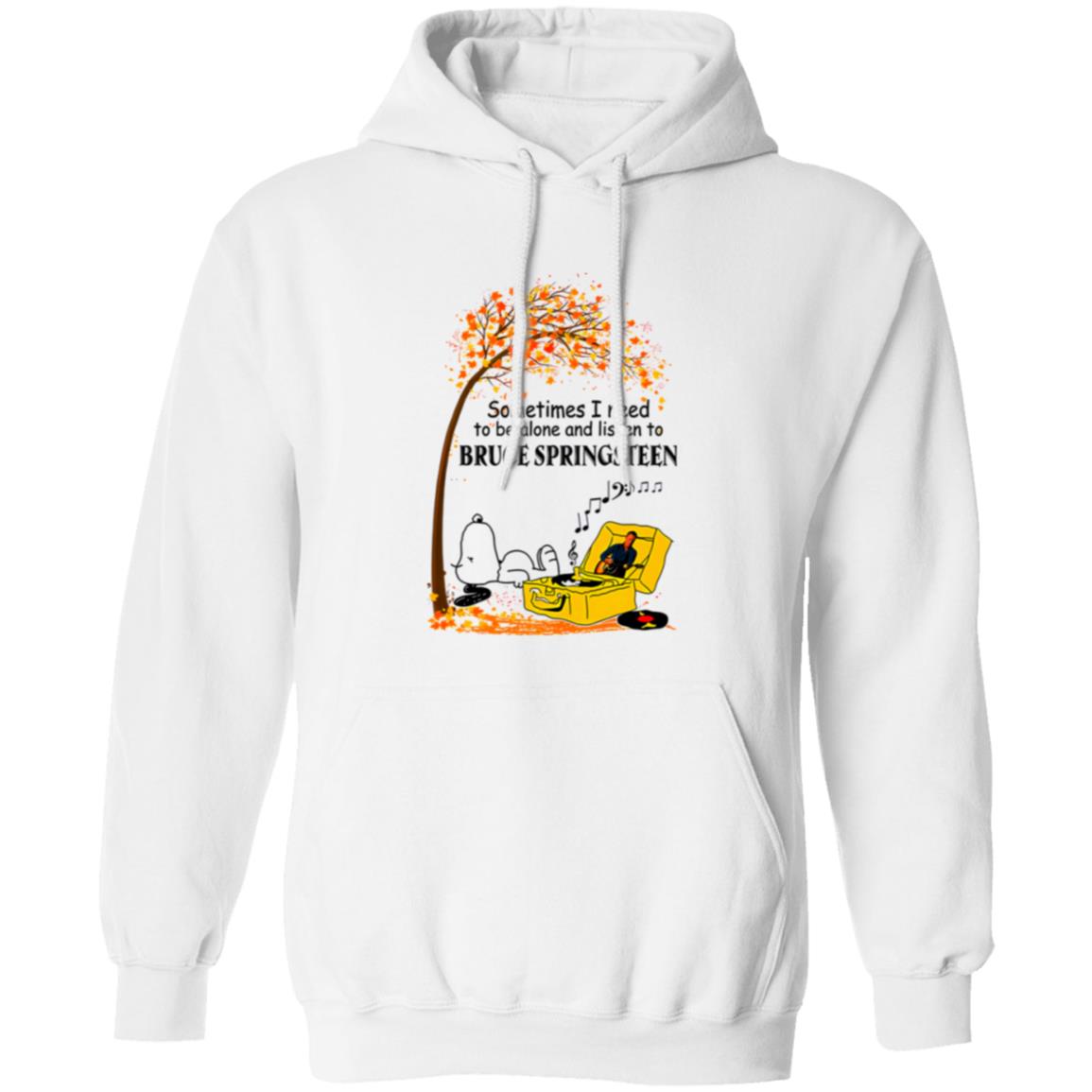
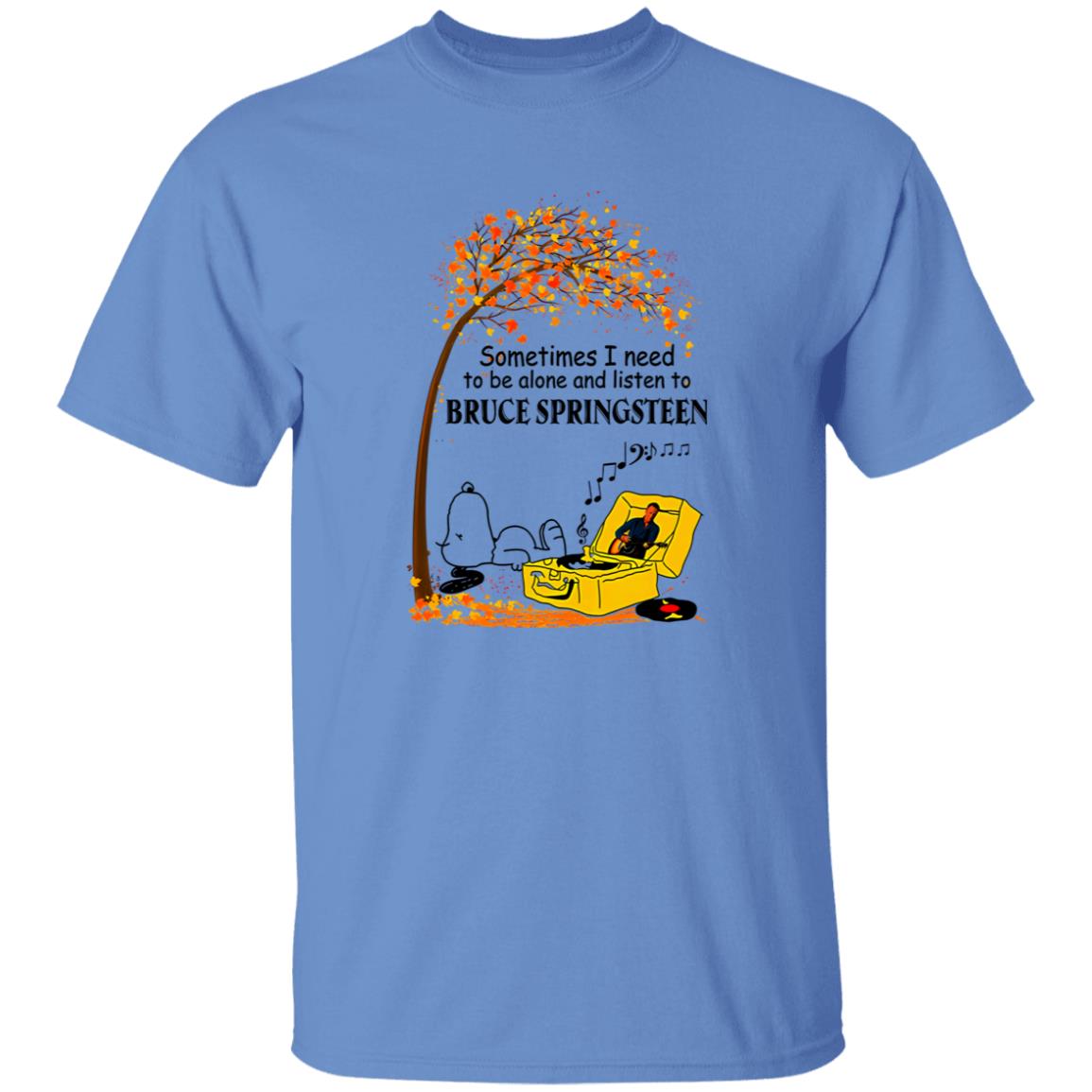
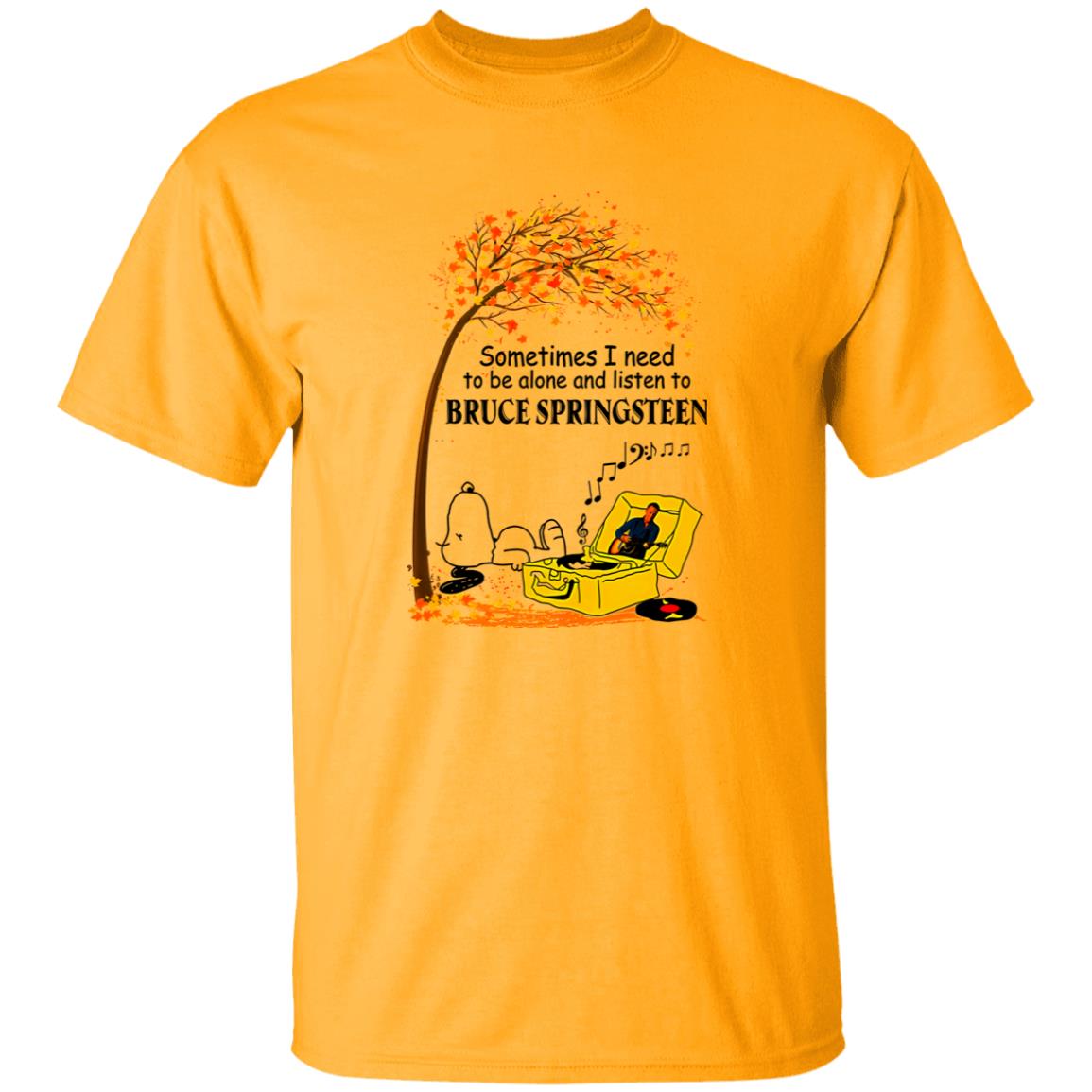
Not every music-driven graphic is about crowds, stages, or volume. Some are about distance—the intentional kind. The Snoopy Fall Sometimes I Need To Be Alone And Listen To Bruce Springsteen Shirt captures that shift, where stepping back becomes part of the culture itself.
It’s not about isolation in a negative sense. It’s about reclaiming space. In music culture, especially around artists like Bruce Springsteen, there’s always been a thread of introspection running alongside the storytelling. Long drives, late nights, quiet rooms—these are part of the listening experience as much as the songs themselves.
This shirt translates that emotional layer into something visual. The message doesn’t push outward. It folds inward. And in doing so, it creates a different kind of recognition among those who understand it.
The pairing feels unexpected at first—Snoopy, a universally recognizable figure, alongside a message tied to deeply personal listening. But that contrast is where the design gains its strength.
Snoopy has always carried a quiet emotional range. Whether sitting alone on a rooftop or lost in thought, the character represents moments of pause. When placed within a fall setting—seasonal, transitional, slightly melancholic—the visual narrative deepens.
Now layer in the reference to Bruce Springsteen, and the meaning sharpens. It’s no longer just a character or a quote. It becomes a bridge between visual culture and sound-driven identity. A symbol of stepping away from noise—not because you’re disconnected, but because you’re choosing what to connect with.
The design doesn’t rely on complexity. It works through recognition and emotional alignment. That’s what gives it longevity beyond surface-level appeal.
Picture a quiet afternoon—leaves shifting underfoot, headphones on, no urgency to be anywhere. That’s the scene. The shirt captures it without needing to explain it directly.
Then it becomes a symbol. Not of a band alone, but of a way of engaging with music. Less about performance, more about absorption. Less about being seen, more about feeling something real.
Finally, it becomes wearable. And that’s where the transition matters most. The graphic doesn’t need amplification through styling or layering. It sits naturally within everyday outfits, adding meaning without demanding attention.
This is where culture and product intersect cleanly. The shirt isn’t trying to recreate a concert moment. It’s reflecting a listening moment—and those are often more personal, more lasting.
There’s a difference between boldness and clarity. This design chooses clarity. It communicates directly, but without aggression. That makes it adaptable across different moods and settings.
In terms of visual impact, the fall theme softens the overall tone. It introduces warmth and subtle color shifts that feel grounded rather than loud. The Snoopy element keeps it approachable, while the message anchors it in something more reflective.
This balance creates an aesthetic that doesn’t rely on trends. It doesn’t need constant reinterpretation. It holds its meaning consistently, which is rare in a space often driven by fast-moving visuals.
And that’s where its strength lies—it feels intentional without feeling forced.
At first glance, it might seem like a simple graphic tee. But the resonance comes from what it represents, not just what it shows.
It speaks to a specific type of listener—the one who doesn’t always want to be part of the crowd, but still feels deeply connected to the music itself. The one who finds clarity in stepping away, not stepping forward.
That emotional alignment is what turns a shirt into something more than apparel. It becomes a signal. Subtle, but recognizable to those who share the same relationship with music.
And because that relationship doesn’t change with trends, the shirt doesn’t lose relevance. It stays consistent, grounded in something more personal than seasonal style shifts.
In the end, it’s not about being seen wearing it. It’s about recognizing yourself in it—and that’s what makes it worth choosing.
| Product | Snoopy Fall Sometimes I Need To Be Alone And Listen To Bruce Springsteen Shirt – A Quiet Signal of Music Identity |
|---|---|
| SKU | cc-1049-9974-108630259-1774921429177 |
| Fabric Weight | Midweight (5.3 oz) – Heavyweight (6.0 oz Long Sleeve) |
| Material Composition | Solid Colors: 100% Cotton Ash Grey: 99% Cotton / 1% Polyester Sport Grey: 90% Cotton / 10% Polyester Dark Heather: 50% Cotton / 50% Polyester |
| Fit | Classic Unisex Fit (Ladies: Slightly Tapered Missy Fit) |
| Construction | Double-needle stitching Taped neck & shoulders Preshrunk jersey knit Tearaway label |
| Hoodie Material (G185) | 8.0 oz – 50% Cotton / 50% Polyester |
| Available Sizes | S – 5XL (6XL select colors only) |
| Origin | Made with sustainably and fairly grown USA cotton; Printed in USA |
| Print Method | DIGISOFT® Direct-to-Garment (DTG) |
| Brand | Capital T Shirt |
| Fast & Reliable Shipping | All orders are professionally printed and shipped from the USA. |
|---|---|
| Processing Time | Printed on demand within 1–3 business days. |
| Shipping Time | USA: 4–7 business days International: 7–15 business days |
| Shipping Costs | USA Standard: $5.99 International Standard: $9.99 |
| Secure Checkout | Safe & encrypted payment processing. Your information is protected at all times. |
| Returns & Exchanges | We offer a 30-day return policy. View Refunds & Returns Policy |
| Customer Guarantee | We stand behind the quality of every item we print. |

Reviews
There are no reviews yet.