No products in the cart.
Save 20% on orders over $100 with code CT20

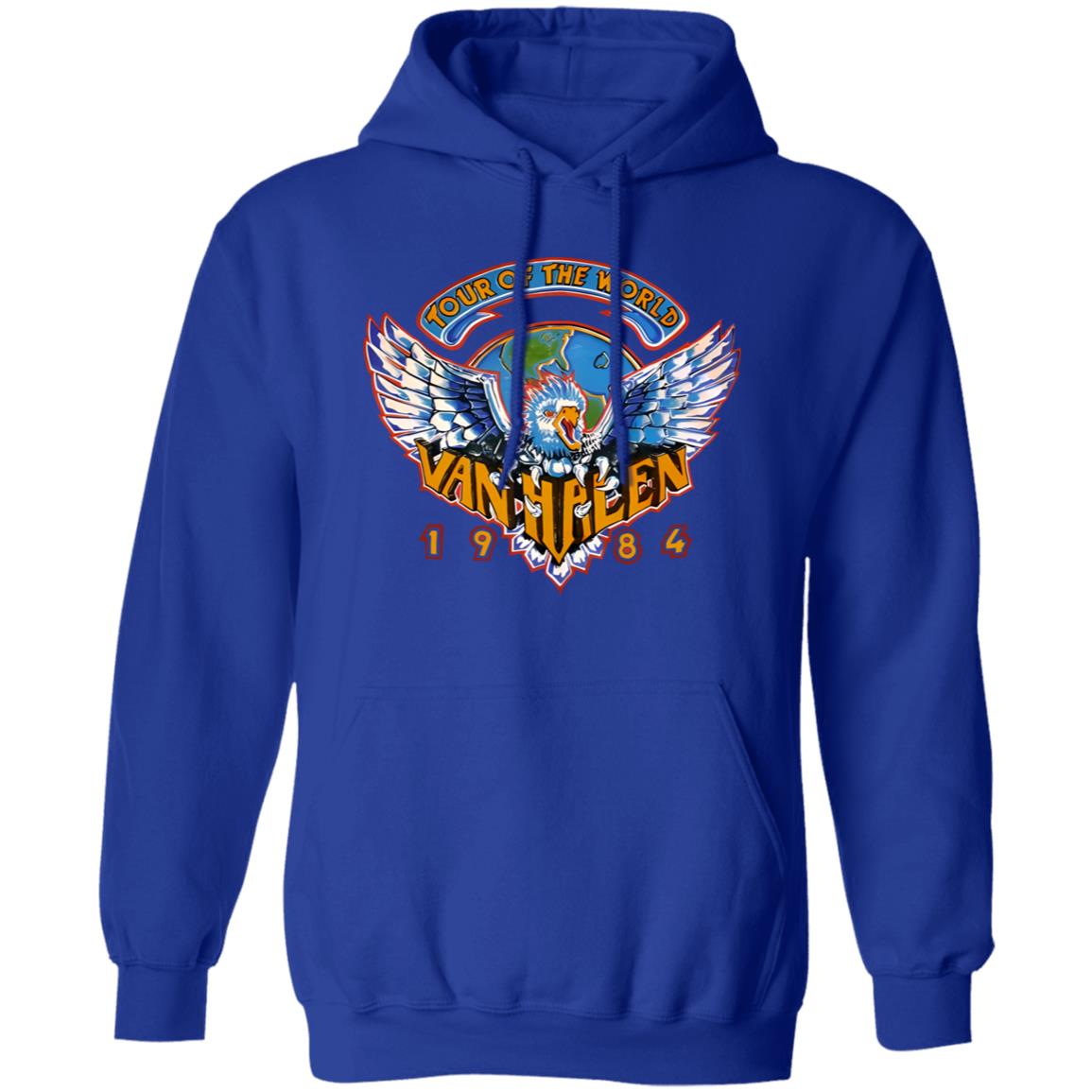
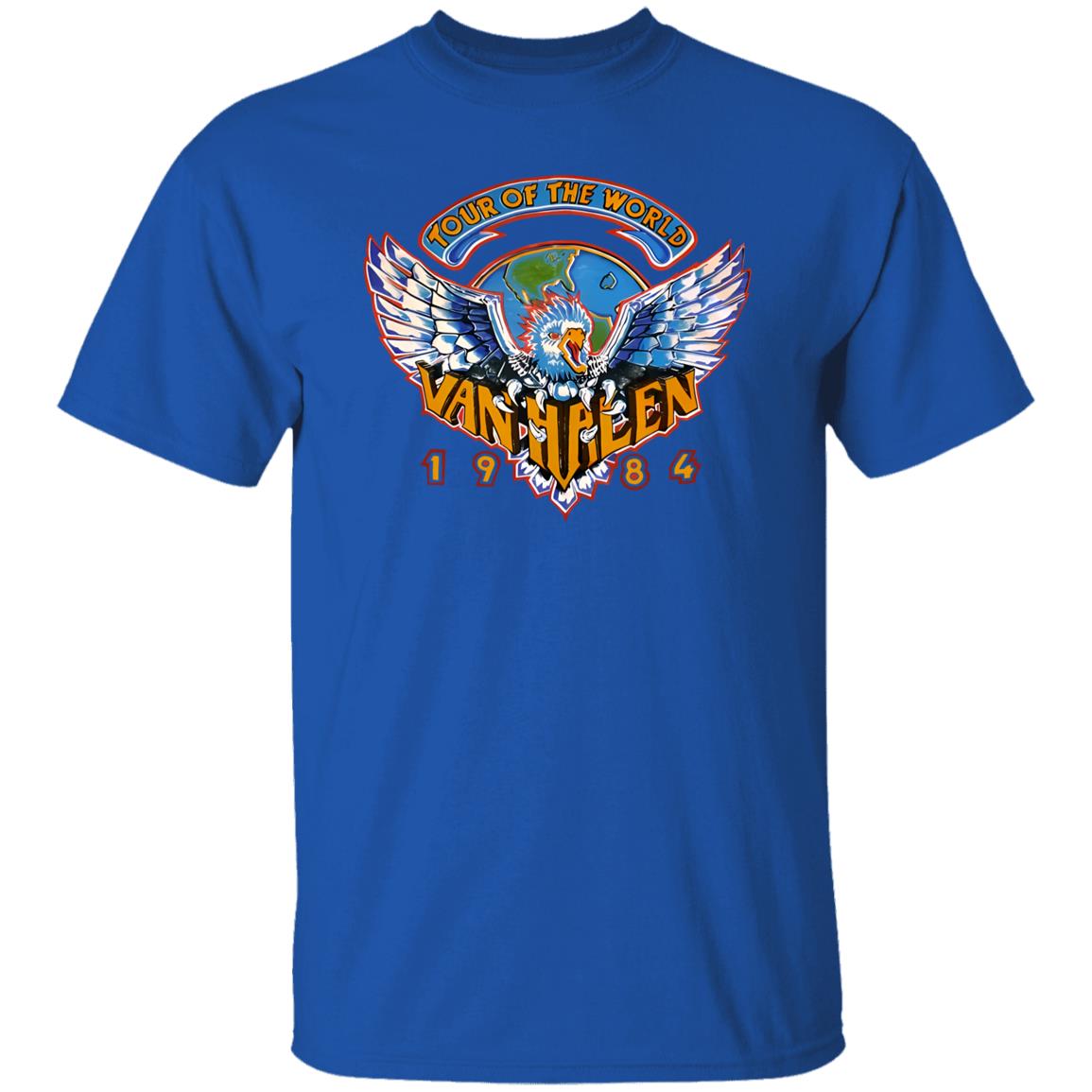
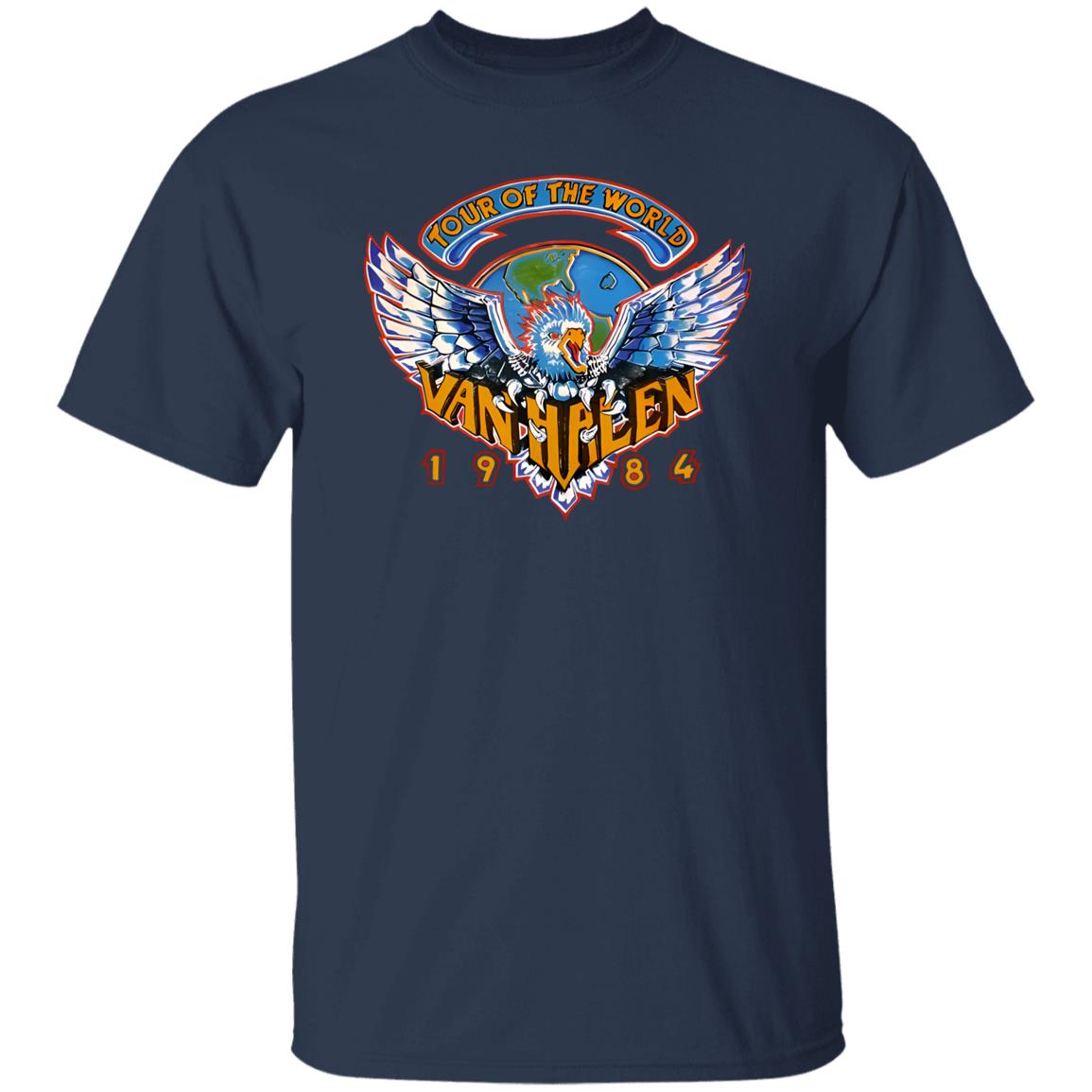
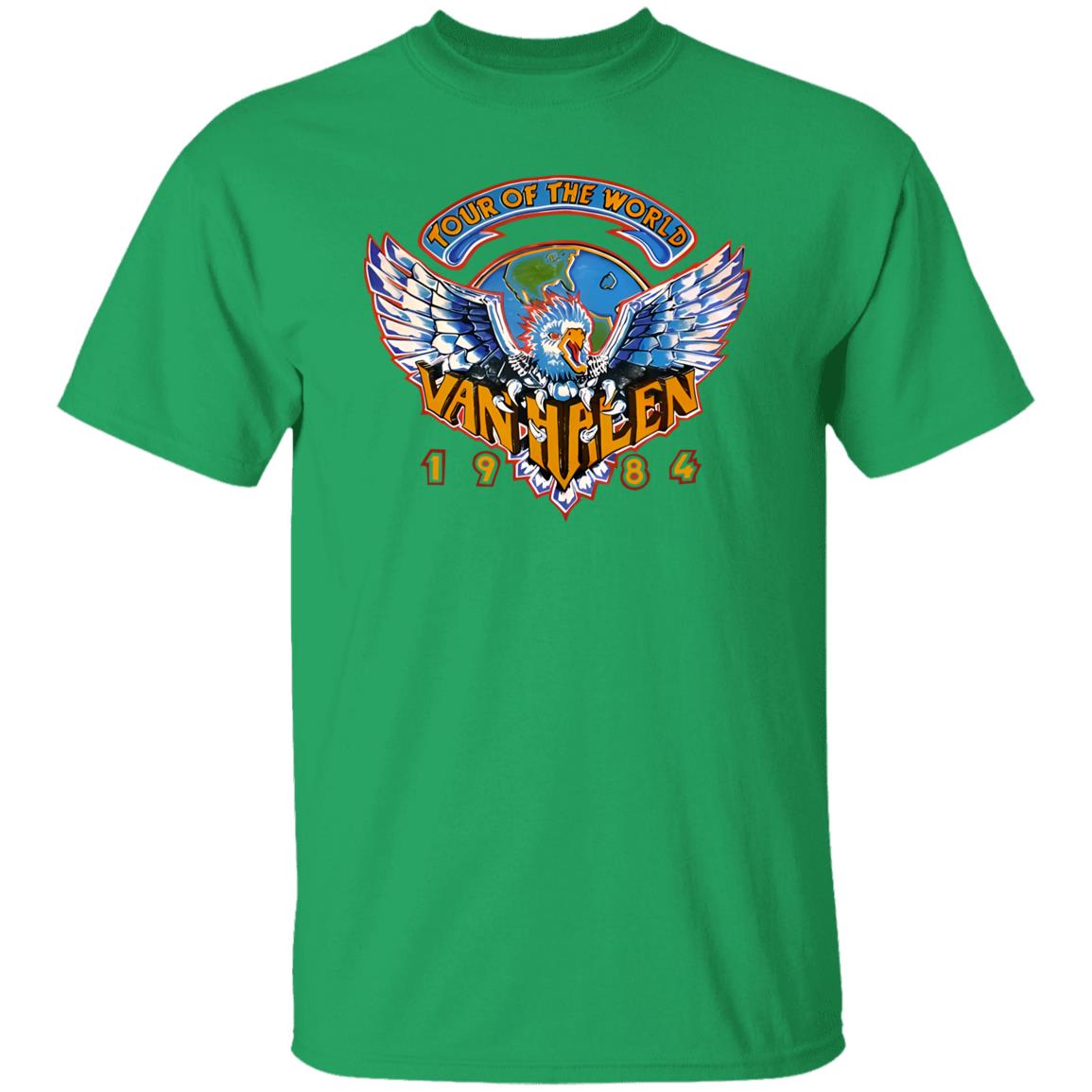
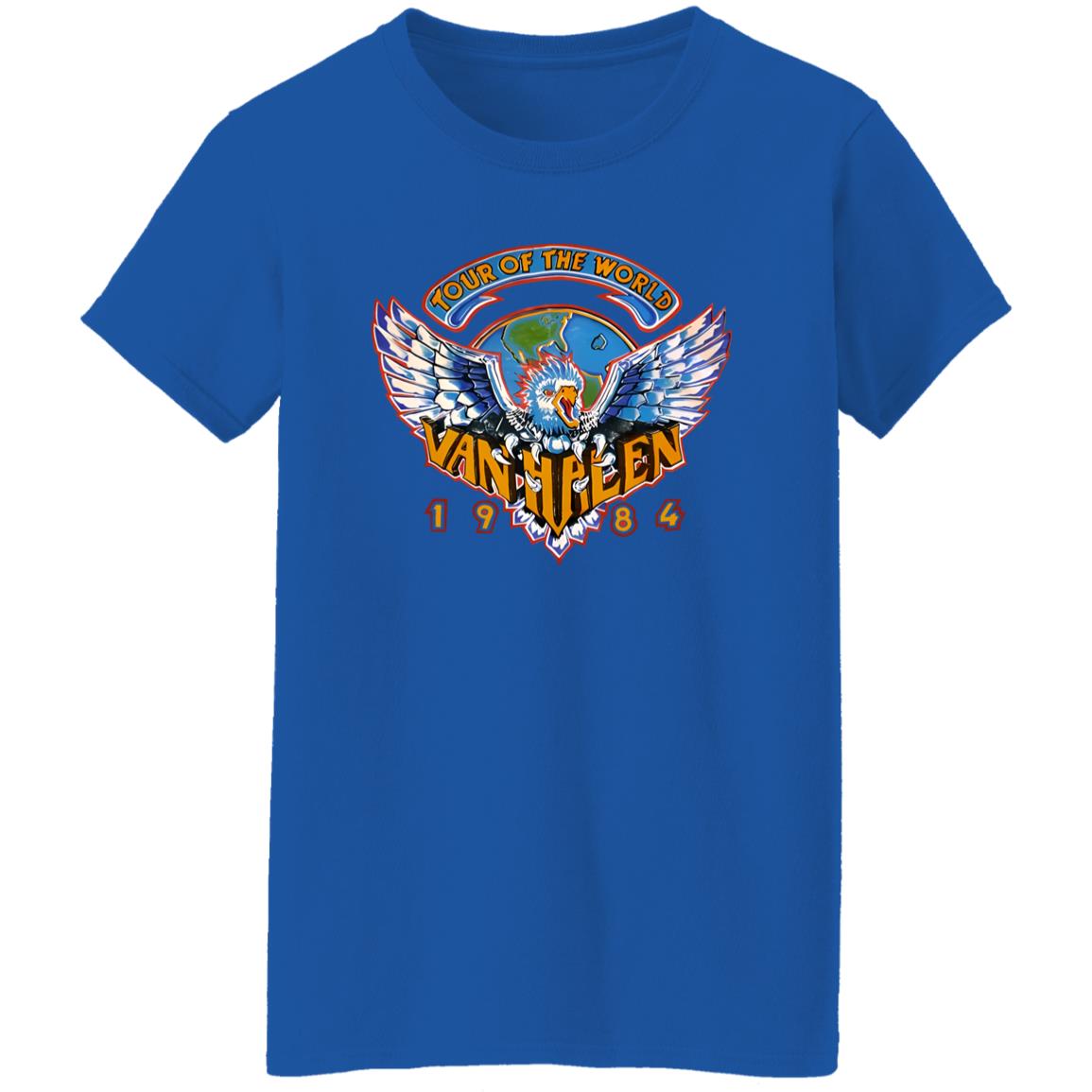
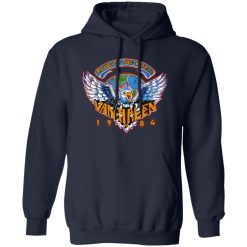

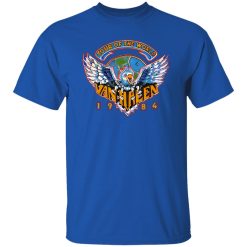
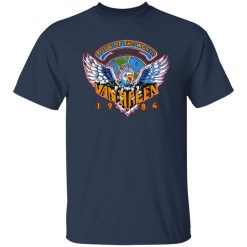
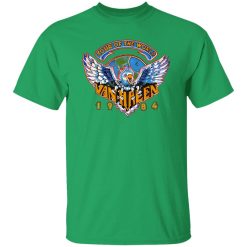
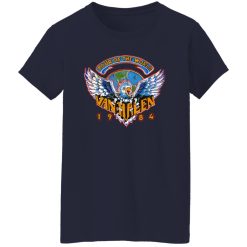
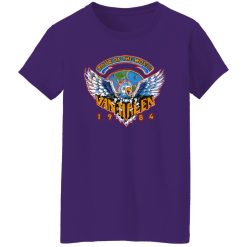
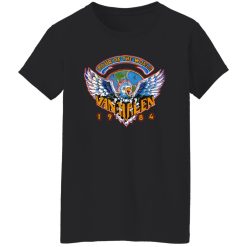


Price range: $21.90 through $44.99
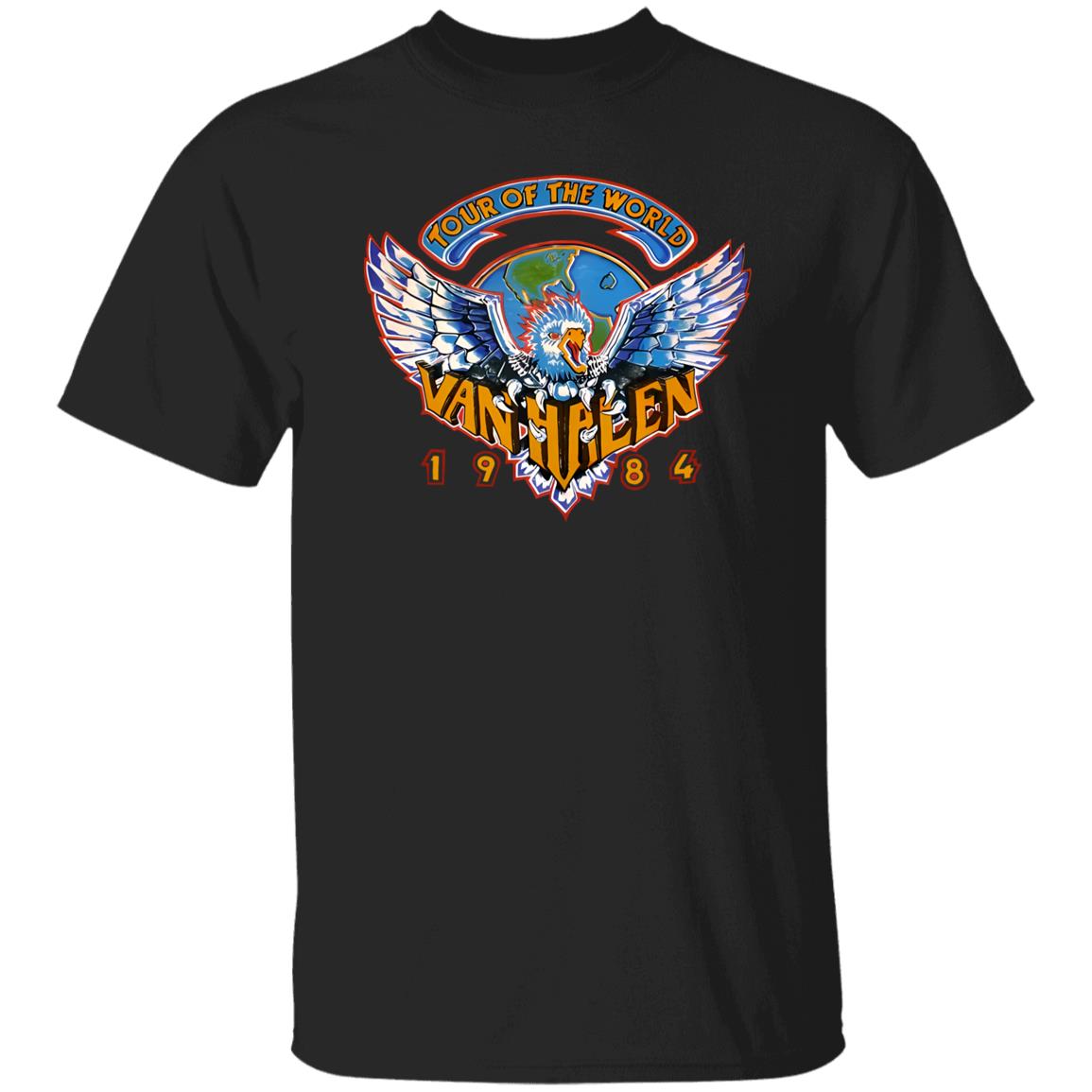
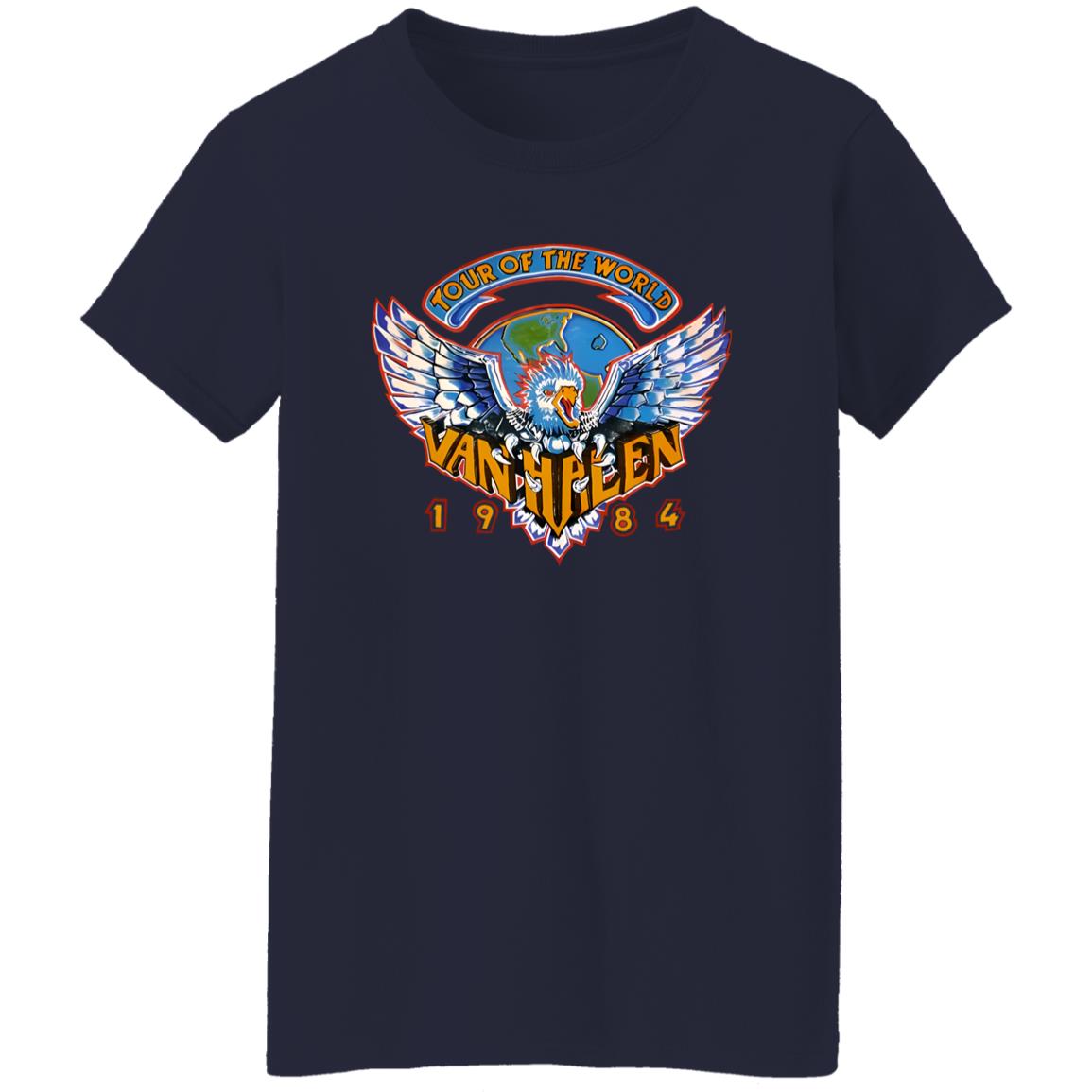
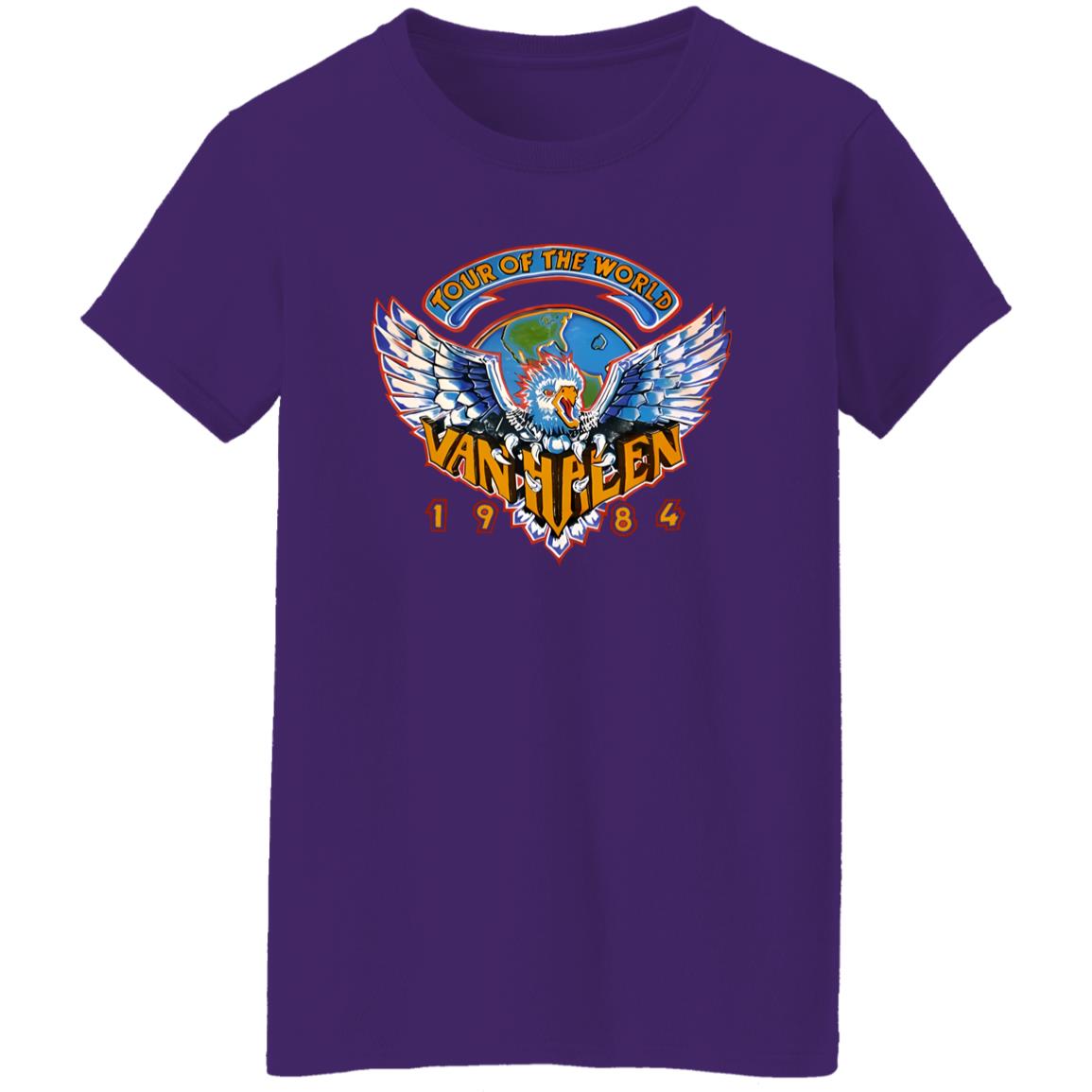
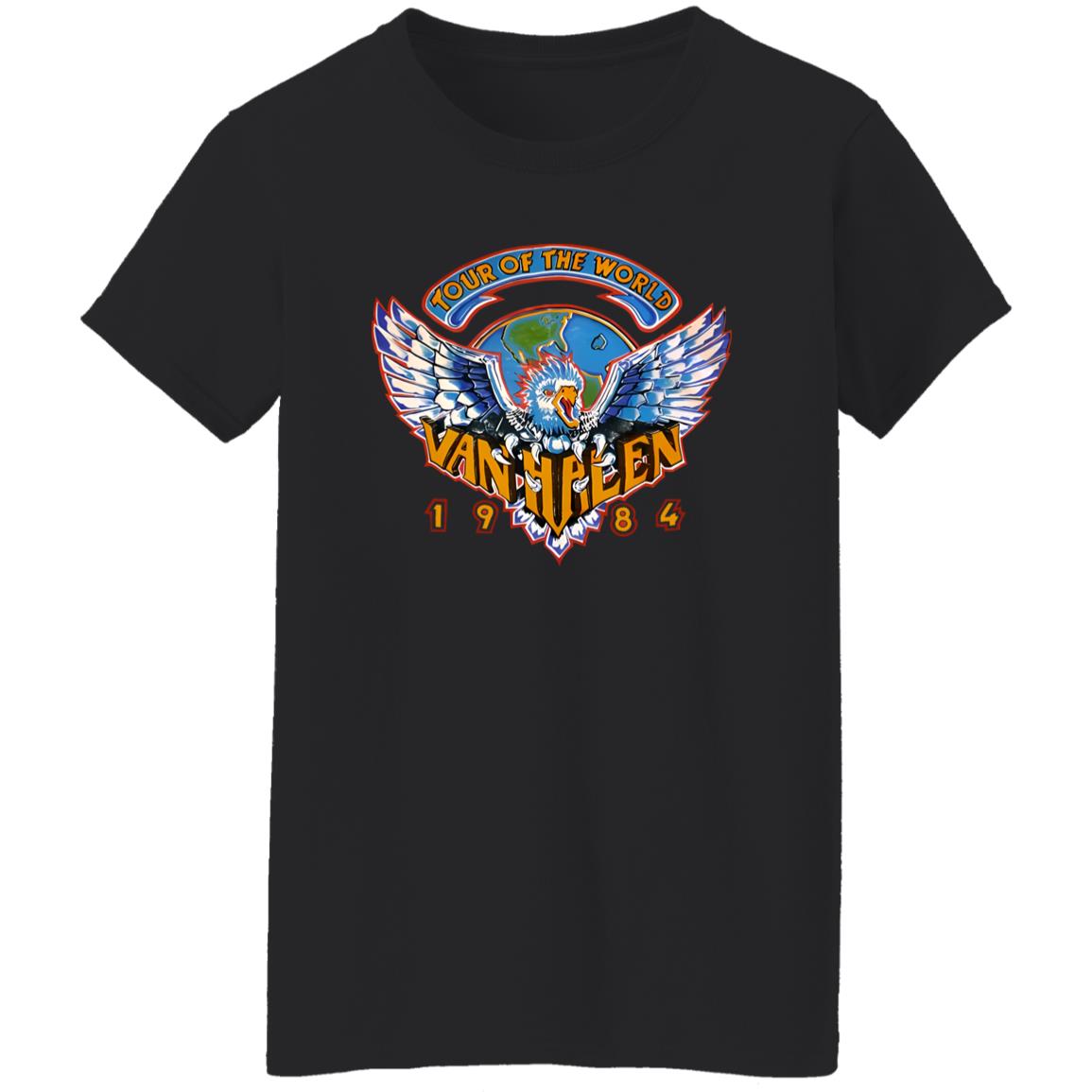
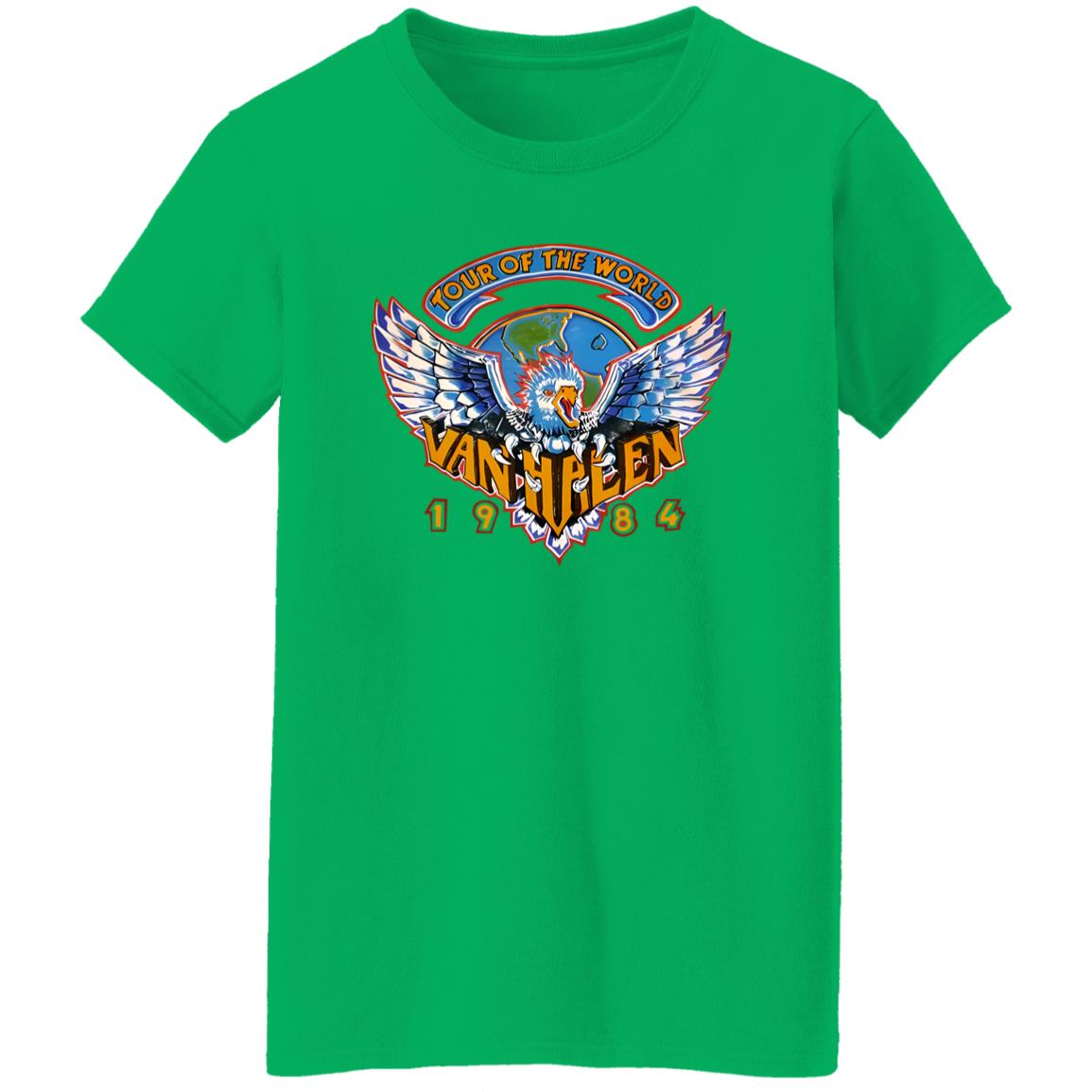
Few moments in rock history carry the same electrified weight as the 1984 arena era—a time when sound, spectacle, and visual identity fused into something larger than music itself. The Van Halen 1984 Tour Of The World Shirt taps directly into that cultural flashpoint, translating the excess, energy, and unmistakable visual language of mid-80s rock into a wearable artifact. This isn’t just a band tee—it’s a preserved signal from a moment when rock ruled stadiums and aesthetics mattered as much as volume.
The 1984 tour wasn’t subtle. It didn’t aim to be. It was built for scale—towering stages, blazing lights, and imagery designed to hit from the back row of a packed arena. That visual intensity shaped everything from album art to tour merchandise, including shirts like this one.
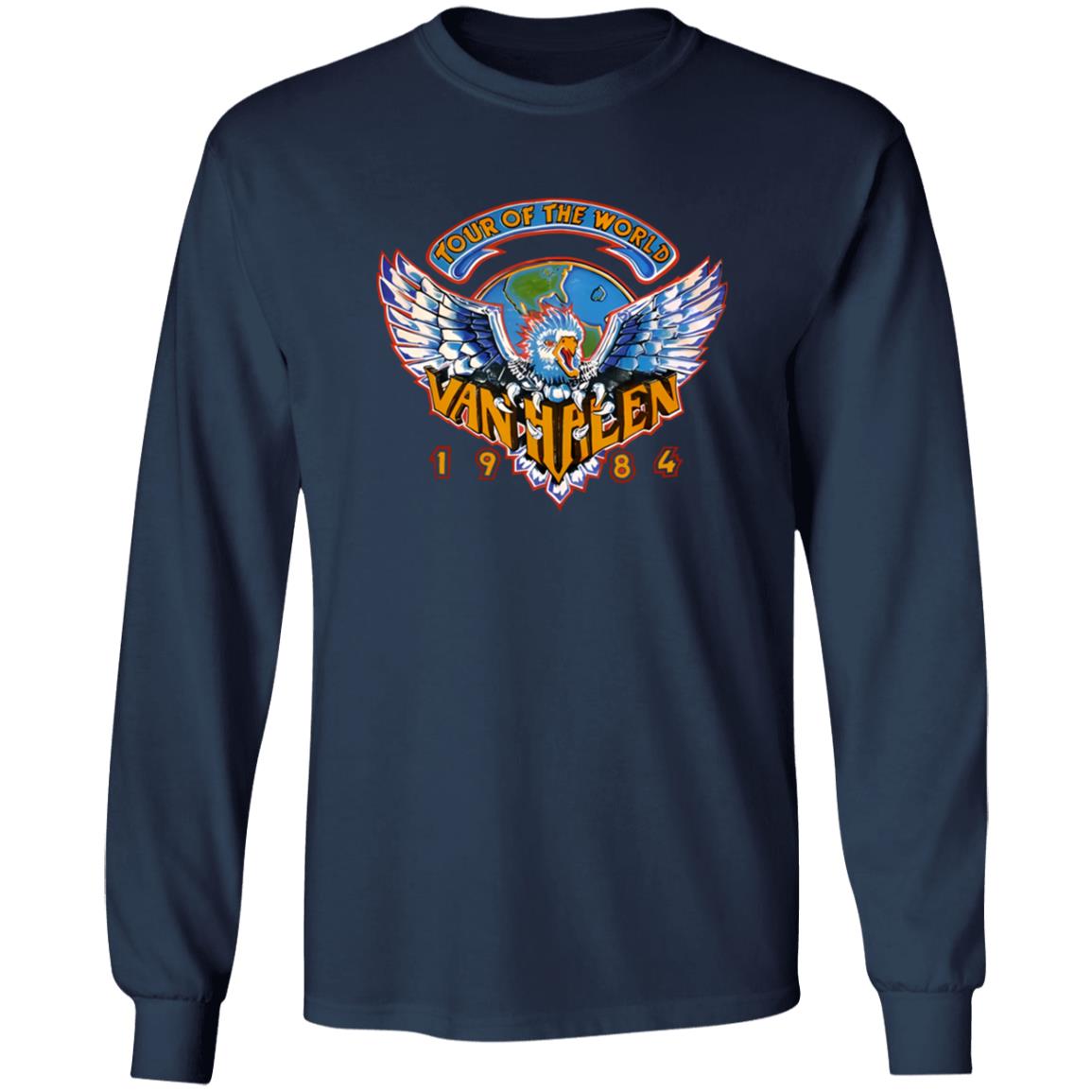
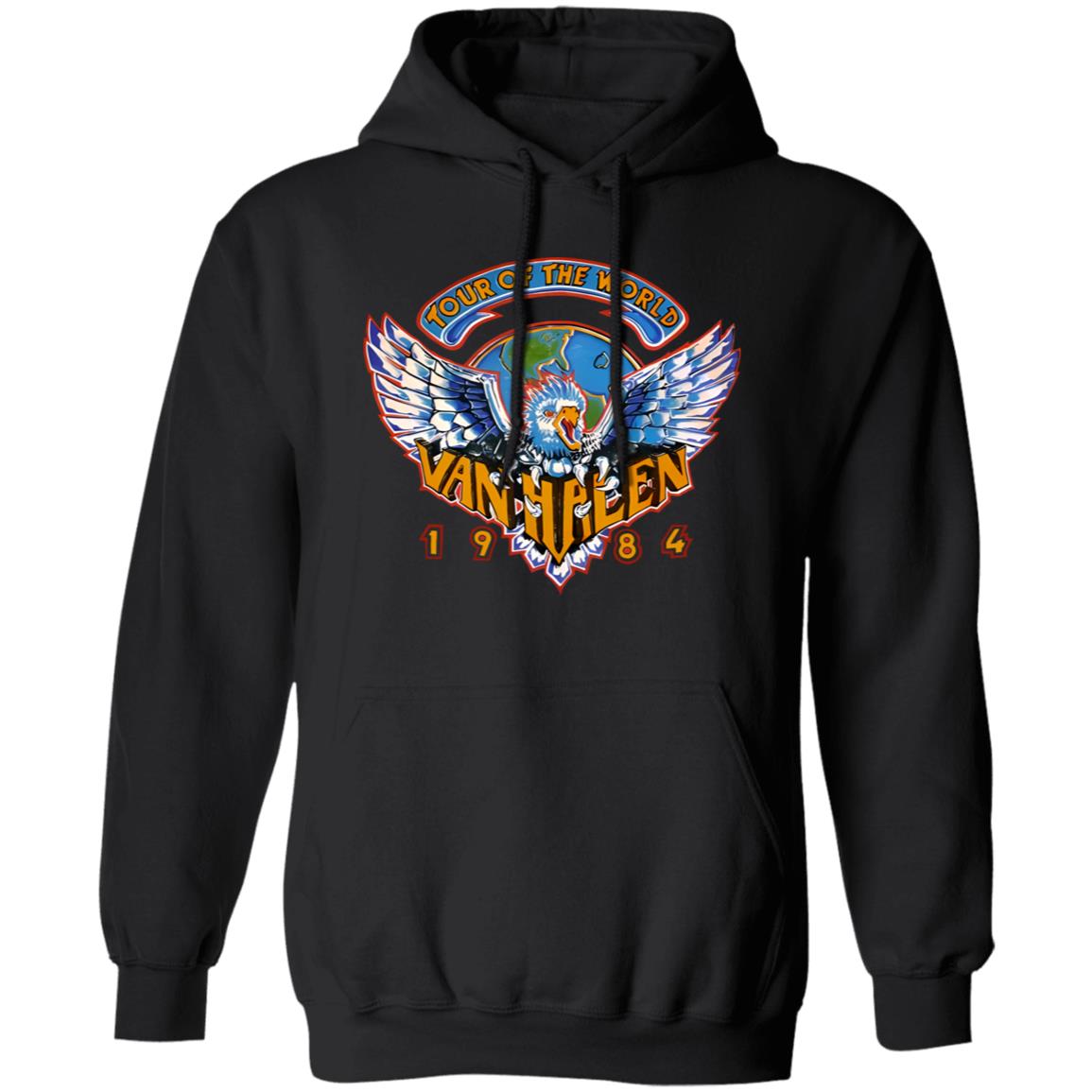
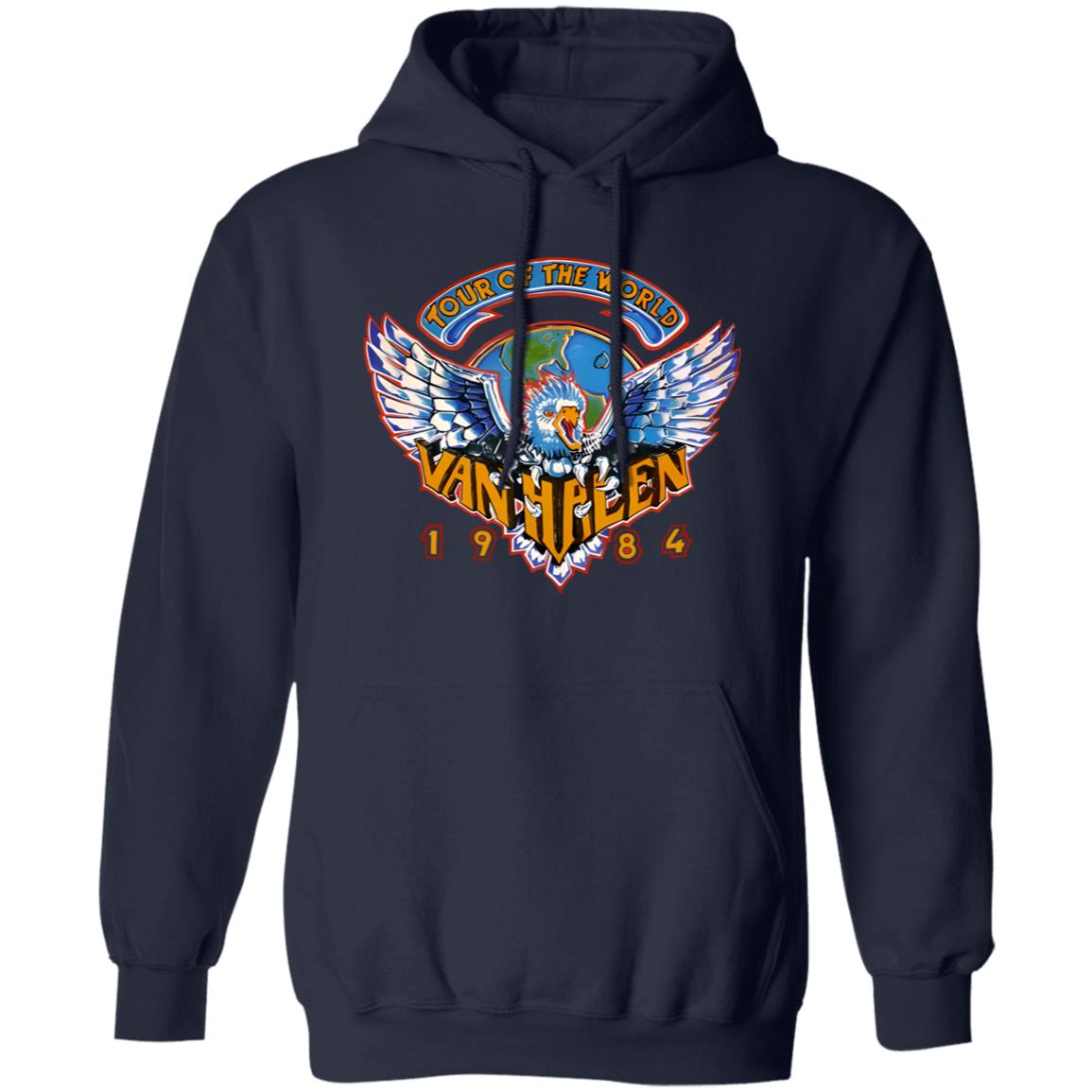
Bold typography dominates the design, often paired with striking iconography that feels almost industrial in its confidence. There’s a certain symmetry in how the graphics are composed—centered, commanding, impossible to ignore. The layout isn’t decorative; it’s declarative. It tells you exactly what era you’re stepping into.
What makes this shirt resonate today is how clearly it reflects a time when visual culture was inseparable from sound. The graphics don’t just reference a band—they echo an entire performance philosophy: louder, bigger, and unapologetically theatrical.
The original tour merchandise wasn’t designed for subtle integration into everyday wardrobes. It was meant to stand out in a sea of fans, under flashing lights, soaked in sweat and sound. Yet, decades later, that same visual intensity has become a cornerstone of modern streetwear.
Worn now, the Van Halen 1984 Tour Of The World Shirt shifts from concert uniform to cultural statement. It carries a kind of visual authority that doesn’t need explanation. The graphic does the work—anchoring an outfit without overwhelming it.
There’s a reason these designs have endured. They operate at a scale that modern minimalism rarely touches, offering contrast in a landscape often dominated by restraint. It’s not about nostalgia alone—it’s about presence.
Slip it on, and the first thing you notice isn’t just the graphic—it’s how the shirt feels integrated into your movement. The drape is relaxed without being loose, giving the print room to breathe across the chest while still maintaining a clean silhouette.
The texture leans into that lived-in quality vintage collectors recognize immediately. It doesn’t feel overly processed or stiff; instead, it carries a softness that suggests familiarity from the first wear. The print sits with a slightly worn edge—visually echoing the passage of time without sacrificing clarity.
Under daylight, the colors read bold but grounded. Under low light, they deepen—mirroring the kind of tonal shifts you’d expect from stage lighting. It’s subtle, but it reinforces the shirt’s connection to its live-performance origins.
There’s a difference between referencing the past and embodying it. This shirt falls firmly in the second category. It doesn’t dilute the visual aggression or polish it into something overly modern. Instead, it preserves the tension that made 1984-era rock so distinctive.
In a market filled with reprints and reinterpretations, authenticity becomes less about official licensing and more about execution. The balance between graphic scale, color choice, and layout precision determines whether a shirt feels real or generic. Here, that balance leans convincingly toward the former.
Wearing it signals more than musical taste—it reflects an understanding of a specific cultural moment. It aligns with a lineage of fans who recognize the era not just for its sound, but for its visual identity.
Despite its roots in maximalist design, the shirt adapts easily to contemporary styling. Its strength lies in its ability to anchor an outfit without requiring complexity.
Pair it with darker tones to let the graphic take center stage, or contrast it with lighter layers for a sharper visual break. The shirt doesn’t demand coordination—it provides direction. It sets the tone, allowing everything else to follow.
There’s also a flexibility in how it can be worn across settings. It works just as naturally in casual daytime environments as it does in more expressive nighttime contexts. That adaptability is part of what keeps vintage band tees relevant—they move between scenes without losing their identity.
For those exploring similar aesthetics, the broader collection of retro band inspired tees offers a wider look into how different eras and sounds translate into wearable form, each with its own visual language and cultural nuance.
There’s a quiet moment before a show starts—amps humming, lights dimmed, the air charged but still. A fan stands near the front, wearing a shirt like this, fingers tapping unconsciously to a rhythm not yet played. It’s not about performance yet. It’s about anticipation. That’s the energy this design captures—not just the noise of the show, but the seconds before it explodes.
In a highly transactional space, the decision to pick a specific shirt often comes down to something less tangible than price or availability. It’s about connection. The Van Halen 1984 Tour Of The World Shirt offers that through clarity—it knows exactly what it represents and doesn’t try to be anything else.
That clarity makes the choice easier. You’re not navigating vague inspiration or diluted references. You’re selecting a piece rooted in a defined moment of rock history, translated with enough fidelity to feel legitimate, but enough refinement to fit into today’s wardrobe.
And in that balance—between past and present, spectacle and wearability—it earns its place.
| Product | Van Halen 1984 Tour Of The World Shirt – Vintage Band Tee with Iconic Rock Energy |
|---|---|
| SKU | cc-1049-9971-104999739-1716728543611 |
| Fabric Weight | Midweight (5.3 oz) – Heavyweight (6.0 oz Long Sleeve) |
| Material Composition | Solid Colors: 100% Cotton Ash Grey: 99% Cotton / 1% Polyester Sport Grey: 90% Cotton / 10% Polyester Dark Heather: 50% Cotton / 50% Polyester |
| Fit | Classic Unisex Fit (Ladies: Slightly Tapered Missy Fit) |
| Construction | Double-needle stitching Taped neck & shoulders Preshrunk jersey knit Tearaway label |
| Hoodie Material (G185) | 8.0 oz – 50% Cotton / 50% Polyester |
| Available Sizes | S – 5XL (6XL select colors only) |
| Origin | Made with sustainably and fairly grown USA cotton; Printed in USA |
| Print Method | DIGISOFT® Direct-to-Garment (DTG) |
| Brand | Capital T Shirt |
| Fast & Reliable Shipping | All orders are professionally printed and shipped from the USA. |
|---|---|
| Processing Time | Printed on demand within 1–3 business days. |
| Shipping Time | USA: 4–7 business days International: 7–15 business days |
| Shipping Costs | USA Standard: $5.99 International Standard: $9.99 |
| Secure Checkout | Safe & encrypted payment processing. Your information is protected at all times. |
| Returns & Exchanges | We offer a 30-day return policy. View Refunds & Returns Policy |
| Customer Guarantee | We stand behind the quality of every item we print. |





Reviews
There are no reviews yet.