No products in the cart.
Save 20% on orders over $100 with code CT20

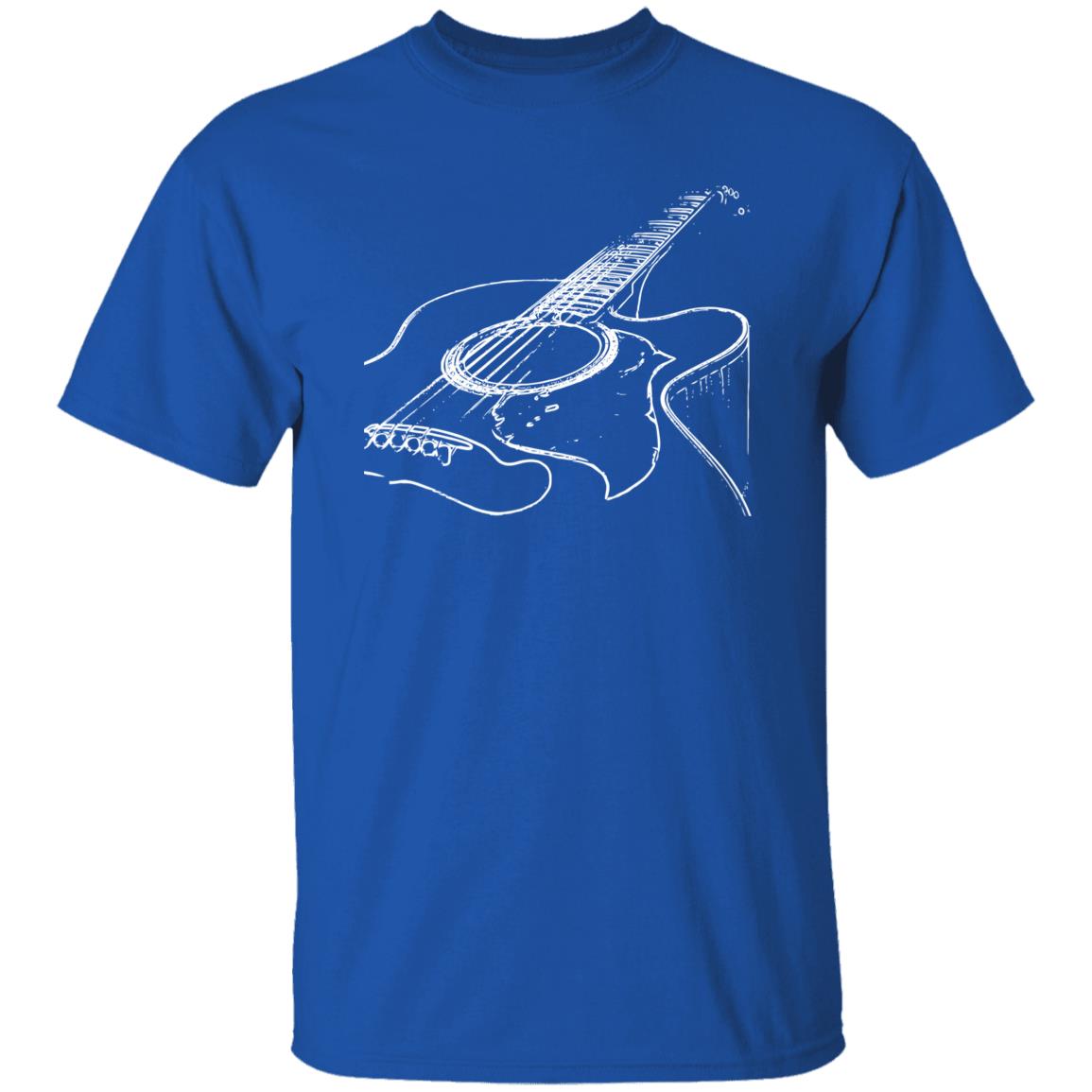
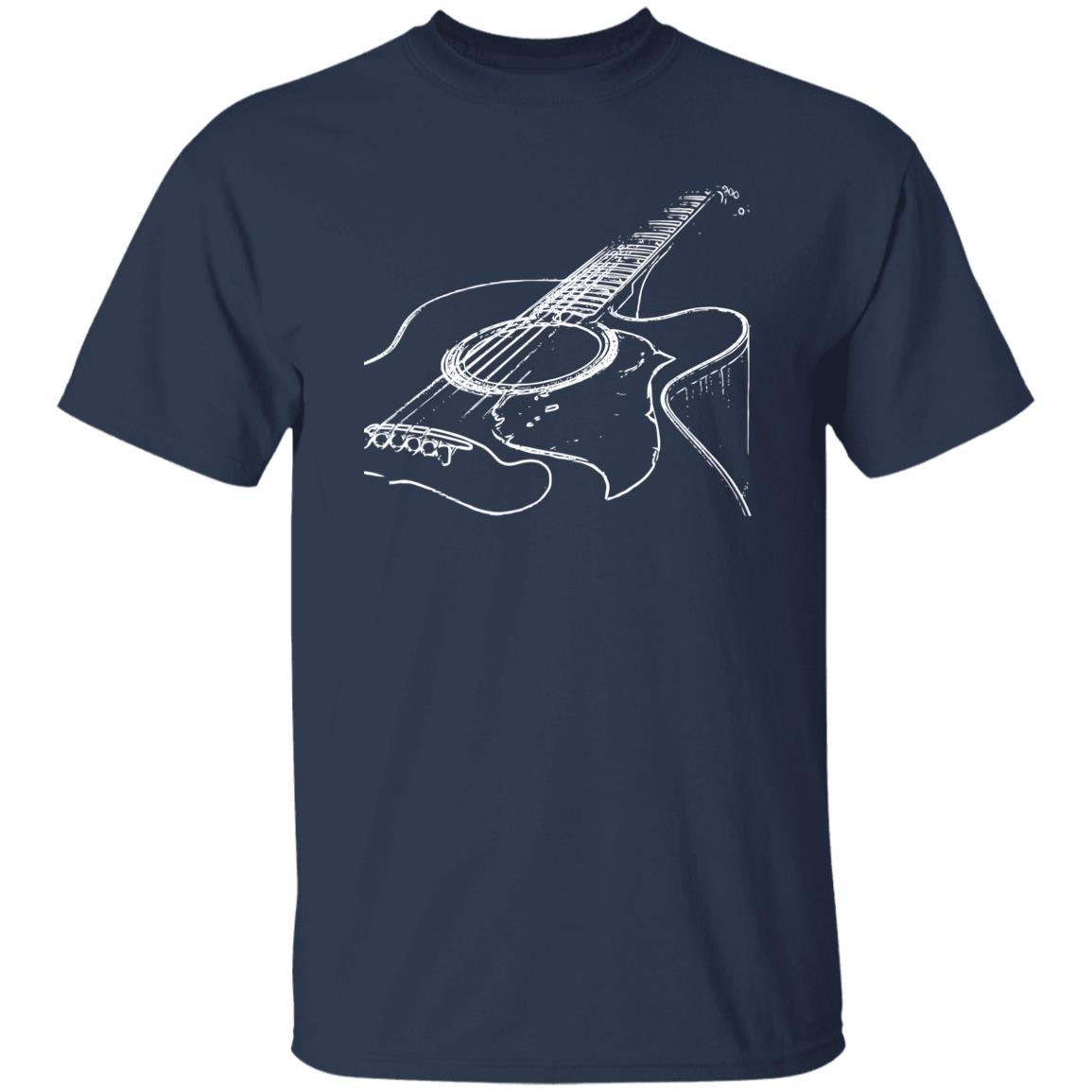
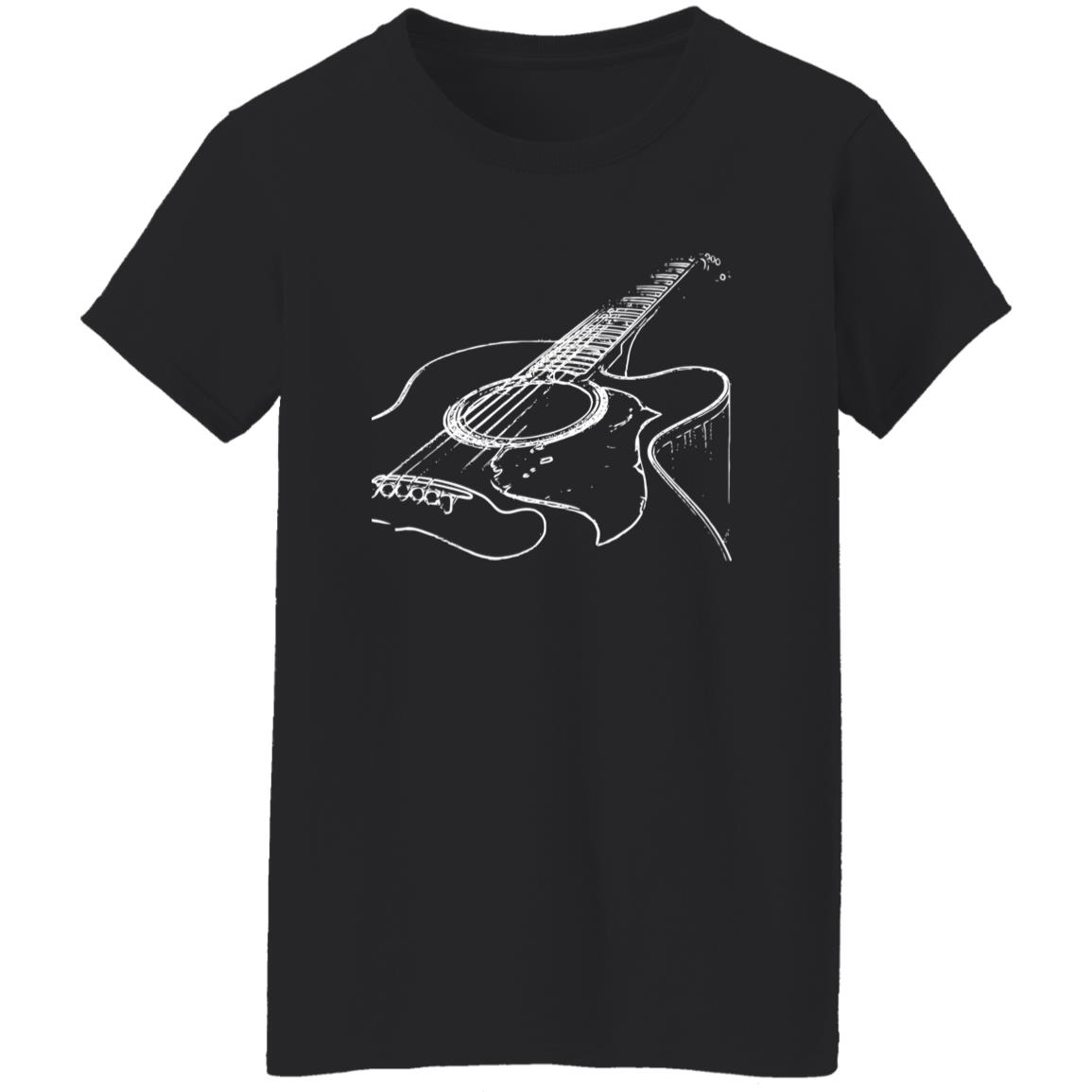
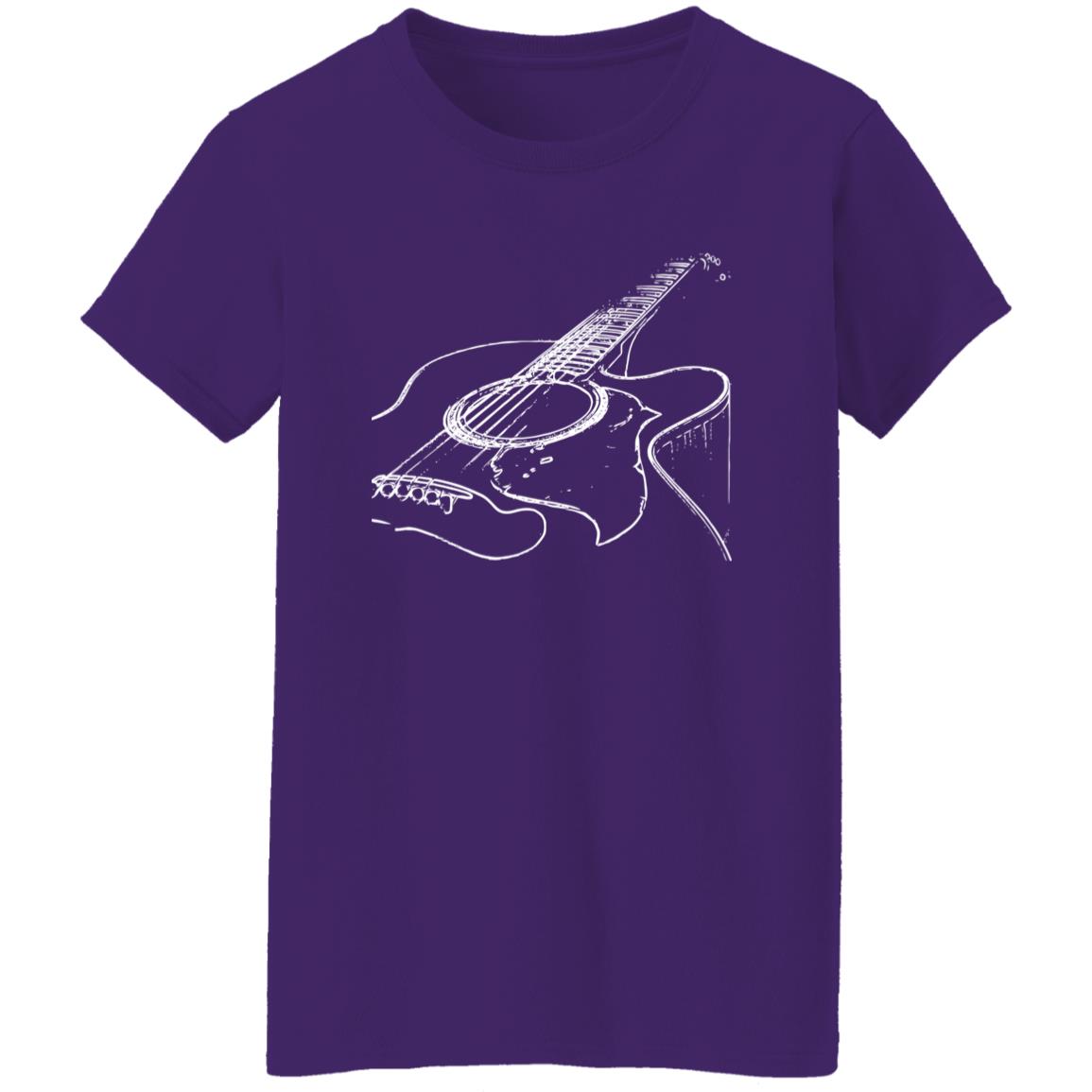

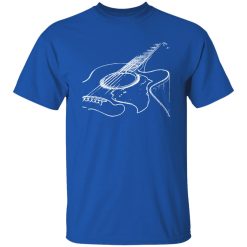
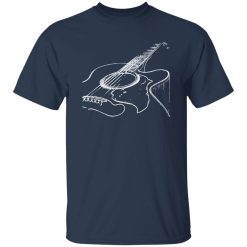
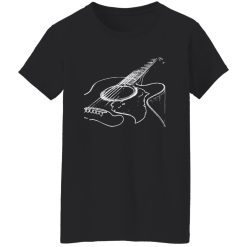
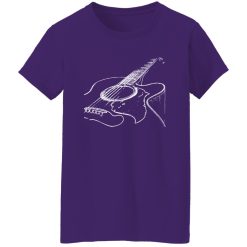
Price range: $21.90 through $44.99
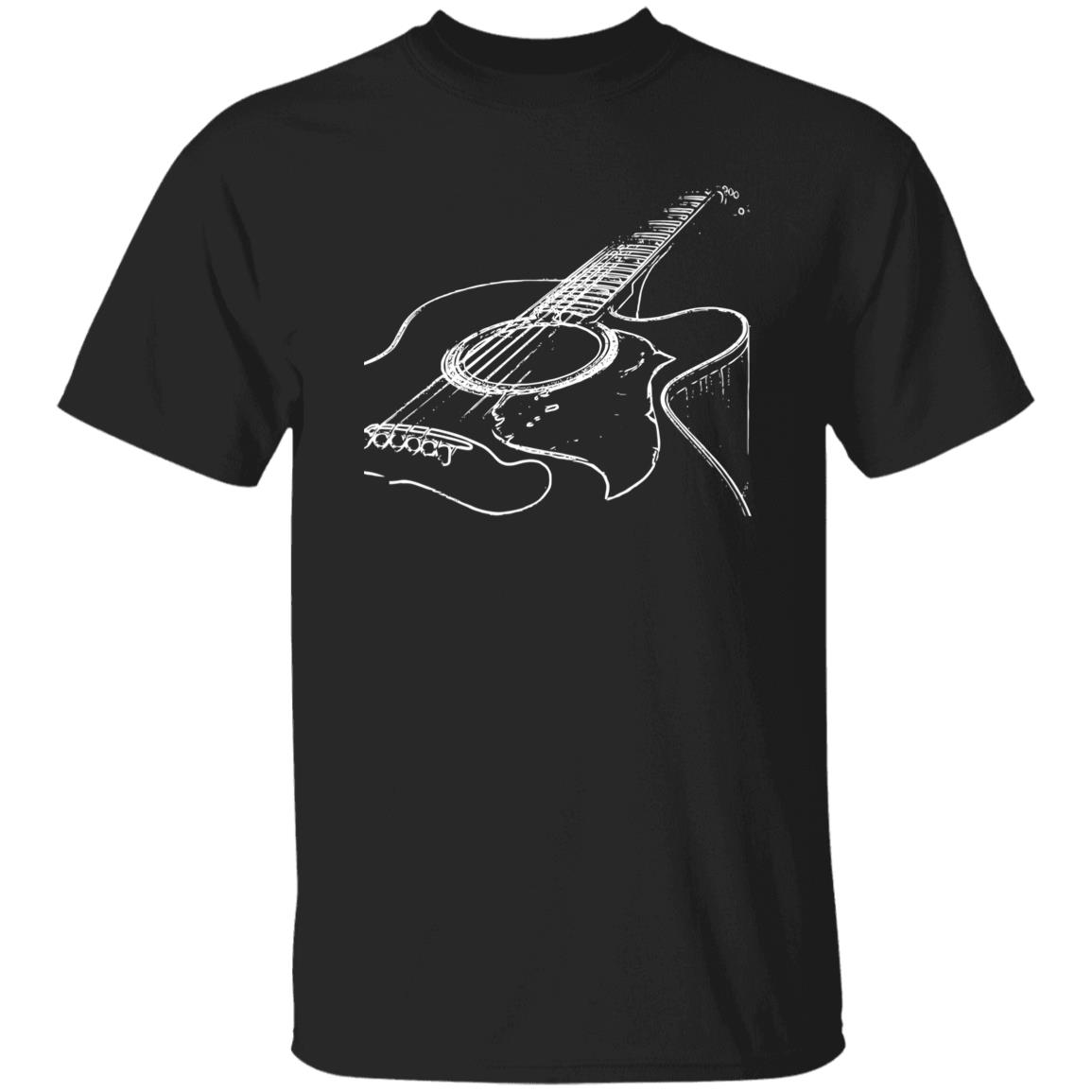
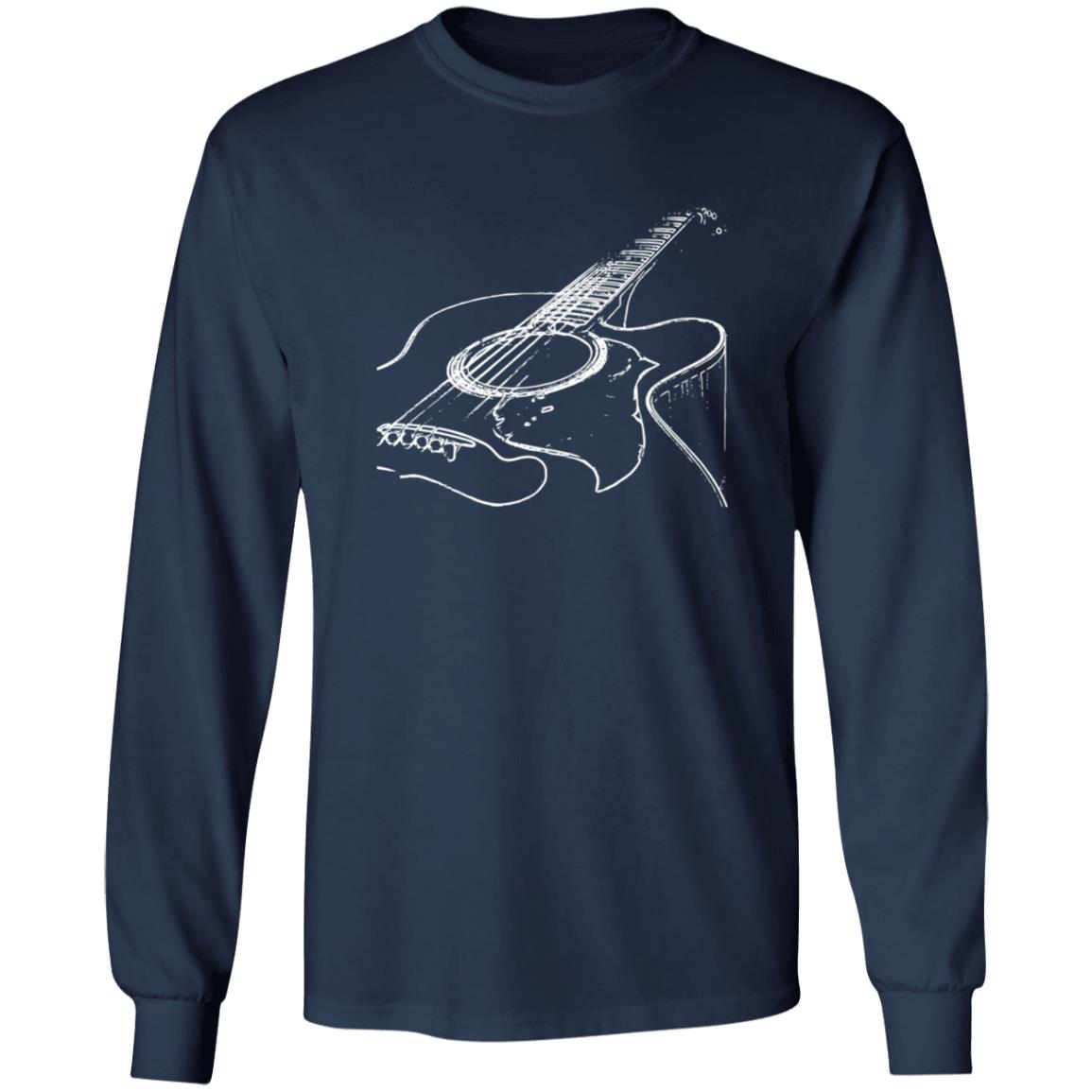
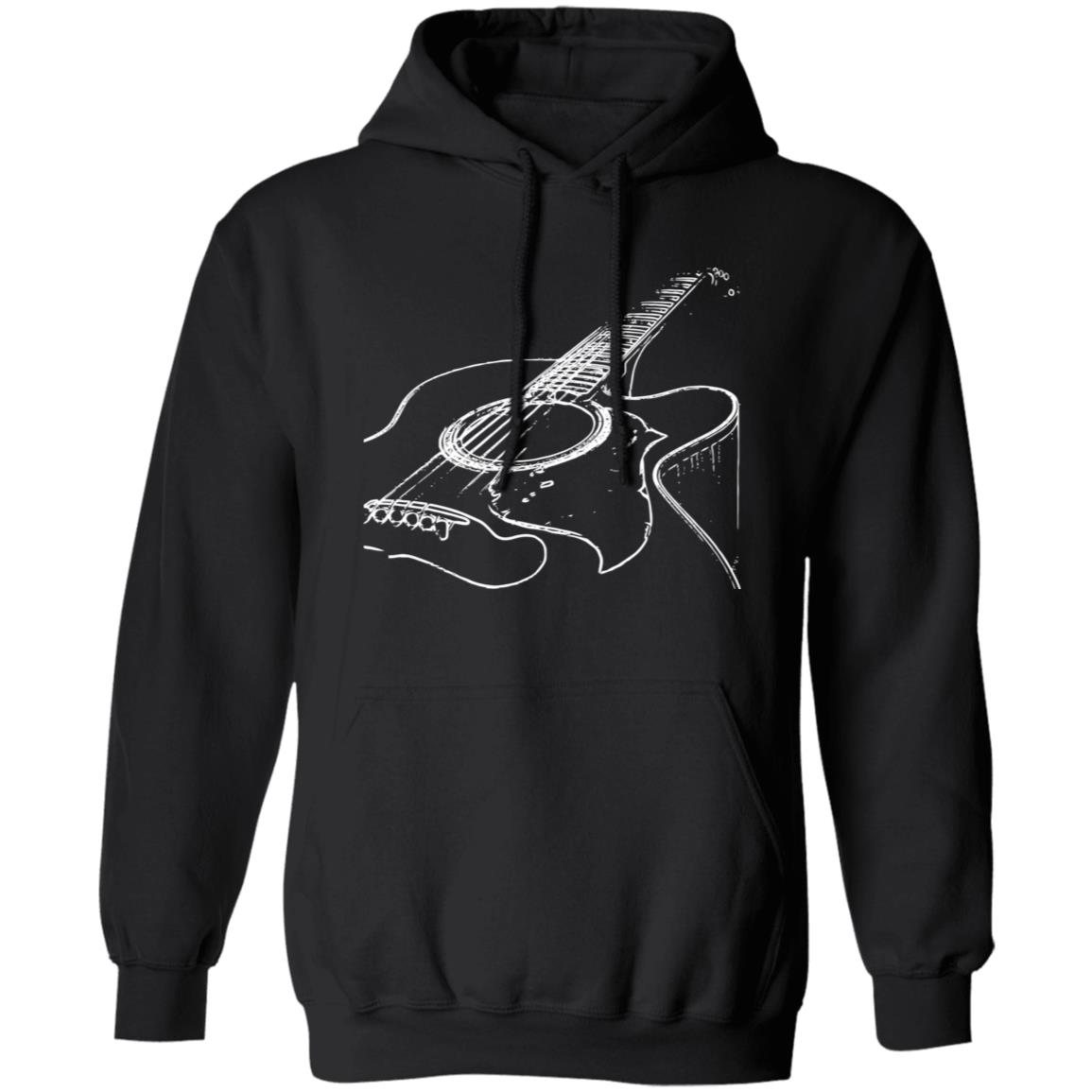
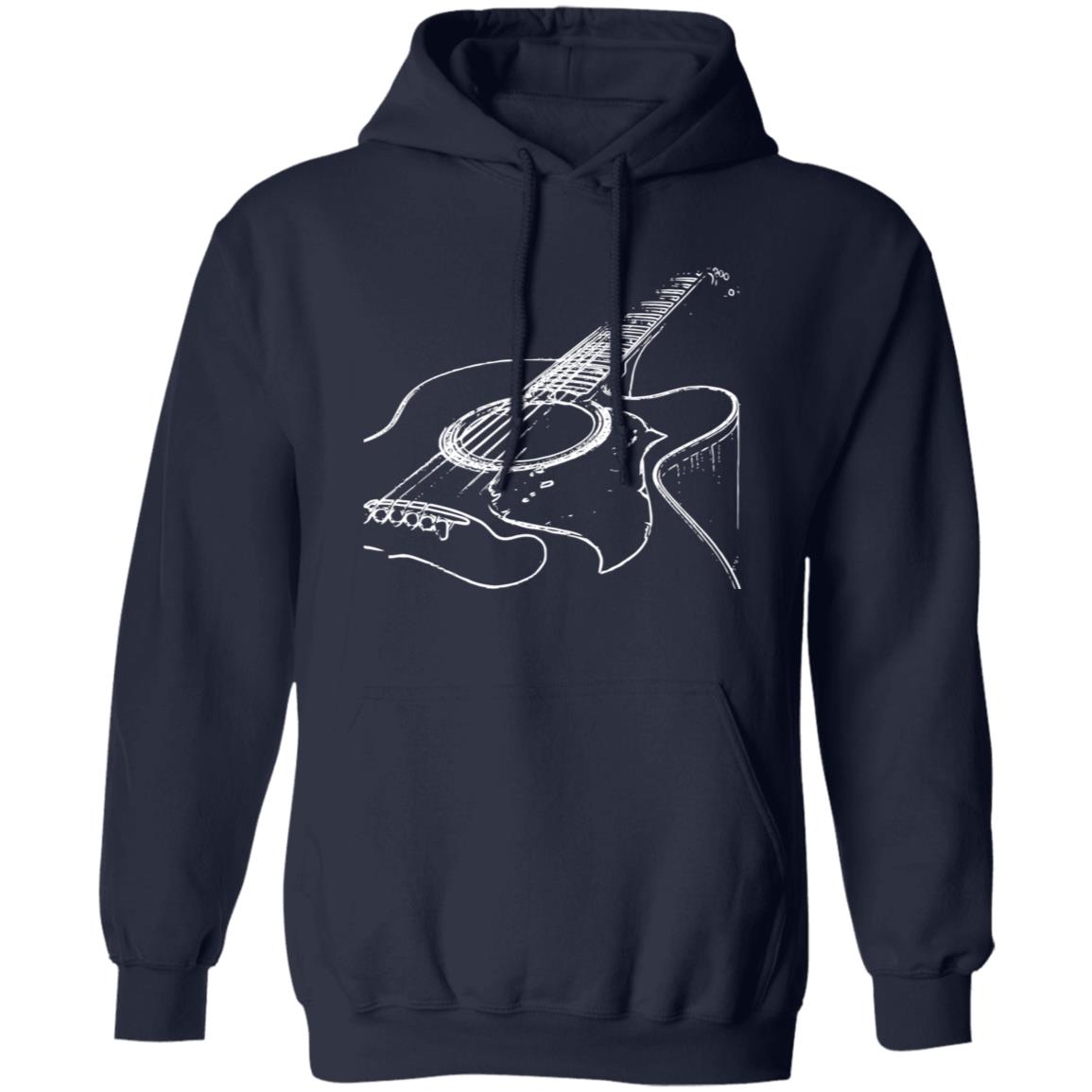
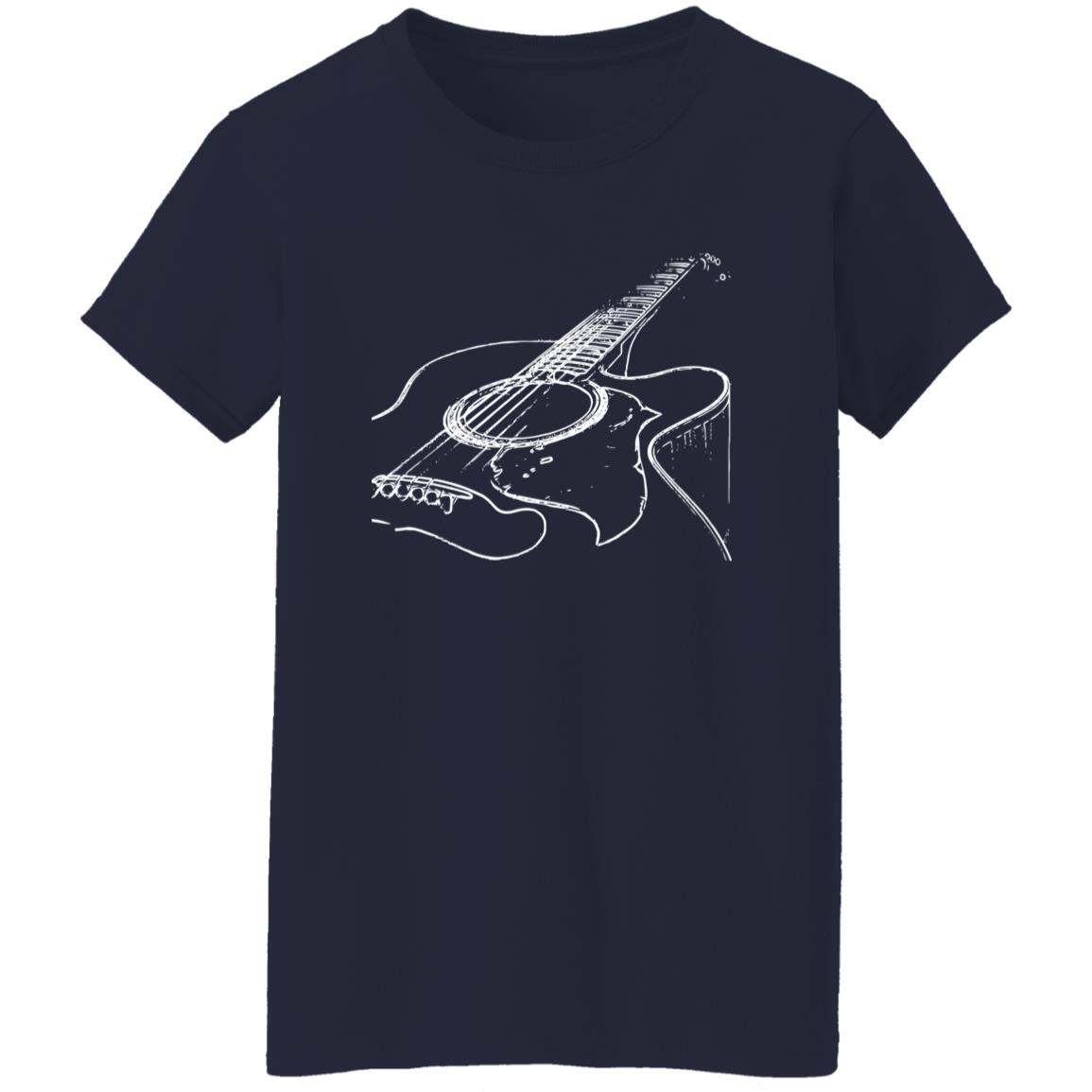
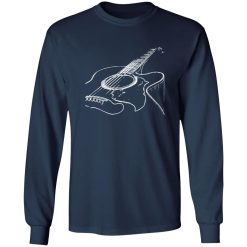
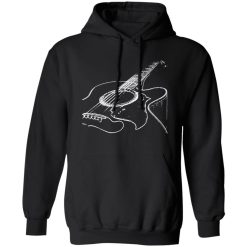
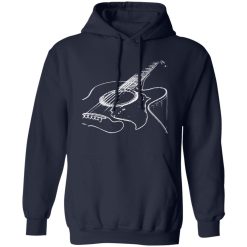
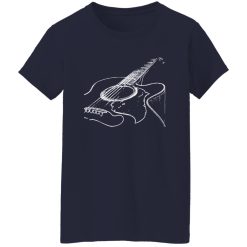
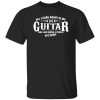
An acoustic guitar shirt carries a different kind of music energy. It is less about spectacle and more about signal. Where louder band graphics often lean into distortion, arena scale, or heavy visual aggression, an acoustic guitar design tends to communicate taste through restraint. It points to songwriting, stripped-back sessions, intimate venues, and the kind of music culture that values atmosphere as much as volume. That difference matters for shoppers looking for a piece that feels musical without becoming costume-like. In a broader world of music band tees, the acoustic guitar shirt stands out by translating sound into a quieter, more enduring visual identity.
The acoustic guitar remains one of the most recognizable symbols in music because it bridges performance and personality. It belongs to coffeehouse sets, folk revival imagery, unplugged sessions, songwriter circles, campfire singalongs, indie recording spaces, and backstage moments before the crowd ever hears the first note. That range gives the acoustic guitar a cultural depth that feels wider than any single genre.
It also carries a strong sense of authorship. A graphic built around an acoustic guitar often suggests that the wearer connects with melody, lyrics, and craft rather than just stage volume. That makes the shirt appealing to people who want music apparel to feel intentional. Instead of relying on a logo alone, it taps into a symbol that already holds emotional meaning for listeners who grew up around live sets, vinyl shelves, open mics, and unplugged performances.
This is why an acoustic guitar shirt fits so naturally inside music fashion. It works for fans of folk, classic rock, country, soft grunge, indie singer-songwriter scenes, and heritage Americana aesthetics without feeling boxed into one lane. The graphic reads clearly, but it stays flexible. That combination is powerful in a category where many designs struggle to feel both expressive and wearable.
The best version of this kind of shirt is not just about placing an instrument on cotton. It is about turning an instantly recognizable object into a piece of visual culture. An acoustic guitar can be rendered with vintage linework, distressed tour-poster energy, sunset desert tones, rustic woodgrain mood, minimalist outline art, or a worn-in rehearsal-room aesthetic. Each direction changes the message.
A more weathered print can feel rooted in road-worn authenticity, like something connected to small clubs and long drives between cities. A cleaner silhouette can lean modern and understated, more in line with casual streetwear built around subtle references. That visual flexibility helps explain the product appeal. People searching for an acoustic guitar shirt are often not only buying around music taste. They are buying around identity, mood, and the atmosphere they want their outfit to create.
For image-driven search behavior, this matters even more. An acoustic guitar graphic has immediate visual recognition in thumbnails and category grids. The shape is familiar, the symbolism is strong, and the emotional tone is easy to read at a glance. In practical ecommerce terms, that makes it a strong fit for image pack visibility because shoppers can quickly understand the theme without needing long explanation.
Picture the shirt in natural light: the guitar artwork sits with enough contrast to read from a distance, but the overall effect stays relaxed rather than loud. The print texture looks slightly broken in instead of overly glossy, which gives it a more lived-in character. On body, the shirt drapes with an easy everyday shape, soft enough to feel casual and structured enough to keep the graphic from collapsing visually. That balance is what helps the design move from screen appeal to real-world wear.
One of the biggest advantages of this design direction is versatility without blandness. An acoustic guitar shirt can anchor an outfit while still leaving room for personal styling choices. It works with denim, overshirts, broken-in jackets, neutral cargos, vintage-wash shorts, and casual sneakers or boots. It can also slot into a layered look without fighting every other piece in the outfit.
That makes it especially relevant for transactional intent. Buyers are often not asking whether music graphics matter. They are deciding which one will fit into their routine most easily while still reflecting what they care about. An acoustic guitar shirt answers that well because it carries clear music identity but avoids the narrowness that sometimes comes with more aggressively niche graphics.
There is also a generational advantage here. For some wearers, the symbol connects to classic singer-songwriter traditions and the emotional intimacy of older live recordings. For others, it reflects modern stripped-back sessions, indie acoustic performances, or the visual language of contemporary music storytelling. The result is a shirt that feels rooted but not dated.
A small real-world moment explains the appeal better than a catalog description ever could. Someone flipping through records on a Saturday afternoon, headphones half on, coffee in hand, wearing a guitar graphic that feels familiar rather than overstated. That is the kind of setting where this shirt makes sense. It belongs to music culture as a lived habit, not just a branded statement.
For a shopper deciding whether to pick this up, the value comes from a combination of symbolism, wearability, and visual clarity. The design does not need to shout to be recognizable. It already carries a built-in story.
The strongest reasons it works include:
That combination gives the shirt commercial strength. It appeals to buyers who want an item with broad styling usefulness, but it still maintains emotional specificity. In a crowded music apparel field, that balance matters more than exaggerated design language.
It also gives the product lasting relevance. Graphic tees tied too tightly to novelty can fade quickly in both search appeal and wardrobe rotation. An acoustic guitar shirt tends to hold up because the symbol itself keeps its meaning. It speaks to musicians, listeners, collectors, casual fans, and anyone drawn to the quieter side of music culture.
When this graphic direction is done well, it feels authentic rather than generic. The instrument is not used as filler decoration. It becomes the center of a mood: warm, reflective, expressive, and grounded in real musical tradition. That is what gives the shirt its staying power.
For buyers with transactional intent, the decision usually comes down to whether the product feels easy to wear, visually clear, and true to the culture it references. An acoustic guitar shirt checks those boxes with unusual consistency. It has enough personality to stand on its own, enough flexibility to work across outfits, and enough cultural familiarity to feel immediately understood.
That is the real appeal. This is not just another music graphic. It is a shirt built around one of the most enduring symbols in modern sound, translated into a form that feels casual, expressive, and easy to keep in rotation. For anyone building a music-inspired wardrobe with pieces that feel authentic instead of overworked, an acoustic guitar shirt is a strong and reliable choice.
| Product | Acoustic Guitar Shirt |
|---|---|
| SKU | cc-1049-9953-105150119-1718508270843 |
| Fabric Weight | Midweight (5.3 oz) – Heavyweight (6.0 oz Long Sleeve) |
| Material Composition | Solid Colors: 100% Cotton Ash Grey: 99% Cotton / 1% Polyester Sport Grey: 90% Cotton / 10% Polyester Dark Heather: 50% Cotton / 50% Polyester |
| Fit | Classic Unisex Fit (Ladies: Slightly Tapered Missy Fit) |
| Construction | Double-needle stitching Taped neck & shoulders Preshrunk jersey knit Tearaway label |
| Hoodie Material (G185) | 8.0 oz – 50% Cotton / 50% Polyester |
| Available Sizes | S – 5XL (6XL select colors only) |
| Origin | Made with sustainably and fairly grown USA cotton; Printed in USA |
| Print Method | DIGISOFT® Direct-to-Garment (DTG) |
| Brand | Capital T Shirt |
| Fast & Reliable Shipping | All orders are professionally printed and shipped from the USA. |
|---|---|
| Processing Time | Printed on demand within 1–3 business days. |
| Shipping Time | USA: 4–7 business days International: 7–15 business days |
| Shipping Costs | USA Standard: $5.99 International Standard: $9.99 |
| Secure Checkout | Safe & encrypted payment processing. Your information is protected at all times. |
| Returns & Exchanges | We offer a 30-day return policy. View Refunds & Returns Policy |
| Customer Guarantee | We stand behind the quality of every item we print. |





Reviews
There are no reviews yet.