No products in the cart.
Save 20% on orders over $100 with code CT20

Price range: $21.90 through $44.99
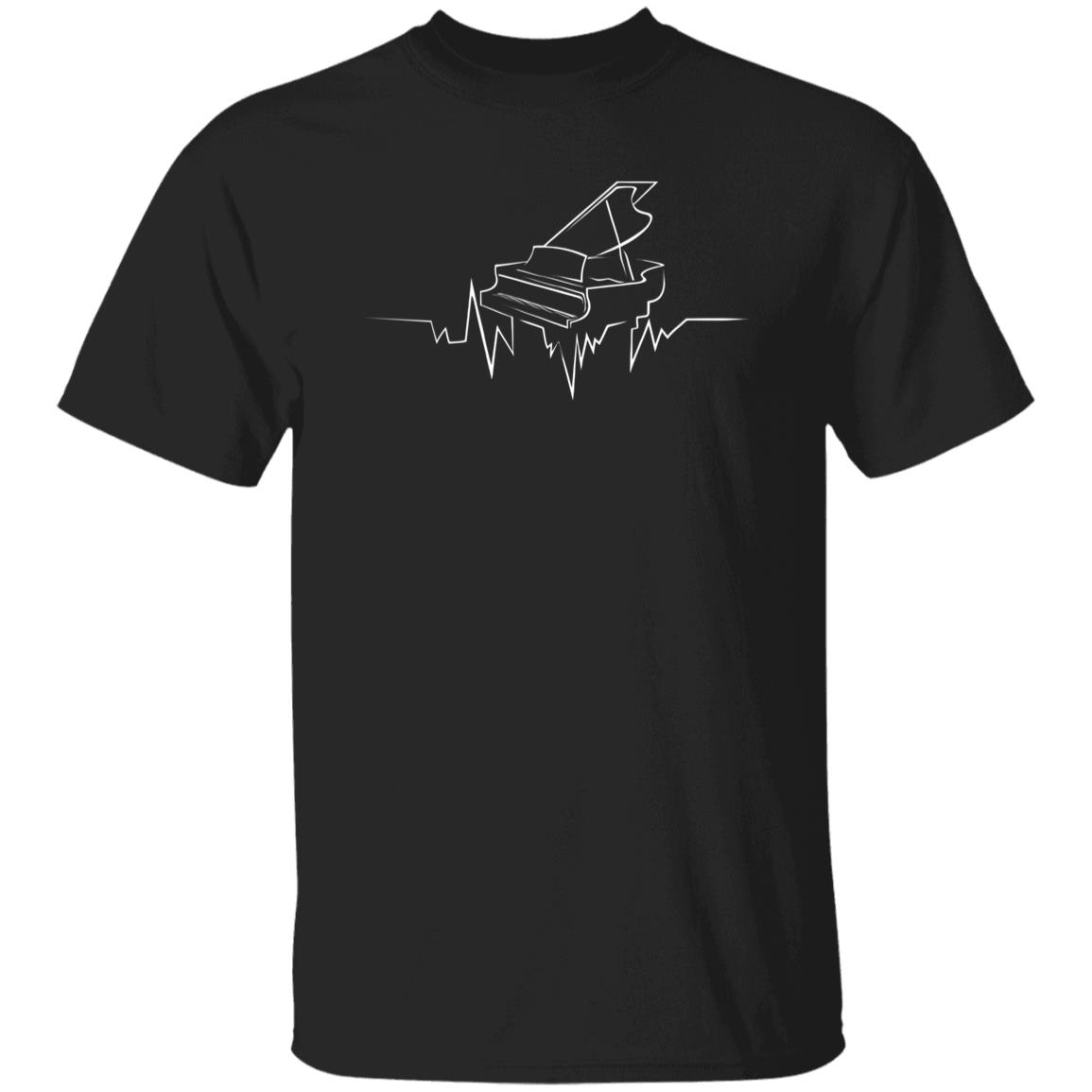
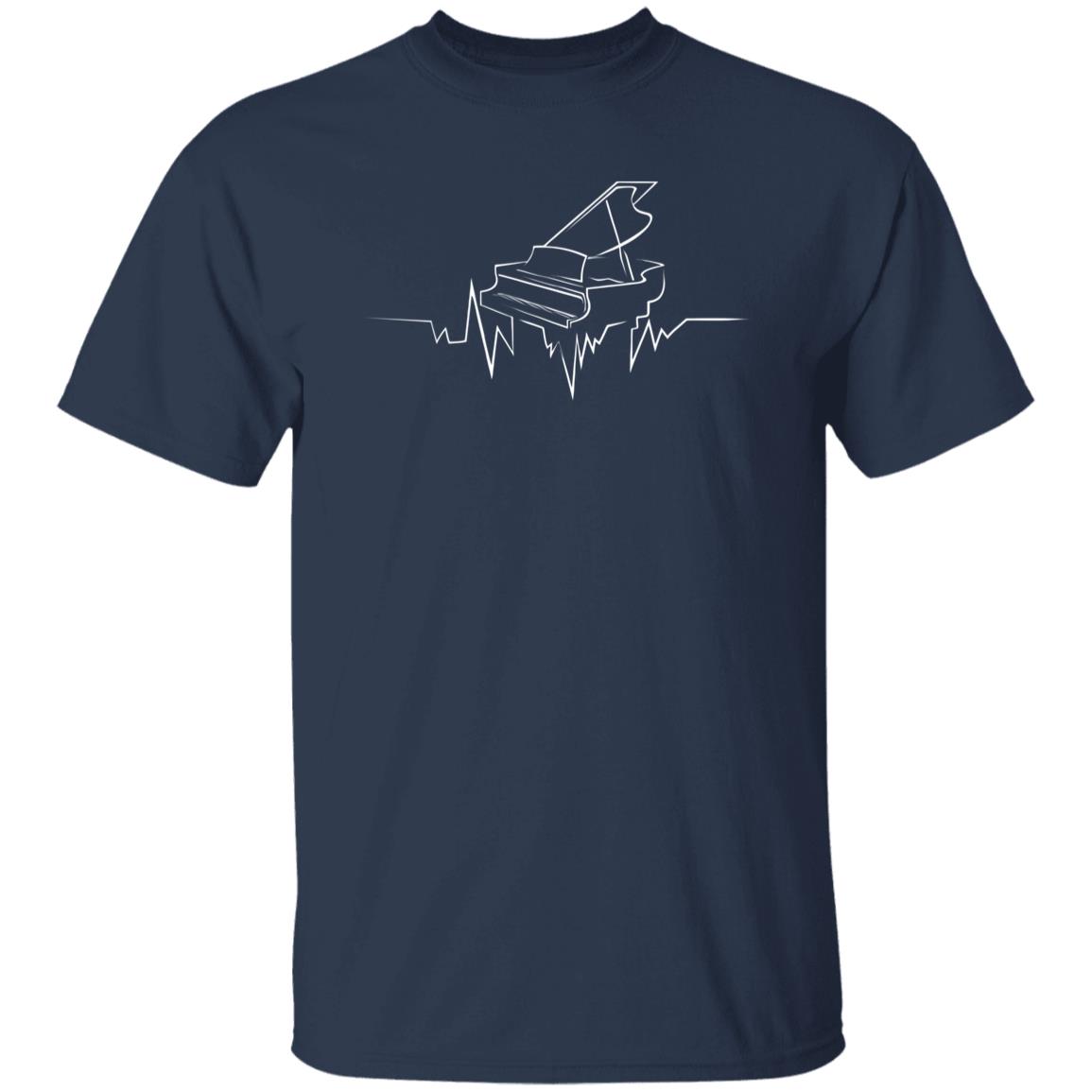
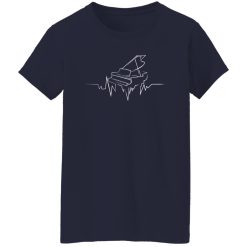
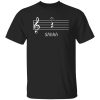
There’s a certain quiet intensity in the way music translates emotion into motion—especially when it moves through the keys of a piano. The Piano Heartbeat Shirt captures that exact moment where rhythm stops being sound and starts becoming something physical. It reflects how music lives beneath the surface, steady and constant, like a pulse you don’t need to think about to feel.
Within the broader world of music themed tees, this design stands apart by focusing on the intersection between structure and emotion. It doesn’t rely on loud symbolism. Instead, it draws from the subtle relationship between melody and heartbeat, turning a familiar instrument into a visual language that feels personal rather than performative.
The piano has always occupied a unique space in music culture. It bridges classical discipline with modern expression, capable of both restraint and intensity. That duality is what gives the Piano Heartbeat Shirt its cultural grounding—it’s not just about music, but about how music is felt internally before it’s ever heard externally.
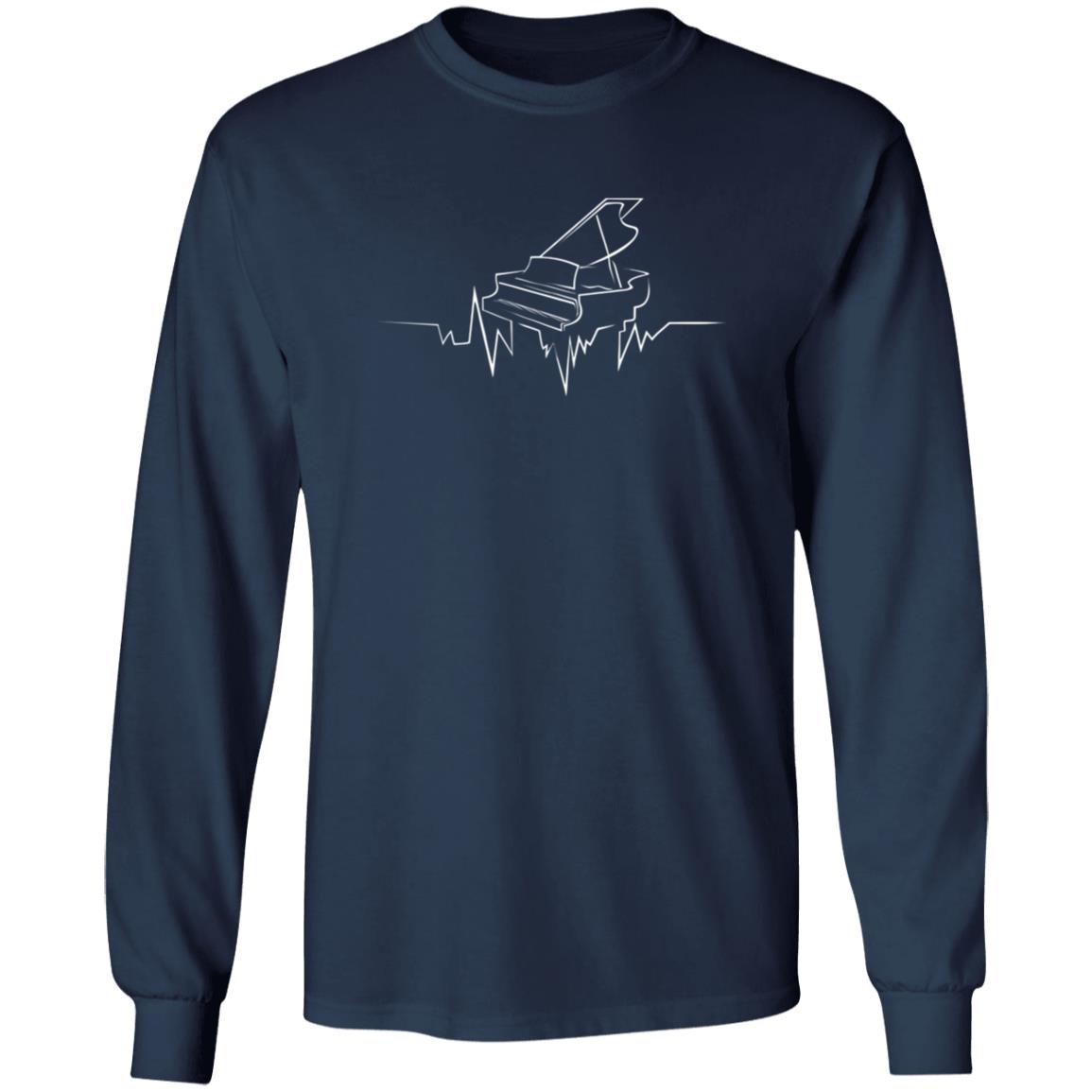
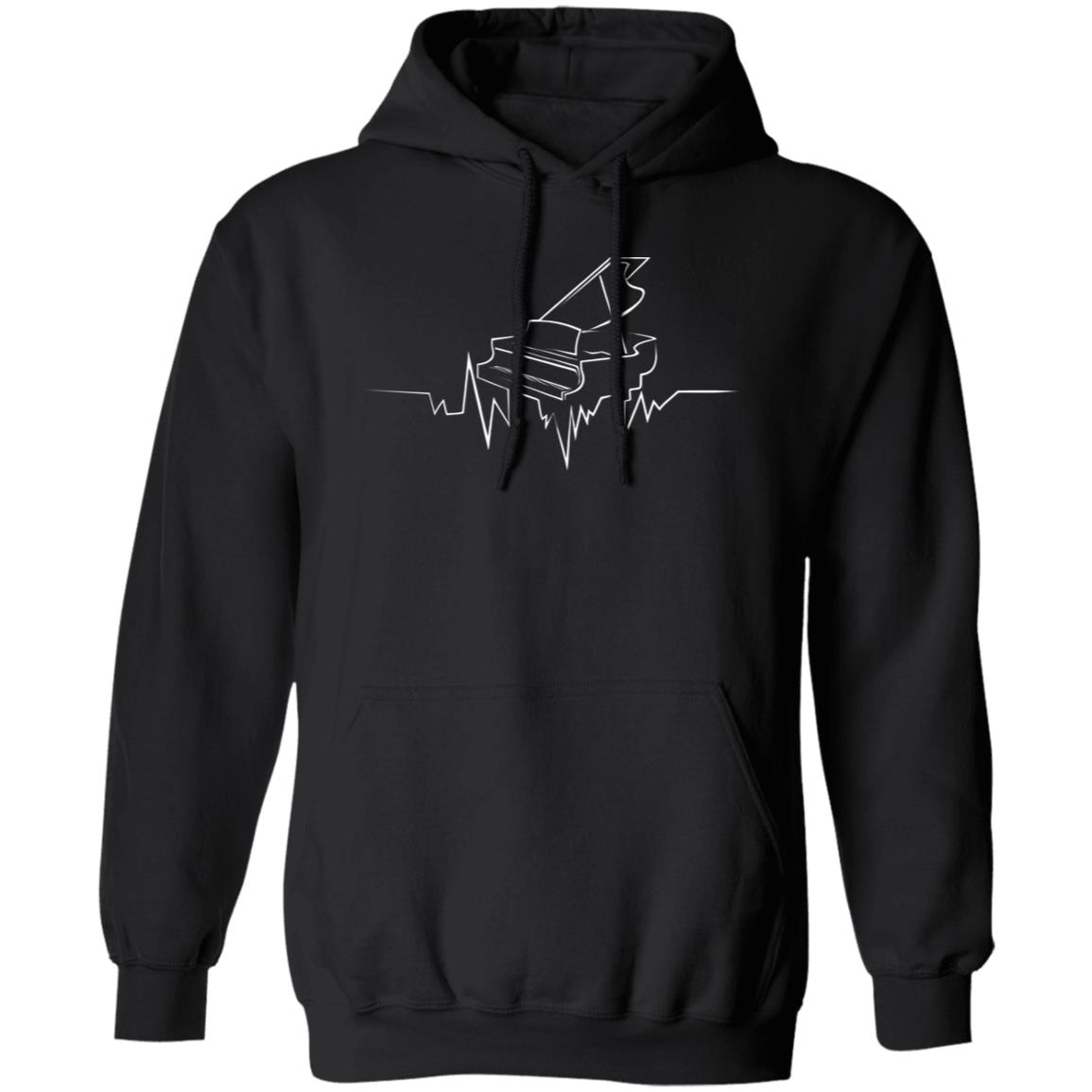
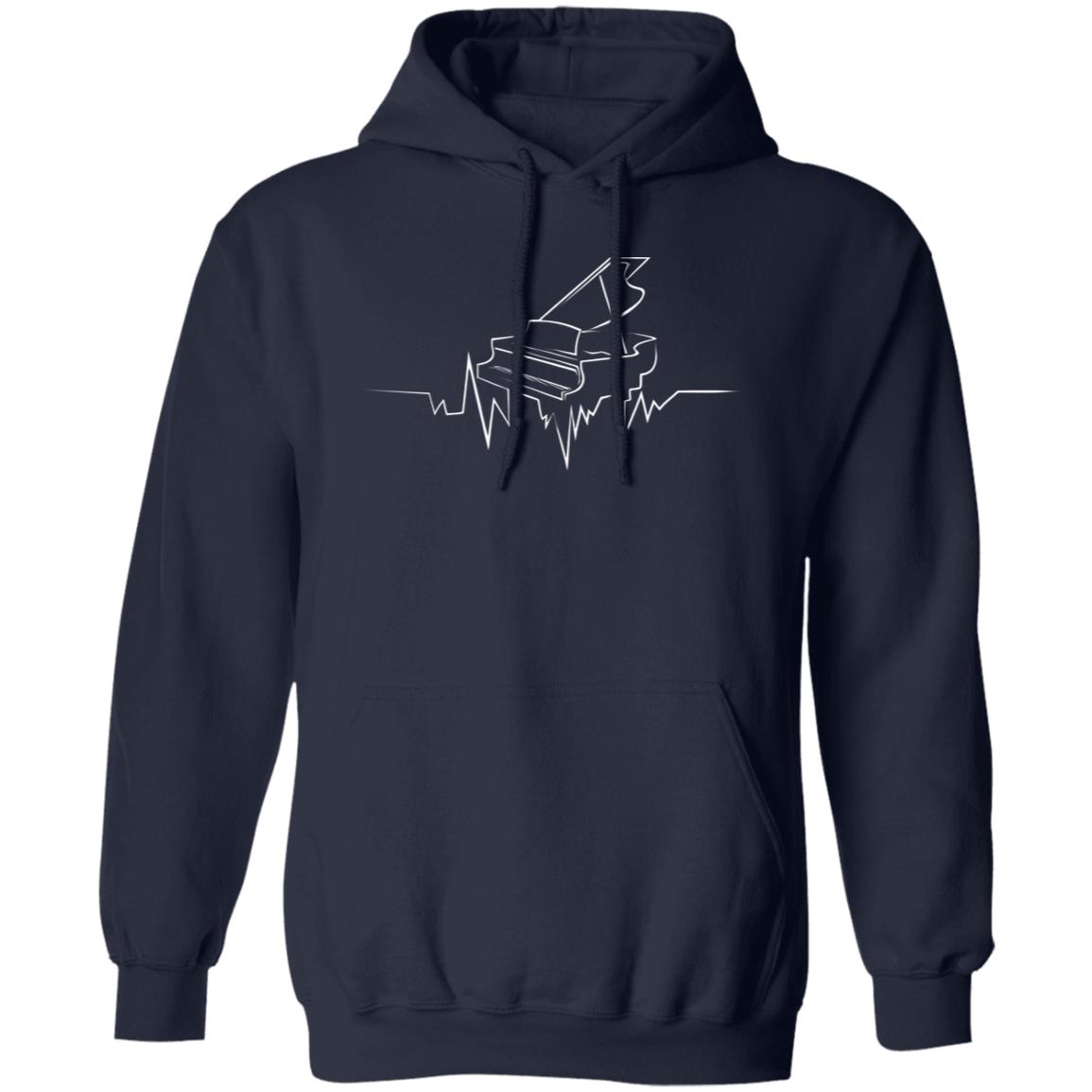
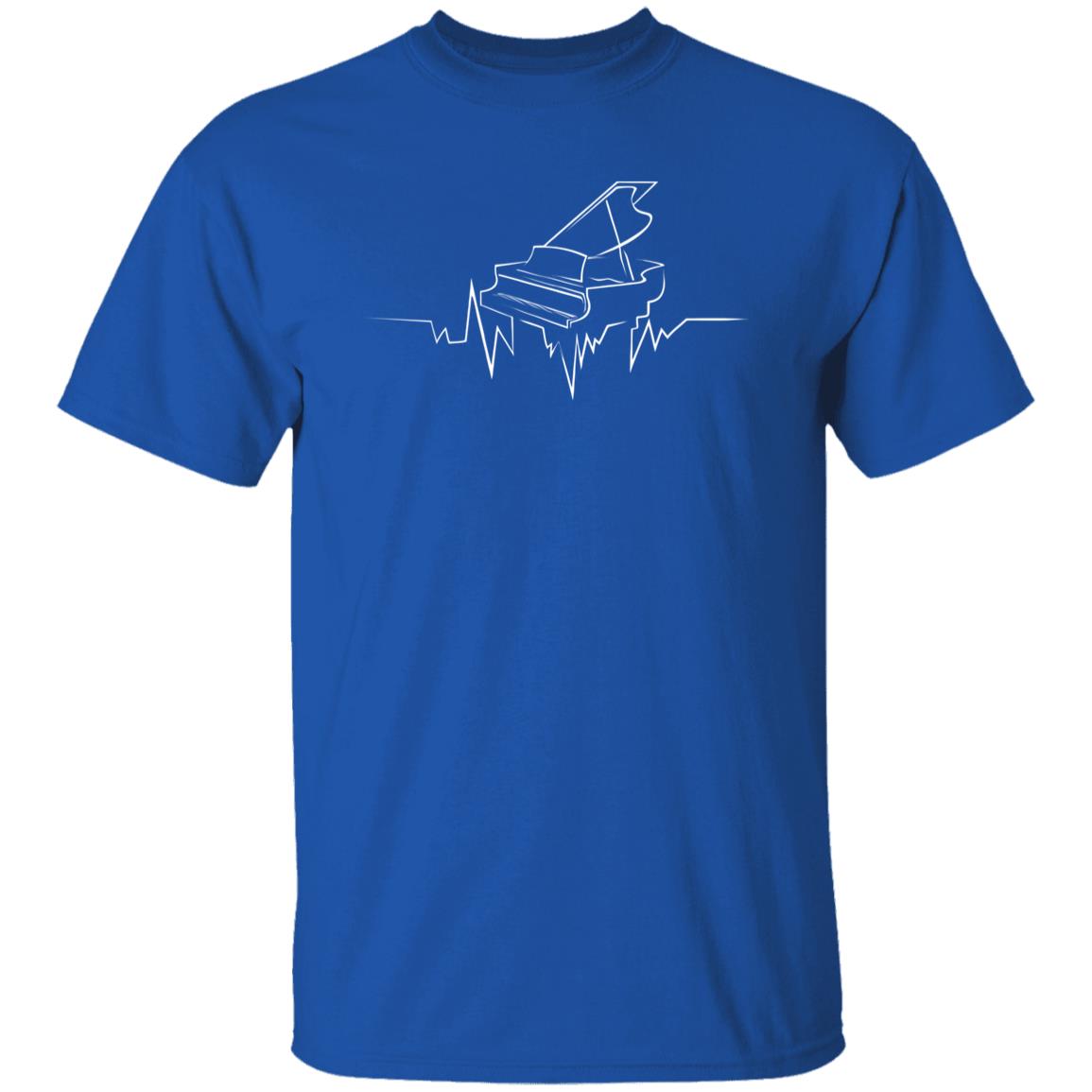
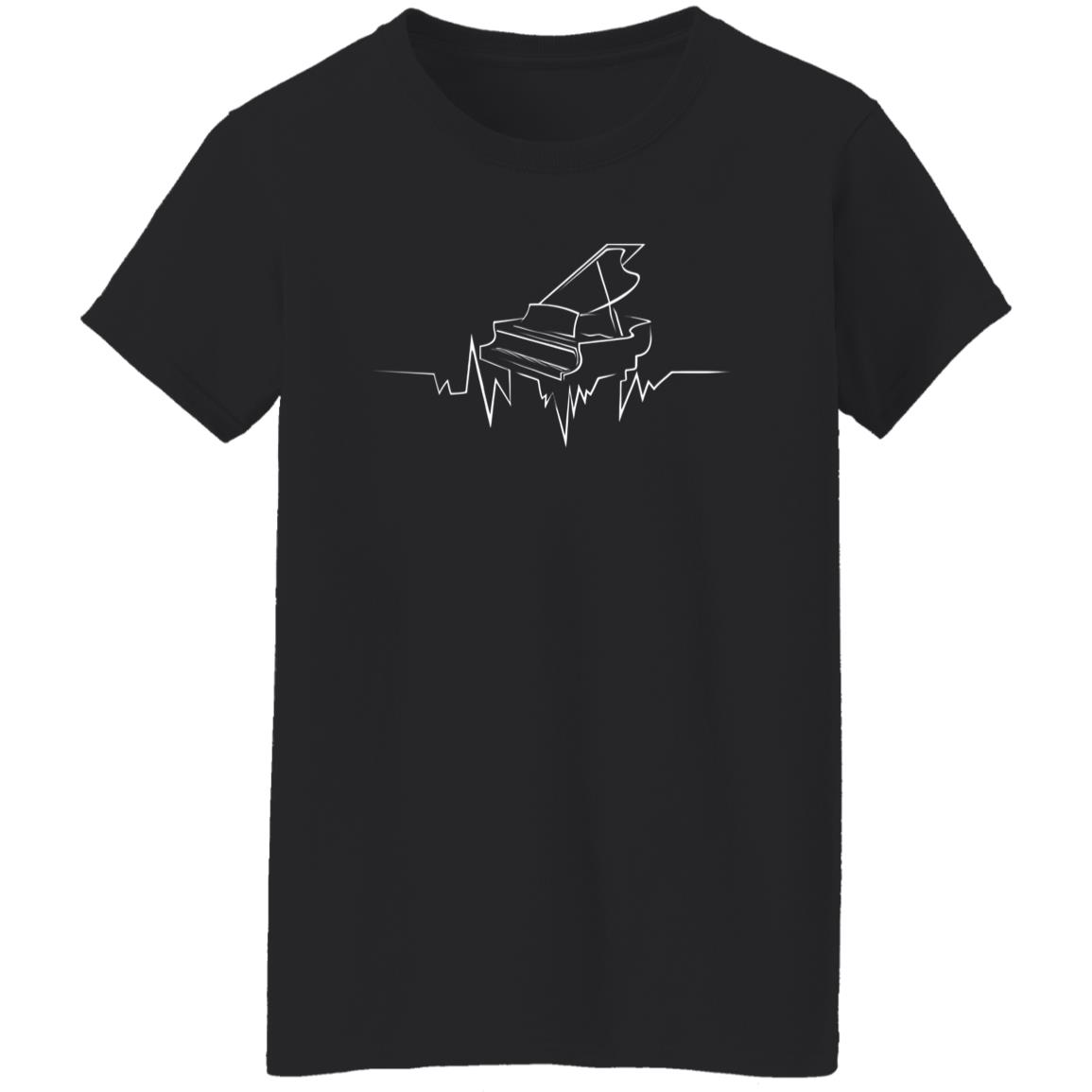
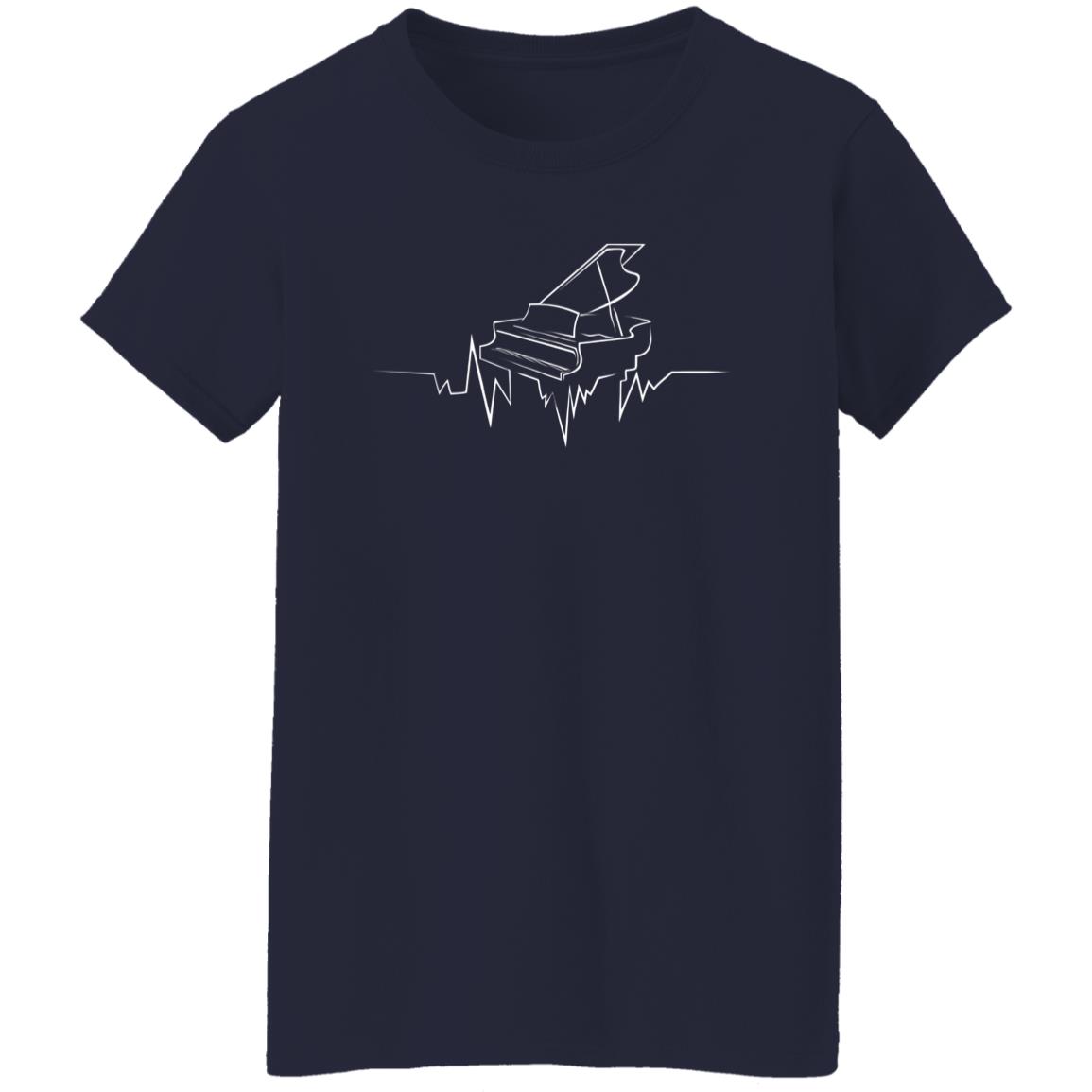
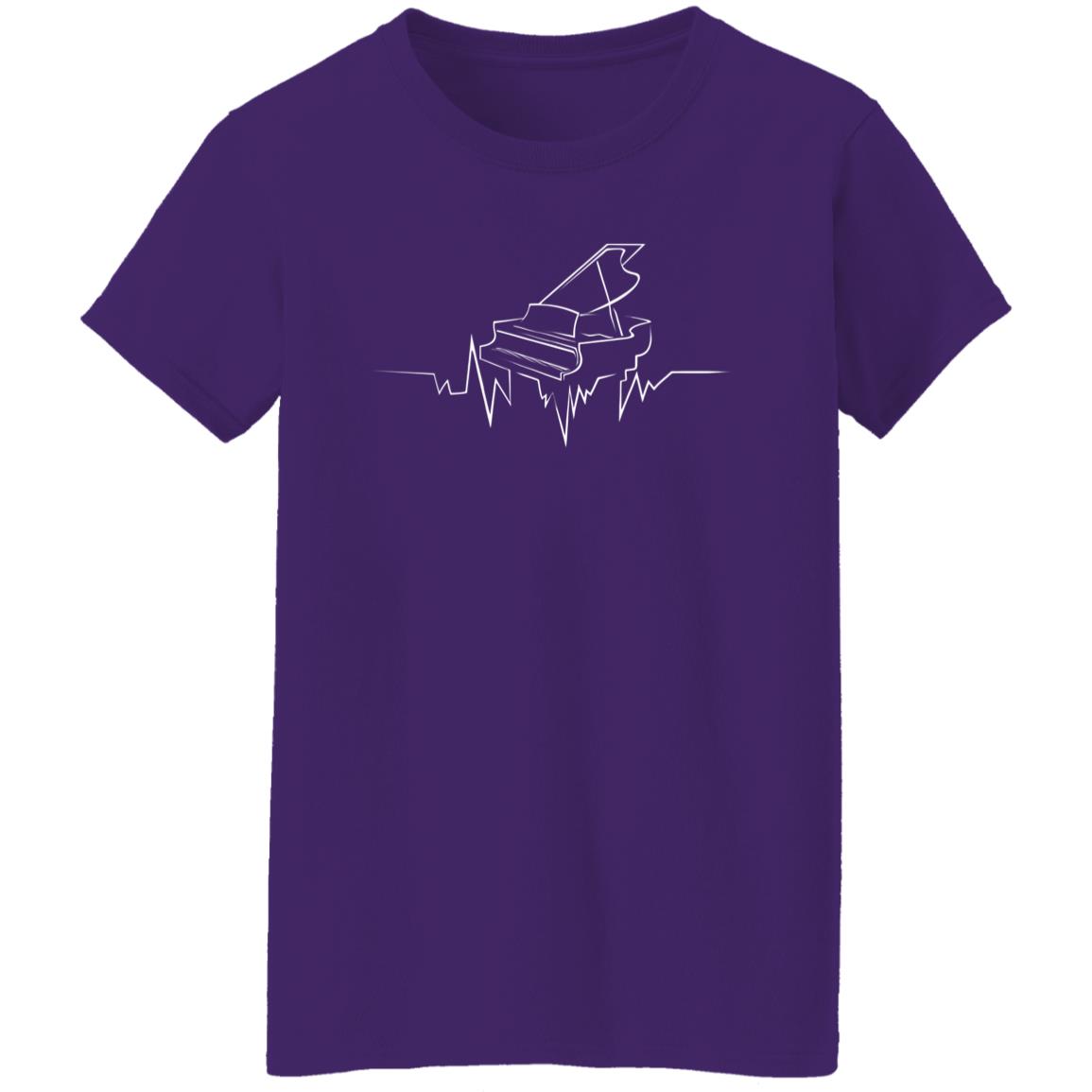
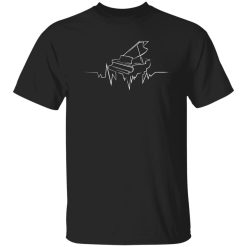
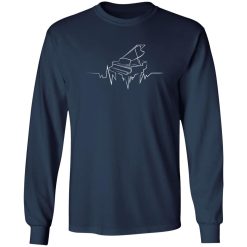
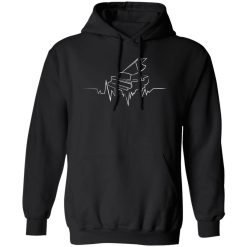
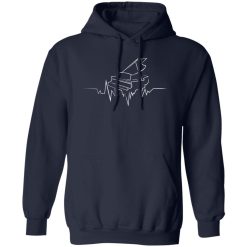
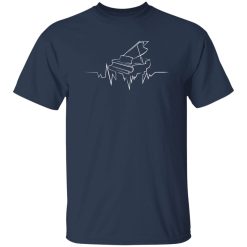
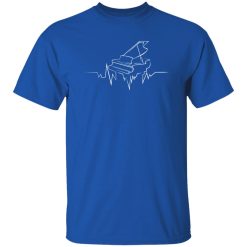
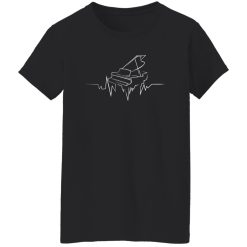
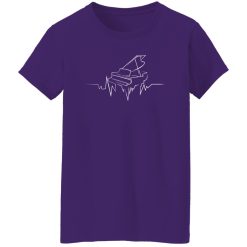
The visual composition reflects this transformation. Piano keys extend into a waveform-like rhythm, echoing the pattern of a heartbeat monitor. It’s a shift from instrument to signal—from something played to something lived. This kind of imagery resonates with musicians and listeners alike, especially those who see music not as background noise but as part of their identity.
In a landscape where many music graphics lean into nostalgia or band-specific iconography, this design operates differently. It’s more abstract, more universal. It speaks to anyone who has ever connected with music on a personal level, regardless of genre or era.
Not every music shirt needs to be loud to be expressive. The Piano Heartbeat Shirt leans into restraint, allowing the concept to carry the weight instead of overwhelming the viewer with detail. The lines are clean, the composition balanced, and the message immediate without being obvious.
This approach reflects a broader shift in music culture—away from overt branding and toward more introspective visuals. It aligns with listeners who value authenticity over spectacle, people who don’t need to broadcast their taste loudly because it already shapes how they move through the world.
The simplicity of the design also makes it adaptable. It doesn’t lock you into a specific aesthetic or subculture. Instead, it becomes a flexible piece that can integrate into different styles while still maintaining a clear identity.
When worn, the design doesn’t sit flat—it interacts with movement. The flow of the graphic follows the natural drape of the fabric, allowing the heartbeat line to feel continuous rather than static. It’s the kind of visual that becomes more noticeable over time, revealing itself in motion instead of demanding attention immediately.
Picture a late evening, headphones on, walking through a quiet street while a piano track plays softly. The rhythm syncs with your steps, with your breathing. That same rhythm is echoed visually on the shirt, creating a subtle alignment between what you hear and what you wear.
This is where the piece shifts from graphic to experience. It doesn’t just represent music—it participates in it, in a quiet, almost unnoticed way.
Music today is less about rigid genres and more about emotional connection. Playlists move between classical piano, lo-fi beats, ambient soundscapes, and indie tracks without friction. The Piano Heartbeat Shirt reflects that fluidity. It doesn’t belong to one scene—it moves between them.
This makes it especially relevant for a generation that values mood over category. The design doesn’t ask what kind of music you listen to. It reflects how music makes you feel. That shift—from classification to emotion—is what gives the shirt its staying power.
It also aligns with a quieter form of self-expression. Instead of bold declarations, it offers a more internal signal. Something that feels intentional rather than performative.
The understated nature of the graphic allows it to work across different contexts without losing its identity. It can anchor a look or sit comfortably within it, depending on how it’s styled.
Because the visual isn’t tied to a specific era or trend, it avoids feeling dated. It holds its relevance through concept rather than novelty, which is a key factor in long-term wearability.
At its center, the Piano Heartbeat Shirt is about connection. Not just to music, but to the role music plays in shaping memory, mood, and identity. It captures that moment when a song feels like it understands you better than words can.
This is what separates it from more conventional designs. It doesn’t just reference music culture—it reflects the internal experience of being part of it. The heartbeat motif isn’t decorative; it’s symbolic of how deeply music integrates into everyday life.
For those who don’t just listen to music but live with it, this kind of design feels natural. Almost inevitable.
Some pieces demand attention. Others hold it without trying. The Piano Heartbeat Shirt belongs to the latter. It’s not built around trends or loud visuals, but around an idea that remains consistent: music as something lived, not just consumed.
That consistency is what gives it longevity. It doesn’t rely on context to make sense. Whether worn at a casual gathering, during a late-night walk, or in everyday routines, it maintains the same quiet presence.
And in a space where many designs compete for visibility, that kind of restraint becomes its own form of strength.
| Product | Piano Heartbeat Shirt |
|---|---|
| SKU | cc-1049-9966-105151859-1718563170837 |
| Fabric Weight | Midweight (5.3 oz) – Heavyweight (6.0 oz Long Sleeve) |
| Material Composition | Solid Colors: 100% Cotton Ash Grey: 99% Cotton / 1% Polyester Sport Grey: 90% Cotton / 10% Polyester Dark Heather: 50% Cotton / 50% Polyester |
| Fit | Classic Unisex Fit (Ladies: Slightly Tapered Missy Fit) |
| Construction | Double-needle stitching Taped neck & shoulders Preshrunk jersey knit Tearaway label |
| Hoodie Material (G185) | 8.0 oz – 50% Cotton / 50% Polyester |
| Available Sizes | S – 5XL (6XL select colors only) |
| Origin | Made with sustainably and fairly grown USA cotton; Printed in USA |
| Print Method | DIGISOFT® Direct-to-Garment (DTG) |
| Brand | Capital T Shirt |
| Fast & Reliable Shipping | All orders are professionally printed and shipped from the USA. |
|---|---|
| Processing Time | Printed on demand within 1–3 business days. |
| Shipping Time | USA: 4–7 business days International: 7–15 business days |
| Shipping Costs | USA Standard: $5.99 International Standard: $9.99 |
| Secure Checkout | Safe & encrypted payment processing. Your information is protected at all times. |
| Returns & Exchanges | We offer a 30-day return policy. View Refunds & Returns Policy |
| Customer Guarantee | We stand behind the quality of every item we print. |



Reviews
There are no reviews yet.