No products in the cart.
Save 20% on orders over $100 with code CT20

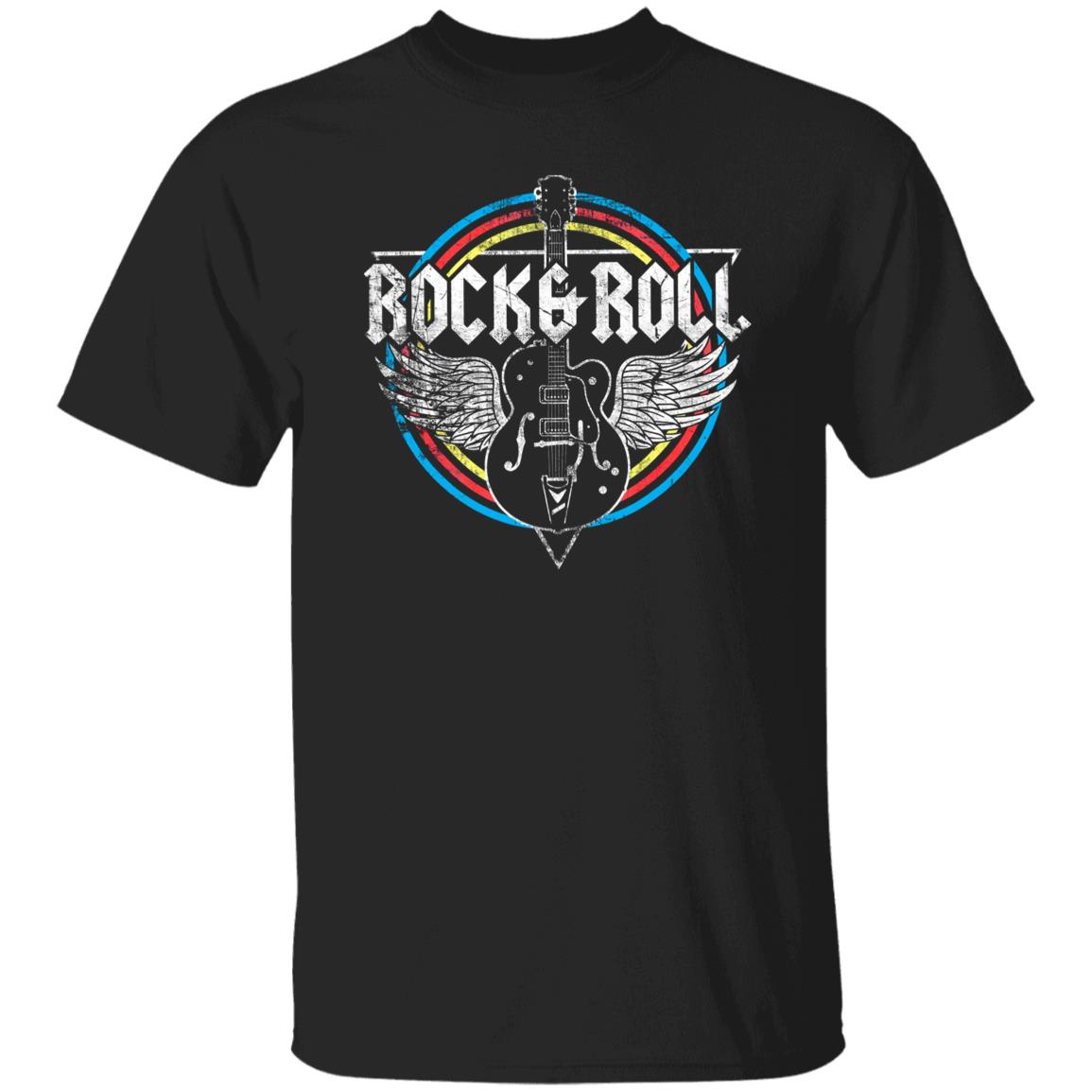
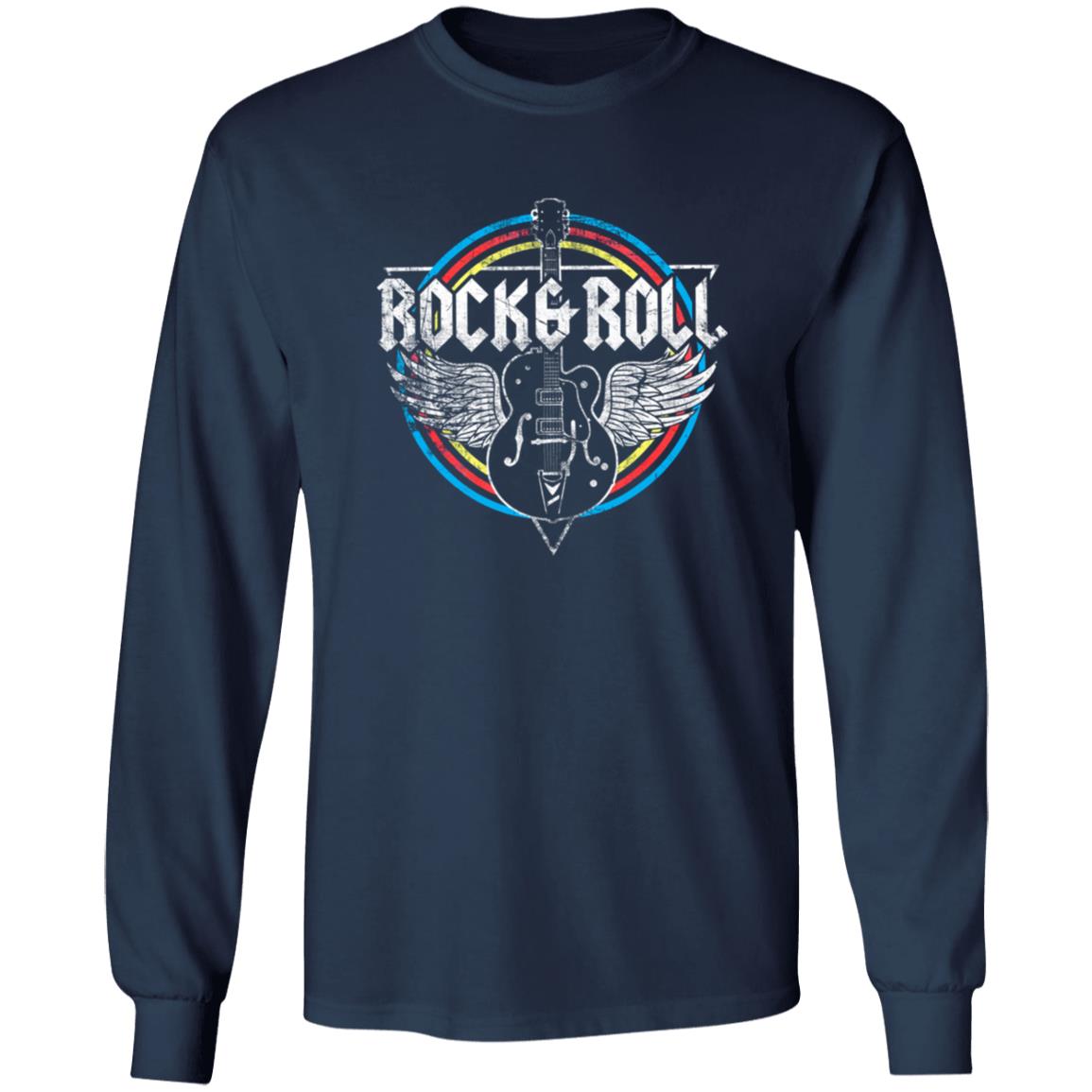
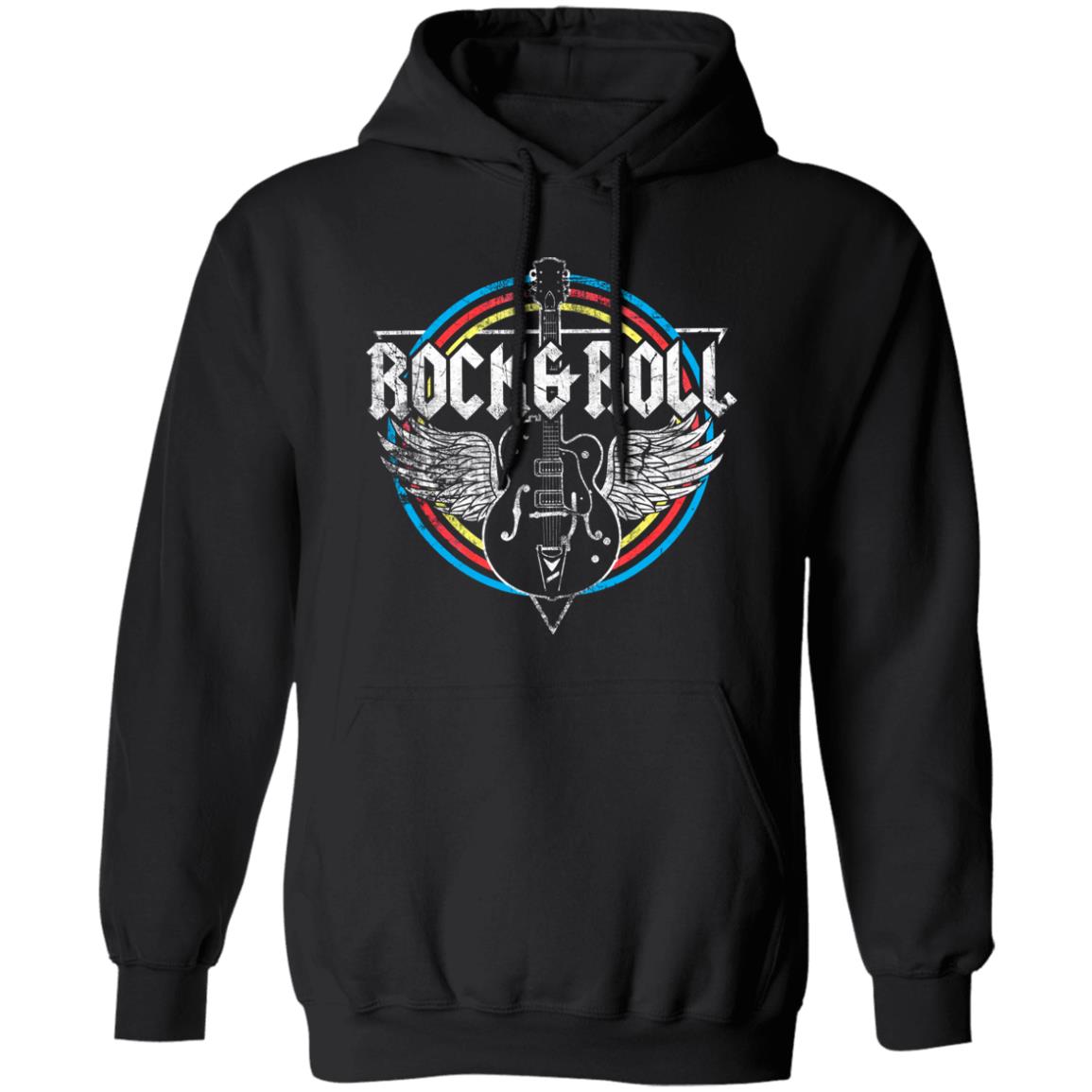
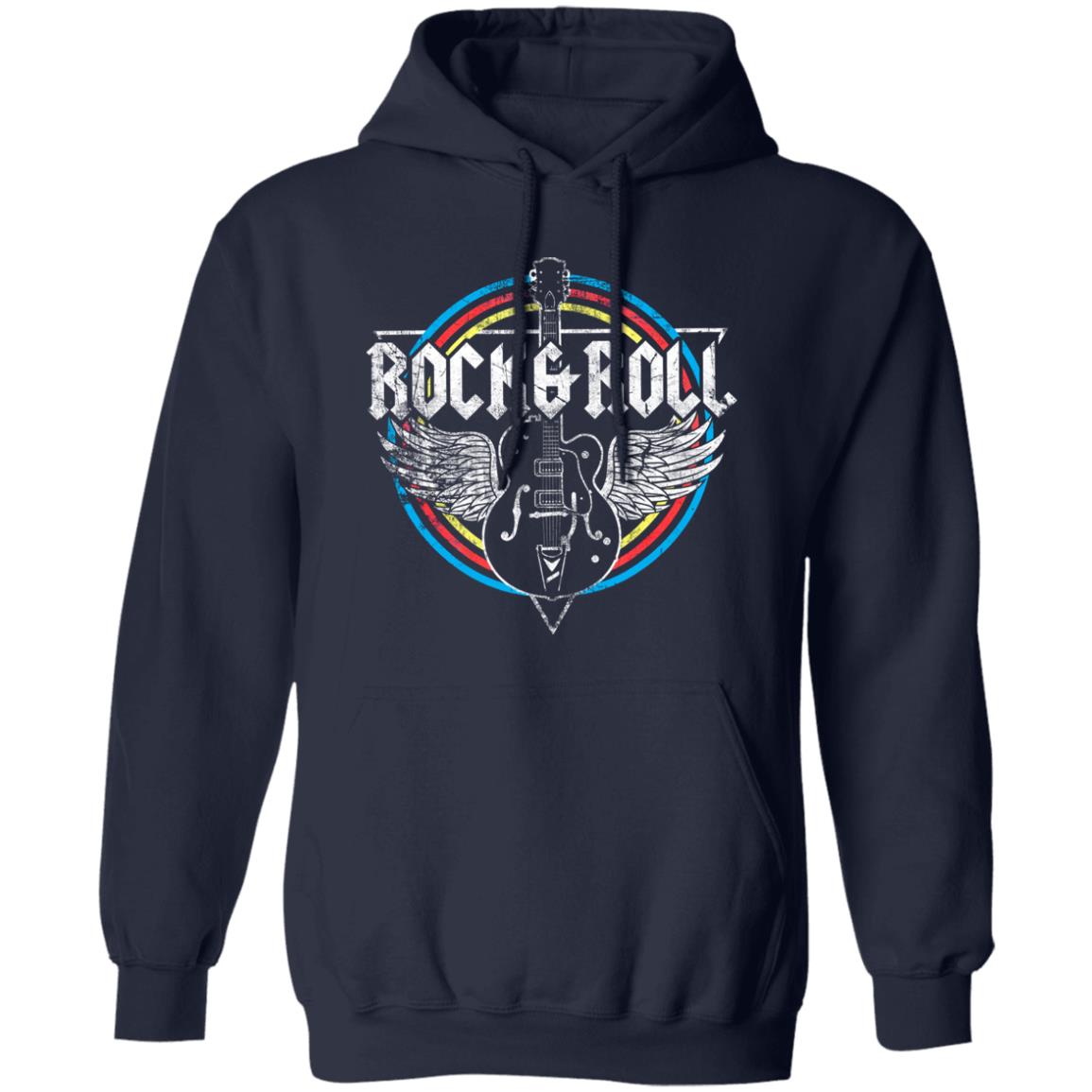
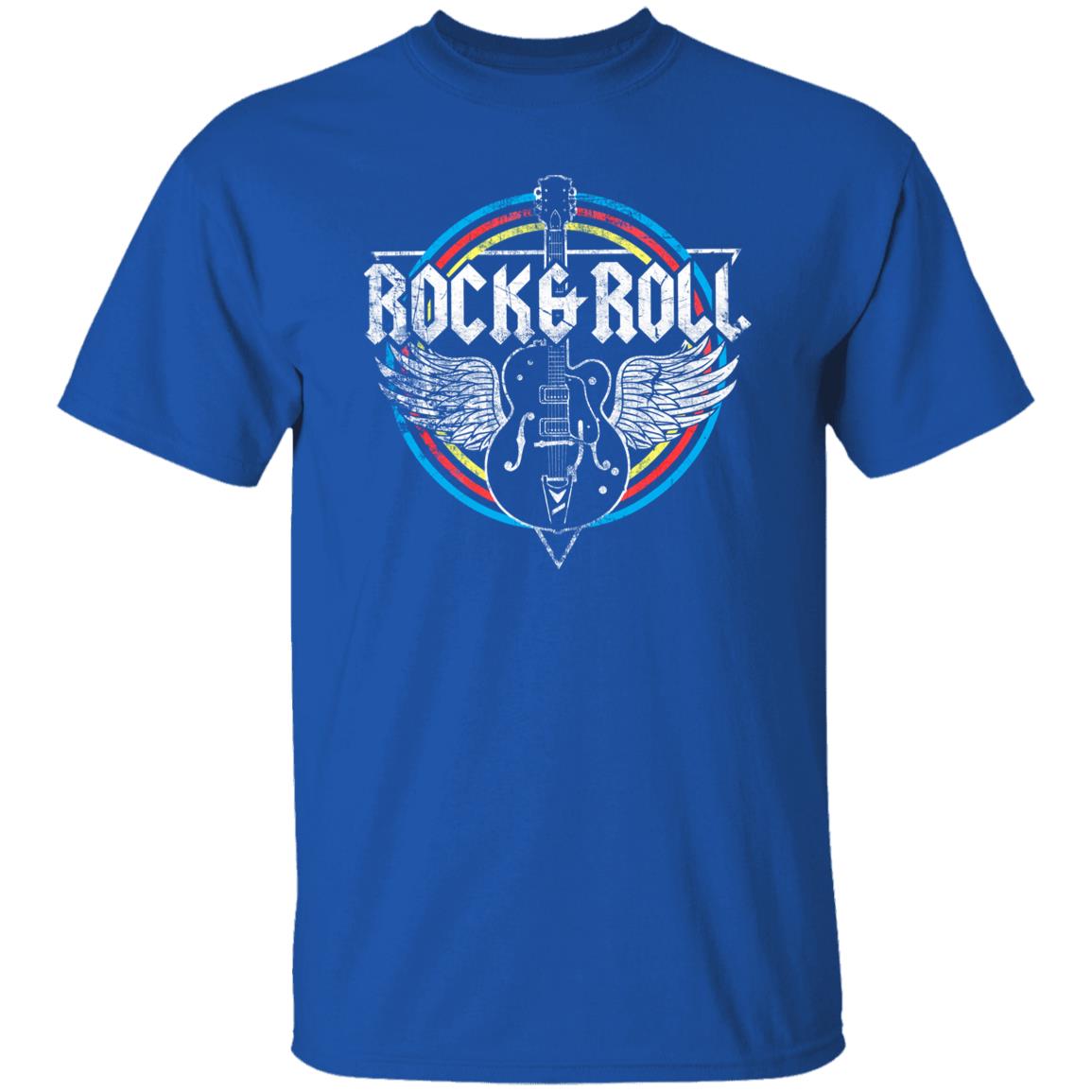
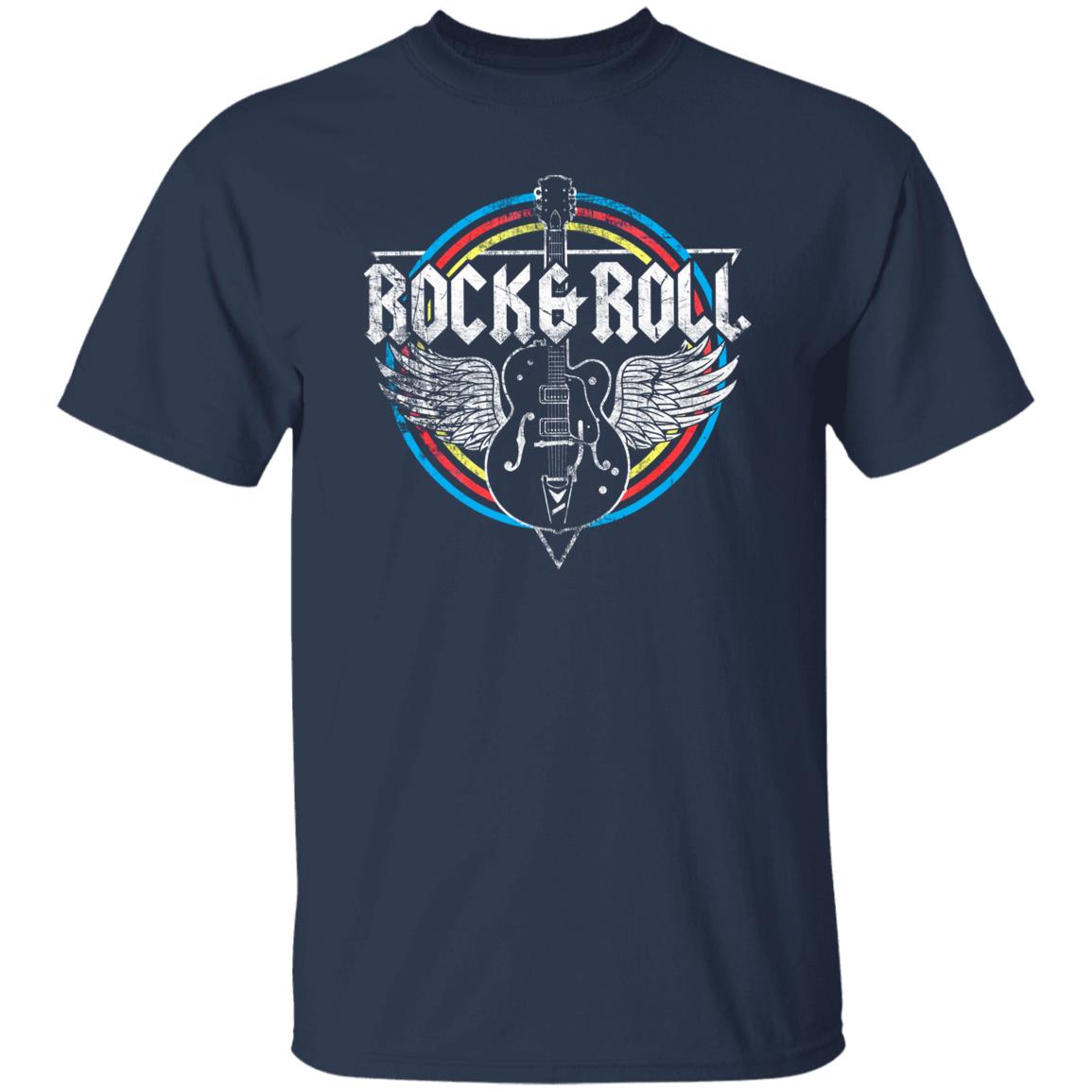
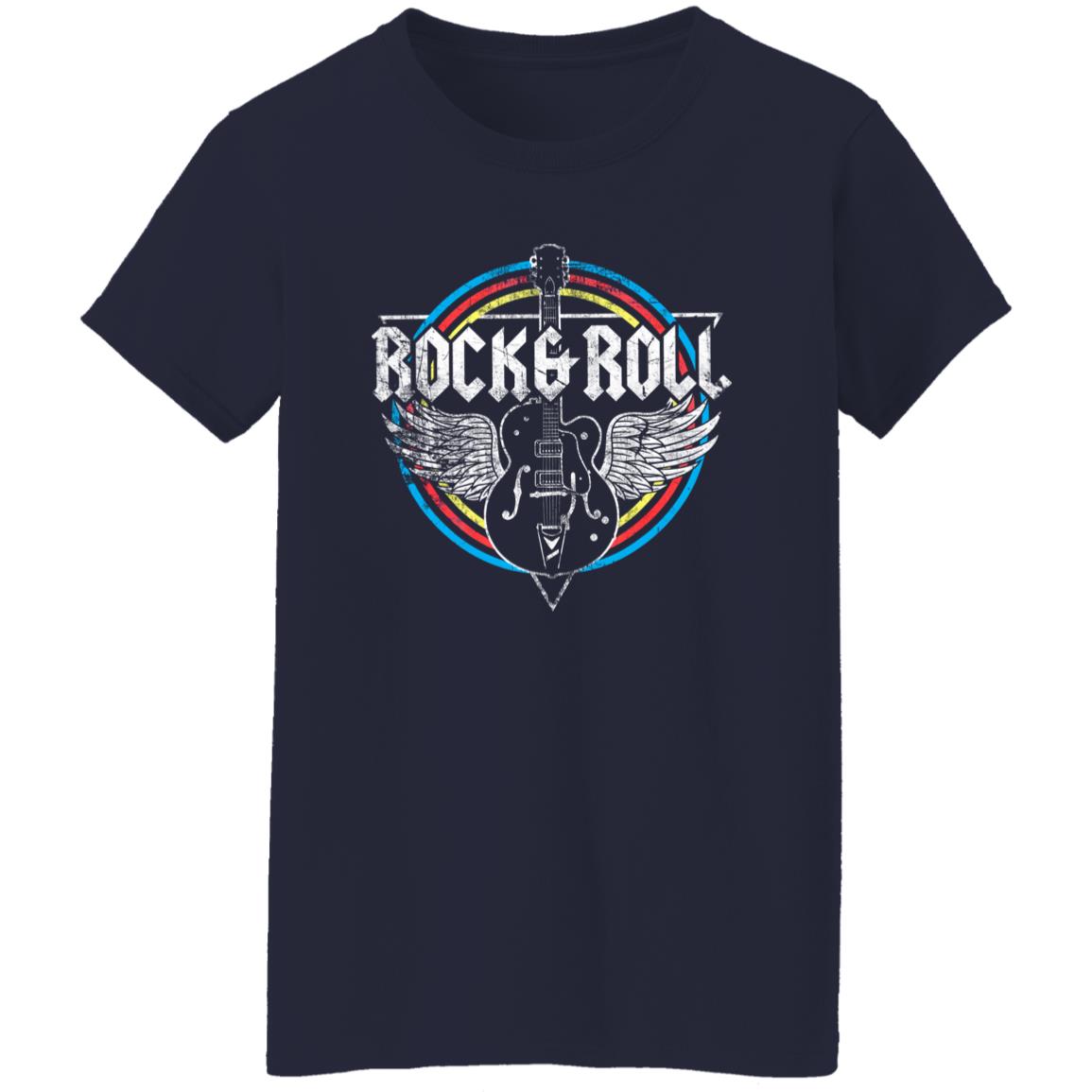
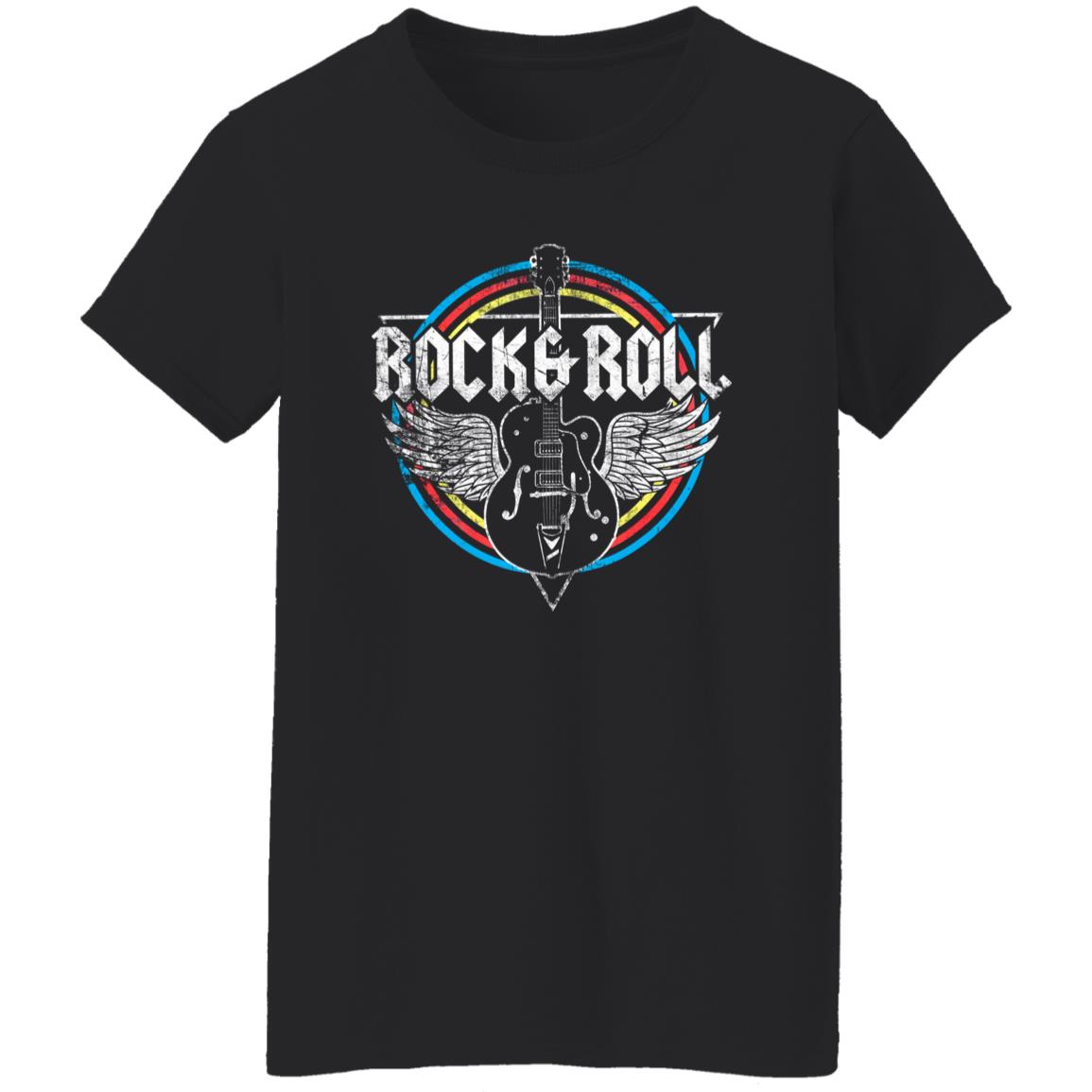
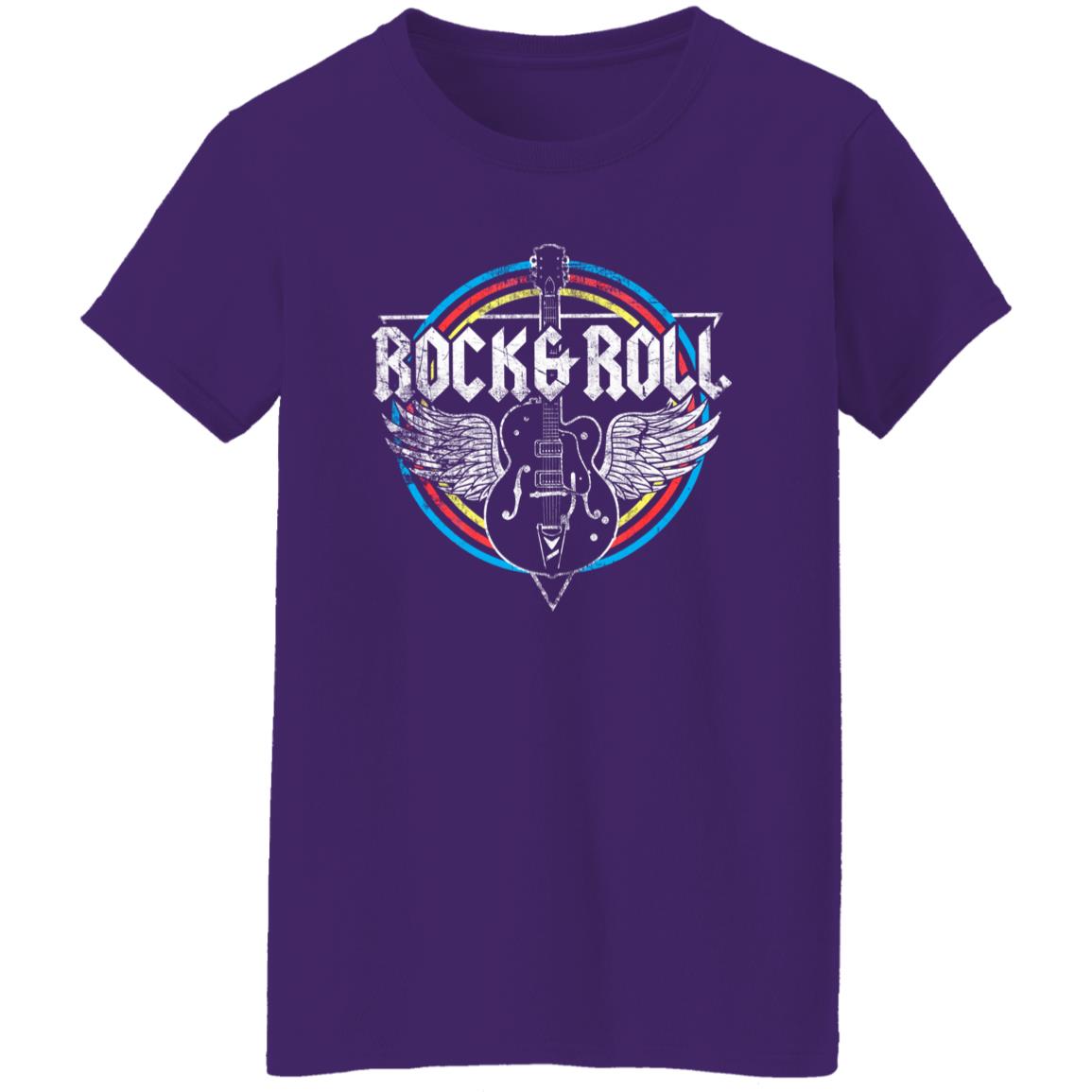

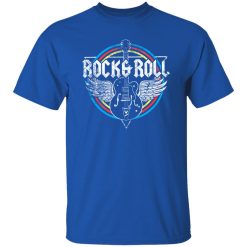
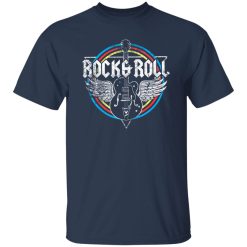
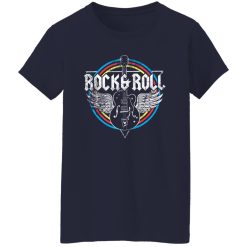
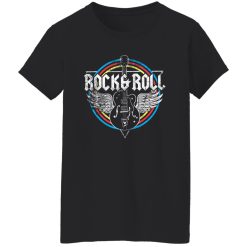
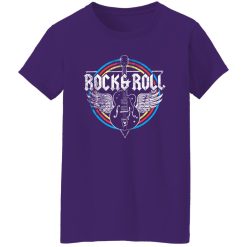
Price range: $21.90 through $44.99
Before streaming flattened sound into algorithms, rock and roll lived in physical spaces—sweaty clubs, dimly lit stages, and late-night drives where distortion carried emotion further than words. A rock and roll shirt rooted in vintage aesthetics isn’t just referencing that era—it translates its raw visual language into something wearable today. In that sense, these pieces sit closer to cultural artifacts than trend-driven fashion.
That lineage continues in modern collections like band inspired shirts, where design isn’t just decoration—it’s a reflection of decades of visual rebellion, reinterpretation, and identity signaling embedded within music culture.
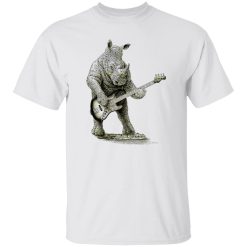
What defines a vintage rock and roll shirt isn’t simply faded graphics or retro fonts—it’s the way visual elements communicate attitude without explanation. From distressed typography to hand-drawn motifs, these shirts borrow directly from gig posters, bootleg merch, and analog print culture that defined pre-digital music scenes.
Color palettes tend to lean into aged tones—washed blacks, off-whites, and muted reds—mimicking the look of prints that have lived through years of wear. This isn’t accidental. The visual softness adds credibility, suggesting history even when the garment itself is new.
In this space, imperfection becomes a feature. Slight inconsistencies in line weight, asymmetrical layouts, or grain textures replicate the feel of screen printing before precision became automated. The result is a shirt that feels less produced and more discovered.
The transition from stage culture to daily wardrobe is where the vintage rock and roll shirt finds its strength. Originally tied to concerts or subcultural circles, these visuals now function as everyday identity markers—subtle enough to integrate into modern outfits, but distinct enough to signal taste.
It’s not about recreating a full retro look. Instead, the shirt acts as an anchor piece, grounding contemporary styling in something more culturally textured. Whether paired with structured outerwear or worn loose with denim, it introduces a layer of narrative that goes beyond basic apparel.
There’s also a shift in how these shirts are worn. Rather than being loud declarations, they’ve become quieter signals—recognizable to those who understand the references, but not dependent on overt branding or obvious messaging.
Nostalgia isn’t just memory—it’s reinterpretation. The vintage rock and roll shirt doesn’t aim to replicate the past exactly; it reframes it through a contemporary lens. This is where the balance lies: honoring the original energy without becoming costume-like.
Modern audiences engage with rock history differently. They discover bands through curated playlists, documentaries, or second-hand cultural references. As a result, the visual identity of rock becomes just as important as the sound itself. Shirts become entry points—visual summaries of an era’s attitude.
This creates a unique dynamic where authenticity is measured not by age, but by coherence. A shirt feels “real” when its design aligns with the visual codes of the culture it represents, even if it’s newly produced.
Beyond graphics, the experience of wearing a vintage-style rock and roll shirt comes down to how it moves and settles on the body. The fabric isn’t described in numbers—it’s felt through its softness, its ability to drape naturally, and the way it adapts over time.
The print integrates into that experience rather than sitting on top of it. Instead of a glossy, rigid surface, the design feels embedded—slightly worn-in from the start, allowing it to age alongside the wearer.
Visually, this creates a more cohesive look. The shirt doesn’t appear new in a disconnected way; it feels like it belongs within a broader wardrobe, blending seamlessly rather than standing apart.
Trends shift quickly, but certain visual languages remain consistent because they represent something deeper than aesthetics. The vintage rock and roll shirt persists because it carries a recognizable attitude—one tied to independence, experimentation, and a refusal to conform entirely.
This doesn’t mean every wearer identifies with those values in the same way. Instead, the shirt offers a flexible framework. It can be worn casually without context, or it can function as a deliberate nod to a specific era, sound, or cultural moment.
That adaptability is part of its longevity. It doesn’t rely on a single interpretation, which allows it to remain relevant even as fashion cycles evolve.
Not all vintage-inspired designs carry the same weight. The difference often comes down to subtle details—how the graphic is composed, how the tones interact, and how the overall piece feels when worn.
These elements work together to determine whether a shirt feels like a true extension of rock culture—or just a surface-level reference.
There’s a moment—often subtle—when clothing stops being just something you wear and starts becoming part of how you interpret culture. A vintage rock and roll shirt exists right in that space. It draws from archives, but it isn’t frozen in them. It moves, adapts, and becomes personal.
Think of a late-night walk after a show, the sound still lingering in your ears, the city quieter than usual. The shirt you’re wearing doesn’t need to say anything directly. It just carries that residual energy forward, quietly but unmistakably.
That’s ultimately what defines its place today—not nostalgia alone, but the ability to translate a cultural moment into something that continues to evolve with you.
| Product | Rock and Roll Shirt, Vintage Shirt – Classic Music Style Reimagined |
|---|---|
| SKU | cc-1049-9953-105153731-1718595318084 |
| Fabric Weight | Midweight (5.3 oz) – Heavyweight (6.0 oz Long Sleeve) |
| Material Composition | Solid Colors: 100% Cotton Ash Grey: 99% Cotton / 1% Polyester Sport Grey: 90% Cotton / 10% Polyester Dark Heather: 50% Cotton / 50% Polyester |
| Fit | Classic Unisex Fit (Ladies: Slightly Tapered Missy Fit) |
| Construction | Double-needle stitching Taped neck & shoulders Preshrunk jersey knit Tearaway label |
| Hoodie Material (G185) | 8.0 oz – 50% Cotton / 50% Polyester |
| Available Sizes | S – 5XL (6XL select colors only) |
| Origin | Made with sustainably and fairly grown USA cotton; Printed in USA |
| Print Method | DIGISOFT® Direct-to-Garment (DTG) |
| Brand | Capital T Shirt |
| Fast & Reliable Shipping | All orders are professionally printed and shipped from the USA. |
|---|---|
| Processing Time | Printed on demand within 1–3 business days. |
| Shipping Time | USA: 4–7 business days International: 7–15 business days |
| Shipping Costs | USA Standard: $5.99 International Standard: $9.99 |
| Secure Checkout | Safe & encrypted payment processing. Your information is protected at all times. |
| Returns & Exchanges | We offer a 30-day return policy. View Refunds & Returns Policy |
| Customer Guarantee | We stand behind the quality of every item we print. |





Reviews
There are no reviews yet.