No products in the cart.
Save 20% on orders over $100 with code CT20

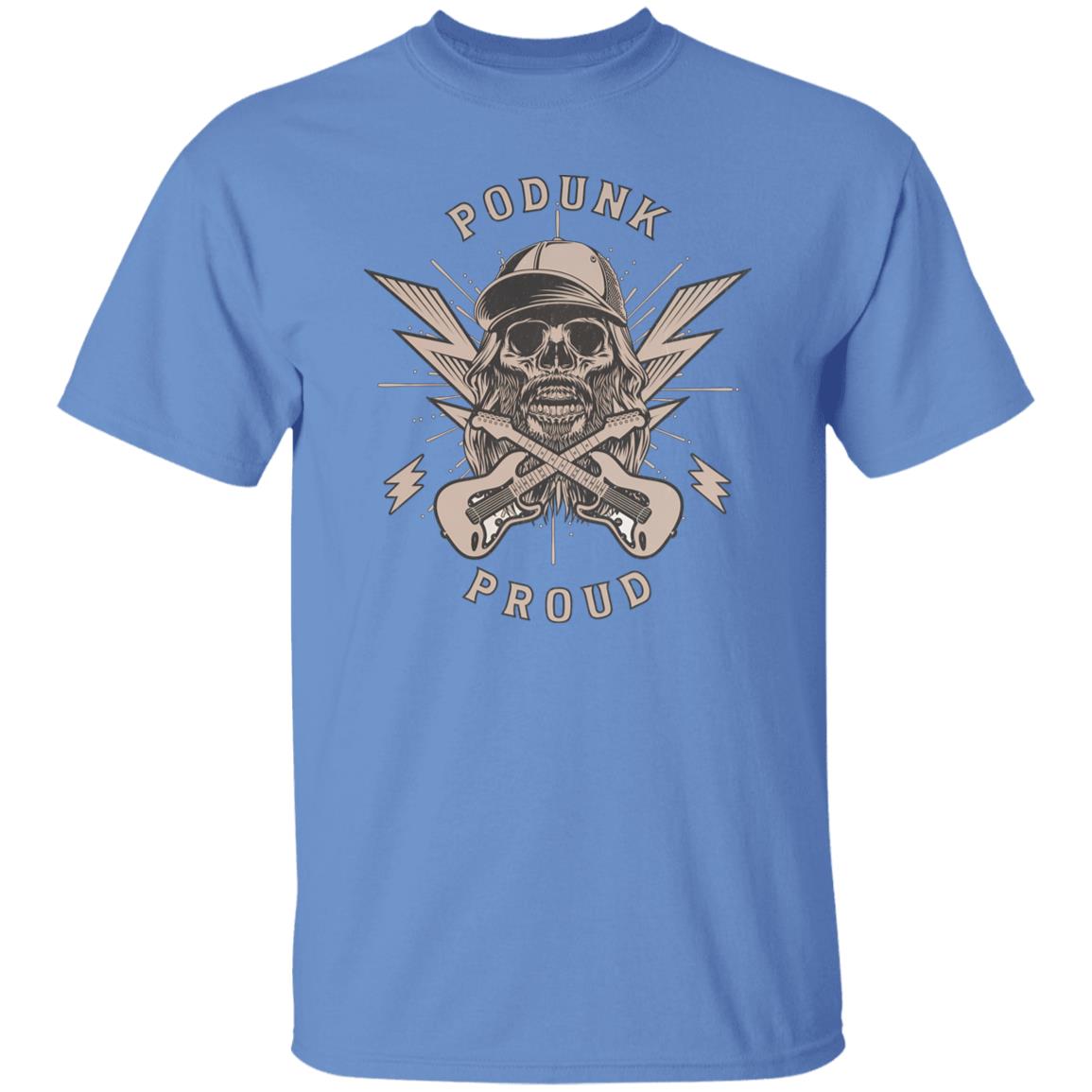
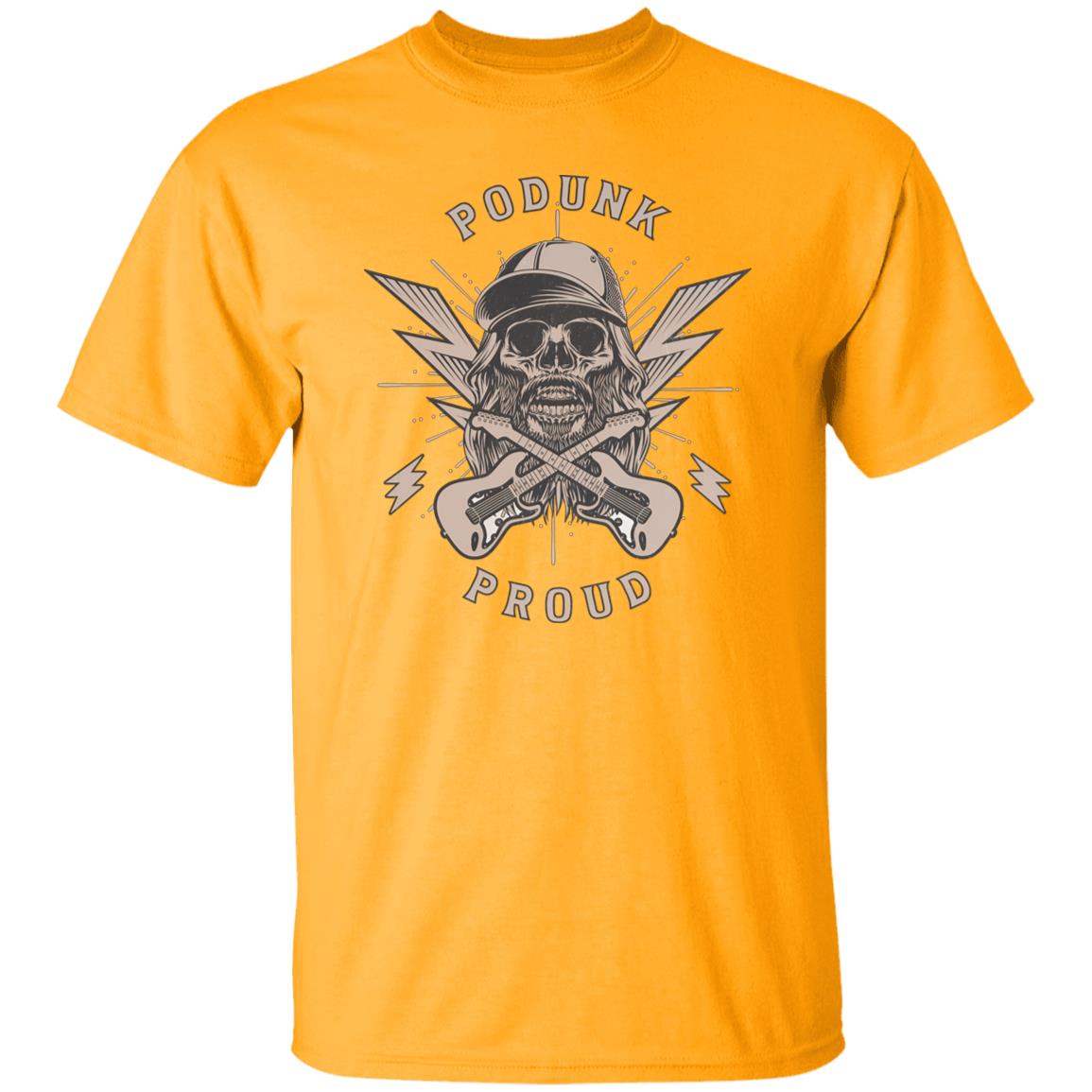
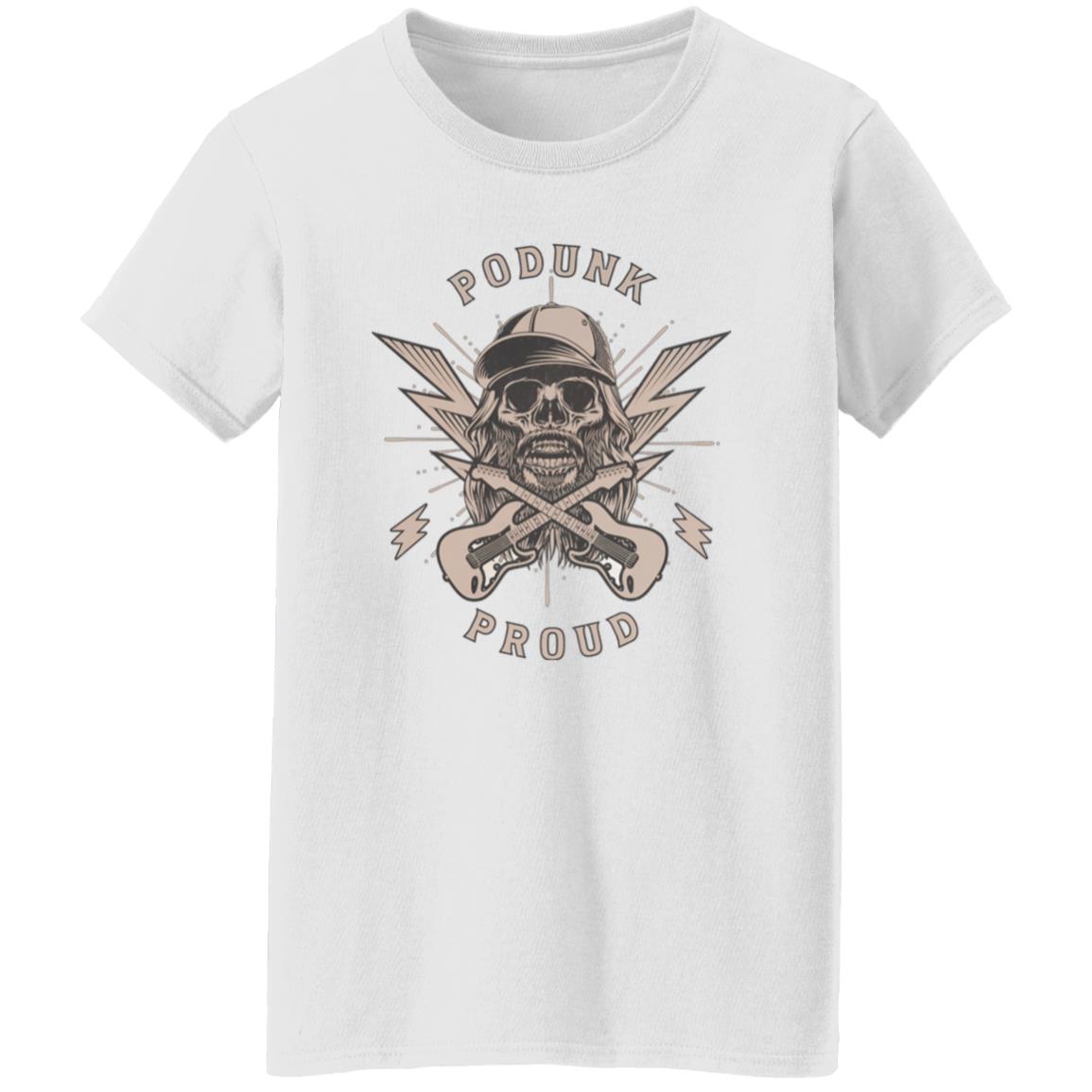
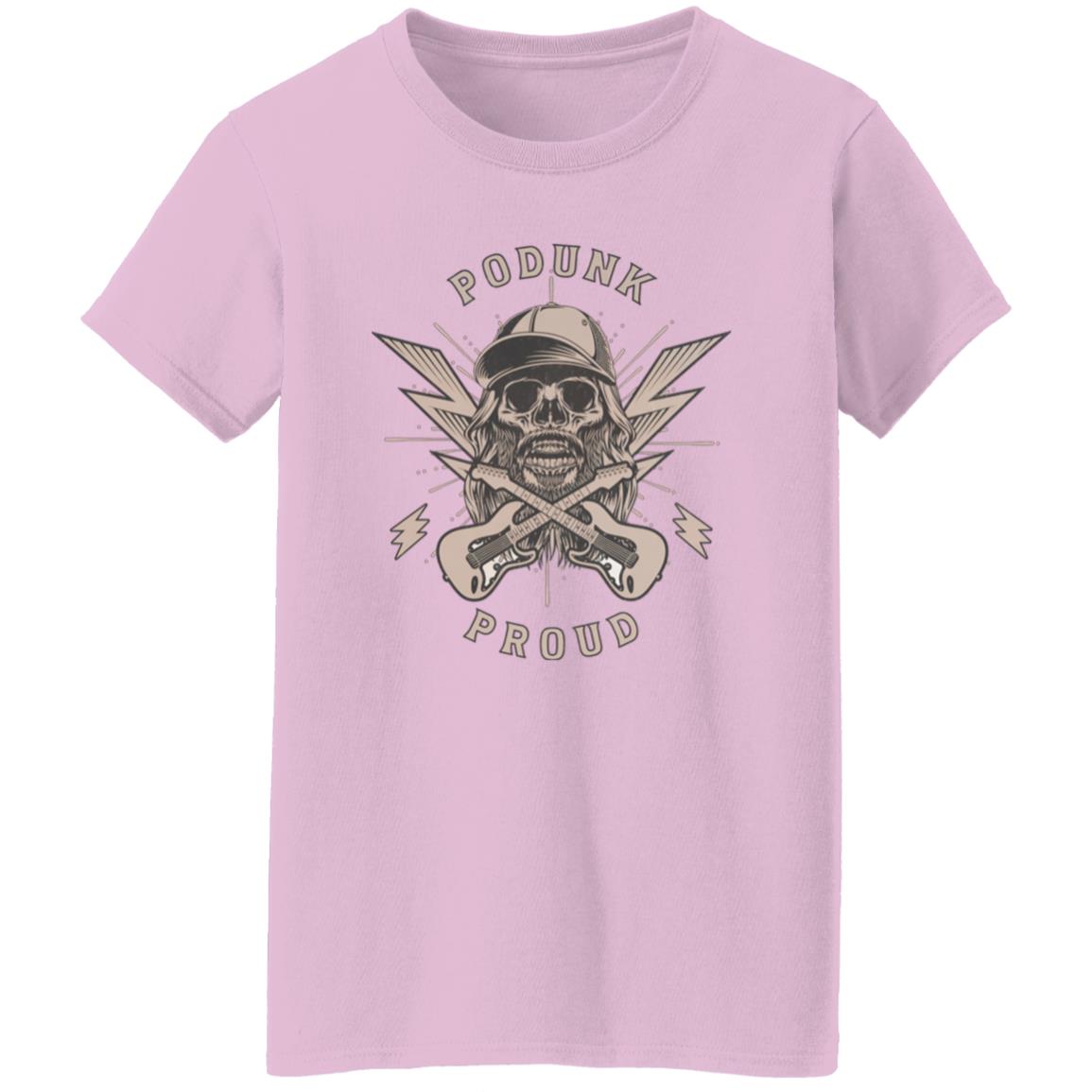
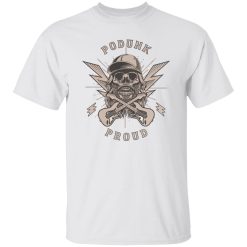
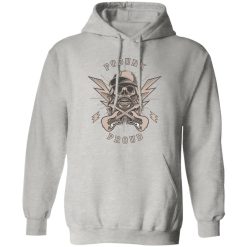
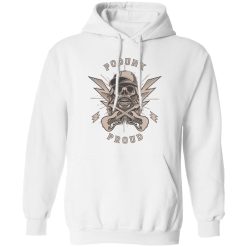
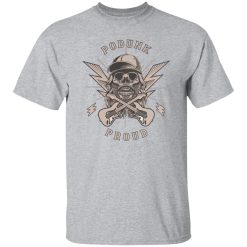

Price range: $21.90 through $44.99
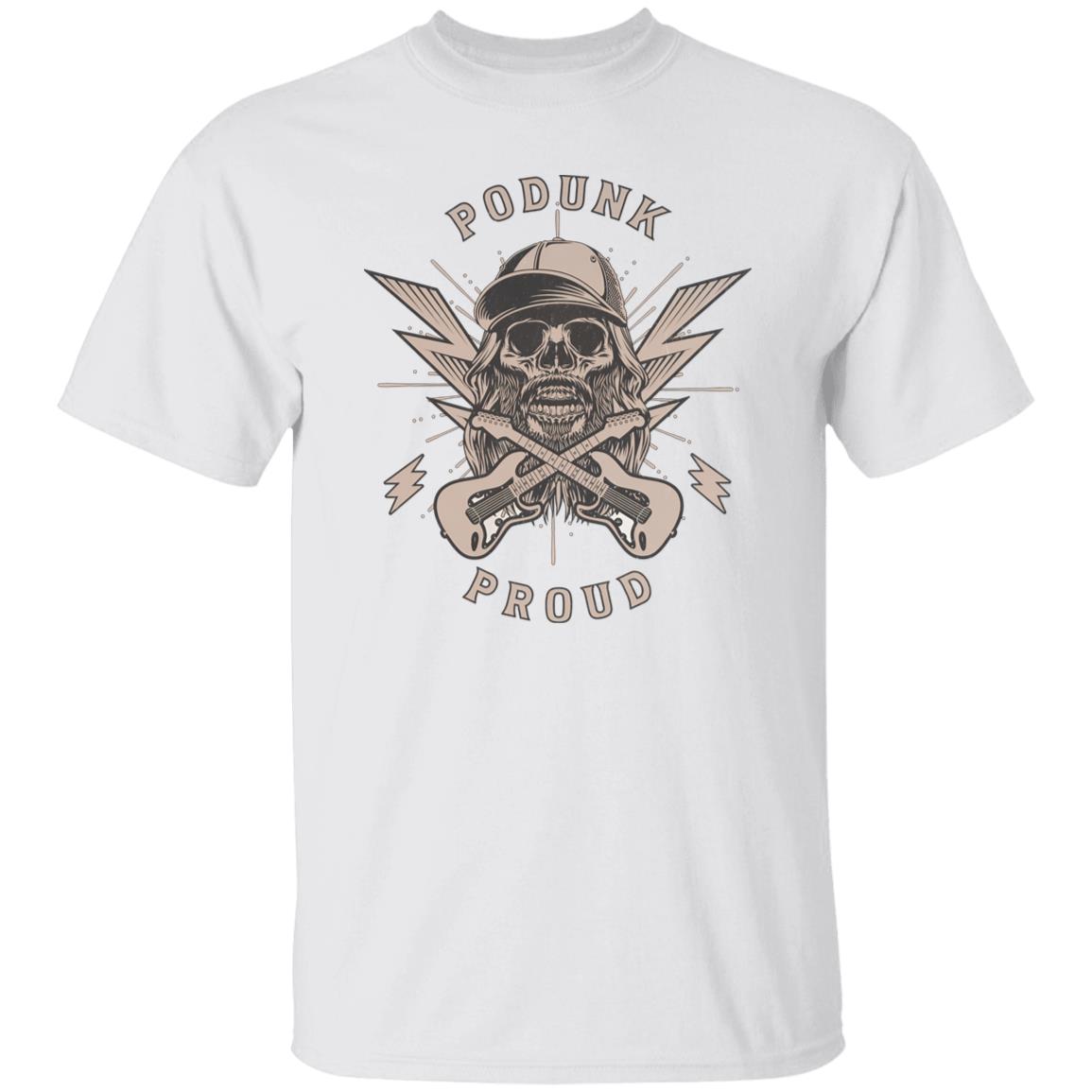
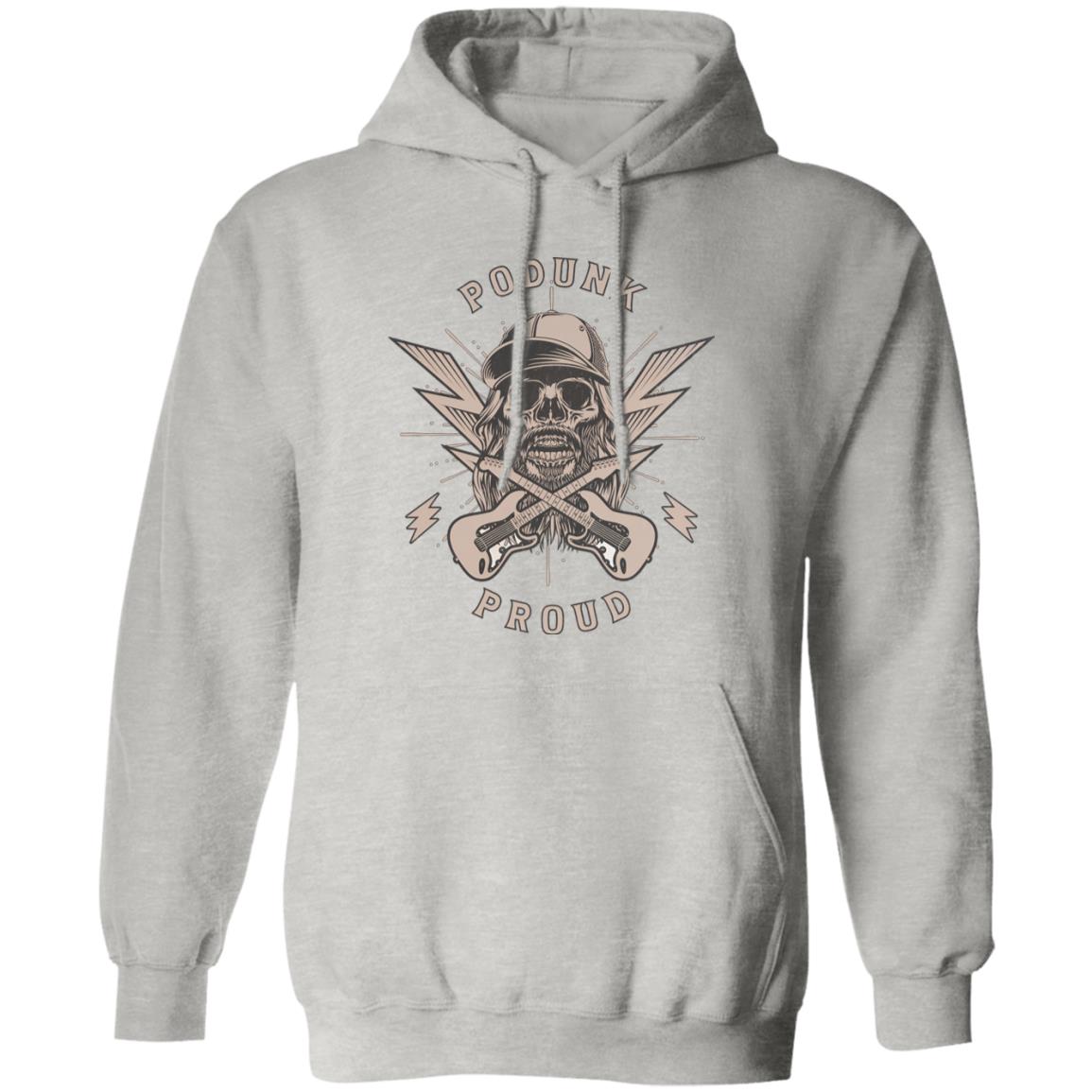
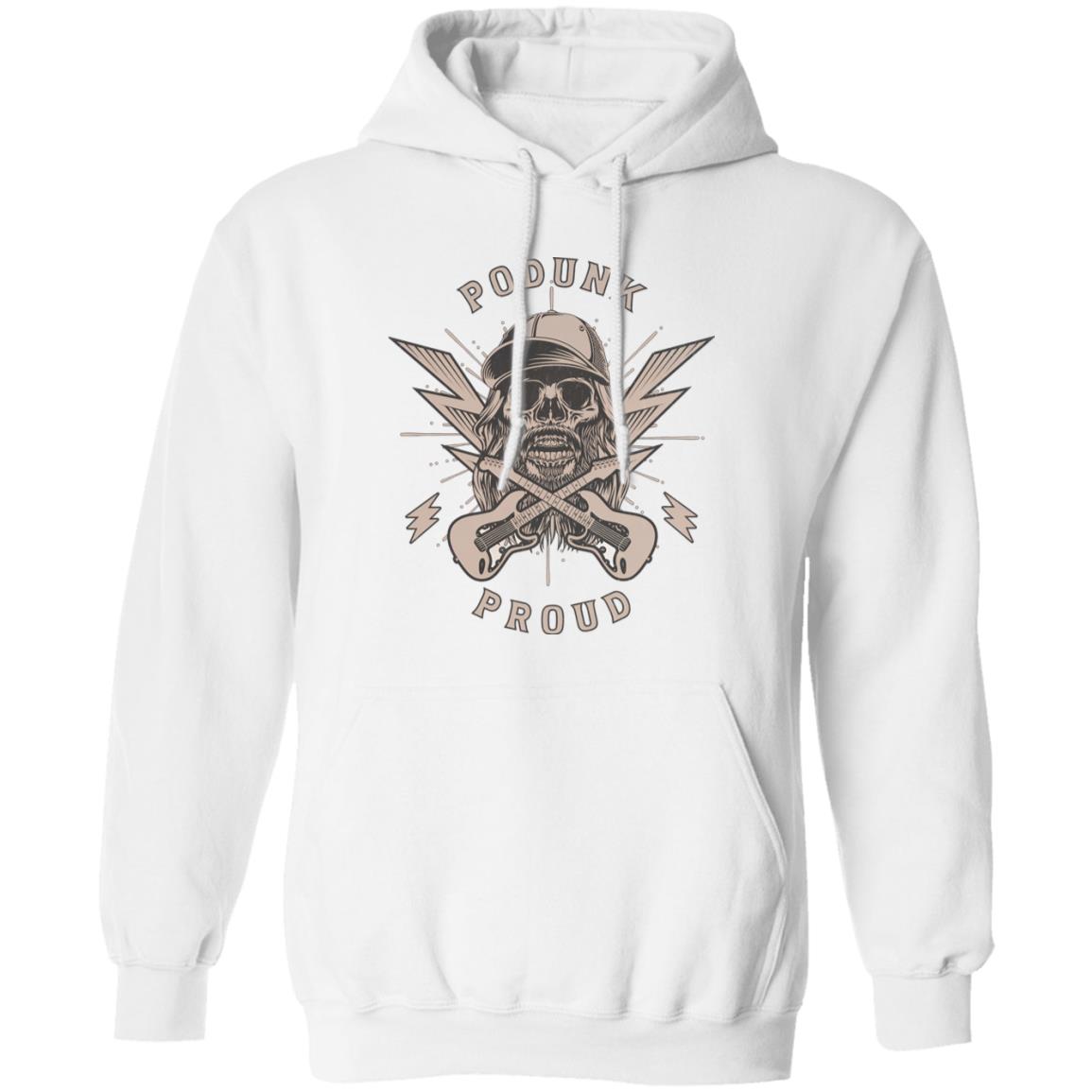
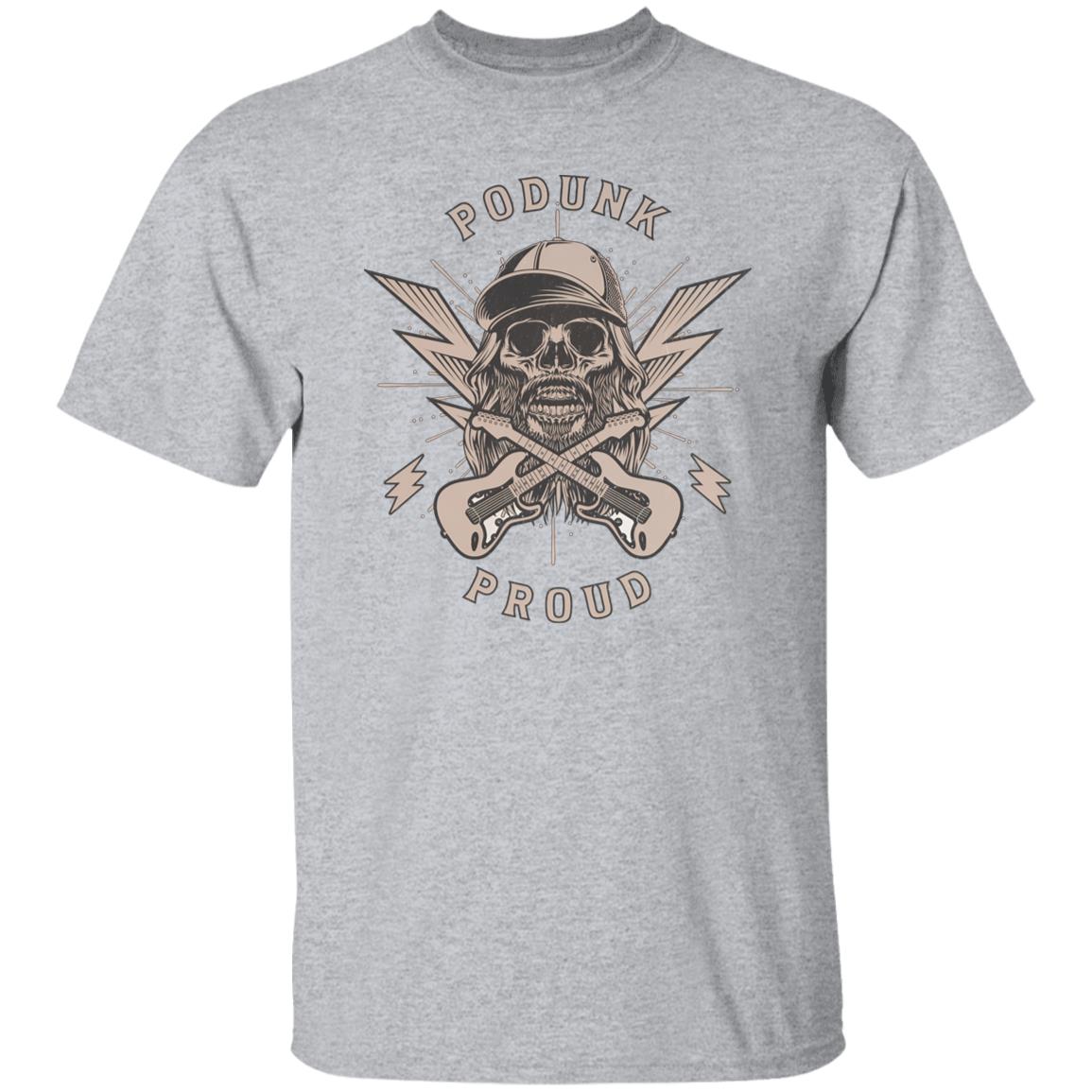
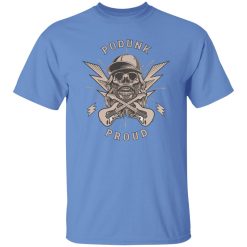
Before streaming flattened music into algorithms, scenes like Podunk existed in fragments—regional, raw, and deeply personal. The Podunk Proud Vintage Inspired Band Shirt taps into that overlooked layer of music culture, where identity wasn’t broadcast globally but built locally, worn visibly, and defended quietly. This isn’t about nostalgia as a trend—it’s about recognition of something that never needed mainstream validation.
What defines a shirt like this isn’t simply its vintage styling—it’s the signal it sends. “Podunk” isn’t a polished brand name. It carries the weight of small-town scenes, DIY shows, and bands that built followings without industry infrastructure. Wearing it today isn’t about irony. It’s about understanding how deeply music scenes once depended on geography and grit.
That distinction matters. A lot of vintage band tees lean into visual aging, distressed prints, or faded tones—but without the cultural anchor, they become aesthetic replicas. This design avoids that trap by leaning into something more specific: subculture pride rooted in overlooked spaces.
There’s a reason designs like this continue to surface in modern wardrobes. Not because they’re “throwback,” but because they represent a structure that still holds meaning. Independent scenes, small venues, local identities—they didn’t disappear. They just became less visible.
The Podunk Proud Vintage Inspired Band Shirt bridges that gap. It pulls from a time when band merch wasn’t optimized for mass appeal, but for connection. When someone wore a shirt like this, it meant something—shared taste, shared experience, sometimes even shared geography.
Today, that meaning shifts slightly. It becomes more interpretive, but no less real. It signals an awareness of music culture beyond surface-level recognition. It separates passive listeners from those who actively engage with sound as identity.
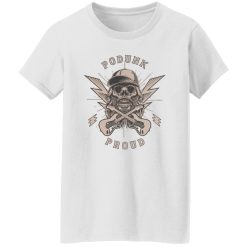
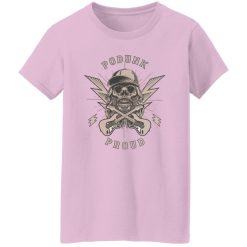
Visually, this piece sits in a specific lineage. The typography leans toward unrefined, almost hand-rendered aesthetics. The composition avoids over-polishing. It feels slightly off-center—not by accident, but by design. That imbalance is part of what makes vintage band tees feel authentic rather than manufactured.
Color choice follows the same philosophy. Instead of high-saturation modern palettes, it leans toward tones that feel worn-in, lived-in, and time-tested. The print doesn’t shout—it settles. And that subtlety is exactly what gives it staying power.
When worn, the shirt doesn’t dominate the outfit. It integrates. It becomes part of the visual rhythm rather than disrupting it. That’s a key difference between trend-driven graphics and culture-rooted designs.
Despite its roots in a specific era and mindset, this shirt doesn’t feel locked in the past. It adapts easily across different styling directions without losing its identity.
Paired with denim, it reinforces that classic band tee silhouette—simple, grounded, and intentional. Layered under a jacket, it becomes a quiet detail rather than the focal point. Even in more minimal outfits, it adds texture without demanding attention.
That flexibility comes from its restraint. It doesn’t rely on loud graphics or oversized prints to make an impact. Instead, it builds presence through context. The more you understand the culture behind it, the more it resonates visually.
For those exploring similar pieces within this space, collections like shop vintage band logo tees expand on this same philosophy—designs that prioritize cultural grounding over surface-level styling.
There’s a difference between wearing a band tee and wearing something that represents a scene. The Podunk Proud Vintage Inspired Band Shirt sits firmly in the second category. It doesn’t depend on recognition. It doesn’t require explanation. But for those who understand it, the signal is clear.
In a market saturated with generic music graphics, that clarity becomes rare. This isn’t about standing out loudly—it’s about standing correctly. Aligning with a lineage that values authenticity over visibility.
And that’s ultimately where its value lies. Not in trend cycles or seasonal appeal, but in its ability to remain relevant without needing to evolve. Because the culture it draws from hasn’t disappeared—it’s just waiting to be recognized again.
| Product | Podunk Proud Vintage Inspired Band Shirt |
|---|---|
| SKU | cc-1049-9974-105154742-1718605566943 |
| Fabric Weight | Midweight (5.3 oz) – Heavyweight (6.0 oz Long Sleeve) |
| Material Composition | Solid Colors: 100% Cotton Ash Grey: 99% Cotton / 1% Polyester Sport Grey: 90% Cotton / 10% Polyester Dark Heather: 50% Cotton / 50% Polyester |
| Fit | Classic Unisex Fit (Ladies: Slightly Tapered Missy Fit) |
| Construction | Double-needle stitching Taped neck & shoulders Preshrunk jersey knit Tearaway label |
| Hoodie Material (G185) | 8.0 oz – 50% Cotton / 50% Polyester |
| Available Sizes | S – 5XL (6XL select colors only) |
| Origin | Made with sustainably and fairly grown USA cotton; Printed in USA |
| Print Method | DIGISOFT® Direct-to-Garment (DTG) |
| Brand | Capital T Shirt |
| Fast & Reliable Shipping | All orders are professionally printed and shipped from the USA. |
|---|---|
| Processing Time | Printed on demand within 1–3 business days. |
| Shipping Time | USA: 4–7 business days International: 7–15 business days |
| Shipping Costs | USA Standard: $5.99 International Standard: $9.99 |
| Secure Checkout | Safe & encrypted payment processing. Your information is protected at all times. |
| Returns & Exchanges | We offer a 30-day return policy. View Refunds & Returns Policy |
| Customer Guarantee | We stand behind the quality of every item we print. |

Reviews
There are no reviews yet.