No products in the cart.
Save 20% on orders over $100 with code CT20

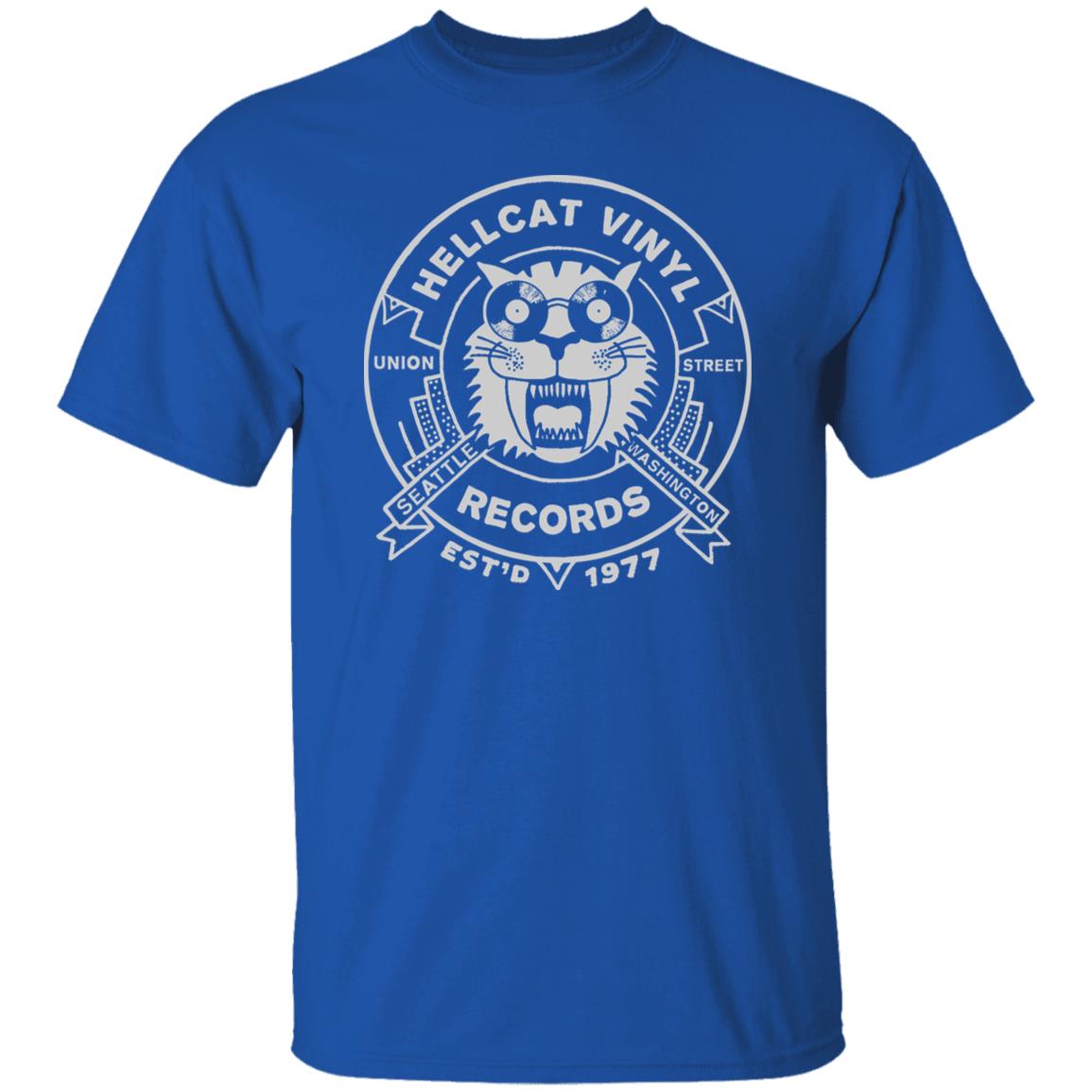
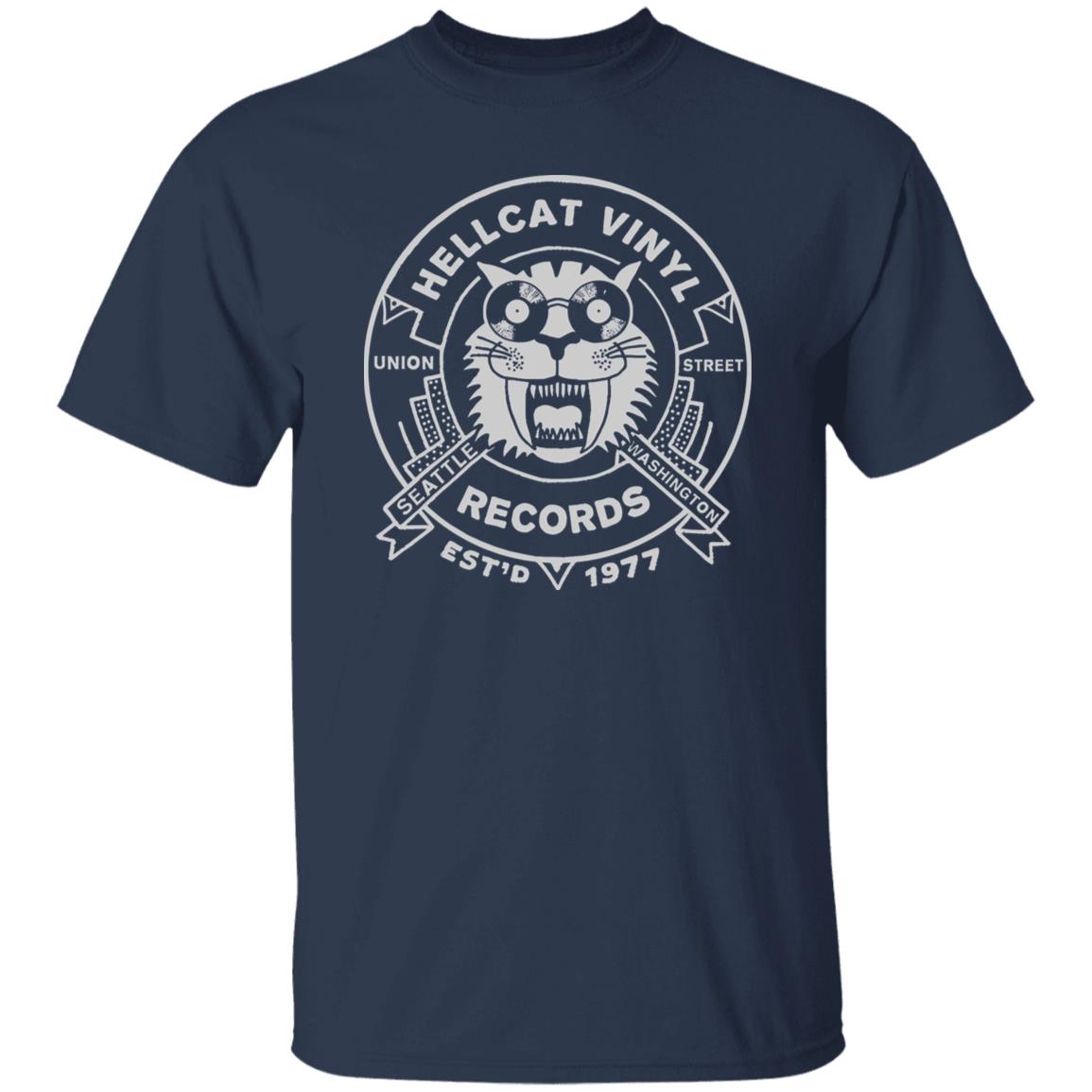
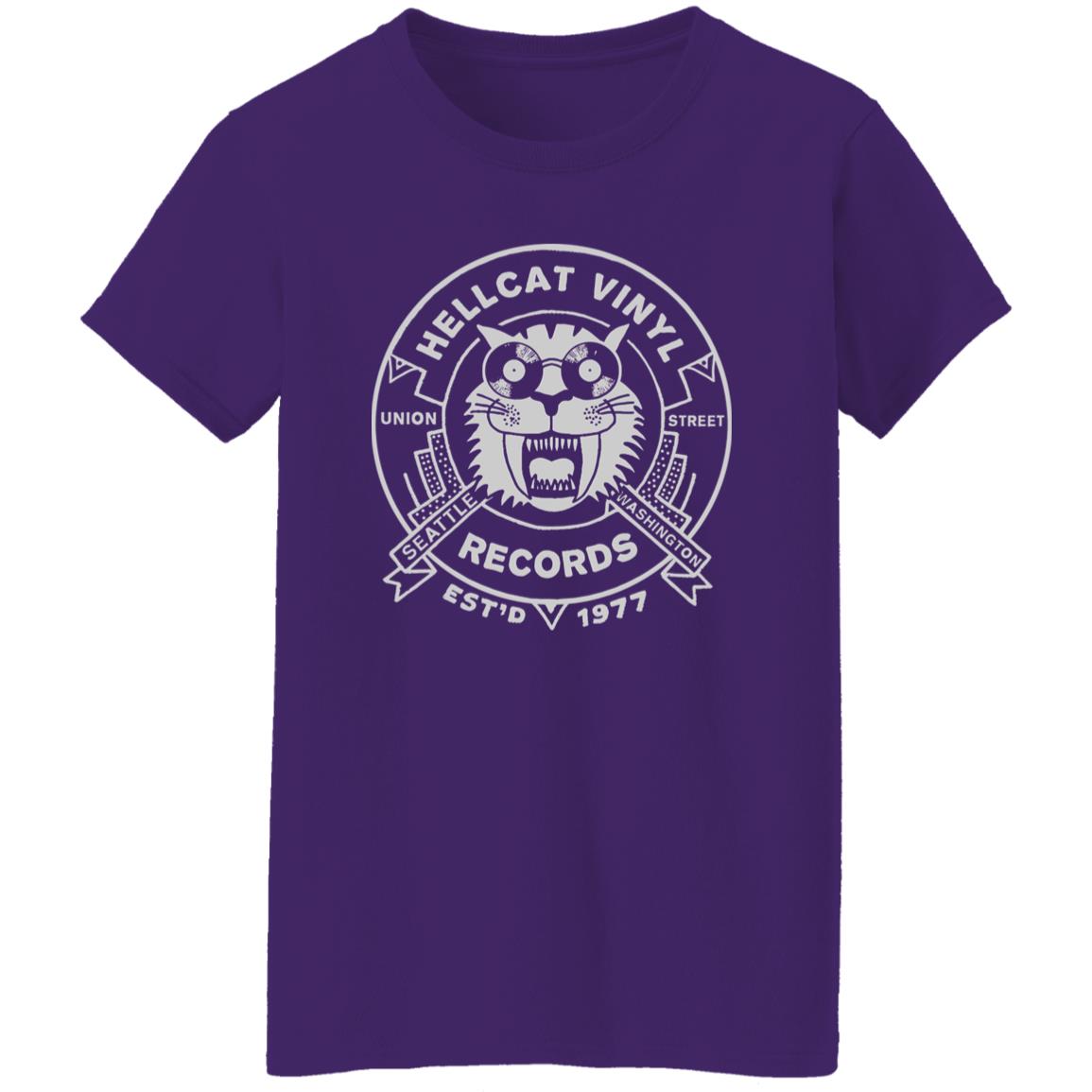
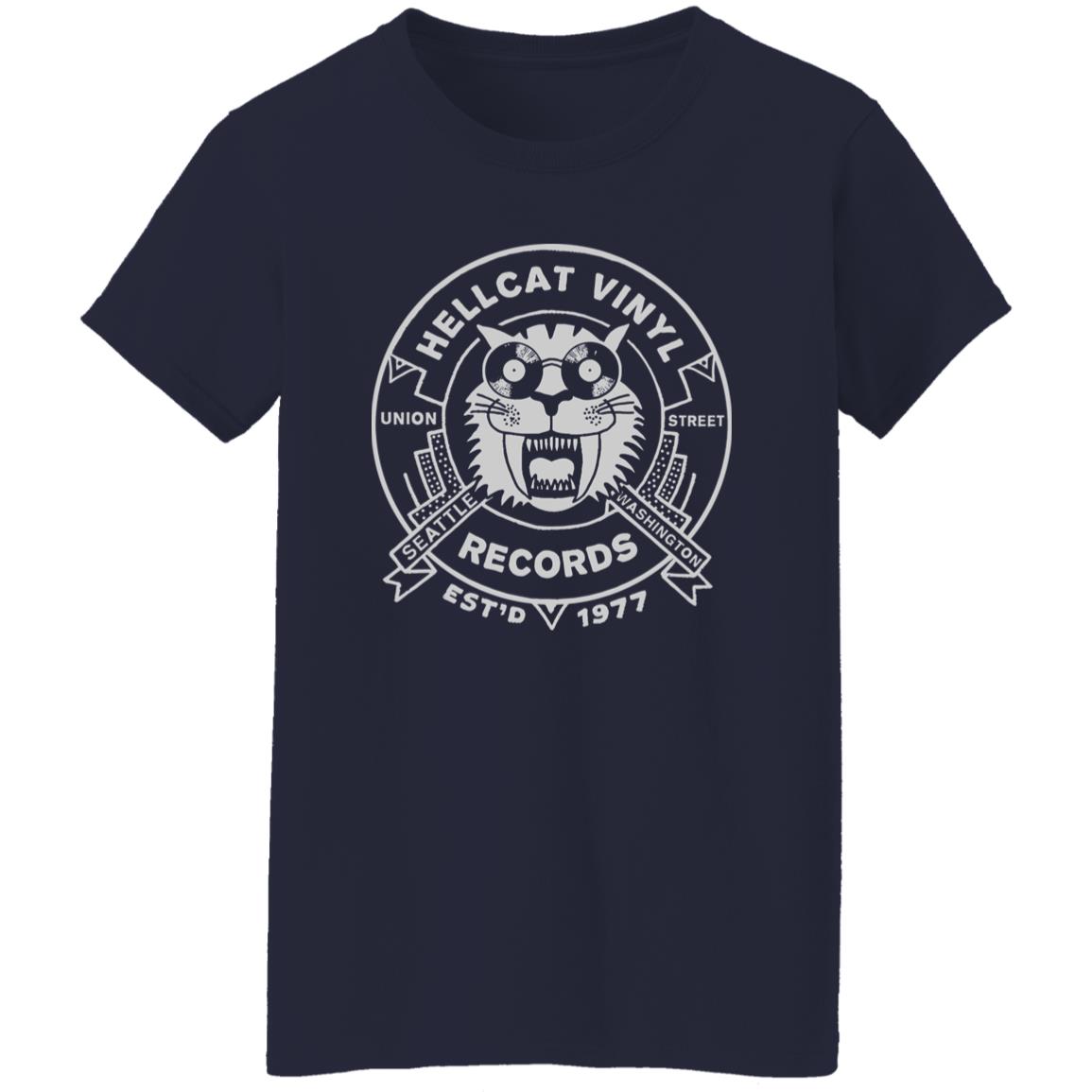
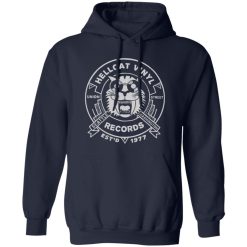
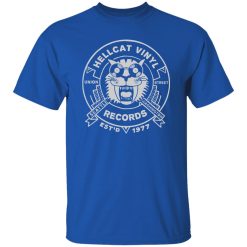
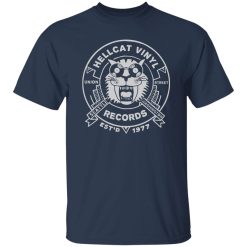

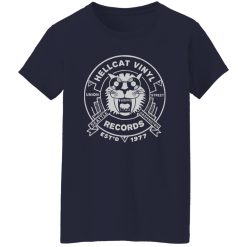
Price range: $21.90 through $44.99
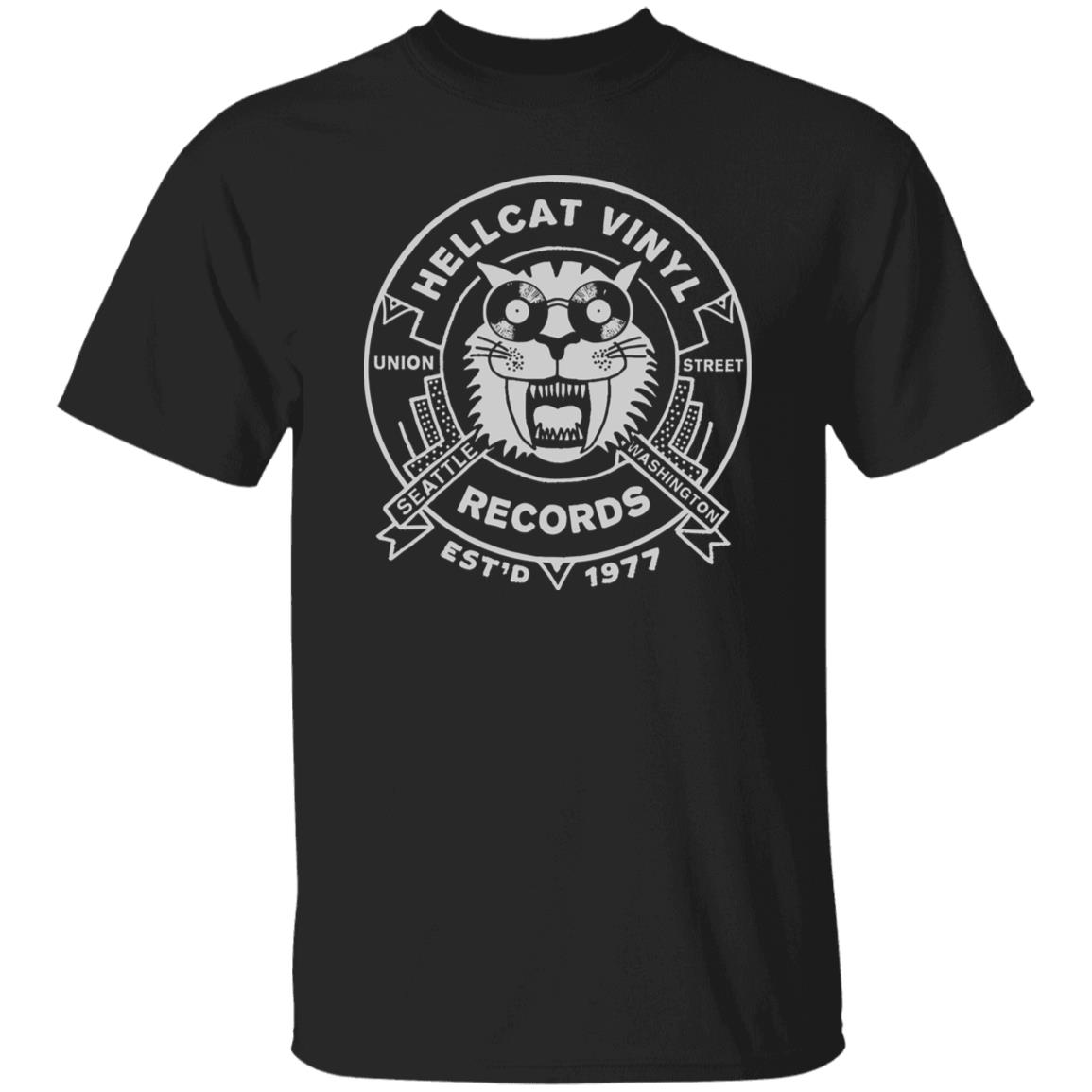
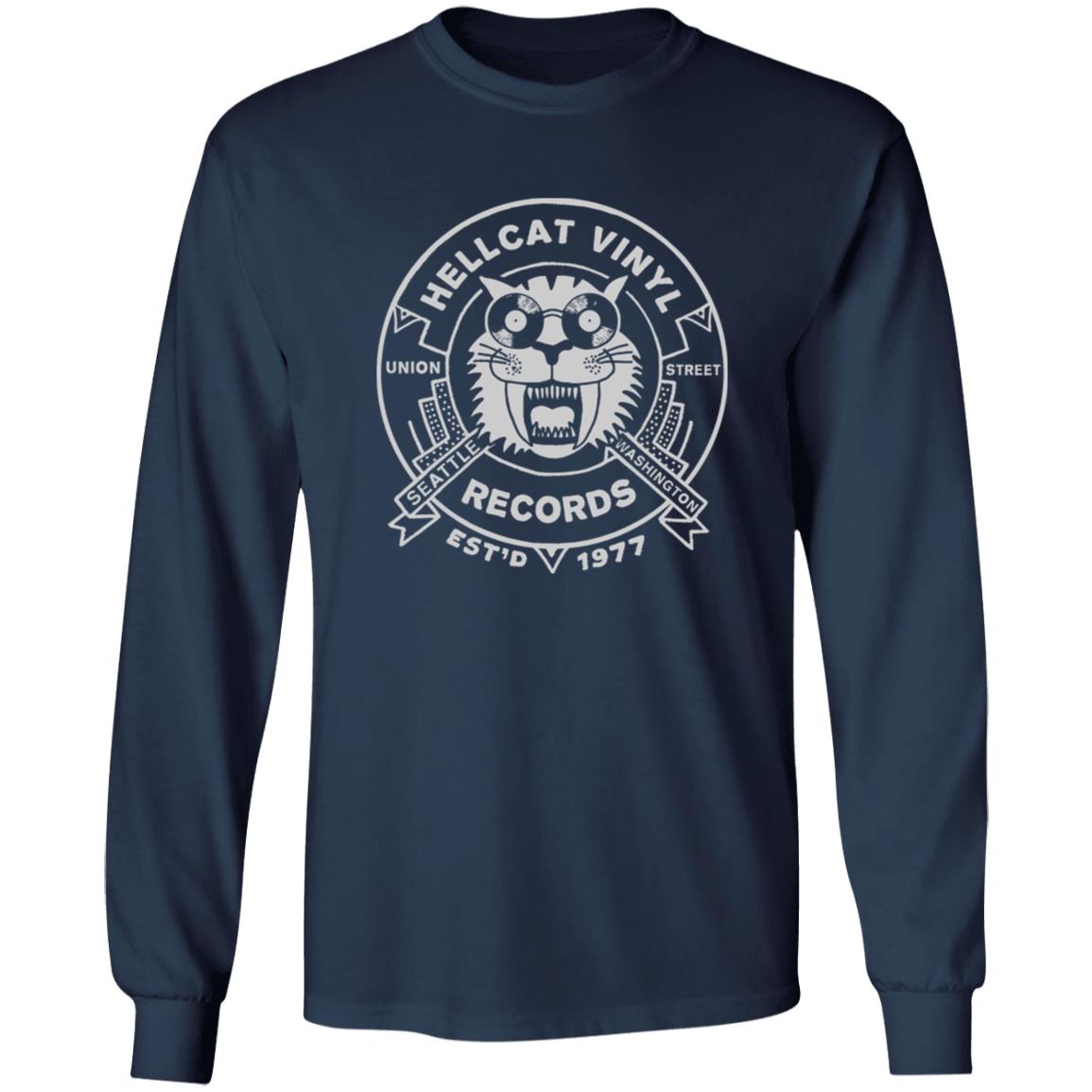
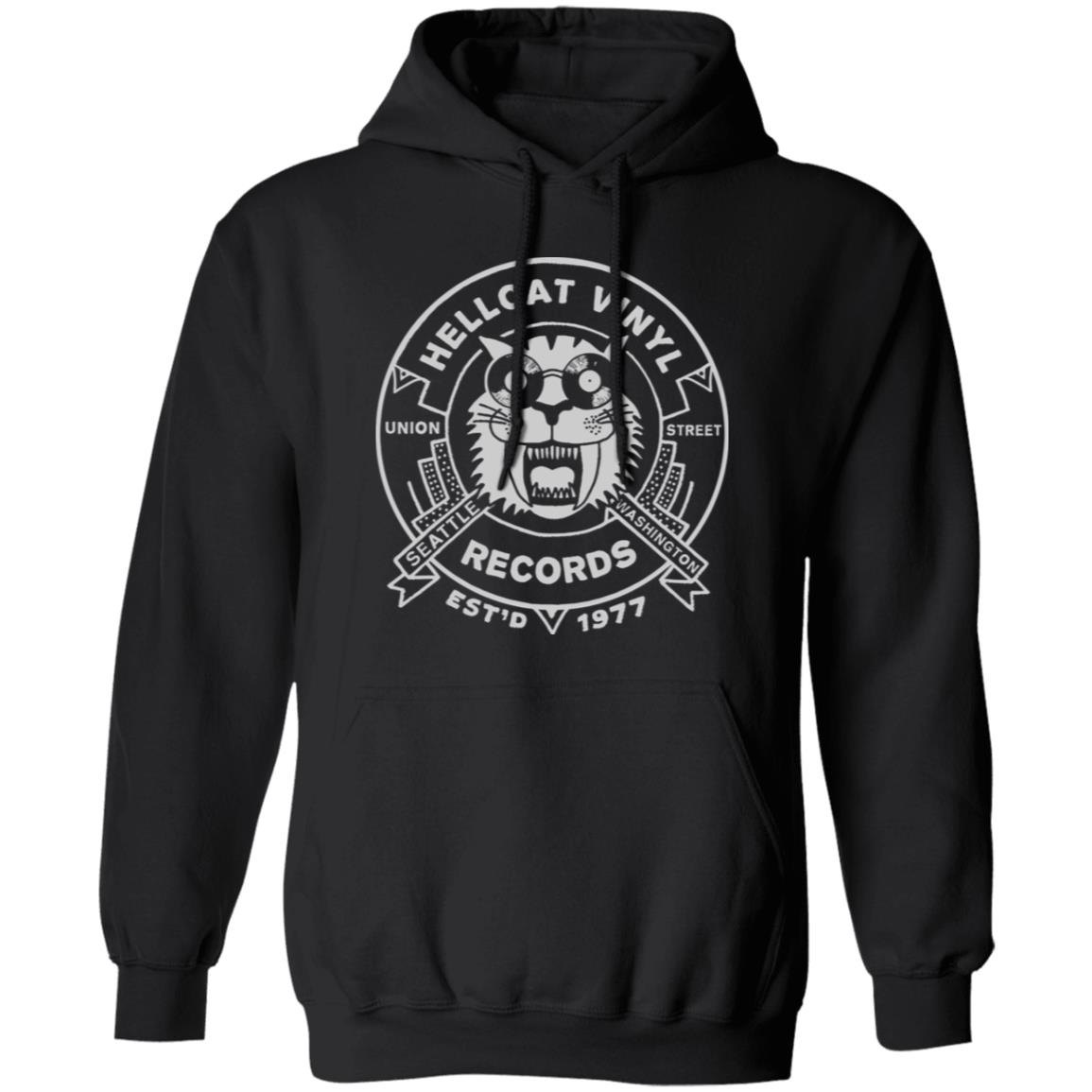
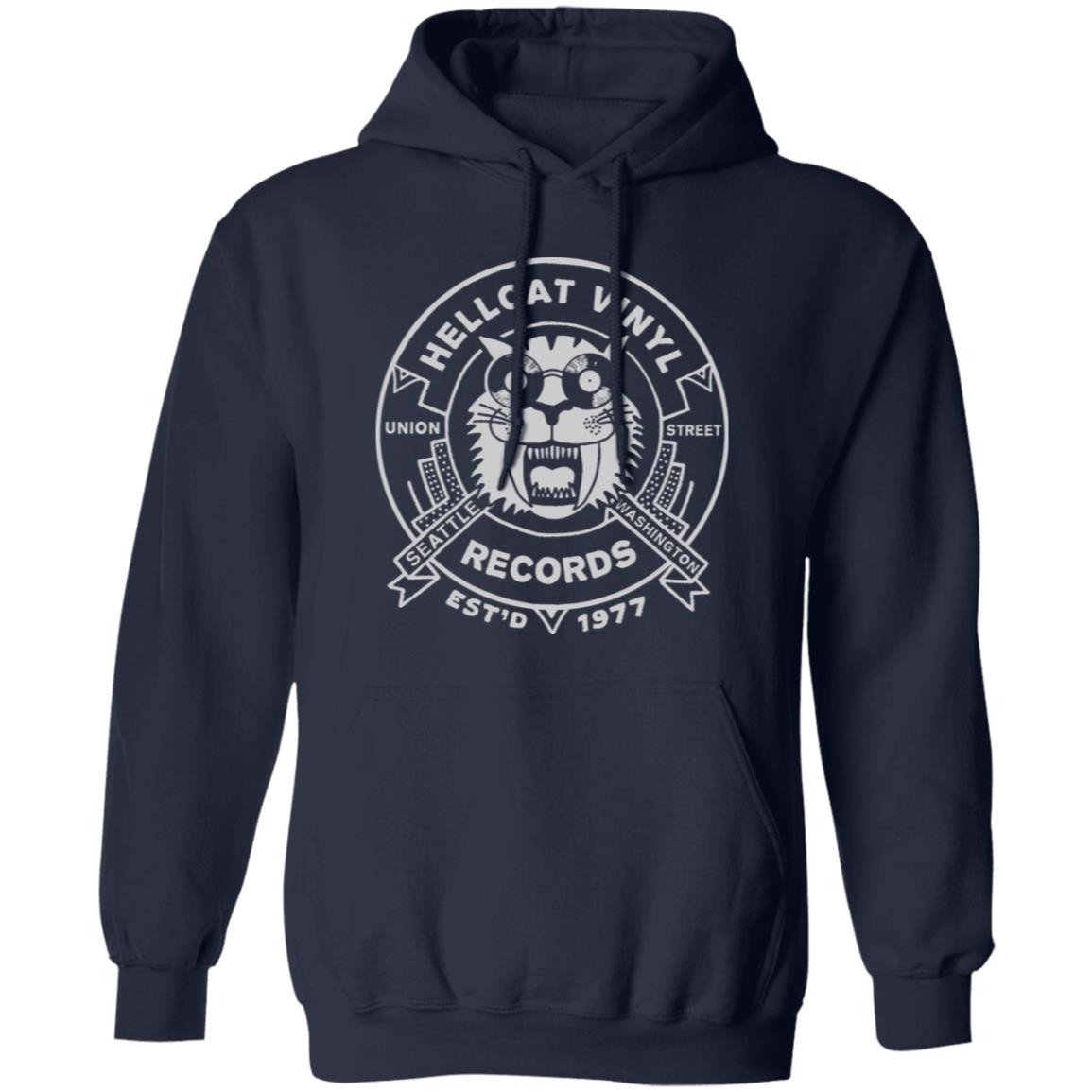
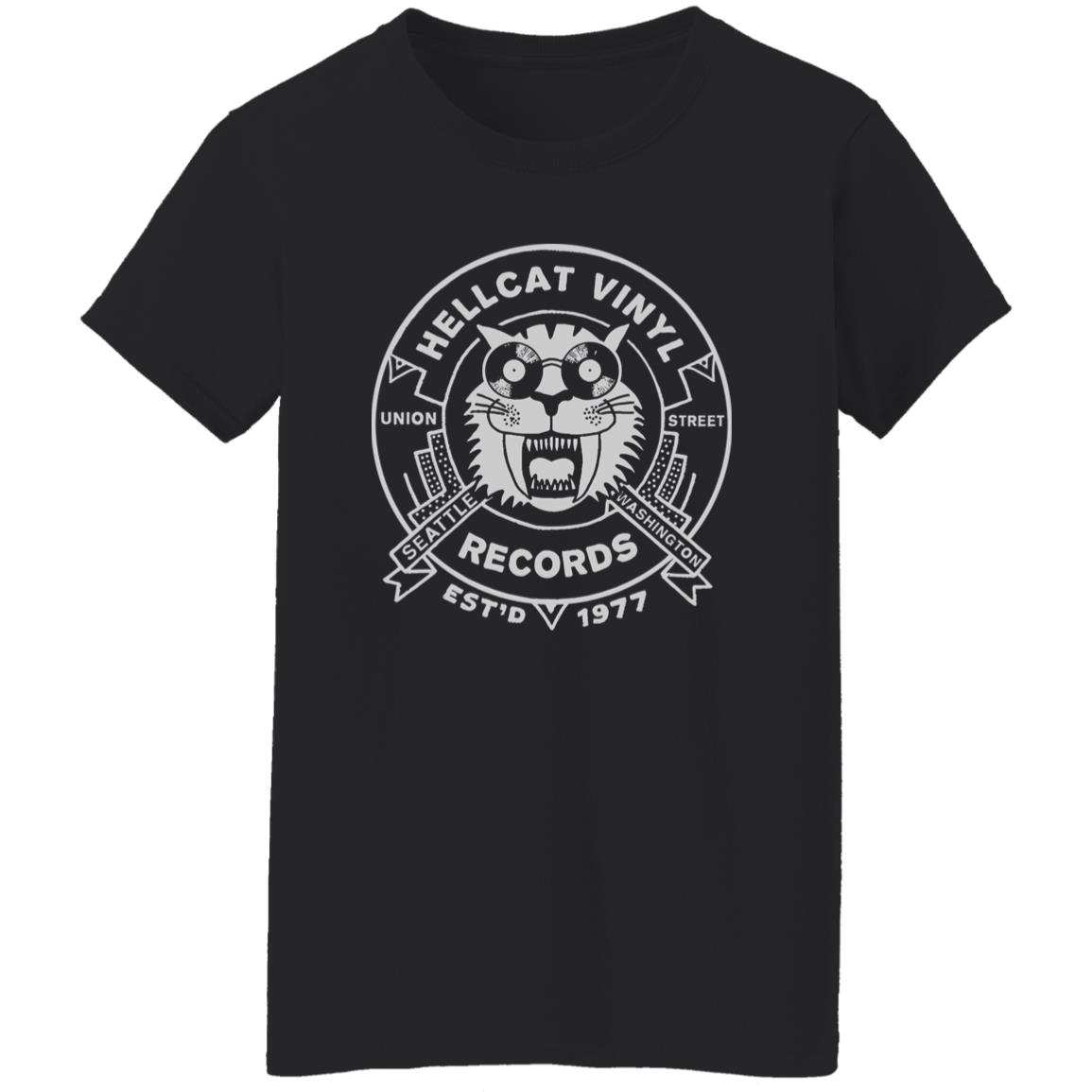
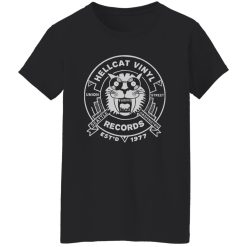
The Hellcat Vinyl Records Est’d 1977 Shirt lands in that rare space where music merchandise feels more like personal style than simple fandom. It reads instantly, but it does not need to shout. The graphic carries a record-store sensibility that makes the shirt easy to build around, whether the look leans vintage, street-focused, or stripped back and clean.
That matters because music apparel works best when it feels lived in rather than staged. A shirt like this gives an outfit identity early, so the rest of the styling can stay controlled. If you already gravitate toward music graphic fashion shirts, this design fits naturally into a rotation built around denim, broken-in outerwear, classic sneakers, and darker neutral layers.
The strongest music shirts do more than place a logo on cotton. They establish mood. The Hellcat Vinyl Records Est’d 1977 Shirt has that effect because the wording suggests history, subcultural taste, and a connection to analog music culture without forcing a full costume around it. It gives the outfit a point of view before you add a jacket, chain, or pair of boots.
That is why this shirt styles best as the anchor rather than a background piece. The print already carries enough visual character to define the direction of the look. Everything else should support that signal through texture, proportion, and restraint.
Instead of building from accessory to accessory, it helps to see the whole silhouette first. Picture the shirt with straight black jeans or washed charcoal denim, a slightly broken-in leather jacket or faded overshirt, and footwear that feels grounded rather than trendy. Classic white sneakers can work, but darker canvas shoes, old-school skate profiles, or low-profile black boots usually create a better match because they keep the tone aligned with the print’s analog character.
The silhouette should stay balanced. If the shirt carries medium visual weight, the rest of the outfit should not become oversized everywhere else. Relaxed denim works. So does a cleaner straight fit. What usually feels off is overcompensating with exaggerated volume, because that can turn a music-driven graphic tee into a generic streetwear formula.
A better approach is to let the shirt own the eye line while the rest of the outfit shapes the attitude. Slight fade in the denim, matte texture in the jacket, and understated footwear are enough. The result feels deliberate, not overworked.
This graphic direction pairs best with a controlled palette. Black, washed gray, off-white, dark olive, deep burgundy, and muted denim blue all support the visual tone without competing against it. That is especially useful when the shirt is the most communicative piece in the outfit. The goal is not to decorate the look from every angle. The goal is to give the graphic room to breathe.
Jewelry should stay minimal and slightly worn-in rather than polished and flashy. A simple ring, a chain with some weight, or a practical watch adds texture without hijacking the outfit. Caps, beanies, or sunglasses can work too, but only if they feel like extensions of the same mood. Too many styled add-ons can flatten the authenticity that makes a record-inspired shirt compelling in the first place.
One reason the Hellcat Vinyl Records Est’d 1977 Shirt has strong styling value is that it moves easily between environments. It does not belong only at a show, and it does not need a loud nightlife context to make sense. The print suggests taste, so it can adapt as long as the surrounding pieces respect that tone.
In a daytime setting, the easiest version is simple: the shirt, relaxed denim, and one outer layer with a little texture. A faded zip hoodie under a workwear jacket keeps the look grounded. A brushed flannel left open can pull it closer to old record-store energy. The shirt stays visible, but the outfit picks up dimension through layers that feel familiar and unforced.
At night, the balance can shift without changing the entire identity of the look. Swap the soft outer layer for a sharper jacket, keep the denim darker, and let the silhouette tighten slightly. That creates a cleaner frame around the graphic, which helps it read with more intent under lower light. The mood becomes more focused, but it still feels like the same person wearing the clothes.
There is a practical reason this works so well. Record-inspired graphics tend to carry both nostalgia and edge at the same time. That duality gives the shirt flexibility. It can sit inside a casual look with vintage sneakers and loose denim, or it can sharpen up with dark trousers and a structured jacket. The common thread is that the outfit should always feel tied to music culture rather than generic trend cycling.
There is also a visual advantage when styling for photography or product imagery. This shirt naturally creates image-pack appeal because the concept is easy to read in motion and at rest. On-body, the print brings focus to the chest area while the rest of the garment can fall cleanly around it. Under soft daylight, the design should feel crisp against the darker base, while the shirt itself works best with a smooth drape and a silhouette that stays close enough to the body to show shape without looking tight. Add worn black denim, a matte jacket, and a pair of classic low-top shoes, and the entire outfit communicates analog music taste in a single frame. That kind of visual clarity matters, because strong styling is not just about what works in person. It is also about what reads instantly in product images, social content, and everyday mirror-check decisions before leaving the house.
Outside a small record shop, flipping through bins while a new release spins overhead, this is exactly the kind of shirt that looks better because it feels natural in the environment rather than styled for the environment.
The key is consistency. Every piece should look like it belongs to the same person, not like it came from four different styling ideas forced together in one outfit.
The most convincing way to style the Hellcat Vinyl Records Est’d 1977 Shirt is through vintage-adjacent pairing rather than literal throwback dressing. There is a difference. Literal throwback styling can start to look like costume work, especially when every item tries too hard to announce era references. Vintage-adjacent styling is smarter. It borrows texture, fade, shape, and attitude from older music scenes, but keeps the outfit wearable now.
That means choosing pieces with some history in their appearance, even when they are new. Faded black denim feels stronger here than bright rigid jeans. A softened bomber works better than a glossy trend jacket. Sneakers with heritage lines tend to fit more naturally than futuristic performance silhouettes. Even small choices matter. A slightly washed cap, a belt with less shine, or a heavyweight overshirt with soft structure can shift the whole look closer to authenticity.
This kind of shirt does not need a complicated fit strategy, but it does benefit from proportion awareness. If you wear it loose, keep the bottom half controlled enough to preserve shape. If you wear it true to size, let the layers add visual depth instead of size alone. The shirt should look intentional on the body, not swallowed by the outfit or stretched into a slim silhouette that fights the graphic mood.
There is also a broader cultural reason this approach works. Music style often becomes most convincing when it looks collected over time rather than purchased all at once. That is what makes vintage pairing effective. It creates the impression of taste, not just coordination. The Hellcat Vinyl Records Est’d 1977 Shirt supports that beautifully because the concept already suggests familiarity with sound, format, and scene. You do not need to over-explain it with the rest of the outfit. You only need to give it the right frame.
And that is the real strength here: this shirt carries enough attitude to lead, but enough flexibility to live with the pieces you already trust. Worn with restraint, it feels sharper than trend-chasing and more personal than generic band-adjacent merch. That is exactly where the best music styling lives.
| Product | Hellcat Vinyl Records Est'd 1977 Shirt |
|---|---|
| SKU | cc-1049-9953-105153388-1718592474656 |
| Fabric Weight | Midweight (5.3 oz) – Heavyweight (6.0 oz Long Sleeve) |
| Material Composition | Solid Colors: 100% Cotton Ash Grey: 99% Cotton / 1% Polyester Sport Grey: 90% Cotton / 10% Polyester Dark Heather: 50% Cotton / 50% Polyester |
| Fit | Classic Unisex Fit (Ladies: Slightly Tapered Missy Fit) |
| Construction | Double-needle stitching Taped neck & shoulders Preshrunk jersey knit Tearaway label |
| Hoodie Material (G185) | 8.0 oz – 50% Cotton / 50% Polyester |
| Available Sizes | S – 5XL (6XL select colors only) |
| Origin | Made with sustainably and fairly grown USA cotton; Printed in USA |
| Print Method | DIGISOFT® Direct-to-Garment (DTG) |
| Brand | Capital T Shirt |
| Fast & Reliable Shipping | All orders are professionally printed and shipped from the USA. |
|---|---|
| Processing Time | Printed on demand within 1–3 business days. |
| Shipping Time | USA: 4–7 business days International: 7–15 business days |
| Shipping Costs | USA Standard: $5.99 International Standard: $9.99 |
| Secure Checkout | Safe & encrypted payment processing. Your information is protected at all times. |
| Returns & Exchanges | We offer a 30-day return policy. View Refunds & Returns Policy |
| Customer Guarantee | We stand behind the quality of every item we print. |



Reviews
There are no reviews yet.