No products in the cart.
Save 20% on orders over $100 with code CT20

Price range: $21.90 through $44.99
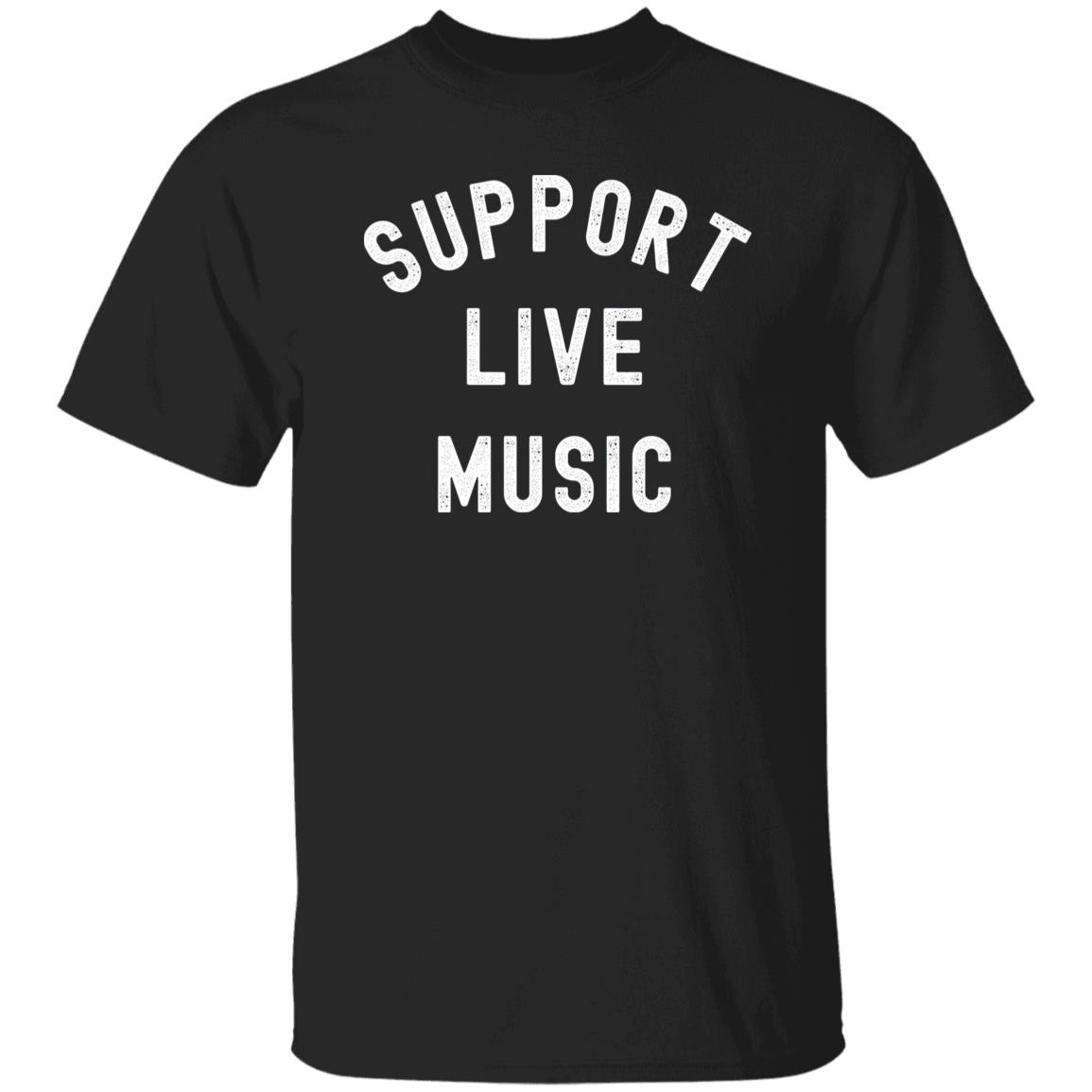
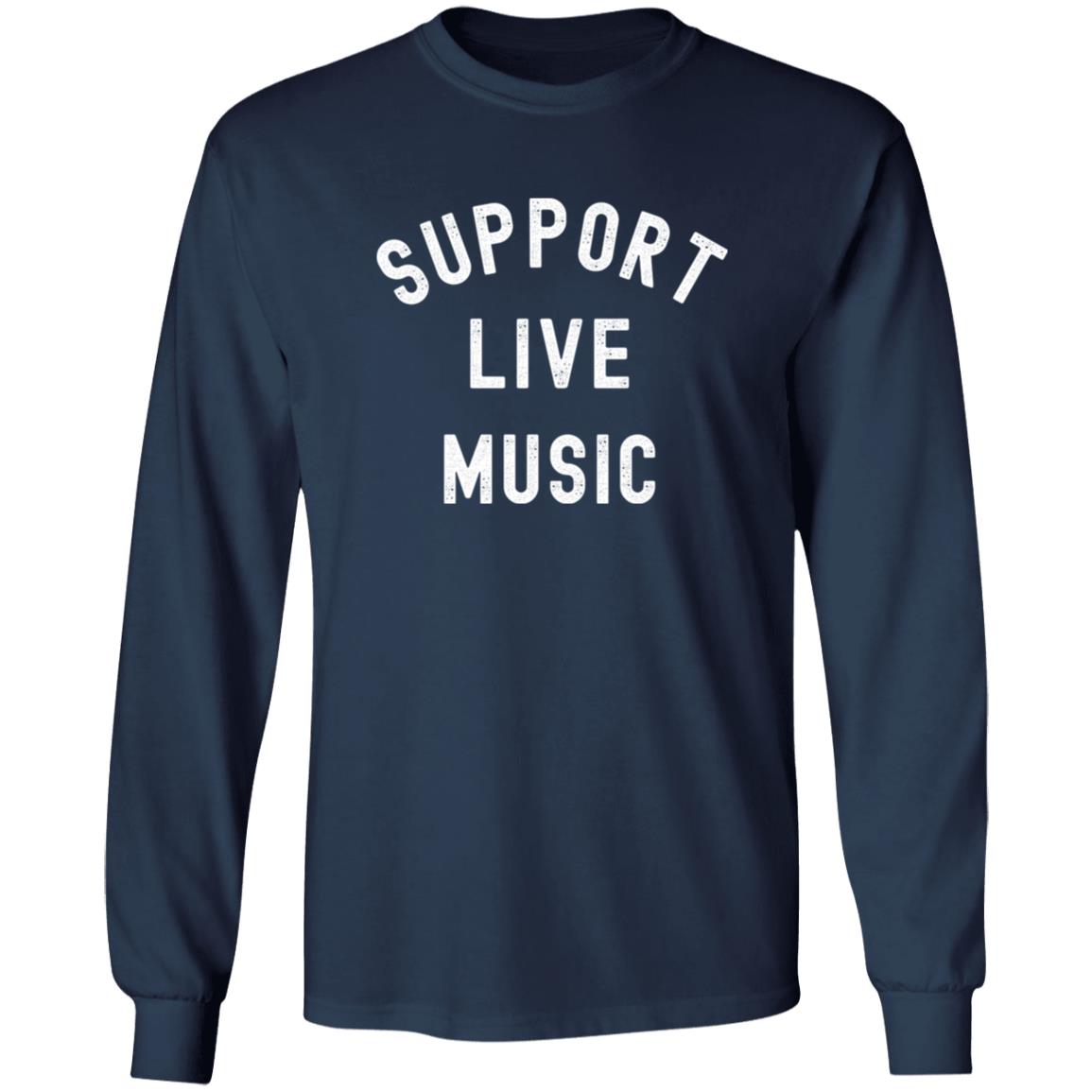
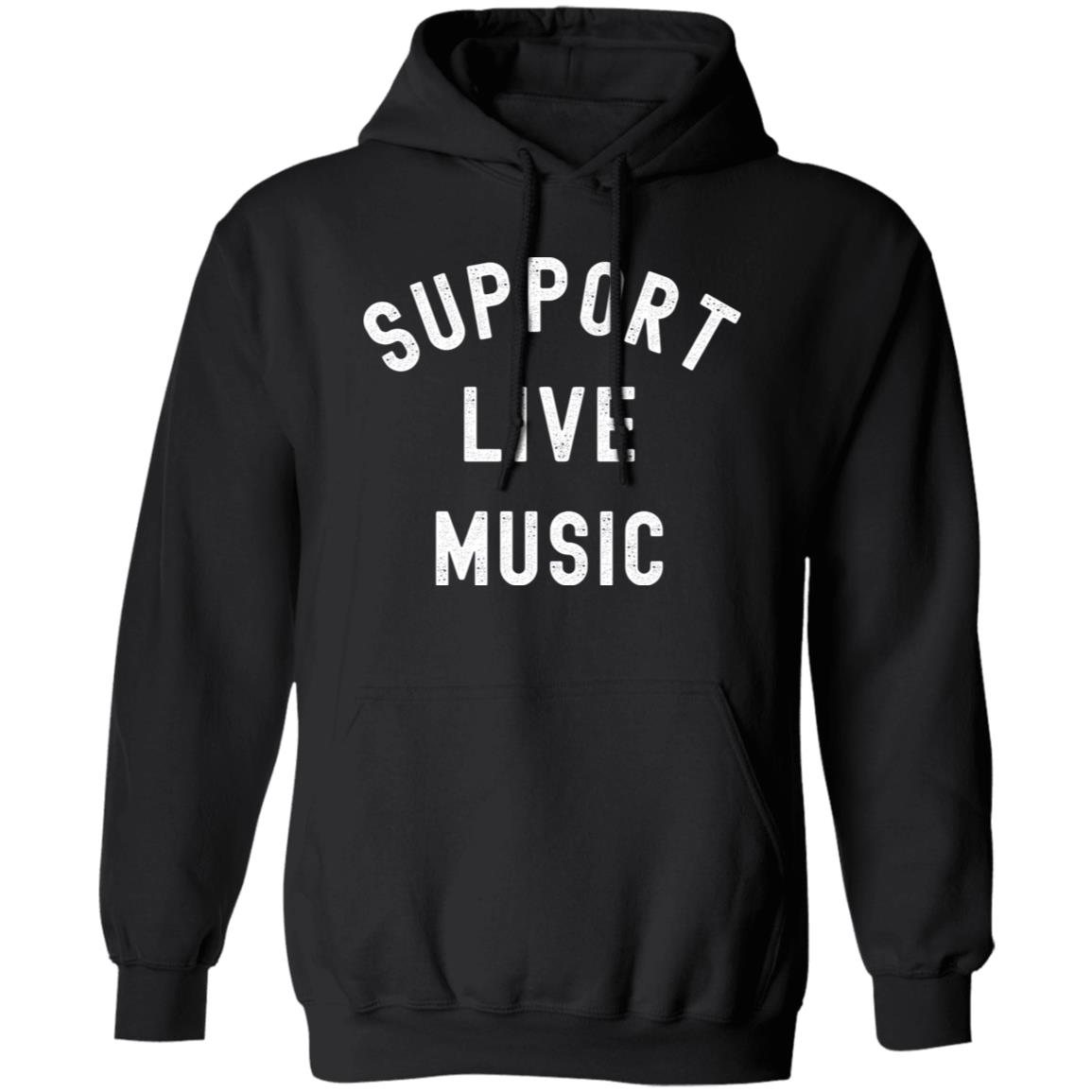
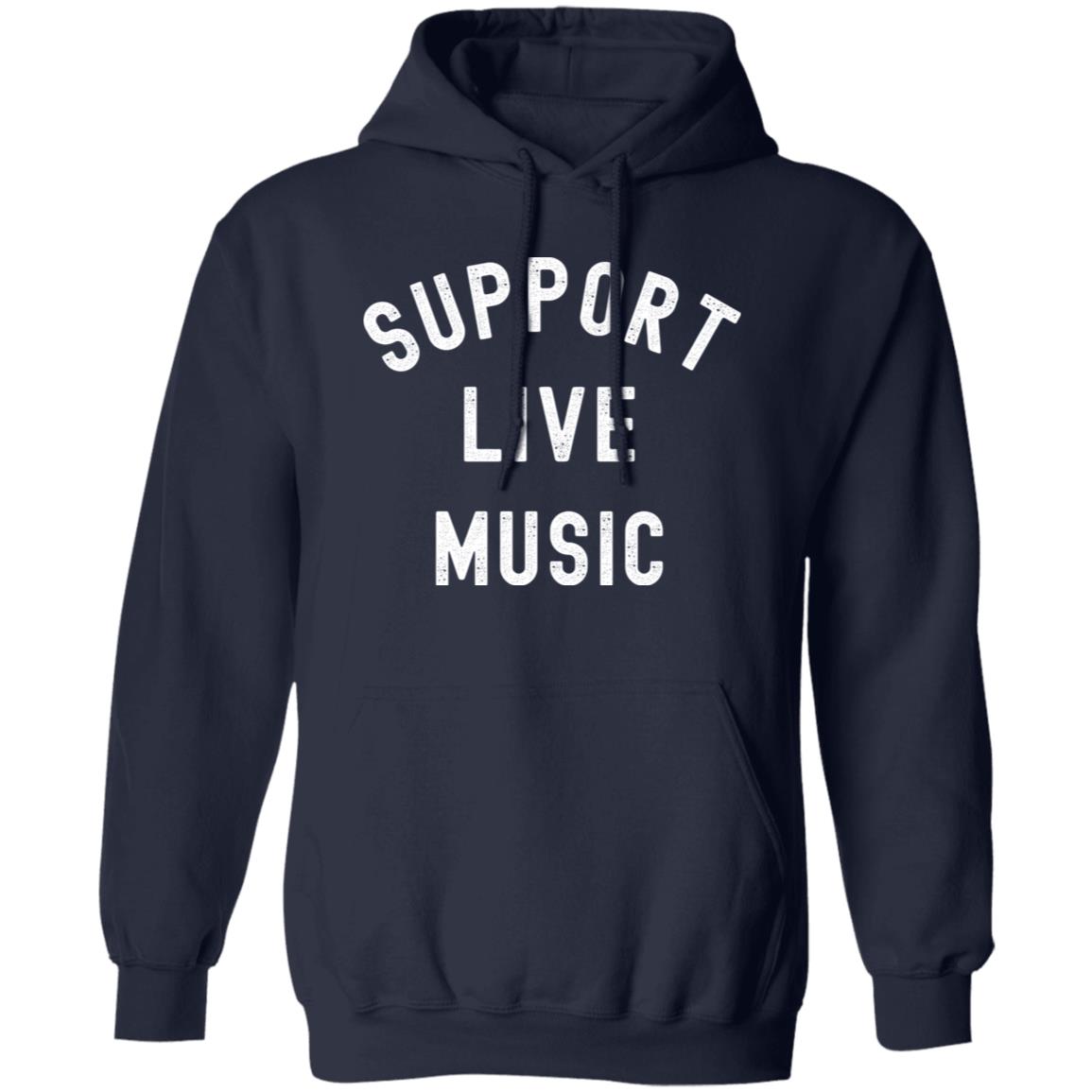
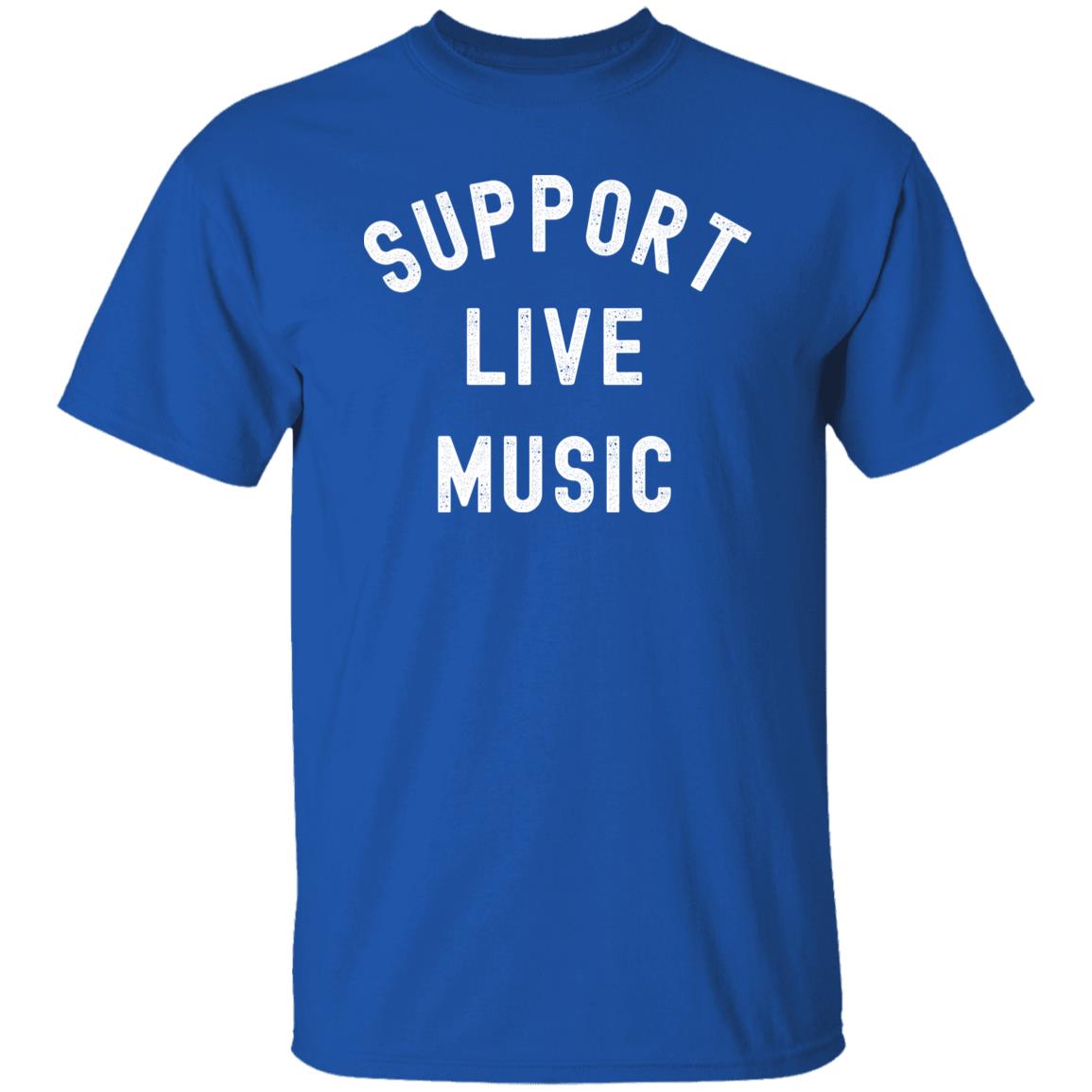
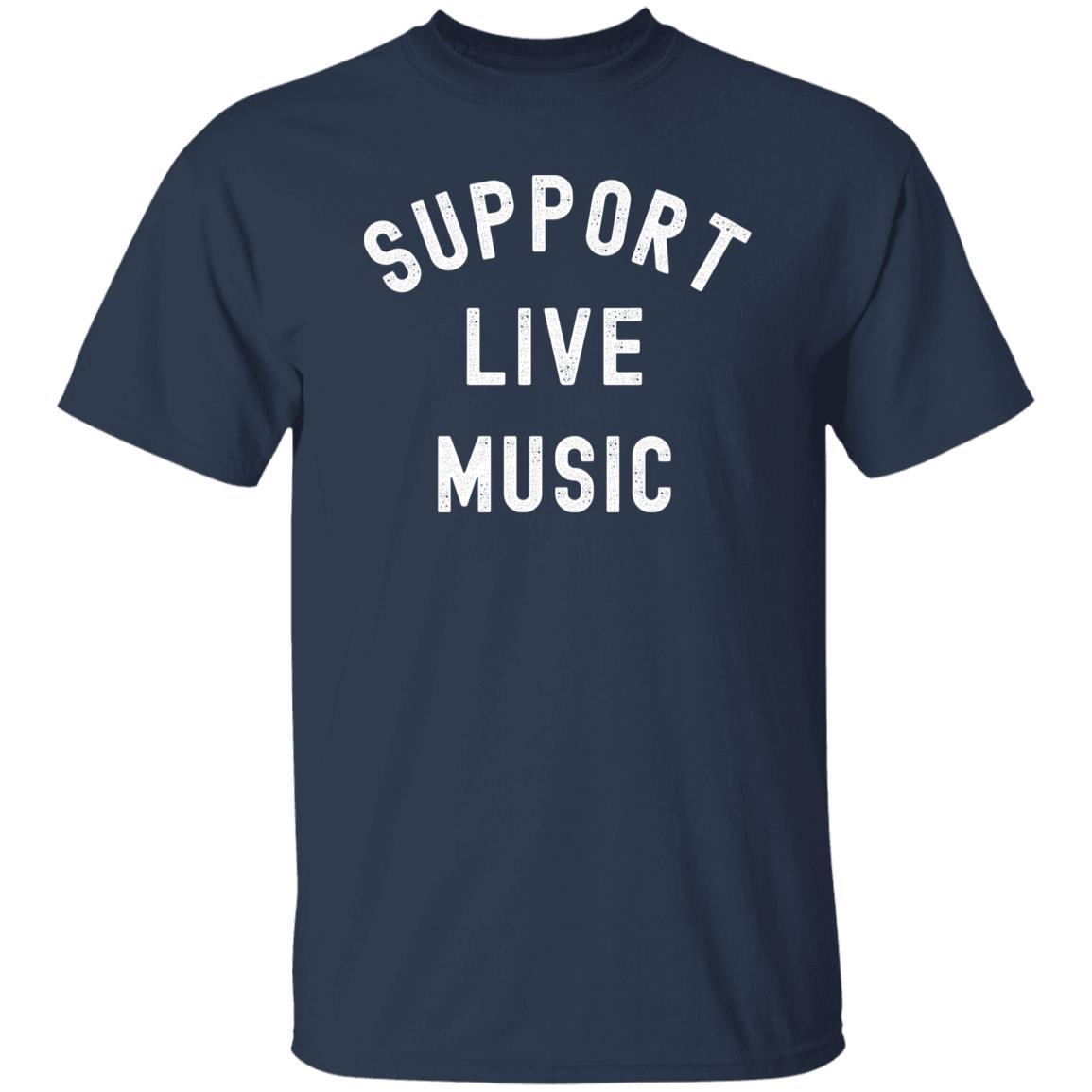
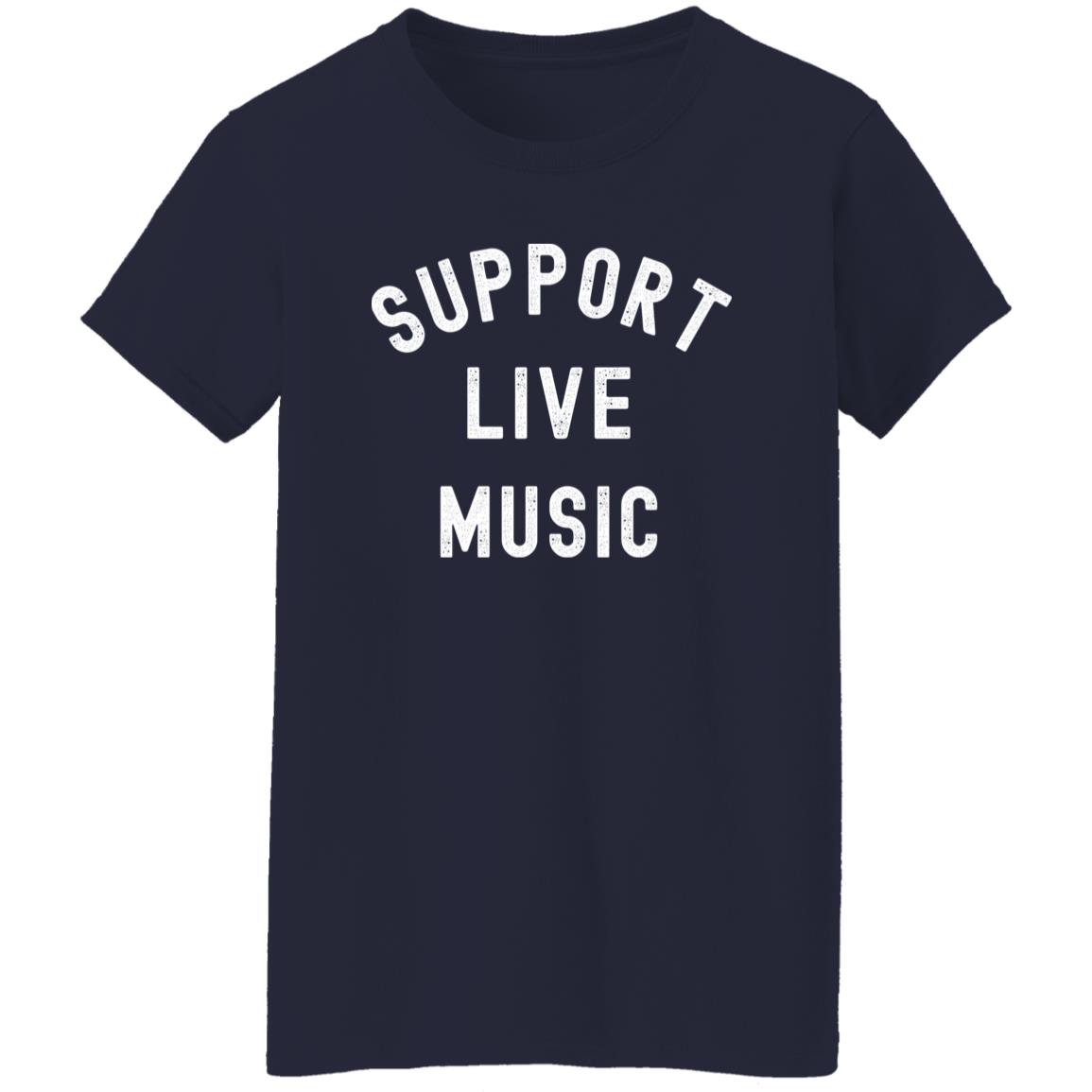
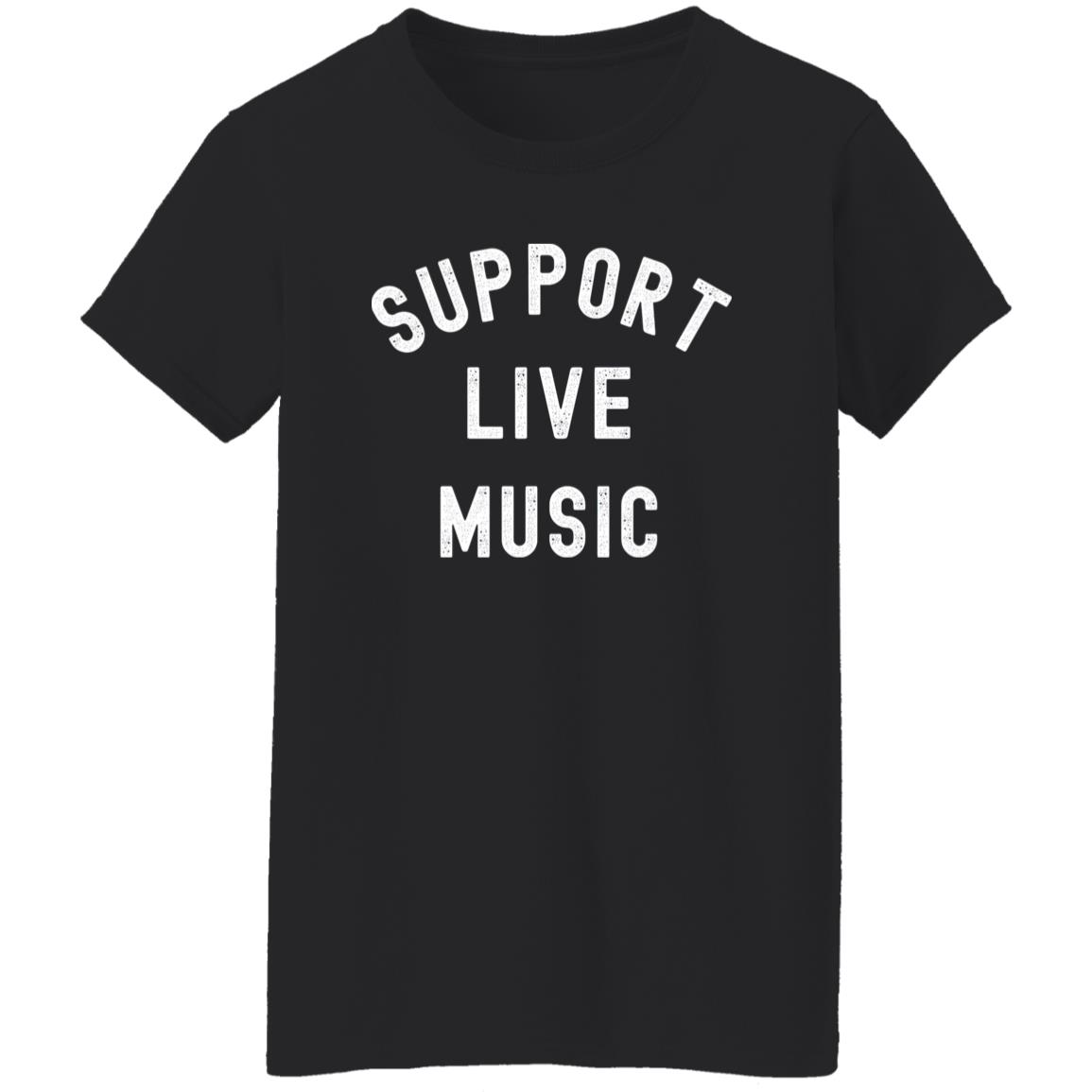
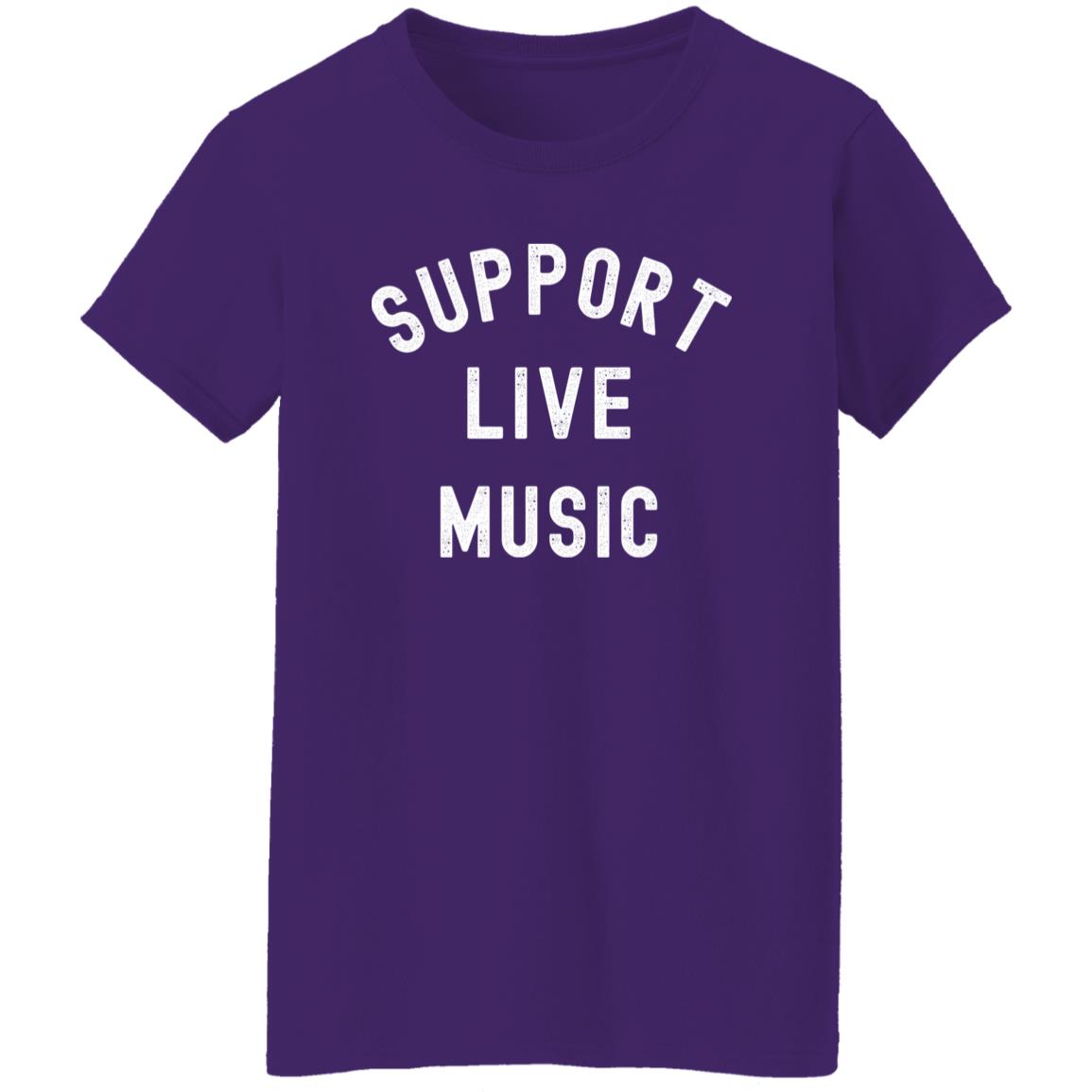
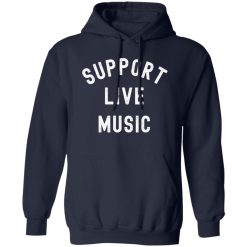
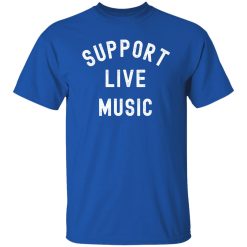
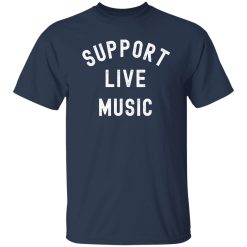
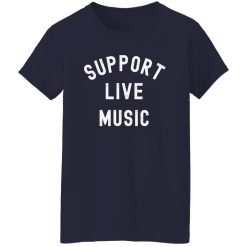
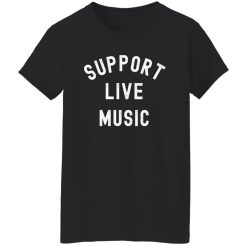
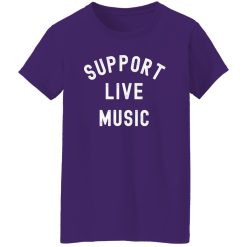
A support live music shirt says something clear before anyone reads the full graphic. It points to a value system as much as a style choice: show up, buy a ticket, stay for the opener, and keep small stages alive. For people who still care about packed club floors, last-minute set changes, and the energy that only happens when a room is locked into the same song, this kind of piece lands differently. It works as everyday wear, but it also carries the attitude behind shop music t shirts in a way that feels immediate rather than decorative.
That matters because “support live music” is not empty language in music culture. It connects to local venues, independent artists, regional touring circuits, and the fans who understand that scenes do not survive on streaming alone. A shirt built around that message has to do more than look good in a product image. It needs to feel rooted in the real rhythm of live shows and the identity of the people who keep those rooms moving.
Live music has always carried a kind of immediacy that recordings cannot fully reproduce. A song can be familiar for years, then suddenly feel brand new once it hits a room with a loud crowd, a rough stage mix, and a band feeding off the people in front of them. That is why the support live music shirt resonates beyond simple merch language. It reflects participation. It signals that music is not just something to scroll past or leave in the background. It is something worth leaving the house for.
In the current style landscape, that message also stands out because it feels grounded. A lot of graphic apparel leans on nostalgia without asking anything of the wearer. This theme is different. It carries a small sense of responsibility. Buy the ticket. Stand near the stage. Pay attention to the opening set. Keep the venue calendar alive. For fans who care about music as a living culture rather than only a digital library, that message feels direct and relevant.
That gives the product stronger meaning in the Music category. Instead of relying on one band name or one era, it taps into a wider cultural instinct: the desire to protect spaces where music still feels human, loud, imperfect, and shared. That kind of framing makes the shirt wearable across genres too. Indie, punk, hardcore, alternative, folk, metal, and small-room pop all connect to the same underlying idea when the stage is real and the crowd is present.
The strongest thing about a support live music shirt is that it can enter an outfit without feeling overworked. The message already carries visual weight, so the rest of the look does not need much pushing. That gives it easy flexibility for people who want identity in their clothes without building an outfit that feels too calculated.
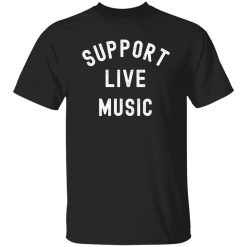
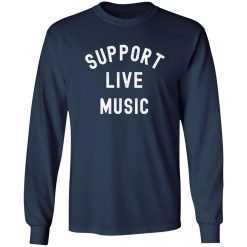
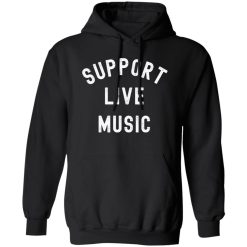
On a visual level, this kind of shirt usually works best when the print reads clearly from a few steps away. For Image Pack value, the ideal presentation is simple but expressive: a relaxed silhouette, a print that stays legible against the base color, and enough drape through the body to keep the piece from feeling stiff. In motion, the shirt should look natural rather than overly structured. The graphic should feel like part of the garment instead of sitting awkwardly on top of it. That visual balance matters because music apparel looks strongest when it feels lived in, not overly polished.
It also pairs easily with the kinds of pieces people already wear to shows and day-to-day city movement. Dark denim, broken-in cargos, loose work pants, washed black layers, or a simple overshirt all make sense here. Footwear can shift the mood fast. Clean sneakers keep it casual. Boots make it feel heavier. Beat-up skate shoes push it toward venue-floor realism. The shirt remains the statement, but it does not trap the wearer into one fixed subculture uniform.
There is also something useful about the way this message travels outside concert spaces. It still works in a coffee shop, record store, rehearsal space, or late train ride home after a set. That broad wearability is important for commercial intent because it gives buyers a reason to choose it beyond one-off event use. The shirt can belong to the live music world without becoming costume-like.
Picture the hour before doors open. The line is not long yet. Someone is checking times on their phone, another person is talking about the opener, and the venue staff is still moving cables behind a side entrance. A support live music shirt belongs naturally in that moment because it reflects the mindset of being there early, being present, and caring enough to show up before the room fills. That small scene says more about the product than generic “music fan” language ever could.
This is where the lifestyle embodiment becomes important. The shirt is not only about what happens during the set. It is about the culture surrounding live performance: waiting outside with friends, grabbing a drink after the encore, talking through the setlist on the walk back, buying merch because you want the band to come through town again. That is why the phrase has staying power. It speaks to habit, not hype.
For commercial shoppers, that also translates into confidence. You are not choosing a random slogan tee. You are choosing a piece that aligns with a recognizable music-centered identity and still holds up in normal wear. The product has enough thematic clarity to stand out in photos, but the message is broad enough that it does not narrow its relevance to one artist cycle or one short trend window.
A good music shirt should feel easy to reach for. This one has a natural advantage because the phrase already carries warmth, loyalty, and scene awareness. It can read as advocacy, but it can also read as belonging. That mix gives it stronger long-term use than novelty-driven graphics that peak once and disappear.
If someone is actively searching for a support live music shirt, they are usually not just browsing for any graphic tee. They want a piece that captures a real attitude, looks credible within music culture, and fits into everyday wear without friction. This product checks those boxes when it is executed with visual clarity and a balanced silhouette.
The strongest reason to choose this kind of design is simple: it communicates instantly. People understand the message fast, and the wearer does not have to explain the reference. At the same time, it avoids the limitations of artist-specific merchandise. That makes it easier to wear more often and across more settings. From a shopping standpoint, that wider usability gives the product stronger value.
It also performs well as a gift because the meaning is easy to understand but still specific enough to feel personal. If the recipient goes to shows, talks about venues disappearing, or spends weekends chasing local lineups, the message lands with almost no translation needed. It feels thoughtful rather than generic.
Most importantly, the shirt keeps the culture in focus. It does not pretend the music world lives only online. It points back to rooms, stages, amps, and audiences. That is exactly why a support live music shirt earns its place in a modern rotation: the message feels honest, the styling is easy, and the identity behind it still matters.
| Product | Support Live Music Shirt |
|---|---|
| SKU | cc-1049-9971-105152914-1718589545342 |
| Fabric Weight | Midweight (5.3 oz) – Heavyweight (6.0 oz Long Sleeve) |
| Material Composition | Solid Colors: 100% Cotton Ash Grey: 99% Cotton / 1% Polyester Sport Grey: 90% Cotton / 10% Polyester Dark Heather: 50% Cotton / 50% Polyester |
| Fit | Classic Unisex Fit (Ladies: Slightly Tapered Missy Fit) |
| Construction | Double-needle stitching Taped neck & shoulders Preshrunk jersey knit Tearaway label |
| Hoodie Material (G185) | 8.0 oz – 50% Cotton / 50% Polyester |
| Available Sizes | S – 5XL (6XL select colors only) |
| Origin | Made with sustainably and fairly grown USA cotton; Printed in USA |
| Print Method | DIGISOFT® Direct-to-Garment (DTG) |
| Brand | Capital T Shirt |
| Fast & Reliable Shipping | All orders are professionally printed and shipped from the USA. |
|---|---|
| Processing Time | Printed on demand within 1–3 business days. |
| Shipping Time | USA: 4–7 business days International: 7–15 business days |
| Shipping Costs | USA Standard: $5.99 International Standard: $9.99 |
| Secure Checkout | Safe & encrypted payment processing. Your information is protected at all times. |
| Returns & Exchanges | We offer a 30-day return policy. View Refunds & Returns Policy |
| Customer Guarantee | We stand behind the quality of every item we print. |
Reviews
There are no reviews yet.